Home Blog Page 947

In their outrage, Muslim ‘journalists’ are now admitting that vendors misrepresent their identity, pose as Hindu vendors to fool customers

As the administration of Muzaffarnagar district in Uttar Pradesh has issued an order asking hotels, dhabas, and carts selling food items to write the name of their proprietors and operators running the shop or cart during Kanwar Yatra, several Islamists are suffering a tremendous meltdown. Although the local administration did not even mention Muslims or any non-Hindu community, some Muslim ‘journalists’ and Islamist sympathizers are accusing the Yogi government of “religious discrimination”. However, in their desperation to do so, these people admit that many of their co-religionists misrepresent their identity posing as Hindus to fool unsuspecting Hindu customers.

Several Muslim ‘journalists’, including Zakir Ali Tyagi and Wasim Akram Tyagi who were recently booked by Shamli Police for peddling false mob lynching claims over the death of a Muslim man, are crying hoarse over the Muzaffarnagar administration’s directive.

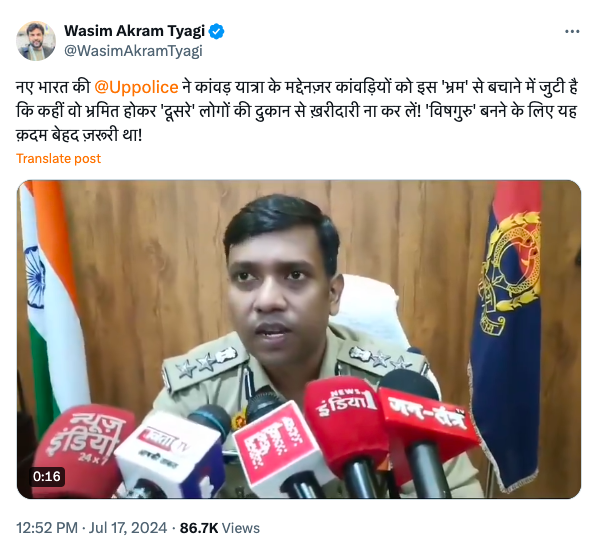
In an X post, Wasim Akram Tyagi wrote, “In view of the Kanwar Yatra, the @Uppolice of New India is trying to save the Kanwariyas from this ‘illusion’ that they may get confused and buy things from ‘other’ people’s shops! This step was very necessary to become a ‘Vishguru’!”
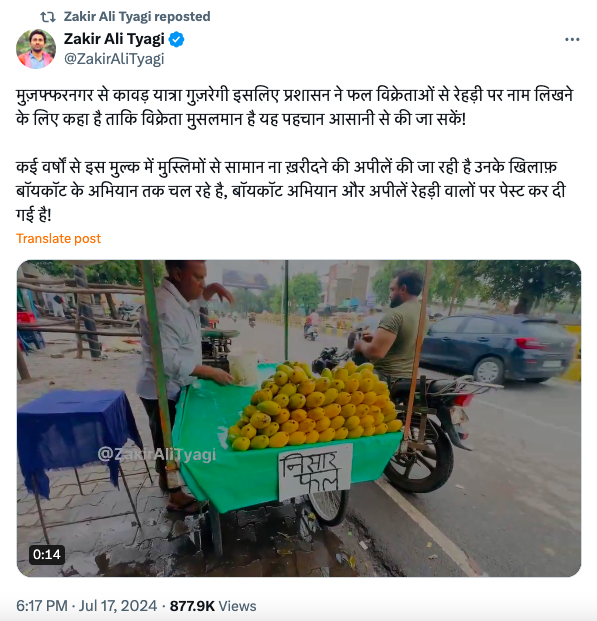
Similarly, Zakir Ali Tyagi posted, “Kanawar Yatra will pass through Muzaffarnagar, therefore the administration has asked the fruit vendors to write their names on their carts so that it can be easily identified whether the vendor is a Muslim or not. For many years, appeals are being made in this country to not buy goods from Muslims, even boycott campaigns are going on against them, boycott campaigns and appeals have been pasted on street vendors!”
Another Muslim ‘journalist’ Samiullah Khan went on to accuse the Muzaffarnagar administration of discrimination and equated its directive to Nazism. “Dear Hindus! This is the Nazi model, tell me If we adopt this model in & around the Muslim localities too? ” In UP’s Muzaffarnagar, police ordered hotels and vendors falling on the route of Kanwar Yatra to display the names of the owners in front of their shops” aiming to identify the religion of the owners. Is this so that the Hindu Kanwariyas do not get confused i.e. they should not buy from any Muslims, This is nonsense and highly divisive just like the Nazi era!”

It is rather ironic that these Islamists and some Muslim politicians like AIMIM chief Asaduddin Owaisi are equating the administration’s order to simply put the names of the street vendors and the hotel owners on their board with Nazism and hatred for Jews, while their own religion shows least respect for Jews – in fact, it shows very little respect for the right to live of any non-Muslim community.

There is an adage in Hindi “Chor ki daadhi mein tinka” which implies that someone involved in wrongdoing is overcautious or accidentally admits to doing some wrong with his reaction. The entire outrage of Islamists on social media is a perfect example of this adage. Their outrage itself points to the fact that they are admitting that Muslims hide their identity since the administration’s order was not religion-specific. The Muzaffarnagar SSP made it clear that Kanwariyas are free to purchase fruits and other goods from anyone and that the order to put the names of the street vendors and the hotel owners on their board is for all and not specifically for Muslims, as the Islamists are trying to insinuate.

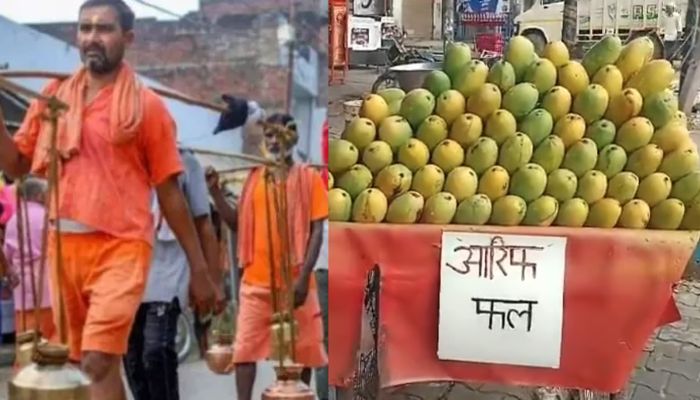
It must be noted here that there have been several incidents wherein Muslims were found to be running shops with the names of Hindu deities giving an impression that the shop is owned and run by Hindus, however, upon paying via UPI which displays the real name of the user, it turned out that the shop belonged to Muslim person.

In Uttarakhand, it has been reported by ZeeNews that several Muslim-owned shops and Dhabas were named after Hindu goddess Vaishnodevi. While the dhabas are named after Hindu deities, the food here is prepared by Muslims while unsuspecting Kanwariyas eat food from these eateries. Notably, these Hindu-named but Muslim-owned Dhabas have made special arrangements for Kanwar Yatris on the Kanwar Yatra marg. It would appear that they wish to earn money from Hindus but don’t want to disclose their identity.

Similarly, in Saharanpur, Uttar Pradesh, multiple dhabas have been found to be operating under the names of Hindu deities. In one such case, one Muhammad Anas Siddiqui owned the dhaba ‘Janata Vaishno Dhaba’. This dhaba has also made special provisions for visitors on the Kanwar pilgrimage path. In Bareilly as well, some Muslim-owned businesses operate under Hindu names, such as “Chaudhary Sweets.” These businesses use Hindu names to attract Hindu customers.

While eating food from such a place or not is a matter of personal choice, it is questionable why these Muslim shops or eatery owners use the names of Hindu deities to run their businesses. Why this subterfuge? What is the compulsion to deceive people, especially Kanwariyas? While Hindus largely do not check the religion of the owner of a restaurant or a shop owner before visiting, one has to wonder why Muslim vendors feel the need to hide their identity.

Other than basic transparency, dietary compliance is also a crucial concern here. The Kanwariyas, who follow strict dietary restrictions during the holy month of Saawan, need assurance that the eateries they patronize align with their religious and dietary beliefs. The name boards help pilgrims identify compliant eateries and avoid those misrepresenting themselves. As discussed above, there have been instances where owners have put up banners with images of Hindu deities but these establishments were operated by Muslims. How can those who do not maintain transparency of identity be trusted with respecting the religious beliefs and Saatvic dietary preferences of Kanwariyas? Thus, by requiring name boards, the administration aims to prevent such deceit, ensuring that the Kanwariyas can maintain their religious practices without falling prey to misrepresentation.

The directive for vendors to place name boards is a reasonable and necessary step for the effective management of the Kanwar Yatra. It is not discriminatory but rather a pragmatic approach to ensure the event proceeds without any incidents of communal tensions or violence. This further facilitates the Kanwariyas to undertake their Yatra in a setting conducive to the traditions they follow.

Interestingly, the opposition parties leave no opportunity to give any issue a communal angle to target the ruling BJP government in Uttar Pradesh and appease Muslims. In this vein, Samajwadi Party leader Akhilesh Yadav came up with an absurd argument to oppose the Muzaffarnagar administration’s order saying that what will be identified from names common in Hindus and Muslims like Guddu, Munna, Fattey and Chhotu etc. The supremo of the Samajwadi Party which literally thrives on the “M-Y [Muslim-Yadav] formula, has sought that the court intervene and take action against this ‘social crime’.
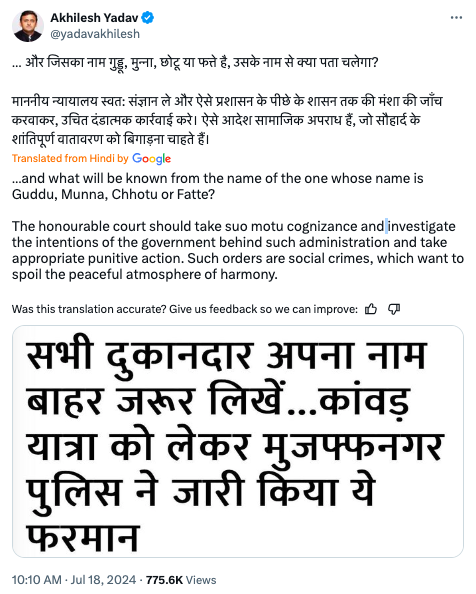
“…and what will be known from the name of the one whose name is Guddu, Munna, Chhotu or Fatte? The honorable court should take suo motu cognizance and investigate the intentions of the government behind such administration and take appropriate punitive action. Such orders are social crimes, which want to spoil the peaceful atmosphere of harmony,” Yadav posted.

Instead of demanding transparency from shop owners and vendors who misrepresent their identity, Yadav is indulging in whataboutery. Ironically, when the Yogi government banned the sale of Halal-certified products in the state last year, Akhilesh Yadav opposed the decision and claimed that BJP spreads communal hatred. So while Akhilesh Yadav and so many others are comfortable with the Muslim dietary preference, which is exclusionary and in real terms, discriminates against Hindus, one has to ask is it a Herculean task for Muslims and for that matter anyone to mention the name of the proprietor on the board/banner of their shops and carts, etc?

Such blatant hypocrisy finds its roots in vote bank appeasement politics. While Islamists, their media, and political cheerleaders are arguing against and alleging that if fasting Kanwars prefer to dine or have food items from Hindu sellers, is religious discrimination, they shamelessly and most vehemently defend Halal certification of a vast range of products. It happens only in India that Hindus are labeled communal, an administrative order upholding the religious beliefs of a community during their holy month is called discriminatory while those who permeate religiosity into almost everything and try to impose the same on non-Muslims are called secular, oppressed, and whatnot.

Halal economy despite its discriminatory and exclusionary nature thrives with even Hindus and other non-Muslims most of the time unknowingly contributing to it, is not opposed. Islamists and their sympathizers who obligingly overlook the obvious religious discrimination created by halal certification go around shouting and screaming about “discrimination” when none at all exists, as in this instance where the government has only asked store owners, regardless of religion, to put their names on display. It must be noted here that Islamists oppose anything and everything they see as a perceived threat. It seems that Islamists fear that such mainstreaming of the Saatvic economy may pose a challenge to the monopoly of the Halal economy. When Muslims can have Muslim-only butchers why can’t Hindus have Hindu-only vendors? Also, how is asking to disclose the name of the owner of a shop/eatery etc discriminatory?

In a real incident of religious discrimination, back in 2020, a group of Hindu fruit sellers in Jamshedpur were booked by the city police on complaint of a Muslim man for writing ‘Hindu’ on their shops. The fruit-sellers had written “Vishwa Hindu Parishad ki anumodit Hindu fal Dukan” which translates to “Hindu fruit shop approved by Vishwa Hindu Parishad.” However, no action was taken against Muslim shops and establishments that proudly boasted about their religion. Moreover, in Karnataka, it was reported how Muslim traders forced Hindu traders to shut shops in protest against the Karnataka High Court’s order banning the wearing of hijab in educational institutions. In 2021, it was reported that a Muslim man named Irfan was running an eatery named after “Shrinath” (another name for Lord Krishna) in Mathura prompting Hindus to stage a protest.

While Muslim ‘journalists’ and Islamists, in general, have been desperately passing off random incidents wherein the deceased is Muslim as “mob lynching” by a “Hindutva mob”, they do not want Hindus to be cautious despite several incidents wherein it was found that Muslims sold cow meat stuffed Samosas to Hindu customers despite knowing that Hindus revere cows. OpIndia has numerous such incidents in Gujarat and other states wherein Muslim-owned eateries were selling beef stuffed samosas in the name of veg samosas to Hindus to obviously ridicule and offend the religious beliefs of Hindus.

In fact, there have been instances of Muslim-owned shops being caught spitting on the food or fruits and vegetables they sell. The very Muslim ‘journalists’ and ‘fact-checkers’ outraging today and calling Hindus discriminatory came up with bizarre justifications for the same and somehow labeled the Hindus only as communal and discriminatory.

The truth is that the UP administration order requires Hindus, Muslims, and Sikhs – basically people from all religious denominations to display the owners’ names, however, it appears that only the Islamists are outraged over the decision. Their outrage crystalizes the fact that even though they are aware that Muslim vendors do hide their identity and pretend to be Hindu, however, they are aware that crying “discrimination” and “religious persecution” is the easiest way to shield the wrong-doing of the community. Further, it is rather hilarious that the cries of religious discrimination are emanating from the very people who defend the Halal economy as a dietary right of the Muslim community – which is exclusionary. In their outrage, is an admittance of the truth – the fact that according to them, Muslims can be exclusionary as a religious right, however, asking them to be honest about their own identity, just like other vendors, becomes exclusionary in itself.
Assam decides to repeal the Assam Muslim Marriages and Divorce Registration Act to prevent child marriages: Details

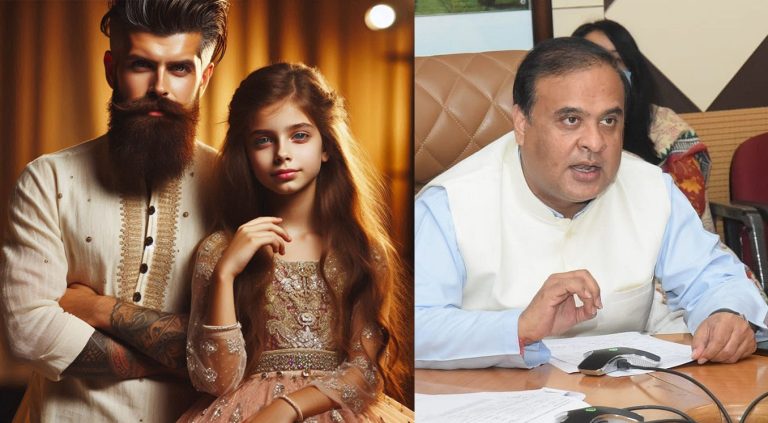
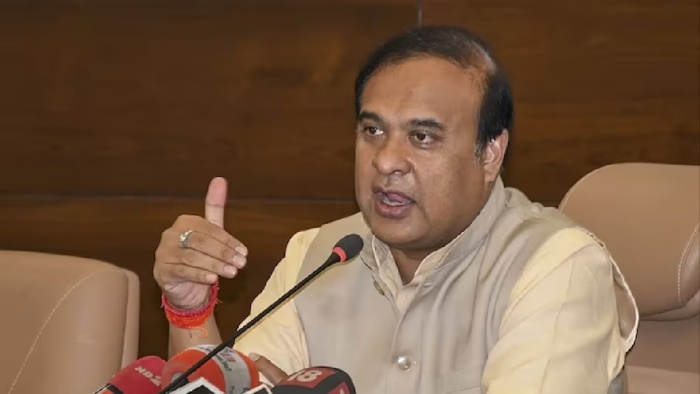
Chief Minister Himanta Biswa Sarma-led Assam government on Thursday decided to repeal the Assam Muslim Marriages and Divorce Registration Act of 1935 to prevent child marriage and ensure parity in marriage and divorce registration.

Meanwhile, Assam Chief Minister Dr Himanta Biswa Sarma visited State BJP headquarters in Guwahati on Thursday evening to discuss various issues with the party leadership ahead of panchayat polls and bye-elections.

Taking to social media platform X, the Chief Minister wrote, “We have taken a significant step to ensure justice for our daughters and sisters by putting additional safeguards against child marriage. In the meeting of the #AssamCabinet today we have decided to repeal the Assam Muslim Marriages and Divorce Registration Act and Rules 1935 vide the Assam Repealing Bill 2024.”

Stating the objective behind the decision to repeal, CM stated, “To bring parity to the registration of marriage and divorce, the State Cabinet has accorded approval to the Assam Repealing Bill, 2024, which aims to repeal the Assam Muslim Marriages and Divorces Registration Act, 1935, and the Assam Muslim Marriages and Divorces Registration Rules, 1935. The bill will be placed before the next monsoon session of the Assam Legislative Assembly for consideration. The State Cabinet has also directed that suitable legislation be brought for the registration of Muslim marriages in Assam, to be considered by the next session of the Assembly.”

Earlier on Wednesday, CM Sarma reiterated his concerns regarding the issue of “changing demography,” and said it is a matter of “life and death” for him.

Citing some data, Sarma said that the Muslim population was 12 percent in 1951 and has now reached 40 percent.

The Chief Minister alleged that ‘illegal immigrants’ are marrying tribal girls without following due process.

He stated that illegal immigrants are marrying tribal daughters, but due diligence of law is not happening. The BJP will make a law to stop the exploitation of anyone if a tribal daughter marries an illegal immigrant.

(This news report is published from a syndicated feed. Except for the headline, the content has not been written or edited by OpIndia staff)

Media reports highlighting high number of ‘zero dose children’ in India paint an incomplete picture of the country’s immunization efforts: Health Ministry

There have been some media reports stating that, in comparison to other countries, India has a high number of ‘zero dose children’ – children who did not receive any vaccine, according to a recent UNICEF report. These reports depict an incomplete picture of the country’s immunization data, as they do not factor in the population base and immunization coverage of the countries compared, said the Union Health Ministry.

The accurate and complete narrative of the immunisation efforts of the government can be gauged through a comprehensive understanding of the relative data and programmatic interventions.

In India, for most of the antigens, the coverage is more than 90%, which is on par with other high-income countries, e.g., New Zealand (DTP-1 93%), Germany & Finland (DPT-3 91%), Sweden (MCV-1 93%), Luxembourg (MCV-2 90%), Ireland (PCV-3 83%), United Kingdom of Great Britain and Northern Ireland (RotaC 90%), said the Ministry.

Even if the India’s coverage of 83% is compared for Pneumococcal Conjugate Vaccine (PCV), which falls at the lowest bracket, it is much higher than the global figures of 65%.

India, with its large population, has the highest number of vaccinated children. The target cohort of India is more than 3 times of the other nine countries compared in the graph. Among the compared countries, India is the only country having DTP-1 (Penta-1) coverage above 90% and dropout children, i.e., those that receive a first but not the third dose of DTP (Penta), are 2%, whereas this gap is much wider in other compared countries. These figures are clearly reflective of focused programmatic interventions in the country within the folds of its wide socio-geographic diversity.

The country’s Universal Immunization Programme is the largest public health initiative, targeting a massive cohort of 2.6 crore children and 2.9 crore pregnant women annually through 1.2 crore vaccination sessions. The Full Immunization Coverage for FY 2023-24 stands at 93.23% nationally. With consistent efforts to reach and vaccinate all eligible children against vaccine preventable diseases, the country has been able to achieve a noteworthy reduction in the Under-5 Mortality Rate (U5MR) declining from 45 per 1000 live births in 2014 to 32 per 1000 live births (SRS 2020). In addition, India has widened the basket of vaccines with the introduction of six new vaccines under the UIP to increase breadth of protection since 2014.

To reach out to zero dose and under vaccinated children, India has implemented initiatives under Mission Indradhanush and Intensified Mission Indradhanush with the support of the States. This has resulted in the reduction in the number of zero dose children by 34% between 2014-2023. Since 2014, 12 phases of Mission Indradhanush have been conducted across all districts wherein 5.46 crore children and 1.32 crore pregnant women have been vaccinated across all phases.

India provides maximum number of WHO recommended vaccines under the UIP in comparison to most of the other countries. The mean coverage for India is 83.4%, which is more than 10 percentage point of the global coverage. With high level of coverage of OPV and IPV, India has successfully maintained 13 years of polio-free status since the last polio case was detected in 2011.

With 93% DTP-1 (Penta-1) vaccine 1st dose coverage and 93% Measles and Rubella vaccine 1st dose coverage, the drive in the country is to reduce zero-dose children and achieving Measles and Rubella elimination. In recognition of its tireless efforts to combat Measles and Rubella, India was bestowed with the prestigious Measles and Rubella Champion Award by The Measles and Rubella Partnership (American Red Cross, BMGF, GAVI, US CDC, UNF, UNICEF, and WHO) at the American Red Cross Headquarters in Washington DC, USA on March 6th, 2024, the Ministry said.


(This news report is published from a syndicated feed. Except for the headline, the content has not been written or edited by OpIndia staff)

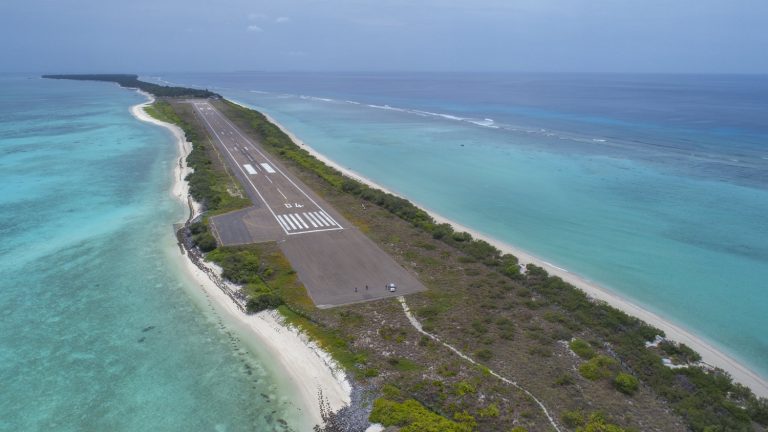
Union govt approves plans to build two military airfields in Lakshadweep amid rising Chinese activities in the region

In a major boost to its defence capabilities, India on Thursday approved a major plan to build military airfields in Lakshadweep island territories to keep an eye on growing Chinese activities in the region and expand its reach.

The Central government, at a high-level meeting held on Thursday, cleared the proposals, defence sources told ANI.

The proposal from the three services led by the Department of Military Affairs is to build a new airbase in Minicoy islands and extend the existing air field on Agatti island in the Arabian Sea on western side of India, they said.

The dual-purpose airfields, which would also be used by commercial airlines, would be capable of deploying and operating all types of fighter and transport aircraft, along with long-range drones and would give an edge to the Indian forces in the region.

The move has come at a time when the Chinese Navy has been expanding its presence in the Indian Ocean Region and collaborating closely with the Pakistan Navy in the region.

The Indian Air Force would be the lead in the project that would see a military conclave coming up there, which would be used by all three defence forces and the Indian Coast Guard.

The Indian Coast Guard was the first force under the Defence Ministry to suggest the development of an airstrip in the Minicoy Islands. As per the present proposal, the Indian Air Force would be in the lead to run the operations from Minicoy.

The airport at Minicoy would also give the defence forces the capability to extend their area of surveillance in the Arabian Sea. The airport at Minicoy would also provide a boost to tourism in the region, as has been planned by the government.

The Minicoy islands are just around 50 miles from the Maldives.


(This news report is published from a syndicated feed. Except for the headline, the content has not been written or edited by OpIndia staff)

Himanta Biswa Sarma cabinet approves bill to repeal Assam Muslim Marriages and Divorce Registration Act, child marriage among Muslims and position of Qazi to be abolished

The Assam govt on Thursday approved the decision to repeal the colonial-era Assam Muslim Marriages and Divorce Registration Act and Rules 1935. The Himanta Biswa Sarma cabinet has approved the Assam Repealing Bill, 2024, which will repeal the 1935 laws related to Muslim marriages and divorces.

The cabinet decision stated, “To bring parity in registration of marriage and divorce, the State Cabinet has accorded approval to The Assam Repealing Bill, 2024 which aims to repeal the Assam Muslim Marriages And Divorces Registration Act, 1935 and Assam Muslim Marriages And Divorces Registration Rules, 1935.”

The Assam Repealing Bill, 2024 will be placed before the Assam Assembly during the next monsoon season for consideration. The cabinet also directed that suitable legislation be brought for the registration of Muslim marriages in Assam, to be considered by the next session of the Assembly.

Informing about the decision on X (Twitter), CM Himanta Biswa Sarma said, “We have taken a significant step to ensure justice for our daughters and sisters by putting additional safeguards against child marriage.”

The repealing of the 1935 Acts will bring significant changes to Muslim marriages, including banning child marriages, making registration of marriages compulsory and eliminating Qazis – the marriage and divorce registrar.

The Assam Muslim Marriages and Divorce Registration Act, 1935 legitimises child marriage, as its section 8 states that it the bridegroom or the bride or both are minors, the application for registration of marriage has to be made by their lawful guardians.

Similarly, Section 10 (1) of the act further states, “If the entry be of a marriage in a register in the Form (A) contained in the Schedule I to this Act by the parties to the marriage, or, I either or both of them be minors, by their lawful guardians respectively.”

The legislation also includes a form, listed under Schedule I, which says, “5. Name of the guardian of the bridegroom (if the bridegroom be a minor) and that of the guardian’s father, with specification of the guardian’s residence, and of relationship in which he stands to the bridegroom. 6. Name of guardian of the bride (if she be a minor) and that of her father, with specification of his residence and the relationship in which he stands to the bride.“

All these provisions in the law made child marriage legal in Assam, even after the enactment of the Prohibition of Child Marriage Act. Now after the act is repealed by the assembly, child marriage will be completely banned in Assam.

As per reports, there are 94 ‘Muslim Marriage Registrars’ in Assam, and this position will be dissolved. Affected officials will be paid a one-time compensation of ₹2 lakhs for their rehabilitation.

The Assam government decided to repeal the Muslim Marriages and Divorce law in February this year. The contentious law was enacted in the 20th century when the age of marriage for girls was 14 years and that of boys was 18 years of age, as mandated by the Child Marriage Restraint Act of 1929.

Even though the age of marriage was raised to 18 and 21 for girls and boys respectively in India under the Prohibition of Child Marriage Act of 2006 [pdf], it had no bearing on the legal sanction of ‘child marriages’ for Muslims in Assam under the 1935 law.

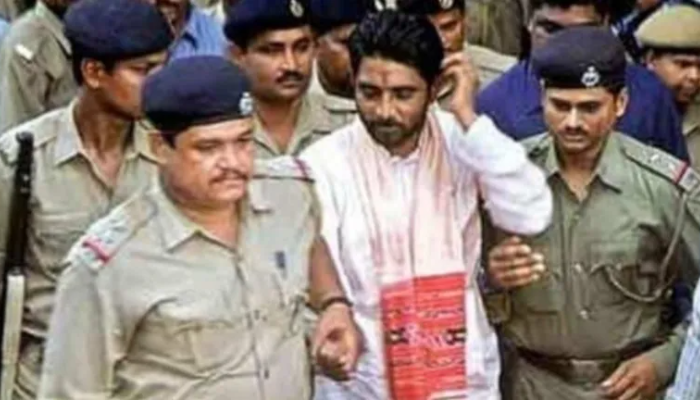
Ravindra Pal alias Dara Singh has been in jail for 24 years without parole, Odisha govt kept the file pending despite multiple recommendations for his release

On 9th July, the brother of Ravindra Kumar Pal, also known as Dara Singh, submitted a plea in the Supreme Court appealing for the latter’s release who is currently serving sentences ranging from one to life imprisonment in four different cases. Advocate Vishnu Shankar Jain will represent Arvind Kumar Pal in the court.

On 14 July, the OpIndia team went to the house of Dara Singh, who has been behind bars in Odisha for the last 24 years and met his family to inquire about the matter. Dara Singh is originally from the Uttar Pradesh district of Auraiya. We took a train from Delhi to Phaphund, which is the closest station to his hometown and took a private vehicle to Bazar Kakod on the way to Auraiya City, which is about 10 kilometres away.

When we stopped to ask a rider for directions along the route, he asked us straight away in a frustrated tone, “Is he the same Dara Singh who killed the priest who converted Hindus to Christianity? He has suffered grave injustice.” Anyway, he showed us the way and we arrived at the residence of Dara Singh’s brother Arvind Kumar, located in the town of Kakod. He has preserved most of the documents of the legal battle he fought for Dara Singh for 24 years.

Odisha government refused multiple recommendations for his release

We finally made it to Dara Singh’s home and met his brother Arvind Kumar Pal. He informed us that letters regarding Dara Singh’s release have been sent from the jail to the Superintendent of Police and District Magistrate of Auraiya from time to time. The DM and SP advocated for his release in response to the letters. However, the Odisha government at the time disregarded the requests.

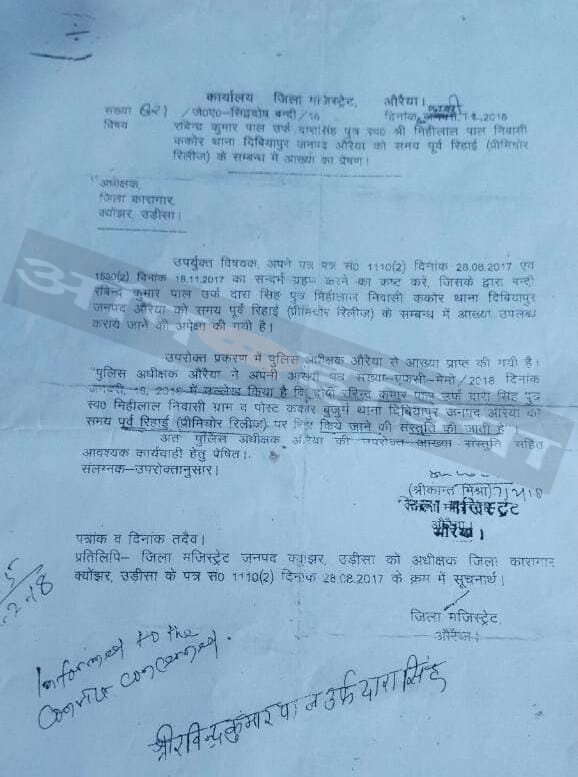
Arvind Pal provided us with evidence in the form of a letter dated 28th February 2018, which was sealed and signed by the District Magistrate of Auraiya and was sent as a reply to a report sought from Keonjhar Jail, Odisha on 18th November 2017. “It is recommended to release Ravindra Kumar Pal alias Dara Singh on premature release,” the officer wrote in letter number 821, citing the district superintendent of police’s report.

Letter from DM Auraiya. (Source: OpIndia Hindi)

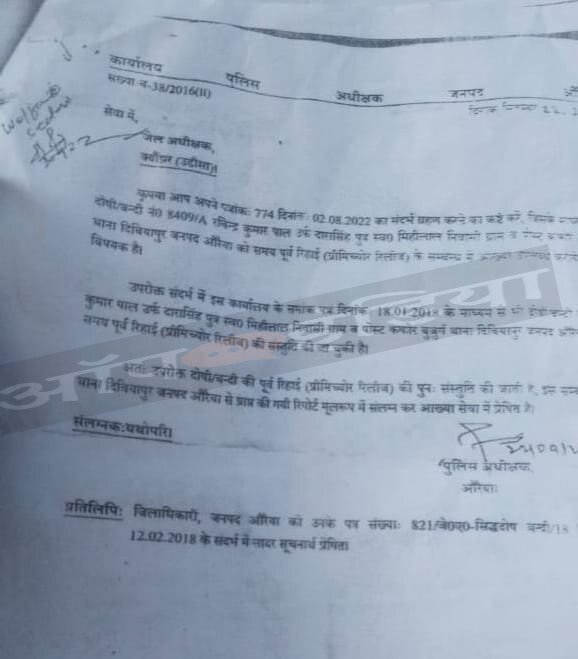
OpIndia also has the letter issued by the Superintendent of Police Auraiya on 18th January 2018 in which he considered Dara Singh as eligible for release. Afterwards, on 22nd September 2022, once again SP Auraiya filed his remarks on the report sought by Keonjhar Jail of Odisha and suggested the early release of Dara Singh.

Letter from SP Auraiya. (Source: OpIndia Hindi)

Speaking to OpIndia, Arvind Kumar Pal claimed that the previous Odisha government ignored multiple pleas for Dara Singh’s release from the Uttar Pradesh government. He blamed the Biju Janata Dal administration, which was headed by Naveen Patnaik, the Odisha chief minister at the time.

Odisha government evaded reply sought from the Prime Minister’s Office

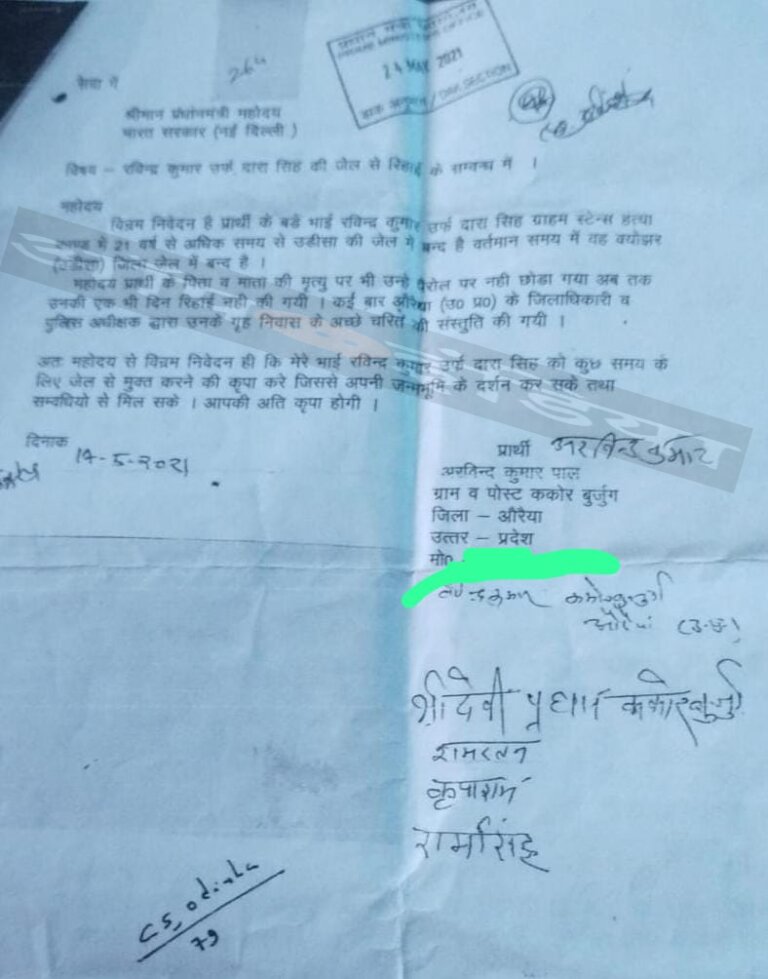
Dara Singh’s younger brother further told us that after the Odisha government repeatedly ignored the report of the administrative officials of Uttar Pradesh, he appealed to the Prime Minister’s Office and sent a letter on 19th May 2021 demanding the release of Dara Singh. Arvind Kumar Pal contended that his older brother, Ravindra Kumar Pal, also known as Dara Singh, had never been granted parole in the previous 21 years, in the letter. In addition, he brought several other issues to the government’s notice. He noted that the Odisha government’s only answer was to postpone the issue when the Prime Minister’s Office asked for a response to this letter.

Letter to the Prime Minister. (Source: OpIndia Hindi)

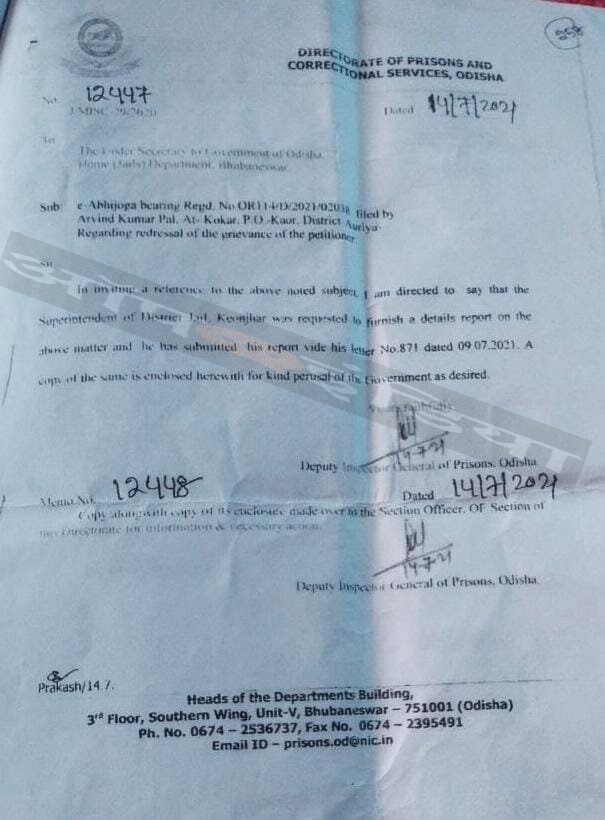
Arvind Kumar Pal showed us a letter dated 14th July 2021, which was issued by the Deputy Inspector General of Police (DIG) Jail of Odisha. He notified the Odisha Home Secretary in this letter that on 9th July of the same year, the Superintendent of Keonjhar Jail turned in a report which covered the whole matter. The DIG Jail had put the ball in the court of the state government.

Letter from DIG Jail Odisha. (Source: OpIndia Hindi)

Dara Singh has been in jail for more than 28 years

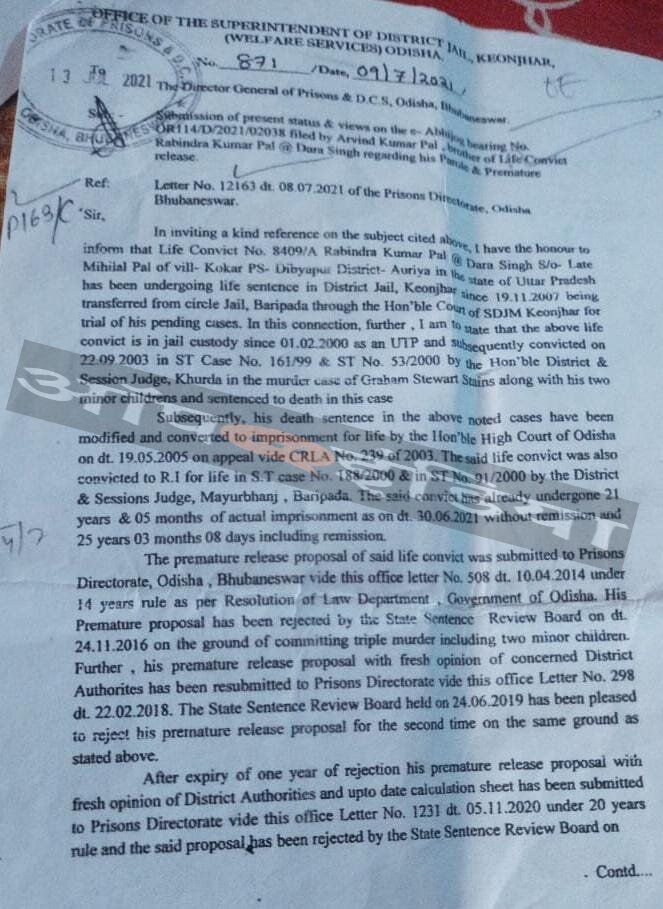
OpIndia investigated the report filed by the Superintendent of Keonjhar Jail, Odisha on 9th July 2021. The Jail Superintendent has admitted that till July 2021, Dara Singh has served more than 25 years and 3 months of his sentence including remission. The Jail Superintendent authorized higher authorities for further action. However, Arvind Kumar Pal charged that no decision has been taken by the Odisha government on this report so far and the file has been put on hold.

Report of the Jail Superintendent. (Source: OpIndia Hindi)

No criminal record in the local police station

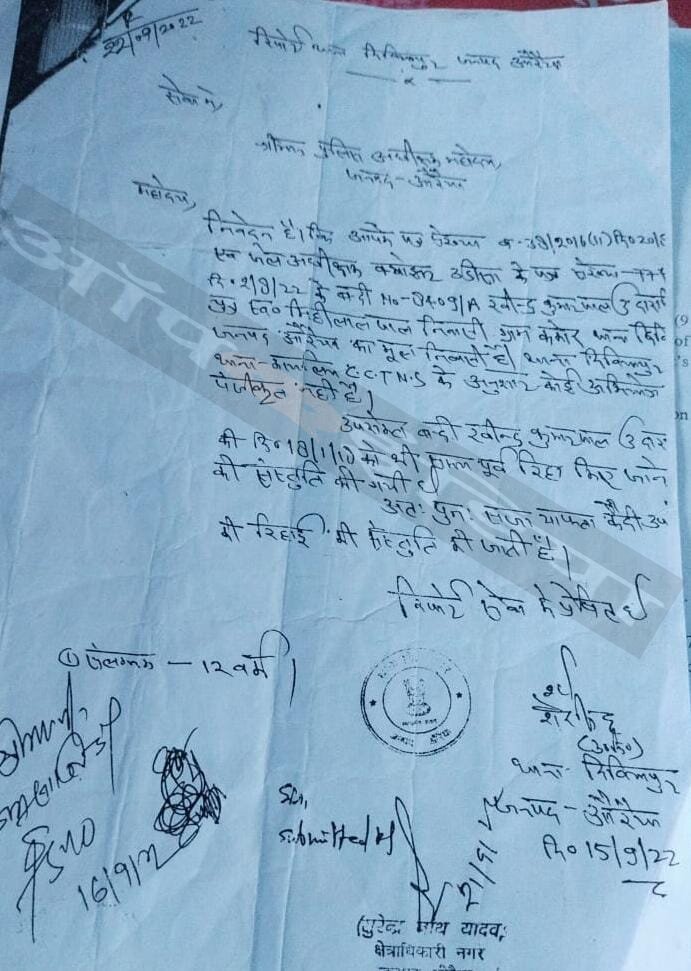
Dara Singh is from the Auraiya district’s Dibiyapur police station region. The district government obtained Dara Singh’s information via the local police station following the request for a report to be made in order to secure his release from Odisha jail. Sub Inspector Sher Singh of the Dibiyapur police station handed in his investigation report on 15th September 2022 which pointed out that Dara Singh does not have a criminal record on file with the police station. The local police station officer also called for Dara Singh’s early release in his probe report.

Dara Singh has no criminal record at the local police station. (Source: OpIndia Hindi)

Excellent behaviour in jail character certificate

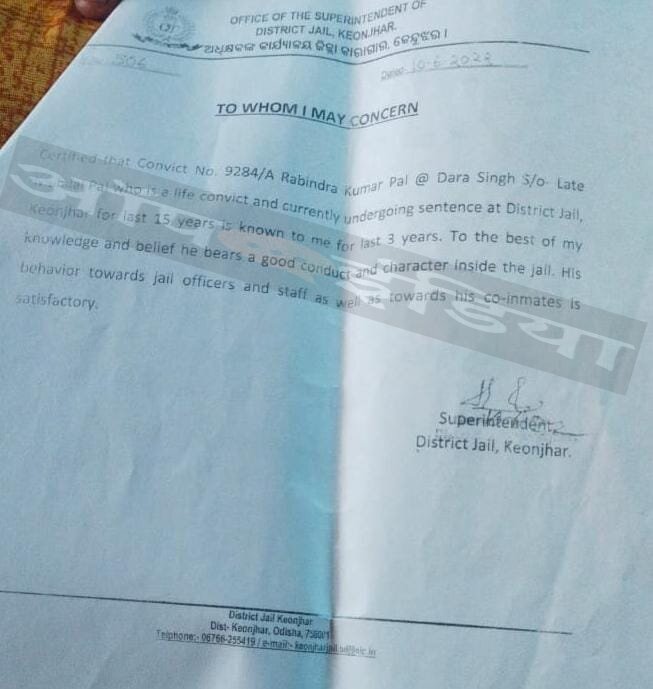
The Superintendent of Keonjhar District Jail of Odisha issued a character certificate to Ravindra Kumar Pal alias Dara Singh on 10th June 2022 in which he noted that the latter has been serving jail term in Keonjhar Jail for the last 15 years. Out of this, 3 years of the sentence has been served in the presence of the then Jail Superintendent who issued the certificate and described Dara Singh as a person with good and satisfactory behaviour towards jail personnel and other inmates.

Dara Singh’s behaviour is referred to as good, in the character certificate issued by the jail. (OpIndia Hindi)

Hope from Yogi Adityanath

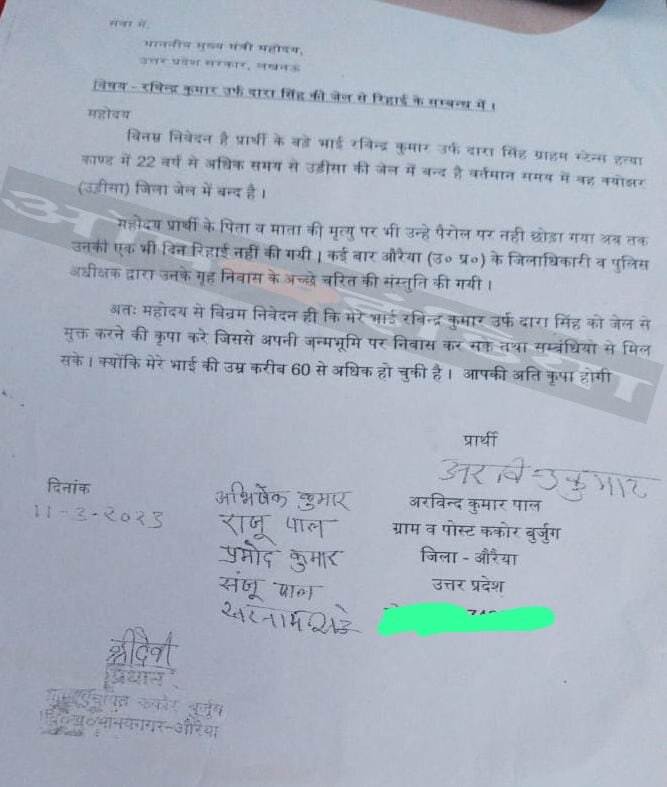
Arvind Kumar Pal also sent a letter to Uttar Pradesh Chief Minister Yogi Adityanath on 11th March 2023 and requested for help, informing that Dara Singh had not received parole for 23 years. He has also given information about the recommendation of Dara Singh’s release several times by the administrative officials of Uttar Pradesh. Arvind Kumar Pal has said that Dara Singh alias Ravindra Kumar Pal is now more than 60 years old, in the letter and in this situation, he should be allowed to spend the rest of his life among his family members in his ancestral residence.

An appeal to Chief Minister Yogi Adityanath. (Source: OpIndia Hindi)

Supreme Court is the last resort

Arvind Kumar Pal told us that from the police station in charge of Uttar Pradesh to the SP and DM, all were constantly recommending the release of his brother. His behaviour was also mentioned as good in the jail certificate. In the report of the Odisha administration, his sentence has been counted as more than 25 years (including exemption). The state government of Odisha kept circulating the letter to the Prime Minister’s Office. In such a situation, he sees the Supreme Court as his last hope.

The Odisha state government, the jail DG, and the jail superintendent Keonjhar have been named as opponents in Arvind Kumar Pal’s petition. The petition’s next hearing is scheduled for 27th August of this year. The family of Dara Singh is hoping for justice. Arvind Kumar asserted that the Odisha state government would have to inform the Supreme Court of the length of a life sentence and the fact that numerous Naxalites and other infamous offenders have been freed from prison after serving 15 years in the state.

Read the report in Hindi here.

Bangladesh: Protests against reservation quota for children of freedom fighters – All you need to know

0

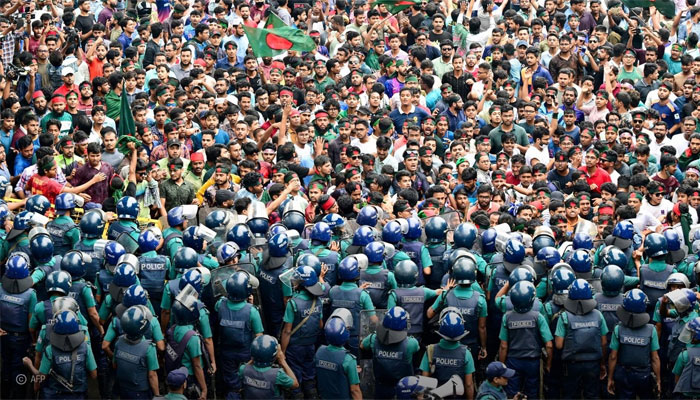
On Thursday, 18th July, at least one young man was killed and several others were reported injured during a clash between quota reform protesters and police in Dhaka, Bangladesh. The incident took place during a peaceful “Complete Shutdown” that was called by the coordination committee of the Quota Reform Movement across Bangladesh. The aim was to push the government to agree to their demands to reform the quota system and to protest against the attacks on student protesters. Everything was shut excluding hospitals and other emergency services.

229 platoons of Border Guard Bangladesh (BGB) were deployed to maintain law and order. The students also want reforms in the jobs policy that offers 56% quota to the families of freedom fighters. Dhaka University student and one of the organiser of the movement, Nahid Islam, said during a press conference on 17th July, “As part of the program, all highways and railways across the country will be blocked on Thursday.” He added that the protests “Bangla Blockade” will continue till their demands are met.

If we breakdown the quota system, 30% is reserved for the children and grandchildren of 1971 freedom fighters, 10% for the women, 10% for the districts based on population, 5% for ethnic minorities and 1% for the people with disabilities. It leaves only 44% for the job seekers who can secure jobs on the basis of merit. The quota system was introduced in 1972. In 1997, the 30% quota for freedom fighters was extended to their chidren. In 2010, it was further extended to the grandchildren of the freedom fighters.

On 17th July, Prime Minister of Bangladesh, Sheikh Hasina, announced a judicial enquiry into the incidents where six people lost their lives during the protests across Bangladesh. She further assured steps would be taken against those who committed crimes and would get appropriate punishment.

On 16th July, the University Grants Commission(UGC) of Bangladesh announced that all public and private universities, its affiliated medical colleges and other institutions, will remain closed until further notice. Furthermore, the Education Ministry announced that all secondary and Higher Secondary educational institutions including polytechnic institutes would remain closed until further notice.. As per reports, university students have taken over the campuses which led to the shutdown of universities and other education institutes.

There were slogans “Who are you? Who am I? Razakar, Razakar!”. On 14th July, during a press conference, PM Hasina expressed regret that the protesters were calling themselves ‘Razakars’. In Bangla, Razakars mean “traitors’. She said, “Are the children and grandchildren of freedom fighters not talented? Are only the children and grandchildren of the Razakars talented?”.

For those who are unaware, Razakars that meant “volunteers” were paramilitary forces set up by General Tikka Khan in 1971 to help Islamabad to hold control on East Pakistan and curb ongoing liberation movement led by Awami League. Razakars worked with the Pakistani armed forces and led to some of the worst atrocities against the freedom fighters during 1971 war.

PM Hasina said, “I felt sorry when I heard yesterday the students of Ruqayyah Hall calling themselves Razakars. Do they know what had taken place there on March 25, 1971? Some 300 girls were killed and 40 girls were raped and taken to the Pakistani camps. They don’t feel ashamed to call themselves Razakars? They didn’t know how the Pakistani occupation forces and Razakar Bahini had resorted to torture in the country—they didn’t see the inhuman torture and bodies lying on the roads. So, they don’t feel ashamed to call themselves Razakar. Our only target is to establish the spirit of the Liberation War. Lakhs of martyrs shed blood as lakhs of our mothers and sisters were violated. We won’t forget their contribution. We have to keep it in mind.”

Instead of calming down the situation, her remarks agitated the protesters further. “Chaite gelam odhikar, bone galam razakar” (loose translation: “We are being called traitors for asking for our rights”), were raised during the protests after that press conference

Since 1st July, university students and teachers have been staging protests against the quota for the children of freedom fighters in government jobs. So far, six people have been killed with many reported injured. It has been alleged that the protesters were attacked by the police and the student organisations affiliated with the ruling government.

On 5th June 2024, the High Court in Bangladesh passed a judgment setting aside a 2018 government circular cancelling the 30% quota for freedom fighters’ descendants in government jobs. The circular was issued given the quota reform movement in 2018.

The constant change in the quota led to nationwide protests in 2018 after which the government issued a circular cancelling the quota system for first and second-class jobs. The matter went to the court and on 5th June 2024, the High Court ruled that the circular was illegal re-establishing quotas in government jobs. The Bangladesh government has appealed against the ruling and the Supreme Court has suspended the High Court’s judgment as the matter will be heard by the apex court of Bangladesh. The Chief Justice has already asked the protesting students to return to the classes and assured that the judgment will be passed in four weeks.

According to the experts, the violence and deaths have been unfortunate as the government is on the protesters’ side. However, the protests are no longer just about the quota but it is linked to the overall frustration of the students. According to reports, the students say that the third generation of freedom fighters should not get the benefit of quota.

According to Mubashar Hasan, an expert on Bangladesh and post-Doctoral Researcher at the University of Oslo, Norway, the protests were peaceful for two weeks but they became violent after the Chahatra League, an active partner of the ruling party, and police came down heavily on the protesters. Speaking to India Today, he said, “These rampant violations of human rights and rights to life and liberty have been a signature of the current regime. These made students angry, and they are ousting ruling party student leaders and activists from student dormitories.”

United Nations has stepped in urging the Bangladesh government to protect the protesting students against any form of threat or violence. Spokesperson of the Secretary-general Stéphane Dujarric said that the UN was aware of the situation and they were following the updates closely.

How shoddy investigation by Rajasthan’s congress govt led to acquittal of Gauhar Chishti and others who raised STSJ slogans against Nupur Sharma: What Ajmer court said

On 16th July, Ajmer Sessions Court acquitted Gauhar Chishti and others who were accused of raising provocative slogans of “Gustakh-e-Nabi ki ek saza, sar tan se juda” against former Bharatiya Janata Party spokesperson Nupur Sharma. The court judgment pointed to critical lapses in the investigation attributed to the then-Congress-led Rajasthan Government. There were serious lapses pointed out by the judge that compromised the integrity of the case.

Delay and mishandling of evidence against Gauhar Chishti

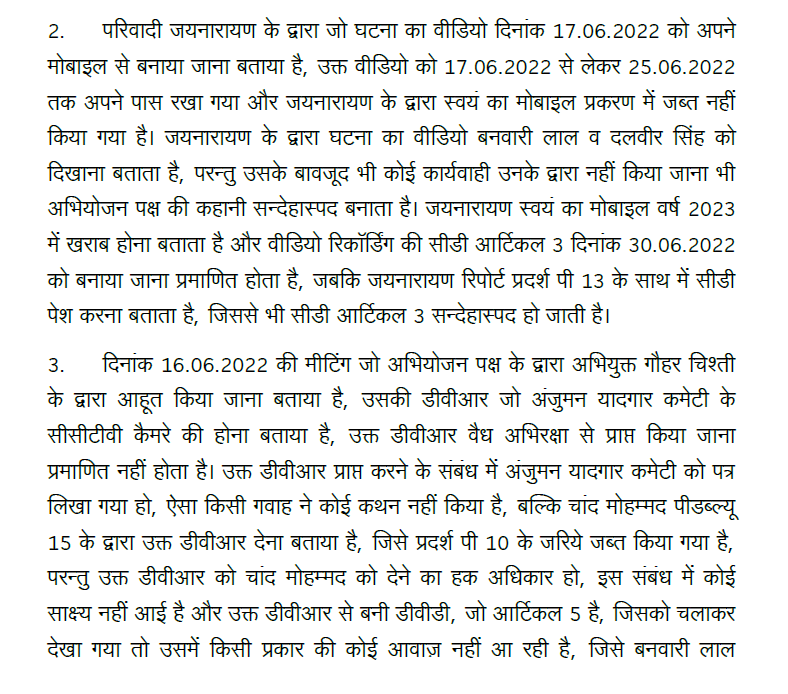
The judgment highlighted several key areas where there were flaws in the investigation. Notably, the complainant in the case, constable Jai Narayan, recorded the incident where Gauhar Chishti gave a provocative speech on his mobile on 17th June 2022. He held to the evidence until 25th June 2022 and his mobile phone was never formally seized for examination. Furthermore, Jai Narayan claimed that the video was shown to Banwari Lal and Dalveer Singh though no action was taken raising questions on how the investigation was done in the matter.

Questionable evidence and discrepancies

The whole acquittal in the matter is based on several technical lapses in the investigation. In 2023, Jai Narayan informed the court that his phone had broken down. A CD of the video was made on 30th June 2022. The court said that the day when the CD was created and the condition of the mobile phone raised questions on the reliability of the evidence.

Furthermore, the prosecution stated that a meeting regarding the protest was held on 16th June 2022 and it was recorded on CCTV’s DVR. However, it was established by the court that the DVR was not obtained through lawful means. No witness confirmed that a formal request to the Anjuman Yadgar Committee was made to obtain the said video.

Key people were not questioned

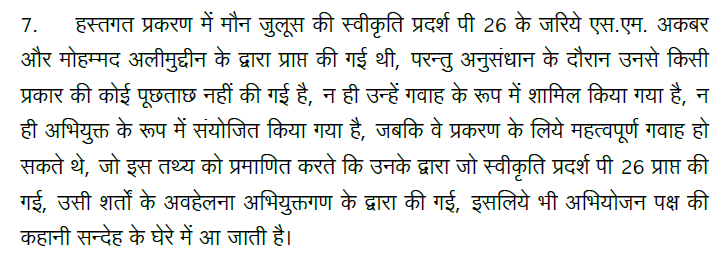
The judgement states that the permission for a silent march where the slogans were raised was obtained by SM Akbar and Mohammed Alimuddin, but they were not questioned, not made witnesses and not included as accused. The court stated that they could have been important witnesses, which makes the prosecution case doubtful.

Discrepancies in witness testimonies

The court furthermore added that there were discrepancies in the witness statements. Two of the witnesses said that the slogans were raised for 15-20 minutes. However, one of the witnesses said it only lasted for 5-7 minutes. Jai Narayan mentioned they were raised for 15-20 minutes. The court noted that the video looked edited raising further questions about the evidence. The inconsistencies indicated the possibility of editing and tempering the CD weakening the prosecution case.

Evidence handling and chain of custody issues in evidence against Gauhar Chishti

The court also raised questions over the handling of the evidence. The CD presented in the matter lacked proper sealing. There was no indication that the CD was kept in safe custody. During the trial, the investigating officer admitted that the evidence was not sealed raising doubts about its credibility. There is a proper chain of custody protocols that were not followed. These chain of custody protocols are in place to ensure that evidence is reliable and untampered. As these protocols were not followed, the evidence came under scrutiny.

Lack of cooperation and accountability

The court also noted that there was a lack of cooperation from the key witnesses and the investigating authorities. The investigating offer refused to check messages and relied only on the oral statements that undermined the investigation’s thoroughness. Dalveer Singh also denied seeing the video in his statement contradicting Jai Narayan’s statement. These all factors collectively pointed towards negligence in the investigation.

The points raised in the judgment show that there is a need for re-investigation in the matter and the current government under the BJP needs to take it seriously to ensure justice is served.

OpIndia earlier explained how High Court refused to grant bail to Gauhar Chishti multiple times. Our detailed report can be checked here.

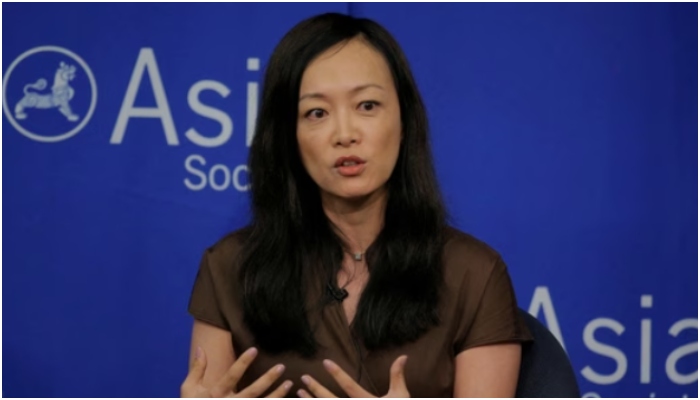
Ex-CIA official Sue Mi Terry charged with being a South Korean agent in exchange for expensive handbags and Sushi

On Tuesday, 16th July, the Manhattan federal court in the US made public an indictment exposing that a former CIA analyst, Sue Mi Terry worked as a secret agent for South Korea’s intelligence agency in exchange for fancy handbags and sushi meals. Sue Mi Terry, who formerly served on the White House National Security Council, was not registered as a foreign agent with the US Justice Department, the court noted. 

South Korean intelligence officials allegedly gifted her Bottega Veneta and Louis Vuitton handbags, a Dolce & Gabbana coat, and meals at Michelin-starred restaurants.

Prosecutors say South Korean officials also supplied over USD 37,000 in “covert” funds for a public policy program on Korean affairs that she oversaw. Terry is accused of working as an agent for a decade beginning in 2013, two years after leaving her position with the US government.

According to the indictment, Sue Mi Terry pushed for South Korean policy viewpoints in the media, communicated non-public material with intelligence operatives, and coordinated meetings between US and South Korean government officials.

She also acknowledged and admitted to the FBI that she provided material to South Korean intelligence, including transferring handwritten notes from an off-the-record meeting in June 2022 with US Secretary of State Antony Blinken, according to the indictment.

Terry’s lawyer, Lee Wolosky, stated in a statement that the charges are unfounded and distort the work of a scholar and news analyst known for her independence and years of service to the United States. He stated that she had not possessed a security clearance in more than a decade and that she was a strong critic of the South Korean government during the period described in the indictment.

Sue Mi Terry, now a senior member of the Council on Foreign Relations, worked for the United States government from 2001 to 2011, first as a CIA analyst and then as the National Intelligence Council’s deputy national intelligence officer for East Asia.

According to prosecutors, Terry claimed she was not an “active registrant” on disclosure forms submitted to the House of Representatives, where she stated at least three times between 2016 and 2022, but she also never disclosed her covert work with South Korea, denying the legislature the opportunity to fairly evaluate Terry’s testimony in light of her longstanding efforts for the government.

It is important to note that the husband of Sue Mi Terry, Max Boot who is an American author associated with the Washington Post had opined in the year 2019 that former US President Donald Trump could be working as a Russian asset.

Boot also claimed, “Trump supported populist, pro-Russian leaders in Europe, such as Viktor Orban in Hungary and Marine Le Pen in France, just as the Russians did. Trump defended the Russian invasion of Afghanistan and repeated other pro-Russian talking points. He pulled U.S. troops out of Syria, handing that country to Russia and its ally Iran. He has effectively done nothing in response to the Russian attack on Ukrainian ships in international waters, thereby encouraging greater Russian aggression.”

Now it is his spouse who is being charged of working as a secret agent for South Korea’s intelligence agency in exchange for fancy handbags and sushi meals.

Aligarh: Constable killed and Sub-Inspector injured by a single bullet after jammed service pistol fired accidentally during a raid

In an unfortunate incident in Aligarh, a police constable was killed and a sub-inspector was injured by a single bullet after a service weapon fired accidentally. The incident took place when a police team was carrying out a raid to nab cattle smugglers in a village bordering Bulandshahr district. The victim cop has been identified as Yakoob Khan, while sub-inspector Sub-Inspector Rajiv Kumar was injured.

As per Senior Superintendent of Police (SSP) Sanjiv Suman, on 9th July, an incident of cattle smuggling took place, and the police were searching for the culprits. When police got information that the same smugglers were attempting another smuggling, the Special Operations Group (SOG) along with personnel from two police stations in the area reached the spot to nab them.

But during the operation at around 1 AM, the service pistol of Inspector Azhar Hussain jammed. When he could not unlock the weapon, sub-inspector Rajiv Kumar took it to try to unlock it. But when he was attempting to unlock the pistol, it discharged a round accidentally. The bullet went through Sub Inspector Rajiv Kumar’s stomach and hit the head of Constable Yakoob, who was nearby.

Both the cops were taken to the hospital, but Yakoob was declared brought dead by the doctors. The doctors were able to save Rajiv Kumar’s life, but he remains in critical condition. He had multiple perforated wounds in his intestine.

After regaining consciousness following a surgery, SI Rajiv Kumar confirmed that the incident took place after his colleague gave him a jammed pistol to unlock. He said that the pistol fired accidentally and hit him, pierced through his stomach and then hit SOG constable Yakoob.

SSP Sanjiv Suman added that mortal remains of constable Yakoob was hander over to his family with full police honours. He also assured the family that all required help will be provided to them.

In the meanwhile, Yakoob Khan’s family are not trusting the police version.

The victim’s father said they couldn’t understand how the bullet could hit Yakoob’s head after piercing through Rajiv Kumar’s stomach. The family is demanding a probe alleging it to be a case of murder.

AIMIM President Asaduddin Owaisi also wondered what the body position of Yakoob was to get hit in the head by a bullet that went through Rajiv Kumar’s abdomen, saying “I am sure inquiry will be done.”’