

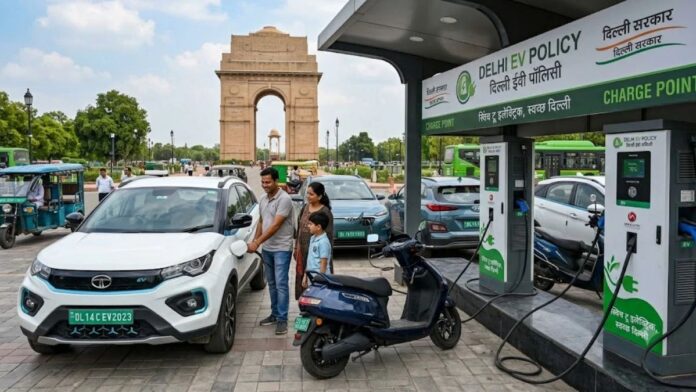
The Delhi Cabinet on Monday approved the capital’s new Electric Vehicle (EV) Policy, setting the stage for an ambitious transition to cleaner mobility over the next four years. The policy, which comes into force on July 1, 2026, after the Lieutenant Governor’s approval, introduces financial incentives for EV buyers while gradually phasing out the registration of new petrol, diesel and CNG-powered commercial vehicles across multiple segments. It will remain in effect until March 31, 2030, with an estimated outlay of ₹7,000 crore.
Phased shift to electric vehicles
The policy lays out a phased roadmap for replacing fossil fuel-powered vehicles with electric alternatives. From January 1, 2027, Delhi will permit the registration of only electric autorickshaws and N1 category light goods vehicles. The transition will expand further from April 1, 2028, when new registrations of petrol and CNG-powered two-wheelers will cease, making electric two-wheelers the only option for fresh registrations in the category.
According to the government, commercial vehicles have been prioritised in the transition due to their significant contribution to the city’s air pollution.
Financial incentives for EV adoption
To encourage wider adoption, the Delhi government has announced purchase incentives across multiple vehicle categories. Buyers of electric two-wheelers will be eligible for subsidies of up to ₹30,000, while those purchasing electric autorickshaws can receive up to ₹50,000. Owners of N1 electric trucks will be entitled to incentives of up to ₹1 lakh.
Additional benefits will be available to individuals scrapping old vehicles while purchasing new EVs. Fully electric vehicles will continue to enjoy exemptions from road tax and registration charges. However, hybrid vehicles have been excluded from the subsidy scheme.
The government has also clarified that there will be no upper limit on the number of electric vehicles eligible for incentives, allowing buyers to claim benefits on multiple purchases.
Charging infrastructure and electrification of school buses
A key component of the policy is the expansion of Delhi’s charging network. The government plans to install nearly 23,000 EV charging points across the city during the policy period to support the growing number of electric vehicles.
School transportation will also undergo a gradual transition, with bus fleets being converted to electric vehicles in phases. Simultaneously, the city’s electricity infrastructure will be strengthened to meet the increased power demand generated by widespread EV adoption.
Government aims to tackle pollution
Transport Minister Dr Pankaj Singh said the policy had been framed keeping the interests of Delhi residents in mind and appealed to citizens to embrace electric mobility. Environment Minister Manjinder Singh Sirsa stated that the policy is backed by scientific studies and is expected to play a major role in improving the capital’s air quality.
The new EV policy forms a central part of the Delhi government’s long-term strategy to reduce vehicular emissions, expand clean transportation and improve environmental sustainability in one of the world’s most polluted cities.
