

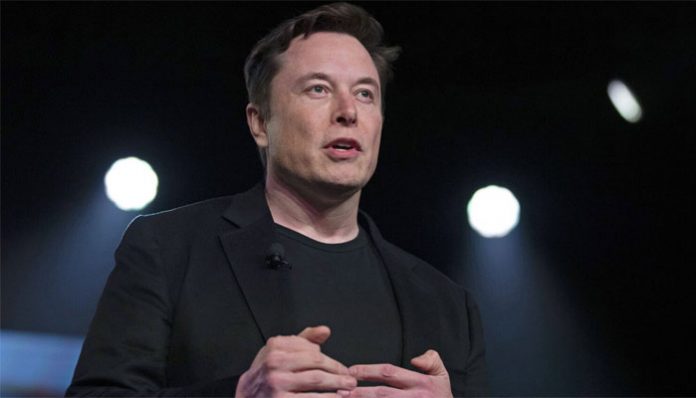
On November 17 (local time), another round of Twitter exodus occurred as hundreds of employees reportedly resigned from the social media platform following Elon Musk’s mid-night ultimatum demanding an ‘extremely hardcore’ work culture. In his email, Musk asked the employees to reply to the email by 5 PM ET and agree to conditions including ‘long working hours’ to build Twitter 2.0.
Notably, when Musk took over Twitter in a $44 billion deal, he immediately laid off around 3,700 employees. Since then, a few others got fired for different reasons, either on social media or the company’s Slack channels.
As soon as the deadline imposed in the recent email by Musk hit, hundreds of employees started posting farewell messages on the company’s Slack channels and/or Twitter. Before the current exodus, there were around 2,900 employees left at Twitter. It is unclear how many employees have resigned from the company in the present layoff.
Verge’s report suggested that the critical team of engineers at Twitter has either entirely or near-completely resigned from the company. Musk has reportedly started working on bringing a paradigm shift in the work culture at Twitter since the day he took over. In a recent email, he wrote, “Going forward, to build a breakthrough Twitter 2.0 and succeed in an increasingly competitive world, we will need to be extremely hardcore. This will mean working long hours at high intensity. Only exceptional performance will constitute a passing grade.”
Strict action against managers for an underperforming team
As per CNBC, in recent communications with the Twitter team, Elon Musk said it would be the manager’s responsibility that those who work remotely contribute exceptionally to the company. The email read, “Regarding remote work, all required for approval is that your manager takes responsibility for ensuring that you are making an excellent contribution. It is also expected that you have in-person meetings with your colleagues on a reasonable cadence, ideally weekly, but not less than once per month.”
Furthermore, any manager doing false reporting about the employees’ performance will face termination. The email read, “At the risk of stating the obvious, any manager who falsely claims that someone reporting to them is doing excellent work or that a given role is essential, whether remote or not, will be exited from the company.”
Recruitment started at Twitter
Furthermore, as per the reports, Twitter has already started reaching out to the engineers as part of the new recruitment drive. The Verge accessed a message to one recruit that asked the person if they wanted to join “Twitter 2.0 – an Elon company”.


