

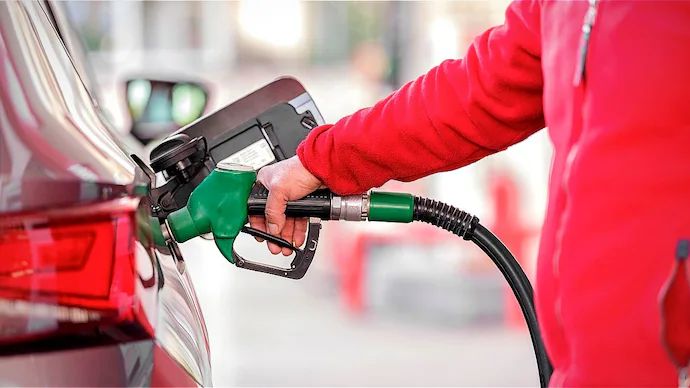
Amid growing criticism on social media over ethanol blending with petrol, the Centre on Tuesday issued a detailed rebuttal, underscoring its environmental, economic, and strategic benefits. It reaffirmed that biofuels and natural gas serve as “bridge fuels” in India’s journey towards its Nationally Determined Contribution (NDC) goal of Net Zero emissions by 2070.
Cutting emissions, boosting rural economy
Quoting a NITI Aayog study, the government highlighted that greenhouse gas emissions from sugarcane-based ethanol are 65% lower, and from maize-based ethanol 50% lower, compared to petrol. Beyond environmental gains, the programme has transformed rural livelihoods—eliminating sugarcane arrears, making maize cultivation more viable, and raising farmer incomes, especially in distressed regions like Vidarbha.
Between Ethanol Supply Year (ESY) 2014-15 and July 2025 (ESY 2024-25), ethanol blending saved over ₹1.44 lakh crore in foreign exchange, substituted 245 lakh metric tonnes of crude oil, and cut CO₂ emissions equivalent to planting 30 crore trees. This year alone, at 20% blending, farmers are expected to earn ₹40,000 crore, with forex savings of around ₹43,000 crore.
Performance and efficiency
Addressing concerns over mileage and performance, the Centre cited studies by IOCL, ARAI, and SIAM that show E20 fuel offers better acceleration, improved ride quality, and around 30% lower carbon emissions than E10. Ethanol’s higher octane rating and better heat of vaporisation enhance engine performance, particularly in urban conditions. Regular petrol’s octane rating has already improved from 88 (pre-BS VI) to 95 with E20 blending, reducing knocking and improving efficiency.
Global practices and standards
Rejecting calls to revert to unblended petrol, the government pointed to Brazil’s success with E27 fuels and stressed that Bureau of Indian Standards (BIS) and Automotive Industry Standards ensure E20’s safety. Older vehicles may require minor rubber part replacements, but most models since 2009 are E20-compatible.
Costs and future roadmap
While ethanol is currently costlier than refined petrol, averaging ₹71.32/litre in ESY 2024-25, the government stressed the mandate’s importance for energy security and farmer welfare. Claims about E20 impacting insurance coverage were dismissed as baseless, with insurance companies issuing clarifications.
Decisions on moving beyond E20 will be taken post-October 2026, after stakeholder consultations and an Inter-Ministerial Committee review. The Centre reaffirmed its commitment to cleaner, sustainable fuel options with minimal disruption to consumers.


