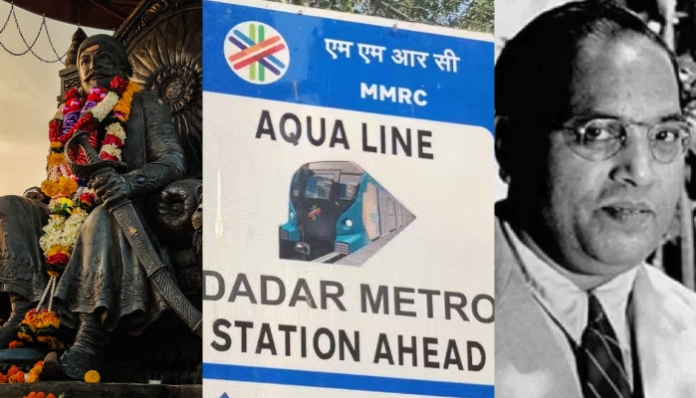
A consequential political and ideological trend has been recurring in Maharashtra, where Chhatrapati Shivaji Maharaj and Dr BR Ambedkar, two historical figures who lived in entirely different eras, have repeatedly become the centre of conflicts, both online and offline, even taking a disturbing turn into physical assaults and even death.
According to reports, a man named Nilesh Nikam was killed on 10th November after his 16-year-old son posted a supposedly controversial Instagram story featuring Chhatrapati Shivaji Maharaj in the background. The incident took place in Bhalegaon village in Mehkar tehsil of Buldhana district. The teenager apologised and promised not to repeat the alleged mistake.
However, the accused not only forced both him and his father to apologise near a statue of Dr BR Ambedkar but also brutally assaulted them. The attack ultimately claimed the older man’s life. Afterwards, a complaint was registered against 20 perpetrators, and 15 had been arrested.
It is important to note that there is no credible information about the identities of the accused or Ambedkar’s mention in the youngster’s story, but the act of an apology before his statue appears to carry a certain indication.
What’s in a name: The Dadar Metro Station edition
This contest has also extended to official decisions concerning the naming of places after them. The Maharashtra government recently decided to rename Mumbai’s Dadar Metro Station on the Aqua Line (Line 3) as Chaityabhoomi, after the site where Ambedkar was cremated.
The move triggered strong reactions, with one section asserting that people would continue to call it Dadar regardless of what they described as an unnecessary development. Others welcomed the step, while some remained largely indifferent, maintaining that their only concern was convenient travel.
🎥 ‘We Will Still Call It Dadar’: Mumbaikars Divided Over Chaityabhoomi Proposal 👉The Maharashtra government’s proposal to rename Dadar Metro Station as Chaityabhoomi has sparked a debate in Mumbai, with Mumbaikars expressing sharply divided opinions on the move. 👉FPJ hit the streets of Dadar to speak to commuters, residents and locals to understand their views on the proposed renaming and capture the different emotions surrounding the issue. Reported by @NirmeetiP #DadarMetro #Chaityabhoomi #BabasahebAmbedkar #MumbaiNews #DevendraFadnavis
— Free Press Journal (@fpjindia) November 19, 2026
However, the disagreement continued to escalate on social media as Ambedkar supporters fumed over the objection, claiming that this has been a common practice after independence. “What is now Chhatrapati Shivaji Maharaj Terminus, or CSMT, in Mumbai was known as Victoria Terminus (VT) during British rule. Construction of this magnificent station began in 1878, and in 1887 it was named Victoria Terminus after Queen Victoria of Britain,” a person wrote.
“The name remained unchanged for many years after independence. However, in 1996, the Maharashtra government renamed it Chhatrapati Shivaji Terminus (CST). Then, in July 2017, it was renamed Chhatrapati Shivaji Maharaj Terminus (CSMT),” the user remarked, asking, “Did those opposing the renaming of Chaityabhumi today use the same arguments about history, tradition and the principles of renaming that they are now making?”
The comment mentioned that the demand had been raised by Ambedkarite organisations and followers and subsequently accepted by the government, adding, “How justified is it to honour one great man’s name while objecting to naming a place associated with another great man’s memory?”
मुंबईतील दादर रेल्वे स्थानकाचे नाव बदलून ‘चैत्यभूमी’ करण्याच्या प्रस्तावाला महाराष्ट्र सरकारने मान्यता दिली आहे पण आता काही लोकांनी त्याला विरोध करायला सुरुवात केलीय. हा विरोध पाहिल्यानंतर एक प्रश्न पडतोय कि, नाव बदलण्याचा विषय असेल तर विरोधाची भूमिका सर्वांसाठी सारखी का नसते? यांना महात्मा फुले व डॉ. बाबासाहेब आंबेडकर यांच्या नावाच एवढ वावड़ का आहे? मुंबईतील आजचे छत्रपती शिवाजी महाराज टर्मिनस म्हणजेच CSMT हे ब्रिटिश काळात व्हिक्टोरिया टर्मिनस (VT) म्हणून ओळखले जात होते. 1878 मध्ये या भव्य स्टेशनच्या बांधकामाला सुरुवात झाली आणि 1887 मध्ये ब्रिटनची राणी व्हिक्टोरिया हिच्या नावावरून त्याला व्हिक्टोरिया टर्मिनस हे नाव देण्यात आले. स्वातंत्र्यानंतरही अनेक वर्षे हे नाव कायम होते. मात्र 1996 मध्ये महाराष्ट्र सरकारने त्याचे नाव बदलून छत्रपती शिवाजी टर्मिनस (CST) केले. त्यानंतर जुलै 2017 मध्ये त्याचे नाव बदलून छत्रपती शिवाजी महाराज टर्मिनस (CSMT) करण्यात आले. म्हणजे एका रेल्वे स्थानकाचे नाव दोन वेळा बदलले गेले. ब्रिटिश राणीच्या नावाऐवजी शिवाजी महाराजांचे नाव देण्यात आले. तेव्हा आज चैत्यभूमी च्या या नामकरणाला विरोध करणाऱ्यांनी आज इतिहास, परंपरा आणि नाव बदलण्याच्या तत्त्वांची जी भाषा सुरू केली आहे, तीच भाषा वापरली होती का? व्हिक्टोरिया टर्मिनसचं नाव बदलताना इतिहास वगैरे ची आठवण झाली नाही, त्या गोष्टीचा कोणी विरोध केला नाही मग दादरचं नाव ‘चैत्यभूमी’ करताना काही लोकांना अचानक इतिहासाची चिंता का वाटू लागलीय? दादर हे केवळ मुंबईतील एक रेल्वे स्थानक नाही. डॉ. बाबासाहेब आंबेडकर यांच्या जीवनाशी या परिसराचे अतिशय जवळचे नाते आहे. बाबासाहेबांचे निवासस्थान राजगृह याच दादर परिसरात आहे. 6 डिसेंबर 1956 रोजी महापरिनिर्वाणानंतर त्यांच्यावर याच परिसरातील समुद्रकिनारी अंत्यसंस्कार करण्यात आले. आज तीच जागा लाखो अनुयायांसाठी श्रद्धास्थान असलेली चैत्यभूमी म्हणून ओळखली जाते. दादर स्थानकाला चैत्यभूमी नाव देण्याची मागणी काही आजची नाही. अनेक वर्षांपासून आंबेडकरी संघटना आणि अनुयायी ही मागणी करत आहेत. आणि आता 18 नोव्हेंबर 2026 रोजी मुख्यमंत्री देवेंद्र फडणवीस यांनी हिवाळी अधिवेशनात आवश्यक कायदेशीर प्रक्रिया पूर्ण करण्याची घोषणा केली आहे. सरकारने तत्त्वतः मान्यता दिल्याचेही त्यांनी स्पष्ट केले आहे. तर आता मला सांगा व्हिक्टोरिया टर्मिनसचे नाव बदलून छत्रपती शिवाजी महाराज टर्मिनस करणे योग्य असेल, तर दादरचे नाव चैत्यभूमी करणे चुकीचे कसे? एका महापुरुषाच्या नावाचा सन्मान करायचा आणि दुसऱ्या महापुरुषाच्या स्मृतीशी जोडलेल्या स्थळाच्या नामकरणाला विरोध करायचा, ही भूमिका कितपत योग्य आहे? दादर स्थानकाचे नाव ‘चैत्यभूमी’ होणे ही केवळ नामांतराची बाब नाही, तर लाखो आंबेडकरी अनुयायांच्या भावनेशी जोडलेली मागणी आहे. जय भीम!❤️ #Chaityabhumi #Babasaheb
— Shashi (@Cleopatra260499) November 18, 2026
However, the statement drew further backlash, with an individual sarcastically suggesting that the country be renamed “Chaityasthan” and the state “Chaityarashtra,” while making it compulsory for every newborn to have “Jai Bhim” prefixed to their name because people could be made to respect Ambedkar through such measures, rather than by reading or learning about him.
@Cleopatra260499 देशाच नावं बदलून चैत्यस्थान करा राज्याच नाव चैत्यराष्ट्र करा प्रत्येक मुल जन्माला आल की त्याच्या नावा च्या आधी जय भीम लावणे कम्पल्सरी करा तरच प्रत्येकाच्या मनात आदर निर्माण होईल … बाकी त्यांच्या बद्दल वाचून किवा जाणून घेऊन आदर नाही निर्माण होणार
— LifeCoach (@HitSprayKill) November 19, 2026
A netizen emphasised that the two could not be compared, highlighting that while Ambedkar was great, placing him on the same pedestal as Shivaji Maharaj was going too far.
@Cleopatra260499 बाबासाहेब आंबेडकरांची तुलना थेट महाराजांसोबत? अक्कल गहाण टाकली का काय? आंबेडकर महान आहेत यात काहीच शंका नाही पण त्यांना थेट महाराजांच्या पंक्तीत जाऊन नेऊन बसवणे म्हणजे जरा अतीच झाले….
— पुण्यातला मुंबईकर (@sameer__rm) November 19, 2026
Another pointed out that Ambedkar was originally Bhimrao “Bhiwa” Sakpal, questioning, “Why not refer to Dadar Metro Station as Sakpal Station? Why be so proud of a borrowed name?”
@sameer__rm @Cleopatra260499 जेव्हा भिवा सकपाळ चे भीमराव आंबडवेकर आणि पुढे आंबेडकर झाले. तेव्हा दादर मेट्रो स्टेशनला सकपाळ स्टेशन असे नाव का देऊ नये. उधार घेतलेल्या नावाचा इतका का अभिमान.
— राष्ट्र सर्वोपरी 🇮🇳 (@OmkarS06) November 21, 2026
However, a furious account, Sumedh, declared him “a global leader of social justice, world-renowned economist and only 2nd Indian leader to have a statue at UNESCO (the United Nations Educational, Scientific and Cultural Organisation),” alleging, “Shivaji wasn’t even a king of one division of Maharashtra.”
Ambedkar is a global leader of Social justice, World renowned economist. Only 2nd indian leader to have a statute at Unesco. Shivaji wasn’t even a king of 1 division of Maharashtra. Regional Raja ani Globar leader,economist chi comparison Hou shakat nahi.
— Sumedh (@sumedhara) November 19, 2026
This led to another round of arguments, with a person reminding about purported “global leader” Ambedkar’s defeat in the 1952 elections. However, the Ambedkarite contended that electoral victories are not the only measure of a leader’s success, citing late Prime Minister Manmohan Singh and termed him a statesman.
@ObsidianHadesX Chimp IQ kharatas think only electoral success is "being a leader" there is one thing being a political leader/politician and there is another thing being statesman pm dr mms also didnt win election
— Sumedh (@sumedhara) November 20, 2026
“Obsidian Hades” countered the remark by outlining that Shivaji Maharaj was both a popular leader and a statesman, placing him above Ambedkar, to which Sumedh replied that he was reportedly “the mansabdar of the 3.5 district. Ambedkar’s Constitution is implemented in the entire Republic of India.”
@ObsidianHadesX Shivaji was the manasbadar of the 3.5 district. Ambedkar’s Constitution is implemented in the entire Republic of India
— Sumedh (@sumedhara) November 20, 2026
A similar comment insulted Shivaji Maharaj as a “Shudra who bought the status of ‘Kshatriya’ by paying a bribe and put on the crown. Aurangzeb then placed him among lower-ranking mansabdars. Highly overrated pathetic loser clown.”
"A Shudra bought the status of ‘Kshatriya’ by paying a bribe and put on the crown." Aurangzeb then placed him among lower-ranking mansabdar. Highly overated Pathetic loser clown 🤡 https://t.co/czs9iWTaVP
— Mrs.Repainter (@Mrs_Repainter) November 20, 2026
The opposition to the station’s renaming angered an Ambedkarite to the extent that he resorted to making deeply offensive slurs against Marathi Buddhists who support Maharashtra Dharma. The sentiment also attracted firm criticism, which characterised Ambedkarites as “frail-minded” and accused them of having such a weak sense of Marathi identity that they “go into a complete breakdown and want to part with their Marathi identity when someone opposes the name change of a railway station,” denouncing them as a stain on Ambedkar’s intellectual legacy.
@Graphit1111 How frailminded have you become, Ambedkarites have such weak sense of being Marathi that they go in complete breakdown and want to part with their Marathi identity when someone opposes name change of some Railway Station These people are a stain on Ambedkar’s intellectual legacy
— Ranjeet Mane (@ranjeet_azk121) November 20, 2026
The growing Ambedkar-Shivaji flashpoint
The controversy over the Dadar Metro Station’s name change has further intensified an already heated debate in Maharashtra. Notably, on the one hand, the two sides are at loggerheads with each other, while on the other, positive posts featuring photographs of Shivaji and Ambedkar have also surfaced.
A post read, “Chhatrapati Shivaji Maharaj did not merely establish a kingdom but laid the foundation of a just and ideal tradition of governance,” attributing the remark to Ambedkar.
A post stated that the very Manusmriti that was allegedly quoted to oppose Shivaji’s coronation was the same text that Ambedkar publicly burnt on 25th December 1927.
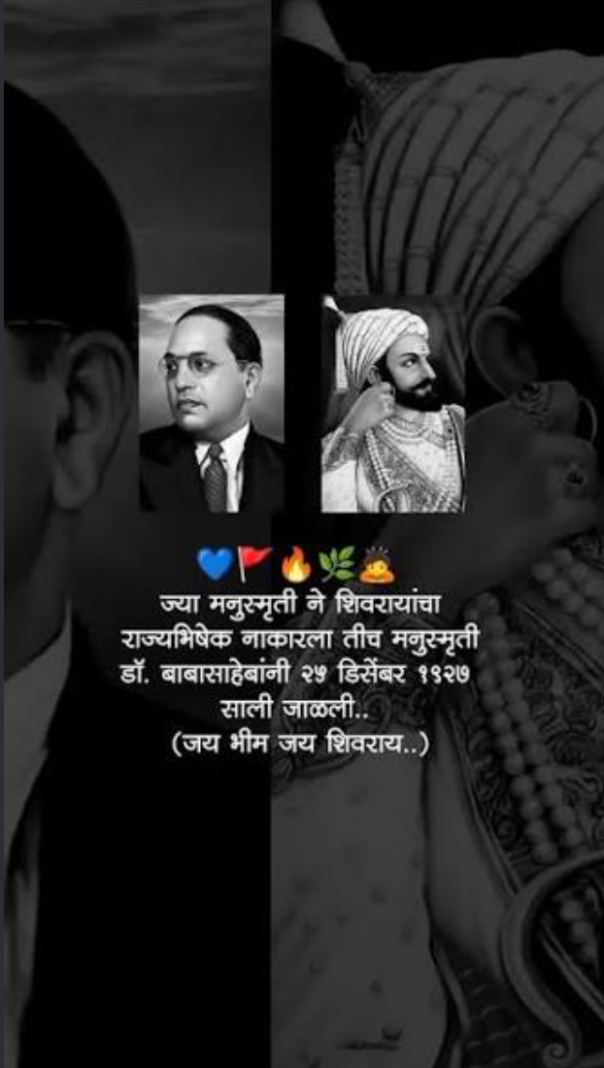
However, beyond these social media uploads, the issue has also been marked by heated exchanges online, with repercussions spilling onto the streets. This was not limited to the recent incident but was also witnessed in 2024, when two policemen were injured, one of them grievously, after a large crowd pelted them with stones during an agitation by Dalits in Amravati, reported Hindustan Times.
The dispute arose after a group of Khanampur Pandhari village residents sat in protest outside the Divisional Commissioner’s office to demand that a welcome arch be built in Ambedkar’s name. However, others wanted the honour to be reserved for Shivaji Maharaj. The tensions prompted a curfew in the area.
Chandrakant Patil, then guardian minister, proposed to name the arch after both of them as a compromise and also committed funds for the construction. The demonstrators, however, demanded a written commitment. Afterwards, over 250 members of the hamlet’s Dalit community rejected Patil’s submission and staged an agitation over their demand.
Hence, Saurabh Katiyar, the district collector, issued an order which pronounced that the arch would be assigned a name only after a decision was reached in the coming days, rather than immediately. However, the enraged protesters started hurling stones at the cops after ignoring the order. As a result, tear gas and water cannons had to be deployed alongside a mild lathi charge. Police vehicles were vandalised, and two personnel were wounded and brought to a local government hospital.
Conclusion
The recent incidents, whether surrounding the row over the metro station or the targeting of Nilesh Nikam and his minor son, are an offshoot of the same friction, in which one aggressive side appears unwilling to tolerate any challenge to their views and wants complete conformity.
These episodes could take the local political landscape of Maharashtra in new and even uncharted directions, and how they further unfold remains to be seen. One thing, however, is certain. Those responsible for taking a man’s life and thrashing an adolescent must be brought to justice, as some matters rise above politics and concern the fundamental principles of justice, law and order.