Home Blog Page 1285

Origins of caste system are less than a century old, can’t lay blame on ancient Varna system alone: Madras High Court

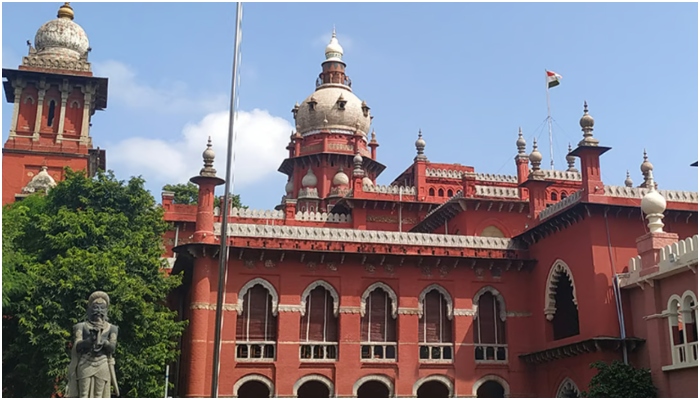
The caste system as we know it now is less than a century old, and the caste difference cannot be linked only to the ancient Varna system, stated the Madras High Court’s judgment as it condemned State Minister Udhayanidhi Stalin for his remarks about Sanatana Dharma. Justice Anita Sumanth recognised that caste disadvantages persist, but added that the caste system as we know it today dates back less than a century.

The Court stated that Tamil Nadu has 370 registered castes and recognized tensions amongst castes. She went on to say that this hostility between people of different castes is due in part to the benefits provided to them.

“This Court agrees unequivocally that there are inequities based on caste present in society today and that they are to be eschewed. However, the origins of the caste system as we know it today are less than a century old. The State of Tamil Nadu has 370 registered castes and the State is a cacophony of pulls and pressures by groups of persons claiming allegiance to one caste or the other. This ferocity among persons belonging to different castes is also, in part, on account of the benefits made available to them,” the Court said.

The High Court said that Udhayanidhi Stalin was wrong in attacking the Sanatan Dharma over the current caste system. “The restrictive meaning attributed to the phrase Sanatana Dharma is clearly erroneous as Sanatana Dharma connotes that eternal, perpetual and universal code of conduct that is uplifting, noble and virtuous,” the court said.

Regarding whether these problems might be put wholly on the ancient Varna system, the Court stated, “This Court agrees unequivocally that there are inequities based on caste present in society today and that they are to be eschewed. However, the origins of the caste system as we know it today are less than a century old. Can one lay the blame for these torturous circumstances entirely on the ancient Varna system? The answer is emphatically in the negative.”

The Court accepted that people have attacked one another throughout history in the name of caste and ruled unambiguously that such acts are unacceptable.

To address past injustices, the Court stated that constant repair and damage control, as well as honest introspection on potential solutions to correct injustices and create equality, are required.

Furthermore, the Court held that the Varna system considers avocation rather than birth as the basis for partition. “The varna system does not contemplate division on the basis of birth, but based on avocation. The system was designed to work towards the smooth functioning of society centuries ago where the chief avocations were identified based on the then needs of society. The relevance of such a system today is itself moot,” it stated.

The order was issued in response to a petition brought by the Hindu Munnani against Stalin, State Minister PK Sekarbabu, and Member of Parliament (MP) A Raja, which questioned their continued office despite such statements. On September 2, 2023, at a conference hosted by the Tamil Nadu Progressive Writers Artists Association in Chennai, Stalin stated that certain things should not only be resisted but abolished.

“Just as dengue, mosquitoes, malaria, and coronavirus must be eradicated, we must eradicate Sanatana,” he had stated, causing considerable indignation. Officers of the right-wing outfit Hindu Munnani then filed three writ petitions in the High Court, objecting to Stalin’s remarks.

They requested the issuing of a writ of quo warranto, requesting an explanation from Stalin, Sekarbabu, and A Raja as to why they were still holding public office after participating in a conference calling for the extinction of the Sanatana Dharma.

Stalin insisted that his remarks were not directed at Hindus or Hinduism, but rather against the caste system. On Wednesday, the Court condemned Stalin’s remarks but declined to remove him as a Minister. The Court stated that it could not issue such a directive unless Stalin was legally disqualified from holding the position.

The Court also stated that making unproven statements about Sanatana Dharma constituted promoting misinformation, but declined to issue a writ of quo warranto to remove Stalin as minister.

India, Indonesia central banks sign agreement to promote use of local currencies for bilateral transactions

The Reserve Bank of India (RBI) and the Bank Indonesia (BI) signed a Memorandum of Understanding (MoU) on Thursday for establishing a framework to promote the use of local currencies – the Indian Rupee (INR) and the Indonesian Rupiah (IDR) for cross-border transactions.

The MoU was signed by the Governor, Reserve Bank of India, Shaktikanta Das and the Governor, Bank Indonesia, Perry Warjiyo.

The MoU on establishing a framework for cooperation in the area of cross-border transactions in local currencies between India and Indonesia, aims to promote the use of INR and IDR bilaterally.

The MoU covers all current account transactions, permissible capital account transactions and any other economic and financial transactions as agreed upon by both countries.

“This framework would enable exporters and importers to invoice and pay in their respective domestic currencies, which in turn would enable the development of an INR-IDR foreign exchange market. Use of local currencies would optimise costs and settlement time for transactions,” RBI said in a statement.

This collaboration marks a key milestone in strengthening bilateral cooperation between RBI and BI.

“Use of local currencies in bilateral transactions will eventually contribute to promoting trade between India and Indonesia as well as deepen financial integration and strengthen the long historical, cultural and economic relations between India and Indonesia,” the central bank.

Indian rupee from being a relatively weak currency started its journey toward internationalisation. The value of a country’s currency and its usage for global trade are among the key indicators for gauging its economic stride.

Banks from over 20 countries have opened special Rupee vostro accounts in Indian banks in order to trade in local currency as part of gradual de-dollarisation plans, the Parliament was informed in 2023.

Simply put, vostro accounts enable domestic banks to provide international banking services to clients who have global banking needs.

The Reserve Bank of India in 2022 put in place an arrangement, allowing transactions in domestic currencies to promote the growth of global trade with an emphasis on exports from India and to bring in increasing interest towards the rupee.

The internationalisation of the rupee gathered steam following the Reserve Bank of India’s (RBI) announcement of a mechanism to settle payments for international trade in rupees, especially for India’s exports. The RBI allowed invoicing and payments for international trade in Indian Rupee on July 11, 2022.

Experts widely believe if the mechanism fructifies then it may go a long way in internationalizing the Indian currency rupee in the long run. A currency can be termed “international” if it is widely accepted worldwide as a medium of exchange. (ANI)

(This news report is published from a syndicated feed. Except for the headline, the content has not been written or edited by OpIndia staff)

Will 13000 illegal madrasas in UP be closed? SIT report says most illegal madrasas built along the Indo-Nepal border using money from Gulf countries

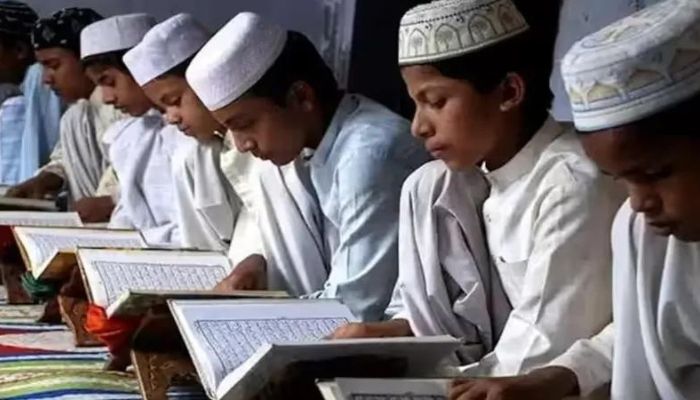
Following the directive from the Yogi government in Uttar Pradesh, the Special Investigation Team (SIT) tasked with probing illegal madrasas has submitted its findings to the administration. The report advocates for the closure of approximately 13,000 unauthorised madrasas. Many of these Islamic institutions were discovered to be situated near the Nepal border. Moreover, investigations revealed that these illicit madrasas were established within the past two decades, with funding predominantly sourced from Gulf nations.

According to reports, Among the 13,000 madrasas flagged for action, a significant number is distributed across seven districts, including Bahraich, Shravasti, and Maharajganj. Notably, each border district hosts over 500 of these madrasas. However, when the SIT probed into their financial records, they encountered a startling revelation: these madrasas were unable to provide any account of their income and expenditure.

The team has raised suspicions that these madrasas were established as part of a meticulously orchestrated conspiracy. Funds potentially collected for terrorist financing may have been routed through hawala channels to construct these madrasas.

The suspicion continues to mount as during the investigation, officials questioned how the madrasas were built, to which the response was simply “with donation money.” However, when authorities pressed madrasa operators to disclose the donors’ identities, no information was provided, indicating a lack of transparency in the funding sources.

Apart from this, it has also been revealed that sexual abuse of children has also been happening in these madrasas. Also, it has come out that the children studying here have problems in getting a job. Out of the 23,000 madrasas scrutinised by the SIT, 5,000 received provisional recognition. Simultaneously, some institutions appeared disinterested in adhering to the standards required for recognition. Remarkably, only 5,000 madrasas in the state demonstrated no issues in this regard.

OpIndia prominently highlighted the issue of illegal madrasas in 2022, with over 25 ground reports addressing the matter on our website. These reports shed light on the demographic shifts observed in villages bordering Nepal, as well as incidents of love jihad in these areas.

Senior advocate Hari Shankar Jain writes to PM Modi seeking permission for Hindus to perform puja inside disputed ‘Adina mosque’ in West Bengal

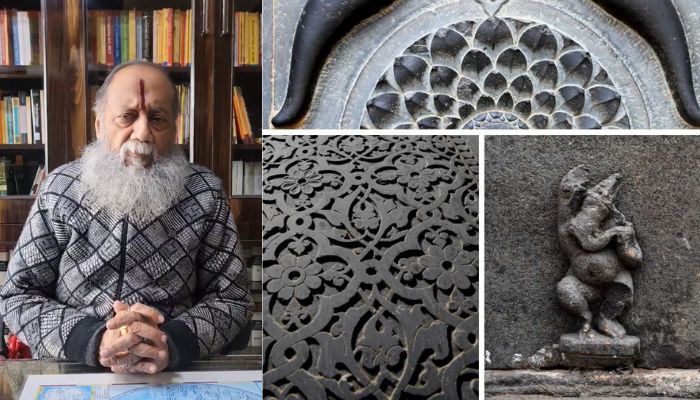
On Thursday (7th March), senior advocate Hari Shankar Jain shared a video from his X handle appealing to Hindus to come forward and start worshiping in the disputed ‘Adina mosque’ in the Malda district of West Bengal. He said that he has also written to Prime Minister Narendra Modi in this regard.

Notably, the disputed ‘Adina mosque’ was built by Sikandar Shah of the Ilyas Sultanate in 1373-1374 using the ruins of the Adinath Mandir which he destroyed at the time. The disputed structure is listed by ASI as a monument of national importance.

Advocate Hari Shankar Jain said, “In the Malda district of West Bengal, there is a so-called mosque. It is called the Adina mosque. It was built by demolishing a grand Hindu temple. This took place during the reign of Sikandar Shah who ruled that area from 1363 to 1374. He demolished the temple and built the mosque.”

He added, “It was a grand Hindu temple. Many of its symbols are still present. There are not one but as many as thirty-two photographs which clearly show that this was a grand temple and that it was demolished. In this regard, I have written a letter to the honourable Prime Minister. I have requested that Puja worship should take place in this so-called mosque and Hindus should be allowed to worship there. Because it is in the possession of ASI. It is the duty of the ASI that religious processions should take place at the monuments as per their respective religious character. As per section 16 of the Ancient Monuments Act, it is ruled that the place should be used for worship in the way it was originally meant to be as per the religious character.”

He further said, “I have written a letter to the honourable Prime Minister, honourable Home Minister, and all the concerned officials and urged that Hindu Puja Path should be started in this place. I request all my fellows and all the Hindus in the country to come forward to secure their rights.”

Notably, the disputed ‘Adina mosque’ is one of the biggest mosques in West Bengal. It made headlines in May 2022 when the Shivling in the wazukhana of the disputed structure in the Gyanvapi Complex of Varanasi was found during the advocate commissioner’s survey.

At that time, West Bengal’s state BJP vice president Rathindra Bose visited the ASI monument in Malda and shared information about it in an X post. He wrote, “What ancient history is sleeping under the Adina Mosque? Adina Masjid is the largest mosque in West Bengal located at Mauza No. 39 of Gajol Police Station in Maldah District. But this is not universally true.”

He added, “The Adinath Temple sleeps under this Adina Masjid. Jitu Sardar gave his life to save this temple. That history is unknown to many. He was martyred while protecting the temple from the British and Muslim rulers.”

He further wrote, “During Adina’s visit to the disputed place yesterday with local MLA Mr Chinmoy Dev Barman, this topic kept recurring in his mind. Kashi’s Baba Vishwanath regained his respect. Is it now Adinath’s turn?”

The call by senior advocate Hari Shankar Jain for Hindus to be allowed to worship at Adinath temple provides impetus to the ongoing movement of reclaiming Hindu religious structures and temples which were demolished by Islamists in the Mughal era to built mosques. Hari Shankar Jain’s son Vishnu Shankar Jain is representing the Hindu side in the Gyanvapi case as well.

As for the disputed ‘Adina mosque’, it was last in news in February this year when a group of Hindus led by a young priest named Hiranmoy Goswami performed puja inside its premises.

Goswami, who had visited the Archaeological Survey of India (ASI)-listed monument, spotted idols of Hindu deities and a Shivling. Soon after, he along with his followers began performing puja and reciting mantras next to the Shivling.

In the meantime, local Muslims in the area notified the police. Soon after, the Hindu priest was stopped from conducting rituals by assistant sub-inspector Navin Chandra Poddar, who told Goswami that he could not offer his prayers at the disputed mosque.

This led to a heated argument between Hiranmoy Goswami and the police official. On being asked about his crime, Poddar told the Hindu priest, “Your crime is that you are offering ‘pranam’ wherever you want. This cannot be done here.”

As PM Modi shares pictures of ‘Shankaracharya Hill’, read how the place was attempted to be Islamised as ‘Takht-e-Suleman’ in attempt to erase Hindu past of Kashmir

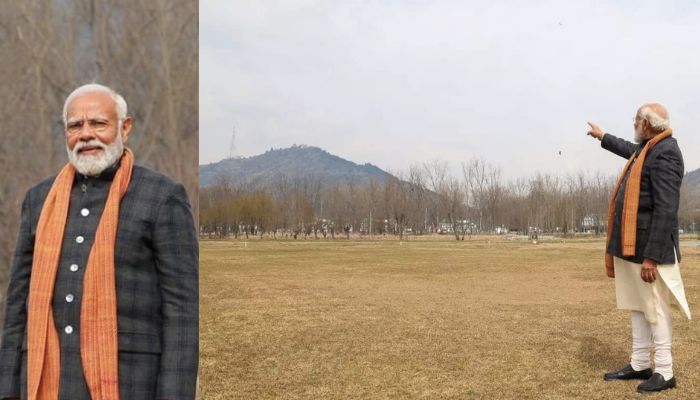
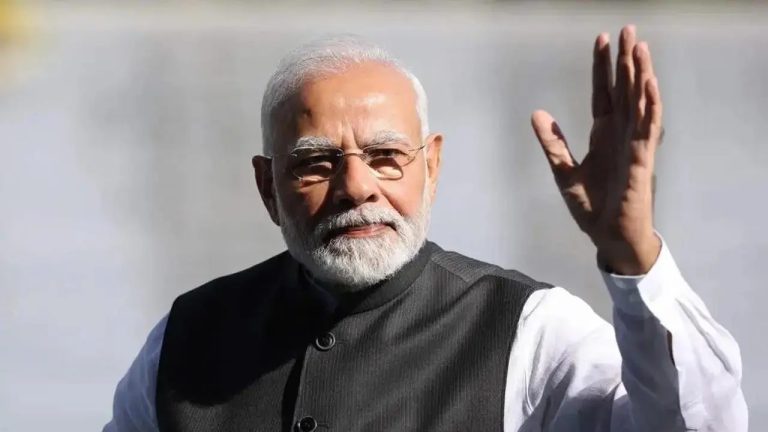
On Thursday (7th March) Prime Minister Narendra Modi arrived in Srinagar to unveil development projects worth more than Rs 6,400 crore. Taking to X, PM Modi shared some pictures of the majestic Shankaracharya Hill as he arrived in Srinagar.

“Upon reaching Srinagar a short while ago, had the opportunity to see the majestic Shankaracharya Hill from a distance,” PM Modi wrote. Notably, this is PM Modi’s maiden visit to the valley since the abrogation of Article 370 by his government. Notably, Shankaracharya Hill holds special importance for Hindus, and the Islamists have been attempting to ‘Islamise’ it by giving it Islamic names.

Hindus say that Adi Shankara, a Hindu scholar, saint and preacher, visited the temple on top of the hill. Adi Shankara is the name of both the hill and the temple atop. Hindus visit the temple during the Amarnath Yatra. During the yatra, Lord Shiv’s sacred mace is brought to the temple.

The Prime Minister calling the said mountains Shankaracharya Hill holds immense significance given the past attempts at Islamising the place as ‘Takh-e-Suleman’. There have been countless efforts to erase the Hindu heritage across the country, but none at the scale seen in Jammu and Kashmir.

Historically, the hills where the Shankaracharya Temple is situated have been known as the Shankaracharya Hill and Hariparbat, however, back in 2013, a major protest erupted in Srinagar after it was alleged that the Archaeological Survey of India (ASI) renamed Shankaracharya Hill to ‘Takht-e-Suleman’. The displaced Kashmiri Pandits alleged that the ASI has distorted the history of the ancient Hindu monument.

Back then, Predhuman K Joseph Dhar, an expert on ancient Kashmir history had said the ASI not only renamed the place but also replaced the earlier plaque with the one mentioning the name of the place as ‘Takht-e-Suleman’.

“It is a matter of great concern that ASI has given the name Takht-e-Suleiman (Throne of Solomon) to it, replacing the earlier plaque. How have they come to this conclusion warrants an answer,” Dhar said.

According to the new plaque, Shah Jahan, the Mughal ruler, built the roof of the Shankaracharya Temple in 1644 AD. However, it made no mention of King Gopadhari, who repaired the temple, or King Lalitaditya, who refurbished it centuries before Islam arrived in the valley in the 13th century.

“While the plaque informs the people that the roof of the temple was constructed by Mughal emperor Shah Jahan in 1644 AD, there is no mention of King Gopadhari, who [repaired] the temple, King Lalitaditya, who renovated it several hundred years before the arrival of Islam in the 13th century, and Dogra rulers, who placed the lingam of Lord Shiva, which was destroyed on the orders of Jehangir’s wife Noor Jehan, ” Dhar said.

During a protest in Pune against the alleged renaming of the Hindu heritage site after Islamic names, Rohit Bhat, Pune coordinator for Youth 4 Panun Kashmir had said that hat after throwing out Kashmiri Hindus and Nationalist forces from the Valley, a planned activity is going on to convert the state to an Islamic state and destroy and distort the places of worship and faith of Kashmiri Hindus, the aborigine of the Kashmir. He further said that it is a matter of shame that such a change in the name of the pious hill is even reflected in the official tourist website of the Jammu and Kashmir government.

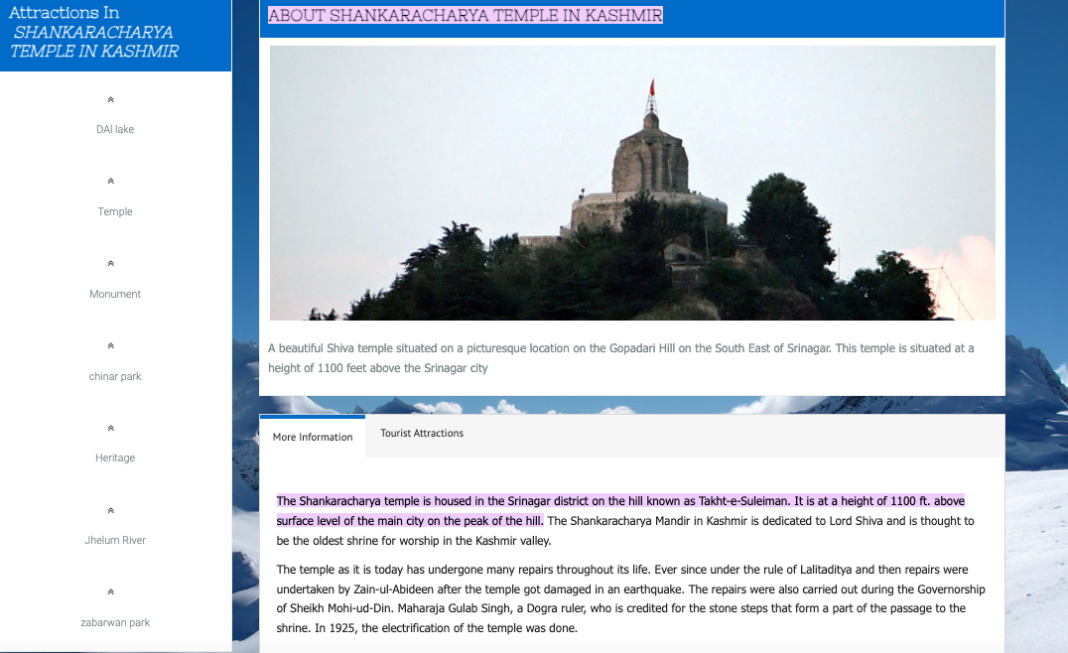
As OpIndia checked the website of the Jammu and Kashmir Tourism Development Corporation (JKTDC), it mentions the Shankaracharya Hill as Takht-e-Suleiman.

“The Shankaracharya temple is housed in the Srinagar district on the hill known as Takht-e-Suleiman. It is at a height of 1100 ft. above the surface level of the main city on the peak of the hill. The Shankaracharya Mandir in Kashmir is dedicated to Lord Shiva and is thought to be the oldest shrine for worship in the Kashmir valley. The temple as it is today has undergone many repairs throughout its life. Ever since under the rule of Lalitaditya and then repairs were undertaken by Zain-ul-Abideen after the temple got damaged in an earthquake. The repairs were also carried out during the Governorship of Sheikh Mohi-ud-Din. Maharaja Gulab Singh, a Dogra ruler, who is credited for the stone steps that form a part of the passage to the shrine. In 1925, the electrification of the temple was done,” the JKTDC website states.

Screengrab of the J&K Tourism Development Corporation website

It is pertinent to mention here that in the year 2014, the then Chief Minister of Jammu and Kashmir Omar Abdullah had ‘assured’ that “there is no proposal to change the name of the Shankaracharya Hill.” He even dismissed the claims of the renaming of the Hindu heritage site as a ‘figment of imagination.

“Let me be as clear as I can – there is NO, repeat NO proposal by the state to change the name of Shankaracharya Hill in Srinagar. I had wanted to stay out of this discussion since it was based on the figments of some very active imaginations but no such luck,” Omar Abdullah stated.

Notably, the most important information about its history is provided by an old historian named Kalhana in Rajatarangni, the renowned historical chronicler of the monarchs of Kashmir and Northwest India. Kalhana’s work is regarded as an authority in the study of the history of Kashmir.

According to Kalhana, the hill was originally known as Jeetlark or Jetha Larak later as Gopadari Hill. He further states that King Gopadhitya gave the Brahmins who had arrived from Aryadesa (Aryan region) land at the foot of the hill. The land grant was named Gopa Agraharas.

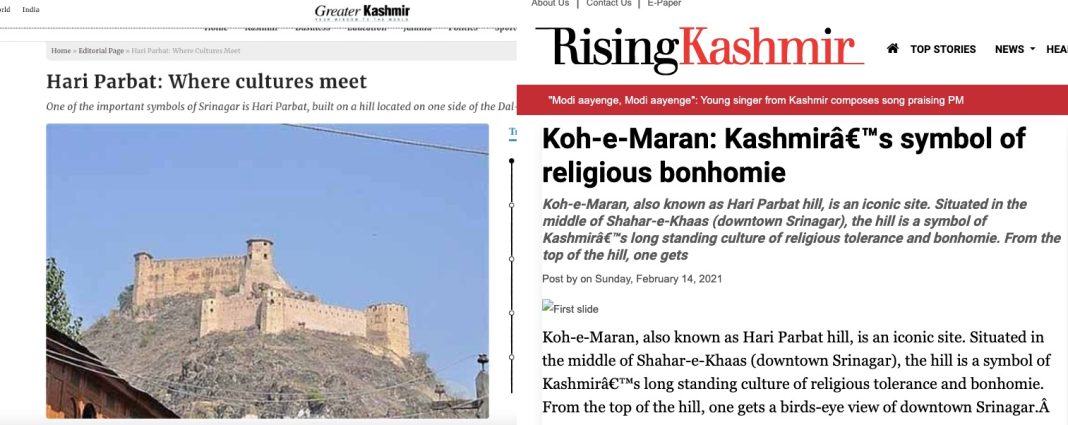
Hari Parbat renamed as Koh-e-Meran

After their ethnic cleansing and exodus attempts were made to even erase the remaining few traces of Hindu existence in Jammu and Kashmir. Hari Parbat, which overlooks the town of Srinagar, is home to a temple dedicated to Jagadamba Sharika Bhagwati, Gurudwara Chatti Patshahi, and other Muslim shrines. However, the name Koh-e-Maran has become popularised.

In the year 2016, a Jammu and Kashmir Tourism Department advertisement explicitly referred to Hari Parbat as Koh-e-Marran, giving the name de facto validity. Koh-e-Maran means “mountain of snakes” in Farsi, the name is claimed to have originated during the Mughal era. The blatant attempt at Islamising the Hari Parbat was met with severe criticism and outrage by Kashmiri Pandits who alleged that it was part of “a deep-rooted conspiracy.”

In addition to the government, the local media outlets also contributed to normalising and popularising the Islamic names of Shankaracharya Hill and Hari Parbat. These media outlets went all out to pass off the Islamisation of Hindu religious sites as ‘syncretic culture’, ‘religious bonhomie’ and whatnot.

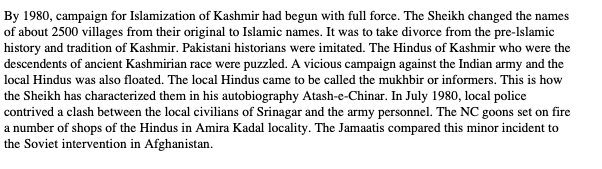
The Islamisation of Kashmir post-independence, however, started in the 1980s under the Sheikh Mohammad Abdullah-led government. According to a study, the drive for Kashmir’s Islamization had begun in earnest. Sheikh Abdullah had renamed around 2500 villages to Islamic names in the 1980s. The goal was to break away from Kashmir’s pre-Islamic heritage and traditions.

Excerpt from a study titled “Kashmir Conflict” by Priyanka Bachaya and Sumeet Bhatti
 

Several towns having Hindu names were given ‘Islamic’ names including Anantnag, which was renamed “Islamabad”; Ramghat Mohalla in Baramulla was renamed “Sayeed Karim Sahib”; Post Office Road in Baramulla was renamed “Shah Masal Market”; and others.

It is widely known that the separatists/Islamists referred to the town of Anantnag as Islamabad, which is known for the remnants of the Martand Sun Temple, which were destroyed by Sikandar Butshikan (Sikandar the iconoclast). Anantnag relates to Vishnu’s Sheshanag, but it also means “numerous springs” in Kashmiri. It is said that the history of the town’s name dates back to the Puranas.

There have been ongoing efforts to impose the name Islamabad instead of Anantnag to alienate the town from its Hindu history and roots While in the 1990s it was made mandatory by the Islamic terrorists later, their sympathisers and politicians furthered their agenda.

Back in 2010, Jammu and Kashmir’s Law and Parliamentary Affairs and Rural Development Minister Ali Mohammad Sagar had called Anantnag as ‘Islamabad’ in the then-state legislative assembly.

Notably, the Martand Sun Temple is believed to have been built in the eighth century, but it was nearly destroyed multiple times between 1389 and 1413. The Martand Surya Temple, dedicated to the Sun God or Bhaskar, is said to have been constructed in the eighth century AD by Hindu king Lalitaditya. Lalitaditya was a surya (Sun) Dynasty Kshatriya.

Other than Islamist terrorists and politicians, Bollywood has also contributed in enormous measures to the Islamisation of the once Hindu land of knowledge, wisdom and science in addition to furthering Hinduphobia.

In 2014, filmmaker Vishal Bharadwaj faced severe condemnation for slandering Hindu customs and hurting Hindu sensibilities by joining the ranks of Islamists and portraying Kashmir’s historic Sun Temple in his film ‘Haider.’

Shahid Kapoor starrer Haider went on to allude to one of the country’s greatest temples, the Surya Mandir, as Shaitan Ki Gufa in one of its songs, ‘Bismil,’ which features Shahid dancing inside the Hindu temple.

Kashmir, one of the cradles of Hindu civilization, had witnessed antagonistic foreign rulers from the early fourteenth century until the reign of Shah Mir in 1819 when Maharaja Ranjit Singh liberated the region. The indigenous people had a little respite from the violent  Islamic invaders during the reigns of Sikh-Dogra rulers between 1819 and 1930.

Invasions, genocides, exoduses, Islamisation, politics and propaganda, Islamists have used all the means at their disposal to erase the Hindu history of Kashmir. Interestingly, Maa Sharada, a manifestation of Maa Saraswati, the Hindu goddess of wisdom, is revered as the tutelary deity of the Hindu Kashmir. Even the prayers refer to her as “Kashmira-pura-vasini” (she who resides in Kashmir).

Beginning in the 1930s, Kashmir was once again infected by Islamism, with critical figures like Sheikh Abdullah. Ironically, Sheikh Abdullah himself was a descendant of a Kashmiri Pandit Ragho Ram Kaul. 

However, as the country experiences an unprecedented Hindu resurgence with the recovery of the Ram Janmbhoomi Mandir in Ayodhya, Prime Minister Modi’s reference to Shankaracharya Hill by their original name rather than the imposed Islamic names demonstrates that Hindus will not perish in oblivion.

Assam: Amir Ali gets life sentence, Ferdus Alom gets 20 years jail in child marriage case from Morigaon

0

 In a major legal development against child marriage in Assam, a district court in Morigaon has delivered a historic verdict by sentencing one man to life imprisonment while another has received a 20-year jail term in a child marriage case.

Samiran Baishya, Additional Superintendent of Police of Morigaon district said that, on March 6, in a judgment in connection with Moirabari police station Case No-182/21, under Section 120(B)/376DA IPC R/W-Sec 6 of POCSO Act and R/W sec 9/10/11 of prohibition of Child marriage Act, accused Amir Ali has been convicted rigorous Imprisonment for life and accused Ferdus Alom has been convicted for 20 years of Rigorous Imprisonment by the Additional Sessions Judge cum Special Judge (POCSO), Morigaon.

“It is to be mentioned here that while monitoring the process of trial it has come to light that one person, Merajul Islam, had threatened the victim and other witnesses to depose evidence in favour of the accused and also offered gratification. Accordingly, he was arrested from the court premises and forwarded to judicial custody. Case reference Morigaon police station case number 14/ 24 U/S 195A/214/506 IPC,” Baishya said.

Earlier, the Assam government led by Chief Minister Himanta Biswa Sarma had launched a massive crackdown against child marriage with police arresting more than 4000 people across the state.

Recently, the Assam government repealed the Assam Muslim Marriages & Divorces Registration Act, 1935.

Meanwhile, CM Sarma had pledged that he will not allow child marriages in Assam as long as he is alive.

Earlier in a rousing speech in the Assembly, he challenged his political opponents, saying, “I would like to challenge you politically. I will shut down this shop before 2026.”

“Hear me carefully, as long as I am alive, I will not let child marriage take place in Assam. This will not be allowed to happen as long as Himanta Biswa Sarma is alive. I would like to challenge you politically, I will shut down this shop before 2026,” he had said.

The Assam CM has vowed to eradicate child marriage in the state by 2026.

(This news report is published from a syndicated feed. Except for the headline, the content has not been written or edited by OpIndia staff)

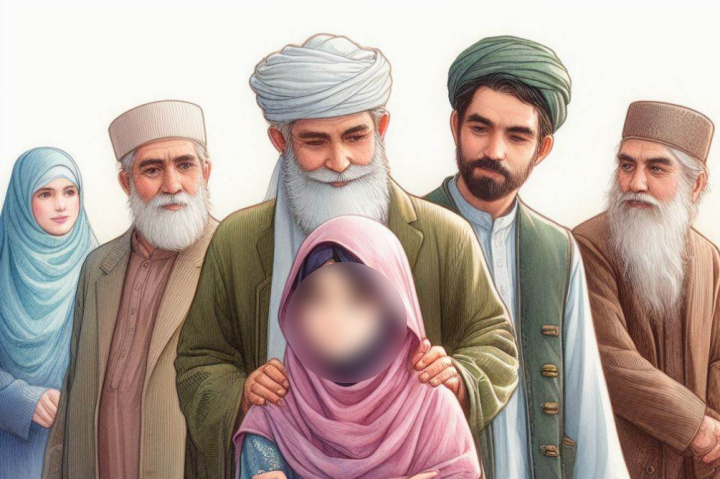
Uttar Pradesh: Two minor sisters commit suicide after brutal gang rape, then father kills himself after being pressurised to compromise in the case

An incident of gang rape involving two minor sisters from Hamirpur was reported at a brick kiln in Kanpur, Uttar Pradesh. In this case, both the victim sisters committed suicide. On Thursday (7th March), reports emerged revealing that now the father of the victim has also committed suicide. Following the tip, the police officers arrived at the scene and took stock of the situation. The police have taken charge of the body and are investigating the case.

According to the reports, a family resident of the Sisolar police station area of ​​Hamirpur used to work at a brick kiln in Ghatampur, Kanpur. Two of the girls belonging to the family were brutally gang-raped and a video of the incident was shot by the accused. After this both the sisters committed suicide by hanging themselves. In this case, the police have arrested all the accused.

It is alleged that after the arrest, the brick kiln operator pressured the family to resign and threatened them. Hurt by this, the victim’s father decided to commit suicide. The police reached the spot after receiving information about the suicide. The authorities then took possession of the body and sent it for post-mortem.

The accused persons, in this case, have been identified as Ramswaroop, Rajju, and Sanju who were closely associated with the brick kiln operator. They first made two minor girls drink alcohol and then gang-raped them. The accused also made a video of the incident and used it to blackmail the family.

Hurt by this, both the girls committed suicide by hanging themselves from a tree near the brick kiln on 29th February. In this matter, the police registered a case and arrested the three accused Ram Swaroop, Rajju, and Sanju. Objectionable photos of both girls were found in the mobile phones of Rajju and Sanju, which were sent by the police for forensic investigation.

It is claimed that since the event, the brick kiln operator has been pressuring the victim’s family for a compromise. Threats were also being issued to the family.

Following this, the victim girl’s father committed suicide by hanging himself from a tree along a drain about one and a half km from the village. Police arrived bearing details and took stock of the situation. According to Sisolar police, the Panchnama of the dead has been filled and the body has been sent for a post-mortem. Further investigations are underway. 

Modi 3.0 is inevitable and with that, here is a 19-item wishlist of policies: From ending CSR to healthcare overhaul, history book revision and more

Recently, a famous journalist, known for his fearless, independent journalism, about as much as I am known for singing like Mohammad Rafi, presented a wish list for Modi’s next term. He said if everyone assumes Modi will return, so can he or words to that effect. I will follow in his footsteps but present my wish list!

The overarching theme of this wish list is simplification and returning power to people. We need to set up the runway for the next stage of growth to take off, in our lifetimes. Yet another generation can’t be condemned to living in the depravity of the “Idea of India’ days, the India “we grew up in”. In doing so we must clean up the Augean stables – with fresh water, NOT the same waste water of babudom and Nehruvian socialism.

Without much further ado, let us just jump into it!

1. Reform the Income Tax Act and tax rates – We simply can’t have taxes like cradle-to-grave welfare states. Personal IT must be maxed out at 30% including ALL surcharges. A super simplified IT Act and forms that’s the world’s envy and our pride (Remember the ONIDA ads?) must be done. Earned overseas income up to, say, $50,000 must be exempt. This will promote remote gig work and take on countries like Malaysia, Indonesia & dozens of others encouraging “digital nomads” without too much cost.

2. Total revamp of corporate compliance regime including forms and cost. GST inclusive. MCI must be headed by industry experts not babus with 60’s thinking. Small companies must be exempt from 99% of the filing work currently eating up lots of bandwidth. I am not suggesting something unique – just copy from any decent ASEAN or Asian economy. It takes less than 10 minutes to finish up the annual filing for a small private company in Singapore. No auditor, no company secretary, no DIN, DSC nonsense. And that doesn’t mean they encourage fraud. Punishment is severe for violations.

3. End CSR – FM Sitharaman has taken some of the crazier provisions out of this law such as heavy punishments but the entire concept is a clear abdication of its responsibilities to the citizens. Delivering public goods is the job of the state. Taxes must be paid for it. Not babudom-enforced charity. It only ends up creating, funding, and sustaining the sort of woke elite charlatans like DEI has done in the USA. Leftist malcontents are good at gaming the system and will use this to extort funds and destroy value.

4. Recent news of appointing private experts to Jt-Secy level jobs is most welcome. But this must be the FIRST step to the total abolition of IAS, as we know it. Babus that have not done a single day of productive value-added work in their entire lifetime, not manufactured even one widget or earned one rupee of real money, cannot be sitting in judgment of policies. We don’t need “District Magistrates” or “Collectors” and their retinue of clerks, peons, constables and hangers-on – that’s colonial! Other Asian countries have gotten rid of them. We need civil SERVANTS. IAS MUST GO. Promote juniors from within on merit and hire experts on short-term contracts. A good government LDC clerk, if talented, must have a chance to retire as Cabinet secretary. Not overtaken by some elitist kid who answers questions in one exam on Tipu Sultan and Jawaharlal Nehru. That’s the system we need.

5. A massive, war-like effort to build up national healthcare infrastructure – this will return to the economy better than buying Apple, Tesla or Google stock when it was at its lowest. We could have done this during the COVID episode, but that is lost. Divert money from anything else other than education to get this done. Hospitals, Medical colleges, Nursing, equipment, training, testing labs, preventive healthcare, the works. Think big and act even bigger. No half measures. Public hospitals must be far better than any private one and cheap or free. NDA ruled states must take the lead in this as it is also a state subject. Be an example to dynasty-ruled states.

6. A similar effort to ramp up primary and secondary education, especially in remote areas and smaller towns. This is not absent of course, but there are significant gaps, shortages and bad quality infra. Plug them. This must get the #1 allotment in all budgets. Again, public facilities must be as good or even better than private ones. In this and the earlier point, if dynastic looter-run states don’t cooperate, just get it done in NDA-ruled states and friendly ones like Odisha. That’s more than enough.

7. Think BIG in small cities and NEW cities. Enormous amounts are spent on megapolis like Delhi, Mumbai and Bangalore. Overbridges, roads, railways, metro etc., simply address issues that we created – overcrowding and lopsided development. They don’t add value to the economy other than restoring what was destroyed. I am not saying this is wasted, but every rupee goes much further in smaller cities. In the long run, we must decongest bigger cities by moving people to smaller towns. Not by diktat but by gentle nudging and economic opportunities. This promotes equitable growth, better living standards and so much else. Adequate social infrastructure, and the right policies and push investments into these places, away from megacities. Governments must show the way. Can someone explain why Kaveri Nigam and Coffee Board are in HQ in Bangalore and not in Madikeri? Only to suit the interest of babus. Not the ones they are supposed to serve. They want to sit close to their bosses and enjoy life. That’s just one small example, I am sure thousands are out there.

8. Repeal ALL black laws written into statute by fascist looter dynasties and their Stalinist mass murderer patrons that now lecture us on democracy, dissent, freedom etc. No dilution, no committees, no study. Just one stroke and take them all out. These are causing arrests at whim, long periods of incarceration without trial and other horrendous human rights abuses. Things unheard of in other democracies or even dictatorships – presumption of guilt – exist in our laws. Other than obvious cases of violence and overseas terrorists, our laws must equal or better any democracy. Right now they are a disgrace. Right to bail must be sacrosanct other than for a small list of heinous crimes and a genuine flight risk. Charge within reasonable time or release. This is why opposition-ruled states can arrest or jail practically anyone using vague laws and compliant media. NDA is also a culprit but the problem started with the laws. This will usher in true democracy and shame the overseas woke handlers of these frauds that shout from rooftops about dissent etc. 

9. State police must have ZERO powers to arrest anyone outside their states. If they need extradition, they can appeal to the respective state government and if not happy, its courts. There must be federal crimes like in the USA but that list must be small. NOT posting something against Mamata Banerjee on Facebook etc. It is now becoming a joke. Charlatans like Kejriwal use Punjab police to pursue political rivals all over the country and everyone races to the bottom. Again, no party is clean in this but the enabling laws must change.

10. Ensure independence of ED, CBI etc. It must be beyond reproach. Bulletproof. Dramatic arrests must end. They invariably result in release and ZERO chance of successful prosecution. Gather evidence, painstakingly prosecute, and let courts decide about arrest, not babus. Right now we are at serious risk of arrest by ED or summons becoming a badge of honour. Like in colonial days. This is a national disgrace. Because it allows the corrupt to get away with – literally – murder.

11. For every rupee spent on top-down development, spend equal or more on bottom-up improvements. To give a simple example, Vande Bharat trains are great – no one with any sense can oppose them. But spend equal amounts, visibly and immediately, on the ugliest trains that run in smaller routes. The other day I saw a local train in Mysore that looked too bad even for the scrapyard. Yes, money is scarce, but starting from the last, ugliest train and working way up – as Pandit Deendayal Upadhyaya said, is the key. 

12. MASSIVE improvements in public transport – in cities, towns, villages. This is a state subject but Center + NDA states must invest heavily, and appoint non-corrupt leaders, not politicians to key posts. As I mentioned in the case of trains, start at the bottom – not useless things like digital signboards. Fares can be kept low if only managed well. And targeted subsidies not freebies thrown recklessly like the Karnataka government does. A system of private companies running buses with their crew but fares and standards set by the government must be universal. Whoever bids the lowest gets it. This will solve the issue of poorly managed, corrupt state transport undertakings running smoke-belching buses that look like retrieved out of Somalia’s badlands.  

13. A national mobility card usable on ALL public buses and trains across the country will do wonders. This can be linked to Aadhar and used for targeting subsidies as well. It will take a few years to get there but it is worth the effort. That way subsidies are not hidden. Transport corporations will pay diesel at commercial rates, pay road tax as normal etc. Then seek a subsidy that is direct and targeted.

14. I wrote a separate piece on this, but I repeat it here – TOTAL BAN on ALL donations by non-Indians to any private entity, NGO etc. They must all be routed to a central fund distributed purely on a population basis, not on religion, caste, region, political alliances etc. If these do-gooders say that they are working for our good, let us tell them to shut up and put up.

15. JNU must be split into genuine science and pseudo-science (sociology, African studies etc) – indeed ALL technical institutes like IIT must be stopped from conducting pseudo-science courses. A separate university, perhaps named after Rahul Gandhi, funded by Ford or Soros or Beijing can be asked to conduct such courses since anyway, they rear battalions of fringe loony leftists and tukde’s. The earlier step I mentioned will dry the tap for fraud NGOs and this step will ensure the flow of unproductive malcontents will stop or reduce. This country, at this stage of development, needs science, maths, engineering, finance, agriculture etc. I am sort of ambivalent about economics ;-). But NOT political “science” degrees that are useless for anything other than sucking up to fascist dacoit families and Politburo butchers or George Soros. Maybe, when we cross $25,000 in per capita income, we can restore this and go woke like the USA.

16. Revise history books! Don’t spend the 1st four years denying we will never do it and then adding a paragraph or two in year 5. The outrage by the Polpotist left ecosystem and the anti-Hindu gang will be the same in volume anyway. Do it on Day 1 or Month 1 – and do it well. Own up to it bravely and say manufactured lies of a leftist ecosystem designed to destroy the mind, cultivate self-hate, scorch the earth for facilitating the promotion of Stalinist mass rapist butcher ideologies and anti-Hindu hate is being replaced with truth. Put it on the manifesto if necessary so there’s no ambiguity. 

17. Reduce dependence on woke fascist deep state Gestapo-controlled US tech giants. The nonsensical politically biased replies given by GeminiAI or chatGPT and the rabid bias against anything non-left or non-Islamic must open eyes. Rid the government and PSUs of Microsoft Windows and related software. Incentivise the private sector to do the same. Bravely subsidise or adopt homegrown solutions like Zoho. Go with open source. Fund or encourage development of an open source mobile operating system so we are rid of Google’s Android and Apple’s dominance. At the right time, make it mandatory. Not too soon. One day these technologies will be denied to us if we don’t obey the wokes or elect someone the NYT Editorial board doesn’t approve of. Better plan ahead. No other country can do it – only India. China will never be trusted under commies and the rest don’t have the scale. Once we do, rest like Indonesia etc., will stampede to get it from us.

18. Respect for leaders has to be mutual especially if they are long gone. In other words, Pandit Nehru gets only as much respect as the CONLEFT ecosystem is ready to give to Savarkar. If they want to focus only on his letters, fine, it is fair for us to focus only on Naba jail or Edwina. Leaders are complicated, people of extraordinary minds that can sometimes work in odd ways and they are human and most importantly, they are products of their times. We must take what is good, and leave out what is bad. As simple as that. 

19. Further, I would suggest BJP must make it clear in their manifesto that excessive importance given to the Nehru dynasty in naming various central government assets such as Airports, roads, tunnels, colleges etc will be reviewed and made more balanced if they return to power. This can be statistically established – just make a list of such assets and see how the naming has been done. The reason I say manifesto is clear – it gets transparently approved by the public if NDA/BJP is re-elected.

I have a lot more to say but even if 5 or so of these are done, I will be very very happy! Because I know my children and grandchildren, if any, won’t grow up in a country where third-world depravity is the norm.


Ankit Saxena murder: Delhi court awards life imprisonment to Akbar, Shehnaz and Salim for gruesome murder of Hindu man

On 7th March, three convicts in Ankit Saxena murder case were sentenced to life imprisonment. 23-year-old Ankit was murdered in February 2018 in west Delhi’s Raghubir Nagar by family members of his girlfriend who belonged to the Muslim community.

Additional sessions judge Sunil Kumar Sharma said to the accused, “Taking into consideration your age, background, antecedents and the work that you did before the incident, I am sentencing you to life imprisonment.”

The court further imposed a fine of Rs 50,000 each on the three convicts identified as Akbar Ali (father of the girl), Shehnaz Begum (mother of the girl) and Mohammad Salim (uncle of the girl). They were convicted by the court in the murder case on 23rd December 2023, almost six years after the incident took place.

In the December verdict, the court convicted them for the charges under Sections 302 and 34 of the Indian Penal Code. Furthermore, Shahnaz Begum was also convicted under Section 323 for assaulting Ankit’s mother Kamlesh Saxena when she was trying to save her son from the girl’s family.

Speaking on the verdict, Ankit’s mother said, “They killed my son with a butchering knife. They should get the death penalty.”

Ankit’s father has passed away since.

The details of the grisly murder case

A 23-year-old Hindu youth named Ankit Saxena was brutally murdered in Delhi, in February 2018, for being in a relationship with a girl named Shehzadi from the Muslim community. The murderers were family members, including parents of the girl. Ankit had been under pressure to break his relationship with the girl. Since he did not comply, he was murdered and his throat was slit.

It was revealed that the girl’s family was vehemently against their daughter being in love with a Hindu boy and proceeded to kill him in a pre-planned manner after engineering a road rage incident. 

According to eyewitness accounts, Shehzadi’s mother wore a helmet and rode her scooter to the traffic intersection where they knew Ankit was present. She then rammed her scooter into Ankit’s vehicle so that Ankit would be forced to step out to help. As she was wearing a helmet, Ankit could not identify her and stepped out to help.

The woman then confronted Ankit and soon she was joined by her other family members. They all began to heckle and abuse Ankit blaming him that he had influenced Shehzadi to leave the house. A shop owner in the area had stated that when confronted by Shehzadi’s family, Ankit denied being in a relationship with her so that he was left alone. Another resident of the area had stated that Ankit even requested to call the police or be taken to the police station, but the girl’s family just kept beating him.

Neighbours alerted Ankit’s parents of the incident and they had rushed to the spot. But Shehzadi’s mother began attacking Ankit’s mother too who fell down. When Ankit bent down to help his mother get up, the girl’s uncle and brother then caught him by his hair and pulled him up. At that moment, while the two of them held Ankit’s arms from behind, the girl’s father slit his throat using his butchering knife.

However, media reports water downed the brutal murder case and it failed to inspire any outrage as Hindi and English mainstream media reports on the incident carefully tried to hide the religion of the accused, and the angle of religious hatred involved behind the crime.

Meanwhile, Ankit Saxena’s father, Yashpal Saxena was hailed by the ‘secular’ media and politicians as the face of communal harmony after he appealed to everyone not to communalise his son’s murder at the hands of his Muslim girlfriend’s family who disapproved of their inter-religious relationship. He had even organised an inter-faith iftar party in 2018 during Ramzan which was attended by various ‘social activists’. 

Delhi Development Authority issues notice to Hindu refugees from Pakistan living in Yamuna floodplain area to vacate the place, action after NGT order

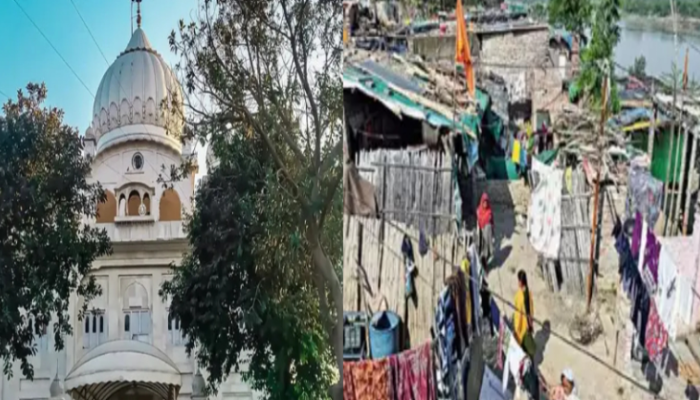
A matter of removal of unlawful encroachment close to Majnu Ka Tilla in the national capital has surfaced recently. The Delhi Development Authority (DDA) has asked that residents of the slums around the Yamuna River relocate under the National Green Tribunal’s (NGT) directive. Notably, several of these families comprise Pakistani Hindus who have come to India to protect their lives. They received the official notification on 4th March.

The notice says that the families can relocate to alternate places as per the suggestions of the Delhi High Court. DDA cited a National Green Tribunal order in 2015 saying that the Yamuna Flood Plain area under the DDA must be made free from all encroachment.

The notice stated, “In compliance with the order, it is proposed to organise a demolition drive against the encroachment in the Yamuna floodplain area near south of Gurudwara Majnu Ka Tilla (western bank) on March 7 and 8.” As per the decision of the National Green Tribunal, a Delhi Development Authority official verified the schedule for a demolition effort intended to eradicate the intrusion on the 7th and 8th of March. Sources claimed that the postponement was brought on by the unavailability of police forces.

It added, “Hence, the residence of the area is hereby requested to vacant the area by Wednesday. Otherwise, they will be self-responsible for any loss held due to any demolition drive against the encroachment on Thursday or later.”  

As per the notice, the people living in the area can relocate to three night shelters on temporary basis in Delhi, at Geeta Colony, Dwarka Sector 1 and Dwarka Sector 3.

This place has served as a home to these people for a long time. However, the recent development has raised questions about their future survival. There is also a Gurdwara in the area. There have been claims made during the court proceedings that Gurdwara’s southern region is being illegally occupied.

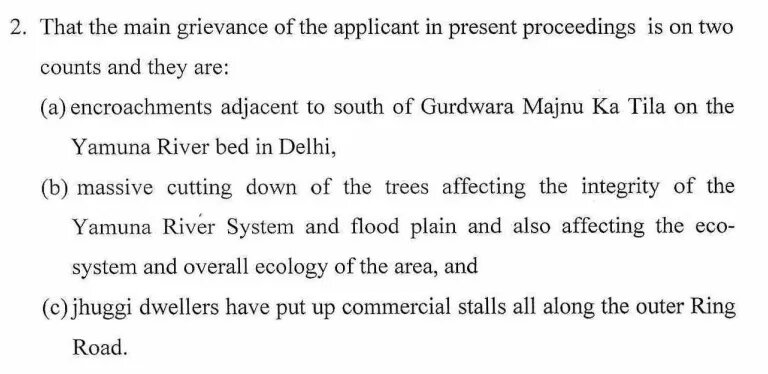
According to the information, the whole matter was raised before the National Green Tribunal by a person named Jagdev. His legal heir Vinayak Khatri is currently battling the lawsuit following his passing. The report revealed that there are three main reasons behind the complaint including incursion on the Yamuna bank in the southern vicinity of the Gurdwara near Majnu Ka Tilla.

Another reason is deforestation on a large scale which is altering the region’s environment, flooding plains and destroying the integrity of the Yamuna River system. Furthermore, the slum inhabitants have placed their makeshift stalls around the outer ring road which leads to traffic bottlenecks and whatever dirt or trash is left behind is thrown into the Yamuna River which is a component of the green belt.

Source: OpIndia Hindi

National Green Tribunal’s order

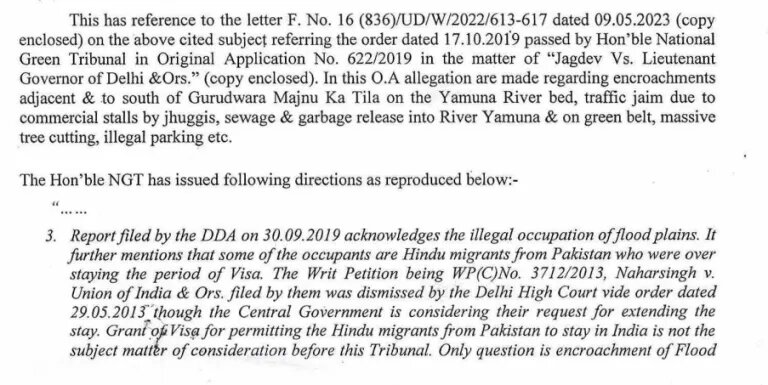
The Delhi Pollution Control Committee has provided information regarding the National Green Tribunal’s instructions on the issue. The Delhi Development Authority presented a case report to the National Green Tribunal in 2019 according to the orders it received and the findings acknowledged the existence of illicit possession. It was reported that Pakistani Hindus are residing in these locations and they continue to remain in the country after their visas have expired. Additionally, it was also informed that the central government was considering to extend their stay.

Source: OpIndia Hindi

The National Green Tribunal, however, alleged that the matter is for consideration before the tribunal but the concern is about the preservation of the Yamuna River plains, forest trees and other environmental elements. Invasion of river flood plains cannot be allowed as such occupation may cause damage. According to the body’s regulations, trees, forests and the environment should be protected and encroachment should be eliminated from the flood plain close to the river.

It designated the Delhi Development Authority as the nodal agency for this entire case in a decision that was released on 30th July 2019. It has since written notices to everyone who is doing construction on the land, including the Hindu families from Pakistan.

Families are faced with the problem of livelihood

According to media reports, plans are in motion and arrangements have been made to shift them to shelters. However, the 160 families who have been living in India for so many years are still not permanent citizens of the country. This country is different for them where they arrived in need of assistance and began working as soon as they found a spot.

Therefore, their livelihood and other things will be impacted when they move. These people presently work around Majnu Ka Tilla or set up stalls to make a living. They would encounter the same challenges they endured after travelling to India to cater for their family if they resettled. Preparations are underway to bring them from Majnu ka Tilla and grant them shelter in Block 10, Gurdwara Geeta Colony, Dwarka Sector-3, Phase-1, Dwarka Sector-1.

The Delhi government and the Delhi Development Authority were directed by the National Green Tribunal to settle the issue of unlawful occupation on the Yamuna floodplain near Majnu Ka Tilla Gurudwara in a previous order from November 2019. The Delhi Development Authority was ordered by the National Green Tribunal on 29th January of this year to pay Rs 25,000 and to submit an action taken report detailing the encroachment that was removed within four weeks. It further stated that if the report is not turned in by the deadline, the vice-chairman of the authority must appear in person before the tribunal on 3rd April.

The plight of Pakistani Hindus

The occupants stated that they had been living there for more than ten years and would not move even to the three DUSIB shelters that were recommended in the eviction notice. Due to religious persecution in their home country, over 180 families who had travelled to India from Hyderabad, Pakistan in 2011 on tourist visas for the Kumbh in Haridwar decided not to return. At present, Majnu Ka Tilla is listed as their permanent address on a few of their Aadhaar cards. Some people struggle to obtain employment because they lack citizenship or residency paperwork. They work odd jobs to make ends meet or own tiny sidewalk stores.

“My husband and I are uneducated but we still managed to get our children admitted in schools here. My daughter is studying law. If we are shifted, my children’s studies will be affected and their chances of a better future will be hit,” expressed a Pakistani Hindu woman named Laxmi. The community’s residents complained that not many services were provided. The only water supply is a standard tap.

“Some mobile toilets were placed here but most of them were in any case not cleaned or not functional. We had to make our own arrangements for toilets,” pointed out Sita who arrived from Tando Allahyar in Pakistan in 2013 and her husband is employed in a nearby temple.

Sona Das, a Hindu immigrant from Pakistan responded to the notice by expressing worry over the brief notice period given for evacuation. She complained about the absence of substitute lodging provided by the administration, acknowledging their struggle in Pakistan. Affected families were advised to seek temporary shelter at Delhi Urban Shelter Improvement Board (DUSIB) facilities.

“We have been given time to vacate this area as soon as possible. The whole camp has been informed and notices have been served to all of us. We just recovered from the losses we faced during the Delhi floods and now they are about to run a bulldozer here. How are people supposed to vacate on such short notice and where are they supposed to go,” she asked. “We haven’t been offered any alternate place, although some of them have been offered to move them to shelter homes. If they want us to vacate, they should give us an alternate option and ample time to move. My family and I moved from Pakistan to India in 2011 for some relief and now, we are facing similar problems here too,” she mentioned.

“We were informed just yesterday that demolition will take place here. Some officials came here on Tuesday and pasted notices outside our houses. Almost all of them in this area received notice on Tuesday night. Nobody vacated their houses yet,” voiced another Pakistani Hindu Kanhaiya Lal who resides at Majnu Ka Tilla. More than 800 members of the community members have petitioned the government to provide them with an alternate home site with the necessary amenities.

Sonadas, who informed that he was the pradhan (chief) stated that the locals had approached the area representatives following the Delhi Development Authority’s notices. “We went to the MP and other political leaders for help. The only reason we kept on extending our tourist visa and staying here was because we felt we were part of this nation. When the current govt is doing so much for Hindus, they should also think about us, Hindu refugees, too. We have big families and shifting to homeless shelters isn’t at all feasible.”