Home Blog Page 4138

Ludhiana: Nihang Sikhs set a Rajiv Gandhi statue on fire protesting against announcement of more statues, Congress leader cleans it with his turban

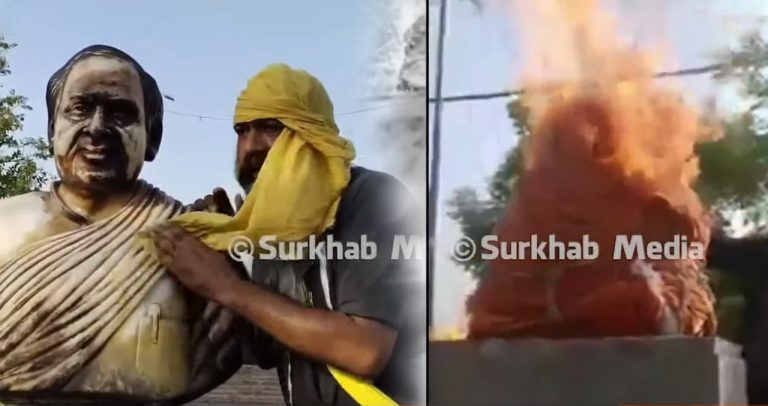
After a statue of Rajiv Gandhi in Ludhiana was set on fire on Wednesday by two Nihang Sikhs, Congress leaders reached the spot to clean it. In a video, Congress leader Gursimran Singh Mand was seen cleaning the statue with his turban. The Controversial Congress leader said that if the government does not take action against the Nihang Sikhs responsible for the incident, he will kill them.

Gursimran Mand said that the insult of the former Prime Minister will not be tolerated, and the govt must take action against the culprit. He said that if the culprits are not thrown into the jail, he will take action against them himself. The statue was set on fire by two Nihang Singhs Ramandeep Singh and Satpal Navi.

Cleaning the statue using his turban, Mand appealed the people not to insult the former Prime Minister. Insulting Rajiv Gandhi was like insulting the entire Punjab, he said. He also added that no politics should not be done on the issue.

However, the use of the turban by him to clean the statue stirred controversy, as it is considered a holy garment.

Condemning the incident, senior Congress leader Parminder Mehta said, “It is shameful. It is an insult of the entire country. We request police to register a sedition case against the culprits, so that such an incident does not occur again.”

The action by the Nihang Singhs was triggered by the announcement by Mand that he will get more statues of Rajiv Gandhi installed in Ludhiana. In a video released after the incident, Ramandeep Singh had said that they did in response to Gursimran Singh Mand’s announcement that he will get more statues of Rajiv Gandhi installed in the city.

‘Mand is conspiring with the administration to raise more statues of Rajiv Gandhi. We are already hurt with the statues across Punjab. We cannot tolerate this any more. Any statue of the killers of Sikhs if raised in Punjab, we will burn them down,’ Ramandeep had said in the video.

In the video of the incident, the statue is seen wrapped in a cloth. Ramandeep and Satpal had poured petrol on it and set it on fire.

Both the culprits have been arrested by the police. ADCP-1 Pragya Jain said, “Accused Ramandeep Singh Nihang and Satpal Singh Navi have been arrested. Both have a criminal background. Ramandeep has six FIRs against him and Satpal 17.” Police have registered an FIR against them under sections 435 (mischief by fire or explosive substance with intent to cause damage), 153A (promoting enmity) of IPC, and sections of the IT Act, Defacement of Property Act, at the Salem Tabri police station.

This is not the first time Gursimran Sing Mand stirred controversy by cleaning statues with his turban. In December 2018, another statue of Rajiv Gandhi in Ludhiana was vandalised, and he had done the same. Akali Dal workers had poured black ink on the statue, and Mand had used his turban to clean it after that. Congress workers had also cleaned the statue with milk after the vandalism.

Hindu girl converts to Islam and marries Arif, who then burns her alive and dumps her after they went separate ways: Read details

On July 6 (Tuesday), a 26-year-old Hindu woman was found dumped on the Kanpur-Jhansi highway near Orai district in Uttar Pradesh, after being set on fire. The victim, who lay unattended on the highway for two and a half hours, accused her husband, Arif of the criminal act, in her statement to the police.

She confirmed that Arif, with whom she had a court marriage against the wishes of her family members around three months ago, had burnt her alive and dumped her on the highway thinking she was dead.

Uma was groaning in pain, in front of Radhe Dhaba, located on Kanpur-Jhansi highway on the outskirts of Ajnara village in Orai Tehsil in Jalaun district in Uttar Pradesh, when the eatery’s owner, Bhanu Rajput, noticed her. Rajput immediately dialled Uttar Pradesh police on its emergency service number ‘112’ and sought help. The police team, that reached the spot immediately, rushed Uma, who had sustained almost 30 per cent burn injuries, to the district hospital.

Later, CO City Santosh Kumar and City Kotwal Vinod Kumar Pandey reached the district hospital to record Uma’s statement. The Police officers said that the woman is in critical condition and she could not be questioned in detail. However, in her magisterial statement, Uma clearly accused her husband of setting her on fire. 

Though Uma, who was later referred to the Medical College in Jhansi, is said to be stable, her condition still remains critical, said the police.

OpIndia speaks to the victim’s father

OpIndia got in touch with the victim’s father, Munnilal Rajak, a resident of Sesa village located in Moth Tehsil of Jhansi district in Uttar Pradesh who wept inconsolably while narrating his daughter’s ordeal.

The helpless Munnilal told OpIndia that a youth named Arif Khan, son of one Shabbir Khan, hailing from Bajaria, Orai had trapped his vulnerable daughter three months ago. Uma, who was madly in love with Arif, eloped and married him one and a half months back. She embraced Islam to marry Arif, rued Munnilal.

Uma’s father narrates the ordeal

He further added that after his daughter eloped one and a half months ago, he had filed a kidnapping case against Arif and his family. However, Uma, who was head over heels in love with Arif, until then, testified against her father in the court of law. Since she is an adult, the court allowed her to go with Arif.

Uma cutting off all her ties with her family went on to live with the accused. The duo lived together for a few days. During this time, Uma’s family kept calling her up and explaining to her that the decision to marry Arif was completely wrong and how she would regret it in future. Meanwhile, Arif also started torturing Uma. “This compelled her to come back to us”, said the perturbed father.

Munnilal continued telling us that since they wanted Uma to forget her past and move on in life, they got her remarried to her sister’s brother-in-law, who lives in the Datia district in Madhya Pradesh. Arif, too, married another woman.

Here the father of the victim lamented that he was completely unaware that for all this while, Arif kept calling up Uma and pestering her to come back to him.

On July 5, Uma was in Jhansi to see her parents when she received a call from Arif who urged her to come and see him at a place in Orai. When Uma reached there, she saw Arif waiting for her, along with his family member. A fight ensued between Uma and Arif’s family members, who along with Arif, then tried to kill her by setting her on fire. Later, presuming that she was dead Arif and his family members dumped Uma on the highway.

The father also to OpIndia that Uma has told the police that there were few other boys also present there. Munnilal says he fears that his daughter was also sexually assaulted before being burnt alive.

Munnilal confirmed to us that police have arrested Arif and launched an investigation into the case. Worried about his daughter’s grievous health conditions and uncertain future, Munnilal said that his lives only aim is to now see his daughter’s perpetrators behind bars. “They should not be spared. Those monsters, who have inflicted this sort of unimaginable pain on my daughter should also suffer as much. This is all that a helpless father is demanding”.

VHP flags issue with Uttar Pradesh CM, demands speedy investigation

After this disturbing incident came to the fore, the Hindu outfit, Vishwa Hindu Parishad’s Kanpur unit has written a letter to UP CM Yogi Adityanath voicing concerns over the increased occurrence of cases of Grooming Jihad or Love Jihad.

Citing another case of love jihad that occurred in Uttar Pradesh’s Jalaun district last week, VHP asked the CM to take concrete steps to end the growing menace of Love Jihad in the state.

Delhi Govt Vs Facebook: SC says “Peace and Harmony Committee” of Delhi Assembly does not have prosecuting power on law and order issues

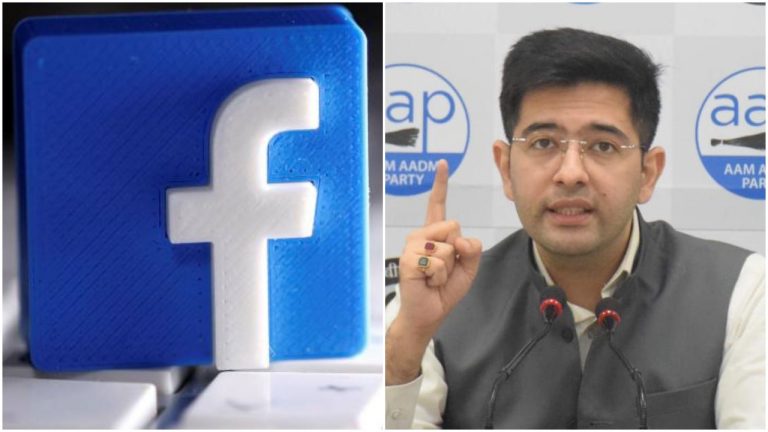
On Thursday, the Supreme Court dismissed a petition filed by Facebook India Vice President Ajit Mohan challenging the summons issued to the social media giant by the “Peace and Harmony” Committee of the Delhi Legislative Assembly in connection with the Anti-Hindu Delhi riots that occurred last year.

According to the reports, a three-judge Supreme Court bench led by Justice Sanjay Kishan Kaul said that the committee was well within its power to issue a summons for appearance to Facebook, however, it certainly did not have the required legislative mandate to recommend action against persons as such terms of reference comes under the purview of law and order and police, the legislative domains on which the Delhi Assembly does not have powers to legislate.

The Supreme Court also said that the term of reference created a legitimate fear in the mind of the petitioners that Facebook is being made an accused. The Court also said that ‘Peace’ and ‘Harmony’ are subjects beyond law and order, and the Committee must be careful before framing the terms of reference so that it does not become an overreach.

On September 23, 2020, Facebook India Vice President Ajit Mohan had filed a petition in the Supreme Court challenging the two notices issued by the “Peace and Harmony” Committee of the Delhi Assembly seeking his presence before the panel.

However, the Court had protected Mohan against any coercive action and, during the course of arguments, wished to know if the Assembly intended the personal appearance of Mohan alone or anybody from the company.

During the hearing, Ajit Mohan, represented by senior advocate Harish Salve, had contended that as an intermediary for exchanging information on his platform, the non-statutory Committee could not compel him to appear before them.

Senior advocate Abhishek Manu Singhvi, representing the “Peace and Harmony” committee, said that the notice never required Ajit Mohan to appear before the committee, but any senior, responsible person from the company capable of assisting the Committee may depose instead.

Delhi govt summons Facebook head Ajit Mohan over Anti-Hindu Delhi riots case

Last year, following the horrific Anti-Hindu Delhi riots that were unleashed by the Islamist mobs in the national capital, the Aam Aadmi Party had constituted a self-proclaimed “Peace and Harmony” Committee within the Delhi Assembly over complaints of ‘deliberate inaction’ by Facebook against alleged hate speech that ‘culminated in the Anti-Hindu Delhi riots’. It is notable here that AAP’s own leader Tahir Hussain is one of the main accused in the communal riots that left 53 people dead.

The Delhi Assembly Committee had decided to summon Facebook India officials intending to discuss if Facebook officials had played any role in orchestrating the Anti-Hindu Delhi riots. Raghav Chadha, the Chairman of the committee, said in a tweet thread that the committee had received several complaints against the officials of Facebook for “their alleged deliberate and intentional inaction to contain hateful content in India with respect to scathing revelations made by a report in The Wall Street Journal.”

The AAP member-led committee had summoned Mohan first on September 10 for its meeting scheduled on September 15 in connection with complaints alleging deliberate omissions and inaction by the social media company in removing hateful content and posts.

However, Facebook India had snubbed the summons issued by the Delhi Assembly’s “Peace and Harmony” Committee, saying that the subject matter under investigation fell within the exclusive domain of the Union government, and a state legislative assembly cannot compel witnesses to appear and provide evidence on such subjects.

Following the snub, AAP MLA Raghav Chadha, the head of the committee, had taken offence and had labelled Facebook’s action as a ‘disregard’ to the ‘privilege’ of the committee. He had informed that summons would be issued to the social media platform yet again. He alleged that Facebook is trying to hide crucial facts in connection to the riots.

In October 2020, Facebook had also moved the Supreme Court last month against the summons issued by the Delhi Assembly Committee.

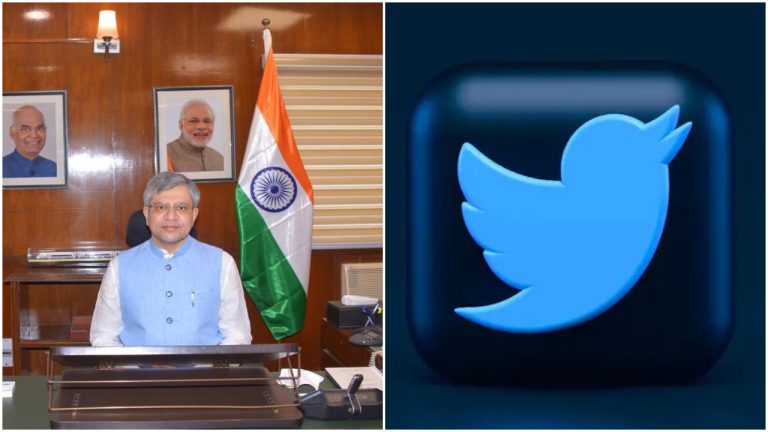
‘Law of land is supreme, Twitter must follow rules’: IT Minister Ashwini Vaishnaw gives stern warning to Twitter after he is sworn in

Amidst the ongoing tussle between the Indian government and Twitter over enforcement of IT rules, the newly sworn-in Minister for Information Technology Ashwini Vaishnaw on Thursday said that anybody in India would have to abide by the rules of the country.

According to the reports, Information Technology Minister Ashwini Vaishnaw shot a warning to micro-blogging site Twitter asking it to follow the rules of the country as the law of the land is supreme.

The warning comes amidst the ongoing war of words between the Indian government and Twitter over the new IT rules, especially after the micro-blogging site has time and again disrespected domestic laws enforced by the centre.

“The law of the land should be abided by everyone,” said Ashwini Vaishnaw, speaking to the media on Thursday.

Ashwini Vaishnaw, the Rajya Sabha MP from Odisha, took oath as the Cabinet Minister on Wednesday and was given the charge of Railways along with the Information and Technology Ministry.

In the past, Ashwini Vaishnav had also stood in support of Rashmi Samant, an Indian student who had resigned from the position of Oxford Student Union President in the United Kingdom after facing severe harassment. The Rajya Sabha MP had described it as a serious case of racism.

Twitter is yet to fully comply with IT Rules 2021: GOI to Delhi HC

OpIndia reported on July 5 that the central government had filed an affidavit in the Delhi HC, informing that despite three months time granted to all SSMIs (significant social media intermediaries) to comply with the IT Rules 2021, having expired on May 26, Twitter Inc has failed to comply with the same fully.

The Centre’s affidavit was in response to Twitter India’s affidavit in which it had informed the HC that the social networking platform is in the final stages of hiring a full-time resident grievance officer in accordance with the new IT Rule. 

Though the microblogging site stated in court on Saturday that it is in the process of appointing a full-time resident grievance officer, that too in accordance with the new IT Rule, it was learnt that Twitter had appointed its California-based global legal policy director Jeremy Kessel as the new grievance officer for India. However, the new IT Rules call for an Indian resident for the role.

Moreover, now it has also been learnt that Twitter India not only appointed a non-Indian resident for the role but instead of appointing a full-time grievance officer, it had appointed an interim officer for the role, which is not in accordance with the law either.

Information Technology Rules 2021:

The Information Technology (Intermediary Guidelines and Digital Media Ethics Code) Rules 2021 were issued in February this year to bring transparency into the working of social media companies and have already been given 3 months time to comply with the new regulations.

The Information Technology (Intermediary Guidelines and Digital Media Ethics Code) Rules 2021, which came into effect from May 25, mandates the social media intermediaries with more than 5 million users and providing messaging services to identify the first originator of problematic content that may harm the country’s interests. The companies should also appoint an Indian grievance officer to deal with the complaints.

The non-compliance with rules will result in these platforms losing the intermediary status that provides them immunity from liabilities over any third-party data hosted by them. In other words, they could be liable for criminal action in case of complaints.

Even though other social media platforms such as Facebook, Instagram and Whatsapp have complied with the new laws, Twitter had last month asked the government for an additional three months for the same.

Before you take lie-ridden MIT Technology Review article on India’s COVID-19 situation seriously, remember who funds that section

On July 5, the MIT Technology Review published an article on the Covid-19 situation in India, titled What went so wrong with covid in India? Everything. The article written by Sonia Falerio claimed that there was a range of “basic mistakes and callous technocratic failures” behind the “catastrophic covid surge” in India. The article is a part of The Pandemic Technology Project on the publication,

The article claims that the USA is seeing the end of the Covid-19 pandemic, while it is still surging in India. Data shows that the USA still has 48.56 lakh active cases of Coronavirus infection, while the current active caseload in India is 4.58 lakh. Active cases in the USA is 10 times the number of India, and still, the MIT Technology Review claims the situation is improving in the US and it is worsening in India.

The entire article is filled with such wrong and misleading information, only to claim that the Modi government failed to handle the pandemic. The article mentions the oxygen crisis that some states had faced in May, but does not mention how the crisis was managed within few weeks, and how actually some of the crisis in Delhi was fake.

The article labels the Kumbh at Uttarakhand the “world’s largest superspreader”, despite the fact that there is no data to support that outrageous claim. The worst affected states in India are Maharashtra, Kerala, Karnataka and Tamil Nadu, and Uttarakhand has seen only 3.4 lakh confirmed cases, and has only 1500 active cases now. It was the anti-Hindu campaign by liberal media to claim that the Kumbh was a superspreader event, and now that same false claim has been repeated by the MIT Technology Review report.

The report says that the CoWIN platform for Covid-19 vaccinations has been a disaster, one wonders why almost 150 countries in the world want to use it, if it is such a disaster. In fact, the CoWIN has been one of the most successful uses of technology in the healthcare system. The report says it is mandatory to book a slot before getting the vaccine, which is another lie, as walk-ins into the vaccination centres is allowed, where the staff enters the details of the person in the Co-WIN system.

The report also says Co-WIN is an error-prone system, but does not elaborate how. It seems the author has some personal grudge against the system, as all the allegations against the platform are false and baseless. Moreover, an online booking system like Co-WIN is absolutely necessary when the vaccines are in short supply, as without that, people will crowd at the vaccination centres, which can turn into a disaster in such a pandemic situation. When the number of available doses is limited, it is better to make it available through online booking so that only those who are confirmed for the vaccine visits the vaccination centre.

The report also publishes a complete falsehood that there was no free vaccine for people in the 18-44 age group, and people in that group were forced to pay for the vaccine. The report claimed that “India was the only major country to pass on this cost to the public”. It is a complete lie, because the responsibility of the vaccination for the 18-44 age group was passed onto the states, after the non-NDA ruled states had demanded the same. It was not passed onto the people, and all the states had vaccinated people for free.

The vaccine is also made available in private hospitals where people can pay to get the jab, but it is a matter of choice. After the states failed to run the program successfully, now the central govt is providing vaccines for free to all, while the same still remains available at private hospitals at a cost.

Unsurprisingly, the source for most of the anti-Modi government comments in the article is Ramanan Laxminarayan, who has been a spectacular failure in predicting the Covid-19 pandemic in India. The economist who pretends to be an infectious disease expert had claimed in March 2020 that India will see 30 crore COVID-19 infections and 25 lakh deaths by July 2020. The actual numbers were 17 lakh cases and 35 thousand deaths. Even now, more than a year and two waves, the number of total cases in India is 3 crore and death 4 lakh, far less than what he had predicted for a year ago.

Rockefeller Foundation sponsored the article

It is interesting to note that the MIT Technology Review article is sponsored by Rockefeller Foundation, an ally of the CIA in its ‘cultural war’ in various countries. Rockefeller Foundation, like other US-based organisations like Ford Foundation, use the huge amounts of funds at their disposal to create and change narratives around the world, to benefit the USA. When the USA sets its sight on a government to topple it in order to ‘establish democracy’, these foundations are the first to prepare the groundwork for the same, by filling media with articles and opeds on how that country ‘needs democracy’.

NGOs and educational institutions funded by Rockefeller and Ford Foundations were the hidden arm of the US government to topple democratically-elected governments in Latin America, Iran and Indonesia. In fact, Rockefeller Foundation has been considered an arm of the US govt due to its cooperation in the foreign policy of the govt. Foundation utilises its considerable financial resources to shift the opinions of the policymakers and academics towards something which is more aligned with the interests of the American government.

Given the nature of the Rockefeller Foundation, it is not surprising that it is sponsoring articles criticising the Modi government in international journals and publications. The global left-liberal wants the Modi govt in India to go, and there is a concerted effort, in collaboration with Indian left-liberals, to plant motivated and fake narrative against the government. Now that Rockefeller Foundation has also joined that effort, it can be concluded that big powers with big money are working in the background against the Modi government.

‘The Centre is free to take any action against Twitter if it does not comply with rules’: Delhi High Court

On July 8, the Delhi High Court stated that the Union government can initiate action against tech giant Twitter if it failed to comply with the IT Rules. The court also objected to the appointment of interim officers three times.

Justice Rekha Palli gave two weeks’ time to Twitter to submit hard copies of the notarized affidavits of a competent officer. However, the scanned copies of the affidavit must be filed by July 13. The court also asked Twitter to submit another affidavit of the officer already appointed and the persons who are being appointed by the company.

While adjourning the hearing till July 28, the court said, “It is made clear that since this court has only granted time to Twitter to file its affidavits to show compliance of the rules and there is no interim protection granted, it will be open for the Union of India to take action against Twitter in accordance with rules in case of any breach of the rules.”

‘Engaging with Centre’: Twitter

In its reply to the court, Twitter said that it has engaged with the Centre multiple times in connection to the requirements under the new IT Rules that includes the issue of the liability of appointed officers under Rule 4. The tech giant also said that it would submit the first Compliance Report covering the dates between May 26 and June 25 latest, by July 11.

The micro-blogging site also told the court that it had engaged frequently with the Centre in respect of the requirements under the Rules, including on the issue of the concerned ministry “developing standard operating procedures as regards, in part, the liability of various officers appointed under Rule 4.”

It further added that it has the right to challenge the legality, validity, and vires of the Rules. “Twitter’s submissions regarding compliance are filed without prejudice to its right to challenge the Rules,” it said. It said that an interim Chief Compliance Officer who is a resident of India had been appointed effective July 6. The post of Nodal Contact Officer would be filled as per the requirement of the Rules, on an interim basis, within two weeks. An interim Resident Grievance Officer would be appointed before July 11.

Twitter also stated that the are in the process of setting up a permanent liaison office in India.

The company added, “Twitter intends to engage the services of the interim RGO as a contingent worker via a third party contractor. The details of this appointment will be updated on our Help Page as soon as possible.”

Court not pleased with the reply

The Delhi High Court was not pleased with the reply. Justice Rekha Palli said during the hearing that she had mentioned at the beginning itself that if there are Rules, Twitter has to comply with them.

The court also rejected hearing the argument related to the ‘media trial’. The court further added that Twitter was already in contempt of the Rules.

In its order, the court said, “No interim order protecting Twitter. It will be open for Centre to take action against Twitter in case of any breach of the Rules.”

Twitter vs Indian Government

Tech giant Twitter and the Indian government have locked horns over the recently passed IT Rules that made it mandatory for the social media platforms to have compliance officers residing in India so that the concerns can be addressed quickly. Twitter has been abusing its position for long and acting against the laws that have irked the Indian government multiple times.

Despite multiple warnings and notices, Twitter failed to comply with the new IT rules as a result, it lost its legal protection as an intermediary in India. Several cases have been filed against the company in different states over the content posted on the platform. However, instead of following the guidelines, Twitter is still trying to buy more time from the court.

It is notable here that other tech companies like Facebook and Google have already complied with the new IT rules.

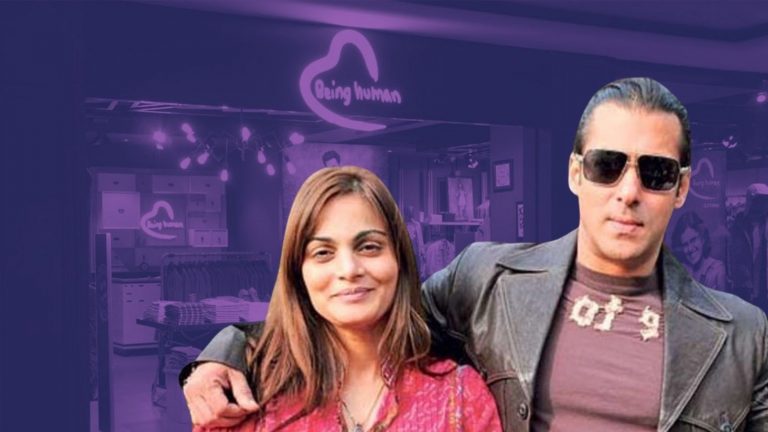
Chandigarh police send notice to Salman Khan and his sister Alvira as businessman alleges fraud by ‘Being Human’

A Chandigarh-based businessman Arun Gupta has filed a complaint with the Chandigarh Police against film actor Salman Khan, his sister Alvira Khan Agnihotri, CEO of Being Human and several others alleging fraud. Basis Gupta’s complaint, the Chandigarh Police has sought a reply from Salman Khan, his sister and others named as accused within 10 days.

Allegations by Arun Gupta

As per a TV9 report, Gupta claimed that he invested rupees three crores to open a franchise in Manimajra, Chandigarh of the jewellery arm of Being Human- Salman Khan’s popular apparel brand. 

However, Gupta alleged that the company failed to send goods for his showroom and the Being Human jewellery segment run by a company named Style Quotient Jewellery Private Limited seems to have shut shop. Their website also is defunct, revealed Gupta. 

Even after contacting and writing to the company multiple times, Gupta received no reply from them. Gupta’s showroom houses all the products of Being Human and said that he has a written agreement with the company. 

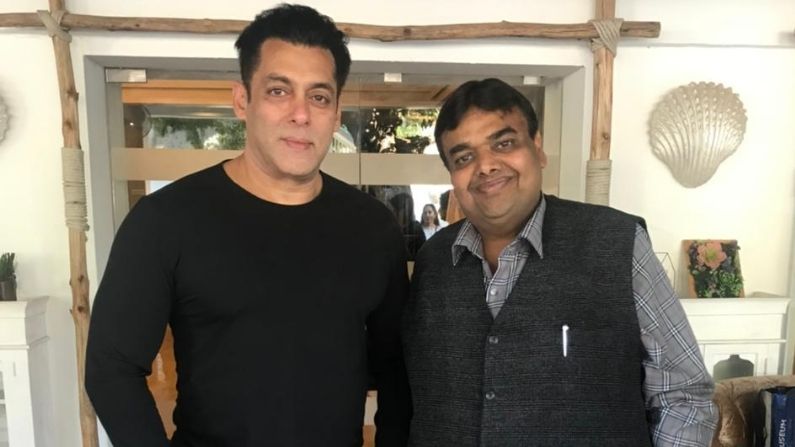
He also submitted images of him and his family with actor Salman Khan. Additionally, Gupta also shared a video clip as proof from Salman Khan’s controversial show Bigg Boss in which he reportedly announced the launch of this showroom. 

Businessman Arun Gupta with actor Salman Khan. Image Source: TV9

About the showroom

Gupta informed that he, trusting the actor, had invested a huge amount to open this showroom in Chandigarh in 2018. Khan was supposed to be there for the inauguration but since he was busy, he sent his brother-in-law Ayush Sharma for the opening, informed Gupta. 

While working on the deal, Gupta was promised on behalf of the company that all the jewellery items would be provided by the company itself and that they would also promote his showroom.

However, on non-fulfilment of the contract and on receiving no redressal from the company, Gupta was forced to file an official complaint and has appealed to the Chandigarh Police to take action against the company and Salman Khan in this entire matter.

Indonesia’s lead Sinovac scientist dies of suspected Covid-19, at least 131 vaccinated health workers have died since June

The Indonesian media on Wednesday reported the death of their lead scientist on China’s Sinovac vaccine trials. According to reports, Novilla Sjafri Bachtiar died due to COVID-19. The death of Novilia Sjafri Bachtiar comes after as many as 131 health care workers, mostly vaccinated with the Sinovac shot have died since June, including 50 in July.

Kumparan news service confirmed that Novilia had died of the coronavirus while another local news agency- Sindonews quoted an official of state-owned pharmaceuticals company BioFarma as saying that she had been buried according to Covid-19 protocols.

State enterprises minister Erick Thohir posted a long message mourning a “huge loss” at BioFarma, the company which is making the vaccine, however, he did not give the cause of her death.

Instagram post by Erick Thohir

Indonesian health minister Budi Gunadi Sadikin last week defended the country’s use of China’s Sinovac vaccine by pinning the blame of the surge in Covid-19 cases on the Delta variant.

Giving the example of countries like Israel and Britain who are also allegedly experiencing a surge despite administrating Pfizer-BioNTech or AstraZeneca, Sadikin said it was wrong to blame the vaccine.

“The issue that we are facing is not about the different efficacy between vaccines, it is primarily because of the Delta variant. It hits every country, so nobody is safe,” he said while addressing a webinar held by the Jakarta Foreign Correspondents Club.

Indonesia reported 1,040 more deaths over the past 24 hours, double the number just a week ago as it experiences Asia’s worst coronavirus outbreaks. 

As per a CNN report, Sinovac spokesman Liu Peicheng while speaking with Reuters asserted that the ‘preliminary results showed the vaccine produced a three-fold reduction in neutralizing effect against the Delta variant.’

Delhi: Car thief gang members Showkat and Md Zubair interrogated by J and K CID and IB over possible terror links

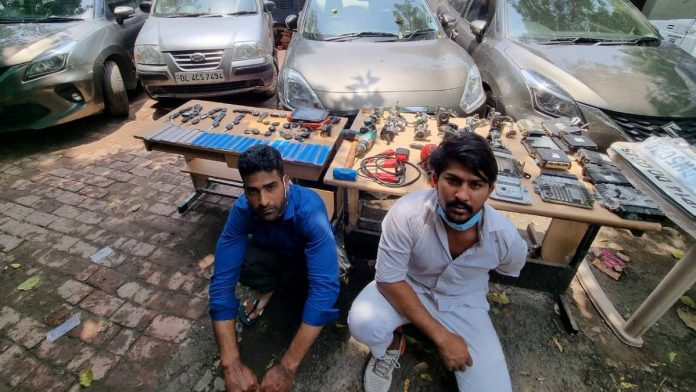
Delhi police on Sunday busted an organized gang of vehicle thieves and arrested one Showkat Ahmed Malla (25), a resident of Baramula, Kashmir and Mohammed Zubair (22) a resident of Shamli, Uttar Pradesh. However, further investigation into the matter has raised suspicions that the two arrested persons could have possible terror links especially ahead of the August 15 Independence Day celebrations. 

As per a Print report, during investigations, the police found drone images and photos of alleged terror-accused on their mobile phones. 

Videos of blasts and killings, allegedly from terror attacks, have also been found in the seized mobile phones during preliminary investigations.

“Showkat Ahmed, who hails from Jammu & Kashmir, has travelled to Delhi six times since June. Photos of the surveillance drones, that are also used for photography, have been recovered from their phones. Moreover, photos and videos of terrorists and terror attacks have also been found. The IB is working to check the details of the militants in these visuals, seen dressed in green jackets,” informed a senior police officer to Print.

Scars of unusual burn injuries on Showkat’s hand and a photo of a policeman killed by terrorists has raised further suspicion. The accused, however, claimed that the burn marks were caused during cooking and that the images and videos were just WhatsApp forwards.

The material and information recovered during the probe have raised alarms of possible terror threats in Delhi on the country’s Independence Day celebrations.

“Since the recovery of data from their mobile phones during primary investigation suggested a possible terror angle in the case, we have increased patrolling and surveillance in the capital region and all districts have been alerted ahead of I-Day,” said the senior officer.

Findings from the preliminary investigation 

Hindustan Times reported that a team of Intelligence Bureau(IB) officials and the CID unit of Srinagar police reached Delhi to interrogate the two men early this week. 

While interacting with HT, an officer on the condition of anonymity informed, “A team of CID officers from DIG CID unit of J&K police came yesterday (Monday). Separately, the IB officials also came and interrogated them. Some photographs found on the phones of the two men aroused suspicion so they had to be interrogated.”

“Though one cannot say it is linked to terror activities. They questioned the two men for their contacts. They will verify the information shared by the two men. There are some members of the gang, who are still believed to be hiding in the valley,” he added.

As part of the probe, a team of Delhi police arrived in Kashmir on Tuesday to find the associates of the two arrested. The police have launched a search operation for a man named, Wasim Sheikh, a resident of Baramulla. “Wasim is our main link in the case. He has come to Delhi on several occasions and has taken cars to Kashmir. Showkat learnt the trade from him. We will seek the assistance of J&K police to trace him,” added a second police officer. 

Delhi-Kashmir network

According to the police information, Showkat also works as a civil contractor for the state government in Kashmir. 

As per reports, the gang, to which Showkat and Zubair belong, has sold more than 100 vehicles to buyers in the Kashmir valley. Showkat reportedly flew to Delhi and drove the vehicles to Sopore in Kashmir’s Baramulla district, from where they were sent to other places.

Police said Showkat and Zubair, received the stolen vehicles from one Rinku who tampered with the chassis and engine numbers, changed the registration plate of the vehicle before handing it to Shaukat. 

At least 100 registration number plates and 150 duplicate car keys from the two suspects have been recovered. 

Jasmeet Singh, Deputy Commissioner of Police(central), whose team arrested the two alleged vehicle thieves, commented, “The investigation in the case is on. There are some missing links that we are trying to establish. We are probing who bought the stolen vehicles in Kashmir.”

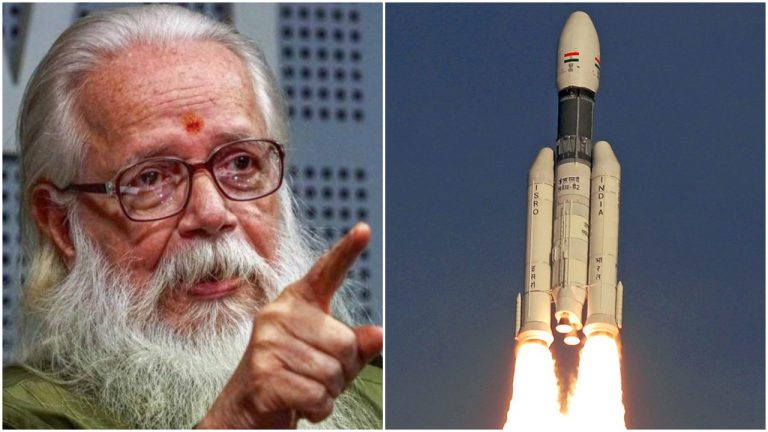
False implication of ISRO scientist Nambi Narayanan delayed cryogenic tech development in India: Read details of what the CBI said

On Wednesday, the Central Bureau of Investigation (CBI) said to Kerala High Court that the false implication of former ISRO scientist Nambi Narayanan impacted the technological development of cryogenic in the country.

According to the reports, the CBI appeared before the Kerala High Court to oppose the bail pleas of two former Kerala Police officers, who were involved in the arrest of former ISRO scientist Nambi Narayanan in a 1994 espionage case. Opposing the bail, the CBI said that these two officers falsely implicated him Nambi Narayana in a “concocted case” that led to a delay in the development of India’s cryogenic technology.

In its submission, the central investigative agency said that the offences against the two former police officers are serious in nature as they both “played an active role and concocted an espionage case in pursuance of the conspiracy” against Nambi Narayanan in the ISRO spy case.

“The nature and gravity of the offences, alleged against the petitioners (S Vijayan and Thampi S Durga Dutt) also had a big impact on the technological development of cryogenic technology, which was delayed due to false implication of Nambi Narayanan and news related to it,” the CBI said.

Case is linked to national interest, says CBI opposing bail to former Kerala police officials

Further, in its plea, the CBI said that since the case is linked to national interest and the crime is committed against a scientist, society at large has an interest in this case.

In its statement, CBI contended that the interim bail petition of two retired Kerala Police officers might “scuttle the due process of law” and granting them relief was “premature” and “not sustainable”.”It is just being filed with the sole motive to get away from the clutches of law,” the agency has said.

The CBI said they have reason to believe that once interim bails are granted to them, these former officers will not cooperate with the probe and may derail the pace of the investigation as they are still very influential.

The case pertains to espionage charges levelled by Kerala police officials against Nambi Narayanan and his associates in 1994. The police had then alleged that Nambi and his colleagues had transferred confidential documents on India’s space programme to foreign countries, particularly Pakistan.

In addition to Vijayan and Dutt, 16 others, including Intelligence Bureau (IB) officers, were named as accused in the case registered by the agency for various offences, including criminal conspiracy, kidnapping and fabrication of evidence, under the Indian Penal Code, in connection with arrest and detention of Narayanan.

Nambi Narayanan – the victim of politico-bureacracy nexus

It is pertinent to note that scientist Nambi Narayan was a victim of persecution by the Congress party. The political rivalry between the two factions of the Kerala Congress party led to the arrest of Narayanan, along with two other scientists D Sasikumaran and K Chandrasekhar, in November 1994. The Kerala police had levelled espionage charges under sections 3,4 and 5 of the Official Secrets Act against the scientists.

However, the CBI, in its probe, found that the allegations against him were false. In 1998, the Supreme Court upheld the findings by the CBI and had asked the Kerala government to pay Rs 1 lakh in compensation to Narayanan and others. However, Dr Narayanan had approached the National Human Rights Commission (NHRC)seeking justice for the harassment and agony meted out to him. In 2001, the NHRC had awarded a compensation of Rs 10 lakhs to him.

While absolving Narayanan of any wrongdoing, the CBI had said that Siby Mathews had left “the entire investigation to IB surrendering his duties” and ordered the indiscriminate arrest of the scientist and others without adequate evidence”.

In 2018, the Supreme Court had ordered a high-level probe to investigate the role of erring police officials in the espionage case relating to Nambi Narayanan. In April this year, the court had directed the CBI to take over the probe and conduct further investigation in the case.

The three-member committee, headed by former top court judge Justice (retd) DK Jain, was appointed by the top court in 2018 after acquitting Narayanan in the case. In addition, the apex court had also ordered the Kerala government to pay Rs.50 lakh as compensation for compelling Nambi Narayanan to undergo “immense humiliation”.

In 2019, the Union government led by Narendra Modi finally awarded the prestigious Padma Bhushan to Nambi Narayanan on the occasion of 70th Republic Day in 2019. Later in December 2019, the Kerala government approved to provide compensation of Rs 1.3 crore to former ISRO scientist Nambi Narayanan for his wrongful arrest and harassment by the Kerala Police in the 1994 spying case.