

HomeNews ReportsIslamabad: Pakistan's aviation minister stopped by Immigration after he forgets passport, tries to present...

Islamabad: Pakistan’s aviation minister stopped by Immigration after he forgets passport, tries to present wife’s passport as his own

The minister, when he realised that he does not have his passport, reportedly tried to present his wife's passport to the immigration authorities at the airport.

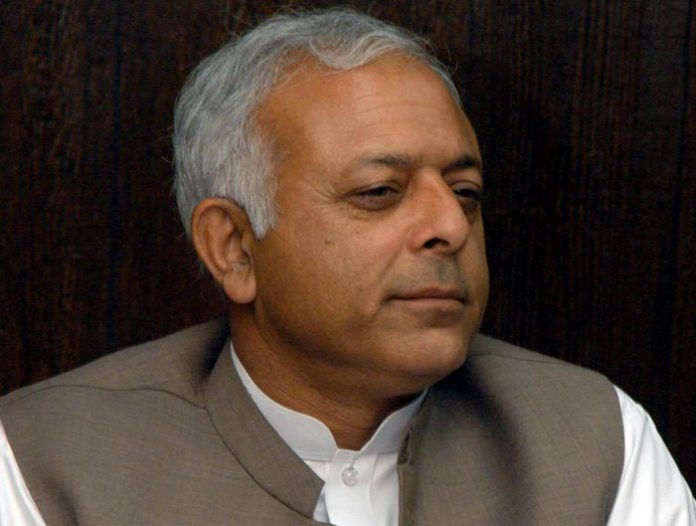
Aviation minister of Pakistan Ghulam Sarwar Khan was stopped by the immigration officials at the Islamabad international airport on Monday for not carrying his passport. As per reports in the Pakistani media, the minister was on his way to Turkey.

The Pakistan aviation minister, when he realised that he does not have his passport, reportedly tried to present his wife’s passport to the immigration authorities at the Islamabad airport. However, his security officials reportedly rushed away and brought his passport from home in time for him to board the flight.


The aviation minister himself forgetting his passport and trying to gain access through immigration by trying to present his wife’s passport has led to amusing reactions on social media.

Join OpIndia's official WhatsApp channel

  Support Us  

For likes of 'The Wire' who consider 'nationalism' a bad word, there is never paucity of funds. They have a well-oiled international ecosystem that keeps their business running. We need your support to fight them. Please contribute whatever you can afford

OpIndia Staff
OpIndia Staffhttps://www.opindia.com
Staff reporter at OpIndia

Related Articles

Trending now

The fox, not the lion: What Machiavelli would notice about PM Modi

Modi’s political durability rests on calculated concessions and tactical flexibility. He absorbs protests, manages unstable allies and retreats on methods without surrendering the authority or objectives that keep him at the centre of power nationally.

How Hindus are reclaiming the Adina Temple , which was converted into a mosque by invaders

The mosque was primarily constructed using materials, pillars, and carved stones salvaged from pre-existing Hindu and Buddhist structures belonging to the Pala-Sena era (8th to 12th century).
- Advertisement -
