

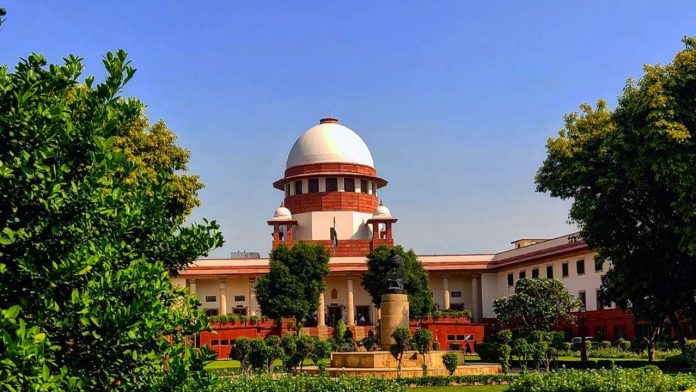
In a significant observation during a hearing on Tuesday, the Supreme Court of India remarked that the use of spyware by the country for national security purposes is not inherently problematic. However, the Bench emphasized that allegations of such technology being misused against private individuals will be carefully examined.
The Bench comprising Justices Surya Kant and N Kotiswar Singh was hearing a batch of petitions related to the alleged use of Pegasus spyware by the Indian government to surveil journalists, activists, politicians, and others. “To have a spyware, nothing wrong… we cannot compromise and sacrifice the security of the nation,” the Court stated. At the same time, it clarified that individuals’ right to privacy under the Constitution must be protected.
In response to arguments from Senior Advocate Kapil Sibal and others, the Court maintained that while those who suspect they were targeted by Pegasus can seek clarity, the full expert committee report on the matter would not be made public due to national security concerns. “Yes, individual apprehension must be addressed, but it cannot be made a document for discussion on the streets,” the Bench said.
The expert committee, appointed by the Supreme Court and led by former Justice RV Raveendran, submitted its findings in 2022. It examined 29 mobile devices and found no conclusive evidence of Pegasus in any, though traces of other malware were detected in five. Importantly, the committee noted that the Government of India did not assist in its investigation.
During Tuesday’s hearing, Sibal pointed to new evidence, including WhatsApp’s admission in a U.S. court of being targeted by Pegasus. Senior Advocate Shyam Divan argued that if the State had used spyware on its own citizens, it would be “worse” than previously imagined. Solicitor General Tushar Mehta dismissed the claims as being driven by other motives.
The Court reiterated that any report affecting the “security and sovereignty of the country” would remain confidential, but individuals could still request to know if they were affected.
The matter will next be heard on July 30.


