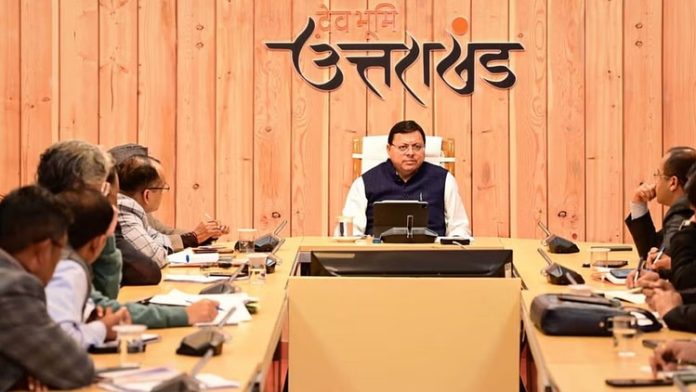
The Uttarakhand Cabinet has cleared the way for a landmark piece of legislation that will alter the framework for minority education in the state. The Uttarakhand Minority Educational Institutions Bill, 2025, is set to be tabled in the Assembly session beginning on 19th August, and is being described as the first of its kind in the country.
Extending recognition beyond one community
So far, the status of minority educational institutions in Uttarakhand has been limited exclusively to the Muslim community. The proposed Bill seeks to extend the same benefits to other recognised minorities, including Sikhs, Christians, Jains, Buddhists and Parsis. Once passed, this will also open the door for teaching Gurmukhi and Pali in state-recognised minority schools.
The new framework will replace earlier provisions. The Uttarakhand Madrasa Education Board Act, 2016, and the 2019 rules governing recognition of Arabic and Persian madrasas will be repealed from 1st July 2026.
Establishing a new authority
A key feature of the Bill is the creation of the “Uttarakhand State Authority for Minority Education.” This body will be responsible for granting recognition to minority institutions. Recognition will be mandatory, and schools set up by any of the minority communities will need approval from the Authority to operate under minority status.
The Authority is also tasked with ensuring quality education and fair student assessments, in line with the standards of the Uttarakhand Board of School Education.
Safeguarding rights with accountability
The government has underlined that the Act does not curtail the right of minorities to establish and manage their own institutions. Instead, it places conditions to ensure accountability. Schools must be legally registered under the Societies Act, Trust Act or Companies Act, and their land, assets and accounts must be in the institution’s name.
Recognition may be withdrawn in cases of financial mismanagement, lack of transparency, or activities deemed harmful to religious and social harmony.
A first for the country
With these provisions, Uttarakhand becomes the first state to introduce a law aimed at regulating minority educational institutions through a uniform and transparent process. The Bill not only expands the benefits previously restricted to one community but also sets a precedent by balancing institutional autonomy with quality benchmarks and state oversight.
The government has projected the move as one that strengthens educational diversity while upholding constitutional rights of minorities, and ensures that excellence and transparency remain central to the sector.