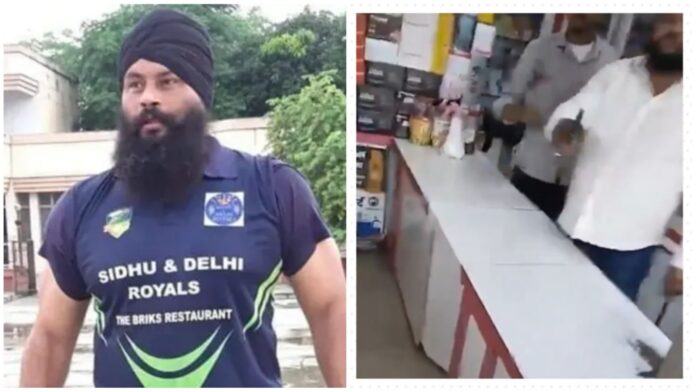
Parvinder Singh Jhota, an anti-drug activist known for exposing the illegal sale of intoxicating medicines through chemist shops, was shot dead in broad daylight on Tuesday, October 13, after confronting a medical store owner in Mansa, Punjab. The confrontation unfolded during a live broadcast on Jhota’s Facebook account.
Jhota had spent several years campaigning against drug abuse and highlighting the sale of addictive substances through medical stores. His interventions, frequently recorded and shared on social media, brought him considerable attention in Mansa and neighbouring areas.
His killing has now raised serious questions about the safety of those who challenge suspected drug supply networks, the enforcement of laws regulating the sale of addictive medicines, and the effectiveness of the Punjab government’s anti-drug campaign.
In his first statement after the killing, Jhota’s father levelled serious allegations against the state government and the ruling Aam Aadmi Party’s Mansa MLA, Vijay Singla.
“Drug addicts killed my son with the backing of the Punjab government and Mansa AAP MLA Vijay Singla,” he said.
“Drug addicts killed my son with the backing of the Punjab government and Mansa AAP MLA Vijay Singla,” says Jhotta’s father in his first statement. https://t.co/tuzjj9S4Gx
— Parmeet Bidowali (@ParmeetBidowali) October 13, 2026
Who was Parvinder Singh Jhota?
Jhota was known in Mansa and surrounding areas for his campaign against drug abuse and the unauthorised sale of intoxicating substances through medical stores. He built a following by confronting individuals he suspected of facilitating the drug trade, recording these encounters and sharing the videos on social media.
According to reports, Jhota had more than 24,000 followers on Facebook. His videos of interventions at medical stores circulated widely, helping him draw attention to irregularities in the sale of addictive medicines.
His activism involved direct confrontations rather than being limited to public meetings or online appeals. He would question shopkeepers about suspected sales, seek evidence of transactions and attempt to document alleged violations.
This approach brought him into conflict with people he accused of selling intoxicating substances. The confrontation that ultimately cost him his life was the latest and most tragic episode in his campaign.
Jhota’s activism had also attracted controversy. While he presented himself as a campaigner against the drug menace, his confrontational methods had previously resulted in police action.
The 2023 controversy that brought him into the spotlight
Jhota first came into wider public attention in 2023 following a dispute involving a medical store owner.
On July 12, 2023, a confrontation reportedly broke out between Jhota, his supporters and a shopkeeper. Following the incident, police registered cases against Jhota and some of his associates.
He was arrested in July 2023 on allegations including assault, trespassing and rioting. He was released approximately two months later.
The episode highlighted the contentious nature of his activism. Jhota’s stated campaign against the alleged sale of addictive substances brought him into confrontations with shopkeepers, while his own methods became the subject of police cases.
Nevertheless, he continued to be associated with anti-drug interventions in Mansa and nearby areas, using social media to publicise confrontations and allegations of illegal sales.
The final confrontation captured on Facebook Live
On October 13, Jhota confronted a medical store owner in Mansa, accusing him of selling drugs.
An elderly man was standing alongside the activist and reportedly claimed to have purchased the substances from the shop. Jhota questioned the shopkeeper during a Facebook Live session and demanded that he show CCTV footage.
Jhota also claimed that they had a recording relating to the alleged transaction.
The argument escalated as the shopkeeper, who was seen holding a pistol in the video, questioned the elderly man about whether he had obtained drugs from the store.
Jhota continued challenging the shopkeeper and instructed his associates to call the police and gather more people. During the confrontation, he repeatedly told the shopkeeper, “Maar mujhe, maar mujhe” — “Kill me, kill me”.
The argument continued for approximately four minutes before the shopkeeper allegedly opened fire, killing Jhota. His mobile phone fell to the ground, bringing the live recording to an end.
The accused shop owner was on the run after the shooting.
The recording captured the fatal confrontation, bringing widespread attention to the killing. The allegation that the shopkeeper had been selling addictive substances remains separate from the criminal investigation into the shooting.
Punjab’s drug crisis and the questions over enforcement
Jhota’s killing has renewed scrutiny of Punjab’s efforts to tackle drug abuse and the alleged illegal distribution of addictive pharmaceutical substances.
The sale of medicines is regulated, and preventing the unlawful distribution of controlled or prescription drugs requires effective inspections, enforcement of licensing conditions and coordination between drug-control officials and the police.
The incident raises questions about whether suspected illegal sales at medical stores are being adequately investigated and whether enforcement agencies are identifying and prosecuting those responsible for unlawful distribution.
Opposition leaders have criticised the Bhagwant Mann government over the killing and its flagship anti-drug campaign, Yudh Nashian Virudh.
Punjab BJP president Sunil Jakhar said the murder had exposed shortcomings in the government’s anti-drug campaign and questioned whether preventing the illegal sale of medicines was the responsibility of drug inspectors.
Congress leader Amarinder Singh Raja Warring described the killing as a consequence of what he called failures in law and order and the government’s anti-drug programme. He also alleged that Jhota’s initiatives against the drug menace had not received support from the AAP government.
Shiromani Akali Dal leader Bikram Singh Majithia questioned the administration over the alleged growth of pharmaceutical drug abuse and the steps taken to curb illicit supplies. He also raised questions about the accountability of drug inspectors.
The central question for the authorities remains whether existing enforcement mechanisms are adequately preventing the illegal distribution of addictive medicines and responding to complaints about suspected violations.
A killing that puts Punjab’s anti-drug campaign under scrutiny
Parvinder Singh Jhota’s death has turned an activist’s confrontation with a medical store owner into a larger debate about Punjab’s drug problem, law enforcement and political accountability.
Jhota had become a recognisable local figure through his efforts to expose the alleged illegal sale of intoxicating substances. His activism was not without controversy: he had been arrested in 2023 in connection with allegations including assault, trespassing and rioting. Those allegations form part of his public record but do not resolve the circumstances surrounding his killing.
His father’s first statement has now added another dimension to the case by alleging that drug addicts killed his son with the backing of the Punjab government and Mansa AAP MLA Vijay Singla.
The immediate responsibility of the authorities is to apprehend the accused, establish the motive for the shooting and determine whether anyone else was involved. The investigation must also address the family’s allegations through evidence rather than political assertions.
For Punjab, the broader challenge goes beyond announcing anti-drug campaigns. It requires effective action against illicit supply chains, accountability for regulatory failures and the consistent enforcement of laws governing the sale of addictive substances.
Jhota’s killing has made those questions more urgent. Whether the investigation establishes any wider links or not, the circumstances of his death demand a thorough examination of the alleged drug sales that triggered the confrontation and the violence that followed.