

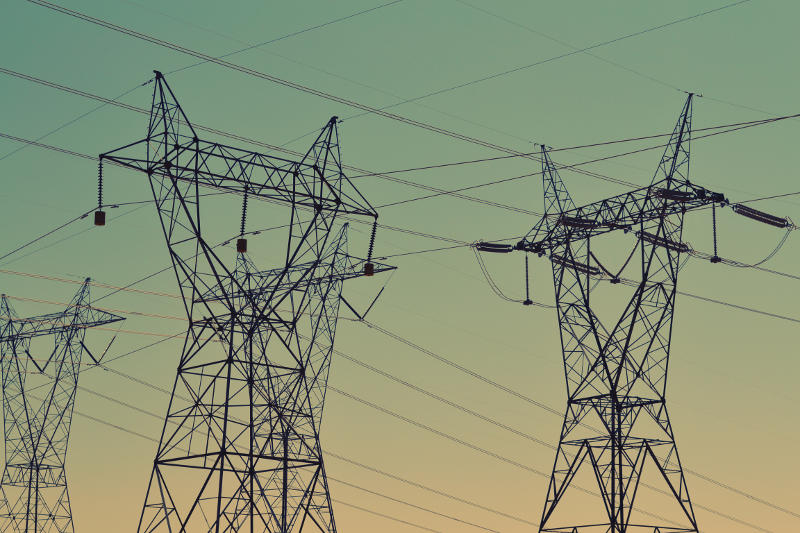
In a big step towards nation building, the Indian government has claimed that the last Indian village which had not been electrified was brought in the national power grid on Saturday.
Government Completes Electrification of 18,452 Villages, 17,181 Villages Electrified and 1,236 Villages are Uninhabited reports @ArunSharmaLive @MinOfPower @grameenvidyut pic.twitter.com/Pga7w2hROE
— Doordarshan News (@DDNewsLive) April 28, 2018
Of the 18,452 un-electrified villages as on April 2015, 17,181 villages have been electrified whereas 1,236 villages remain uninhabited. Leisang village in Senapati district of Manipur was brought in the national power grid at 5:30 pm on Saturday under the Deen Dayal Upadhyaya Gram Jyoti Yojana. State run Rural Electrification corporation (REC) is the nodal agency appointed for executing the scheme.
As per government data, all of India’s 5,97,464 census villages have been electrified. At the onset of Rs. 75, 893 crore DDUGJY for village electrification launched by the Narendra Modi led NDA government in 2015, there were 18,452 villages. During the project, 1,275 additional villages were identified which didn’t have electricity. During the Independence Day speech in 2015, Prime Minister Modi had announced his resolve to connect all villages which are without power in the next 1,000 days. DDUGJY aims at providing round the clock power to rural households and adequate power to agricultural consumers.


