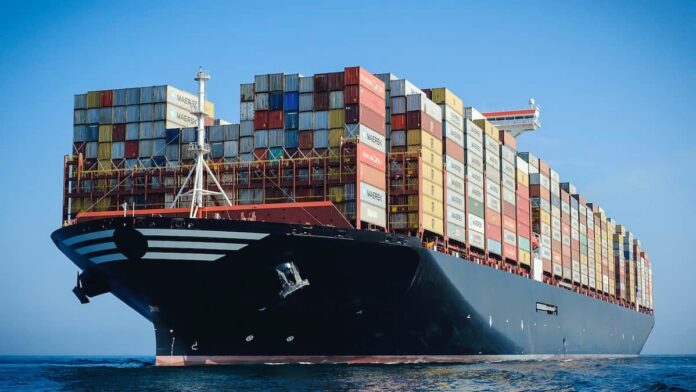
Amid the ongoing tension in the Middle East, three ships with Indian crews were hit by US Forces in the last few days, escalating tensions between India and the USA. The commercial tankers Marivex, Settebello, and Jalveer, came under attack by US Navy aircraft as part of efforts to enforce a blockade against Iran-linked shipping. US Navy fighters shot at the engine rooms of the ships to ‘disable’ them, but 3 Indians died in the attack on the MT Settebello.
These vessels, crewed by Indian seafarers, drew global attention not only for the tragic loss of life and diplomatic fallout involving India, but also for the curious choice of their flags. Marivex and Settebello were carrying the flag of Palau, a small island nation in the Pacific Ocean, while Jalveer was sailing under the flag of Guinea-Bissau, a small African nation surrounded by the Atlantic Ocean, Guinea and Senegal.
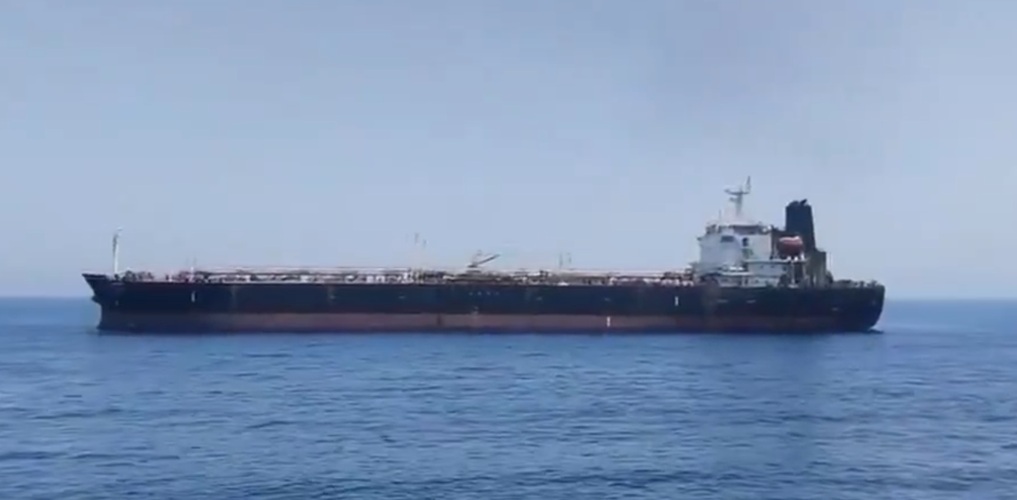
This has led to many people wondering why modern commercial ships, carrying valuable cargo across international waters, choose to register and sail under the flags of small, far-flung nations like Palau in the Pacific or Guinea-Bissau in West Africa, rather than those of major maritime powers such as the United States, China, or even India. The owners of such ships are not located in the countries where they are registered, and the vessels rarely make port calls in these countries.
Most of these countries don’t even have ports where large tanker and container ships can dock. Which means, many ships registered in such countries actually never visit these countries, as they are too big to fit in their small ports, built to handle passenger ferries and small cargo vessels.
Flags of convenience
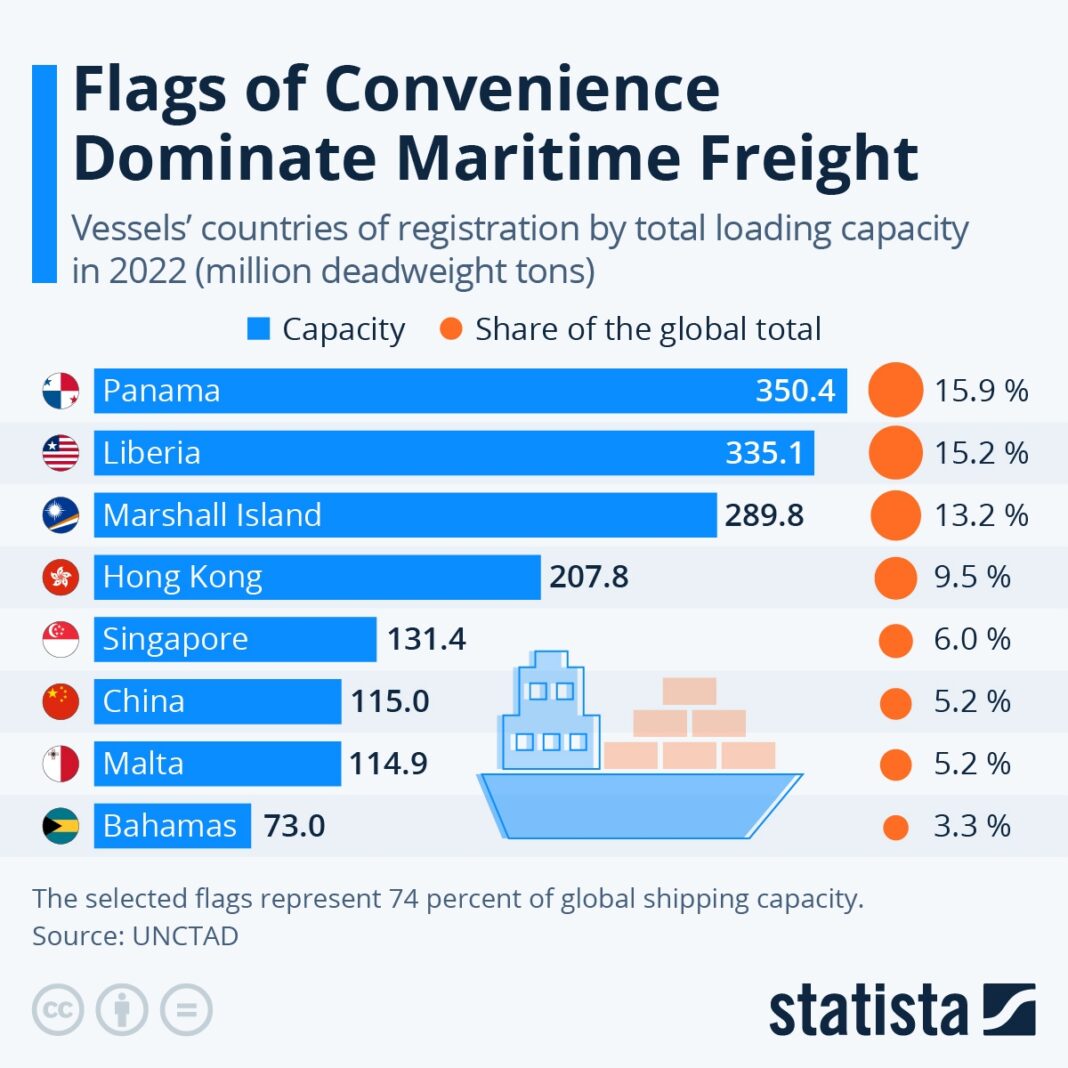
While the massive ships are owned by companies based in major countries, most of them are registered in countries such as Panama, Liberia, the Marshall Islands, Palau etc. This practice is not unusual; it is a cornerstone of the global shipping industry known as “flags of convenience” or open registries.
Every merchant vessel must be registered with a sovereign state, which then becomes its flag state, responsible for oversight under international law, including the United Nations Convention on the Law of the Sea. The ships spent most of their time in international waters, and there is no law requiring a ship to be registered in the country where its owner is located. The shipowner may choose any country.
As a result, shipowners frequently opt for registries in countries that offer minimal bureaucracy, lower costs, and flexible rules, rather than their own national flags. This system allows vessels to operate with a degree of separation from their actual owners or operators, sometimes complicating enforcement actions or diplomatic responses.
It’s all about money
The primary driver behind choosing such flags is economic. Registering a ship under a traditional maritime nation’s flag, such as those in Europe or North America, often involves significantly higher operational expenses. These include stricter requirements that mandate higher wages for crew members, adherence to rigorous safety and environmental standards, and substantial corporate taxes on shipping profits.
In contrast, open registry countries charge modest registration and annual fees, which can be a fraction of the cost elsewhere. For large shipping companies managing fleets worth hundreds of millions of dollars, these savings can be massive, enhancing competitiveness in a cut-throat global market where freight rates fluctuate wildly.
Beyond direct costs, regulatory flexibility plays a crucial role. Nations with open registries typically impose fewer restrictions on the operation of the vessel and the recruitment of crew, allowing owners to hire seafarers from lower-wage countries like India, the Philippines, or Indonesia. The shipowners are subjected to lax labour protections or union requirements common in developed nations. This enables ship operators to optimise crew expenses while maintaining global standards through international conventions such as those from the International Maritime Organisation.
Tax advantages represent another compelling factor. Many shipowning companies incorporate in jurisdictions with favourable tax regimes and then register vessels under allied open flags. This structure minimises taxation on international earnings, which might otherwise be subject to higher rates in the owner’s home country. For instance, a Greek or Norwegian shipping magnate might route operations through such arrangements to remain competitive against global rivals.
Insurance considerations further incentivise this approach. Commercial vessels require protection and indemnity (P&I) insurance, along with hull and machinery coverage, which are often easier and sometimes cheaper to secure under certain flags, mostly due to lower taxes.
International efforts, including those by the OECD and the European Union, have sought to curb abusive practices, but the system remains because it aligns with the inherently transnational nature of maritime trade, where ships spend most of their lives far from any single nation’s shores.
In the context of sanctions or geopolitical tensions, as seen in US and EU sanctions against Russia and Iran, ships under obscure flags may also provide a layer of operational anonymity, making it harder to trace ultimate beneficial ownership. Despite the sanctions, Russia was able to continue exporting its oil to India and other countries using such vessels. This has raised concerns about their use in shadow fleets for evading restrictions, though most operators use them mainly for cost-effectiveness.
It is important to note that not all flags of convenience are equal. Major players like Panama, which registers a vast portion of the world’s tonnage, maintain substantial infrastructure for vessel inspection and compliance. Reputable open registries, including Panama and Liberia, have strengthened their standards over time to attract quality tonnage and avoid blacklisting by port states, but the system as a whole remains operational.
According to a list maintained by the International Transport Workers’ Federation (ITF), there are 48 countries declared as FOCs by the ITF’s Fair Practices Committee. These countries are Antigua and Barbuda, Bahamas, Barbados, Belize, Bermuda, Bolivia, Cameroon, Cayman Islands, Comoros, Cook Islands, Curacao, Cyprus, Dominica, Equatorial Guinea, Eswatini, Faroe Islands, French International Ship Registry (FIS), Gabon, Gambia, German International Ship Registry (GIS), Georgia, Gibraltar, Guinea-Bissau, Honduras, Jamaica, Lebanon, Liberia, Malta, Madeira, Marshall Islands, Mauritius, Moldova, Mongolia, Myanmar, North Korea, Niue, Palau, Panama, San Marino, Sao Tome and Príncipe, Sierra Leone, St Kitts and Nevis, St Vincent, Sri Lanka, Tanzania (Zanzibar), Togo, Tuvalu, and Vanuatu.
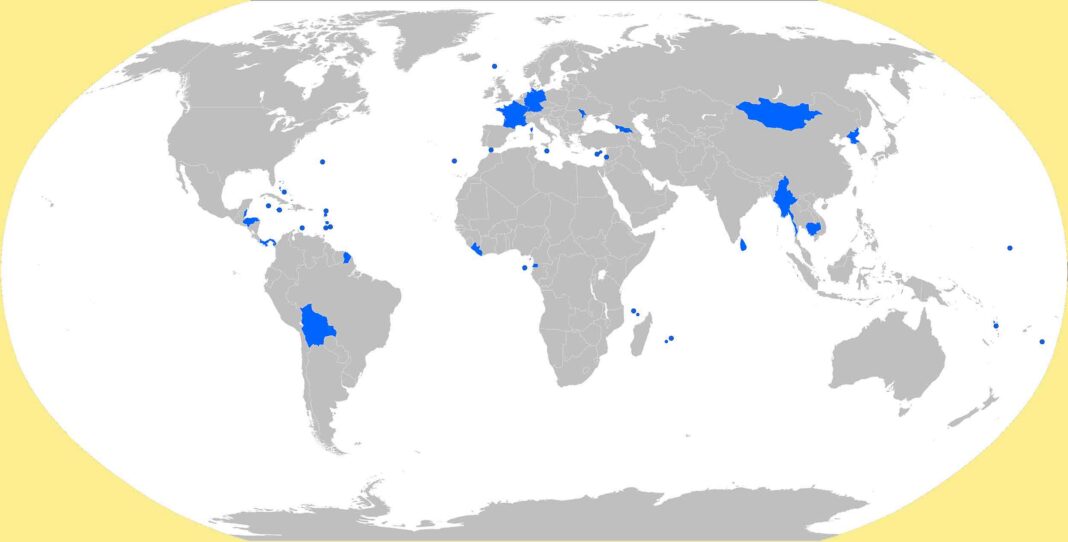
The system offers a win-win situation for shipping companies and small countries that offer cheap and easy ship registration facilities. While the shipowners save money by this arrangement, small countries earn revenue even though they may not have a shipping industry. Some smaller countries also outsource registry management to private companies, as they don’t have their own facilities.
A system with many risks
However, this system is not without risks. Port state control inspections by authorities in places like the United States, Europe, or Australia may result in detention of substandard ships regardless of flag.
In the case of international events involving ships, the countries where they are registered may not be able to intervene or offer any help. For example, in the case of the US attack on three tankers in the Gulf of Oman, it was India that raised strong protest against the US, because the ships were crewed by Indians. Palau and Guinea-Bissau, where the ships are registered, didn’t make any comment. The responsibility of such countries ends with offering registration and other such services, and it does not extend to offering any assistance to the ships in case of any incident.
Lack of regulatory oversight also encourages ships to violate or bend rules. For example, most tanker ships are transiting the Strait of Hormuz after obtaining required permission from Iran and US forces, and after they were allowed to move ahead. But, the ships targeted by the US reportedly attempted to move without taking any permission, and kept their transponders off. As the countries where they are registered don’t impose any restrictions against such practices, the owners of ships carrying such open flags often take such higher risks.
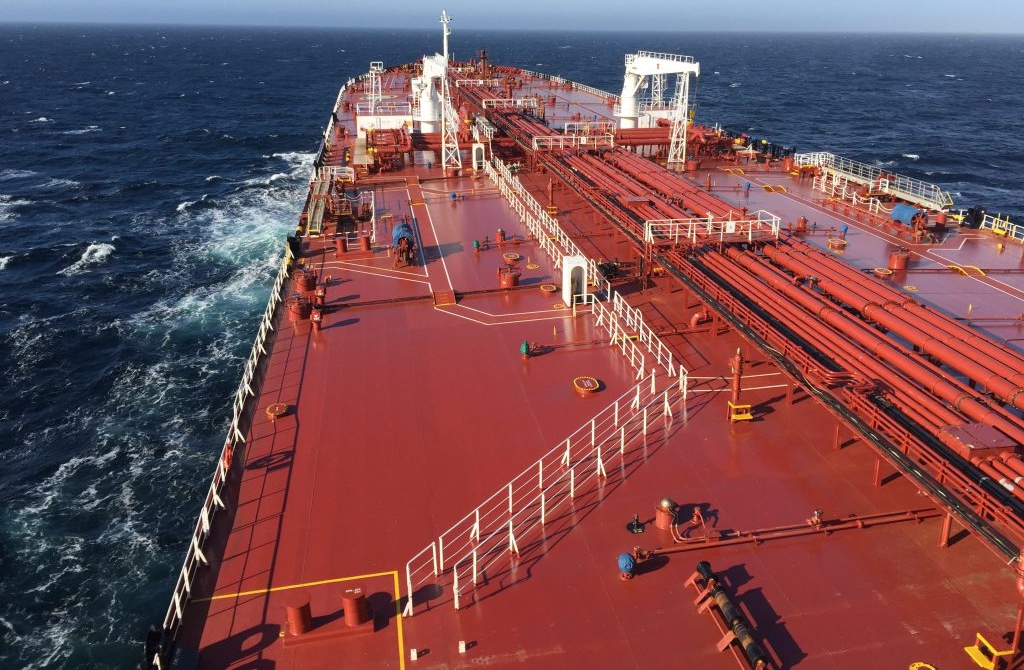
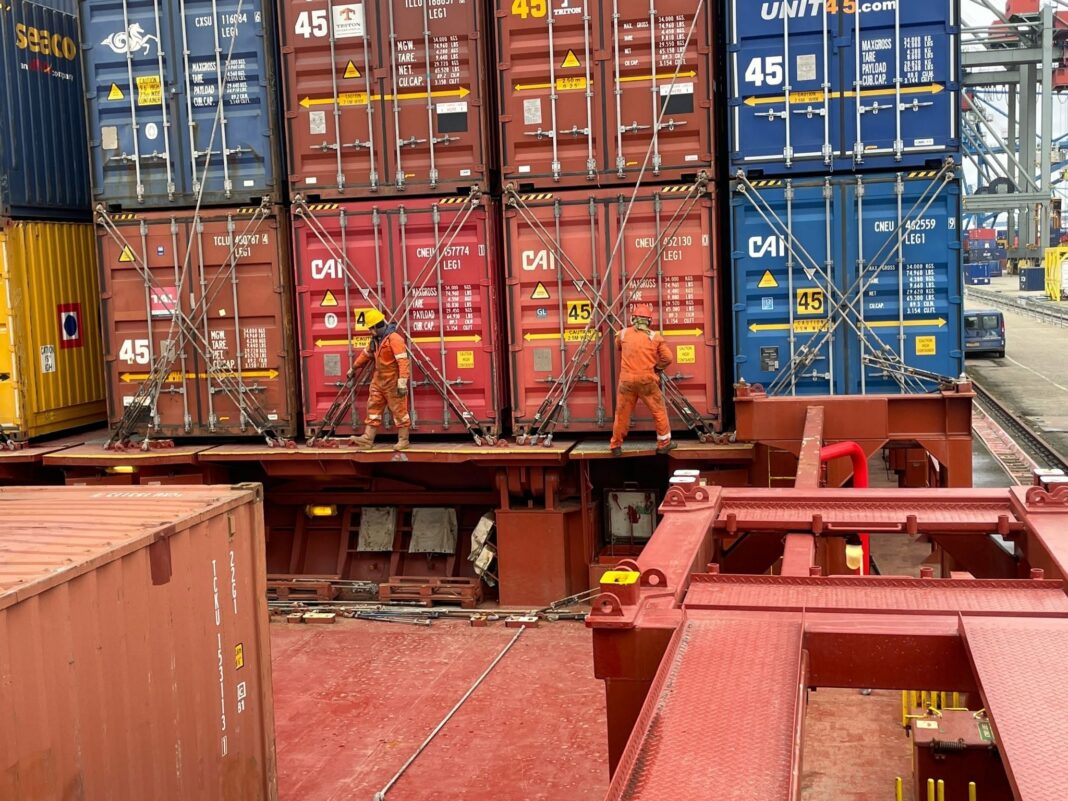
The biggest victim of this flags of convenience system is the crew on such ships. As they are under lax or negligible labour laws applicable in the countries of registration, people working on such ships have to suffer. They are offered lower wages, and as shipowners keep the manpower on the ships low, the crew is forced to work more and for longer hours.
Many FOC vessels are also old and badly maintained and lack proper safety equipment and practices. In many such ships, onboard conditions are poor, and the food and water supply is limited. The crew have to work for longer periods without proper rest. For example, the father of an Indian killed in a US strike on MT Settebello has said that his son Aditya Sharma wanted to quit the job saying that the company was ‘exploitative’.
According to the International Transport Workers’ Federation (ITF), FoC registries make it more difficult for unions, industry stakeholders and the public to hold ship owners to account. Since FOC ships have no real nationality, they are beyond the reach of any single national seafarers’ trade union. As a result, most FOC seafarers are not members of a trade union.
For these reasons, the ITF has been running a campaign to stop the system of flags of convenience. It says that there should be a genuine link between the real owner of a vessel and the flag the vessel flies, in accordance with the United Nations Convention on the Law of the Sea (UNCLOS).

In essence, the phenomenon of ships flying flags from small or lesser-known countries is a result of economics and the practicalities of global commerce. It enables the cheaper movement of goods, from oil and commodities to consumer products, while keeping costs manageable for operators.
For nations like India, a major supplier of seafarers, it means employment opportunities for thousands. But it also means vulnerabilities when crews find themselves in dangerous situations on foreign-flagged vessels.