Home Blog Page 1140

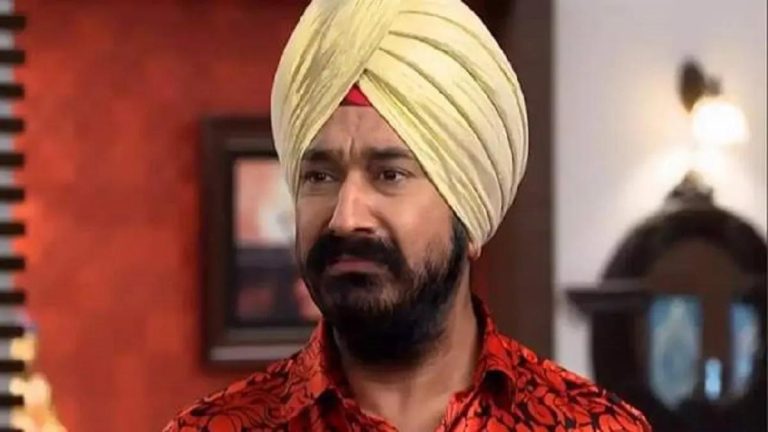
Tarak Mehta Ka Ooltah Chasmah’s former ‘Roshan Singh Sodhi’ goes missing, father files missing complaint

0

Gurucharan Singh, renowned for his portrayal of Roshan Singh Sodhi in the beloved TV series ‘Taarak Mehta Ka Ooltah Chashmah’, has reportedly gone missing, causing concern among fans and colleagues alike. His sudden disappearance, following his prominence in Indian television, has left many shocked. Despite his departure from the show, his character remains deeply etched in people’s memories. Furthermore, his absence from social media for the past four days has only intensified his worries.

Gurucharan was last seen at Delhi airport on April 22nd, where he was bound for Mumbai. However, he never reached his destination nor returned home, prompting widespread concern. Additionally, reports indicate that his phone is currently switched off.

A missing complaint has been lodged by Gurucharan Singh’s elderly father in Delhi. It states, ‘My son Gurucharan Singh, aged 50, left for Mumbai on April 22nd at 8:30 am. He went to the airport to catch his flight but neither reached Mumbai nor returned home, and his phone was unreachable. He is mentally stable, and though we were searching for him, he is now missing.’

Gurucharan Singh’s portrayal of Roshan Singh Sodhi in ‘Taarak Mehta Ka Ooltah Chashmah’ transcended mere acting; he became a beloved figure to countless Indian viewers, feeling like a member of their own families. His departure from the show in 2013 reportedly stemmed from his father’s health issues and payment delays. Despite initially leaving, he returned the following year due to popular demand. However, in 2020, he exited again, with actor Balwinder Singh Suri taking over his role. Throughout his tenure on the show, Gurucharan’s depiction of the fun-loving and affectionate Sodhi left an indelible mark, solidifying his place as a cherished member of the cast.

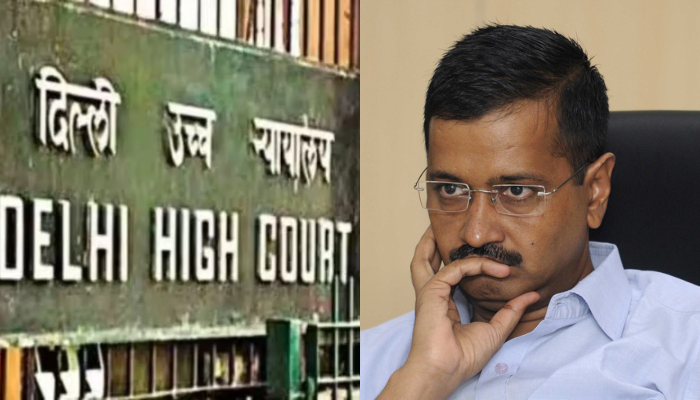
Arvind Kejriwal has put personal interest over the national interest by not resigning: Delhi HC lambasts AAP govt & MCD for failure to provide textbooks to over 2 lakh students

On 26th April, in a stinging setback to the Aam Aadmi Party, the Delhi High Court censured the Delhi government led by Chief Minister Arvind Kejriwal and the Municipal Corporation of Delhi (MCD,) which is also headed by his party because it failed to supply textbooks to more than two lakh students. The court further ruled that Arvind Kejriwal had prioritized his personal interests over the welfare of the country by refusing to step down despite his arrest and that the Delhi government was just interested in seizing power.

The harsh criticism was voiced by a Division Bench consisting of Acting Chief Justice Manmohan and Justice Manmeet Pritam Singh Arora in response to a Public Interest Litigation (PIL) addressing the complaint that MCD school pupils are not receiving textbooks and are being taught in tin sheds due to a stalemate in the civic body. The NGO Social Jurist filed the petition highlighting that the MCD schools are depriving its children of legally required supplies such as notebooks, writing instruments and uniforms.

The court told the Delhi Government’s counsel, “As a court, distribution of books, uniforms, etc., this is not our job. We are doing this because someone is failing in their job. Your client is just interested in power. I don’t know how much power do you want. The problem is that you are trying to appropriate power which is why you are not getting power.” In the course of the case’s prior hearing, the MCD Commissioner also informed the bench that about two lakh students were not receiving stationery reimbursement and they lacked bank accounts as well as uniforms.

Subsequently, the bench determined that children who were promoted to a new class without books or uniforms would become disinterested, leading to negative consequences for them. The court took note of the MCD’s 20th April affidavit which contended that the lack of a standing committee was one of the main reasons why uniforms, textbooks, and other supplies were not sent to the students.

Saurabh Bhardwaj, Minister of Urban Development, also came under fire as ACJ Manmohan charged that had chosen to ignore the suffering of students and was shedding crocodile tears. Shadan Farasat, the Delhi government’s lawyer claimed that he was instructed by the minister to obtain Arvind Kejriwal’s agreement before granting additional jurisdiction to a suitable body in the absence of the Standing Committee of MCD, however, he is now incarcerated to which ACJ Manmohan replied that students cannot be permitted to study without textbooks only because there is a vacuum.

“It is your choice that you have said that the government will continue despite the Chief Minister being in custody. You are forcing us to go down the road which we didn’t want to go. We have said it so many times in the PILs that came before us. But this is your administration’s call. If you want us to comment on it, we will come down with all the rigour. Your minister is saying that the CM is inside so we cannot take a call. You’re forcing us to make a comment. You are leaving us with no opportunity but to say all this,” the court reprimanded.

Judge Manmohan remarked that he would also include Saurabh Bhardwaj’s name in the order. According to Shadan Farasat, the Supreme Court is handling the situation and the LG unlawfully appointed alderman which is why MCD lacks a standing committee. Furthermore, he argued that the Delhi government doesn’t have much authority. The Court, however, asserted that the Delhi administration couldn’t care less if pupils don’t attend classes or don’t have textbooks. “All that you are interested in is power. This is arrogance of power at its highest,” it accused.

The court further noted that “people are pushing each other” and took judicial notice of the events occurring in the Delhi Government House. The court reiterated, “How much power you people can appropriate to yourself? How interested is your client to get power? What is the point of all this? This is the arrogance of power at its highest. This person is just looking for more power and power. You have placed your personal interest at the highest and not national interest. This document you’ve shown is an admission that nothing is working.”

“Your client doesn’t feel. At the expense of children, no further time can be given. Where you’re coming from, you’ll not find a solution. Don’t expect the court to give repeated opportunities. We are sitting at 5:45 pm to hear this,” the bench added.

The motion asked the MCD to issue an order ensuring that all students have active bank accounts and that they receive benefits in the form of bearer checks until these accounts are opened. The MCD Commissioner told the court earlier this week that contracts beyond Rs. 5 crores can only be awarded by the standing committee. The bench subsequently declared that there could not be a vacuum and that the Delhi Government should assign the financial authority to an appropriate body in the event that the standing committee is not constituted for any reason.

The bench conveyed that numerous projects in the nation’s capital are on hold since the standing committee has not been formed. “Either the one giving you instructions has no heart, has no eyes or has decided not to see anything. This document shows that projects are stalled.” The court noted that those in positions of leadership need to be liberal, able to work with people of all backgrounds and have the ability to keep the institution cohesive. “Very sorry to say, this is not happening in this case,” it observed.

The government was cautioned by the Court not to undermine it. “Don’t underestimate our guts. You are underestimating our power. You are putting children as a trading point, they are not a trading commodity for us.” The Delhi government’s stance in the case, according to ACJ Manmohan, is an admission of how awful things are there and nearly every significant MCD initiative is blocked. The court noted, “They don’t have notebooks, notepads, books and uniforms and they are studying in tin shades. We don’t think it’s fair.” In its conclusion, the court declared that the decision would be made on 29th April and reserved order in the case.

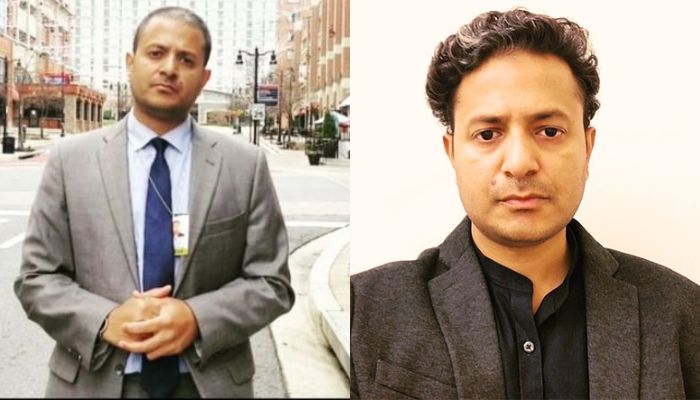
Meet Jahanzaib Ali: Pakistani ‘journalist’ known for peddling anti-India propaganda during US State Dept press briefings

On Thursday (25th April), a Washington-based ‘journalist’ named Jahanzaib Ali courted controversy after he raked up the dubious issue of ‘visa renewal rejection’ of Avani Dias by Modi governemnt.

For those unaware of the issue, Dias is the South Asia Bureau Chief of the Australian Broadcasting Company (ABC) News. She had falsely claimed on Tuesday (23rd April) that she was forced to leave India allegedly over critical reporting against the Modi government.

Later, it turned out that she had violated visa rules and had planned to leave for Australia well in advance. This however did not stop Jahanzaib Ali from milking the issue in the hopes of straining India-US ties.

Contrary to his nefarious designs, the US State Department Principal Deputy Spokesperson Vedant Patel said, “The Government of India can speak to its own visa policy. That’s not something I’m going to opine on from here.”

This was not the first time that Ali had been snubbed by the US State Department. He has a notorious history of soliciting the opinion of the US government over issues pertaining to the internal affairs of India.

Jahanzaib Ali is originally from Pakistan. According to his LinkedIn profile, he has been associated with Pakistani channel ARY News since October 2014. OpIndia found that he has also written for The Friday Times between February and August 2023.

Pakistani journalist snubbed for raking Khalistan issue

On 17th April this year, Jahanzaib Ali raked up the Khalistan issue and alleged that PM Modi and Defence Minister Rajnath Singh confessed to extra-territorial killings of terrorists by the Indian government.

Although he hoped to solicit a strong response from the Spokesperson of the US State Department, Matthew Miller did not entertain his motivated question and instead gave a generalised response.

“As I have said before, the United States is not going to get into the middle of this, but we do encourage both India and Pakistan to avoid escalation and find a resolution through dialogue,” Miller emphasised.

In September last year, Matthew Miller outrightly refused to comment on the anti-India question of Jahanzaib Ali about the assassination of Khalistani terrorist Hardeep Singh Nijjar and the diplomatic row between India and Canada.

It must be mentioned that Canadian Prime Minister Justin Trudeau had previously alleged India’s role in the killing of Nijjar without furnishing any proof.

Even Canadian Foreign Minister Melaine Joly failed to answer a direct question on whether her country shared evidence with the Indian government about the latter’s supposed involvement in the killing of Khalistani terrorist Hardeep Singh Nijjar.

When Jahanzaib Ali pleaded for US intervention

In March last year, the Pakistani ‘journalist’ was seen pleading with the then-US State Department spokesperson Ned Price to ensure that the Indian government resumed talks with Pakistan.

Despite being made clear that the United States can only intervene if both India and Pakistan ask for it and both parties agree to it, Ali pestered Ned Price to make a statement. He asked, “Many analysts believe that the US has the power and authority to mediate between the two partners (Pakistan and India)…So why don’t you just mediate?

The spokesperson for the US State Department pointed out, “Because these are decisions for the countries themselves. If they agree on a particular role for the United States, the United States is prepared to, as a partner to both countries, support that process in any way that we responsibly can.”

“But ultimately, it is not for the United States to determine the modalities or the way in which India and Pakistan engage one another. What we support is constructive dialogue, meaningful diplomacy between India and Pakistan in the first instance to resolve longstanding conflicts,” Ned Price snubbed Ali.

Pakistani ‘journalist’ attempted to sour US-India ties

Ahead of Prime Minister Narendra Modi’s State visit to the United States in June 2023, the Pakistani ‘scribe’ wanted to sour the relationship between India and the US.

He asked the Principal Deputy Spokesperson of the State Department Vedant Patel about the supposed ‘democratic backsliding’ in India and ‘human rights issue’ concerning PM Modi.

Patel shut down Jahanzaib Ali, “Well, I spoke about the forthcoming state visit a little bit yesterday, and I will reiterate again that our partnership with India is one of the most consequential. It is a consequential relationship. We work closely with the Indian Government on some of our most vital priorities.”

“And we look forward to hosting them here later this month and continuing to deepen our engagement on these issues, whether it be concerning the climate crisis, fostering an open and accessible secure technology ecosystem, upholding a free and open Indo-Pacific, deepening our trade and security cooperation as well,” the Principal Deputy Spokesperson of the State Department added.

When Jahanzaib Ali wanted to exploit raids by Indian govt at BBC office

In February 2023, the US State Department overlooked Ali’s question on the raid at BBC offices in Delhi and Mumbai by Indian tax authorities.

The Pakistani journalist wanted to know whether the US was ‘concerned’ about the actions taken by the Modi government .“We are aware of the search of BBC offices in Delhi by Indian tax authorities,” Ned Price had noted, refusing to further entertain the matter.

He also lamented that the US did not criticise the Modi government, based on the propaganda documentary created by the BBC on the 2002 Gujarat riots.

The US State Department Spokesperson had made it clear, “There are close political ties, there are economic ties, and there are exceptionally deep people-to-people ties between the United States and India. But one of those additional elements are the values that we share, the values that are common to American democracy and to Indian democracy.”

In February 2023, the BBC offices were surveyed by tax authorities for 3 days. After the survey, the Finance Ministry issued a statement explaining the depth of tax fraud committed by the BBC.

Without naming BBC, the statement said that a survey action under section 133A of the Income Tax Act, 1961(the Act) was carried out at the business premises of group entities of a prominent international Media Company in Delhi and Mumbai.

Conclusion

As a true Pakistani, Jahanzaib Ali has been involved in exploiting fault lines in the bilateral relations between India and the US. And he does it shrewdly by framing his pro-Pakistani propaganda in the form of questions.

Given his area of operation in Washington and easy access to the US State Department, Ali serves as a valuable asset in the hands of anti-India forces to carry out their sinister agenda.

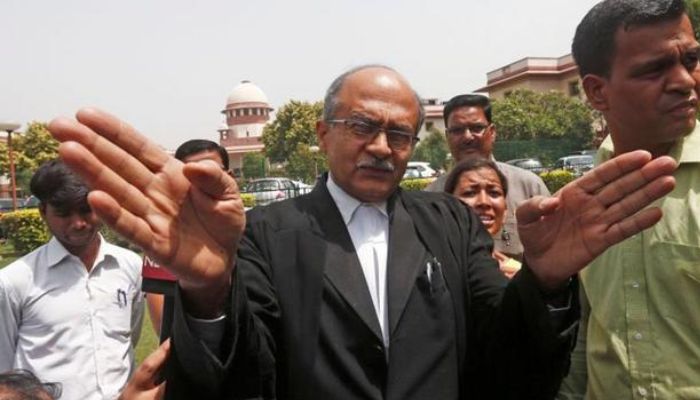
Prashant Bhushan bats for inheritance tax after losing the EVM battle, yet again

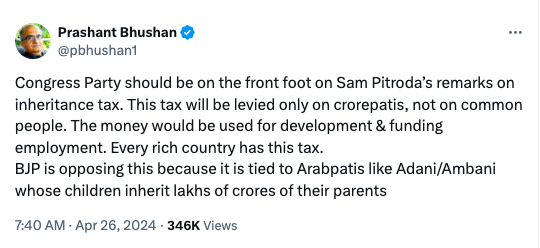
On Friday (26th April), notorious Supreme Court advocate Prashant Bhushan came out in support of the controversial Inheritance Tax, and ‘advised’ Congress party to come to front foot on Overseas Congress chairman Sam Pitroda. Prashant Bhushan’s comments on Inheritance Tax came when he lost the legal battle in the Supreme Court in the EVM case. The Supreme Court today rejected all the pleas seeking 100% verification of all votes cast using EVMs with VVPAT and going back to the ballot paper.

In an X post, Bhushan said: “Congress Party should be on the front foot on Sam Pitroda’s remarks on inheritance tax. This tax will be levied only on crorepatis, not on common people. The money would be used for development & funding employment. Every rich country has this tax. BJP is opposing this because it is tied to Arabpatis like Adani/Ambani whose children inherit lakhs of crores of their parents.”

These comments by Prashant Bhushan came after, Sam Pitroda on 24th April, suggested that a US-like inheritance tax should be brought in India amid outrage over the Congress party’s ‘wealth redistribution’ poll promise. Pitroda while explaining the inheritance tax claimed that in the US, 55% of the wealth is grabbed by the government when a person dies and the rest goes to the family, suggesting that Congress can bring a similar policy under its wealth redistribution promise.

“In America, there is an inheritance tax. If one has $100 million worth of wealth and when he dies he can only transfer probably 45% to his children, 55% is grabbed by the government. That’s an interesting law. It says you in your generation, made wealth and you are leaving now, you must leave your wealth for the public, not all of it, half of it, which to me sounds fair. In India, you don’t have that. If somebody is worth 10 billion and he dies, his children get 10 billion and the public gets nothing. So these are the kind of issues people will have to debate and discuss. I don’t know what the conclusion would be at the end of the day but when we talk about redistributing wealth, we are talking about new policies and new programs that are in the interest of the people and not in the interest of the super-rich only,” Pitroda said on Wednesday.

Pitroda’s remarks soon sparked an outrage and the Congress party had to distance itself from his remarks. Congress General Secretary in-charge Communications, Jairam Ramesh said that Sam Pitroda’s comments are his personal view and should not be considered as Congress’s views. Meanwhile, PM Modi in his poll rallies has severely criticised Congress over the inheritance tax issue.

Notably, Advocate Prashant Bhushan has been the primary activist against EVMs in the Supreme Court. Despite repeat rejections and multiple clarifications by the government and the ECI that the EVMs are tamper-proof, Bhushan, supported by Opposition parties, has been constantly fearmongering against EVMs. To date, no evidence of tampering against EVMs has been found to support his claims.

On 26th April, the Supreme Court bench comprising Justices Dipankar Datta and Sanjiv Khanna dismissed all petitions demanding a 100% verification of all votes cast using Electronic Voting Machines (EVMs) with Voter Verifiable Paper Audit Trails, or VVPATs, and going back to paper ballots. Justice Khanna delivered the verdict, stating that the court had thoroughly studied the procedures and technical factors and hence dismissed the request for 100% verification of EVM votes with VVPAT slips.

Before this, the Supreme Court while highlighting the autonomy of the Election Commission of India on 24th April observed that they don’t control the elections and the poll body has cleared doubts regarding EVMs. During today’s proceedings, the top court also reiterated that the EVM source codes should never be disclosed as doing so can lead to its misuse. During the hearing, Justice Khanna remarked: “We are in our 60s. We all know what happened when there were ballot papers, you may have, but we have not forgotten.”

How Indian men and women differ when it comes to gameplay time

0

Gaming has evolved significantly over the years, transcending traditional stereotypes and becoming mainstream entertainment worldwide. In India, the gaming landscape has seen remarkable growth, with a diverse range of players contributing to its popularity. However, beneath the surface lies a complex foundation of gaming habits influenced by various factors, including gender. This article delves into the nuanced differences in gameplay time between Indian men and women, shedding light on the cultural influences and behavioural patterns that underpin these distinctions. Specifically, we will examine how the game of Rummy, with its distinct rules and gameplay dynamics, plays a pivotal role in shaping gaming preferences among Indian males.

Gender Dynamics in Gaming

In India, as in many other parts of the world, gaming habits are often influenced by societal norms, responsibilities and expectations associated with gender. Traditionally, gaming has been perceived as a predominantly male activity, with men usually encouraged to pursue leisure activities that align with notions of competitiveness and strategic thinking. However, this perception is gradually evolving as more women actively participate in the gaming community, challenging long-held stereotypes and carving out their niche within the digital realm.

Gameplay Time Analysis: Indian Men vs. Women

When analysing gameplay time among Indian gamers, striking disparities between men and women emerge. Data insights reveal that, on average, Indian men tend to spend significantly more time engaged in gaming activities than their female counterparts. While various factors contribute to this gap, including access to technology and socio-economic status, cultural influences play a crucial role in shaping these distinct gaming habits.

Let’s further discuss the nuanced differences in gameplay time between Indian men and women clearly and concisely by taking Rummy as an example, as it is heavily dominated by males of all age groups, and the game is very specific to rummy rules, which demands skills and strategy.

The Dominance of Rummy Among Indian Males

One game that exemplifies the gender disparity in gaming habits within the Indian context is Rummy. Rummy is a card game that requires strategic thinking, skilful planning, and adherence to specific rules. Interestingly, Rummy has emerged as a favourite pastime among Indian males of all age groups, dominating the gaming landscape with its blend of entertainment and mental stimulation. The game’s popularity can be attributed to its accessibility and the challenge it presents to players to outsmart their opponents using a combination of wit and strategy.

How Specific Gameplay Demands Impact Gender Participation

The Rummy rules are integral to understanding its appeal and influence on gaming behaviour among Indian men. Unlike other games that rely purely on chance, Rummy is skill-based, requiring players to employ strategic thinking and tactical manoeuvres to succeed. This emphasis on skill and strategy may resonate more strongly with male players, who are often drawn to competitive gaming experiences that allow them to showcase their abilities and intellect. Additionally, the structured nature of Rummy, with its clear rules and objectives, provides a sense of order and challenge that appeals to individuals seeking mental stimulation and engagement.

Cultural Influences on Gaming Choices

Cultural norms and traditions also play a significant role in shaping gaming choices among Indian players. In a society where traditional gender roles are still prevalent, certain games may be perceived as more suitable or appropriate for men or women. If we talk about Rummy, its association with skill and intellect is often viewed as a game that aligns with masculine ideals of competitiveness and strategic thinking. As a result, men may feel more inclined to participate in Rummy games to assert their gaming prowess and demonstrate their ability to excel in a challenging and mentally stimulating environment.

Understanding Gaming Behavior

Psychological factors also contribute to the gender disparities observed in gaming habits. Research suggests that men and women may have different motivations and preferences for gaming, with men often seeking competitive challenges and opportunities for mastery. In contrast, women may prioritise social interaction and collaborative gameplay experiences. These divergent motivations can influence the types of games individuals play and how much time they invest in gaming activities.

Implications and Future Trends

Addressing gender disparities in gaming requires a multifaceted approach that acknowledges the complex interplay of cultural, social, and psychological factors. Creating inclusive gaming environments that celebrate diversity and cater to all players’ unique preferences and interests is essential for fostering a more equitable gaming community. Additionally, initiatives that promote gender diversity in the gaming industry, such as mentorship programs and educational initiatives, can help empower women to pursue careers in game development and design, contributing to greater representation and inclusivity within the industry.

Conclusion

In conclusion, gender disparities in gaming habits persist within the Indian gaming community. Men and women exhibit distinct preferences and behaviours regarding gameplay time. The game of Rummy is a compelling example of how specific gameplay demands and cultural influences can shape gaming choices among Indian males, highlighting the need for greater awareness and inclusivity within the gaming industry. By acknowledging and addressing these disparities, we can work towards creating a more equitable and inclusive gaming community that celebrates the diversity of its members.

Islam forbids organ donation, but allows receiving: As a Pakistani girl receives a heart transplant in India, Indians have many questions

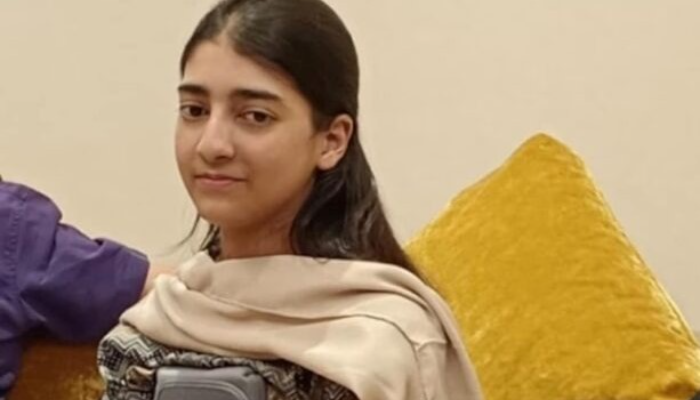
A 19-year-old fashion designing aspirant named Ayesha Rashan from Pakistan’s Karachi got a new lease on life after she received a heart from an Indian patient via a heart transplantation surgery in Chennai. She was first admitted to MGM Healthcare in Chennai in 2019 as a result of a serious cardiac condition that developed into heart failure. She was advised of a heart transplant. The family was hesitant, though, because they couldn’t afford more than Rs 35 lakh needed for the transplant.

Afterwards, the medical team put the family in touch with the Aishwaryam Trust which provided the funds for the procedure. She eventually received the life-saving surgery at the hospital around six months ago and that too free of cost. The donor was a 69-year-old brain-dead patient from Delhi.

Notably, the development has raised a number of concerns among netizens who are wondering how a Pakistani girl managed to reach the top of the waiting list in a nation of over 1.2 billion people that is infamous for its high heart disease rate which is double the national averages of the western world. They also emphasised how Muslims often receive organs, however, organ donation is outright forbidden in Islam.

Dr K G Suresh Rao, co-director at the hospital’s Institute of Heart and Lung Transplant and Mechanical Circulatory Support claimed, “A heart is allotted to foreigners only when there is no prospective recipient in the entire country. Since this patient’s heart was that of a 69-year-old, many surgeons hesitated. We decided to take the risk partly because the condition of the donor’s heart was good and partly because we knew this was Ayesha’s only chance.”

On the other hand, the users are finding it hard to accept this argument considering the prevalence of heart disease among Indians and the enormous size of the country’s population. Organ transplants for foreigners, particularly those from Bangladesh and Pakistan, should be prohibited, according to Rakesh Krishnan Simha who highlighted, “Each year thousands of Indians die waiting for a heart transplant. However, a Pakistani girl jumped the queue and received an Indian heart free through leftist architect Chitra Vishwanath’s Aishwaryan Trust. The heart was flown from Delhi to Chennai for the Pakistani girl. The doctors claim nobody wanted it in Delhi, but who knows if these doctors are being economical with the truth to avoid controversy.”

Another user urged people not to vote for Congress and I.N.D.I. Alliance as he charged, “DMK ruled Chennai allowed heart transplant of a Pakistani girl who will never donate her organs. Thousands of Indian Tamil people were in line in government hospital but MGM Healthcare gave a heart transplant free of cost to a Pakistani.”

An individual asked how the authorities and government fail to consider the long-term effects of their misguided charity and commented, “Now she will go back to Pakistan, marry a ‘jihadi’ and give birth to at least a dozen kids who will wage a war against India,” alluding to the religious extremism and the abject anti-India sentiment in Pakistan. The person added, “The most important point to consider here is was she given the heart at the expense of an Indian patient? Wasn’t there a single Indian patient waiting for a heart transplant? Who gave the nod for the heart transplant to a Pakistani girl?”

Another voiced that a foreigner is receiving priority and free treatment when there are a significant number of Indians in need of transplants.

A netizen remarked, “And we gave a heart transplant to a Pakistani girl. For humanity the recipient also should be human. In this case for mullas it’s haram,” while reacting to a post regarding forcible abduction, conversion and marriage of a 9-year-old Hindu girl to a 45-year-old man at a Sufi Dargah in Pakistan, drawing attention to the plight of Hindus in the Islamic Republic as its Muslim nationals are bestowed with new life in India.

A person expressed that he had witnessed Indians turning off their loved ones’ ventilators because they were no longer able to pay the medical expenses and inquired, “Free surgery for a Pakistani girl, how? Why free?

Another asked whether there was no one to help her in Pakistan and questioned, “Why are Muslims not organ donors? But happy to take non-Muslim ones? Muslims be organ donors.”

Organs can only be accepted, never donated

The irony was also brought out by many who questioned why Muslims are only receiving organs and never donating them because they believe it violates their religious beliefs. They challenged whether people who choose not to donate should still be able to receive organs and why there are disparate standards around it.

Even Syed Kirmani, the wicket-keeper for India’s 1983 Cricket World Cup winning team withdrew his promise to donate his eyes in 2018 which he had promised while attending an awareness campaign about eye donation at the Rajan Eye Care Centre in Chennai. He claimed to be an “emotional and sentimental” person who was moved by the hospital’s mission. He retracted his pledge because it might be against Islamic law. He claimed, “In Islam, we are not supposed to take out or donate the organs of a dead body.”

The same year, a Muslim doctor from Kanpur, Uttar Pradesh named Arshad Mansuri revealed he was being threatened because he had promised to donate his organs after his death. Some in his community appeared to be offended by his noble sentiment and were angry with him for carrying out an action that they perceived to be “anti-Islamic.”

Islam forbids organ donation, according to a fatwa against him given by a madrasa in Kanpur. Arshad Mansuri, who encouraged other Muslims to donate organs has reported receiving threatening phone calls and being the target of a social boycott. Arshad Cleric Muneef Barkati who issued the fatwa asserted that the doctor approached him with a query about whether or not it is acceptable in Islam to donate one’s body or organs for medical purposes to which he responded that a human body is a gift from Allah and that in accordance with the Quran, a person does not own it.

He further added that if someone doesn’t obey what Allah commands, it’s dubious if they can truly be considered Muslims. Therefore, he claimed that Arshad Mansuri might be someone who is attempting to discredit the community by just adopting a Muslim name.

While there are several schools of thought within Islam, it seems that several individuals hold the general idea that Islam prohibits organ donation. It was reported in August 2016 that out of over a thousand records of organ or tissue donations between 2013 and 2016, not a single Muslim donor could be found in Telangana’s state cadaver organ transplantation authority’s database.

When kidney became kafir

Shockingly, it seems that the person who gives organs to a Muslim is likewise vulnerable to the wrath of the radicals. Lekha Namboothiri, a Hindu resident of Mavelikkara in the Alappuzha district of Kerala came onto a man’s advertisement in 2009 looking for kidney donors. She had turned down proposals totalling up to Rs 15 lakh and was eager to donate her kidney. Nevertheless, in 2012, she gave one of her kidneys to Shafi from Pattambi who was in critical need of a kidney replacement.

He pretended to be on his deathbed and presented himself as impoverished. Lekha made the decision and underwent the procedure in 2012. She was also struggling with her declining financial situation and lived in a leased home. Her finances had been severely strained by her husband Sajan’s medical treatment who was a patient himself. The pair’s two sons were enrolled in grades 8 and 10. However, she made the decision to proceed with the free organ donation despite these difficulties and declined numerous offers that totalled up to Rs 15 lakhs.

Everything then proceeded smoothly for nearly two years. A local newspaper learned about the incident in 2023, they wanted to run the story as it was the epitome of harmony between Muslims and Hindus. Lekha was hesitant to make things public since she and Sajan did not want unnecessary media attention but later agreed after they were persuaded by a reporter. The article was released with the “Communal Kidney” title.

Lekha’s husband informed the media that they sought Saifi’s permission before sharing their story but the latter expressed his displeasure as his family and relatives learned about it because the donor was from a different religion. The incredible deed was met with the fury of the beneficiary and his family who were overcome with a strong feeling of communal hatred. According to Lekha, Shafi insulted her after claiming to be ridiculed by friends, family and other members of his community for accepting a kidney from a Namboothiri woman.

Importantly, Lekha’s kids had attended Rashtriya Swayamsevak Sangh (RSS) shakhas in the past to instil a sense of patriotism in them. The revelation that the family was associated with the outfit, however, was attempted to be suppressed by the state’s media. The secular media refrained from highlighting the altruistic deed committed by a Hindu.

Conclusion

Donating an organ is a wonderful deed that ought to be honoured but sometimes even the most commendable actions backfire due to the recipient’s nature. Showering generosity on the citizens of a nation that has a history of hostility against India, has preyed on Indian lives for decades and is notorious for its Hindumisia could prove catastrophic for us, as evidenced by multiple past events. Should medical tourism be an exception to Prime Minister Narendra Modi’s remarkable statement that “terror and talks cannot go hand-in-hand?” It’s time we reconsider how much leeway we are willing to offer Pakistan in the name of humanity since our neighbour is doing everything in its power to bleed India and her innocent citizens.


Rajasthan: Supporters of independent candidate from Barmer Ravindra Singh Bhati and Congress’s Ummeda Ram Beniwal clash in Sheo

On Friday (26th April), clashes erupted between the supporters of the Independent candidate from Rajasthan’s Barmer Lok Sabha seat Ravindra Singh Bhati and Congress candidate Ummeda Ram Beniwal during voting today. Due to the clashes, the voting process was halted for around half an hour in the Sheo assembly constituency. The two sides clashed at around 3 pm today following which IG Vikas Kumar and Baytu MLA Harish Chaudhary reached the spot.

Ravindra Singh Bhati alleged that tapes were being pasted in front of his name on the EVMs. Meanwhile, Congress leader Ummeda Ram Beniwal’s supporters accused the supporters of Bhati of booth capturing.

Earlier in the day, Bhati had alleged that the vehicles of supporters were being deliberately stopped by the administration. Bhati claimed that his polling agent was thrown out of the booth in Baytu.

“My agents are being thrown out of the booths in Baytu assembly and a strip is being put on my name on the voting machine. What kind of democracy is this? Under whose pressure is the administration working?” Bhati wrote on X today.

Meanwhile, two sides clashed at Mahabar village, Sadar police station area, Barmer district after a dispute leaving two youths injured. After this, Barmer SP arrived at the spot. According to SP Narendra Singh Meena, a clash broke out between two parties adding that two people have been detained. Two people were hurt and taken to the hospital.

In a triangular contest in the Barmer Lok Sabha constituency, Bhati is pitted against BJP MP and Union minister Kailash Choudhary and the Congress’s Ummeda Ram Beniwal.

As reported earlier, Ravindra Singh Bhati, MLA from Sheo has emerged as a popular leader in Rajasthan. He was with the Bharatiya Janata Party (BJP) before the Rajasthan Assembly Elections in 2023. However, he left the party and contested the elections as an independent candidate after the BJP denied him a ticket. Bhati won the Sheo Assembly Constituency by a substantial margin and later announced he would challenge for Lok Sabha Elections as an independent candidate from the Barmer constituency. Bhati was recently in controversy over meeting several anti-India elements including Nitasha Kaul and Dibyesh Anand.

West Bengal: CBI recovers foreign weapons from Abu Taleb’s house in Sandeshkhali, NSG called in to diffuse crude bombs

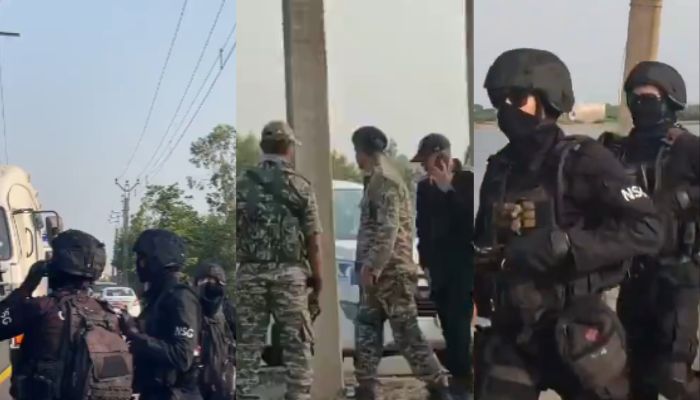
Amid the second phase of Lok Sabha elections in West Bengal, a team of the Central Bureau of Investigation (CBI) has found a large cache of arms and crude bombs in Sandeshkhali village in North 24 Parganas district of the State.

According to Republic TV, a team of the National Security Guard (NSG) was brought in after the discovery of the arms, armaments and explosives in Sandeshkhali.

As per a report by The Indian Express, the CBI had been conducting raids in Sandeshkhali since Friday (26th April) morning after learning that a locked house belonging to a local resident has stored arms, crude bombs etc.

The central agency also brought in equipments to dig the floor of the house.

Visuals shared on social media by Republic Bangla highlight recovery of large cache of weapons. According to the channel, crude bombs were recovered from under the land ahead of the upcoming elections in Sandeshkhali.

In a tweet posted by BJP MP Locket Chatterjee, she said, “Amidst the recovery of arms in Sandeshkhali, the reign of fear perpetuated by Sheikh Sahajahan looms large. It’s time to dismantle the networks of terror and restore peace to the region. No more intimidation, no more violence.”

Citing sources, Republic Bangla also informed that the weapons, which also included imported ones, were recovered from the house of a man named Abu Taleb.

The investigative authorities are now probing whether the accused had stored Improvised Explosive Devices (IEDs) in the bunkers found at his house

Emory Professor in Atlanta knocked to the ground and handcuffed: How universities across the US have become a hotbed of pro-Hamas protests

Earlier this month, the United States got a taste of nuisance caused by gratuitous protests as a large number of students across campuses took to the streets in support of Hamas and Palestine and against Israel’s war against the October 7 terror attack. A video of a professor being decked to the ground by Atlanta police during one such protest has gone viral on social media.

In the video, a lady, a professor at the Emory University in Atlanta, expresses outrage over police action against protesters on campus. Subsequently, a police officer twists her hand and decks her to the ground, handcuffing her, even as the lady identifies herself as a professor at the university. 

According to the report, the Atlanta Police detained the professor, identified as Fohlin, for over 11 hours and charged her with “Battery Against Police Officer”.

Pro-Hamas protesters demonstrate against Israel-Gaza war across universities in the US

Numerous students are staging protests across various campuses in the US, including prestigious institutions like Columbia University, Yale, New York University, and MIT. Their demands include a permanent ceasefire in Gaza, an end to US military aid for Israel, divestment from arms suppliers and other companies profiting from the conflict, as well as an end to what they perceive as “genocide and occupation in Palestine.”

However, pro-Israel supporters express concerns about campus safety, alleging that these protests are fostering anti-Semitism, intimidation, and hate speech.

Columbia University’s vice president of public affairs, Ben Chang, emphasised that while students have the right to protest, they must not disrupt campus life or engage in harassment and intimidation.

The pro-Palestinian protesters come from diverse backgrounds, including Jewish and Muslim faiths, and are organised by groups such as Students for Justice in Palestine and Jewish Voice for Peace. At Berkeley, for instance, they set up approximately 15 tents, accompanied by teach-ins, interfaith prayers, and musical performances, with organizers disavowing violence against pro-Israel counter-protesters.

Key protest sites like Columbia University, Harvard, Yale, MIT, and NYU have witnessed significant demonstrations. At Columbia, over 100 pro-Palestinian demonstrators were arrested, with the university emphasizing safety by offering virtual options for classes. Harvard suspended the Harvard Undergraduate Palestine Solidarity Committee due to violations of school policy during a demonstration. At Yale, approximately 45 protesters were arrested for misdemeanour trespassing, and at MIT, students demanded a cease-fire, criticizing the school’s alleged complicity in the Gaza conflict. At NYU, an encampment faced police intervention due to disorderly conduct and reports of antisemitic incidents.

The impact of these protests extends beyond these campuses. California State Polytechnic University, Humboldt, cancelled in-person classes temporarily after students barricaded themselves, demanding disclosure of ties with Israel. Similarly, the University of Michigan emphasised allowing free expression and peaceful protests at graduation ceremonies while preventing substantial disruption.

Madras HC declares amendment to Tamil Nadu law on Waqf properties unconstitutional, rules only Waqf tribunals can evict encroachments

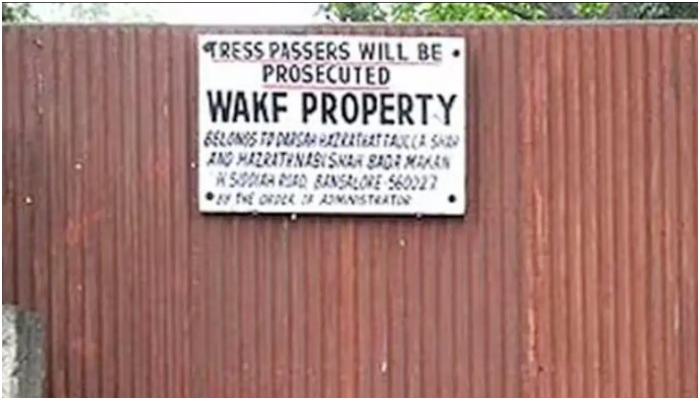
On Thursday (25th April), the Madras High Court ruled that the Tamil Nadu Public Premises (Eviction of Unauthorised Occupants) Amendment Act 33 of 2010 was invalid in regards to the Waqf Act, 1995, and therefore it violated the Constitution.

The amendment granted the Tamil Nadu Waqf Board Chief Executive Officer (CEO) the authority to act as Estate Officer, allowing them to order the eviction of encroachers on waqf properties covered by the Tamil Nadu Public Premises (Eviction of Unauthorized Occupants) Act of 1976. However, now the court has ruled that the officer does not have the power to evict encroachments from Waqf properties.

The division bench of Chief Justice SV Gangapurwala and Justice D Bharatha Chakravarthy declared that encroachers of waqf properties could only be evicted through waqf tribunals constituted in response to the 2013 revision to Central legislation. The verdict came in the form of a series of writ petitions alleging that the State’s 2010 revision violated the Waqf Act of 1995. Some appeals were also filed to overturn a single-judge bench’s order issued in July 2023.

All of the petitioners and appellants were either renters whose leases had expired/determined, or they were considered encroachers on Waqf-owned properties/premises. On behalf of the petitioners/appellants, it was argued that the Waqf Amendment Act, 2013, modified the Waqf Act, 1995 especially to deal with the unauthorized occupation and eviction of waqf properties and that Section 54 clearly and categorically offers the procedure for dealing with such encroachments or unauthorized occupations.

The jurisdiction of the civil court, revenue court, and any other authority has been barred by the modified Section 85, which also includes the authority of the Estate Officer under the Tamil Nadu law, they claimed.

It was argued that because the Central Act seeks to cover all bases by providing a thorough method for evicting unlawful tenants from waqf assets, the challenged Tamil Nadu Act of 2010 is null and void. This is because any state legislation that conflicts with the Central Act would be replaced, they claim.

The Additional Solicitor-General of India, appearing on behalf of the Union of India, pointed out that the Union had not filed any affidavit supporting or opposing the petitioners. He contended that the Union was not required to take a stand because the challenge was to State legislation.

The Advocate-General for the State contended that both state and central laws might be in effect at the same time. Under this arrangement, the CEO of the Tamil Nadu Waqf Board might use state law to seek the expulsion of external encroachers on waqf property. Meanwhile, in circumstances involving complex title disputes, the CEO may seek relief from the Central Law Tribunal.

However, the division bench dismissed this contention.

The bench stated that the 2013 revision to the Central law followed the 2010 amendment to the State law. As a result, it may be assumed that Parliament was aware of the State amendment when it purposefully revised the Waqf Act in 1995. “Thus, It can be seen that the Parliament wanted to deal with all kinds of encroachments and to provide for effective mechanisms with respect to the recovery of possession thereof,” said the bench.

The Court additionally dismissed the Waqf Board’s/Waqfs’ position that if merely an application is presented to the Tribunal, the issue is determined by the Tribunal. It stated that the competence of the civil court, revenue court, or any other body to expel illegal tenants of waqf property is clearly excluded.

“The parliamentary law intends to secure the protection of waqf properties which requires uniformity of law and consistency of its application all over the country. The Central Act is thus made as an exhaustive code on the subject. Thus, the State enactment is repugnant to the Waqf Act, 1995, as amended in the year 2013”, the bench concluded. 

As a result, the court ruled that, upon application by the respective Waqf(s) or otherwise, the Chief Executive Officer is entitled to file an application against encroachers before the Waqf Tribunal under the Waqf Act, 1995 (as amended), and the Tribunal will consider the same in accordance with the law.

Furthermore, the court overturned the single-judge bench’s ruling and dismissed the proceedings launched against the appellants through the issuance of show cause notices under the authority of the 2010 State amendment.