Home Blog Page 1474

Strong stance against terror, commitment to democracy, regional stability and more: Why Sheikh Hasina’s election victory is good news for India

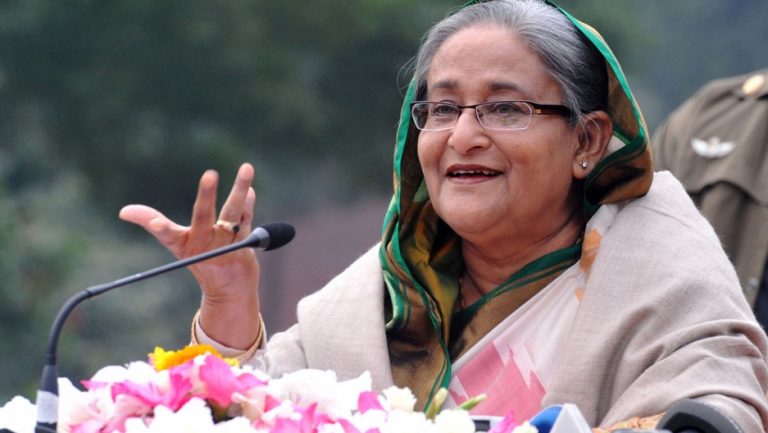
On Sunday (7th December), Bangladeshi Prime Minister Sheikh Hasina clinched her fourth consecutive term and secured another five years in office.

Her party Awami League and its allies won 223 out of the 300 Parliamentary seats in the federal elections, despite attempts by the United States to bring about a ‘regime change‘ in the country.

The main Opposition Bangladesh Nationalist Party (BNP), which has been involved in violence in the run-up to the elections, had boycotted the polls.

While speaking about the development, Bangladeshi Law Minister Anisul Huq said, “We have continued the democratic process which has given this political stability. I think the world should credit Sheikh Hasina for that. (Her biggest achievement) is the confidence that she has ushered in in the minds of the people of Bangladesh. They have come to believe in themselves.”

Sheikh Hasina first assumed office in 1996 and has been the longest-serving leader in the country’s history. Under her leadership, Bangladesh has experienced tremendous economic growth and has become one of the fastest-growing economies in the region.

The per-capita income of the country has tripled between 2010 and 2019 and about 2.5 crore people were successfully lifted out of poverty in the past 20 years.

Political career of Sheikh Hasina

Sheikh Hasina had a remarkable and enduring political career that spans several decades. She was born on 28th September 1947 into the family of ‘Bangabhandhu’ Sheikh Mujibur Rahman, the founder of Bangladesh.

Her journey in politics began early and was shaped by the events surrounding the creation of independent Bangladesh in 1971. Sheikh Hasina’s father and family members were assassinated during a military coup in 1975.

Despite personal and political challenges, she remained committed to Bangabandhu’s vision of a democratic and prosperous Bangladesh. Sheikh Hasina became the leader of the Awami League in the 1980s.

Her first term as Prime Minister began on 23rd 1996. It was characterised by economic reforms and infrastructure development. Her key areas of focus have been social welfare, education, and poverty reduction.

After a setback in the 2001 elections due to State interference by the caretaker government, Sheikh Hasina emerged as the leader of the opposition.

Following the two-year rule of a military-backed caretaker government, she led her party to a decisive victory in the December 2008 parliamentary elections. She assumed office for the second time on January 6, 2009.

She enacted laws to establish the International Crimes Tribunal to prosecute those responsible for crimes against humanity during Bangladesh’s Liberation War in 1971.

Her commitment to democratic values and social progress has earned her international recognition. She has received several awards and honorary doctorates from various universities for her contributions to social work, peace, and stability.

As Bangladesh looks towards the future, Sheikh Hasina remains a primary figure in the country’s political landscape. She is known for her strong stance against fundamentalism, militancy, and terrorism.

Relationship with India and its significance

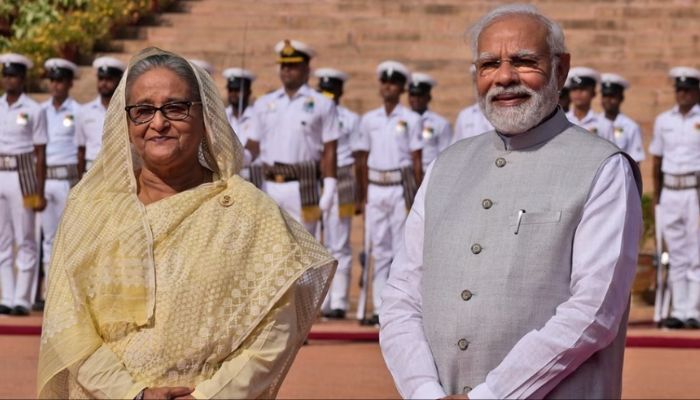
One of the key highlights of Sheikh Hasina’s political career has been her commitment to regional cooperation and stability. Under her leadership, Bangladesh has fostered strong ties with neighbouring countries, especially India.

The improvement of bilateral relations has led to collaborative efforts in trade, security, and connectivity, which has indirectly contributed to the overall development of the region. Sheikh Hasina’s tenure in Bangladesh witnessed a significant collaboration with India in terms of intelligence sharing and security matters.

It has helped India in addressing concerns related to insurgents, terrorists, and separatists. The 2013 Extradition Treaty further strengthened mutual trust, aiding both countries in managing security challenges.

The handover of key terrorists such as Anup Chetia of the United Liberation Front of Asom (ULFA), demonstrated Sheikh Hasina’s commitment to combating cross-border threats.

Her resolute stance against Islamist groups, including Harkat-ul-Jihad al-Islami and Jamaat-ul-Mujahideen Bangladesh, has resulted in a decrease in terrorist activities. Sheikh Hasina’s no-nonsense approach has been crucial in maintaining stability and safeguarding against elements hostile to India.

The re-election of Prime Minister Hasina holds strategic importance for India’s security. Under Sheikh Hasina’s leadership,anti-India activities and influence of Pakistan-backed terrorists have largely been curbed.

India is the largest trade partner of Bangladesh in South Asia. Despite disruptions caused by the Coronavirus pandemic, bilateral trade witnessed a growth of almost 44%.

The Indian Ministry of External Affairs (MEA) pointed out that India and Bangladesh’s geographical locations complement each other and offer the opportunity for better connectivity and economic development.

Several development projects were initiated last year by PM Modi and Sheikh Hasina to boost trade and connectivity between Bangladesh and Northeastern states.

It must be mentioned that India’s strategic interests lie in maintaining friendly relations with Bangladesh including securing transport routes for its north-eastern states and countering Chinese influence in the region.

US interference in Bangladesh elections

Ahead of elections in Bangladesh, the United States government, its agencies and the embedded media were called out for orchestrating a ‘regime change operation’ in Bangladesh.

Attempts were made to distort the public perception of incumbent Bangladeshi Prime Minister Sheikh Hasina and present her as an ‘autocratic leader.’

The Joe Biden-led-US government was accused of election interference under the pretext of ‘saving democracy’ and conducting ‘free and fair elections’ in the Islamic Republic.

Coercion, virtue signalling and arm twisting were being carried out by the US in Bangladesh through its representatives, agencies and policies.

However, nothing could impact the Faith of the people in the incumbent government and the re-election of Sheikh Hasina as the Prime Minister of Bangladesh.
Punjab CM Bhagwant Mann engrosses himself in hosting Arvind Kejriwal and leasing a new aircraft as the state’s debt crisis worsens

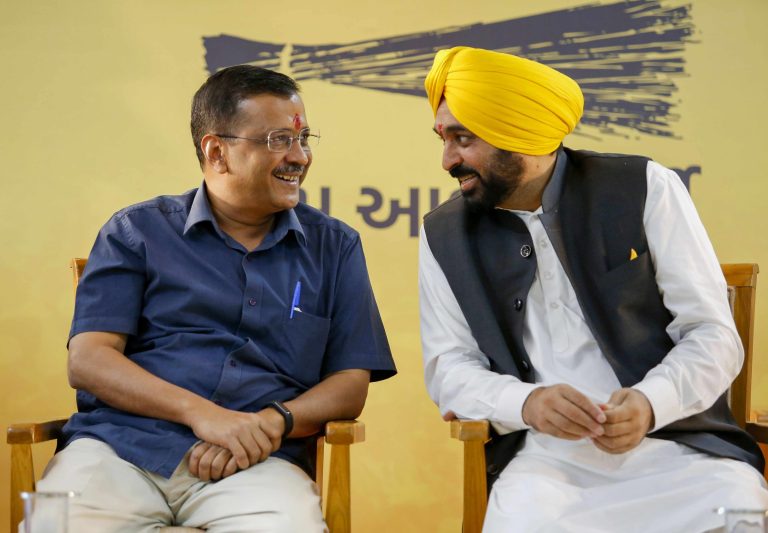
The economic situation in Punjab is so dire that the Aam Aadmi Party government in the state is advocating a moratorium on loan repayment for five years. Even so, Punjab CM Bhagwant Mann has been indulging in profligacy as reports suggest he is busy acquiring a new aircraft for welcoming the party supremo Arvind Kejriwal. The extravagance is underway even as a significant portion of Punjab’s budget is directed towards servicing old loans.

Both Congress and AAP are equally responsible for the economic crisis facing Punjab. While Congress holds the blame for pushing the state’s fragile economy into the ICU, the Aam Aadmi Party government has put it on ventilator support. Punjab is the country’s sole large state with a debt burden exceeding 50% of its economy.

Despite the substantial debt encumbering the day-to-day operations of the Punjab government, the AAP administration has shown little inclination to revise its policies. The government persistently offers freebies, further straining an economy already pushed to its limits. Whether it be the free electricity initiative or the provision of complimentary bus rides, AAP remains steadfast in its approach.

What is the current economic condition of Punjab?

Punjab, which was once considered one of the most prosperous states in the country, is currently burdened with a debt of approximately ₹3.40 lakh crore, a report recently published said. This debt accounts for more than 50% of Punjab’s total economy. The total size of Punjab’s economy was around ₹6.29 lakh crore in the fiscal year 2022-23. There was a change in power in Punjab in 2022, with the Aam Aadmi Party (AAP) coming into government.

In the period between 2017 to 2022, Congress was in power in Punjab. During this term, the Congress government accumulated new debts of about ₹1 lakh crore to the state. Subsequently, the AAP government, which came into power in March 2022, added approximately ₹50,000 crore of new debt to Punjab by the end of 2023.

It is worth noting that the recent astronomical rise in Punjab’s debt cannot be attributed to significant developmental projects in the state. A chief concern is that more than 50 per cent of Punjab’s Gross State Domestic Product is saddled by debt. Additionally, in the financial year 2022-23, the state’s fiscal deficit (the gap between the government’s revenue and expenditure) was 5.2% of its GDP. The government is spending more than it is earning, exacerbating the financial challenges faced by Punjab.

Taking debt to pay off old debts

The staggering amount of debt on Punjab has a cascading effect on its ability to repay loans. The Punjab government has drawn new loans to repay old debts, exacerbating the state’s economic woes. According to a report, since coming to power, the AAP government in Punjab has taken a loan of ₹47,000 crores, of which ₹27,000 crores have been utilised to pay off the interests on existing debts and the principal amount.

In the fiscal year 2022-23, the Punjab government allocated ₹20,100 crores to pay off the interest on old debts. Additionally, ₹15,146 crores were used to repay the principal amount of old debts. This means that in the fiscal year 2022-23, the AAP government not only paid off the actual loan but also had to cover more in interest payments. This trend does not seem to be changing shortly.

In the fiscal year 2023-24, the AAP government in Punjab is expected to spend approximately ₹22,000 crores on the interest of old debts and around ₹16,000 crores to repay the actual principal amount. If attention is not given to economic reforms and unnecessary expenditures in Punjab, its debt is likely to surpass ₹4 lakh crores soon.

Amidst scarce income and plentiful expenditure, the AAP govt continues to promise freebies

Instead of focusing on improving the state’s economy, the government is pushing it down a debt spiral. The AAP government-formulated policies are wreaking havoc on the economy. When AAP came to power in 2022, they promised to provide 300 units of free electricity to every household in the state. AAP also pledged free bus rides for women.

According to the Punjab State Electricity Regulatory Commission, the AAP government in Punjab will have to spend ₹18,714 crores in providing free electricity in 2022-23. Out of this, ₹8,809 crores will go towards providing free electricity to farmers, ₹5,886 crores for providing 300 units of electricity to families, and ₹1,427 crores for other expenses. In addition to this, providing free bus rides to women is also becoming a significant burden on the government.

The AAP government has incurred ₹550 crores in providing free bus travel for women in the state. Besides, the state government is considering several other schemes that will involve additional expenses. In a situation where a state is compelled to take loans continuously just to pay off debts, spending on promised freebies may not be a wise decision.

Even as Punjab staggers under the burden of debt, CM Bhagwant Mann goes for aircraft shopping

Even as Punjab staggers under the weight of ever-increasing debt, CM Bhagwant Mann has demonstrated little restraint in curtailing expenses and bringing his state’s economy in order. In August 2023, Chief Minister Bhagwant Mann invited tenders for the acquisition of a 10-seater aircraft.

This tender was floated even when the state already possesses a helicopter, which Chief Minister Bhagwant Mann routinely uses. There were allegations levelled that Arvind Kejriwal would be using the leased aircraft. When criticism of Bhagwant Mann’s government surfaced on Twitter, the tender was withdrawn. The Punjab Police even reportedly threatened an RTI activist for seeking details of the retracted tender.

The state government’s apathy and disinclination to ease Punjab’s economic stress is striking. CM Mann has been accused of spending time welcoming and hosting party members, including chief Arvind Kejriwal. Even when Kejriwal visited Punjab for meditation in December 2023, Bhagwant Mann was present there. Before this, Kejriwal visited Punjab almost every month.

Money received was not spent; instead, a moratorium on loan repayment was requested

The Punjab government consistently accuses the central government of not allowing it to take more loans. However, even with the funds provided by the central government, Punjab is struggling to spend it wisely.

Facing severe economic crises, the ‘Aam Aadmi Party’ (AAP) government in Punjab, which received ₹11,000 crores from the central government, has only managed to spend ₹3,000 crores in the nine months of the financial year 2023-24. Now, Chief Minister Bhagwant Mann has directed his officials to come up with strategies that would prevent the need to return the money to the central government.

On one hand, where it is unable to spend the money it received, on the other hand, it vigorously insists that it should not be required to repay any kind of debt for the next five years. In a letter to the Punjab Governor Banwari Lal Purohit in October 2023, Chief Minister Bhagwant Mann urged him to persuade the Modi government for a moratorium on debts from Punjab for five years.

What should be the ideal situation?

The current level of debt on Punjab is not reasonable from any perspective. Moreover, its fiscal deficit exceeds the norms set by financial management laws. Laws formulated in the country regarding the financial management of states, such as the Fiscal Responsibility and Budget Management Act (FRBM Act), dictate that a state’s debt should not exceed 20% of its total GDP.

In certain cases, a provision is made to allow a maximum of 25% with exemptions. Punjab’s debt is 50% of its GSDP, and there are no signs of abatement. Furthermore, concerning fiscal deficits, it should be capped at 3% of the GSDP as per the FRBM Act, but in Punjab, it stands at 5.2%. Despite these regulations, the Punjab government does not seem to make any efforts to reduce these figures.

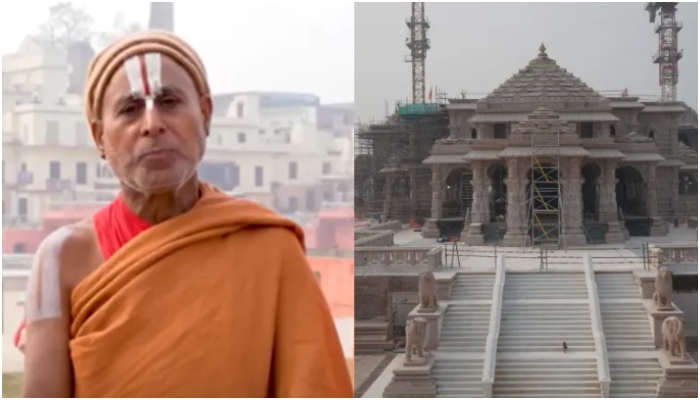
‘Just 1 meal a day for 22 years, no stitched clothes’: Karpatri ji Maharaj’s Tapasya to be fulfilled on 22 January with Pran Pratishtha of Ram Mandir

0

Many Hindu saints and spiritual leaders of India had been working, actively trying and making efforts in their own ways to one day see a grand Temple at Ram Janmabhoomi in Ayodhya. Some of them had been observing strict ‘Tapasya’, and have taken unique pledges to witness a Ram Mandir being manifested in the Holy site.

Some Hindus took a vow not to marry until they sat in the sanctum sanctorum of Ramlala’s temple, while others took a vow not to wear turban and shoes. Similarly, Karpatri Ji Maharaj had taken an oath to eat only once a day for the last 22 years and that too only 18 mouthfuls. He also had taken an oath not to wear stitched clothes, until he sees a glorious temple at Ram Janmabhoomi.

Now, when Ramlala is slated to arrive at the Ram Temple in Ayodhya on 22nd January 2024, the saint’s resolution appears to be accomplished. He will now eat a complete supper on 22 January 2024, with Lord Ram’s blessings. This saint gave this information in a conversation with ‘The Rajdharma’ YouTube channel.

Eating on hands until Lord Ram arrives at Ayodhya

Explaining the meaning of his name, Karpatri Maharaj says that the one whose palm is strong is a Karpatri. He says, “22 years ago I had taken a resolution that will have food only from my hands and not from a plate or bowl. I will take water only after doing so. My meal will be only 18 mouthfuls. And it will happen once a day.”

He further said, “I resolved not to wear stitched clothes. I will wear a Khadau (wooden sandals). Till then I will remain like this. Since then my penance has been going on. On the 22nd, when my God gets established in his home, then I will ask for his blessings and have a full meal. I will start wearing stitched clothes because our wishes have been granted by God.”

Karpatri ji further says, “I hold the highest post of the Vaishnav sect. Ramanujacharya, Jagatguru, Jeeyar Swami, Karpatri Ji Maharaj… these are the most venerated posts among Hindu sects. We can’t tell you the full name. But people know us only by the name of Karpatri Maharaj.”

The conference of 18 Puranas and 4 Vedas on 22nd January

Regarding the date of 22 January 2024 for Ram Lalla’s consecration, Karpatri Maharaj stated that Ram Lalla has a special way of going to the temple. Ramji’s appearance is based on the Vedas and Puranas. He recited the Ramcharitmanas chapter ‘Sumati Bhoomi Thal Hriday Agadhu’ while explaining this. Udadhi Ghan Sadhu, Veda Puran, Ram Sujas Bar Bari, Barshahin, ‘Madhur Manohar Mangalkari’ was also cited. “18 Puranas and four Vedas add up to 22,” he explained. The date 22 was chosen because the idol of Ram is made up of 18 Puranas and 4 Vedas, he said.

He continues, “God will arrive on this day. My Thakur ji is on his way. Now there will be no ‘Janbari’. That’s why he is coming in ‘January’. In our Hindi literature, Jan means a person and Bari means no one should be separated, no one should remain alone,” he says of January.

Referring to Lord Ram, he said, “Maybe you don’t know that when Ram came in Chaturbhuj form, he started crying. Cried a lot. Then Kaushalya Maa said stop crying now. Have children. Everything is fine. Everything went well. Then Lord Ram told Kaushalya Maa that till the time I did not come into the world, people were crying. I have now come into the world. No one will cry now.”

After this, Karpatri Maharaj while singing ‘Suni Bachan Sujana Raudan Thana, Hoi Balak Sur Bhupa’ said that due to Pran Pratishtha, this date and the Abhijeet Muhurta chosen for 88 seconds, will be Pran Pratishtha. He said that they will start the celebration of Pran Pratistha on the 15th itself and will continue till Pran Pratistha.

Praising PM Modi, he said, “Our beloved PM Modi will come. When he comes, he will first take a bath in Saryu. By taking this bath, if there is any kind of defect in the body, it gets cured. Before that, he will keep fast. Will take a bath only during fasting. Up means proximity and vas means near the mind. In this way, fasting is observed to go closer to God.”

Pune: Junaid Shaikh Gang booked under MCOCA for threatening and attacking locals with sharp weapons and vandalising vehicles, 3 members arrested

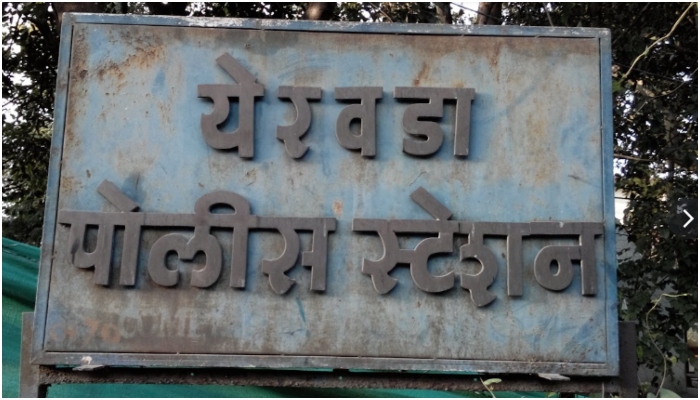
The Pune police eventually apprehended Juned Ejaz Shaikh and his gang members after a series of violent acts, including vandalism, that endangered the lives of Yerwada residents and damaged multiple vehicles in the region. Junaid, and 3 other of his gang members, have been charged under the relevant sections of the Maharashtra Control of Organised Crime Act (MCOCA) and three of them, including Junaid, have been arrested.

According to the initial reports,Junaid and his aides brandished sickles and swords near the Hyderabad hotel in the area, frightening people with abusive speech and threatening them. The complainant, his brother, and other citizens were also supposedly assaulted with sharp weapons and stones by the gang.

“Koi aage nahi aayega. Sab apne apne ghar jao (Nobody will come ahead. All go to your homes),” the gang members were quoted as saying. The incident is said to have happened in the Yerwada region of Pune on 26th December last year. The accused gang members threatened the local citizens and vandalised around 27 vehicles. The accused members also threatened the citizens using sharp weapons.

The arrested accused have been identified as Juned Ejaz Shaikh, 23, a resident of Laxminagar, Yerwada, Avinash alias Sukya Sanjay Shinde, 21, Mangesh alias Ghulya Deepak Kalokhe, 19, all residents of Yerwada.

Nikhil Jagannath Shinde, the fourth accused, is still absconding. Junaid Shaikh, the gang’s suspected leader, and his associates have imposed terror on the Yerwada region. This organised crime syndicate sought financial gain while solidifying authority in the area. Their strategy involved generating fear among citizens, allowing them to engage in a variety of illegal acts.

The gang operated as a cohesive criminal unit, engaging in a wide range of illegal activities such as robbery, attempted culpable homicide, unlawful assembly in public places, and rioting. They were also involved in possession of lethal weapons, preparations for causing injury or assault, home-trespassing, instilling terror, death threats, vandalising vehicles belonging to daily wage earners, burglaries, and luring vulnerable youths from neighbouring areas into their criminal fold. Previous preventive measures against this group reportedly were ineffective in preventing them from committing serious crimes.

In reaction to their increasing criminal activity, senior police inspector Balkrishna Kadam of the Yerwada police station proposed that MCOCA be invoked against them. This suggestion, which was supported by Circle Four deputy commissioner of police Shashikant Borate, was forwarded to the Eastern Regional Division’s Additional Commissioner of Police Ranjan Kumar Sharma for consideration. Ultimately, Pune police commissioner Ritesh Kumar accepted it. This legal strategy attempts to confront and reduce the gang’s growing threat, emphasising the necessity for prompt action to protect the community from their abhorrent actions.

Team OpIndia called the Yerwada Police Station to confirm the incident. Officer Sachin Mali confirmed the arrest of three persons. Meanwhile, he said that all the efforts are being taken to arrest the fourth accused who is absconding in the case. He also added that the accused members had been threatening the local residents while trying to spread their terror. Further investigations are underway.

Doctors should write drug prescriptions in readable handwriting or in capital letters, no scribbling acceptable: Orissa High Court

0

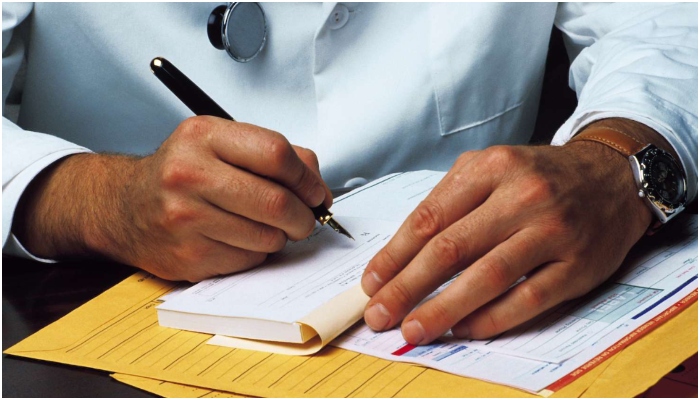
In an interesting development, the Orissa High Court has ordered the state government to mandate doctors to write prescriptions in readable handwriting or capital letters.

The court of Justice SK Panigrahi issued the order while hearing a case brought by Rasananda Bhoi of Hindol in the Dhenkanal district. The petition by Bhoi was filed on 25th September 2023. The plea concerned ex-gratia grant to Souvagya Ranjan Bhoi, the elder son of Rasanand, who had died from a snakebite.

Justice Panigrahi asked the chief secretary to send a circular to the state’s government and private medical institutes and hospitals requiring doctors to write the names of medications clearly or in capital letters in prescriptions. The court noted that it should be followed in the case of post-mortem reports as well. 

Justice Panigrahi stated that the report written by Dr Biswaranjan Pati after carrying out the post-mortem on Souvagya is not readable. The Honourable Judge said that it cannot be understood in an ordinary course of reading unless the writer of the report himself, or a handwriting expert, is given the opportunity to examine such description.

“In many cases, the casual approach of most of the doctors while writing the post-mortem report is affecting the comprehension of medico-legal documents badly and the judicial system finds it very difficult to read those letters and come to a definite conclusion,” Justice Panigrahi stated.

“This Court directs the Chief Secretary, State of Odisha, to issue direction to all doctors of the state to write the post-mortem report and prescription in capital letters or in legible handwriting. Moreover, the tendency of writing such zigzag handwriting, which cannot be read by any common man or by judicial officers, has become a fashion among the doctors,” the Justice observed.

The High Court directed the chief secretary to send a circular to all medical centers, private clinics, medical colleges, and hospitals instructing them to write in good handwriting or printed form when prescribing drugs or submitting medico-legal reports.

The Court, meanwhile, also appreciated the services rendered by the medical professionals during COVID-19 or during emergencies. “This Court is also aware of the fact that the duty schedules of medical professionals are very busy and taxing, and finding time to comfortably write something often hinders their capacity to examine more and more patients within the stipulated time,” the Court remarked. 

“It is generally felt that the medical prescription and medicolegal documents are written in bad handwriting which affects the quality of appreciation of evidence in the judicial system,” it added. 

Supreme Court quashes Gujarat govt’s decision to release 11 convicts in Bilkis Bano rape case, says State was not competent to pass remission orders

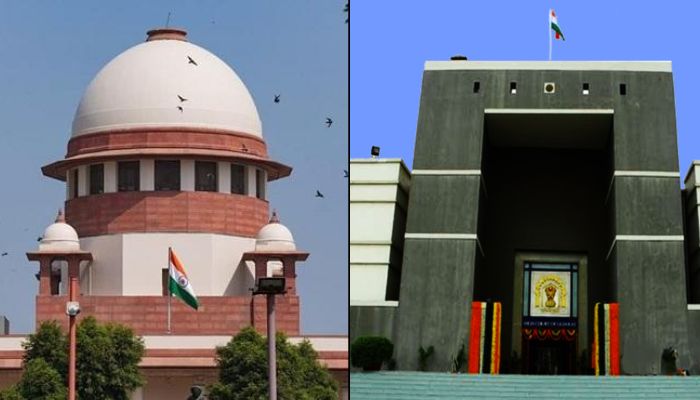
The Supreme Court on Monday quashed the Gujarat government’s decision to grant remission to 11 convicts involved in the case of the gang-rape of Bilkis Bano and murder of seven of her family members during the 2002 Gujarat riots.

The apex court held that the judgement of May 13, 2022 (which directed the Gujarat government to consider remission of convict) was obtained by “playing fraud” on the court and by suppressing material facts. The convicts had not approached the court with clean hands, the apex court observed.

Noting that the state, where an offender is tried and sentenced, is competent to decide the remission plea of convicts, the apex court held that Gujarat was not competent to pass the remission orders but the Maharashtra government.

In March 2002, during the post-Godhra riots, Bano was allegedly gang-raped and left to die with 14 members of her family, including her three-year-old daughter. She was five months pregnant when rioters attacked her family in Vadodara.

The Gujarat government had released the 11 convicts, who were sentenced to life imprisonment, on August 15, 2022. All the 11 life-term convicts in the case were released as per the remission policy prevalent in Gujarat at the time of their conviction in 2008.

Bilkis Bano and others had approached the top court, challenging the premature release of 11 convicts. Some PILs were filed, seeking directions to revoke the remission granted to 11 convicts.

The pleas were filed by the National Federation of Indian Women, whose General Secretary is Annie Raja, Member of the Communist Party of India (Marxist) Subhashini Ali, journalist Revati Laul, social activist and professor Roop Rekha Verma and TMC MP Mahua Moitra.

The Gujarat government, in its affidavit, defended the remission granted to convicts, saying they completed 14 years of sentence in prison and their “behaviour was found to be good”.

The State government had said it has considered the cases of all 11 convicts as per the policy of 1992 and remission was granted on August 10, 2022, and central government also approved the release of convicts.

(This news report is published from a syndicated feed. Except for the headline, the content has not been written or edited by OpIndia staff)

Mamata Govt files police complaint against BJP leader Amit Malviya for ‘defaming’ the CM, had questioned the delay in arrest of Shahjahan Sheikh

0

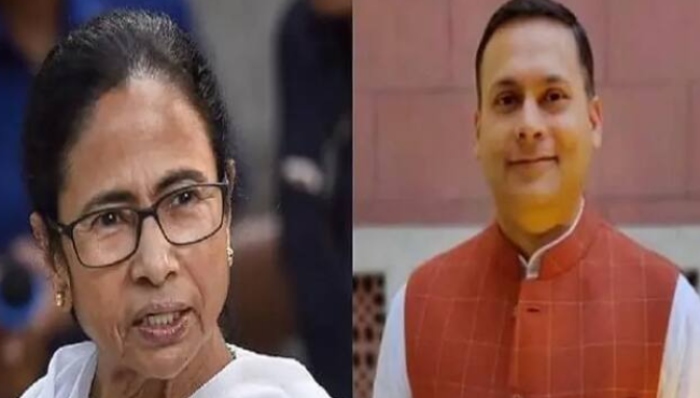
In another display of Mamata Banerjee’s authoritarian rule in the state, a police complaint has been filed against BJP leader Amit Malviya on Sunday (January 7). TMC minister Chandrima Bhattacharya filed a complaint alleging that Malviya ‘defamed’ the West Bengal Chief Minister in a social media post in which he questioned why WB authorities had not apprehended absconding TMC leader Shahjahan Sheikh, the alleged mastermind of the attack on Enforcement Directorate officials.

Malviya expressed concern about the ineptness of the West Bengal authorities, alleging that Sheikh’s escape would not have been possible without Mamata Banerjee’s patronage. The BJP leader added that Mamata Banerjee must instruct West Bengal police to arrest and hand Shahjahan Sheikh over to the central agencies.

“Shahjahan, who claimed to be a don of Sandeshkhali, is absconding. This would not have been possible without the patronage of Mamata Banerjee, who is also the Home Minister of West Bengal,” a part of Malviya’s post on ‘X’ read.

Sharing a photo of Mamata Banerjee and jailed TMC leader Anubroto Mondal together in a car, Malviya added, “She has a track record of shielding criminals. Soon after the Bogtui massacre, Mamata Banerjee drove around with accused Anubroto Mondal in her official car. There is no doubt that Sheikh Shahjahan, wherever he is, is under her protection. But just like she couldn’t save Anubroto, she won’t be able to save Shahjahan too. Her blood soaked empire, built on crime, is crumbling…”

In response to the post, West Bengal’s finance minister Chandrima Bhattacharya filed a police complaint against Malviya and the state urged police to take immediate action against Malviya and treat the complaint as an FIR.

We have filed a police complaint and have urged police to take immediate action against Malviya for his defamatory remarks against Chief Minister Mamata Banerjee,” Bhattacharya told reporters.

Meanwhile, the West Bengal BJP criticised the TMC for trying to “use” the police to silence the truth.

“Whatever Amit Malviya has said is completely true. It is the TMC government which has been shielding the criminals, and this tendency has led to lawlessness in the state,” BJP leader Rahul Sinha said.

WB Governor asks authorities to arrest TMC leader Shahjahan Sheikh, investigate possible links to terrorists

On 6th January, the Governor of West Bengal, CV Ananda Bose, instructed authorities to arrest the Trinamool Congress leader Shahjahan Sheikh in the case related to the attack on Enforcement Directorate officials. The WB Governor expressed concern over the matter and said the TMC leader might have “crossed the border”. Reports suggest that he has instructed the authorities to immediately arrest Sheikh and investigate his alleged connections with terrorists.

The statement further noted that the complaint received by Raj Bhavan pointed out that Sheikh “may have crossed the border” and “may have liaison with the terrorists” that should be investigated immediately.

Shahjahan Sheikh- the mastermind behind attack on ED officials

On Saturday, January 6, the Enforcement Directorate (ED) issued a lookout notice for Shahjahan Sheikh, a block-level official of the ruling Trinamool Congress (TMC). The move came a day after a team comprising officials of the Enforcement Directorate (ED), CRPF, and journalists en route to Shahjahan Sheikh’s residence in Sandeshkhali of North 24 Parganas district in West Bengal was attacked and their vehicles were targeted.

The ED team had reached to execute a raid on the residence of Shahjahan Sheikh as part of an investigation into the ration scam when a mob of 800-1000 people, purportedly the supporters of Sheikh attacked the ED team. The ED had said that the mob attacked its officials “with an intention to cause death.”

Popularly referred to as ‘Betaj Badshah’, TMC’s Shahjahan Sheikh is an influential person in West Bengal’s Sandeshkhali, an area that is adjacent to the Bangladesh border.

Shahjahan joined the Trinamool Congress in 2013 and rose to prominence quickly, under the mentorship of West Bengal Minister Jyoti Priya Mallick and the then-TMC national general secretary Mukul Roy.

It is believed that Sheikh has played a significant role in the political party in power by aiding in the rigging of the Sandeshkhali area elections. Additionally, Sheikh’s name has always kept coming up whenever the ruling TMC has clashed with the BJP party in the state.

In fact, in June 2019, violent clashes erupted in Sandeshkhali post the Lok Sabha elections where TMC goons had clashed with BJP workers in the area. The clash led to the death of three BJP workers including Pradip and Sukanta Mandal. TMC’s Shahjahan Sheikh was named as an accused in the FIR filed in connection with the murder of these two BJP workers but he had escaped any sort of police action.

Shahjahan Sheikh is also an accused in the ration distribution scam brewing in West Bengal.

Public Distribution System Scam

On 26th October, ED raided the residence of West Bengal Minister Jyoti Priya Mallick in Kolkata in connection to a corruption case related to ration distribution. Mallick is a senior TMC leader serving as the forest minister of Bengal. Previously, he held the food minister portfolio. In response to the raid, CM Mamata Banerjee strongly criticised the central agency and accused the BJP-led government at the centre of using such actions as part of a “broader strategy” ahead of the 2024 Lok Sabha elections.

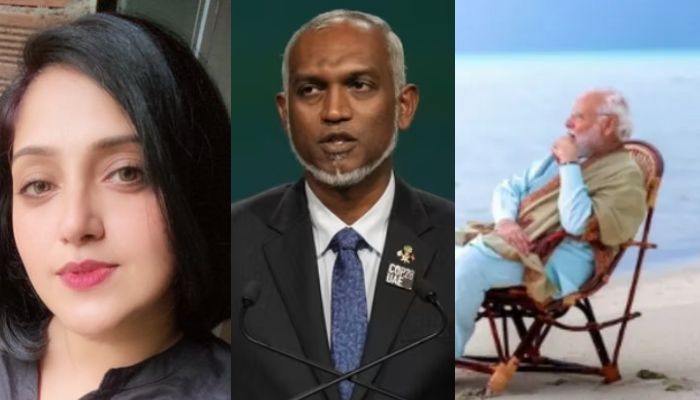
Indians unite to boycott Maldives, but as expected, Opposition and their media friends start batting for Maldivian govt and blame Modi

The insulting remarks against PM Modi and Indians by now suspended Maldivian MPs has bruised the island nation’s global image particularly among Indians. Indian tourists, who form a significant demographic for Maldives, have begun to rethink their decision to travel to the country over the controversy.

The uproar has united Indians in a way. But as is tradition with Congress, it has decided to take a different route than its compatriots. Amid the row, Congress spokesperson Lavanya Ballal Jain continued to post supportive words for Maldives on X and questioned Indians for supporting the boycott against the country.

Surprisingly, while Maldives seems to have fallen in line, Congress apparently hasn’t. On 7th January, Lavanya Ballal Jain, while reacting to a news that Maldives govt has distanced itself from Minister Mariyam Shiuna’s derogatory remarks, appreciated the island nation saying the latter is “trying to ease the situation”.

Jain then drew parallels with India suggesting that Indian had unleashed a troll army to harass another country.

“At least Maldives is trying to ease the situation. That’s what government do, try to maintain healthy foreign relations. Not by unleashing the troll army to put down and harass another country,” the Congress spokesperson wrote on X.

She also used the controversy as an opportunity to attack the Modi government. She wrote, “No one from the foreign affairs of PMs office has put a stop to the troll army. India needs its neighbours as much as they need us.”

Netizens hit back at the Kerala Congress leader for her anti-India stand while BJP said that Lavanya is “blaming Bharat for the natural reaction of Indians”.

Moreover, after Maldives suspended the 3 foul-mouthed MPs, the Congress spokesperson lauded the same while calling Indian netizens “the troll army of the BJP”.

“This is a the way to go. One does not build/ break foreign relations by posting rubbish online. Bilateral relationships are important for both countries. Now the troll army of the BJ P needs to realise they are jeopardizing the nation’s interests. No one followed by the PM will be reprimanded,” she wrote on X.

Similarly, Shiv Sena (UBT) leader Priyanka Chaturvedi also took to X to question the will of the Indian people. Taunting Indian netizens leading the boycott Maldives campaign, Chaturvedi wrote, “Wonder if our foreign policy and international relations will be decided by social media, influencers, film actors or ministers incharge and the GoI?”

At a time when celebrities, influencers, common citizens and others alike are coming together in support of the country, the Shiv Sena (UBT) leader mocked “actors/influencers”.

“I hope PMs visit will lead to real time tourist footfall in Lakshadweep not these FOMO tweets from actors/influencers using stock images of the beautiful island. Especially the Neo convert citizens, who till last week, were chilling in the country they are outraging about today,” she wrote.

Another netizen pointed out how the Congress and Gandhis had not spoken on the issue whatsoever. Rather, there is a post on X by Congress showing PM Modi in Lakshadweep on one side and a picture from Manipur on the other side.

Additionally, The Hindu editor Suhasini Haider outraged over booking website Ease My Trip’s suspension of all flights to the island. She said, “Question is, does @PMOIndia and @MEAIndia endorse this kind of an economic boycott of the Maldives?”

In a recent development, Maldives ambassador to India Ibrahim Shaheeb was seen paying a short visit to the MEA in the national capital amid the controversy.

Breaking glass ceilings: How Modi govt’s SERB POWER scheme is catalyzing women’s leadership in Indian STEM research

In the world of scientific research, gender inclusivity has long been a challenge, not only in India but worldwide. The Science and Engineering Research Board’s (SERB) POWER (Promoting Opportunities For Women in Exploratory Research) Schemes under the Department of Science & Technology of the Government of India have become a beacon of change in this landscape. The initiatives launched in 2020 mark a significant milestone towards mitigating gender inclusivity in science and engineering research funding across Indian academic institutions and R&D laboratories​​.

Understanding SERB POWER schemes

Two primary components of the SERB Power schemes are the SERB-POWER Fellowship and the SERB-POWER Research Grants. Both have been tailored to support women researchers at different stages of their careers and in various research capabilities. The schemes are available for the age group 35-55.

SERB-POWER Fellowship

This component is designed to identify and reward excellent female researchers in India who hold a PhD in any science and engineering discipline. The fellowship eligibility criteria include being an active scientist with a notable research record. The candidate should maintain regular service during the fellowship and not receive any other government fellowship simultaneously.

The fellowship under SERB-POWER will provide a monthly stipend of Rs 15,000 in addition to the regular income. Furthermore, the candidate will get a research grant of Rs 10 lakh per annum and overheads for the host institute. Notably, this fellowship program is only for three years without any scope of an extension. Furthermore, it cannot be awarded more than once to the same candidate.

It has to be noted that the fellowship is meant only for Indian citizens working in institutions within India. The grant received under the program can be used for minor equipment, manpower, consumables, contingencies, and domestic travel.

SERB-POWER Research Grants

The research grants under SERB-POWER aim to encourage emerging and eminent female researchers. These grants offer individual-centric and competitive funding for research and development in different science and engineering sectors.

There are two levels in which these grants have been categorised based on the type of institute the candidate is from. Level I is meant for the premier institutions (IITs, IISERs, IISc, NITs, Central Universities, and National Labs of Central Government Institutions), and level II is for the rest, including State Universities, State Colleges and Private Academic Institutions. For Level I, the funding cap has been set at Rs 60 lakhs, while the same for Level II is Rs 30 lakhs over three years. It will cover a wide range of expenses that come under the research, including equipment, manpower and travel.

The candidates can apply for the grants online using the SERB-Core Research Grant platform. The selection will be based on the Program Advisory Committee (PAC)​​recommendations.

The impact and future potential

The schemes launched under SERB POWER reflect the Government of India’s commitment to gender equality in scientific research. By providing bright women researchers with financial support and institutional recognition, these initiatives are not only addressing the issue of gender equality but also nurturing a diverse and inclusive research environment, which, in general, is dominated by men. In a country like India, where women have historically been underrepresented in STEM fields, such programs encourage more women to take the field of R&D.

The success of such initiatives is not limited to the financial backing. There is a need for a cultural shift within academic and research institutions to ensure support and sustainability are available for women in their science and engineering careers.

Government policies and programs like SERB POWER Schemes are a step in the right direction. However, a broader and more comprehensive approach that includes mentorship, institutional changes and career development opportunities is needed. Such changes will ensure a more inclusive and equitable environment for women researchers.

To conclude, the SERB POWER Schemes represent a pivotal moment in India’s journey towards gender equality in science and technology. These programs will evolve and expand in the future, impacting the research landscape and the lives of female scientists in the country. These programs will help in developing interest in the field of science and engineering. It will pave the way for more women to lead and excel in scientific research and ultimately contribute to the country’s progress.

Bangladesh: Sheikh Hasina wins a record fifth term as Prime Minister, wins her Gopalganj-3 constituency almost unopposed

 Bangladesh Prime Minister Sheikh Hasina won the re-election for a fifth term in the national election that were conducted on Sunday amidst the boycott by the Bangladesh Nationalist Party (BNP) led by former PM Khaleda Zia, who is currently in jail.

Sheikh Hasina’s party Awami League has won a fourth consecutive term in the 12th parliamentary election, marking the second lowest voter turnout since the reinstatement of democracy in 1991, according to the Daily Star. Bangladesh media reported that Awami League has won the polls but the official confirmation by the country’s Election Commission is still awaited.  

The Awami League party hailed a significant victory for the fourth straight term, with Sheikh Hasina returning to power despite the ongoing anti-election activities by the Bangladesh Nationalist Party (BNP), as reported by the Dhaka Tribune.

The landslide victory that the AL helped itself win in yesterday’s polls means Sheikh Hasina will further tighten her grip on power as she is poised to go in history as the longest serving prime minister in Bangladesh,according to the Daily Star.

Notably, the Awami League won in five constituencies amid a boycott by the opposition BNP and 15 other parties.

Awami League chief Sheikh Hasina has instructed her party leaders, workers and supporters not to hold any victory procession following the announcement of the results of the 12th general election, Dhaka Tribune reported.

PM Sheikh Hasina and Awami League president has won the Gopalganj-3 constituency almost unopposed in a landslide victory bagging 2,49,962 votes in Sunday’s 12th general election. The total number of seats in this constituency is 108.

Earlier in the day, Awami League General Secretary Obaidul Quader expressed confidence that the Boat would emerge victorious in this election, the Dhaka Tribune reported.

“A victory of democracy and people of the country,” he said.

“The election was held in a free, fair and peaceful manner, overcoming many obstacles. They [BNP] wanted to confuse the international and national friends of Bangladesh by spreading propaganda,” he added.

Meanwhile, Awami League Office Secretary Barrister Biplab Barua highlighted that the turnout of voters in the 12th parliamentary election was satisfactory despite the “terrorism and anti-election activities of the BNP”.

PM Hasina also accused the Bangladesh opposition party, the Bangladesh Nationalist Party (BNP) of inciting violence in the country and said that they are against the development of the people.

“Bangladesh is a sovereign country and people are my power,” she said after voting, adding that she hoped her party would win the people’s mandate, which would give it a fifth term since 1996.

PM said, “BNP and Jamat did several arsoning and various other violent activities, such as burning train, burning vehicle, stopping people’s movement…I would say that they do not believe in democracy, they are not patriots, and they are against the development of the people. Moreover, they don’t want democracy to continue.”

Hasina, 76, urged citizens to cast their ballots and show their faith in the democratic process, branding the main opposition Bangladesh Nationalist Party (BNP) a “terrorist organisation”, Al Jazeera reported.

The 12th national polls in Bangladesh ended on Sunday amidst a largely peaceful environment.

However, according to the Daily Star, voters’ presence was noticeably low, with many election centres hardly seeing any queues throughout the day. In many centres, election officials and polling agents sat idly with very little to do.

The voting began at 8 am on Sunday at 261,912 polling booths in 42,024 voting centres and continued until 4 pm with 299 parliamentary seats up for election, according to the Dhaka Tribune.

Highlighting the anti-election activities by the opposition party, incidents of violence were reported in different districts, which left one person dead in Munshiganj and many others injured in different parts of the country.

Reportedly, by the time the nation went to the polls yesterday, over 27,000 BNP leaders and activists were rounded up and over 1,700 were sentenced to jail in political cases in just about two months, according to Daily Star.

(This news report is published from a syndicated feed. Except for the headline, the content has not been written or edited by OpIndia staff)