Home Blog Page 2041

Chhattisgarh liquor scam: Baghel govt under scanner as ED goes to PMLA court, says babus and netas laundered a whopping Rs 2,161 crore

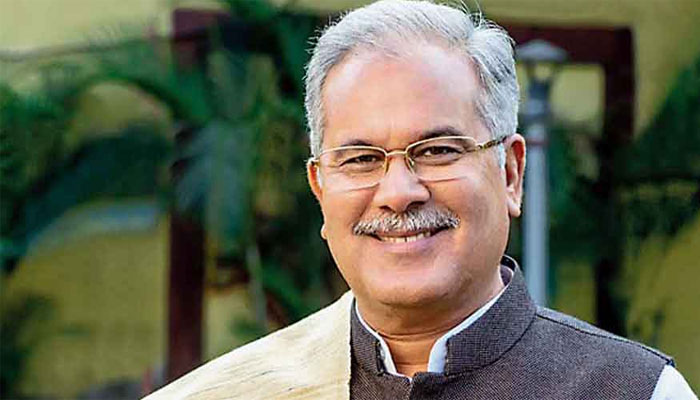
Trouble continues to mount for the Baghel govt in Chhattisgarh with sensational details about the liquor scam emerging. The Enforcement Directorate (ED) in its prosecution complaint filed in the special PMLA court has alleged that a whopping Rs 2161 crore were generated in the Chhattisgarh liquor scam.

The nexus in the scam comprised senior government officials, politicians, and other individuals, it alleged. The scam has caused a loss of a staggering Rs 2,161 crore to the exchequer, ED stated in court.

ED has named Anwar Dhebar (51), brother of Raipur mayor Aijaz Dhebar of the Congress, Arunpati Tripathi (55), an Indian Telecom Services official, businessman Trilok Dhillon (59), and their aides Nitesh Purohit (51) and Arvind Singh (48).

Anwar Dhebar was apprehended by the ED in May and remanded to four-day custody. Following his arrest, ED attached 119 immovable properties worth Rs 121.87 crore in the case. ED has also attached assets of Anil Tuteja and Arunpati Tripathi in May. 14 properties of Tuteja worth over 8.83 crores and Dhebar’s Raipur hotel Vennington Court were also attached.

During its investigation, ED found that between 2019 and 2022, unaccounted illicit liquor worth 30-40% of the overall liquor sales in the state was sold at the behest of the syndicate.

While NAN scam-accused IAS officer Anil Tuteja managed the money collected in the scam, Anwar Dhebar, brother of Raipur’s Mayor Aijaz Dhebar, was the kingpin of the syndicate and after the deduction of a specific percentage, all the money went to Anwar.

Seeking Dhebar’s remand in May, the agency had submitted in its application that they received the Prosecution Complained filed by the IT Department along with documentary and digital data seized in search operations against Tuteja and others in the matter related to money laundering.

Based on the analysis of the data by the ED, the investigation agency found there was a syndicate operating to collect bribes by controlling the high-level management of important State departments and SPSUs.

ED further noted that Tuteja was managing the affairs while Dhebar was the syndicate’s kingpin. They used their political connections to expand the syndicate across the state, particularly in the excise department.

ED pointed out that they collected hundreds of crores in cash from “every possible point of access in a distributed hierarchical manner.” The actors involved in the scam would keep a small percentage of the collection and transfer the remaining funds to Dhebar.

Furthermore, the syndicate would allegedly keep their cut and send the money for the “benefit of the Political executives and electioneering.” ED alleged the loot “caused a massive loss to the State Exchequer and loss of central government taxes and in general loot from the local business community.”

Mentioning the family background of Dhebar, ED noted that he is the brother of Raipur’s mayor, who is under investigation by CBI in a murder case. Dhebar was allegedly running the syndicate at the behest of his political masters.

ED said during the investigation, the department found the syndicate was collecting a large number of bribes from liquor suppliers. They also collected bribes from other departments, including the food horticulture department and the PWD Department. ED said the retrieved messages from the seized devices showed how deep-rooted the syndicate was in different state departments.

ED said, “It was found that the corruption was systemic and so deep-rooted with multiple associates in different State Departments, that the accused persons and syndicate was forced to maintain detailed logs and accounts of the collected money lest there may be pilferage from the crime money itself.”

BJP President JP Nadda 1st July hit out at the Bhupesh Baghel govt saying it was completely covered in corruption.
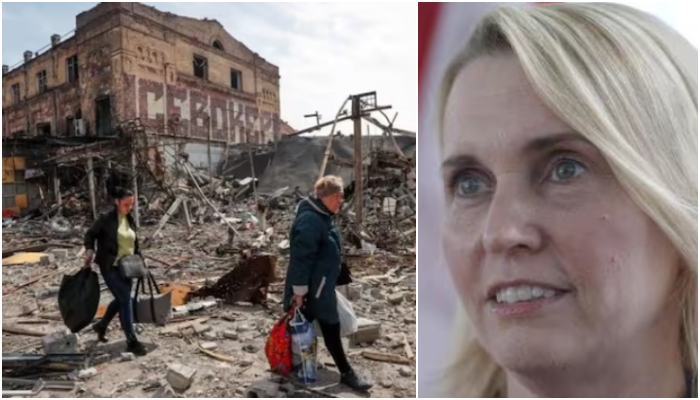
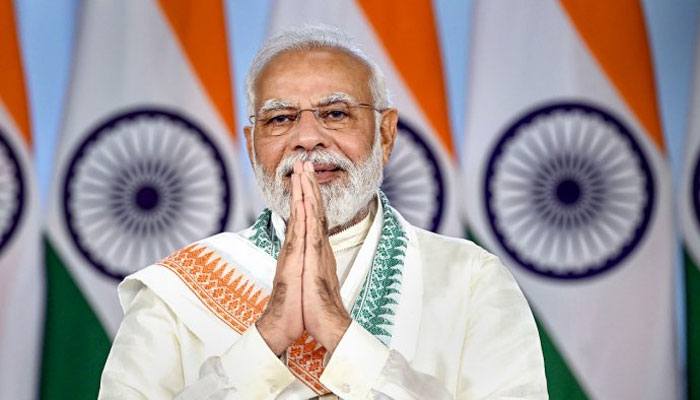
India, with its rising global profile, can play a significant role in ending the war in Ukraine: US Ambassador to Kyiv

On Wednesday, July 5, the US Ambassador to Kyiv, Bridget A Brink said that India can make a substantial contribution to settling the conflict in Ukraine given its growing global prominence and current G20 presidency.

India’s leadership is essential in addressing numerous global concerns, according to Brink, who made this statement at a special online briefing for a select group of Indian reporters. According to her, New Delhi’s growing concern over the conflict’s negative effects on the Global South provided the foundation for its participation in averting the crisis.

She added that the US aspired to work together with its allies and partners throughout the world, including India, in favor of freedom, democracies, and nations’ right to determine their own course in life. “From Kyiv, every day I see both the devastating effects of the war and the strength and resilience of the Ukrainian people,” Brink said.

The ambassador stated that the mentality required to achieve “peace” is reflected in India’s aspirations for global leadership and its demands for collaborative action through its G20 theme of “One Earth, One Family, One Future.” India’s role in the issue was framed by Brink in the context of Prime Minister Narendra Modi’s fruitful state visit to the US and President Joe Biden’s assessment of the US-India partnership as one of the most important in the world.

“The war has wide-ranging implications for the global economy, food security, and the basic principles outlined in the United Nations Charter on sovereignty and territorial integrity. As this year’s president of the G20, your country’s leadership is critical to shaping global events, including in places like Ukraine”, the US Ambassador said.

India has pushed for the Russia-Ukraine conflict’s resolution through negotiations and diplomacy.

Notably PM Narendra Modi, urged Russian President Vladimir Putin to put a stop to the war when they met privately on September 16 of last year in Samarkand, Uzbekistan.

“We agree, as Prime Minister Modi said, that now is not the time for war. Ukraine has paid a terrible cost to defend its freedom and its independence. The loss of lives and human suffering is tragic here, and the effects of this war go well beyond Ukraine’s borders,” Brink said.

Brink however, declined to go into specifics when questioned about what role the US expects India to play. “I know that the people of India understand the importance of freedom of sovereignty and territorial integrity, and India’s leaders have spoken about these bedrock principles. While the war in Ukraine is happening in Europe, the global implications of the war should inspire leaders everywhere to look for solutions to bring it to an end,” Brink was quoted.

Eight years of PM Modi’s Digital India initiative: Empowering the nation with technological advancements and inclusive growth

Since its inauguration on July 1, 2015, under the visionary leadership of Prime Minister Narendra Modi, the Digital India initiative has blossomed into an epoch-making mass movement, revolutionizing the lives of an expansive majority of Indian citizens. As we commemorate its eighth anniversary, it is imperative to acknowledge the astounding achievements of this transformative endeavor, which aspires to metamorphose India into a digitally empowered society and a knowledge-based economy.

Bridging the Digital Divide and Empowering the Masses 

Central to the Digital India program is the noble objective of bridging the chasmic digital divide that pervades the Indian landscape. This audacious undertaking relentlessly endeavors to furnish equal opportunities and unfettered access to state-of-the-art digital infrastructure, thereby fostering inclusivity and empowering citizens from all strata of society. By endowing digital access with the status of an indispensable utility and ensuring on-demand governance, the initiative has efficaciously obliterated the spatial chasms between the government and the populace, significantly minimizing bureaucratic bottlenecks and insidious corruption.

The transformative impact of Digital India has been far-reaching, empowering beneficiaries through the unequivocal prism of transparent and incorruptible service delivery. In fact, India has ascended to the vanguard of global nations adeptly harnessing technology for social welfare, rendering it a paragon of digital innovation and welfare-driven governance.

Key Areas and Initiatives 

Digital India has propelled a multitude of notable initiatives, yielding extraordinary outcomes across diverse spheres. Foremost among these accomplishments is the laudable feat of ameliorating the urban-rural digital divide. Spearheaded by groundbreaking initiatives such as Common Service Centres, BharatNet broadband services, and the Digital Village project, urban and rural areas have harmoniously converged, fostering seamless connectivity and unhindered communication. These transformative endeavors have galvanized rural communities, conferring upon them unprecedented access to digital services, education, healthcare, and e-commerce.

Data-driven transformation stands as a pivotal pillar of Digital India’s resounding success. The advent of transformative platforms such as DigiLocker, the Open Government Data (OGD) Platform, and the National Knowledge Network has indubitably revolutionized the landscape of distributing social services and essential goods throughout the length and breadth of the nation. By streamlining processes, minimizing the bureaucratic labyrinth, and affording secure access to critical information and services, these groundbreaking platforms have catalyzed tangible benefits for individuals and enterprises alike.

The domain of Digital Infrastructure has thrived under the aegis of the Digital India initiative. Pioneering programs like MyGov, eHospital, and CO-WIN have unobtrusively redefined the paradigms of citizens’ access to government-funded services, seamlessly affording them unparalleled convenience and efficacy. From facilitating hospital appointments to forging robust citizen-governance interactions, these digital innovations have ushered in a new era of transparency and efficiency.

Digital India has harnessed the power of technology to usher in an era of unprecedented financial inclusion across the nation. At the vanguard of this paradigm-shifting transformation lies the Jan Dhan-Aadhar-Mobile (JAM) trinity, heralding an era of unparalleled ease and efficiency in the transfer of welfare subsidies to the bank accounts of the underprivileged. 

Furthermore, the introduction of the Unified Payments Interface (UPI) has irrevocably transformed the financial landscape, bestowing upon India a paradigmatic shift in money transfers. UPI’s advent has precipitated a seismic surge in digital payments, rendering financial services accessible to millions and bolstering the nation’s economic fabric. Remarkably, in May 2023, UPI attained an all-time zenith, recording a staggering transaction volume of 9.41 billion, valued at a staggering Rs 14.30 trillion.

The Digital India initiative has also engendered an unprecedented surge in employment opportunities across multifarious sectors. With affordable internet access serving as the quintessential impetus, online education, e-commerce, and the burgeoning gig economy have witnessed an exponential upswing. The online work sector, comprising customer service, digital marketing, and education, has particularly thrived, proffering hitherto untapped avenues for personal and professional advancement.

Looking Ahead 

The success of the Digital India initiative has laid a formidable bedrock for India’s relentless march toward an illustrious future. As the nation embarks upon the next phase of its transformative journey, securing its digital prowess, bridging extant gaps in access and knowledge, and embracing seamless global integration assume paramount importance. Prudent prioritization of cybersecurity measures shall fortify the nation against nascent and emergent threats, fostering a resilient and impervious ecosystem conducive to sustained growth and untrammeled digital metamorphosis.

Conclusion 

The Digital India initiative, with its awe-inspiring trajectory, has unequivocally emerged triumphant, empowering India as a digitally sovereign nation. By bridging the digital divide, amplifying access to cutting-edge digital infrastructure, fostering financial inclusion, and catalyzing employment generation, this transformative endeavor has irrevocably transformed the lives of multitudes. India’s stellar endeavors in leveraging technology for social welfare have positioned it as a torchbearer, illuminating the path for other nations. As the voyage of progress persists, unwavering commitment to the principles of transparency, inclusivity, and technological innovation shall further elevate the lives of all Indian citizens.

Cocaine discovered in the White House, culprit unlikely to be found: Law enforcement official

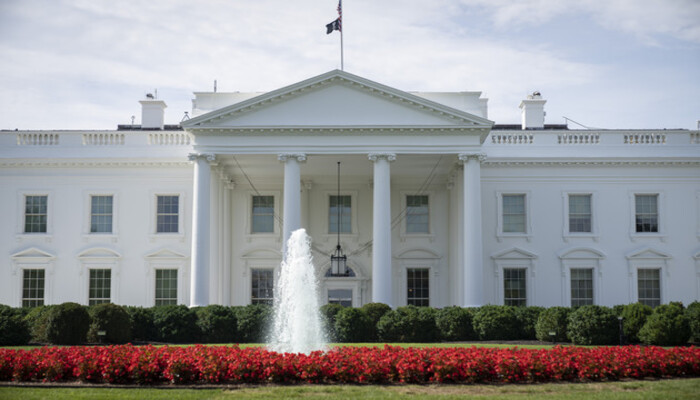
On Wednesday, July 5, US Secret Service confirmed following a lab test that the white substance found at the White House on Sunday was indeed cocaine. 

On Sunday, July 2, the powder was found in a clear plastic bag by Secret Service officials in the West Wing entry area during a routine White House sweep. 

According to a law enforcement official, the cocaine was not discovered on the ground (as several media reports claimed), but in a cubby where visitors entering the West Wing are asked to leave their phones. Staff who are unable to bring their phones into an SCIF, or a sensitive compartmented information facility, where classified materials are handled, can also use these cubbies.

The West Wing entry area is said to be a heavily trafficked area which implies that it is highly unlikely that the source of the drug could be determined. The chances of finding the culprit are also quite slim.

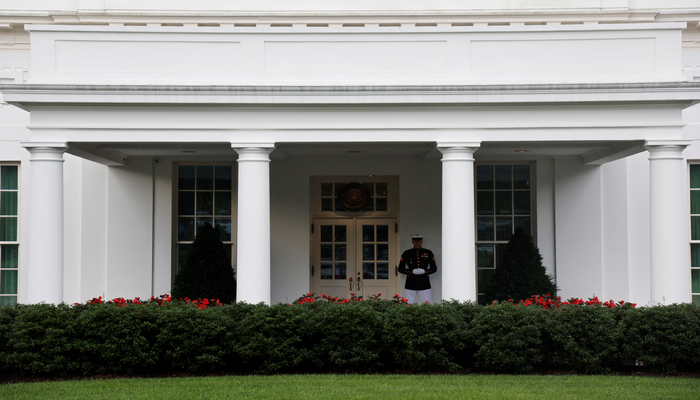
A general view of the West Wing in the White House (Image via Reuters)

On the question of finding the culprit, an official told Politico, “It is going to be very difficult for us to do that because of where it was. Even if there were surveillance cameras, unless you were waving it around, it may not have been caught by the cameras. It’s a bit of a thoroughfare. People walk by there all the time.”

When asked about the incident on Wednesday, White House press secretary Karine Jean-Pierre emphasised that the investigation is under the purview of the Secret Service and stated that she is “confident” they will get to the bottom of it.

The White House “is subject to rigorous guidelines that include drug testing, and so we will take any action that is appropriate and warranted, pending the outcome of the Secret Service,” Jean-Pierre said, adding that she would not “get into hypotheticals.”

The press secretary also said that President Joe Biden who returned from a weekend holiday has been briefed about the situation. 

“The president thinks it’s very important to get to the bottom of this,” Jean-Pierre said 

Meanwhile, on Wednesday, Tom Cotton, senator from Arkansas, wrote to Secret Service Director Kimberly Cheatle, seeking information about where the cocaine was discovered. He also requested answers by July 14 to his six questions concerning access to the White House, other instances of illegal drugs being found in the complex, and security procedures.

“If the White House complex is not secure, Congress needs to know the details, as well as your plan to correct any security flaws,” Cotton stated in his letter.

On Sunday night, around 6 PM, a Secret Service division officer in uniform discovered cocaine. Because the officer was unaware of what the substance was, the White House’s security was briefly increased. The District of Columbia Fire Department was called, and the substance was determined to be “non-hazardous”, and sent to a central lab for further testing.

Pakistan Army calls off military exercises because of fuel shortage: Reports

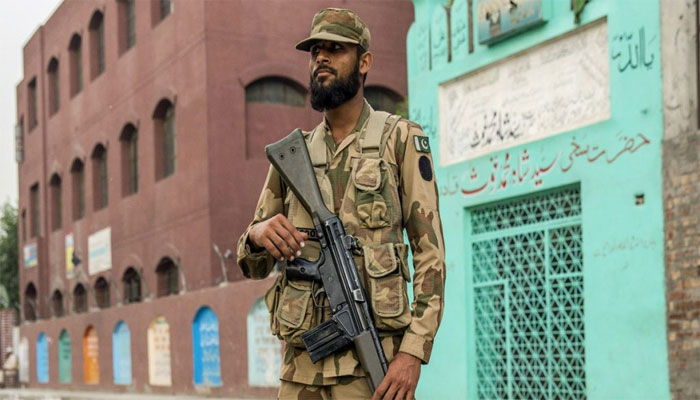
Pakistan is facing a massive financial crisis and mounting debt. As per recent intelligence reports obtained by EurAsian Times, the Pakistan Army has now called off all military exercises until December as it “ran out of fuel”.

The Director General of Military Training of Pakistan Army has sent a letter to all field formations and headquarters to suspend all war exercises and scheduled military drills until December citing ‘shortage of reserve fuel and essential lubricants’ as the primary reason.

The reserve fuel in military terms is not the war reserves. The reserve stores mean the fuel reserves armed forces have for internal military exercises and war drills. Contrary to these reserves, the war reserves mean weaponry and fuel reserves kept for a specific period of warfare.

Quoting Colonel Danvir Singh (Retired), an expert on Pakistan Army-related matters, EurAsian Times noted, “A Pakistani T-80 tank consumes two litres per kilometre. That is why Pakistan has suspended all the armoured and mechanized exercises.” He added, “It is the science of cost-economy which we as young army officers of the Indian Army had also felt during the early 90s when the Indian economy was in tatters and had to mortgage gold to revive the economy.”

While comparing the present state with the early 90s of the Indian Army, he said, “For about two years, we had trained without tanks and instead used one ton (truck) to simulate armoured columns. Soldiers were not allowed to fire ammunition during the practice sessions.”

Col Singh pointed out that one of the main reasons behind Pakistan going into a ceasefire agreement with India in 2021 was the financial crisis. He said, “Why do you think Pakistan Army agreed to the ceasefire agreement with India in February 2021? It was largely because of the financial cost, simple. An artillery shell costs around six lacs while ammunition of a .12 bore weapon costs no less than 500 bucks.”

Before the ceasefire, there were reports of bombing from the Indian side on Pakistani Army posts and terror launch pads along LoC with artillery, rockets, static tanks, mortars and ATGMs. Unable to retaliate, Pakistan Army had to show a ‘white flag’ requesting peace and to take away the dead bodies of the Pakistani soldiers, EurAsian Times reported.

The financial condition of the neighbouring country is so dire that despite getting off the FATF Grey List and securing a loan from the International Monetary Fund (IMF), Pakistan has failed to come out of the crisis. Furthermore, the political instability that got worse with the arrest of former Prime Minister of Pakistan Imran Khan on 9th May is proving a massive hurdle in improving the financial condition.

Following the arrest of Khan, Pakistan witnessed massive protests against high-ranking military officials. Army establishments including headquarters and cantonments were attacked by the people.

The fuel prices have reached PKR 262 per litre for petrol and diesel. One litre of kerosene oil has reached a record PKR 164. The Pakistani Army is reportedly finding it difficult to procure the required reserve fuel and lubricants essential for operating a large fleet of tanks, trucks, and armored vehicles. Earlier this year, Pakistan Army reportedly expressed concerns over the shortage of basic food items in all the messes.

The situation in the neighbouring country has kept getting worse with high inflation rates leading to a scarcity of items needed for daily needs. From high prices of flour to tomatoes, the price of everything has skyrocketed. Its impact was seen during the violent attack on military establishments and high-rank officials when the general public looted food items like Korma, strawberries and cold drinks from their houses.

Pakistan is on the path to becoming the fourth largest IMF borrower in the world after it received a nod for a fresh loan of USD 3 billion that the country would get in the next nine months.

Pakistan Army did cost-cutting in 2022

This is the second time the Pakistan Army had to restore to take measures to put the training of the soldiers online. In 2022, it announced a “dry day” every Friday. In those days, Army personnel were not allowed to use military vehicles apart from emergency services. The defense budget of the country was also reduced to 16% in FY 2022-23 compared to 20% in FY 2021-22. The Army officials had instructed to stop war drills in remote areas as a measure of cost-cutting.

NCP breaking up: Sharad Pawar leaves for Delhi to hold National Executive Meeting to assess the situation

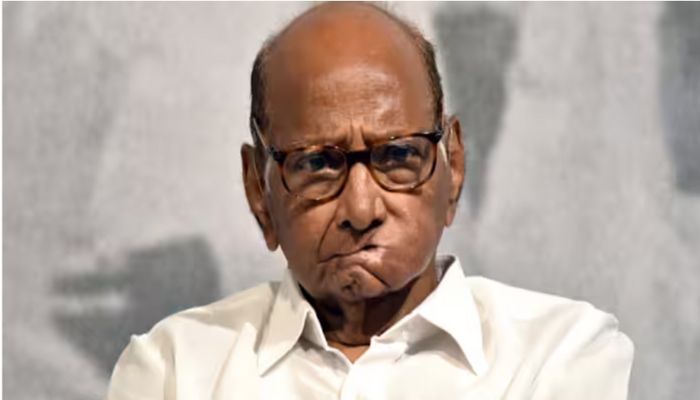
In the ongoing political turmoil in Maharashtra, Sharad Pawar, the President of the Nationalist Congress Party (NCP), called a national executive meeting in Delhi on Thursday, July 6, 2023. Setting out from his residence this morning, Pawar embarked on his journey to the national capital to attend the crucial gathering.

Since Sunday, the political landscape of Maharashtra has been embroiled in turmoil following the unexpected swearing-in of senior NCP leader Ajit Pawar as the state’s deputy chief minister. In a significant move, Ajit Pawar, accompanied by eight other MLAs, joined the Maharashtra government led by Eknath Shinde, asserting his claim over the Nationalist Congress Party, and its election symbol.

The internal revolt within the NCP has sparked political upheaval in Maharashtra, drawing parallels to the events that unfolded with the Shiv Sena last year. The factions led by Ajit Pawar and Sharad Pawar have asserted their dominance over the party, triggering a fierce power struggle. In an attempt to showcase their respective strengths, both leaders organized separate meetings at different venues on Wednesday, 5th July 2023.

Sharad Pawar was joined by 13 MLAs and 3 MPs in the meeting. With a total of 53 MLAs in the Maharashtra legislative assembly, the NCP holds a substantial presence. To circumvent disqualification under the anti-defection law, Ajit Pawar, who currently faces a challenging situation, must secure the support of at least 36 MLAs. This requirement serves as a crucial threshold in navigating the intricate dynamics of the political landscape.

Ajit Pawar faction filed an affidavit with the Election Commission of India on Wednesday, 5th July 2023. The affidavit said, “A Resolution dated 30th June 2023 signed by the overwhelming majority of members of NCP, both from the legislative and organizational wing was passed thereby electing Ajit Anantrao Pawar as the President of NCP. Praful Patel was and continues to be one of the working presidents of NCP.”

It further said, “The NCP also decided to appoint Ajit Pawar as the leader of the NCP Legislative Party in the Maharashtra Legislative Assembly and the said decision was also ratified by the resolution passed by an overwhelming majority of NCP MLAs.”

Addressing the situation, Sharad Pawar countered by stating that the meeting held on June 30 cannot be considered a working committee meeting, as several key party leaders were not duly notified or informed about it. Pawar highlighted the significance of proper communication and the involvement of essential party members in such crucial meetings.

“PC Chacko, Jayant Patil, Supriya Sule, Fauzia Khan, and many of the members of the committee were not informed, no notice was issued for that meeting,” Sharad Pawar said.

Even three days after Ajit Pawar’s rebellion, no one made it clear how many MLAs are with him. Various claims were being made about this by the Ajit Pawar group. Meanwhile, Ajit Pawar group spokesperson and MLC Amol Mitkari announced the exact number of MLAs who are with Ajit Pawar while interacting with media after the meeting of the Ajit Pawar faction on 5th July 2023.

Amol Mitkari said, “Today’s meeting discussed what will be the next strategy of the NCP. Ajit Pawar enquired about the problems in the constituencies of all the MLAs. Chhagan Bhujbal and Ajit Pawar guided us on this. It has been decided in today’s meeting that let’s take forward the work of the public welfare. A total of 34 MLAs of the Assembly were present in today’s meeting. A total of five MLAs of the Legislative Council were also present. A total of 39 MLAs are with us. Three to four more MLAs (from Sharad Pawar’s faction of NCP) have approached us.”

Ajit Pawar in his speech on 5th July 2023 leveled many allegations against his uncle Sharad Pawar. Reacting to this, Sharad Pawar said, “Ajit Pawar should have spoken to me if he had any problems. If he had something on his mind he could have approached me. We weren’t taken into confidence by the MLAs who decided to split. Ajit Pawar faction has not followed any procedure. The party symbol is with us, it is not going anywhere. The people and party workers who brought us to power are with us. I know they (Ajit Pawar) are using my photo. This is unacceptable to us. They are using my photo because they know they have no standing. We don’t have a hunger for power; we will keep working for the people.”

Ajit Pawar also raised the issue of the old age of Sharad Pawar and repeatedly asked him to retire. Replying to this, Sharad Pawar’s daughter Supriya Sule said during the meeting of MLAs of Sharad Pawar’s faction of NCP, “Industrialist Ratan Tata works even at this age. Veteran actor Amitabh Bachchan appears in commercials and on the big screen at the age of 80. Serum Institute’s Cyrus Poonawalla is still working. These elderly people are contributing to the progress of the country. We, daughters, are better than sons who tell elders to stop.”

After 2 months, schools reopen in Manipur as the state tries to return to normalcy

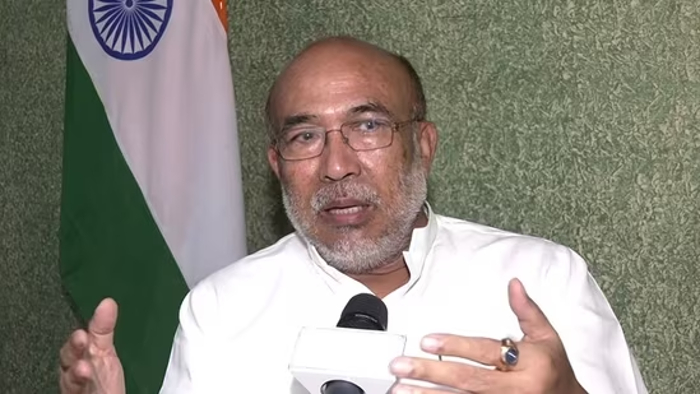
Early signs of normalcy could be seen in Manipur after 2 months of violence as schools have reopened in some parts of the state for Classes 1 to 8. Manipur CM N Biren Singh had announced on 4th July the reopening of schools from 5th July.

“We have decided to deploy state security forces and paramilitary forces in vulnerable areas. Deploy more security personnel in five particular districts. We have decided to reopen the schools for standards 1 to 8 from 5th July,” the Manipur CM had said.

96 schools, currently being used for relief efforts, have been exempted from reopening. These schools are located in the districts of Imphal East, Imphal West, Thoubal, Bishnnupr, Ukhrul, Tengnoupal, Kakching, Kangpokpi, and Churachandpur. As per government data, there are 4,670 government schools in the state for classes 1 to 8.

Wangkhei High School in Imphal East saw only 113 of the 829 students in attendance as tension continues to grip the citizens. More than 100 people have died in the clashes between Meiteis and Kukis in the state since the violence erupted in May this year.

Headmistress Ranjita Devi R K said, “The attendance today was lower than we expected. We have been getting calls from parents trying to confirm that the school is indeed open. Some are scared to send their wards, particularly those staying in the peripheral areas of Imphal. They feel the situation is unpredictable as there are still reports of violence, and authorities could lift curfew relaxation anytime.”

All the teaching and non-teaching staff were present on the first day at Wangkhei High School. Classes 9 to 12 will resume once the displaced people are relocated.

The schools have been shut ever since violence broke out in Manipur on 3rd May killing over 100 people and injuring many others. Several houses, temples, and churches were torched in clashes between the Kukis and Meiteis. About 40,000 people have been displaced as a result of the conflict.

Meanwhile, the internet ban in the state was extended yesterday till 10th July, and the curfew is still in force in some areas of the state. CM Biren Singh said all illegally-established bunkers across hill and valley areas will be pulled down to create security posts.

He said, “For the need to take up agricultural activities on time, around 2000 security personnel have been mobilised for additional deployment at adjoining hill areas, where agricultural works are being taken up. The security personnel deployed would guard and prevent disturbances caused to farmers of both communities by armed miscreants.”

Mass frisking will also be initiated across the state, particularly in sensitive areas following information about people with possession of illegal arms roaming around in both hill and valley districts.

The Chief Minister appealed to the public to return the snatched arms and ammunition before legal measures are pursued.

Meanwhile, news about incidents of violence continues to trickle in from the state. The house of an Indian Reserve Battalion (IRB) personnel was set ablaze by a mob after the latter’s attempt to steal weapons was thwarted by the forces.

Meta officially launches Threads, an Instagram-linked, text-based social media App: All you need to know

On 5th July (local time), Meta, the parent company of Facebook, Instagram, and WhatsApp, officially launched the Instagram-linked app Threads which is a Twitter rival. It is widely seen as the most significant competition to Elon Musk-owned social media platform that has seen an array of changes since the billionaire took over in 2022.

In an official announcement on Instagram, Mark Zuckerberg said, “Alright guys! big news today. We are launching threads, an open and friendly public space for conversations. It takes the best parts of the Instagram experience and creates a whole new app around text, ideas and sharing what’s on your mind. You just signup with your Instagram account. Your followers are already there. And you just get into it and get started. It is available on the App Store now. The people who have tried it so far, the reactions have been really great.”

Threads are linked to the Instagram of the users. It provides a real-time platform just like Twitter and allows users to post text-based posts up to 500 characters. As per the official announcement by Meta, everyone who is under 16 or 18 as per the location, will be defaulted into a private profile when they join Threads. Apart from the people users follow on Instagram, they can find more people to follow and communicate with on Threads.

Furthermore, apart from 500 characters, users can also add photos and videos for up to 5 minutes in the posts. There is an option to add Threads posts to Instagram stories and other social media platforms as well making it more interactive.

Meta has provided the option to control who can mention the users or reply to the Threads. There is an option to make the experience clean by filtering out words that users do not want to see in replies. Just like Instagram, users can unfollow, block, restrict, or report a profile, if needed. If a user has blocked an account on Instagram, it will be automatically blocked on Threads.

Meta further added that they are planning to make the platform compatible with ActivitiPub, the open social networking protocol that Mastodon and WordPress use. They said, “This would make Threads interoperable with other apps that also support the ActivityPub protocol, such as Mastodon and WordPress – allowing new types of connections that are simply not possible on most social apps today. Other platforms including Tumblr have shared plans to support the ActivityPub protocol in the future.”

Speaking to the Verge head of Instagram Adam Mosseri said that the “volatility and unpredictability” of Twitter has allowed Meta to compete with the platform. He also pointed out that Twitter has seen several outages and limits to the number of tweets people can view in a single day that was imposed recently. However, the restrictions are slowly being lifted as they were only a temporary measure to put a break of massive data scrapping that was being done by large companies including AI developers.

When you log in to your Threads account using the Instagram account, it will show the list of people you follow on Instagram. You can follow them immediately and whenever they join Threads, you will automatically start following them. For example, 1,000 followers of Prime Minister Narendra Modi join Threads and started following him but he does not have an official account yet. Whenever he joins, these 1,000 followers will automatically start following him.

The launch date of Threads was announced on 4th July. As of now, Threads is available in 100 countries and users can download it from App Store or Play Store depending on the operating system. The app is not available in European Union as of now owing to regulatory concerns.

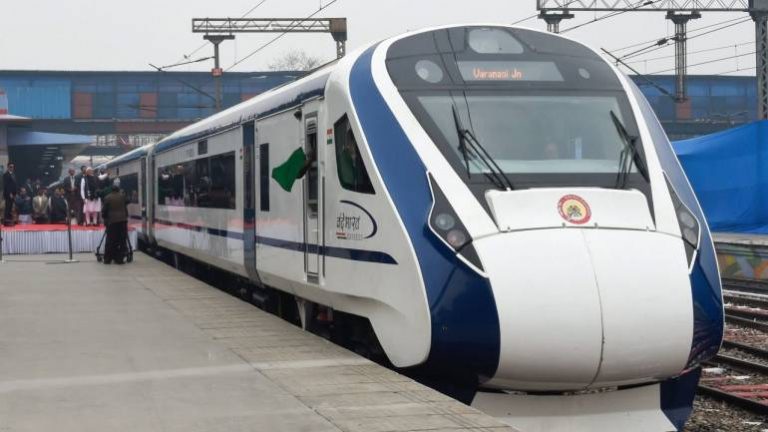
Stones pelted on Bengaluru-Dharwad Vande Bharat Express, second such attack in a week

On Wednesday, July 5, the Bengaluru-Dharwad Vande Bharat Express was attacked with stones in Karnataka. The railways’ authority said that stones were pelted around 8:40 AM after the train passed the Kadur station while running between the Kadur-Birur section. None of the passengers were reported to be injured. The attackers are yet to be identified and arrested.

According to the Railways officials, the outer glass of C5 coach seat numbers 43, 44, and EC-1 coach toilets were damaged.

“There is no breakthrough. RPF is investigating by analysing the CCTV footage. Site investigation is also underway,” a railway official said.

This is the second such attack in a week. Stones were thrown at the Bengaluru-Dharwad Vande Bharat train near Davangere Railway station on Saturday, July 1. One of the chair cars’ windowpanes was damaged on the outside during that attack. However, there were no reported injuries. The stone pelting took place between 3.30 and 4 PM on Saturday, July 1, soon after the train left Davangere. The train service was not disrupted even after the attack.

On Wednesday, the Railway Protection Force (RPF) arrested two minor boys for pelting stones on the train during July 1 attack. The duo have been identified as the residents of Basha Nagar and SS Nagar in the Davangere district. Currently, they have been sent to an observation centre in Chitradurga. The offenders have been booked under Section 153 of the Railways Act, which may lead to five years imprisonment. 

The attacks came after Prime Minister Narendra Modi flagged off the exclusive ultra-luxury semi-high-speed Vande Bharat Express between Bengaluru and Dharwad on June 27.

Vande Bharat Express trains have been a target of miscreants and those opposed to India’s development. The train, manifesting the success of the Atmnirbhar Bharat initiative, has been attacked multiple times across the country since its first commercial run on February 17, 2019. 

West Bengal: Indian Secular Front MLA Naushad Siddiqui booked for raping a woman under the false promise of marriage

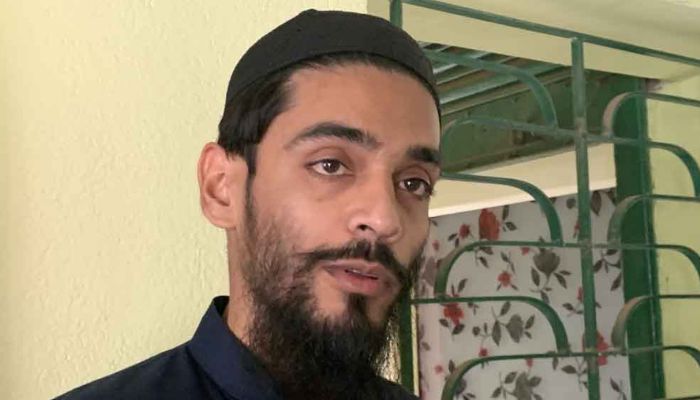
Naushad Siddiqui, the sole MLA representing the Indian Secular Front in the West Bengal assembly, is accused of engaging in a sexual relationship with a woman after making a false promise of marriage. On Wednesday, 5th July 2023, the victim woman filed a complaint, based on which the police registered a First Information Report (FIR) against Siddiqui at Bowbazar police station in West Bengal.

The woman accused Naushad Siddiqui of allegedly “wrongfully restraining” her at his office in Kolkata a year and a half ago and engaging in sexual relations with her under the promise of marriage.

According to the allegations she made in her complaint, Naushad Siddiqui maintained a physical relationship with her but distanced himself when she began insisting on getting married. Furthermore, the woman claimed that Siddiqui, along with his associates, threatened and intimidated her.

Accompanied by TMC leader Sabyasachi Dutta, the woman filed her complaint at the New Town Police Station, emphasising that she hailed from a minority family. According to reports, the woman and her brother informed the ruling TMC and then they took a decision to file the complaint.

The complaint filed by the woman, accompanied by a forwarding letter from the DC, New Town Division, was received by the Bowbazar Police Station. The Indian Secular Front (ISF) MLA has been charged with multiple sections of the Indian Penal Code, such as wrongful confinement, rape, and other relevant offences.

A police officer said, “We have taken up the investigation against Naushad Siddiqui based on the complaint received from a woman. The woman has also alleged that Siddiqui continued to have sexual relations with her by making false marriage promises. Later, when the woman pressurised him for marriage, he started avoiding her. She has also alleged that Siddiqui and his associates started threatening her with dire consequences.”

Naushad Siddiqui holds the position of MLA for the Bhangar assembly constituency located in South 24 Parganas. This constituency has been marred by violence leading up to the upcoming panchayat election scheduled for July 8. The unrest surrounding the election has resulted in the loss of 10 lives and numerous injuries.

It is important to note that the Trinamool Congress party, under the leadership of Chief Minister Mamata Banerjee, has faced criticism for its inability to maintain law and order in West Bengal. The government’s failure to effectively handle the situation has raised concerns about the overall stability and security of the state.