Home Blog Page 1480

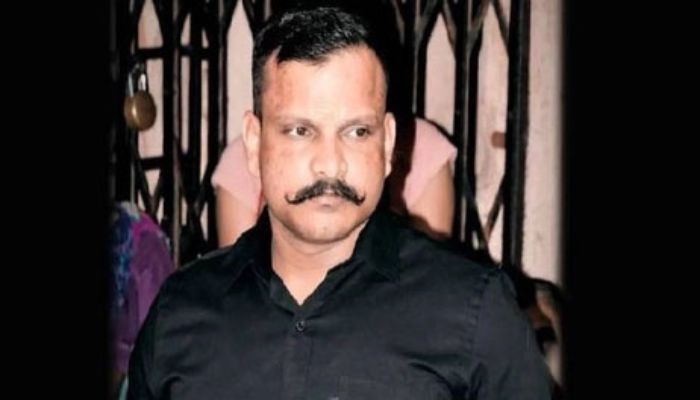
Sharad Mohol shot dead in Pune: Read about the gangster suspected of killing Indian Mujahideen terrorist in jail using the drawstring of his pyjama

Gangster Sharad Mohol was shot in the Sutardara locality in the Kothrud area of Pune on Friday (5th January) by unknown miscreants. The incident sent shockwaves through the city. 46-year-old Sharad Mohol was immediately taken to the Sahyadri Hospital first and then to the Sassoon Hospital where he succumbed to injuries and was declared dead. He was attacked allegedly over a financial dispute within his gang. Sharad Mohol is accused of killing an Indian Mujahideen terrorist Qateel Siddiqui when lodged in the Yerawada Jail in Pune in June 2012.

Sharad Mohol was passing through the Sutardara area of Kothrud when three to four unidentified accused miscreants on bikes fired bullets towards Mohol. The accused fled after the firing.

A team of Kothrud police reached the spot and an investigation is underway. The police have identified Sahil, also known as Munna Polekar, residing in Sutardara, as the primary suspect. An investigation has been launched to apprehend him and his accomplices. A mob of 500 to 1000 people was present at the Sassoon Hospital in the evening as this news spread.
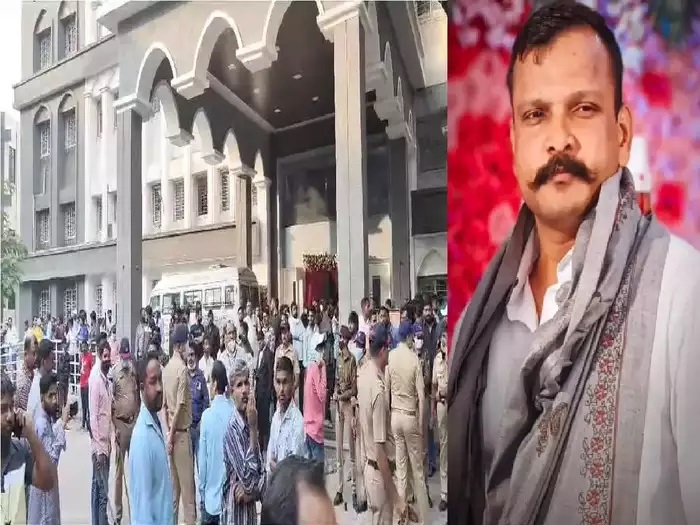
Supporters of Sharad Mohol gathered in Sassoon Hospital. Image Source: Maharashtra Times

Pune City Police Commissioner Ritesh Kumar said, “Prima facie, it is suspected that the attack on Sharad Mohol was the fallout of an internal rivalry within his gang over a financial dispute.”

Senior police inspector Hemant Patil of Kothrud station said, “Three to four unidentified assailants fired two rounds at Mohol from close range at Sutardara in Kothrud around 1.30 p.m. Mohol sustained bullet wounds and was rushed to a hospital. Police teams have been dispatched in search of the assailants.”

Sharad Mohol’s wife Swati Mohol joined the Bharatiya Janata Party in April 2023. BJP leader Chandrakanth Patil and Pune’s mayor Murlidhar Mohol were present in that program. Swati Mohol is the President of the Swarad Foundation in Kothrud. According to reports, the couple used to do some social work in this area through this foundation.

Maharashtra’s deputy chief minister and home minister Devendra Fadnavis said, “This incident will not lead to a gang war anywhere in the state nor will there be any law and order problem. The notorious gangster was murdered by his accomplices over some internal dispute. Whoever the goons are, the government always works in a manner to eliminate them. So no one would try to wage such a gang war in the state after this incident.”

A Brief History of Sharad Mohol

Sharad Mohol was from a village in Mulshi taluka. He grew up under very poor conditions. His parents were farmers. Sharad Mohol was earlier working as a driver of gangster Sandeep Mohol. However, after the murder of Sandeep Mohol in Pune, Sharad Mohol entered the world of crime.

In the 1990s and 2000s, many gangs in Pune used to collect ransom from various businessmen and entrepreneurs. Adolescent teenagers from various wrestling akharas of villages near Pune were directly recruited into these gangs. Paud, Pirangut and Mulshi areas led in numbers in these gangs.

Seventeen years have passed since the fatal event in 2006 when Sudhir Rasal from the Marne Gang was murdered by Sandeep Mohol of the Baba Bodke Gang. Following Sudhir Rasal’s killing, a violent gang conflict erupted in Pune. In retaliation for Rasal’s murder, members of the Marne gang targeted and killed Sandeep Mohol.
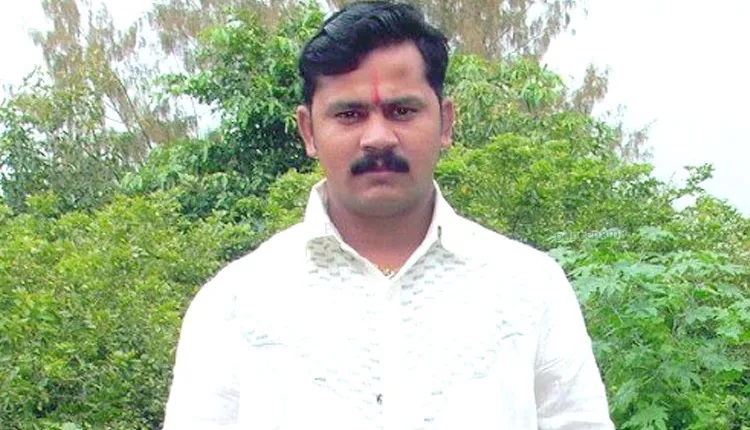
Sandeep Mohol. Image Source: Policenama

The murder of Sandeep Mohol was the turning point of Sharad Mohol’s entry into Pune’s underworld. After Sandeep’s murder, the gang war in Pune increased drastically. Sharad Mohol took over the Baba Bodke gang after Sandeep Mohal’s murder. He avenged Sandeep’s murder in 2010.
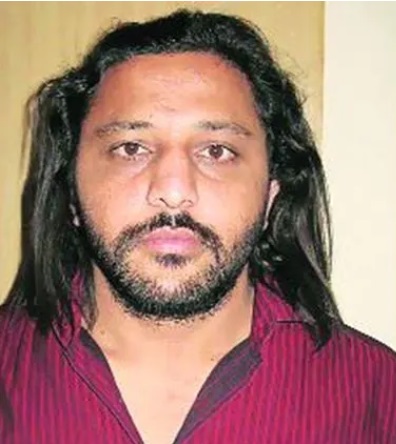
Kishor Marne. Image Source: The Indian Express

In January 2010, Sharad Mohol killed Kishor Marne. Kishor Marne was the head of the Marne gang. He was the mastermind of the Sandeep Mohol murder. Sharad Mohol was sentenced to life imprisonment by the court for Kishor Marne’s murder. He was later released on bail. After this, Sharad Mohol was charged with multiple cases of murder, attempt to murder and kidnapping. He was also arrested by the police. But he would commit a crime, go to jail, and come out.

Did Sharad Mohol kill an Indian Mujahideen terrorist in jail?

During one such trip to jail, Sharad Mohol was lodged in the Yerawada Jail in Pune. There he allegedly had an altercation with an inmate over some minor issue. That inmate was none other than the Indian Mujahideen terrorist Mohammad Qatil Jafar Mohammad Siddiqui alias Sajjan alias Sajan alias Shahzada Salim alias Qatil Siddiqui. During the German bakery bomb blast, Qatil had tried to place a bomb near the famous Dagdusheth Ganapati in Pune. The ATS investigation had revealed that he was an Indian Mujahideen terrorist. He was also allegedly involved in the Bangalore Chinnaswamy stadium blasts and Delhi Jama Masjid blasts.
Qatil Siddiqui. Image Source: The Hindu

One day, somebody among the incarcerated convicts in the Yerawada Jail managed to enter the Anda Cell where the Indian Mujahideen terrorist was lodged. He strangulated the terrorist with a drawstring of Bermuda pants and killed him on the spot. Sharad Mohol and his gang member Alok Bhalerao were the suspects in this murder that took place on 8th June 2012. Both were acquitted in this case in 2019. The case went on trial for eight years, with several witnesses examined, but both were eventually acquitted after some witnesses withdrew.

Social Work with wife and murder on marriage anniversary

The charge of killing a terrorist inside the jail gained a social image for Sharad Mohol. After coming out of jail, he started frequently appearing in public programs. He started sharing the stage with some local political leaders. Meanwhile, he also started a foundation called the Swarad Foundation for ‘Social Work’. His wife joined the BJP in April 2023. However, his exposure to the criminal world was still intact in some or other form. Today, Sharad Mohol was killed on his marriage anniversary allegedly over some internal financial dispute within his gang.
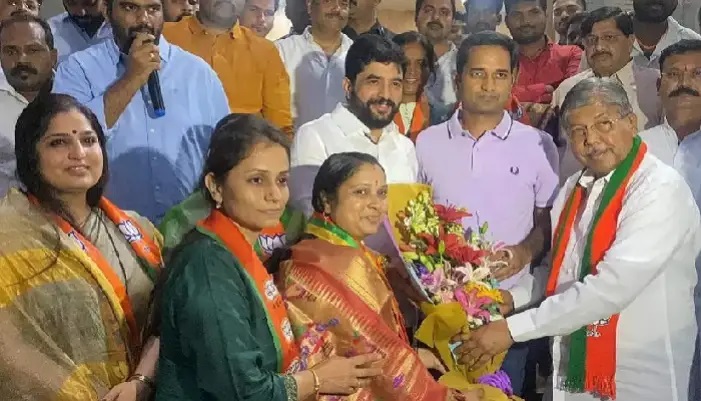
Swati Mohol joined the BJP. Image Source: Policenama

The Marathi film ‘Mulshi Pattern’ based on gang wars in Pune is loosely based on the gang war between the Baba Bodke gang (which later converted into the Mohol gang) and the Pintu Marne gang. It is directed by Pravin Tarde. Its Hindi remake ‘Antim’ featured Salman Khan.
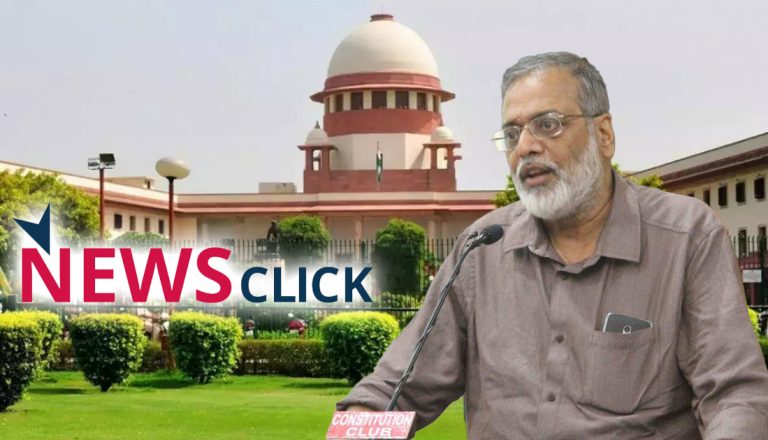
Supreme Court does not like NewsClick approaching them directly, but concedes to their plea anyway: What Kapil Sibal was contending

0

The Supreme Court on Friday (January 5) issued notices to investigating agencies like Delhi police, CBI, and ED for their response to NewsClick’s plea seeking guidelines for the search and seizure of digital devices. Notably, the Supreme Court said that it was not happy that the media group approached it directly without going to lower courts, but then agreed to hear the plea.

NewClick is facing probes after it was found that the digital media portal is funded by Chinese propaganda machinery. It has been alleged that a large amount of funds to the news portal allegedly came from China to ‘disrupt the sovereignty of India’ and cause disaffection against the country. In October 2023, Newsclick founder and editor Prabir Purkayastha and its HR head Amit Chakravarty were arrested by Delhi Police under the Unlawful Activities (Prevention) Act (UAPA). The police had also raided offices NewsClick and seized digital devices of the portal, its journalists and other staff.

The Supreme Court was hearing a writ petition filed under Article 32 of the Constitution by NewsClick and Prabir Purkayastha. In the plea, they have sought the issuance of guidelines regarding the search, seizure, examination, and preservation of digital devices and data seized by law enforcement agencies. Advocate Kapil Sibal representing the petitioners said, “No procedure of law was followed, no documents are given. Nothing is done.”

The plea contended that the seizure of digital and electronic devices by Delhi Police is illegal, and it has severely impacted the portal’s operations. They claimed that the searches and seizures were not only an infringement on fundamental rights guaranteed under the Constitution, but also violated legal safeguards under the UAPA, the Code of Criminal Procedure Code, 1973, and the Delhi High Court Rules. 

NewsClick and Prabir Purkayastha claimed that as there is no due process prescribed for such seizures, it is stifling free speech and undermining of fundamental rights. Therefore, they filed the plea under Article 32 of the constitution, which provides right to move the Supreme Court for enforcement of fundamental rights.

However, the Supreme Court bench of bench of Justices BR Gavai and Sandeep Mehta was reluctant to accept the plea under Article 32. Justice Gavai said, “We don’t appreciate everyone coming directly under Article 32.”

Kapil Sibal arguing for the petitioners said that the court is already hearing similar petitions on this issue. He pointed out PILs filed by Foundation for Media Professionals and a group of five academicians seeking guidelines for the seizure of personal electronic devices by investigating agencies. During the hearing of those pleas, Additional Solicitor SV Raju had assured the court that the union government will soon come up with robust search and seizure guidelines, and in the meantime, all central agencies will follow the 2020 Central Bureau of Investigation (CBI) Manual on digital evidence.

“They’ll stop our business, seize everything, put people inside. It’s very unfair,” Kapil Sibal argued.

After hearing the arguments, the bench agreed to issue notice to probe notices on the plea. The court also tagged the petition with other existing petitions with the same demand, to form comprehensive guidelines on search and seizure of digital devices by investigating agencies.

UP govt issues ‘Paying Guest certification’ to 75 new building owners in Ayodhya

0

In line with the preparations for the consecration ceremony of Lord Ram to be held on January 22, an increasing number of people are being included in the Paying Guest Scheme in Ayodhya. More than 500 building owners have been connected with it so far.

In this sequence, Commissioner Gaurav Dayal and District Magistrate Nitish Kumar presented certificates to 75 new building owners in the Commissioner Auditorium on Friday. The process of connecting new building owners through the scheme is progressing continuously.

Notably, Ayodhya Development Authority’s consultant, Rakesh Singh and building owners were present during the distribution event.

Commissioner Gaurav Dayal requested that, as a resident of Ayodhya, everyone must provide good facilities to the guests. He further appealed to the building owners to provide the best facilities to their guests, making them feel at home.

DM Nitish Kumar said that by joining this scheme, everyone must keep the tradition of hospitality alive. If we provide them with better facilities, our cultural relationship will strengthen, and more people will visit. Everyone should pay special attention to cleanliness and behave well towards guests.

If we take care of these aspects, guests will leave with pleasant memories, and they are likely to visit again. This will not only strengthen building owners financially but also contribute to the exchange of ideas, culture, and more, he added.

It is noteworthy that the Home Stay/Paying Guest Scheme is inspired by the spirit of ‘Atithi Devo Bhava’, which is an important scheme of the UP Government and is being run by the Tourism Department.

Under the Paying Guest Scheme, building owners who have 2 to 5 additional rooms in their house can join this scheme and benefit from generating additional income.

Depending on the facilities in their rooms, they can earn daily rents ranging from Rs 1500 to Rs 2500 for accommodating travellers/pilgrims.

(This news report is published from a syndicated feed. Except for the headline, the content has not been written or edited by OpIndia staff)

Indian Navy rescues all 21 crew members including 15 Indians of hijacked vessel near Somalia, pirates abandon hijacking attempt after warning issued

0

After a high-voltage drama in the high seas, all 21 crew members including 15 Indian nationals from the hijacked vessel MV Lila Norfolk off Somalia coast were safely evacuated by the Indian Navy on Friday.

“Indian Navy’s Swift Response to the Hijacking Attempt of MV Lila Norfolk in the North Arabian Sea. All 21 crew (incl 15 Indians) onboard safely evacuated from the citadel. Sanitisation by MARCOs has confirmed absence of the hijackers,” the Indian Navy said in a statement.

The attempt of hijacking by the pirates was probably abandoned with the forceful warning by the Indian Navy, MPA of interception by Indian Naval warship, the statement read.

INS Chennai is in the vicinity of MV and rendering support to restore the power generation and propulsion, and commence her voyage to next port of call.

Indian Navy’s elite Marine Commandos are still carrying out sanitisation operations in other parts of the vessel, the military officials told ANI.

According to the officials, MARCOS didn’t found any pirates on the hijacked vessel. The rescued crew has informed that the pirates had fired at the ship during hijack attempt after which they all hid themselves in the citadel.

INS Chennai diverted from her Anti-Piracy patrol and intercepted the MV at 3:15 pm on Friday.

“MV was kept under continuous surveillance using Maritime Patrol Aircraft, Predator MQ9B and integral helos. The Indian Navy Marine Commandos present onboard the Mission Deployed warship boarded the MV and have commenced the Sanitisation,” the earlier statement from Indian Navy stated.

In another development, Indian Navy Chief Admiral R Hari Kumar issued directives to the Indian warships operating in the Arabian Sea to take the “strictest possible action” against the pirates, defence officials said.

Earlier, the Indian naval warship INS Chennai reached the hijacked vessel MV Lila Norfolk off Somalia coast and issued a warning to the pirates on board to abandon the vessel

Earlier, the officials had informed that Merchant vessel MV Lila Norfolk was hijacked by pirates 300 nautical miles east of Somalia, while it was sailing from Port Du Aco in Brazil and was bound for Khalifa Bin Salman in Bahrain.

The Indian Navy’s Mission Deployed Platforms responded swiftly to the hijacking attempt on board a Liberian-flagged bulk carrier after it received a message on the UKMTO portal indicating boarding by approximately five to six unknown armed personnel on Thursday evening, the Indian Navy said in a statement

In response to the situation, the Indian Navy launched an Maritime Patrol Aircraft (MPA) and diverted INS Chennai, deployed for maritime security operations, to assist the vessel.

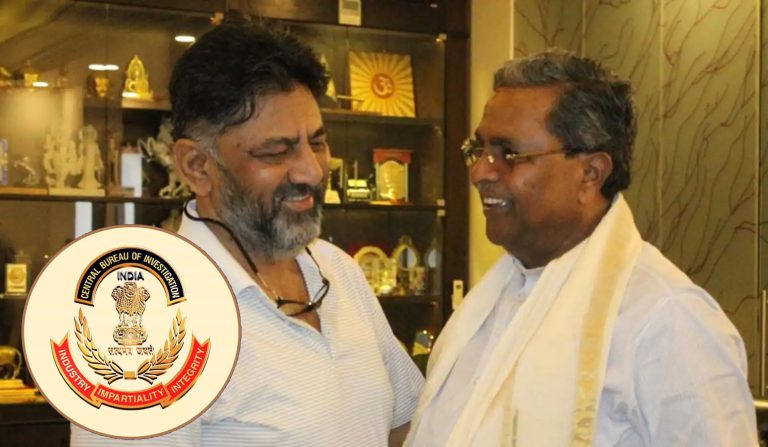
CBI moves Karnataka High Court challenging state Congress govt’s decision to withdraw case against Deputy CM DK Shivakumar

0

The Central Bureau of Investigation (CBI) has moved the Karnataka High Court after the state government dropped the CBI case against Deputy Chief Minister DK Shivakumar.

The High Court is hearing the plea filed by Bharatiya Janata Party (BJP) MLA Basangouda Patil Yatnal challenging the state government’s withdrawal of consent for the CBI probe.

The Congress-ruled Karnataka government, in November, approved a proposal to withdraw the CBI probe against DK Shivakumar in the alleged disproportionate assets case.

Talking about the state cabinet’s nod to the proposal, Congress leader and Karnataka Law Minister HK Patil said the former BJP-led state government’s decision to hand over the case to CBI was “not in accordance with the law”.

This decision triggered a massive political fight in the state between the BJP and the Congress with the former criticising the state cabinet’s decision as “totally illegal”.

Karnataka BJP chief BY Vijayendra urged Shivakumar to trust the legal process and not support such cabinet decisions and demanded that the Chief Minister revoke this decision.

“The decision taken by the state cabinet pertaining to DK Shivakumar’s disproportionate assets case The decision of the cabinet is totally illegal under the Constitution. I request our deputy CM, DK Shivakumar, that if you have faith in the legal process and legal remedy, then please don’t entertain such decisions taken by the cabinet…I demand CM take back this decision. Crores of money have been seized in Karnataka and other states. When the ED is investigating the entire issue, then the decision of the cabinet is completely illegal,” Karnataka BJP chief BY Vijayendra said.

The Congress government however has defended its decision, claiming the case against DK Shivakumar was politically motivated.

“BJP can only threaten. They tried it through social media and agencies. Since yesterday they have been doing the same thing in the disproportionate case of DK Shivakumar. BJP is just spreading misinformation on this issue. The case against DK Shivakumar was politically motivated and it was filed to control Congress and Siddaramaiah, DK Shivakumar because they (BJP) were losing the elections” Karnataka Minister Priyank Kharge said. 


(This news report is published from a syndicated feed. Except for the headline, the content has not been written or edited by OpIndia staff)

Ram Mandir represents sacrifice and devotion of the common man: Sister of the Kothari brothers who were killed on the orders of ‘Mullah Mulayam’

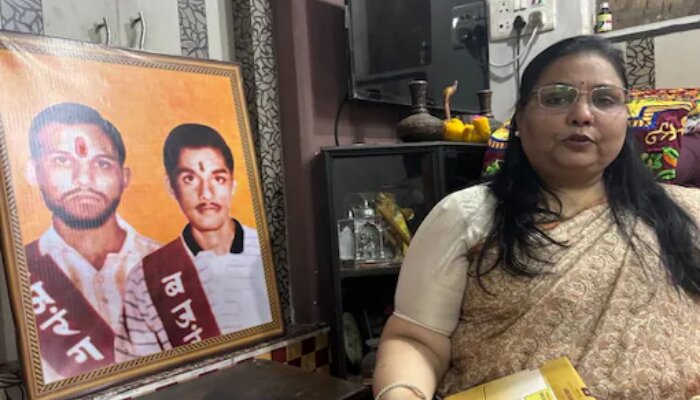
An emotional Purnima Kothari is all set to be in attendance at the landmark consecration ceremony of Ram Mandir on 22nd January of this year. She is the sister of 22-year-old Ram Kothari and 20-year-old Sharad Kothari, karsevaks (people who offer their services for free to a religious cause) who lost their lives during the Ram Janmbhoomi movement on 2nd November 1990 to the violence unleashed by the then government of Mulayam Singh Yadav in Uttar Pradesh. The two Rashtriya Swayamsevak Sangh (RSS) members went to Ayodhya from Kolkata soon after Diwali thirty-three years ago to serve the cause of Ram Mandir. However, like many of their fellow karsevaks, they never returned home.

On 11th January, Purnima Kothari and her daughter are heading from Kolkata to Ayodhya where they will remain until 23rd January, the day following the temple’s inauguration event. Even though her parents witnessed both of their sons die for the temple movement, she revealed that they were grateful that their sons sacrificed their lives in defence of their beliefs. She visits Ayodhya during every Diwali to revisit her memories with her brothers. However, this time she believes that their souls would at last find peace.

Purnima Kothari stated in an interview with News18, “They walked all the way from Banaras to Ayodhya. The first day they went inside and, amid all the security, they actually planted their flag. The next day they saw newspapers report that nothing had happened and karsevaks could not do anything. So they decided to go a second time. This time, there was violence. Both my brothers were hiding, but they heard someone crying. They came out and were shot by some goons”.

Tears continued to well up in her eyes as she conveyed, “Sangh seniors came and invited my daughter to the Ram Mandir consecration. We are very happy because we know that our brothers’ sacrifice will not go in vain. When Modiji will participate in Pran Pratistha, my brothers will be smiling from above.”

Memories of her deceased brothers are everywhere in her home. According to her, the Ram Mandir is the result of the efforts and devotion of the average person. She further voiced, “If a memorial for those who died for it comes up in the area, then that will be great.” Furthermore, she expressed gratitude to Prime Minister Narendra Modi as well and asserted that it was his efforts that ultimately brought the dream of the Ram Mandir at Ayodhya to fruition.

A few days ago, Poornima Kothari emphasised in a previous statement that the individuals who delivered the order to fire on Kasevaks shouldn’t be allowed to attend the consecration ceremony, rather they should be punished. She brought up Mulayam Singh Yadav’s 2017 remark in which he defended his decision and argued that it was appropriate for police to use force against the karsevaks in order to preserve the nation’s integrity and unity.

Bloodshed of Hindus on the streets of Ayodhya

On the auspicious day of Kartik Purnima at 9 in the morning, thousands of devotees of Lord Ram including women and the elderly, together with Hindu saints began marching towards the location of the disputed Ram Janmbhoomi on 2nd November 1990. The security personnel lined up on the road to obstruct their path since they had been ordered to prevent them from reaching the location.

The Hindu devotees would sit and begin reciting Bhajans (religious songs) and chanting the name of Lord Ram whenever the security guards sought to stop them. They touched the feet of the cops stationed to prevent them from moving forward. The latter would step back and the karsevaks would advance each time they did this. The karsevaks were unarmed and yet they remained undeterred.

This continued in an unending cycle until the Inspector General issued directives and the police officers intervened. The karsevaks were subjected to tear gas shells and lathis but the unwavering Ram Bhakts did not back down or show signs of weakness. Unexpectedly, security personnel began to react by firing their weapons. Numerous Hindu devotees were shot and killed. The security guards reportedly pursued and targeted Hindus in every lane and side street leading to the Ram Janmbhoomi and the streets quickly turned into a battlefield.

The Kothari brothers were among the many karsevaks who began to assemble in front of Hunumangarhi on the fateful day. Hunumangarhi was situated close to the disputed structure that was later destroyed. Police stopped the gathering led by Vinay Katiyar of Bajrang Dal from proceeding.

They were all sitting on the road in protest and began to sing “bhajans” when all of a sudden, policemen who were acting on the orders of the then chief minister Mulayam Singh opened fire on the assembly and drove the karsevaks away. Head injuries claimed a lot of lives. A stampede occurred at the Saryu Bridge, resulting in several fatalities. Eyewitnesses disclosed that the Kothari brothers tried to raise a saffron flag atop the Babri Masjid but were ultimately defeated by the assault directed at the karsevaks.

The official investigation after the incident found that 16 people had died in the firing, but the toll was far higher in reality. The Daily Aaj stated that as many as 400 people had lost their lives in the violence inflicted by the then-Samajwadi Party-ruled state.

Assam police foils cattle smuggling attempt by arresting two smugglers Mafizuddin and Mainul Haque, rescue 6 bovines

On Friday, January 5, Assam’s Jamugurihat police successfully thwarted a cow smuggling attempt and arrested two cow smugglers Mafizuddin and Mainul Haque, reported The Sentinel. The police team also managed to rescue six bovines the smugglers were transporting.

According to reports, the incident took place in the Sonitpur district’s Chokighat village in the Jamugurihat region of the state. In an early morning operation, the Jamugurihat police team seized a car with registration number AS 32 C 2387. Following a thorough check, the police team discovered that they were unlawfully carrying six cows.

The six bovines were rescued by the police team. Additionally, the police nabbed two individuals who were transporting the animals without the necessary paperwork or authorization. These two cattle smugglers are identified as Mafizuddin Haque and Mainul Haque respectively. Authorities also confiscated a Tata Bolero Pickup with registration number AS 32 C 2387.

Last month, the Guwahati city police, in different operations, apprehended a total of 14 cow smugglers operating close to the border between Assam and Meghalaya and saved 252 animals.

According to sources, cattle smugglers frequently take advantage of the darkness to stealthily transport their load across the border. An ongoing difficulty for border security authorities is the strategic use of the Jowai route which travels through densely forested areas and creates an environment favourable for such criminal activities.

Mazar in Daman’s Shiv Mandir? Structure removed after the video went viral: Mayor writes to collector seeking action

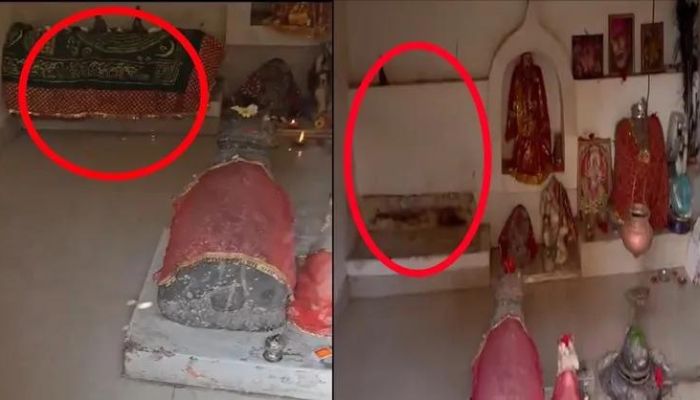
For the past few days, a video of a Shiva temple in the Union Territory of Daman, adjoining Gujarat, has been going viral on various social media platforms. In this viral video, it is claimed that a structure similar to Mazar has been made in an ancient Shiva temple in Nani Daman.

In the video, the Islamic mazar or dargah-like structure built inside this temple is visible. However, soon after this video went viral, another video has also surfaced in which the structure is seen removed.

According to preliminary information, this video is said to be from Nani Daman. It is not yet clear who made this video as it is being shared by different users. In this video of 2 minutes 20 seconds, a man says in Hindi, “Look, here is Shivling of Lord Mahadevj. This is Nandiji Maharaj. There are idols of Nandiji and Ganesha carved out of the same stone.”

The person shooting the video also shows the idol of the Goddess installed in the temple. The idol is also presumed to be very old. After showing the idols of all the gods and goddesses, next to it, green chadars with the sun and the moon printed on them are seen covering a structure resembling a Mazar built inside the temple.

Two days after the video went viral on social media, another video went viral, in which the structure is not seen. Seemingly, it was removed. In the video, the Mazar-like construction was not seen at the place inside the temple where it was seen in the earlier video.

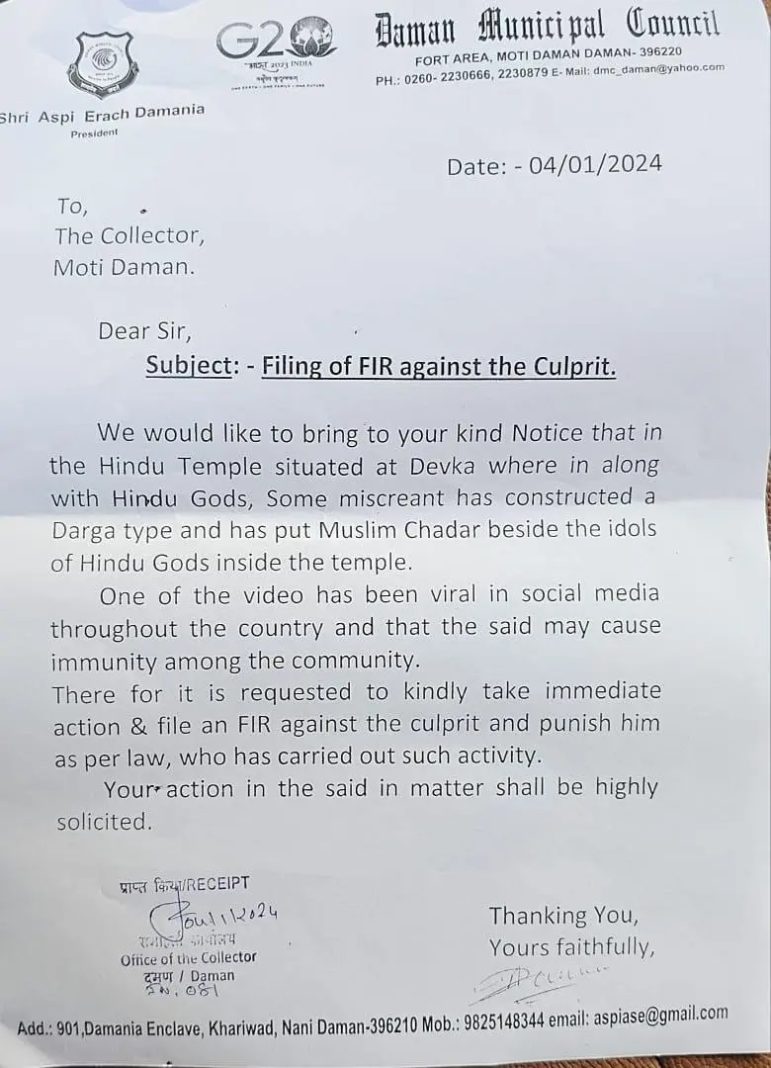
On the other hand, after this video of the Mazar-like structure in the Shiva temple of Daman went viral, the Mayor of Daman also took its cognizance. He wrote a letter to the collector stating that an FIR should be filed against the person who built this structure inside the temple.

Daman’s mayor wrote a letter to the collector. Image Source: OpIndia Gujarati

In this letter, he said, “We would like to bring to your kind Notice that in the Hindu Temple situated at Devka where along with Hindu Gods, some miscreants have constructed a Darga type and have put Muslim Chadar beside the idols of Hindu Gods inside the temple. One of the videos has been viral on social media throughout the country and that may cause immunity among the community. There it is requested to kindly take immediate action & file an FIR against the culprit and punish him as per law, who has carried out such activity. Your action in the said matter shall be highly solicited.”

OpIndia tried to contact the mayor to get more information about the letter, but could not speak to him for some reason. The report will be updated once a response is received. On the other hand, it is yet to be revealed how this structure was built in the temple, who did this and who removed it after the video went viral.

Indian Marine commandos onboard hijacked vessel MV Lila for ‘sanitisation’ operation: Navy

A team of Indian Navy’s elite Marine commandos have embarked on the hijacked Liberian ship MV Lila Norfolk in the North Arabian Sea for ‘sanitisation’ operations, the Indian Navy said on Friday.

“The Indian Navy Marine Commandos present onboard the Mission Deployed warship boarded the MV and have commenced the sanitisation,” the statement by the Indian Navy read.

In its statement, the Navy said INS Chennai intercepted the vessel on January 5 after being diverted from her anti-piracy patrol.

“MV was kept under continuous surveillance using Maritime Patrol Aircraft, Predator MQ9B and integral helos,” it added.

The Indian Navy’s Mission Deployed Platforms responded swiftly to the hijacking attempt on board a Liberian-flagged bulk carrier after it received a message on the UKMTO portal indicating boarding by approximately five to six unknown armed personnel on Thursday evening, the Indian Navy said in an official statement on Friday.

The hijacked ship has 15 Indians on board and communication has been established with the crew.

In response to the situation, the Indian Navy launched a Maritime Patrol Aircraft (MPA) and diverted INS Chennai, deployed for maritime security operations, to assist the vessel.

Read the tale of Karsevak Ram Achal Gupta, who was shot dead by police while singing Ramdhun in 1990 after he was stopped from going to Ram Janmabhoomi

On 22nd January 2024, the consecration ceremony for the idol of Lord Ram is scheduled to take place at the Ram Temple in Ayodhya. The entire nation is brimming with enthusiasm, gearing up for grand Diwali-like celebrations. Communities worldwide within the Hindu faith are also commemorating the sacrifices made by devoted karsevaks who laid down their lives for the cause of the Ram temple. Among these revered individuals is Ram Achal Gupta, whose selfless sacrifice is remembered and honoured.

Ram Achal Gupta, hailing from the Rudauli police station area in the Ayodhya district, died near Ramjanmabhoomi on 2nd November 1990, having been fatally shot. This tragic incident unfolded when under the directives of Mulayam Singh Yadav – the then Chief Minister of Uttar Pradesh and the father of Samajwadi Party’s Akhilesh Yadav – the police resorted to firing upon the karsevaks. OpIndia conducted a visit to the residence of Ram Achal Gupta to gather insights into the current circumstances.

The Gupta family runs a grocery store to earn their livelihood

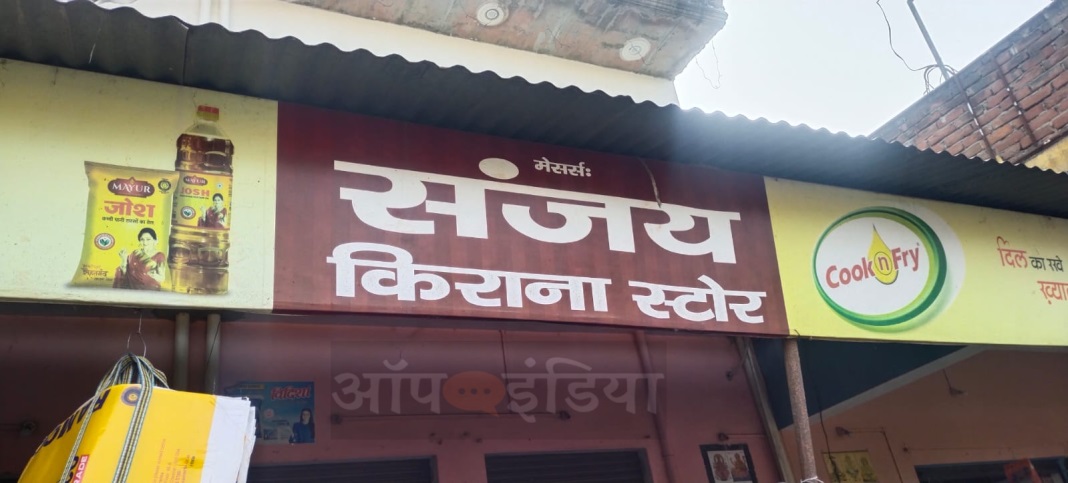
The family of Ram Achal Gupta lives in Shujaganj Bazar, situated near the Lucknow-Ayodhya road. To sustain their livelihood, they operate a grocery store known as Sanjay Grocery Store. Ram Achal, who sacrificed his life at the tender age of 26, left behind two sons and one daughter. Presently, all of them are married.

Rajkumari Gupta, the wife of Ram Achal Gupta, is presently 55 years old. Following the unfortunate demise of her husband, Rajkumari took on the responsibility of raising their children. A significant portion of the children’s education was undertaken in their maternal home. According to Sanjay Gupta, the son of Ram Achal Gupta, his formative years were marked by profound economic challenges and deprivation.

The grocery store of the Gupta family. Image Source: OpIndia Hindi

Ram Achal Gupta was an RSS member since childhood

Sanjay Gupta, son of Ram Achal Gupta, told OpIndia that his father was associated with the Rashtriya Swayamsevak Sangh (RSS) since childhood. People used to come from far away to the Sangh shakha. Family members recount that during the period of the Rath Yatra initiated by senior BJP leader LK Advani, Ram Achal played a notably active role.

During that period, Ram Achal Gupta operated a paan shop in Rudauli Bazar, situated approximately 5 km from his residence. Ram Achal tied the knot with Rajkumari Gupta, a resident of the Khandsa area of Ayodhya, at a young age. According to his son Sanjay, Ram Achal never put his family above Dharma.

Police gathered the Karsevaks in the name of Darshan and then shot them dead

Ram Achal’s brother, Ramtej, recounted that on 28th October 1990, he accompanied his brother to participate in Karseva. This assembly of karsevaks included numerous individuals from neighbouring villages. Their initial efforts involved providing meals to the visiting Ram devotees and arranging accommodations for their rest. Subsequently, Ram Achal, along with his companions, departed to Ayodhya by traversing through fields to evade the policemen stationed on the main road.

Despite the tragic incident on 30th October 1990, where numerous karsevaks fell victim to the police gunfire in Ayodhya, Ram Achal Gupta remained undeterred and chose not to return home. Ramtej Gupta – Ram Achal’s brother – shared that on 2nd November 1990, he and his brother congregated at the Maniram Das cantonment in Ayodhya. This location had already become a gathering point for thousands of karsevaks from across the country.

Ramtej Gupta shared that officers and representatives from the administration arrived at their location and reached an understanding that all the karsevaks would be allowed to visit the Shri Ram Janmabhoomi and then be sent home. Following this agreement, groups of karsevaks began to depart from various points, heading towards the Shri Ram Janmabhoomi amidst heavy security. However, the police subsequently intercepted and halted these groups at different locations en route to Shri Ram Janmabhoomi.

Reflecting on the events, Ramtej recounted that the group he was part of, alongside his brother Ram Achal, was halted near the Bada Post Office, a location merely half a kilometre from Hanuman Garhi. Frustrated by the interruption, the karsevaks began to peacefully express their dissent by sitting on the road and singing Ram bhajans. During this peaceful protest, two police contingents arrived at the scene. One was equipped with batons, while the other carried firearms.

Ramtej described a sudden turn of events, recounting how the police, without any prior warning, launched an assault on the karsevaks who were engaged in singing bhajans. The situation quickly escalated from a lathi charge to gunfire, resulting in a chaotic stampede. Amidst this turmoil, Ramtej found himself separated from his brother, Ram Achal. There was chaos everywhere and the police came down on brutality.

Ramtej Gupta shared his eyewitness account, revealing the chaotic scene during the stampede. He observed karsevaks from various parts of the country frantically running amidst the turmoil, shouldering the lifeless bodies of their fellow devotees. The atmosphere was further intensified as tear gas shells were deployed, enveloping the area in thick smoke. During this chaos, bullets were fired intermittently, causing karsevaks to fall to the ground.

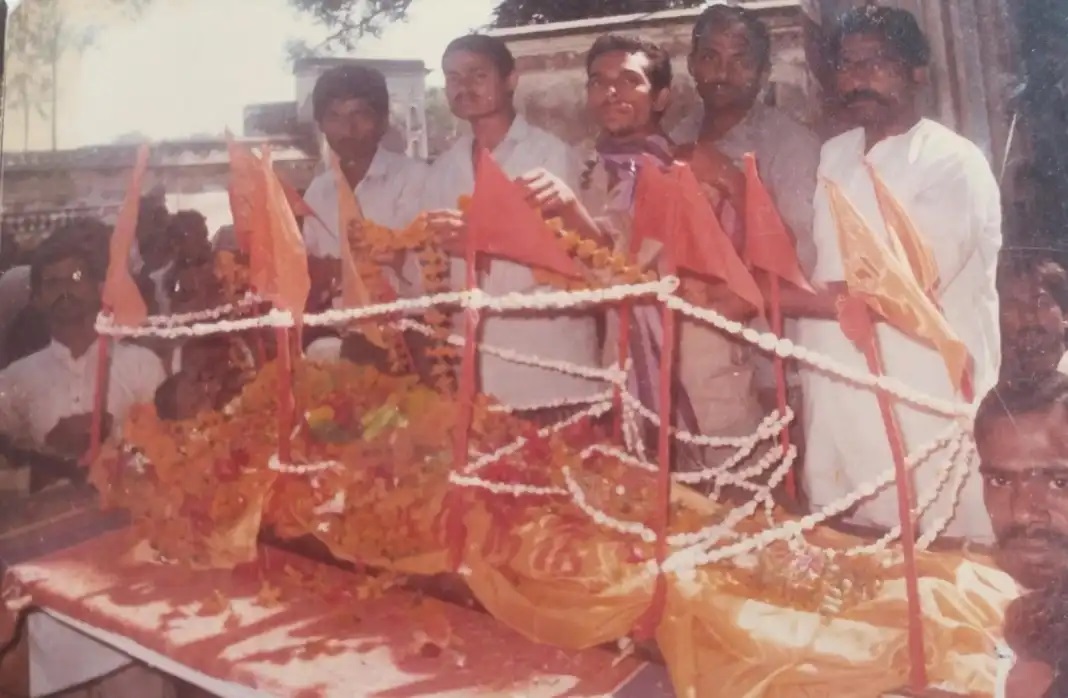
Ram Achal Gupta’s dead body. Image Source: OpIndia Hindi

The dead body of Ram Achal Gupta was kept with those of the Kothari brothers

In a conversation with OpIndia, Ramtej Gupta expressed his lingering anger when recalling the tumultuous events of the past. Despite his emotional breakdown, he shared the heart-wrenching experience of searching for his brother after the stampede had subsided, only to find him unaccounted for. Eventually, an announcement from Maniramdas Cantonment confirmed the devastating news that his brother, Ram, had made the ultimate sacrifice.

Continuing his account, Ramtej Gupta revealed that during his search for his brother’s body, he arrived at Maniramdas Cantonment where he discovered the dead body of Ram Achal Gupta. Alongside his brother, the bodies of approximately six other karsevaks, including the Kothari brothers, were also present. Tragically, Ram Achal Gupta had succumbed to a gunshot wound to the chest.

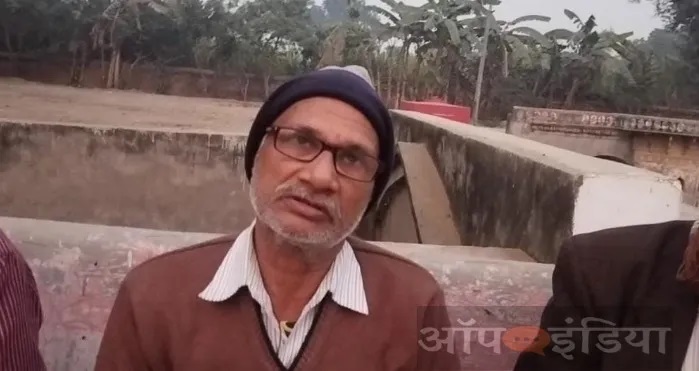
Ramtej Gupta. Image Source: OpIndia Hindi

SDM wept on seeing the dead body and touched feet

OpIndia interviewed some acquaintances of Ram Achal Gupta from the Shujaganj market who went to retrieve his body. They mentioned that the administration had heightened its measures following Mulayam Singh Yadav’s declaration that ‘not even a bird should flutter in Ayodhya’. However, the Deputy District Magistrate (SDM) named Vishal Rai posted in Rudauli helped these people a lot. He had made passes for the movement of people who went to collect the body.

Those who brought the body of Ram Achal told us that when the body of Balidani came to Shujaganj, the SDM himself was present at the cremation. People said that during this time SDM Vishal Rai had wept bitterly and touched Ram Achal’s feet before cremation. Vishal Rai was earlier in the Army and came to the administrative service after retirement. At present, Vishal Rai has retired.

Samadhi built at the place of cremation

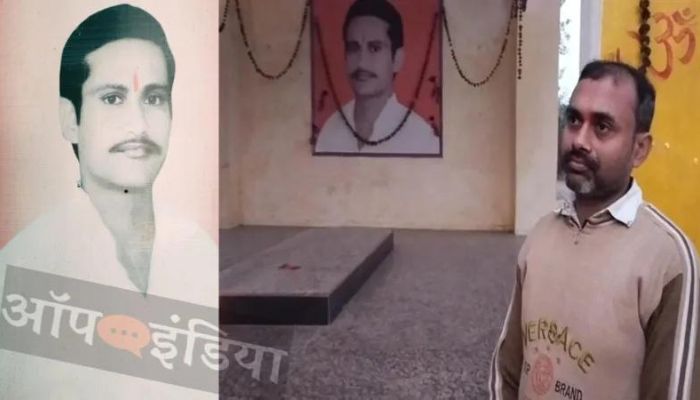
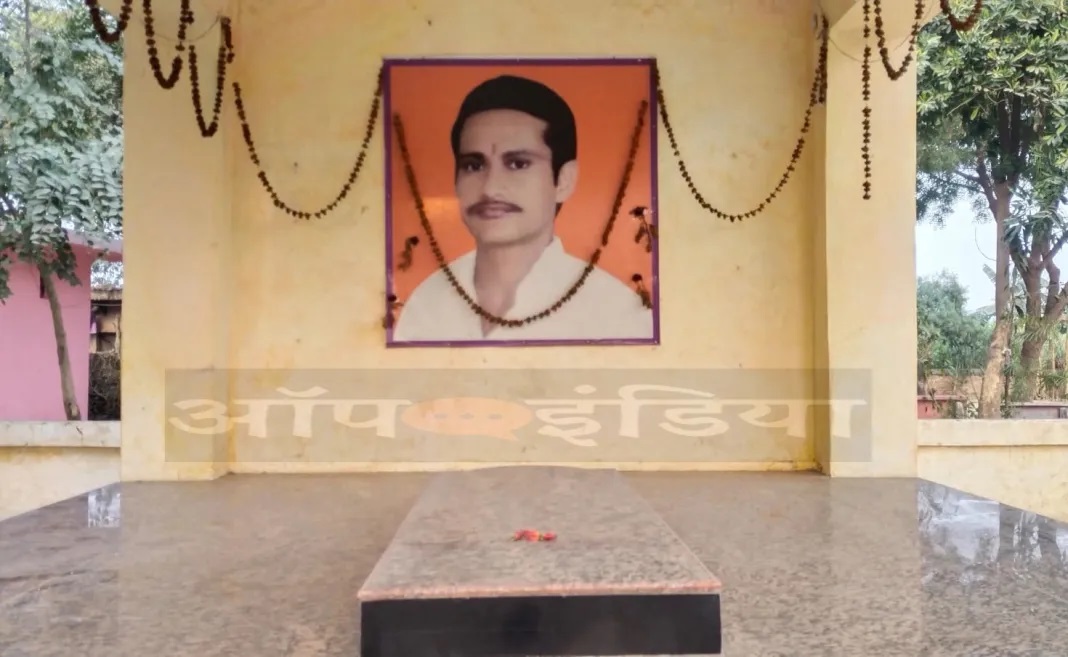
The family of Ram Achal Gupta has built a big temple at a mythological place in front of the house. His family has fought a long battle to save this temple from land mafia. Ram Achal was cremated in a part of this temple premises. Apart from all the police and administration officials, members of Hindu organisations and many saints were also present. A samadhi and memorial have been built at the place where Ram Achal Gupta was cremated. According to family members, this memorial inspires nearby Hindus to fight for Dharma.

Bomb threats to the Samadhi

Ram Achal’s family members told us that they had received threats from a terrorist organisation called SIMI (Students Islamic Movement of India) about 10 years ago. The threat was made by throwing pamphlets in the temple near the Samadhi. The leaflet read ‘We will bomb this place’. According to Sanjay Gupta, he had then complained to the police and local Hindus expressed their displeasure over this threat. However, the police could not arrest anyone in this case.

Samadhi of Ram Achal Gupta. Image Source: OpIndia Hindi

Sacrifice of Ram Achal Gupta should be respected and unfulfilled promises be fulfilled

Sanjay Gupta, son of the late Ram Achal, told us that when his father was martyred, his mother was offered an MLA ticket by the BJP. However, it was then rejected by the kin of the deceased as the family was in grief. Sanjay also said that the leaders present during his father’s cremation had announced to change of the name of the locality from Shujaganj to Ram Achal Nagar.

Sanjay Gupta further told us that this announcement has not been implemented yet. Shujaganj is named after Shuja-ud-Daula, the former Nawab of Awadh. It is said that Shuja-ud-Daula used to come from Lucknow to Faizabad (present-day Ayodhya) via this place. Later it was named Shujaganj.

The family of Ram Achal Gupta also wishes that a memorial be built in Ayodhya for those who sacrificed their lives in Karseva. Sanjay Gupta said that he is very happy with the construction of the Ram temple and that his father’s contribution to this work is a matter of pride for him. The family still visits Ayodhya regularly.