Home Blog Page 3392

Alt News cofounder tweets factually incorrect information on historical King Nala, does not take it down despite being fact-checked

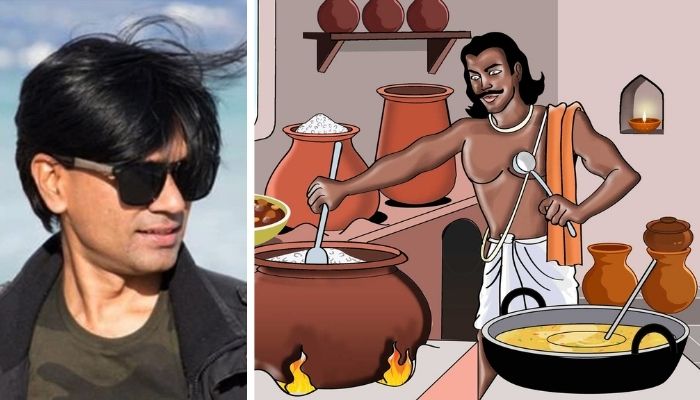
On Tuesday, self-styled fact-checker Mohammed Zubair took a dig at a tweet claiming the origins of Biryani in King Nala’s culinary treatise ‘Pakadarpanam’. Zubair quoted a tweet by the handle ‘Hindu Ecosystem’ saying, “So a Brahmin wearing Janeu was the first to introduce Biryani to the world. This story is as authentic as Unofficial Subramanian Swamy’s claims about Monali Shah (Mona Lisa) and Mai ka Lal Jaikishan (Michael Jackson).”
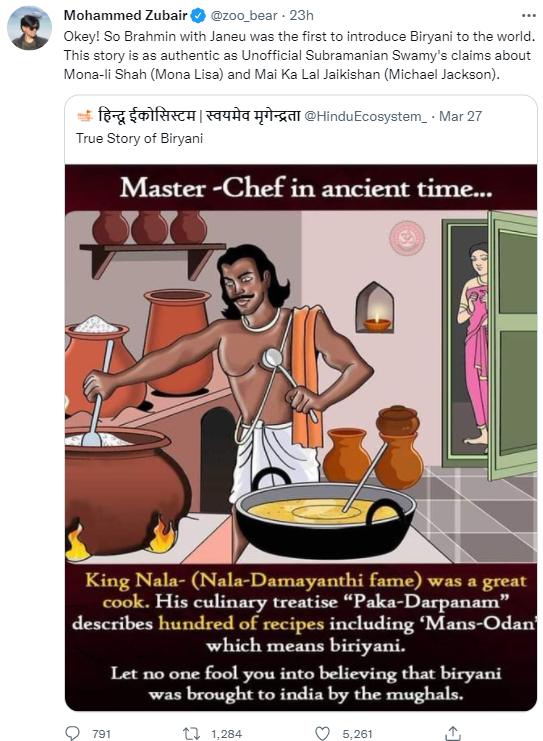
Zubair’s derisive tweet was meant to insinuate that biryani was not an Indian delicacy and it was introduced to India by foreigners, presumably Mughals and other Muslim rulers who invaded and plundered India in the medieval centuries. However, in doing so, Zubair did not flinch from peddling factually incorrect information about King Nala by referring to him as a ‘Brahmin with janeu’. But netizens were quick to expose Zubair and the prevalent narrative among the Left intelligentsia that biryani had its origins in the middle-east, and that it was brought to India by Mughals and other Muslim rulers.

Social media users call out Zubair for sharing factually incorrect information about King Nala

Monika Verma, an alumni of South Asian University, posted a tweet debunking the false assertions being bandied around by the Alt News co-founder. In her tweet, she noted that Nala was a Kshatriya and not a Brahmin, and the practice of wearing ‘Janeu’ was common among the Kshatriyas as well. Verma also added that Kshatriyas can eat and cook non-veg.

Savitri Mumukshu, a writer and a cook herself, threw light on Pakadarpanam, a treatise that is believed to be authored by King Nala himself. She stated that King Nala’s culinary book describes recipes of rice including tamarind rice, lemon rice, biriyani from chicken, meat, quail and Tahari which were all eaten in India even before Mahabharata times. Mumukshu’s thread mentions the book containing recipes called Mamsodana which translates to Meat Pulao or Biryani, Kukkutmamsatailodana (chicken Biryani) and Labukmamsodana (Quail rice). The treatise mentions recipes with rice cooked by essenced spices inserted in a sachet and further enhanced with scents of musk, Kewra (essential oil distilled from screwpine) or camphor.

Savitri Mumukshu noted that while the Pakadarpanam dated back to pre 5561 BCE, “it is a stunning reminder of our cultural continuity & busts many myths about India’s culinary ingredients & recipes coming from foreign cultures.”

Despite being fact-checked by multiple people on Twitter, Zubair, who is normally quite active on social media, did not pull his tweet down or issue a clarification over the matter, at least at the time of writing of this article. His refusal to take down his tweet, which was laced with factual inaccuracies, points to the larger propaganda of the Left to undermine ancient Hindu texts and bastardise history to reinforce their narrative.

The implausibility of biryani’s origins in Central Asia and the Left’s tendency of attributing everything under the sun to the Mughals

Recently, it has become popular among historians from the left to credit ounces of Indian culture to Islamic invaders in the medieval centuries. The technique is simple – If something finds a mention in the medieval-era texts, it has to be invented by the Mughals – which sometimes even extends to burning firecrackers on Diwali. While it is true that biryani was popularised by Mughal cuisine and especially in the kitchens of Delhi, Lucknow and Hyderabad, it is hard to accept that the invading dynasties brought it with them from central Asia.

Babur, the founder of the Mughal dynasty in India came from the Ferghana valley in Central Asia, where practising agriculture was an extremely difficult occupation, chiefly because of extreme temperatures, barren land and lack of irrigation facilities. Rice, the primary ingredient of biryani, only grows in soil that retains a high amount of water and therefore, to suggest that biryani is indigenous to Central Asia is far-fetched and impossible to believe. In fact, one of the motivations among the nomadic tribes of Central Asia to invade India was its vast tracts of fertile land that offered bountiful grains, including rice and wheat, besides the legendary wealth that India was known for possessing then. The concerted attempt, however, to belittle Indian identity and negate Indic contributions is typical of leftist historiography in India, which tries to disseminate distorted narratives in order to sear it on the nation’s collective awareness.

Pakadarpanam by Nala

History has it that Indian King Nala, who is often associated with his wife Damayanti was bestowed with great culinary qualities. His treatise Pakadarpana, which he wrote as a chef in the royal kitchen of King Rituparna, mentions the preparation of ‘Mansodan’ (a delicacy made of meat) which is an early form of biryani. In its preparation, Nala starts with boiling rice and then adds meat, spices and other flavours for enhancing the taste. Prior to this, the rice is soaked in water, rinsed and drained while the meat is cut accordingly. Ghee and Coconut milk is poured into the pot while musk and camphor are added to achieve a smoky flavour.

The vessel is to be closed with a tight lid and mixed well until the rice is cooked under fire. The marination technique is one of the earliest references to the preparation of ‘dum’ biryani, a technique that is still used today. Pakadarpanam also mentions varieties of biryani including the chicken and the meat of quail bird.

Some historical accounts suggest that invading Muslim rulers and their armies were so mesmerised by Mansodan, the earliest form of biryani, that they started calling it Hindavi Laziz. This, in itself, is a testament to the fact that biryani was a known delicacy in India, long before the arrival of the central Asian invaders.

In fact, even propagandist Devdutt Pattanaik, who is often cited by the Left as an authoritative source on India’s history, wrote things about King Nala that surprisingly jibed with the historical accounts. He had penned an article describing how King Nala, who existed long before the Islamic rulers invaded India, cooked biryani and supposedly wrote a book detailing his various recipes.
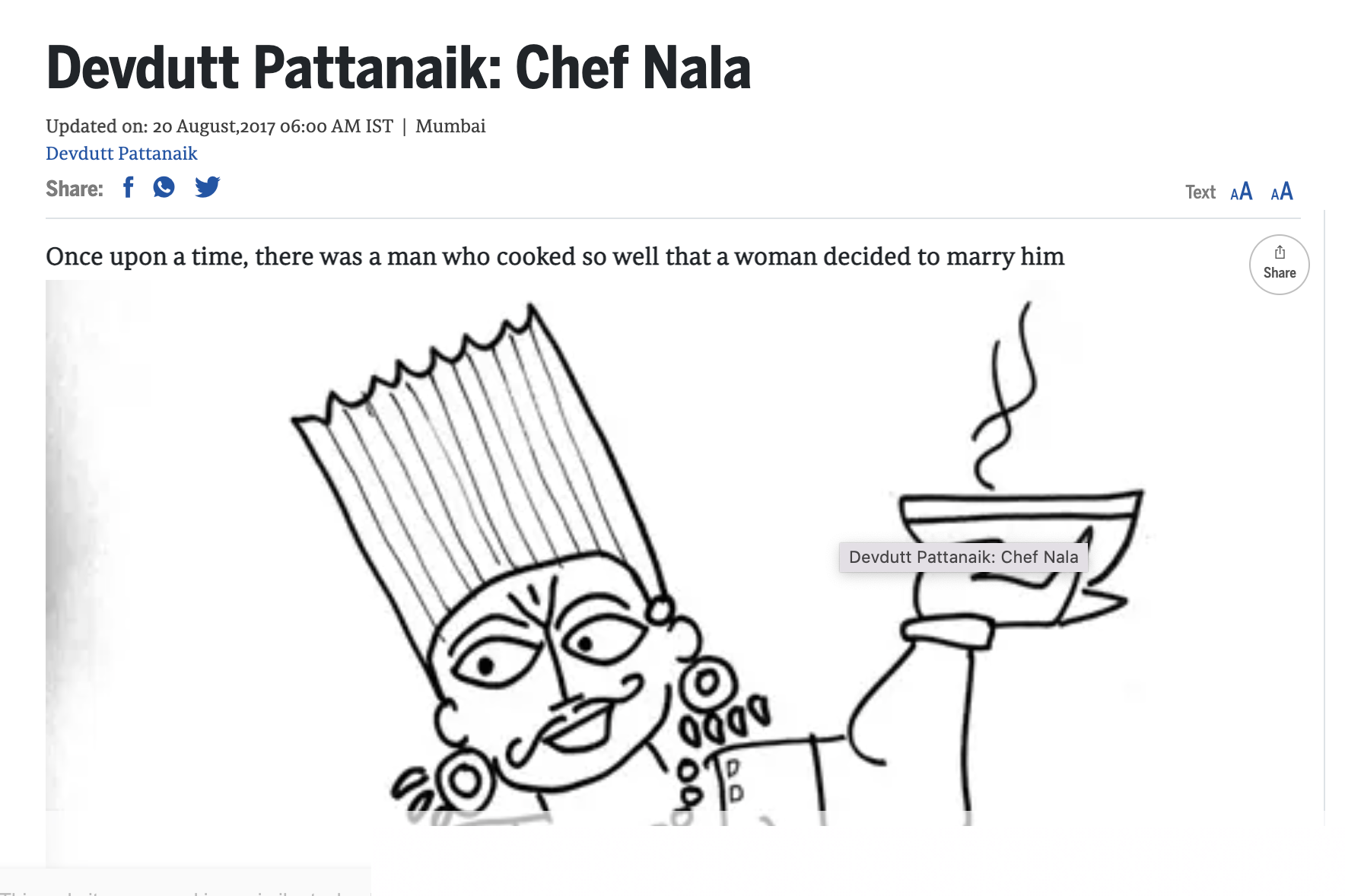
Source: Mid-day

In an article in the Mid-day, Pattanaik writes about Pakadarpanam, “Most interestingly, the book refers to indigenous biryani (Mansodana): rice cooked with meat. There are detailed descriptions of various preparations with the flesh of birds including chicken (kukkuta), animals, fish and eggs.”
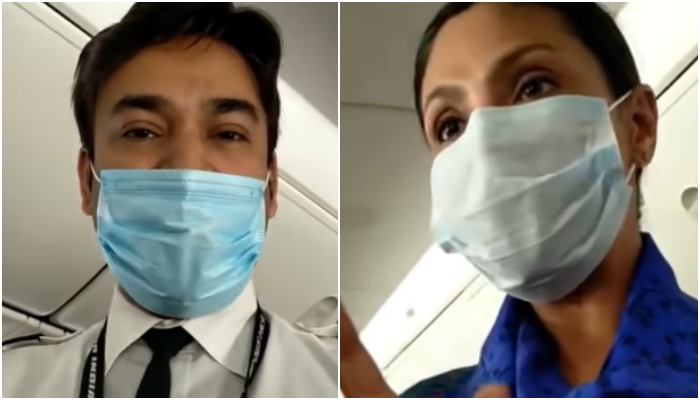
Jain passengers allege Air India staffers gave them non-veg meals despite meal preference, accuse airline of negligence

On Wednesday, a video of a complaint against the Air India staffers having allegedly offered a non-veg meal to a Jain person on the flight was met with raised eyeballs on social media platforms. A person belonging to the Jain community alleged on March 26 that the Air India staff members fed him and his wife a non-vegetarian meal while they were travelling on the AI 307 flight from Tokyo to New Delhi last week.

“The staff members didn’t check the meal before serving it to us and gave us non-veg food. They didn’t even apologize”, said victim Raghavendra Jain who recorded the video of the incident claimed ane accused two Air India staff members on social media.

Jain says Air India staffers named Fathima Munni and Yaman Khan had casually ‘verified’ the meal type before serving it to the passenger. “Fathima Munni gave me a non-vegetarian Gluten-free meal. When I opened it, it looked and smelled like a fish, so I called her and inquired about it. She took the open food packet to her colleague named Yaman Khan. He casually said that it was indeed a veg meal and that I should not worry about it. They asked me to enjoy the meal with a smirk on their faces”, said Jain on social media.

He added that after having a few bites of the food, he realized that the meal was not vegetarian and asked another staff member who was passing by. The staff member confirmed that the food contained fish and that Gluten-free meals are hardly vegetarian. As seen in the video, Jain then called Fathima Munni and Yaman Khan and asked them to apologize for the grave mistake but they showed no remorse. “Fathima Munni instead tried to laugh it off and another staff named Vikas Chopra said in Hindi, ‘ab kya naak ragade tumhare saamne, sorry bol toh diya’ (what more do we do now? we’ve said sorry)”, he added.

He also stated that the Air India staff members had disrespected his religion and had made fun of it by making him eat non-vegetarian food. “I and my wife are feeling sick and disgusted since we have had that food. This is the worst day of our lives”, he could be heard saying in the video. Jain also mentioned that the staff members kept on intimidating him to delete the video on their way back to Delhi.

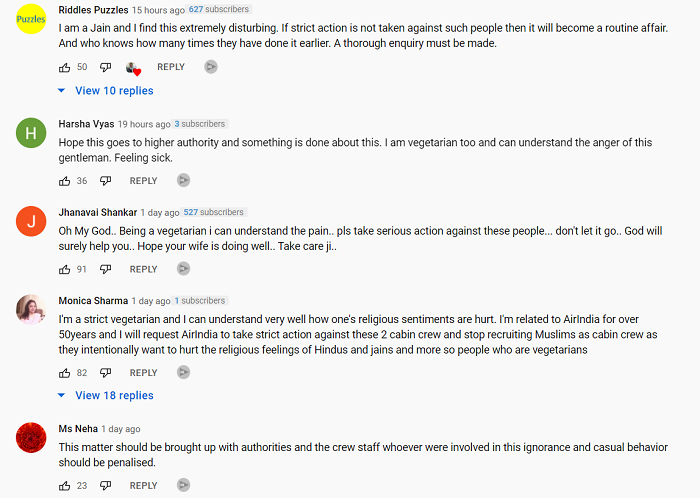
It is important to note that the video that has been uploaded by Raghavendra Jain on YouTube has attracted around 50 thousand views with people in the comments demanding a thorough inquiry into the matter.

One of the comments read that if no strict action is taken against such staff, then incidents like these will become a routine affair. Another comment read, “Hope this goes to a higher authority and something is done about this. I am vegetarian too and can understand the anger of this gentleman. Feeling sick”. Interestingly, one of the persons who commented on the video said that she had been working with Air India for years and that she would request the authorities to take strict action against the 2 cabin crew members.

Screenshot of the comments section of the video on YouTube

The video by Raghvendra Jain however also went viral on Facebook which attracted more than 7 lakh views and 4 thousand comments.

Air India however has taken cognizance of the complaint and has said that it will check the issue with the staff members. “Dear Sir, we would like to know more about this. Please elaborate via DM along with your ticket details. Let us get this checked”, Air India responded to Jain’s tweet.

OpIndia has also contacted Air India to know more about the incident. We will update the report when we hear from Air India.

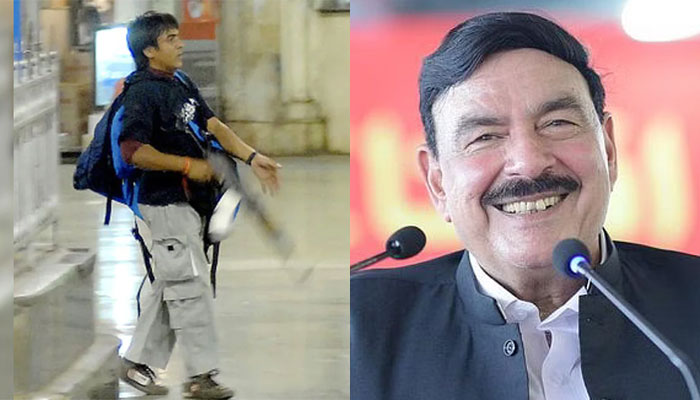
Pakistan Minister admits terrorist Ajmal Kasab was their citizen, blames Nawaz Sharif for giving his details to India

On March 30, Sheikh Rasheed, Interior Minister, Pakistan, claimed Nawaz Sharif, former Prime Minister of Pakistan, had provided detailed information of Pakistani terrorist Ajmal Kasab to India. He said, “Nawaz Sharif was the one who gave the details of Ajmal Kasab’s whereabouts to India.” He was speaking at an event where Imran Khan, Prime Minister of Pakistan, was also among the attendees.

He further alleged that Sharif received funds from Muammar Gaddafi, Osama Bin Laden and Saddam Hussein.

Imran Khan’s government is facing collapse as opposition parties have united against him. A no-trust vote is to be held soon.

Statement of Sheikh Rashid

Sheikh said, “He [Nawaz Sharif] gave the Faridkot [Pakistan] address of Ajmal Kasab to India. If someone proves me wrong, deem me as a thief, and I will accept the punishment.” While pointing out how proud he was to be associated with Imran Khan, he said, “You keep fighting. I am with you. Everyone says I did politics of one-two seats. But I am proud I did politics with Imran Khan.” Rashid alleged those who left Khan would come back to join him. He urged him to shoo them away.

26/11 Mumbai Attack

Ajmal Kasab was one of the Pakistani terrorists linked to the terrorist organization Lashkar-e-Taiba (LeT) that attacked the financial capital of India, Mumbai, on November 26, 2008. Crowded places and sensitive locations, including Hotel Taj, The Oberoi, Chatrapati Shivaji Terminus, Nariman House and others, were targeted during the attack. The attack claimed 174 lives and left 300 injured. The terrorists were wearing Hindu religious symbols like Kalawa etc to give an impression that they were Indian Hindus. Sub Inspector Tukaram Omble had sacrificed his life to capture Kasab alive.

Kasab was hanged to death on November 21, 2012.

Rajasthan: Distressed gynaecologist who was charged with murder after patient’s death commits suicide, hospitals go on strike

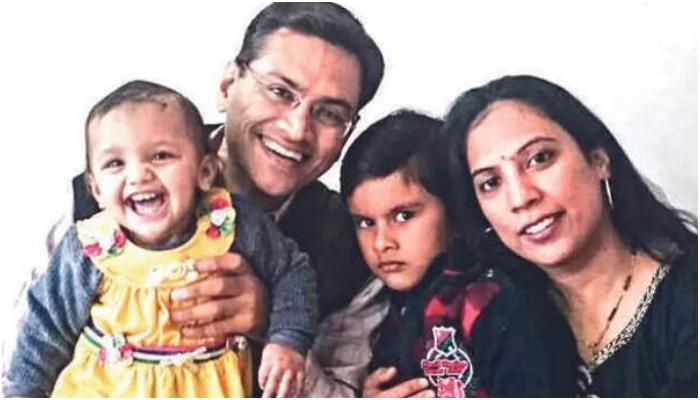
On Tuesday, a female gynaecologist working at a private hospital in Rajasthan’s Dausa district committed suicide as she was stressed over the FIR filed against her under charges of murder based on unproven allegations of medical negligence. The deceased Dr. Archana Sharma was blamed of murder by the family of the patient who died during childbirth.

According to the reports, a 22-year-old pregnant woman was brought to Anand hospital run by Dr. Archana Sharma and her husband. Though she was taken to the labor room, her condition deteriorated and she died due to heavy blood loss. Following this, the relatives of the woman charged Dr. Sharma with medical negligence and created a ruckus at the hospital. They protested against the doctor couple and booked them under section 302 of the Indian Penal Code.

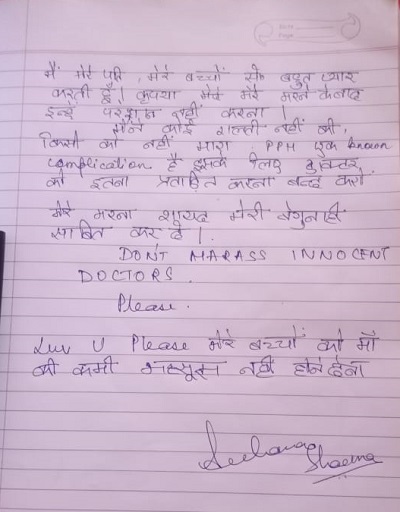
Dr. Archana Sharma, unable to handle the pressure, hanged herself in a hospital room and left a suicide note in which she mentioned that the patient had died due to postpartum hemorrhage (PPH) post-delivery, a known medical complication. “I didn’t commit any mistake. I didn’t kill anyone. Please do not harass my family and my children. The patient died of PPH, a known complication. Don’t harass doctors. Please. My death will perhaps prove my innocence”, the handwritten note read.

Handwritten suicide note by Dr Archana Sharma

The note further added that her doctor husband was also not at fault and that nobody should harass him after her demise. Reports mention that Dr. Sharma had worked as an associate professor and a unit head in Gandhinagar’s government medical college before she joined her husband at Lalsot’s Anand Hospital. According to police, the pregnant woman died at the hospital run by the doctor and her husband after delivering a child and the deceased’s family has been accusing the doctor of medical negligence.

Meanwhile, the Indian Medical Association, Gurgaon condemned the incident and said that the Police under the pressure from relatives and local politicians had booked the doctor under murder charges. “PPH is a known dangerous complication of childbirth and the SC has directed that no FIR can be filed on a doctor without negligence being certified”, the statement by IMA read. “This kind of unwarranted harassment of doctors following complications after medical treatment will make affordable medical care impossible for Indians”, it added.

Dr Amit Thadani, a Mumbai-based doctor has informed OpIndia that a young gynaecologist, a mother of two small kids was harassed as the case filed against her under IPC 302 is unjustified. “Acute postpartum hemorrhage (PPH) is a known complication of childbirth. Uterine atony, or lack of effective uterine contraction, is the most common cause of PPH. It is not something that happens because of medical negligence. But cops were only too eager to harass the doctor”, he said.

He further added that death due to alleged medical negligence is covered under section 304A of IPC and that the doctors are booked only if high order of medical negligence is established. “There is a Supreme Court ruling in this matter. The police cannot just like that book a doctor for medical negligence under IPC 302. We’ve lost a doctor today due to this”, he added reiterating his plea to stop harassing the medical fraternity.

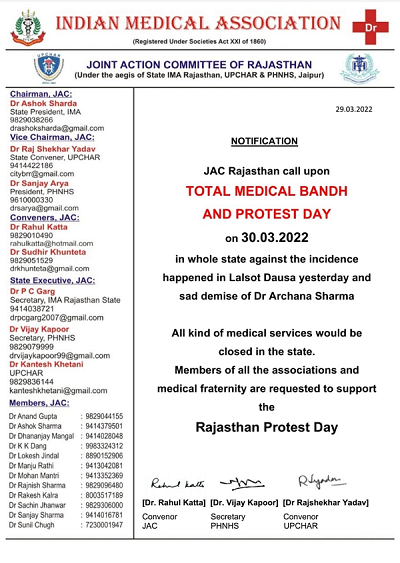
Dr Vijay Kapoor, secretary of Private Hospitals and Nursing Home Society, Jaipur further confirmed that the local police were very serious about registering a case under section 302 of the IPC against the order of the Supreme Court. “It was not murder, the patient died during the normal course of treatment”, he said adding that the doctors across the private hospitals in Jaipur had announced a strike after the case. He said that amid Rajasthan Protest Day on March 30, only the patients already admitted would be treated.

The Rajasthan Medical College Teacher’s Association and Jaipur Association of Resident Doctors have also demanded action against the guilty for the abetment of suicide. They have demanded suspension of guilty officials in the police with immediate effect.

Rajasthan CM Ashok Gehlot says will investigate matter

Rajasthan Chief Minister Ashok Gehlot took to Twitter to express sadness over Dr Sharma’s suicide. He condemned intimidation of doctors over death of a patient, which led to filing FIR against Dr Sharma.

“We should all remember how the doctors risked their lives to treat us during COVID pandemic as well as other illnesses,” he said and added that the entire incident will be investigated.

Karnataka: Upset with High Court’s hijab order, 40 Muslim students refuse to appear for exams in Udupi

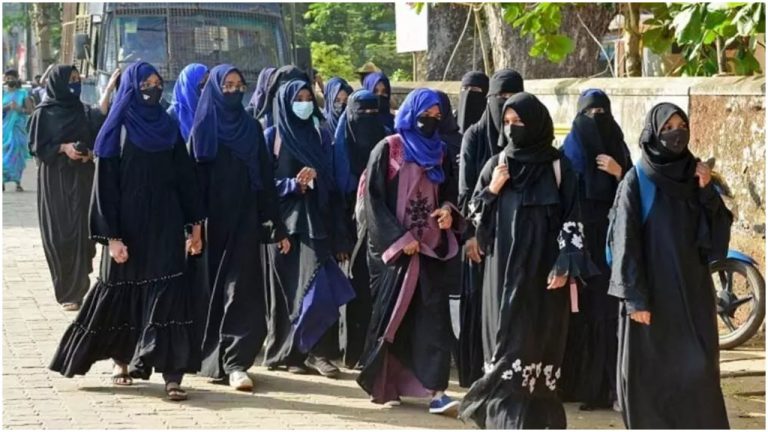
At least forty Muslim girl students from the Udupi district of Karnataka have refused to attend the first pre-university examination on Tuesday after they were apparently hurt by the recent Karnataka High Court verdict banning the wearing of hijab inside classrooms.

According to the reports, the students decided to not appear for the examination without wearing the headscarf as they were hurt by the March 15 order that upheld the state government’s order banning the use of any religious attire on the premises of educational institutions.

Reportedly, at least 24 girl students from Kundapur, 14 from Byndoor and two from Udupi Government Girls Pre-University college have missed the exams because they did not want to follow the uniform dress code. Earlier, these girls, some of whom are also petitioners, had boycotted the practical examinations too.

Similarly, at the RN Shetty PU college, only 13 out of 28 Muslim girl students appeared for the examination. Some students reached the examination centre wearing hijabs, arguing that they should be allowed to write exams in Islamic gear. However, the college authorities denied them permission.

One girl student refused to appear for the examinations at Bhandarkar’s college in Udupi. Six of the eight girl students of Navunda Government PU College abstained from the examinations.

Muslim students refused to appear for preparatory exams

Two weeks earlier, at least 231 Muslim students studying at Government PU College in Uppinangady in Dakshina Kannada district of Karnataka had declined to appear for preparatory exams for the SSLC after being asked to remove their hijabs.

Following the High Court order, the college authorities had asked the students to adhere to the order that banned religious attire such as hijab or burqa in educational institutions and to follow the dress code of educational institutions. However, the girls had refused to remove their hijab, hence the college did not permit them to sit for the exam. 

The insistence of the Muslim students to wear hijab to schools had come even as Karnataka High Court, in a significant judgement, had upheld the rights of educational institutions to mandate uniform dress codes inside campus. In a historic judgement, the Karnataka High Court held that the hijab is not an essential religious practice and upheld the state government’s order banning any religious attire on the premises of educational institutions.

It stated that schools and colleges have a right to mandate a uniform dress code on their premises.

Hijab row

The hijab controversy in Karnataka gained momentum in the first week of January after eight Muslim girls were denied entry to classes in a Udupi college because they were wearing hijab. The college authorities had informed that the hijab was not a part of the uniform dress code mandated for the students.

The Muslim girls, adamant about wearing hijab, then filed a petition in High Court seeking permission to attend classes in hijab. They stated that wearing the hijab was their ‘fundamental right’ granted under Articles 14 and 25 of the Indian Constitution and an ‘integral practice of Islam’.

The controversy spiralled as Hindu students in Karnataka came with saffron scarves around their necks and protested against Muslim girls continuing to wear hijab to college. Tensions also prevailed at some educational institutions in Udupi, Shivamogga, Bagalkote, and other parts, as stones-pelting and violence were reported from various parts of the state.

As reported earlier, the students had begun to wear hijab to schools and colleges after they had met the Campus Front of India (CFI), the student branch of the Islamist organization Popular Front of India (PFI), in October 2021. The students confessed that they had spoken with the CFI.

Threatening voters with violence: Election Commission bans TMC MLA from campaigning for 1 week ahead of the Asansol by-election in Bengal

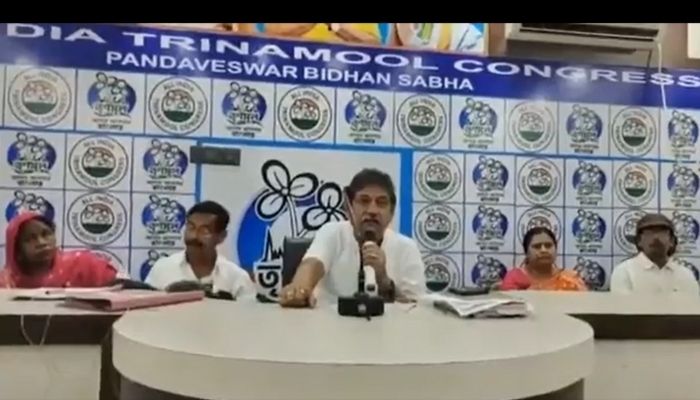
The election commission took strict action against Trinamool Congress (TMC) MLA Narendranath Chakraborty for threatening voters who support the Bharatiya Janata Party (BJP). TMC MLA from Pandabeswar Narendranath Chakraborty had threatened voters and a video of the same had gone viral.

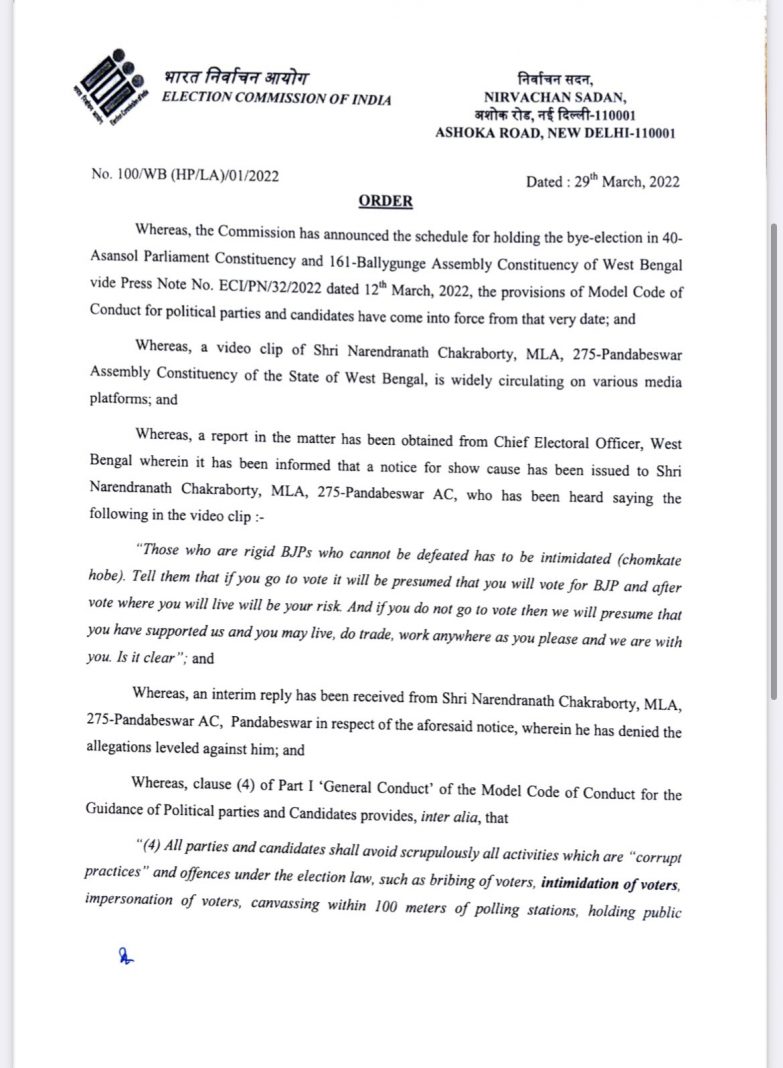
After examining the video footage, the Election Commission took strict action on 29th March 2022. Narendranath Chakraborty has been prohibited from campaigning for seven days till 6th April 2022. Till then, he will not be able to hold any meetings, processions, or give any interviews to the media. The action is significant considering the Asansol by-election scheduled ahead on 12th April 2022.

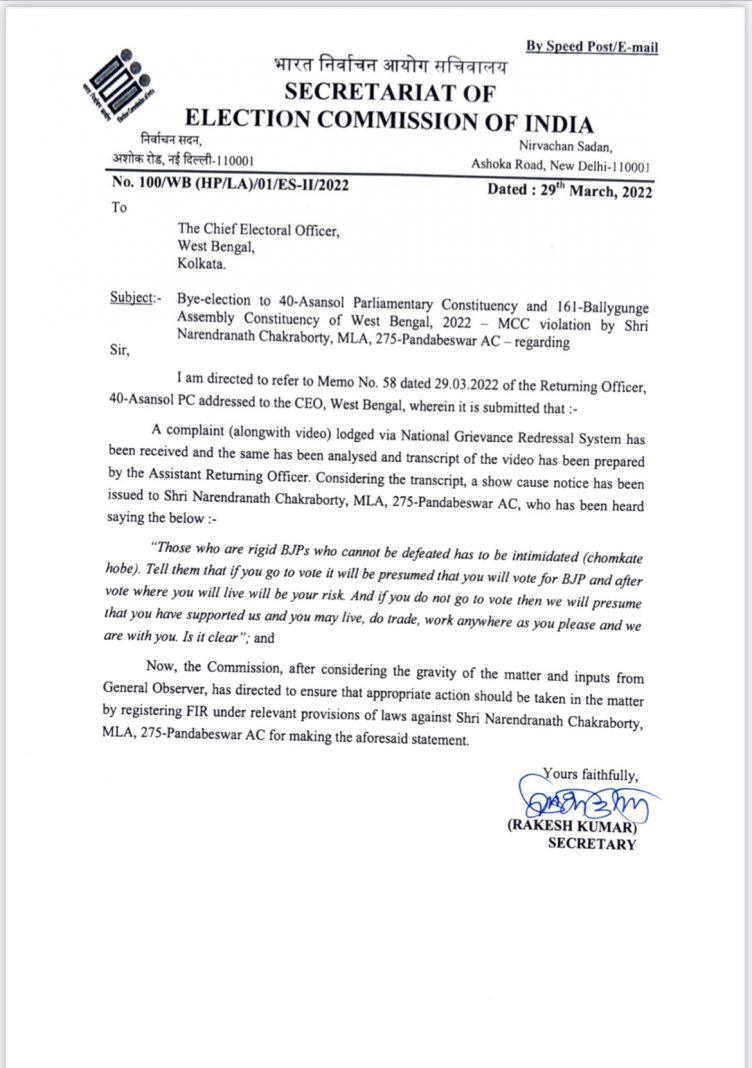
The Election Commission’s order says, “A video clip of Shri Narendranath Chakraborty, MLA, 275-Pandabeswar Assembly Constituency of the State of West Bengal, is widely circulating on various media platforms and a report on the matter has been obtained from Chief Electoral Officer, West Bengal wherein it has been informed that notice for show cause has been issued to Shri Narendranath Chakraborty, MLA, 275-Pandabeswar AC.”

EC quoted the words of TMC MLA Narendranath Chakraborty’s statement, “Those who are rigid BJPs who cannot be defeated has to be intimidated (chomkate hobe). Tell them that if you go to vote it will be presumed that you will vote for BJP and after vote where you will live will be your risk And if you do not go to vote then we will presume that you have supported us and you may live, do trade, work anywhere as you please and we are with you. Is it clear?”

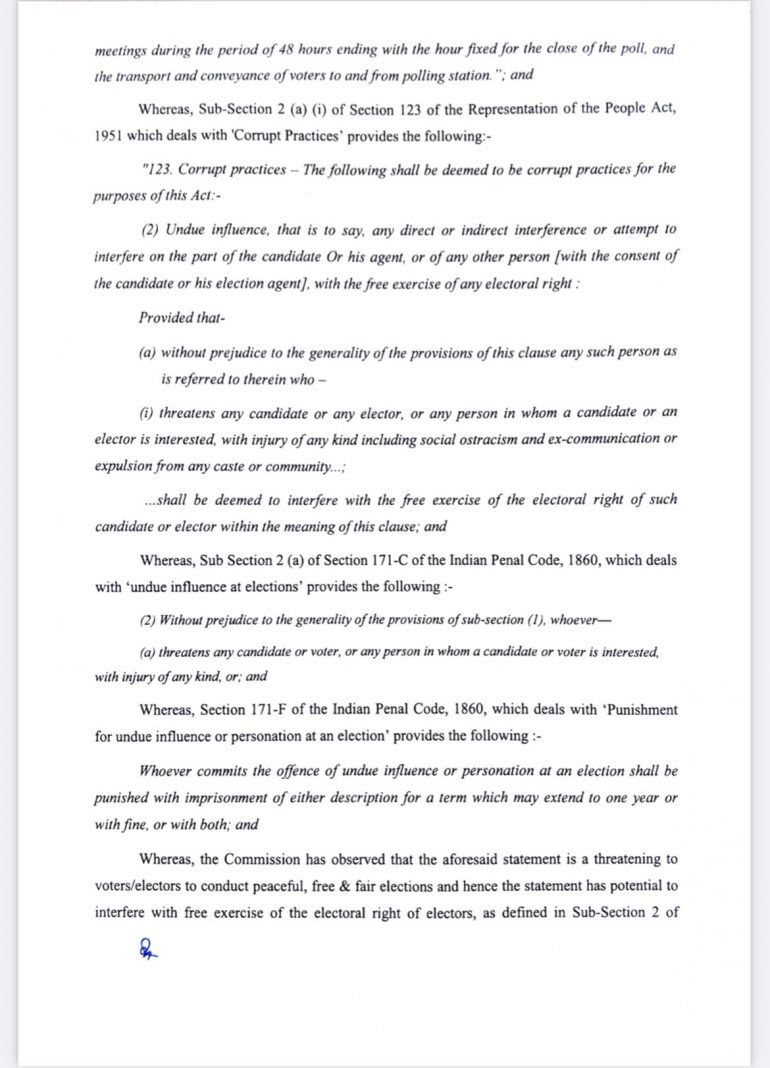
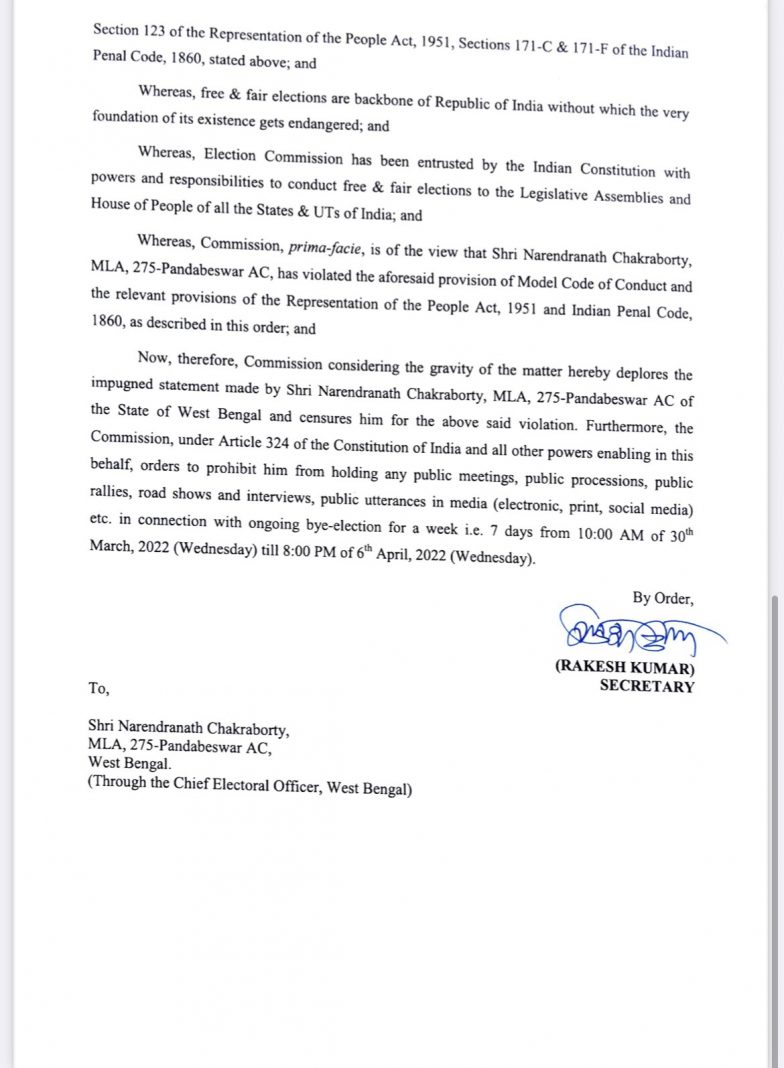
The order further said, “The Commission has observed that the aforesaid statement is threatening to voters/electors to conduct peaceful, free & fair elections and hence the statement has potential to interfere with the free exercise of the electoral right of electors as defined in Sub-Section 2 of Section 123 of the Representation of the People Act, 1951, Sections 171-C & 171-F of the Indian Penal Code, 1860.”

Ruling the strict action against the TMC MLA, the Election Commission said in its order, “Commission considering the gravity of the matter hereby deplores the impugned statement made by Shri Narendranath Chakraborty, MLA, 275-Pandeswar AC of the State of West Bengal and censures him for the above-said violation. Furthermore, the Commission, under Article 324 of the Constitution of India and all other powers enabling in this behalf, orders to prohibit him from holding any public meetings, public processions, public rallies, roadshows and interviews, public utterances in media (electronic, print, social media), etc. in connection with ongoing bye-election for a week i.e. 7 days from 10:00 AM of 30th March 2022 (Wednesday) till 8:00 PM of 6th April 2022 (Wednesday).”

The Election commission of India also directed the Chief Electoral Officer of West Bengal to look into this matter and register an FIR against the accused TMC MLA Narendranath Chakraborty under relevant provisions of laws.

A video of Narendranath Chakraborty’s speech, threatening BJP supporters, was shared on social media by BJP leader Suvendu Adhikari. In 2016, Narendranath Chakraborty was arrested by Central Industrial Security Forces (CISF) for carrying a pistol, cartridges in his check-in luggage bag at the Netaji Subhas Chandra Bose International Airport in Kolkata.

Russia-Ukraine conflict: Investigation initiated after a viral video shows alleged war crimes committed by Ukrainian soldiers

Amidst the ongoing Russia-Ukraine conflict, the Ukrainian authorities have initiated an investigation to find details of a viral video in which Ukrainian soldiers can be seen allegedly shooting Russian prisoners of war (POW) in the legs. The video, which depicted alleged war crimes committed by Ukrainian soldiers against their Russian counterparts, first appeared on social media platforms on March 27 (local time) before it was shared massively on the internet.

Speaking about the viral video, Valerii Zaluzhnyi, Commander-in-Chief, Ukrainian armed forces, claimed that Russia has been circulating staged videos to discredit Ukraine’s treatment of Russian POWs and asserted that the latest video is another attempt to further the same narrative.

On the contrary, Oleksiy Arestovych, adviser to the Ukrainian president, Volodymyr Zelensky, reminded everyone that abusing POWs constitues war crimes. He said, “I would like to remind all our military, civilians and defence forces that abusing prisoners of war is a war crime,” and added there would be an investigation into the video.

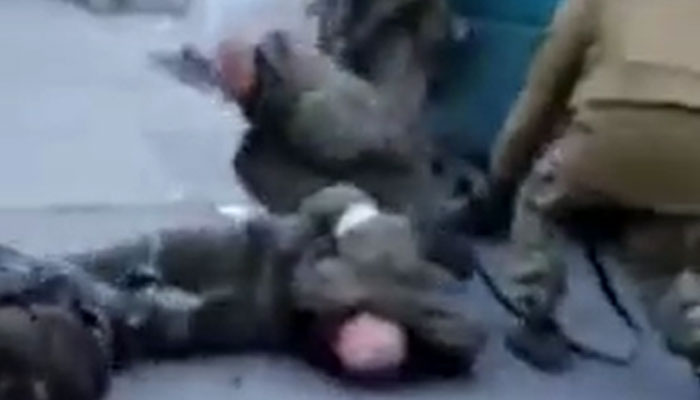
BBC did an in-depth analysis to determine if the video that has gone viral and showcases war crimes allegedly committed by Ukrainian soldiers is authentic or a product of the Russian propaganda. The video shows several captured Russian soldiers on the ground. Some of them had bags over their heads. Wounds were visible on some soldiers’ legs. They were being interrogated by the soldiers who captured them, allegedly Ukrainian soldiers. They asked about their units and activities.

As per a Twitter user, the video might have been filmed in a dairy plant in Malaya Rohan, south-east of Kharkiv. Using geo-locations tools and imagery available in the video and satellite images, BBC was able to match the details of the location. Some of the identifier markers were a tree, a chimney, a window and a white structure, among others.

It is unclear when the video was shot as there was no data stamp or metadata. According to BBC, the video could have been shot on March 26, a day before it went viral, as the weather conditions matched the said date.

The language matches the Ukrainian accent

As per BBC’s analysis, the prisoners were being questioned in Russian. The accents of the soldiers interrogating the Russians were in the line of how Ukrainians would speak Russian. Their accent was consistent with the Ukrainians living on the east side of the country.

The uniform of the captors

The soldiers, allegedly of Ukraine, were wearing Ukrainian uniforms with blue armbands. However, there were no conclusive markings like regimental badges or IDs visible in the video.

Lesser blood raised questions

Three men were shot in the video in the legs at close range using an assault rifle. The social media pointed out that it could be staged as there was less blood. However, the screams of the soldiers and evidence of exit wounds point out towards authentication of the video. Notably, some of the doctors BBC talked to pointed out that it was normal for the soldiers not to react vigorously like civilians on being shot.

The violation of the Geneva Conventions

If proven true, the video is damning evidence of a serious violation of the Geneva Conventions, which is a series of treaties that were signed in the aftermath of World War II. These treaties include the humane treatment of POWs. Notably, this is not the first time Ukrainians are facing criticism for the ill-treatment of POWs in their custody since the Russian invaded Ukraine.

A few days back, another video had surfaced in which a Ukrainian soldier called a Russian soldier’s family using his phone and mocked them while the family member on the other side was crying with shock.

Disney president wants more Disney characters to be LGBTQ+ or racial minorities, says her own children are ‘pansexual’ and ‘transgender’

Days after The Walt Disney Company made an official stand against the alleged ‘Don’t Say Gay‘ bill passed by the Florida state, a top official at the company has expressed that representation of LGBTQ and racial minority characters will be elevated in its content production.

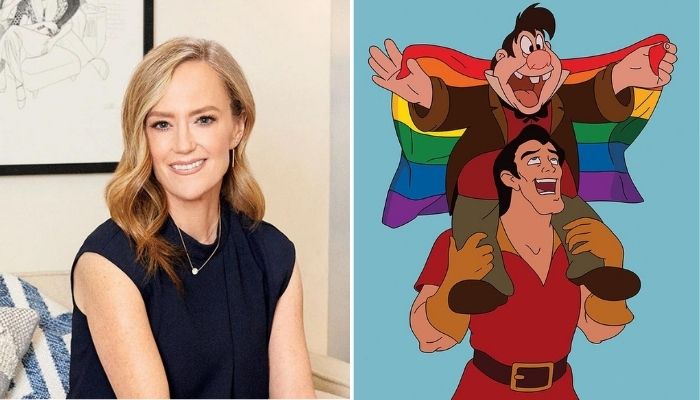
Karey Burke, President of Walt Disney’s general entertainment has promised in a company meeting that nearly half of all Disney characters would either be LGBTQ+ or racial minorities by the end of this year.

Disney produces movies and shows for children.

In a video posted by American journalist Christopher F Rufo, Burke can be heard making a case for increased representation of the LGBTQ community after the company saw many protests on its campuses concerning the controversial bill. She expressed that she took this decision as a mother of a transgender and a pansexual child and as a leader of the company.

“I am here as a mother of two queer children – one transgender child and one pansexual child and also a leader. It got me thinking when I had conversations with my colleagues on open forums and I feel a responsibility to speak not just for myself but also for them,” she added during the meeting.

Pansexual refers to a category of people who do not limit their sexual preferences based upon biological sex or gender identity.

Burke noted that when one of her executives reported the company’s content having only a handful of queer leads, She realised the company was not inclusive enough. She suggested that while the company has “many many many LGBTQIA+ characters”, there was a dearth of them as leads and narratives in which gay characters are not ‘just characters’.

In a teary-eyed address, Burke referred to The Walt Disney Company’s ‘Reimagine Tomorrow’ campaign which aims to represent more minority groups. ‘By 2022, 50% of regular and recurring characters across Disney General Entertainment scripted content will come from underrepresented groups” the campaign statement says. “Going forward, I hope this is a moment where we just don’t allow each other to go backwards,” she added.

Among its recent woke decisions pandering to liberal politics in the USA includes addressing visitors at Disney parks as ”Dreamers of all ages” instead of “ladies and gentleman, boys and girls.”

On March 28, The Walt Disney Company took an official stand in criticising the alleged ‘Don’t Say Gay’ bill passed in Florida after its employees stanged protests across the USA. Disney asked for the bill to be repealed by the legislature or struck down in the courts after it was forced to take a political stand by its LGBTQ+ employees. The controversial bill caused much disruption in the country, which effectively restricts teaching concepts like ‘Sexual orientation’ and ‘gender identity’ to children from kindergarten to class 3.

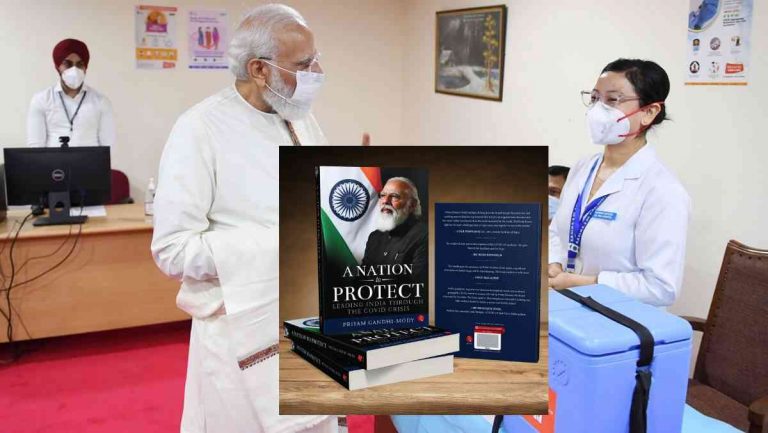
What if Centre had let the states manage oxygen on their own during the COVID pandemic? New book tells how Modi govt managed coronavirus crisis

As the worse of coronavirus pandemic appears to be squarely behind us, author Priyam Gandhi-Modi has written a book which dissects India’s covid management under leadership of Prime Minister Modi. The two years of pandemic saw the best and worst of humanity with the fear of unknown lurking just round the corner. There was migrant crisis where the Centre arranged for Shramik Express trains to help the migrants go home.

Soon, the vaccine was rolled out in January 2021. Senior citizens and healthcare workers and other frontline workers were vaccinated.

Subsequently things got better but only to get worse. India was soon gripped in second wave of the pandemic in April-May 2021 which saw one of the worst oxygen crisis in India. There were calls of hospitals running out of oxygen while patients were being admitted. By then, on request of various non-BJP ruled states, the Centre had given them the powers to take decisions as they deem fit as health is a state subject.

However, when things again appeared out of hand, the Centre stepped in. The book by Gandhi-Mody talks about the many challenges thrown at PM Modi during the covid crisis. Here is an excerpt of the book where it talks about the acute oxygen crisis that hit the national capital.

A Nation To Protect – Leading India Through The Covid Crisis by Priyam Gandhi-Mody

Excerpt of the book published with permission:

It is abundantly clear that officially the Delhi government had only raised a demand of 590 MT of oxygen, which the Centre had allocated. Despite that, perhaps only to shift the blame at the mismanagement of the oxygen, Delhi government went to Court saying that an oxygen shortage in the city was due to the Centre’s refusal to allocate oxygen which they had demanded. An ingenious plan which worked to their advantage as the media lapped up the story.

Videos of desolate folks running from pillar to post craving for oxygen in addition to the victim card which the Delhi government played seemed to have done wonders to shift the blame on the Centre for the oxygen shortage in the national capital. The Delhi High Court came down on the Centre and ordered it to supply 700 MT of oxygen to the Delhi government daily and warned of contempt proceedings if it failed to do so. To slightly rewind the situation, officers from the Centre were in touch with officers from the state governments of high-risk states right from the first week of April.

The Centre would ask for estimates of requirement of oxygen for the next five, 10 or 15 days and plan allocation accordingly. But the Delta virus was a new beast, something which the world had not previously seen. The requirement of oxygen grew exponentially, which even the states themselves had not accounted for. With the exponential increase, previous calculations came undone. This led to the worst of politics being played out.

Questions were raised on oxygen allocation as if no mechanism of officers was ever in place on this issue. Human psychology is such that we often need someone we can blame. Would it be right to blame states for not anticipating the future requirement of oxygen? Would it be right to blame the Centre for planning according to the requirements sent by states? This was a once-in-a-century crisis caused by an extremely unpredictable virus. Some even blamed the Centre for over-centralizing control in the pandemic and states having to request the Centre for its share of oxygen.

But let us look at the counter scenario. Imagine if the Centre had said it would empower all states to manage their own oxygen. In such a hypothetical case, only some states would have managed to organize their own supplies while others would have had no source. Equitable or need-based distribution would be out of the question.

As soon as the allocation increased, Delhi came up with a new issue; that tankers carrying oxygen to Delhi were being blocked in UP and Haryana. On 22 April, in a press conference, Deputy Chief Minister of New Delhi Manish Sisodia noted that ‘jungle raj’ by the governments of UP and Haryana (both BJP-ruled states) was why Delhi was not receiving timely oxygen.

He blamed them for blocking and hoarding oxygen which was meant for Delhi. One of Delhi’s primary vendors for oxygen supply was Linde India, whose plant is based in Faridabad, Haryana. Sisodia’s charges were that the Haryana government was not letting the vendor release the tankers to come to Delhi. However, when media folks spoke with the collector of Faridabad, Dr Garima Mittal, she strongly negated Sisodia’s accusations, ‘I do not know where this news is coming from.

Everything is fine. I don’t know about the specific case of the hospital, but there is no issue here. All the tankers are leaving the state, there’s no issue at all. Nobody has been stopped. There is absolutely smooth movement as has been going on. Oxygen supply will be as usual.’ Only a few hours after her response, Sisodia once again tweeted that supply had been restored.

You can buy a copy of the book here.

Govt of India castigates Twitter for suspending accounts in arbitrary manner, files affidavit in court saying platforms have to be accountable

Responding to a petition filed by a Twitter user over arbitrary suspension of the account, the Government of India submitted before the Delhi High Court that it has always stood in defending the rights of social media users who have often complained of high-handed and arbitrary decisions by platforms like Twitter and Facebook.

In an ongoing case in Delhi High Court, the government has filed an affidavit where they have reiterated that social media platforms have to give a fair chance to users, and they cannot be suspending their accounts on flimsy grounds. The case pertains to a case filed by Twitter users – Megh Bulletin and Wokeflix, whose accounts have been suspended by Twitter without providing any reason.

On February 23, 2022, the micro-blogging site Twitter had arbitrarily suspended popular right-wing nationalist Twitter accounts over alleged ‘violations’ of Twitter policies. Popular news and current affair handle – ‘Megh Bulletin’, a popular fact-checking Twitter account – Befitting Facts, another satirical account- ‘The Skin Doctor’ were all suspended over alleged violations by Twitter.

Similarly, the political satire account of Wokeflix, which says it is the vaccine for Woke’ism or Woke culture, was removed from the platform.

The micro-blogging site had not specified the list of violations these popular right-wing nationalist accounts may have committed to face suspension.

Following their suspension, the nationalist social media handles had moved a petition against Twitter against the arbitrary ban. In response, the Delhi High Court had issued notice to both the micro-blogging site and the centre.

In response to the notice, the Government of India said it is committed to upholding the rights of every citizen of the country under Articles 14, 19 and 21 of the Constitution of India.

“It is submitted that the rights of the users on these platforms are to be safeguarded under Articles 14, 19 and 21 of the Constitution of India and the platforms discharging public functions would be duty-bound to ensure that there is no infringement of such rights of the citizens,” the Ministry of Electronics and Information Technology (MEITY) said in its response.

In response to the petition filed by the Twitter account ‘Megh Bulletin’, the centre noted that the accounts were suspended by Twitter without affording an opportunity of hearing to the Petitioner in any way and added there is no provision under which information can be edited or modified before transmission suo-motu by intermediaries like Twitter.

In other words, there is no sanction for suspending accounts arbitrarily under the Information Technology Act and the latest Information Technology (Intermediary Guidelines and Digital Media Ethics Code) Rules, 2021 made thereunder, the MEITY said, adding that it is the custodian of the Information Technology Act, 2000 (IT Act, 2000). The Ministry said it has always maintained the rule of law and performed its lawful obligations as mandated under the IT Act, 2000.

“It is submitted that the internet is growing rapidly and has seen the emergence of new categories of intermediaries. Anyone can upload any information at any time and from anywhere in the world, and the same is accessible to everyone instantly. In some scenarios, the information is perceived to be unlawful or harmful in some ways,” the centre noted in its response.

The Ministry of Electronics and Information Technology said that the approach to the framing of legislation and rules are founded on the following principles. First, the internet should be open, safe and trusted. Secondly, the platforms to be accountable to the users; and finally, no platform or intermediary will be allowed to infringe upon the citizen’s rights, including but not limited to Articles 14, 19 and 21 guaranteed under the Constitution of India under the guise of violation of the platform’s policies unless it constitutes a violation of extant law in force.

Earlier in the day, after hearing a bunch of pleas filed by Twitter users like Wokeflix, Dimple Kaul on behalf of “@Bharadwajspeaks”, and others challenging the suspension of their user handles by Twitter Inc, the Delhi High Court warned told the social media giant, saying it is high time the social media companies like Twitter “woke up”.

“It is high time that you wake up”, remarked Justice Yashwant Varma while replying to the argument made by Twitter on the maintainability of the writ petitions filed by the users.

This strong response against the arbitrary action by big techs comes just weeks after Rajeev Chandrasekhar, Minister of State for Electronics and Information Technology, had asserted that there cannot be any free run for these social media technologies to violate the law of the land and enforce their own decisions.

Speaking to the media, Minister Rajeev Chandrashekhar said there is a need to rethink local laws to de-risk the Indian internet and make it harder for Big Tech businesses to be weaponised in any circumstance. This remark comes in the wake of big tech companies and their subsidiaries declaring partial or complete service interruptions for Russia and its people soon after the war between Russia and Ukraine began.