

Pakistan has been humiliated internationally following India’s “Operation Sindoor” as it sustained heavy losses during the conflict, leading it to sink even lower. Unable to confront India on the battlefield, the country has turned to crude tactics to express bitterness following its own incompetence and failures.
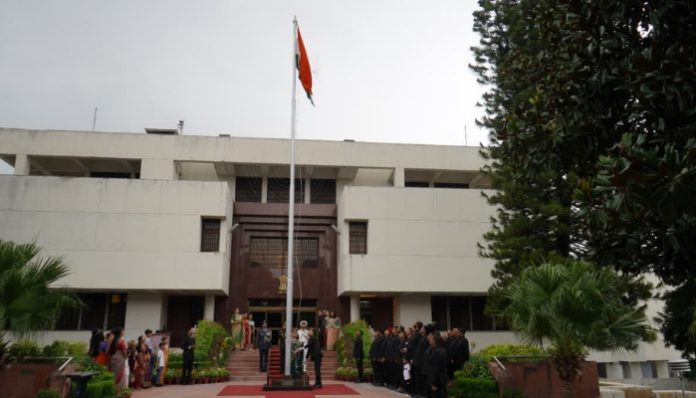
Islamabad has now resorted to targeted restrictions on basic services for Indian High Commission employees, escalating tensions between the two sides. According to senior government officials, the action was “deliberate, premeditated, and in breach of the Vienna Convention,” reported News18.
The development followed the suspension of the Indus Water Treaty as well as the successful military operation executed by New Delhi. Pakistan’s move is a part of a pattern of “petty retaliation” planned by its intelligence agency, the Inter-Services Intelligence (ISI), to interfere with the living and working conditions of Indian diplomats in Islamabad, according to senior government officials.
Sui Northern Gas Pipelines Ltd (SNGPL) reportedly installed gas pipelines on the grounds of the Indian High Commission, however the supply has been purposefully stopped. Pakistani officials have told local gas cylinder sellers not to supply to Indian personnel. The vendors previously sold vital cooking and heating fuel earlier to the Indian mission.
As a result, diplomats and their families have been compelled to look for expensive and limited alternatives on the open market, frequently without success.
Furthermore, the harassment is not limited to fuel only. All outlets in Islamabad have been told not to supply mineral water to the Indian High Commission and its contracted supplier of clean drinking water has been prohibited from delivering. According to sources, this has caused quite a bit of inconvenience for the employees because the tap water in the area is unsafe to drink without thorough filtration.
Newspaper suppliers have also been instructed to completely cease providing publications to the mission in an effort to further limit the flow of information. Indian officials interpret the measure as an intentional strategy to deny regular access to print media to the staff and restrict their knowledge of local events, news and stories.
According to official sources, these acts undermine the already precarious foundation of India-Pakistan relations in addition to violating the Vienna Convention on Diplomatic Relations which ensures the secure and dignified operation of embassies. The action is viewed as a continuation of Islamabad’s long-standing policy of applying pressure in unconventional and non-diplomatic ways rather than directly negotiating.
The 2019 Pulwama attack and the Balakot airstrikes that followed have put an end to India and Pakistan holding high-level bilateral discussions. “Operation Sindoor”, which dealt a serious blow to terrorists based in Pakistan, and Modi government’s resolute action to uphold the terms of the Indus Water Treaty in its favour have further choked the Pakistani lifeline and infuriated it causing new tensions in recent months.


