

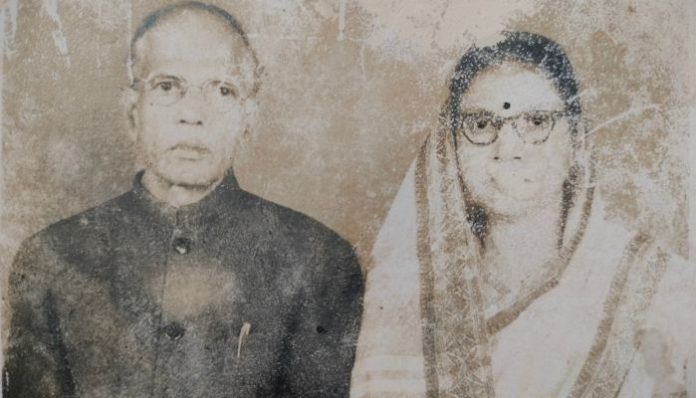
My maternal grandfather, Shri Naresh Ranjan Gupta Roy, was a teacher in Sunamganj district in Sylhet Division of present-day Bangladesh.
His family had been living there for centuries. The ancestral home ‘Roy Bhitta Bari’ (Roy mansion) used to host Durga Puja each year and welcome Hindu devotees from nearby areas.
By 1946, my grandfather had been working as an English teacher for more than a decade.
Trained at the prestigious Presidency College at Calcutta, Shri Naresh Ranjan Gupta Roy had planned to spend the remainder of his life in his hometown.
He even married by grandmother Smt. Usha Gupta Roy in 1946 and wanted to start a family. But by that time, the All-India Muslim League had intenstified its efforts to create Pakistan based on religious lines.
The party, led by Mohammed Ali Jinnah, orchestrated genocide of Hindus in Calcutta and Noakhali. Hindus in East Bengal became increasingly worried about their future in a Muslim-majority region.
By July 1947, Sunamganj like many of other areas of Sylhet had a referendum and most voted in favour of joining East Pakistan.
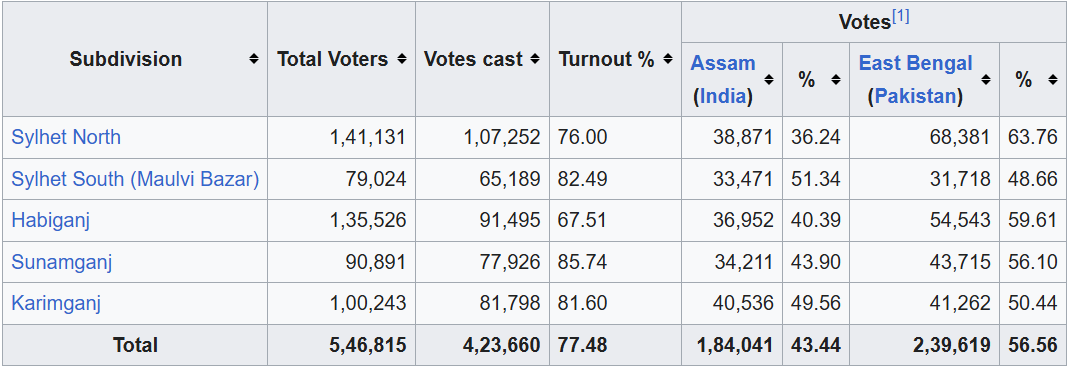
And soon after the newly wed Roy family had to bid adieu to his job and a provident fund accumulated over a decade to escape persecution and being killed at the hands of maruading mobs.
My maternal grandfather also left behind his ancestral house, parcels of land and generational wealth collected over centuries forever.
He could not carry anything valuable with him to India from what had become ‘East Pakistan’ by then. My grandmother, however, was able to bring some gold ornaments along with her by embroidering them in her saree.
And that is how Shri Naresh Ranjan Gupta Roy of Sunamganj (Sylhet) and his wife Smt. Usha Gupta Roy were rendered refugees overnight in newly independent state of India.
The act of ‘Partition’, fuelled by the Muslim League and facilitated by the British in cahoots with the Congress party, stripped by maternal grandparents of their peace, stability and heritage.
As my mother recalls, my grandparents were temporarily housed in refugee camps after coming to India.
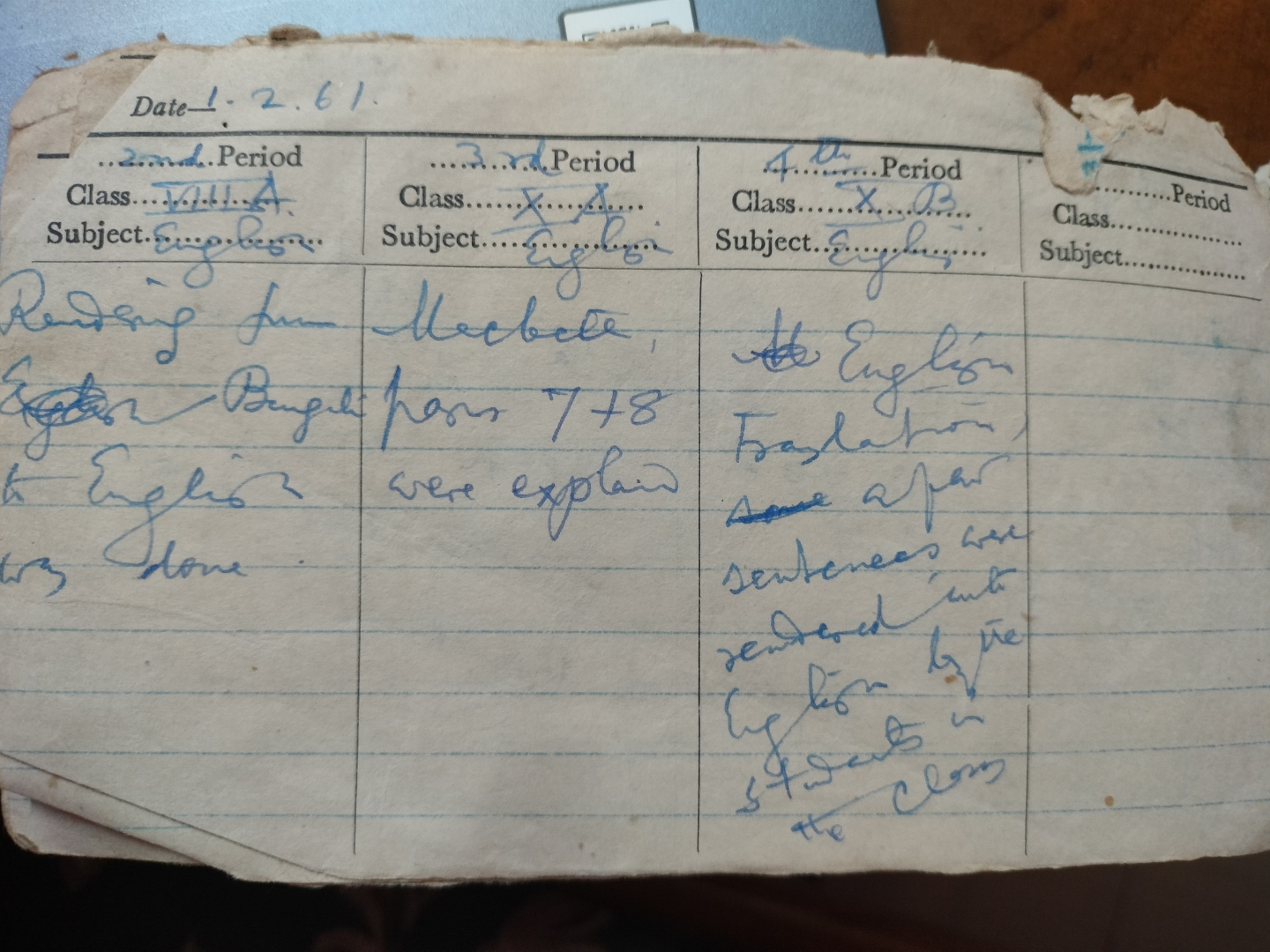
Shri Naresh Ranjan Gupta Roy eventually found work as a teacher again, first in Assam and then in Tripura over the following 3 decades.
But his life was never the same again. He could never own another piece of land or build a house in his lifetime.
My grandfather battled through poverty, ethnic violence (which was rampant in Assam and Tripura at that time) and corruption, which prevented him from receiving timely wages.
While he and my grandmother were fighting on that front for survival, they were raising three daughters with a vision to give them a good education and make them financially independent.
While the Partition took away his ancestral land, home, job and wealth, it could not snatch his education, values and modern outlook that he passed on through his defining legacy.
Shri Naresh Ranjan Gupta Roy did not give up. He strongly believed that education was the key to ensure that the family, devoid of generation wealth, was back on their feet within a few decades. And he was right.
Today, I have a house to live that I can call my own. We have come a long way from the time my maternal grandparents had to spend time in refugee camps.
Shri Naresh Gupta Roy retired in 1975 and passed away on 28th June 1981. When I talk to his students (elderly people in their late 60s and early 70s) who reside in my hometown, all of them in unison highlight his love for reading books.
My mother tells me that grandfather would confine himself to his study room 2 hours every single day, a routine he went onto follow until a week before his death.
My grandmother, who spent most of her life tending to the family as a homemaker, left for the heavenly abode just 4 days before my birthday on 15th October 1995.
Nonetheless, the foundation laid by them proved extremely significant to turn around our family fortunes within 2 generations.
Conclusion
The Parition of India remains one of the dealiest episodes of the Indian Independence Movement. An estimated 5-20 lakh people were killed while 1-2 crore others were permanently displaced.
As we observe the ‘Partition Horrors Remembrance Day’ on 14th August, we remember the stories of people like my grandparents who had to leave everything behind to avoid religious persecution.
And yet they steered the ship with hard work and determination so that future generations like me have a chance today to retell the story of their grit and resilience to the world.


