As rescuers race against time after devastating flash floods in Nepal, a question has emerged over whether Kathmandu actually refused offers of foreign search-and-rescue assistance, including from India, despite hundreds of people still missing.
The answer is more nuanced than a simple “yes” or “no”.
Nepal’s Foreign Ministry said on Friday that it does not currently require foreign search-and-rescue teams, insisting that its own security agencies are capable of handling the operation. At the same time, India says it has specifically offered to deploy teams from the National Disaster Response Force (NDRF), along with specialised equipment, and is still awaiting Nepal’s response.
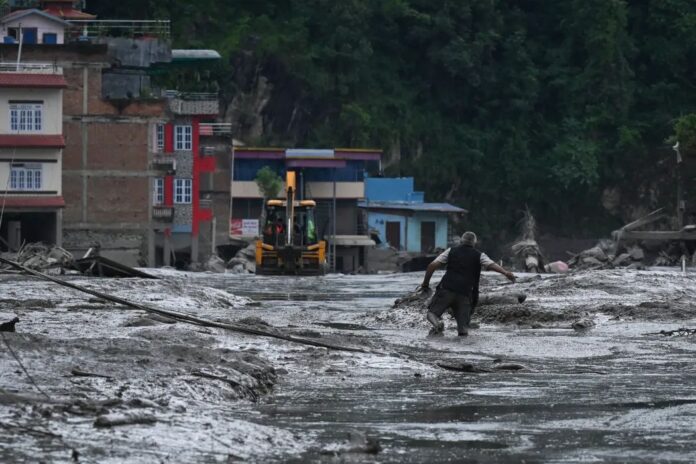
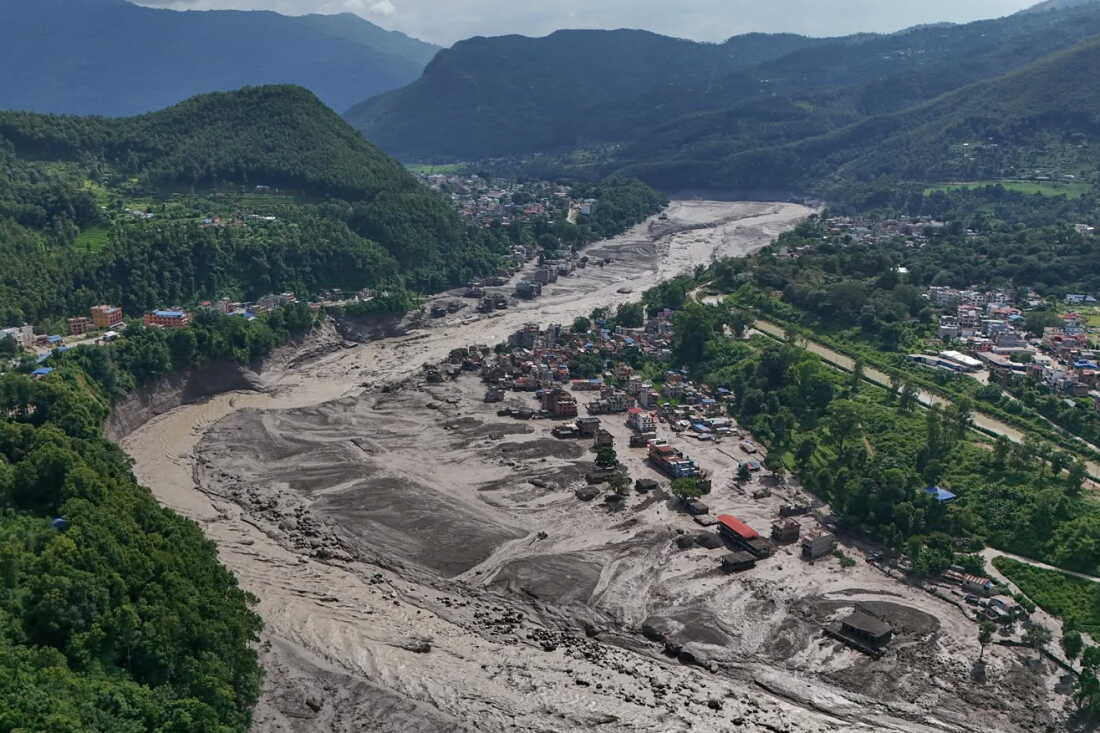
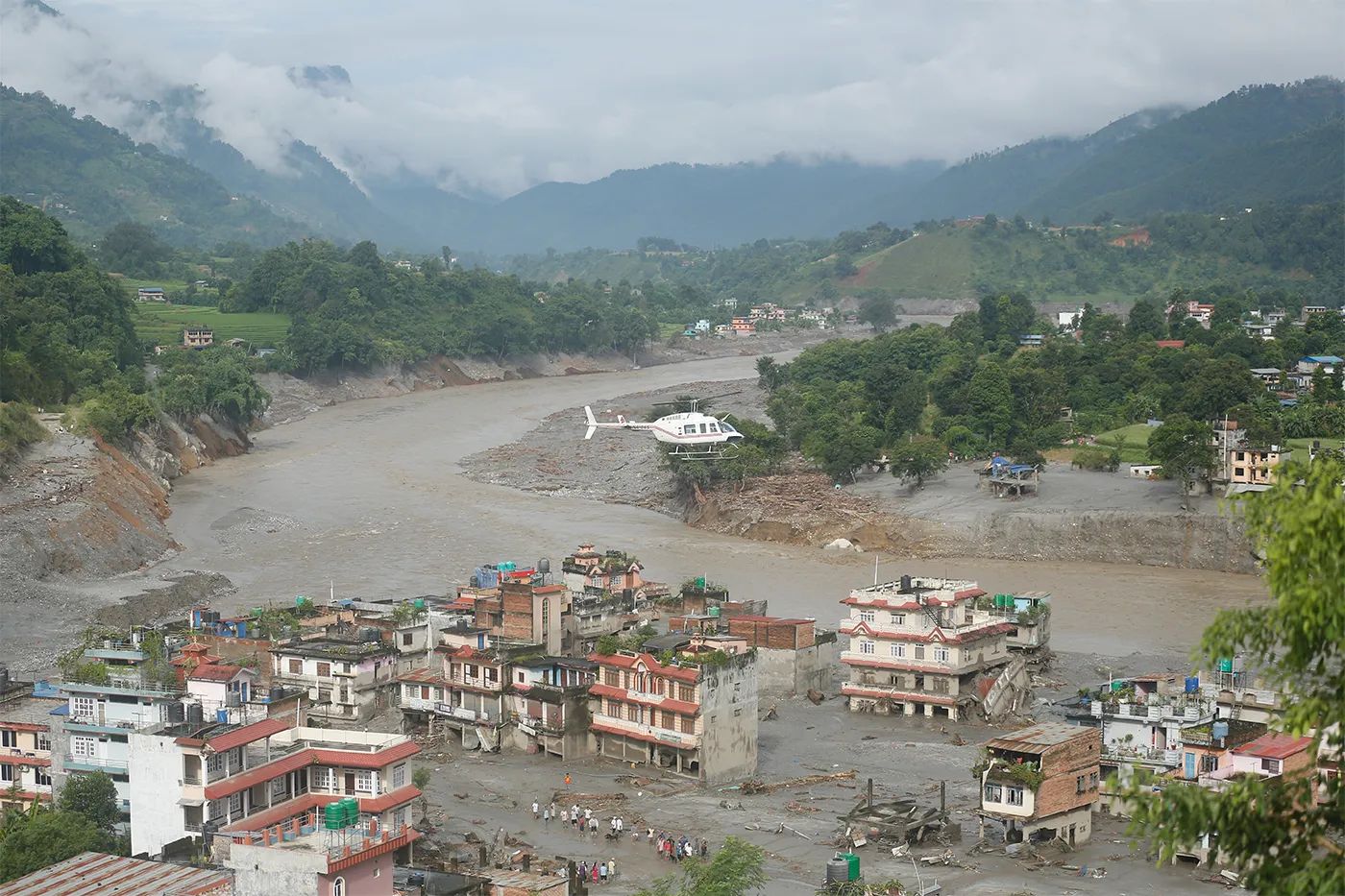
The scale of the disaster helps explain why the question has attracted attention. At least 552 people have been killed on both sides of the Nepal-Tibet border, while more than 1,400 people have been reported missing, including hundreds of foreign nationals. Entire settlements have been swept away, roads and bridges destroyed, and hydropower infrastructure badly damaged.
This apparent contradiction has fuelled questions over what exactly Nepal has accepted, what it has declined and whether the situation could change as rescue operations enter a critical phase.
What did Nepal actually say?
Nepal Foreign Ministry spokesperson Lok Bahadur Chhetri said offers of assistance from other countries were “natural”, but maintained that Nepal’s security agencies were conducting the search-and-rescue operation.
“For now we don’t require such help,” Chhetri said, according to reports.
The statement came after The Kathmandu Post reported that Nepal had declined requests from several countries to send specialised rescue teams.
Those countries reportedly included India, China, the United States, Britain, Japan, South Korea, Sri Lanka and Bangladesh.
South Korea separately said Nepal had indicated that it was not yet planning to accept foreign rescue teams. Seoul has nevertheless pledged $1 million in humanitarian assistance through international organisations.
So, strictly speaking, Nepal has not said it is rejecting all foreign assistance. Its position appears to be that it does not presently require foreign search-and-rescue teams because its own forces are handling that part of the response.
Then what about India’s NDRF offer?
This is where the distinction becomes important.
India’s Ministry of External Affairs said on Friday that it had made a specific offer to send NDRF personnel and associated equipment to Nepal to assist with ongoing search-and-rescue operations.
“We await a response from Nepal,” MEA spokesperson Randhir Jaiswal said.
External Affairs Minister S Jaishankar also said India remained in close contact with the Nepal government and had offered a range of assistance, which Nepal was evaluating.
The MEA said India was also preparing additional humanitarian assistance at Nepal’s request, including medical support, engineering teams and equipment aimed at helping restore damaged infrastructure. Jaiswal said two aircraft carrying relief material had already been sent, with a third expected to carry more humanitarian assistance.
Nepal floods:
— News Arena India (@NewsArenaIndia) August 28, 2026
Third aircraft likely to leave in evening with 12-13 tonnes of relief material requested by Nepal: MEA pic.twitter.com/xqj9VkN3f5
India has already decided to send a tunnel-rescue team and a medical team, particularly because of concerns over people potentially trapped at the Trishuli 3A hydropower project.
Around 100 people are reportedly stranded at the project site, with the possibility that some could be trapped inside tunnels.
The tunnel operation illustrates why specialised capabilities may become important even if Nepal does not want large foreign rescue contingents operating across the country. India said a recce team would first assess the site and determine what equipment would be needed before the specialised tunnel-rescue team is deployed.
This makes the situation more complicated than the claim that “Nepal refused India’s help”. India has offered a specific capability; Nepal says it does not currently need foreign search-and-rescue teams, while New Delhi says it is still waiting for Kathmandu’s response.
Nepal has already accepted some Indian assistance
Another important detail is that Nepal has not shut the door on Indian assistance altogether.
According to the MEA, portable Bailey bridges have already been sent to Nepal following a request from the Nepali authorities.
These prefabricated bridges can be rapidly assembled and are particularly useful in disaster zones where existing bridges have been washed away.
Jaiswal also said India had offered associated technical teams with the Bailey bridges so that connectivity could be restored quickly in affected areas.
The flash floods devastated parts of Rasuwa and neighbouring districts close to the Tibet border, severely disrupting transportation and communications.
Therefore, the available information suggests a more selective approach from Kathmandu: assistance that Nepal specifically requests is being provided, while the deployment of foreign search-and-rescue teams remains a separate question.
Why would Nepal hesitate to bring in foreign rescuers?
One explanation is Nepal’s experience after the devastating 2015 earthquake.
The disaster triggered an enormous international response, with rescue and relief teams arriving from around the world. While the assistance was crucial, managing large numbers of foreign teams also created logistical and coordination challenges.
Nepal may therefore be reluctant to bring multiple international rescue teams into an already chaotic disaster zone unless there is a clearly identified operational requirement.
But another possibility has also been raised.
The worst-hit areas include Rasuwa district, close to the border with China’s Tibet region. Dinesh Bhattarai, a former Nepali ambassador to the United Nations in Geneva, suggested that the geographical sensitivity of the area could have influenced Kathmandu’s decision.
“They may have thought about the locational sensitivity of the region and decided not to accept foreign teams,” Bhattarai told Reuters.
Nepal’s Foreign Ministry, however, rejected that interpretation.
Chhetri said the decision had nothing to do with China’s sensitivities, maintaining that Nepal’s own rescue agencies were capable of managing the operation.
The bigger question: Is Nepal’s own capacity enough?
This is ultimately the issue that matters more than the diplomatic back-and-forth.
The floods have caused extensive destruction, with the death toll approaching 500-600 according to varying reports, while hundreds of people remain missing or unaccounted for.
Rescue efforts are being hampered by destroyed roads, damaged infrastructure, disrupted communications and the continuing risk of flooding.
A lake created by accumulated debris near the Nepal-China border even began overflowing on Friday, temporarily forcing rescue operations to stop before they resumed.
At the same time, hundreds of foreign nationals have been caught up in the disaster.
India said around 320 Indian nationals and 100 people of Indian origin remained uncontactable. Around 400 Indians on the Tibetan side have since been contacted and confirmed safe, while another 96 Indians stranded near the border have crossed into Nepal.
India has also brought rescued citizens home. Twenty-one Indians rescued from Nepal reached New Delhi on Friday, with Jaishankar saying around 85 Indians had been rescued from different locations so far.
Importantly, Jaishankar said the rescued Indians were particularly grateful to the Nepal Army, which had helped evacuate them from a difficult location.
So, did Nepal “refuse” foreign rescue help?
Partly, but the wording needs qualification.
Nepal has publicly said that it does not currently require foreign search-and-rescue teams and that its own security agencies are conducting those operations. Reports indicate that several countries offered to deploy specialised teams.
However, Nepal’s own spokesperson later clarified that this should not be interpreted as a blanket rejection of international assistance. Chhetri said Nepal may request specialised expertise if it becomes necessary: “It is not that we will not need help, but our security network is capable and working effectively right now.”
India, however, says its NDRF offer is still awaiting a response. New Delhi is also preparing specialised tunnel-rescue and medical teams, while Nepal has already requested and received other forms of Indian assistance, including Bailey bridges.
The picture, therefore, is not of Nepal refusing all international help.
It is more accurately described as Kathmandu choosing to retain control of the search-and-rescue operation while selectively accepting assistance that it considers necessary.
That distinction is crucial. Nepal appears to be saying: its own security agencies will lead the rescue operation for now, but Kathmandu remains open to requesting specific expertise, equipment and humanitarian support when it considers them necessary. India’s position is similarly clear: it is ready to provide NDRF teams and equipment, but has not said that those teams have already been accepted for deployment.
Whether that remains the right decision could become clearer in the coming days. In a disaster where people may be trapped in tunnels, roads have been destroyed, and communications remain patchy, the central question is no longer simply who offered help.
It is whether the available rescue capacity can reach everyone who can still be saved, and how quickly.