Home Blog Page 447

Scotland creates history: Parliament passes first-ever motion to combat Hinduphobia

0

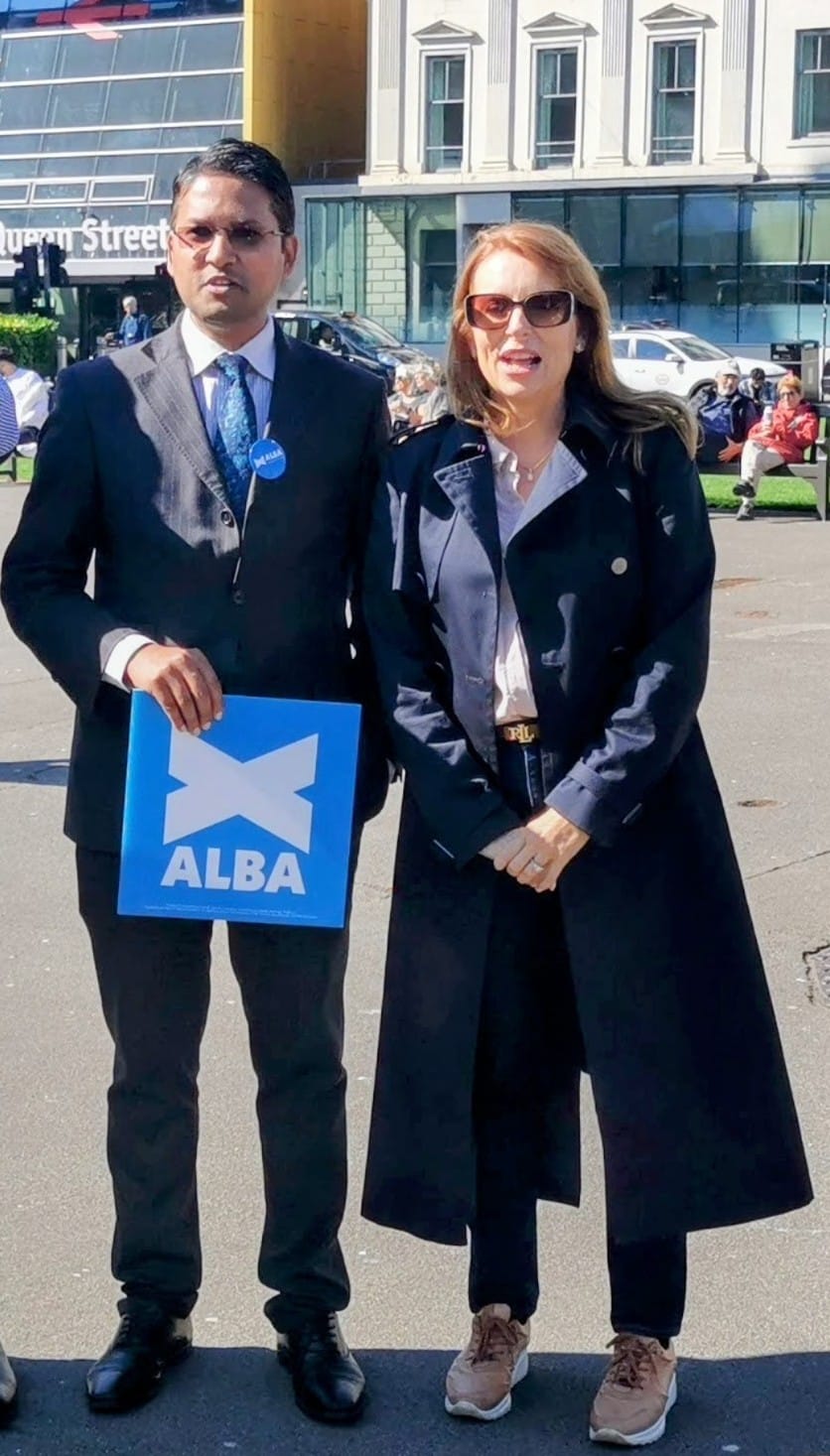
In a powerful and unprecedented move, the Scottish Parliament passed Motion S6M-17089, officially condemning Hinduphobia for the first time in Scottish—and indeed UK—history. Tabled by Ash Regan, MSP for Edinburgh Eastern and member of the Alba Party, the motion marks a watershed moment in the fight against religious discrimination.

The motion, which drew broad cross-party support from MSPs including Colin Beattie, Stephanie Callaghan, and Kevin Stewart, specifically recognises the “alarming levels of prejudice, marginalisation, and discrimination” experienced by Scotland’s Hindu community. More importantly, it commends the Gandhian Peace Society (GPS) for its pivotal report exposing these issues and pushing for real change.

“Scotland’s diversity is its strength,” said Regan during her address. “But we cannot celebrate that diversity while ignoring the voices of those harmed by prejudice. This motion isn’t just symbolic—it’s a demand for tangible change.”

The Report that sparked a movement

At the heart of this legislative milestone lies a landmark study: “Hinduphobia in Scotland: Understanding, Addressing, and Overcoming Prejudice”. Authored by Dhruva Kumar (General Secretary and Trustee of GPS), Anuranjan Jha(President of GPS), Sukhi Bains, Ajit Trivedi, and Neil Lal (President & Chairman of the Indian Council of Scotland and UK), the report is the first UK parliamentary-recognised analysis of anti-Hindu discrimination.

“As Scotland reckons with its commitment to inclusivity, Ash Regan’s motion sets a precedent: religious harmony is not passive, it is fought for, legislated, and cherished. With global attention from the Indian diaspora and Scottish policymakers alike, this moment transcends borders, proving that justice for one community strengthens the soul of a nation,” Mr Dhruva Kumar, one of the authors of the seminal report “Hinduphobia in Scotland: Understanding, Addressing, and Overcoming Prejudice” and a political activist based out of Glasgow, UK, poignantly noted.

Dhruva Kumar (L) with Ash Regan (R)

The report weaves together statistical data, testimonies, and firsthand accounts to reveal a grim picture: hate crimes, temple vandalism, workplace exclusion, and deep-seated cultural stigmas affecting Scotland’s 30,000-strong Hindu population.

“When places of worship are vandalised or families face slurs, it’s not just Hindus being attacked—it’s Scotland’s values of tolerance,” said Neil Lal. “This report is a mirror held up to our society, urging us to do better.”

“Gandhiji taught us that non-violence includes combating ignorance,” added co-authors Jha and Kumar. “By addressing Hinduphobia, we’re building bridges across all communities.”

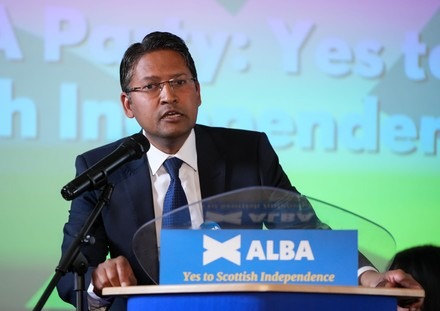
Dhruva Kumar

A united political and cultural front

The motion’s backing across party lines reflects a rare unity on issues of racial and religious equality. Presented to Holyrood’s Cross-Party Group on Challenging Racial and Religious Prejudice, the report has already influenced national dialogue.

Professor Peter Hopkins, the group’s convenor, hailed the report’s evidence-based approach, while Chair Foysol Choudhary called it a “critical tool for policymakers.”

The significance of the motion hasn’t gone unnoticed in the wider community. Indian diaspora leaders, such as Acharya Dr. Abhishek Joshi, Rashmi Rai, and Poonam Prajapati, welcomed the Parliament’s recognition.

“This motion isn’t an endpoint—it’s the beginning of a journey toward mutual respect,” they said. “Let it inspire global action.”

Scottish author Aline Dobbie echoed those sentiments, praising the initiative as “a hopeful moment for anyone who believes in a fairer, more inclusive Scotland.”

The Road Ahead: From recognition to reform

The Gandhian Peace Society’s report outlines concrete steps to turn awareness into action:

  1. Legal Reform: Amend the Hate Crime Act to explicitly recognise Hinduphobia.
  2. Education: Incorporate accurate teachings of Hinduism into school curricula.
  3. Workplace Policy: Enforce religious accommodation and anti-discrimination training.
  4. Community Support: Establish interfaith networks and victim support hubs.

Backed by the voices of scholars, spiritual leaders, and everyday citizens, the report has already gained international attention, from the UK to India and beyond. It has also sparked conversations on platforms like Awaz FM 107.2, where key contributors, including Sukhi Bains and Acharya Joshi, emphasised the importance of interfaith dialogue and unity.

A Call to every Scot

As Motion S6M-17089 progresses through Parliament, the Gandhian Peace Society is urging citizens to engage with its findings, support grassroots efforts, and champion inclusive policy reform.

This is more than just a political development—it’s a cultural shift. Scotland is taking a bold step toward ensuring that no one lives in fear for practising their faith.

With eyes now on how this motion transforms into lasting change, one thing is clear: a historic door has been opened—and the journey toward a more just, tolerant Scotland has begun.

The full report can be read here.

Who is ‘Lady Don’ Ziqra, prime suspect in Delhi’s Seelampur murder case who has terrorised Hindus in the area: Read details

Delhi Police have arrested a woman named Ziqra in connection with the killing of a 17-year-old Hindu boy, Kunal, who was stabbed to death on Thursday (17th April) in northeast Delhi’s Seelampur. The police are investigating her role in the murder as she was allegedly present near the crime scene. Locals and Kunal’s family have alleged her involvement in Kunal’s murder. They said that she threatened Kunal in the past. The police have identified two other suspects, Sahil and Rehan, after examining the CCTV footage.

Kunal’s family suspect that Kunal’s murder was a revenge killing as Kunal’s name has come up in an attack on Ziqra’s cousin, Sahil, last year in November. However, the family claimed that Kunal had nothing to do with the attack. “They brutally stabbed him multiple times. He wasn’t even involved,” said Parveen. Kunal’s mother. “They have been threatening us for a long time. They roam in gangs, post photos with weapons, and even children are scared of them. I know they killed my son. He didn’t deserve this. I want justice,” she added.

Who is ‘Lady Don’ Ziqra?

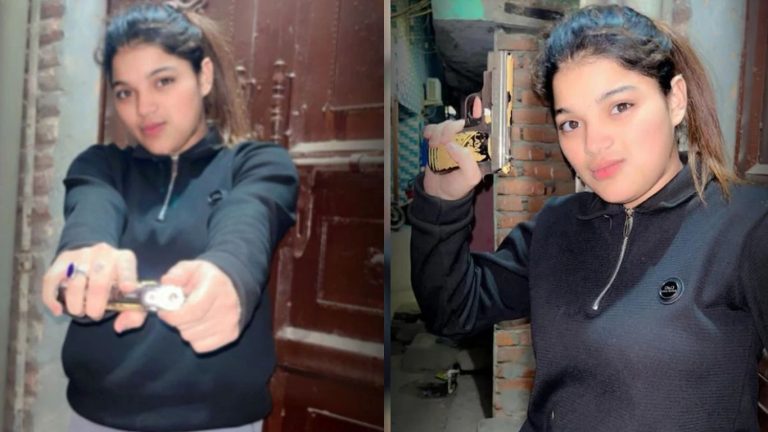
Ziqra, who was arrested on Saturday (19th April), is known as ‘Lady Don’ and has a controversial past. She lived in the same neighbourhood as Kunal. As per reports, she worked as a bouncer for Zoya, the wife of jailed gangster Hashim Baba, before Zoya was jailed. She is said to be associated with the Shoaib-Mastan gang, a local criminal outfit. This gang is led by Shoib Mastan, who is currently lodged in jail in a robbery case.

In her social media posts, Ziqra is frequently seen flaunting weapons. In her profile picture, she has used the picture of the flag of Palestine instead of her own picture. A video of hers from a month ago went viral, in which she was seen waving a country-made pistol. She was arrested by the police under the Arms Act and was released on bail 15 days ago.

Ziqra is also involved in drug smuggling. It is reported that she has been trying to form a drug nexus in the area since her former employer, Zoya, was arrested by the police in a drug case. As per reports, Ziqra has a two-year-old son, and she lives separately from her husband.

She is also trying to form a gang of her own, and has already recruited 10-12 young boys. As per police sources, Ziqra wanted to get close to Hashim Baba through Zoya and also wanted to get involved in her drug business. However, her plans suffered a setback after the arrest of Zoya, who helped her procure arms and ammunition.

She is alleged to have plotted Kunal’s killing to avenge the attack on her cousin last year. Police said she encouraged two teenage suspects, who are also believed to be part of the Shoaib-Mastan gang, to attack Kunal. Police have identified the two teenage suspects, who are currently absconding.

The family members of the deceased claimed that Zikra was present at the crime scene when Kunal was killed.

Hindus migrating from the area

The activities of Ziqra and her gang have led to the migration of Hindus from the area. Posters saying “Hindus are migrating” and “Please help, Yogi ji” had come up in the area, which were removed by the police. The Hindu families have reported that they have been living in fear due to the constant harassment and threats from Muslim gangs. Some families have put up posters for selling their houses and are pleading with authorities for help.

Teams of local police and the Rapid Action Force (RAF) have been deployed in the area after locals and some Hindu organisations protested against the incident. Joint Commissioner of Police (Eastern Range), Pushpendra Kumar, said, “Ten teams have been formed to crack the case, and they are looking at all possible angles. We have detained a few people for questioning. The case will be solved soon.” 

What was the incident?

Kunal had returned from the GTB Hospital after his grandmother, who was admitted there for 10 days, was discharged. On the day of the incident, Kunal reportedly went out to buy milk and samosas when the accused cornered him ina narrow lane and stabbed him multiple times. He died during treatment at a hospital. A case under section 103 of the BNS was registered at the Seelampur Police Station.

As Baloch people rise up against tyrannical Pakistan government, the Islamic state brings back ‘kill and dump’ policy to quell the uprising: Know what this tool of tyranny is

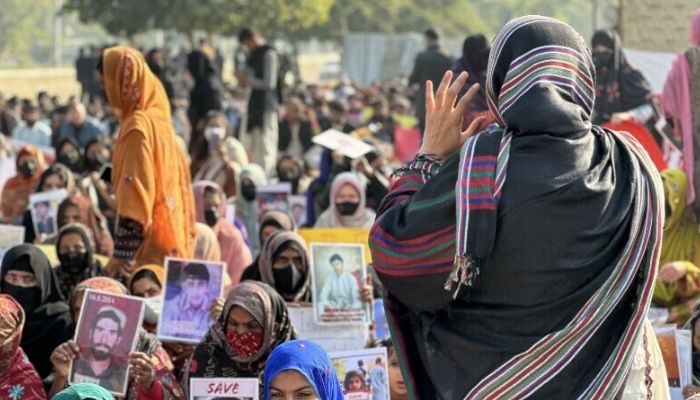
In recent months, Balochistan has witnessed a significant resurgence of resistance against the Pakistani state. Baloch women and youth are leading the renewed revolt against the Pakistani government. The reason? The reinstatement of the notorious “kill and dump” policy, first introduced by Pakistani authorities in 2009 to suppress the voice of the people of Balochistan. It is a brutal strategy aimed at silencing dissent through abductions and targeted killings, leading to thousands of disappearances and deaths since its inception.

Notably, the Baloch Women Forum (BWF) has recently denounced what it refers to as the resurgence of the infamous “kill and dump” policy in Balochistan. The organisation has stated that it casts serious doubts on the commitment of the Pakistani government to international human rights standards.

In a statement, a BWF spokesperson said that this development only reinforced the ongoing feeling of exclusion of the Baloch people from the federation. Furthermore, the spokesperson noted that in the past three days, the bodies of three previously illegally detained Baloch youths have been found in separate locations across Makuran and Naal (Khuzdar).

On 14th April, Farooq Ahmed, a resident of Naal, was forcibly taken into custody, mirroring the pattern of other enforced disappearances in Balochistan. A day later, on 15th April, his dead body was discovered in the Samad check-post area of Naal. There were signs of torture, The Balochistan Post reported.

On 12th April, Nizam Baloch, a resident of Pasni in Gwadar district, was unlawfully taken from his home and transported to an undisclosed location. He was reportedly subjected to torture for four days. His dead body was dumped in Pasni on 16th April. According to The Balochistan Post, there were clear signs of torture.

In yet another incident, on 15th April, Sher Khan Nizar, a resident of Pasni, was detained from the Jussak area of Turbat without any prior notice or legal warrant. He was a student working part-time at a diesel depot. His dead body was recovered on the night of 16th April behind the University of Turbat. Again, signs of torture were found on his body.

Reportedly, a large number of Baloch people are disappearing throughout Baloch regions, affecting people from diverse age groups and walks of life. Witnesses frequently allege that those responsible for the abductions are members of various law enforcement agencies. While a few of the detained individuals are eventually released, many are found dead, and numerous others continue to be held in unlawful custody.

In the statement, BWF called on the government and stated, “We demand the immediate and unconditional cessation of enforced disappearances of Baloch people, which have caused significant harm to the peace and stability of Baloch society. Additionally, we urge the authorities to promptly hold all those responsible for these actions accountable.”

Understanding the ‘Kill and Dump’ Policy

The term “kill and dump” is not an abstract phrase. It is a chilling reality of the counterinsurgency tactics employed by Pakistan in Balochistan. The policy, engineered by the state, involves enforced disappearances, systematic torture, and extrajudicial killings. The dead bodies of the victims—often mutilated and bearing clear signs of extreme torture—are discarded in open fields or remote roadsides. These bodies, found by the public or family members, carry a message—a message to remain silent.

How the policy operates

When the cases of disappearances, torture, and killings are observed, a pattern emerges. Victims are typically picked up in unmarked vehicles by individuals in plain clothes, usually believed to be operatives of Pakistan’s intelligence agencies such as the ISI (Inter-Services Intelligence) or military-linked paramilitary forces like the Frontier Corps. There is no warrant, no public record, and no legal recourse. The abductions can occur at home, in public spaces, or even during peaceful protests. In some cases, the abductees remain missing for months or years. In others, their tortured and lifeless bodies reappear within days.

Thousands of cases have been documented over the years by local rights groups such as Voice for Baloch Missing Persons. In 2011, Human Rights Watch published a report titled “We Can Torture, Kill, or Keep You for Years”, accusing Pakistan’s security forces of carrying out these enforced disappearances and killings.

Signature signs of state involvement

These killings are not just brutal. There is a pattern and precision with which these acts are carried out, which clearly places them in the category of state-sponsored acts of violence. Victims of the “kill and dump” policy are often young Baloch men, including students, journalists, poets, and suspected nationalists who revolt against Pakistani rule in Balochistan. Their bodies show signs of brutal torture, including broken limbs, pulled fingernails, cigarette burns, acid marks, and gunshot wounds. Many of them bear indicative signs of execution-style killings.

The dead bodies are then disposed of in public or semi-public areas. Why? To terrorise the public. Families who protest face threats. In many cases, other family members are abducted or killed if they raise their voices against the extrajudicial killings. The state disguises these actions as “counter-terrorism”.

Legal vacuum and lack of accountability

The judiciary in Pakistan has completely failed to hold anyone accountable for these atrocities. When families approach the courts with evidence or eyewitnesses, little or no action is taken. Military agencies face no scrutiny or consequences, as they operate under the pretext of “national security”. The country’s infamous Actions in Aid of Civil Power regulation further allows security forces to detain individuals without due process in “internment centres”. When such detentions occur, what follows is torture and custodial deaths—again, with zero accountability.

Notably, the Baloch Human Rights Council has reported that over 6,000 mutilated bodies have been found in Balochistan since early 2000s, which is a conservative estimate. Thousands of Baloch people remain missing and unaccounted for, with zero hope of any investigation.

The “kill and dump” policy is a weapon to erase the Baloch identity. Victims include the Balochi-speaking population, advocates of cultural rights, and those who resist land acquisitions for China-Pakistan infrastructure projects under the China-Pakistan Economic Corridor (CPEC).

There is overwhelming evidence of the atrocities against the Baloch population, yet the international community has responded only minimally. A few reports here and a few research papers there have been the sum total of the global response to the deaths of thousands of Baloch people. Pakistan, on the other hand, continues to enjoy military aid, diplomatic support, and financial assistance. Countries that profess a commitment to human rights, including the US and the UK, have turned a blind eye to the atrocities faced by the people of Balochistan.

The “foreign hand” narrative and anti-people policies

Media outlets in Pakistan are often controlled or influenced by the military. For example, ARY News, Geo TV, and The Nation run stories accusing the people of Balochistan of being part of foreign-sponsored activism and anti-national activities. The aim of these media houses is to deflect attention from domestic grievances such as extrajudicial killings, military occupation, ethnic profiling, and resource exploitation.

So much so, the families searching for missing loved ones are branded as anti-state. Peaceful protestors face anti-riot action by the state machinery, including lathi charges, tear gas, open fire and arrests. They face charges of “disturbing public order” or “provoking anti-national sentiment.”

China’s role in emboldening Pakistan’s crackdown in Balochistan

What makes the brutal clampdown by Pakistani authorities on Baloch dissent particularly problematic is the fact that there is a silent hand backing it. The multi-billion-dollar initiative—the China-Pakistan Economic Corridor (CPEC)—is a flagship project under China’s Belt and Road Initiative (BRI). It has transformed Balochistan from a neglected province into a militarised economic zone. While CPEC promises highways, power plants, and ports, what the people of Balochistan have received instead is increased surveillance, land dispossession, and military boots on their necks.

Gwadar – development for whom?

Gwadar Port is the crown jewel of CPEC. It is located on the southern coast of Balochistan. Though it was projected as a game-changer for the locals, the port is effectively sealed off. A high-security fence separates Baloch communities from their ancestral fishing lands. Chinese nationals roam there freely under armed protection. However, local children still lack access to clean water and electricity. The benefits from the port do not find their way to the people of Balochistan but go directly to Islamabad and Beijing.

The Baloch have resisted this takeover extensively, leading to counteraction through brute force. The “kill and dump” policy is part of the state’s strategy to silence resistance. The message is simple: stop opposing the corridor.

Tens of thousands of military personnel have been stationed in Balochistan to protect CPEC routes and infrastructure. No-go zones have mushroomed around highways and Chinese sites, especially for the media, both national and international. This militarisation, carried out in coordination with Chinese state interests, has led to frequent house raids, arrests, and curfews.

China, as usual, has remained silent. Its state-run media outlets often echo Pakistan’s narrative and refer to the Baloch movement as a “terrorist uprising”. In 2021, China even demanded greater “security guarantees” from Pakistan after a suicide attack on Chinese engineers in Dasu.

Exploiting Balochistan’s resources

Under CPEC and other bilateral deals, Chinese firms have gained mining rights in Balochistan, particularly in areas rich in gold, copper, and rare earth minerals. The Saindak and Reko Diq projects are notable examples, where profits are siphoned off while locals remain jobless and landless. Protests against these projects have also been met with enforced disappearances and “unknown bodies” dumped on rural roadsides.

China is not pulling the trigger from the front. However, it is the supplier of the artillery that is killing Baloch dissent—quietly and efficiently.

Statistical overview

The Pakistan government has rigorously downplayed the extent of state-led violence in Balochistan. However, independent organisations, leaked reports, and rights activists have drawn a grim picture of the situation.

According to the Voice for Baloch Missing Persons (VBMP), over 20,000 Baloch individuals have been forcibly disappeared since the early 2000s. These include students, doctors, journalists, poets, and even children. Most families never receive legal documentation of the arrest, nor any information on the person’s whereabouts.

Pakistan’s Commission of Inquiry on Enforced Disappearances (COIED) has admitted to have thousands unresolved cases, of which a significant proportion are from Balochistan. Locals, however, argue that the number is underreported.

According to Baloch Human Rights Council revealed 367 persons went missing, and 79 bodies of extrajudicially killed missing persons were identified from January 2022 to December 2022. Furthermore, 58 of the recovered dead bodies were unrecognisable.

The Tribune India reported in December 2024 that there were 22 enforced disappearances and 5 extrajudicial killings in that month alone. Protests in the region have continued for months.

The Baloch people are facing a serious crisis, but the world stays silent. Thousands have been taken, and many are later found dead—victims of Pakistan’s brutal “kill and dump” policy. Instead of listening to their voices, the state uses fear and force to crush them. Backed by China and protected by media silence, this cruelty continues. It’s time the world paid attention to what’s happening in Balochistan before more lives are lost.

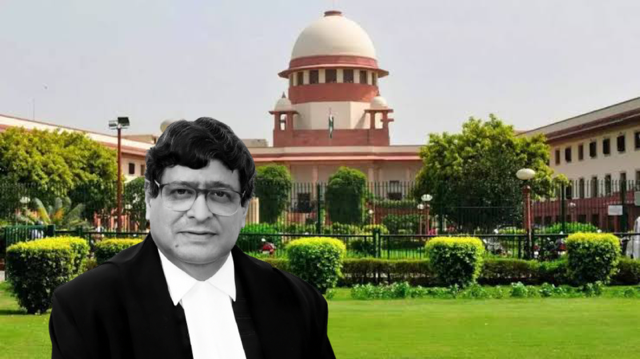
Judicial sentimentalism over constitutional pragmatism: SC judge who romanticised Urdu in Maharashtra signboard ruling and backed hijabs in schools

In the vast tapestry of Indian jurisprudence, few names have come to symbolise the kind of ideological romanticism that borders on judicial overreach as starkly as Justice Sudhanshu Dhulia. A judge who wears his idealism on his sleeve, Justice Dhulia’s rulings, particularly in cases like the Karnataka hijab controversy and the recent Akola Urdu signboard dispute, suggest a pattern: a consistent leaning towards emotive convictions, identity-driven narratives, and selective secularism, often at the expense of constitutional pragmatism and judicial clarity.

Language sentimentalism in the Urdu signboard case

Earlier this week, the Supreme Court dismissed a plea seeking the removal of an Urdu signboard placed beneath a Marathi one on a municipal building in Akola, Maharashtra. The bench, comprising Justices Dhulia and K Vinod Chandran, not only rejected the plea but did so with a poetic flourish, unwarrantedly elevating Urdu as the “finest specimen of Ganga-Jamuni tehzeeb.” The ruling, though not incorrect in law, took a detour from constitutional clarity into poetic sentimentalism, opening with a quote about learning languages making us more “liberal, tolerant, and kind.”

“Our misconceptions, perhaps even our prejudices against a language, have to be courageously and truthfully tested against the reality, which is this great diversity of our nation: Our strength can never be our weakness. Let us make friends with Urdu and every language”, the top court said in its judgment. 

Justice Dhulia opened his judgment with a quote by Mouloud Benzadi: “When you learn a language, you don’t just learn to speak and write a new language. You also learn to be open-minded, liberal, tolerant, kind, and considerate towards all mankind.”

“Let our concepts be clear. Language is not religion. Language does not even represent religion. Language belongs to a community, to a region, to people, and not to a religion. Language is a medium for the exchange of ideas that brings people holding diverse views and beliefs closer, and it should not become a cause of their division,” the Supreme Court said.

What was essentially a simple question of municipal signage turned into a pontification on national integration, linguistic diversity, and the importance of Urdu, a language undeniably rich but politically charged in India’s current milieu. Justice Dhulia missed the opportunity to base his verdict in unmistakably administrative or legal reasoning and instead waxed eloquent about linguistic pluralism and cultural unity, rendering the judgment into a mandate on India’s famed syncretism rather than a judicial pronouncement.

This kind of judicial prolixity not only detracts from the legal core of a case but also risks politicising the bench itself. By casting dissenters as prejudiced or “misinformed,” Justice Dhulia placed ideology above law, language politics above administrative autonomy, and poetic nostalgia above functional governance.

The Hijab verdict: Backing regressive practices over reinforcing institutional order

Justice Dhulia’s dissenting opinion in the 2022 Karnataka hijab ban case further solidifies this pattern. While the Karnataka High Court upheld the state’s right to enforce uniform dress codes in educational institutions, Justice Dhulia chose to pivot the entire discourse around the vulnerability of the Muslim girl child, turning a blind eye to the broader implications of religious symbolism in secular educational spaces.

The Karnataka Hijab ban row snowballed into a major controversy in 2022 after a bunch of Muslim girls were denied entry to college for insisting on taking exams in burqas. The row was politicised by the opposition and the left-liberal intelligentsia, who cast themselves as the moral custodians of India’s ‘endangered’ secularism, restlessly itching to fuel fear psychosis in the minds of Muslims, painting a dystopian picture about the current state of affairs and projecting the centre as “Islamophobic”—a catchphrase bandied around uncritically by the Left to suppress rational voices in their bid to push for the ever-increasing set of unreasonable demands made by India’s Muslim population.

Instead of holding recalcitrant Muslim girls bent on visiting colleges and schools in burqas, in violation of established rules and regulations, efforts were put in to blame college authorities and administration for the imbroglio, alleging that Muslim girls being denied entry to institutions is part of a sinister plan of the government to target Muslims. For years, being denied entry into educational institutions over inappropriate uniforms was never a controversy. Instead, schools, colleges, and universities were encouraged to have uniforms so that the importance of discipline is inculcated among the students right from their formative years.

But instead, agenda peddlers spun it off as an attack on the fundamental rights of Muslims and approached the honourable courts. While the Karnataka High Court upheld the hijab ban, a two-judge bench of the Supreme Court issued a split verdict, with Justice Hemant Gupta upholding the Karnataka hijab ban, and Justice Dhulia going against it, asserting that asking Muslim girls to take off their hijab was an invasion of their privacy, an attack on their dignity, and a denial of secular education.

Justice Dhulia made it clear: there should be no ban on wearing the hijab in any school or college in Karnataka. He warned that such restrictions don’t just target a piece of clothing—they risk shutting the school doors on young girls. “The real cost,” he said, “is denying a girl her right to education.”

“A girl child for whom it is still not easy to reach her school gate. This case here, therefore, has also to be seen from the perspective of the challenges already faced by a girl child in reaching her school. The question this court would put before itself is also whether we are making the life of a girl child any better by denying her education merely because she wears a hijab!” he said.

By terming the enforcement of uniforms in schools and colleges an “invasion of privacy” and a “denial of secular education,” he upended the logic of the case on its head. The very purpose of uniforms in schools, fostering equality, discipline, and unity, was brushed aside in favour of a subjective interpretation of dignity and choice. Ironically, this allowed regressive religious norms to take precedence over institutional order and gender-neutral values.

In elevating the hijab to a symbol of choice and access rather than religious imposition, Justice Dhulia’s view aligned uncritically with a segment of Islamist identity politics, overlooking the coercive pressures that often underpin such “choices.” His ruling failed to consider the long-term social consequences of allowing religious attire to supersede uniformity in public education, a slippery slope toward further fragmentation in a secular republic.

The veneration of judicial icons and resistance to critical reform

Justice Dhulia’s judicial style also includes a deep reverence for past activist judges like Justices Krishna Iyer and Chinnappa Reddy. His disapproval of former CJI Chandrachud’s critique of Krishna Iyer in a recent ruling on Article 39(b) reflects not legal disagreement but near-personal reverence. By calling Chandrachud’s remarks “harsh and unwarranted,” Dhulia seemed more interested in defending legacies than advancing doctrinal clarity.

In a significant judgment on Article 39(b), former CJI Chandrachud took a firm stance, breaking away from a long-standing interpretation by the legendary Justice Krishna Iyer. Addressing Iyer’s 1978 view that private property could be considered part of the “material resources of the community,” the CJI disagreed, calling it a misstep. “Justice Iyer, despite his towering legacy, did a disservice to the broad and adaptable spirit of the Constitution,” he remarked, underlining the need to uphold constitutional flexibility without overextending its reach.

But these remarks didn’t sit well with Justice Dhulia, who aligned himself with the legacies of Justices Krishna Iyer and O. Chinnappa Reddy, and didn’t mince words while expressing his firm disapproval: “I must place on record my strong disapproval of the harsh remarks made against what is known as the Krishna Iyer Doctrine. That criticism was unwarranted, and could have been avoided.” He defended the doctrine with conviction: “Whether it’s the Krishna Iyer Doctrine or the Chinnappa Reddy approach, anyone familiar with the law, or even life, knows their core lies in humanism, fairness, and equity. These weren’t just judges with sharp minds; they had deep empathy. Their words lit the way during the darkest moments, always putting the human being at the heart of justice.”

His praise for the “humanism” of earlier judges, while admirable in principle, again signals his preference for emotional and moralistic reasoning over institutional discipline or structural coherence. In doing so, he perpetuates a brand of jurisprudence that values what feels right over what is constitutionally sound, a dangerous precedent in a time when the judiciary’s neutrality is under scrutiny.

Holding emotions as a constitutional compass

There is a fine line between compassionate jurisprudence and ideological indulgence. Justice Sudhanshu Dhulia, in judgment after judgment, has demonstrated a tendency to interpret the Constitution as a vehicle for poetic justice rather than principled law. Whether it is shielding the hijab under the guise of personal liberty or romanticising a signboard dispute as a referendum on cultural unity, his rulings often reflect more about his worldview than the constitutional questions at hand.

In a judiciary that must increasingly balance empathy with clarity, Justice Dhulia’s style, rooted in sermonisation, cultural romanticism, and an idealised vision of secularism, may resonate with the intelligentsia, but it stands the risk of diluting the neutrality and rigour that interpretation of law demands.

‘Dangerous precedent, dangerous delay’: HNG Workers Union accuse CCI and AGI Greenpac of derailing SC-backed insolvency process, writes to FM

0

In a strongly worded letter to Finance Minister Nirmala Sitharaman, the Workers Union of Hindustan National Glass & Industries Ltd. (HNGIL) has accused the Competition Commission of India (CCI) and failed resolution applicant AGI Greenpac of deliberately sabotaging the timely resolution of the company’s insolvency process, at the cost of thousands of workers’ futures.

The letter exposes what it calls a “systematic exploitation of judicial remedies” by AGI Greenpac, which was disqualified by the Supreme Court in its landmark judgment dated January 29, 2025. The apex court had nullified AGI’s resolution plan and also quashed the conditional CCI approval granted to AGI-HNGIL’s proposed combination, citing violations of the Insolvency and Bankruptcy Code (IBC), 2016, and the Competition Act, 2002.

AGI Greenpac then filed a review petition and got its petition clubbed with the one filed by CCI, which is limited to a narrow legal interpretation of Section 29 of the Competition Act. The workers allege this has been done through procedural manipulation via correspondence to the Supreme Court registry.

Union’s Outrage: “Review petition has become a backdoor entry for a failed bidder”

The Workers Union claims that AGI is misusing CCI’s review as a tool to relitigate the entire CIRP—a matter already settled by a three-judge bench of the Supreme Court after an exhaustive 2.5-month-long hearing. The letter says that entertaining such review petitions opens the floodgates to judicial abuse, setting a dangerous precedent for commercial insolvency cases where speed and certainty are essential.

“This is not just a review petition—it is an attempt to reverse a well-reasoned judgment in the absence of the judge who authored it. The authoring judge has retired, and vested interests are exploiting this to reopen the case,” the letter states.

The union also criticised the role of the CCI, calling its conduct “highly questionable and not aligned with law or procedures”. The letter accuses certain CCI members of working in “close coordination with the failed resolution applicant”, an accusation that casts a serious shadow on the integrity of the regulatory process.

CIRP Timeline: Victory for workers, blocked again

Post the Supreme Court’s judgment, the Committee of Creditors (CoC) of HNGIL—led by public sector banks including SBI (holding over 38% voting share)—unanimously exercised their commercial wisdom and approved the resolution plan of INSCO (Independent Sugar Corporation Ltd., part of the Madhvani Group) on February 4, 2025.

The plan was filed with the Adjudicating Authority (NCLT Kolkata) on February 27, 2025. Yet, due to the pending review petitions by CCI and AGI, the NCLT has refrained from hearing the approval application.

“Each day of delay is a death sentence for workers”

The workers emphasise the company’s plants, citing dangerous working conditions, a massive fire accident at the Nashik facility, and a drastic reduction in production capacity. They caution that continued delay in resolution is pushing the company toward irreversible liquidation, which would destroy more than 10,000 jobs and wipe out the livelihoods of workers, their families, and dependent communities.

“The work conditions are deteriorating each day. If the CIRP does not conclude before May 10, 2025, which is the extended outer limit fixed by the Adjudicating Authority, the company will go into liquidation,” the letter says.

Appeal to the Finance Minister

In its concluding plea, the Workers Union implore the Finance Minister to intervene decisively:

  • Ensure CCI’s limited review is not used by AGI Greenpac to derail CIRP;
  • Direct CCI to withdraw its review petition, or at least clarify that it should not be misused to reopen settled findings;
  • Safeguard the Coc-approved plan of INSCO, which represents the commercial will of financial creditors and the lawful direction of the Supreme Court;
  • Prevent liquidation, which will permanently extinguish workers’ rights and future.

“We, the workers, are already operating under extreme risk. We have waited for justice since October 2021. We are not asking for favours—we are praying for survival“, the letter concludes.

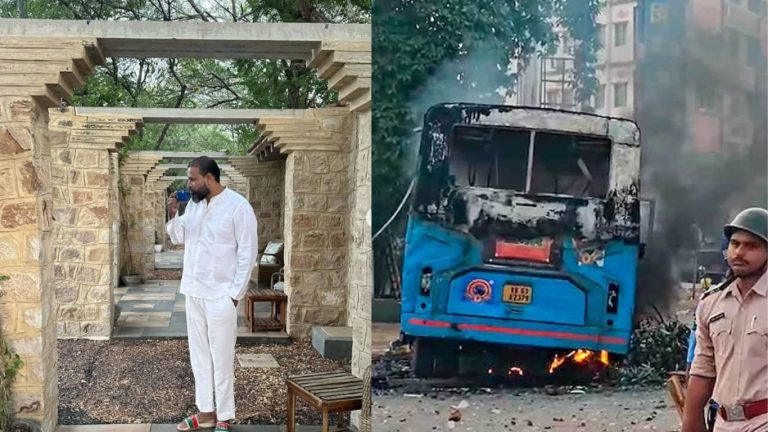
Anger rising against Cricketer turned TMC MP Yusuf Pathan within his own party: When Murshidabad was burning, the MP was sharing pictures of having tea

Yusuf Pathan, former Indian Cricketer and TMC MP from Baharampur, West Bengal, is facing the heat from within his party for failing to reach out to people affected by the recent violence in West Bengal. Pathan’s constituency, Baharampur, is one of the three Lok Sabha constituencies located within the Murshidabad district, which has been the epicentre of violence carried out by Muslims protesting against the Waqf Act. The Muslim-dominated Murshidabad district has witnessed large-scale incidents of violence, vandalism, arson and targeted attacks against the Hindu community on 11th April in the garb of protests against the Waqf Act. A large number of Hindu families were forced to migrate after targeted attacks on the Hindu community.

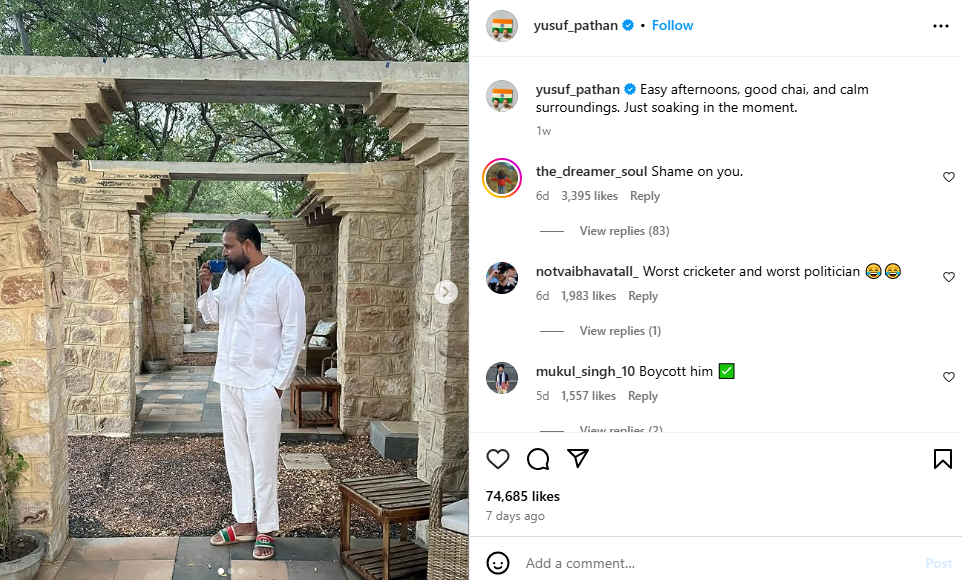
Pathan attracted the outrage of people, including members of his party, TMC, after he posted a picture of himself sipping tea on Instagram on 12th April, a day after violence broke out in several areas of Murshidabad. “Easy afternoon, good chai, and calm surroundings. Just soaking in the moment,” Pathan wrote, sharing his photo.

Image via Instagram

Pathan was last seen in his constituency while attending Iftar parties during Ramzan. So far, he has not posted anything on social media or given any statement regarding the incidents of violence in West Bengal.

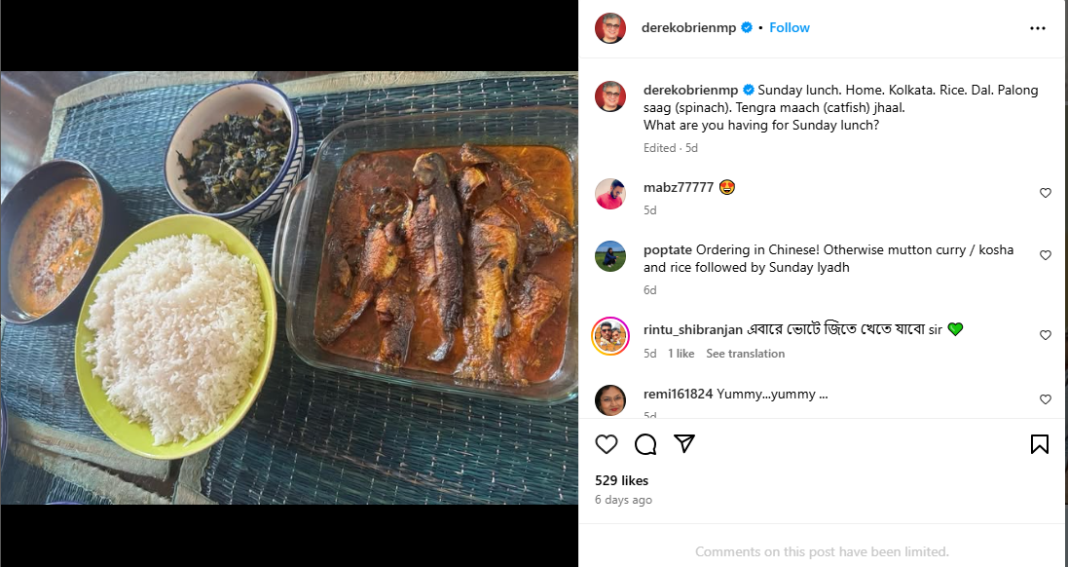
Notably, TMC MP Derek O’Brien, who has been very vocal against the Waqf Act, also shared pictures of his lunch a day later on 13th April, on Instagram. “Sunday lunch. Home. Kolkata. Rice. Dal. Palong saag (spinach). Tengra maach (catfish) jhaal. What are you having for Sunday lunch?”, wrote O’Brien in the caption.

Image via Instagram

Pathan’s party members are furious over his absence

In the aftermath of the violence, the TMC has been holding peace meetings in violence-affected areas. Local party leaders, including the MPs from the riot-affected areas of Murshidabad and Jangipur, Abu Taher Khan and Khalilur Rehman, are attending these meetings. However, Pathan has been absent from these meetings. Besides, he did not visit any violence-affected areas. His behaviour is being questioned by his fellow party leaders, who are calling Pathan, who is from Gujarat, an ‘outsider’. “He (Yusuf Pathan) is an outsider and is new to politics. He chose to stay away so far. But this gives the wrong message to people. Our MPs, MLAs and even booth workers are on the ground, reaching out to people,” Murshidabad MP Abu Taher Khan told the Indian Express. “There was a peace meeting in Samserganj. I travelled 100 km to reach there. Khalilur Rehman, as well as a number of TMC MLAs, were present there. But he (Yusuf Pathan) was absent. One cannot say it’s not my area and it’s not my people and that’s why I won’t go,” Taher Khan added.

TMC MLA says Pathan should not be given a ticket in the next elections

Attacking Pathan, TMC MLA from Bharatpur, Humayun Kabir, accused him of playing games with voters. “He is a renowned cricketer who lives in Gujarat. He defeated (Congress leader) Adhir Ranjan Chowdhury in the Lok Sabha elections by people’s votes. This gentleman is now playing games with voters. He is behaving as per his whims and fancy,” said Kabir. He said that if Pathan did not mend his ways, he would ask the party high command to give him a ticket in the next elections. “It has almost been a year since Yusuf Pathan became an MP. If he doesn’t change his behaviour and try to reach out to the people, I will approach our party’s top brass against him. I would try to ensure that next time he doesn’t get a party ticket. He is not a part of the development initiatives of Mamata Banerjee, and he is also not standing by the people in the time of such a crisis,” Kabir warned.

The demonstrations carried out by Muslims against the Waqf Act, which caused the violence, found the support of West Bengal Chief Minister, Mamata Banerjee who promised to protect Muslims and their properties by openly opposing the legislation.


Suspended cop peddles fake news about ‘EVM manipulation’ in 2024 Maharashtra polls, Congress ecosystem amplifies lies, ECI debunks claims

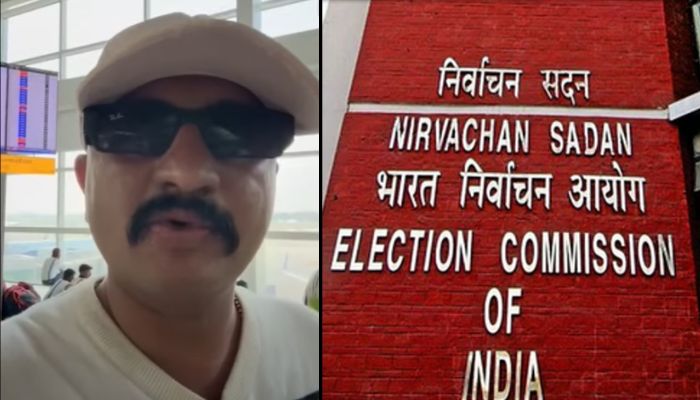
On Friday (18th April), the Election Commission of India (ECI) debunked lies, peddled by suspended cop Ranjeet Kasale and amplified by the Congress ecosystem, about EVM tampering in the 2024 Maharashtra Vidhan Sabha election.

Kasale, who was recently suspended from his post of police sub-inspector, claimed on Thursday (17th April) that BJP MLA Dhananjay Munde won from the Parli constituency through EVM manipulation.

The disgraced cop also alleged that he was offered ₹10 lakhs to stay silent. He claimed, “On polling day, ₹10 lakh was deposited into my account. Of that, I returned ₹7.5 lakh. The remaining amount was used for personal expenses.”

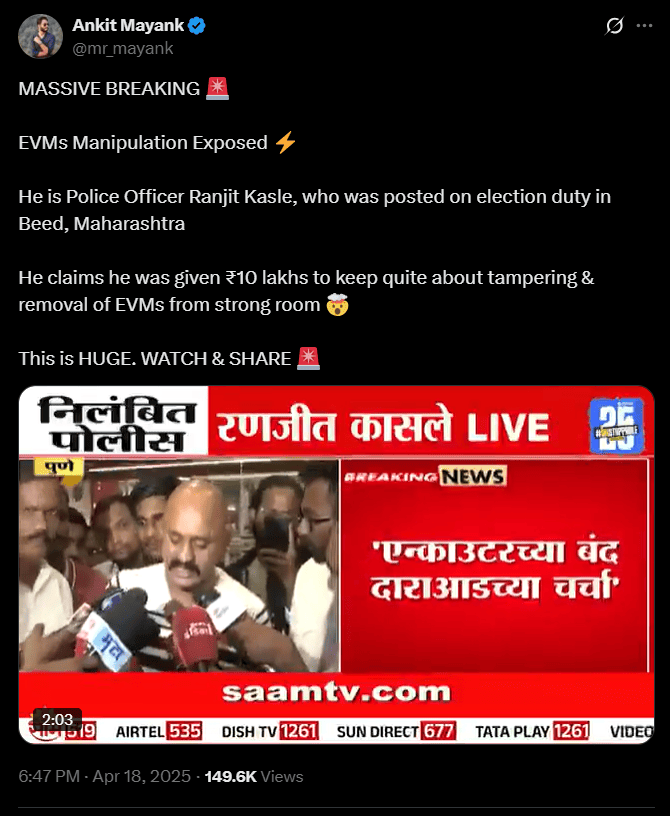
Screengrab of the viral tweet

“I was deployed in Parli during the election. Munde was elected through improper means. That’s the truth the public must know,” Ranjeet Kasale further alleged.

The unsubstantiated claims peddled by the suspended cop was further amplified by the Congress ecosystem.

Party troll Ankit Mayank tweeted, “MASSIVE BREAKING…EVMs Manipulation Exposed…He is Police Officer Ranjit Kasle, who was posted on election duty in Beed, Maharashtra. He claims he was given ₹10 lakhs to keep quite about tampering & removal of EVMs from strong room. This is HUGE. WATCH & SHARE”

The Truth behind the fake claims of Ranjeet Kasale

In a letter written to the Chief Electoral Officer of Maharashtra on Saturday (18th April), the Beed district election officer Avinash Pathak punctured the lies of the disgraced cop and the Congress trolls.

“It is observed that during the period of the General Assembly Elections 2024, Ranjit Kasale, the dismissed Police Sub-Inspector, was not assigned any duty related to the election process in the Parli Assembly Constituency, including during the polling process, the strong room security, or vote counting arrangements,” Pathak emphasised.

He pointed out that the disgraced cop was not part of any election duty in the 2024 Maharashtra polls and was instead posted at the Beed Cyber Police Station.

“Moreover, during the entire election period, the dismissed PSI Ranjit Kasale was not assigned any election-related duty. During this time, Mr. Kasale was posted at the Beed Cyber Police Station,” the Beed district election officer highlighted.

Besides reiterating the robust security measures that were deployed to ensure free and fair election, Avinash Pathak added, “No complaints of EVM tampering have been received so far. Upon reviewing the said video on social media, the allegations made appear to be baseless and without merit.“

He questioned the deplorable track record of the suspended cop and the past statements that he has made under the influence of alcohol to create sensationalism.

“Ranjit Kasale, who is currently a dismissed Police Sub-Inspector, has a habitual tendency to make baseless, irresponsible, and inappropriate statements on social media. He has repeatedly made highly defamatory and unfounded remarks against the Hon’ble Minister, various public representatives, and senior police officer,” Pathak said.

He concluded, “Notably, he has admitted in a video that he often appears on social media under the influence of alcohol while making such statements. This behavior not only reflects personal indiscipline but is also a serious concern from the perspective of public order and law enforcement. In conclusion, the allegations made by Mr. Ranjeet Kasale appear, to be unfounded, baseless, and aimed at casting unwarranted doubts on the election process.”

Baghpat: 4000-year-old Chalcolithic age objects unearthed during archaeological excavation in Tilwara Sakin

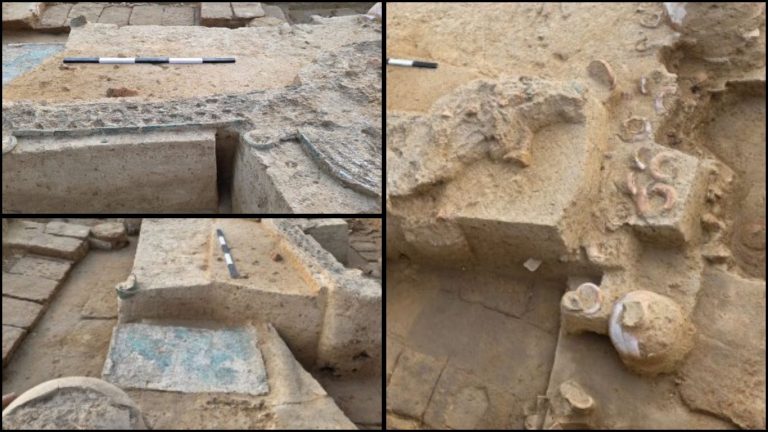
In an Archaeological Survey of India (ASI)-led excavation in Tilwara Sakin village of Baghpat in Uttar Pradesh, several Chalcolithic age objects, including pottery, copper, royal coffins, bricks and beads have been discovered. The first phase of this excavation began on December 10, 2024, on a mound in Tilwara Sakin located at a distance of 10 km from Sinauli. The ASI team has installed more than a dozen trenches at the site for carrying out the excavation work.

Director of the Shahjahan Rai Institute, Dr Amit Roy, said that the objects, said to be around 4000 years old, are similar to those discovered during the Sinauli excavation. The discovery of a coffin-like shape and a chariot in a trench with a brick platform underneath is being viewed as a significant achievement by the experts. Among the objects discovered are rectangular plates, daggers, beads, and copper pots. Geometric shapes have been engraved on a large square piece of copper at the excavation site. The objects found at Tilwara Sakin and Sinauli have striking similarity. The structure, carving and shape of the soil, and copper vessels found from both sites are the same.

According to the ASI Superintendent in Meerut, Vinod Kumar Rawat, many intriguing pieces of evidence have been found in the last phase of excavation in Tilwara Sakin. He said that a 4000-year-old chamber system was found, which may date back to 2000 BC. In addition to that, a large matte copper design estimated to be 1000 years old, is also found. Rawat added that many things have been found which appear to belong to the Late Harappa culture. Pottery has also been found which is thousands of years old.

The objects excavated at Tilwara will reportedly be brought to the Meerut Circle office, where a report of the findings will be prepared.

Excavations at Sinauli

The excavations in Sinauli were conducted by the Archaeological Survey of India (ASI) in 2005-06 and in mid-2018, which is still an ongoing process. The site at Sinauli is famous for its Bronze Age “chariots”, the first ones to be discovered in an archaeological excavation in South Asia. ASI joint director S K Manjul, who led the excavations at Sanauli, said that three chariots found at the site have a fixed axle linked by a long pole to the small yoke and were run by a pair of animals. The size and shape of the chariots indicate they were pulled by horses.

A burial site with 126 burials was also excavated at Sinauli. The burial site, dated to be at least 3,800 years old, is said to be the largest known ancient burial site. The Joint Director said that the carbon dating has confirmed that the burials date back to 1900 BC. The burials bear similarity to Vedic rituals, as the impressions of cloth found on bodies suggest purification of bodies similar to what is practised in the Hindu religion.

Is it time to re-think how we appoint judges: Collegium system, NJAC and the fire incident at the house of Justice Varma

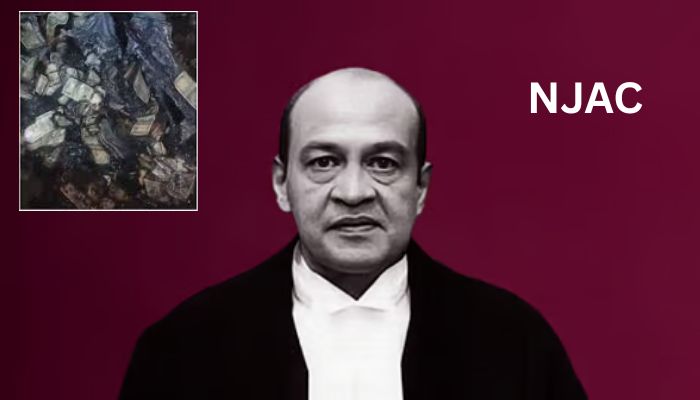
Fire has long served as a metaphor for exposure and purification in human history. On March 14, 2025, a fire occurred at the official residence of Justice Yashwant Varma of the Delhi High Court, an event that has prompted reflection beyond its immediate impact.

Reports of charred currency discovered in the aftermath have raised public concern and questions about judicial integrity. Justice Varma has firmly denied any misconduct, asserting that neither he nor his family stored cash in the affected storeroom, and has described the allegations as a calculated attempt to malign his reputation.

In response, the Supreme Court of India, on March 22, 2025, constituted a three-member panel, consisting of Justices Sheel Nagu, G S Sandhawalia, and Anu Sivaram, to conduct an internal inquiry, during which Justice Varma has been relieved of judicial duties.

This development must not be prejudged, as the principle of presumption of innocence remains fundamental to justice, requiring us to await the panel’s findings.

Nevertheless, the incident offers an opportunity for a broader academic inquiry into India’s judicial appointment process, embodied in the collegium system, and the implications of the 2016 Supreme Court Advocate-on-Record Association v Union of India judgment.

This op-ed argues that the current system’s opacity and insularity merit reconsideration, drawing on historical and comparative perspectives to advocate for a transparent and balanced alternative, such as the National Judicial Appointments Commission (NJAC).

What is the Collegium System

The collegium system, through which a group of senior judges recommends appointments and transfers to India’s higher judiciary, lacks an explicit foundation in the Constitution or its amendments.

Articles 124(2) and 217(1) stipulate that the President appoint Supreme Court and High Court judges in consultation with the Chief Justice of India and other designated judicial figures, implying a cooperative process between the executive and judiciary.

However, judicial interpretations, notably the Second Judges Case (1993) and the Third Judges Case (1998), transformed this consultation into concurrence, granting the judiciary primacy and diminishing the executives’ role.

Formalized by the Memorandum of Procedure since 1947 and refined over decades, the collegium now consists of the Chief Justice of India and the four senior-most Supreme Court judges, whose recommendations carry near-binding weight absent extraordinary circumstances.

While designed to protect judicial independence, this system has faced scrutiny, even from its architects. Fali S Nariman, a distinguished advocate instrumental in the Second Judges Case, later expressed regret in his memoir Before Memory Fades, titling his reflection A Case I Won but Which I Prefer to Have Lost. Justice J S Verma, who presided over that decision, similarly lamented its unintended outcomes.

These reservations highlight a systemic issue: the collegiums lack of transparency and its insular nature have fueled perceptions of nepotism and exclusivity, with appointments occasionally appearing to favor individuals with familial or professional ties to existing or former judges.

Such concerns have been echoed by official bodies, including the National Commission to Review the Working of the Constitution (2002), the Administrative Reforms Commission (2007), and the Law Commission of India (2008), which have questioned the systems compatibility with democratic accountability and openness.

Lessons from the Past

Understanding the collegiums anomaly requires a historical lens. The Magna Carta of 1215, secured from King John by English barons, established an early principle that no authority stands above accountability, laying a foundation for checks on power.

In 17th-century England, Sir Edward Coke defended judicial independence against Stuart monarchs, yet anchored it to parliamentary oversight rather than judicial isolation.

In the United States, the Constitution of 1787 instituted a system where federal judges are nominated by the President and confirmed by the Senate, reflecting Montesquieu’s assertion in The Spirit of the Laws (1748) that liberty requires the separation of judicial power from legislative and executive functions, balanced by mutual accountability.

India’s constitutional framers, convening in 1946, drew from these traditions, crafting a document that envisioned a triadic equilibrium among the executive, legislature, and judiciary. Dr. B R Ambedkar, in the Constituent Assembly Debates, emphasized the judiciary’s role as a check on other branches, emphasizing its independence while cautioning against its detachment from democratic processes.

The collegium system, however, diverges from this vision, concentrating appointment authority within the judiciary itself, a practice distinct from major constitutional democracies such as the United States, the United Kingdom, or France, where external stakeholders contribute to judicial selection.

The historic NJAC Judgment

The 2016 NJAC judgment marks a critical juncture in this discourse.

The 99th Constitutional Amendment Act and the NJAC Act of 2014 sought to replace the collegium with a commission comprising the Chief Justice of India, two senior Supreme Court judges, the Union Law Minister, and two eminent persons selected by a panel including the Prime Minister, the Leader of the Opposition, and the CJI.

This framework, enacted with bipartisan legislative support and presidential assent, aimed to integrate judicial, executive, and civic perspectives into the appointment process, reflecting a pluralistic approach to constitutional governance.

Yet, in a 4-1 decision, the Supreme Court invalidated the NJAC, upholding the collegium on grounds that its primacy was essential to judicial independence, a component of the Constitutions basic structure.

The majority opinion, authored by Justices J S Khehar, M B Lokur, Kurian Joseph, and A K Goel, posited that the NJACs inclusion of non-judicial members risked compromising judicial autonomy, potentially exposing appointments to political influence.

While this position was articulated with clarity, it did not fully substantiate why judicial exclusivity in appointments is inherently superior to a collaborative model, relying instead on apprehensions of executive overreach without extensive empirical or comparative support.

Justice Jasti Chelameswar’s dissent offers a contrasting perspective, grounded in legal and philosophical principles. He argued that the NJAC did not undermine the basic structure but rather supported it by adopting a system of checks and balances.

He emphasized the need for clear separation of powers. He said that it is important to ensure no institution enjoys absolute power by drawing on the Constituent Assembly Debates. He further contended that the collegiums opaque and ad-hoc appointment process was inimical to judicial independence and public legitimacy, advocating for reform to enhance transparency and accountability.

He cited Thomas Babington Macaulay’s 1833 address to the House of Commons, Reform that you may preserve, to emphasize the urgency of adapting institutional mechanisms to maintain their integrity.

From Antiquity to Modernity

To fully appreciate this anomaly, one must situate it within the historical continuum of governance and accountability. In ancient Athens, Aristotle observed in Politics that the best constitution distributes power to prevent any single part from dominating, a warning against concentrated authority.

Cicero, in Romes De Re Publica, declared, the safety of the people is the highest law, tying justice to public trust, which falters when processes lack visibility. In Indian tradition, Kautilya’s Arthashastra (circa 300 BCE) advises that justice depends on the righteousness of officials, a principle contingent on their selection being transparent and credible.

In modernity, The Magna Carta of 1215, secured from King John by English barons, established an early principle that no authority stands above accountability, laying a foundation for checks on power. John Lockes Second Treatise of Government (1689) frames governance as a social contract, where legitimacy rests on the consent of the governed, a consent weakened when judicial appointments exclude public oversight.

Lord Acton’s 1887 maxim, power tends to corrupt and absolute power corrupts absolutely, highlights the collegiums risk, its insularity invites skepticism, even absent evidence of misconduct. The United States offers a contrasting model, where Supreme Court nominees face televised Senate hearings, a process James Madison defended in The Federalist Papers (No 51) quoting If men were angels no government would be necessary, hence the need for checks.

The Justice Varma Incident as a Lens

The fire at Justice Varma’s residence and the subsequent inquiry provide a lens for examining these systemic issues, not as a judgment on an individual, whose innocence remains presumed, but as a reflection on the collegiums structure.

The reports of currency, whether verified or not, amplify public unease about a system that offers little transparency in selecting judicial officers. Had a mechanism like the NJAC been in place, with its broader representation, such incidents might engender less suspicion. The collegiums internal inquiry, while a step toward accountability, highlights its self-contained nature, a limitation that external oversight could address.

Balancing Independence and Accountability

The NJAC, though imperfect, represented a balanced approach, blending judicial expertise with democratic input. Its rejection in 2016 was a missed opportunity, but its principles remain a viable framework for reform.

A revised NJAC could refine this model, ensuring judicial independence while introducing public vetting, such as parliamentary hearings modeled on the US Senate process, with safeguards against partisan influence.

Transparent criteria for merit and external oversight mechanisms could mitigate the collegiums opacity, aligning India with global norms while respecting its constitutional heritage.

The judiciary’s role as the Constitutions guardian, evident in various landmark cases related to fundamental rights and human rights are vital, yet its legitimacy depends on trust.

As Lord Hewart stated in R v Sussex Justices (1924), Justice must not only be done but must also be seen to be done. The collegium, a product of judicial evolution rather than constitutional design, falls short of this standard.

The Justice Varma incident, whatever its outcome, highlights the need for reform, not to condemn, but to preserve.


Congress, DMK, and CPM stir language wars again, oppose names of NCERT English textbooks being changed: Debate over decolonisation

Amidst the ongoing controversy around the National Education Policy (NEP) 2020 and the false claims of Hindi imposition, a fresh row has erupted over the National Council of Educational Research and Training (NCERT), replacing the names of some English textbooks with Hindi ones. The Kerala government and others usually accuse the Central government of linguistic and cultural imposition, and have deemed NCERT’s move to name its English-medium textbooks with Hindi titles as a continuation of the same.

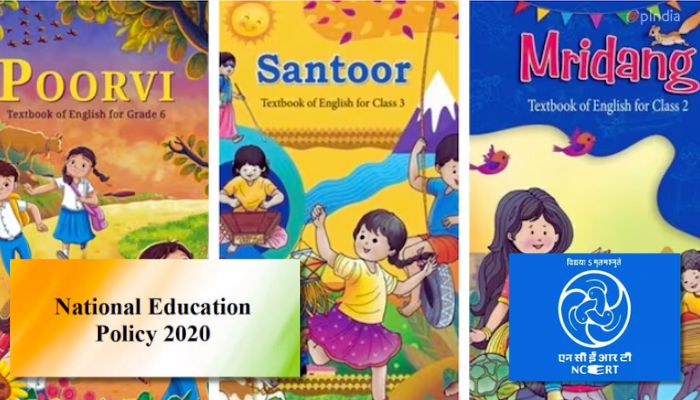
Under the NEP 2020, the NCERT has changed the names of several textbooks including Class 6 English textbook, which has been renamed from Honeysuckle to Poorvi (eastern), Class 1 and 2 English textbooks have been renamed as Mridang (an Indian musical instrument), Class 3 English textbook has been named as Santoor (musical instrument). Meanwhile, the Class 6 mathematics book will now be known as Ganit Prakash, and Class 3’s as Maths Mela.

Kerala government and Tamil Nadu Congress-DMK oppose NCERT textbook Hindi renaming, allege ‘Hindi imposition’

Predictably, the NCERT’s decision has outraged Kerala and Tamil Nadu governments, often at loggerheads with the Centre over the supposed issue of Hindi imposition.

The decision to give Hindi titles to English medium textbooks of NCERT is a grave illogicality, Kerala Minister for General Education and Employment V Sivankutty said while criticising the council for its decision to give Hindi names to English-medium books. He further accused the central government of “cultural imposition” and of “sabotaging the linguistic diversity of the country.”

“It is absolutely wrong to change the English titles that have been used for decades to respect linguistic diversity and instil a sensitive approach in the minds of children and to shift the focus to Hindi titles like Mridang and Santoor,” the state minister said on Monday.

“The titles in the textbooks are not just names; they shape the perception and imagination of children. English medium students deserve English titles,” Sivankutty argued.

Minister Sivankutty demanded that the NCERT should review and withdraw this decision and that all states unite against such impositions. The minister opined that education should not be an instrument of imposition but of empowerment and consensus.

Similarly, Tamil Nadu Congress Committee (TNCC) president K. Selvaperunthagai also demanded that NCERT withdraw Hindi titles for English and Mathematics textbooks.  Notably, Congress is a part of the DMK-led ruling coalition in Tamil Nadu.

Selvaperunthagai asserted that the NCERT’s decision comes at a time when the Tamil Nadu government has already opposed the three-language policy, alleging an attempt at imposing Hindi on non-Hindi states.

“In such a situation, changing the names of textbooks in English to Hindi has caused strong opposition among the non-Hindi speaking States. The names of the English language textbooks for classes 6 and 7 were earlier Honeysuckle and Honeycomb. But this time, the names of the English books for two classes have been changed to ‘Purvi’ in Hindi. Furthermore, the textbooks have also been named ‘Mruthang’ and ‘Santhoor’ in Hindi. The name of the Mathematics textbook, which was ‘Mathematics’ in English, has been changed to ‘Ganita Prakash’. This cannot be accepted in any way,” he said.

Not Hindi imposition but decolonisation: NCERT clarifies rationale behind changing names of textbooks

As the politics around NCERT’s decision to replace titles of English and Mathematics textbooks with Hindi intensified, NCERT clarified that the new Hindi titles assigned to English and Mathematics textbooks of certain classes is based not on linguistic favouritism, rather, it is a part of of the pedagogical and philosophical vision of the NEP, which calls for the promotion of Indian languages and knowledge systems. As per an NCERT official, the title modification is aimed at decolonising the education system, aligning it with India’s intellectual traditions.

“The NCERT develops and translates textbooks into Indian languages to make them inclusive and accessible to all learners from diverse linguistic backgrounds,” the NCERT official said.

The NCERT contends that names like Poorvi, Mridang, and Santoor carry deep cultural associations and are “neither translatable nor replaceable”. This approach aligns with the NEP 2020’s emphasis on integrating art and music into education as universal expressions transcending linguistic barriers.

Notably, the names like Poorvi, Santoor, Mridang, etc, indeed introduce students to India’s rich cultural and musical heritage and come across as expressions of national unity. Rooted in classical music, these terms are not exclusive to Hindi but are pan-Indian, surpassing linguistic confines. Such changes may help unite students across diverse linguistic regions by asserting shared cultural symbols and blur regional bounds in a positive sense. Using Roman script for these ‘Hindi’ names mitigates the allegations of linguistic hegemony by making titles accessible to students of all linguistic backgrounds without essentially requiring Hindi literacy.

As the NCERT official said, this move is aimed at decolonising the curriculum and promoting one that values native heritage. The NCERT, however, needs to clear all confusions and come up with a more elaborate clarification so that their efforts aimed to foster cultural unity may not be misinterpreted as linguistic chauvinism, especially in states like Tamil Nadu and Kerala, where language and regional pride are intermittently raked up for political gains.

Is Centre really imposing Hindi?

This, however, is not the first time that Tamil Nadu and Kerala have come at loggerheads with the Centre with the former advocating for regional autonomy and the latter pushing for a diverse yet unified national identity. Earlier this year, Tamil Nadu government had pushed the ‘Hindi colonialism’ narrative alleging that centre is imposing Hindi on Tamil and other non-Hindi speaking states, over the NEP’s three-language policy even though it did not make Hindi compulsory. The policy does not require students to take up any one language, instead, it allows the states and learners to choose. The formula underlines that each Indian student must study three languages: a foreign language and two native including one regional.

The three-language formula was implemented as a consequence of an agreement reached by the chief ministers of numerous Indian states at their 1961 meeting. Rather than being a goal or limitation on language learning, it was framed to serve as a convenient starting point for the analysis of the nation’s evolving body of knowledge and emotional integration. NEP 2020 has promoted the same as a means of fostering multilingualism and bolstering national unity. The aim is to provide students with the resources they need to communicate successfully across the country. Additionally, it seeks to promote acceptance of linguistic diversity and expose kids to a variety of cultures and languages in order to build national integration.

While the opposition’s objection to the three-language policy came across more as political,  the concerns around NCERT naming books with Hindi titles is not devoid of genuine concerns including those pertaining to pronounciations. In the foreword of the Class 6th English textbook Poorvi, NCERT Director Dinesh Saklani emphasises that the new book encapsulates elements of Indic knowledge systems, cultural heritage, and teaches values like gender equality, digital skills, etc, one wonders why can’t at least English textbooks have English tiles.

Notably, reports say that not all NCERT textbooks have undergone title change. For example, the new science book for Class 6 has been renamed as Curiosity in English. Meanwhile,  Hindi and Urdu versions are named Jigyasa and Tajassus. The social science book is named Exploring Society: India and Beyond in English and Samaj Ka Adhyayan: Bharat aur Uske Aage in Hindi. This suggests that the Central government or NCERT are not attempting to impose Hindi on non-Hindi states rather are intending to promote Indic expressions that foster national unity. However, NCERT needs to make the process more transparent, seek wider consultation to ensure that its efforts achieve their intended purpose of promoting cultural inclusivity and sensitivity through a culturally rich curriculum.