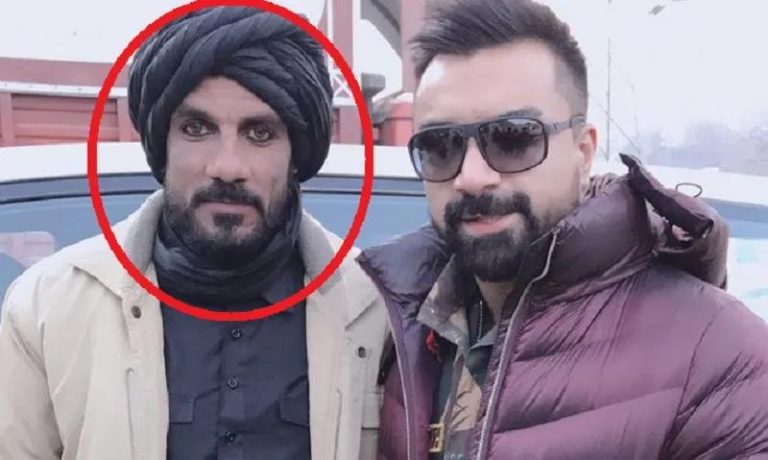
Bollywood actor Salman Jaffery has been arrested by the Crime Branch of Mumbai for allegedly cheating people by posing himself as a police officer.
According to police officials privy to the details of the case, the accused used to fly to north Indian cities such as Dehradun and Chandigarh and other cities to commit a crime and later fly back to Mumbai.
Salman Jaffery posed as policemen to steal an elderly woman’s jewellery in Dehradun
The incident came to light after an elderly woman from Dehradun filed a complaint with Dehradun police of robbery and cheating. She had alleged that a man posing to be a police officer had robbed her of her jewellery worth Rs 5 lakh. A case was registered at Patel Nagar police station in Dehradun under various sections of the Indian Penal Code (IPC) for cheating.
The 64-year-old woman alleged that when she was on her way back home from the temple, the accused Salman accosted her and portrayed himself as a police officer. On the pretext of patting her down, the accused made her remove all her jewellery and packed it in a newspaper. He subsequently gave stones wrapped in newspaper in place of her jewellery and fled from the place.
Mumbai police nabbed Jaffrey based on Dehradun police information
Soon thereafter, Dehradun Police launched an investigation based on the complaint. Based on technical information, they found Salman Jaffery to be a resident of Oshiwara, Mumbai. The Dehradun Police then contacted the Mumbai Police and informed them about the complaint filed against Jaffery with them. The Crime Branch officials of Mumbai Police nabbed the 40-year-old Bollywood actor on Monday evening.
During his interrogation, the accused has reportedly admitted of committing cheating. After the police took Salman into custody, a thorough investigation revealed that he was a TV actor. The actor has featured in Television serials like ‘Chhatrapati Raja Shivaji’, ‘Savdhan India’ and acted in the movie ‘Gulamkai and Bahanchor’.
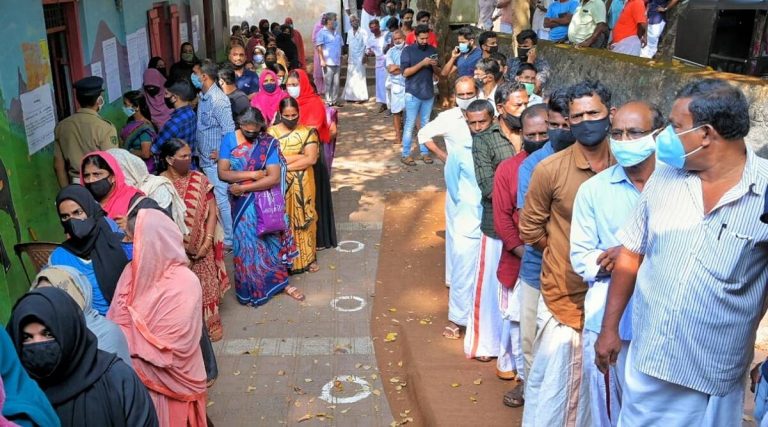
In a stinging electoral defeat, the UDF candidate in the Kochi Municipal Corporation’s North Island ward, N Venugopal, seen as the mayoral candidate of the Congress, has lost to his BJP rival by just one vote.
Counting of votes for the Kerala local body elections 2020 is underway. The counting started at 8 am for 21,893 wards in 1,200 local bodies which went to polls in three phases.
#Kerala: Congress mayoral candidate N Venugopal, has lost to the BJP candidate by one vote, in the Kochi Corporation North Island ward, in the state’s 2020 local body elections
The defeat of N Venugopal comes as a major upset for the Congress party as it was looking to nominate a strong leader from its ‘I’ group for the post of mayor. The UDF alliance had been ruling Kochi corporation for the last 10 years.
This time around, Venugopal was contesting from Island North, rather than the neighbouring Island South, from where he posted victories in 2005 and 2010. Venugopal, who also represented the combined ward Island North and Island South in 2000, when the two areas were yet to be constituted as separate divisions, was assured of his win. However, in an ironic turn of events, he lost to the BJP candidate by as narrow a margin as it could get—by just one vote.
Soon after his embarrassing defeat, Venugopal did what Congress has been doing after every poll debacle—cry hoarse and blame the voting machine alias EVMs.
Speaking to the media, Venugopal said, “It was a sure seat. I can’t say what happened. There was no problem with the party. There was a problem with the voting machine. That is why the BJP won the elections. I have not decided to go to court with voting machine issue so far. Will check what happened exactly.”
Netizens in splits after Congress’s mayoral candidate loses by 1 vote
The margin of the electoral defeat had the Twitterverse in splits, with many mocking the Congress party and liberals for the piercing defeat. A raft of memes flooded the social media platform, taking a dig at the Congress party over the narrow loss.
One of the Twitter users hailed that one person that made the difference in the outcome of the election. The user commented, “Salute to that one person who changed his mind and voted for BJP candidate.”
Salute to that one person who changed his mind and voted for BJP candidate.? ??
Local Body polls trends show NDA making inroads in Kerala
Local body polls were held in six phases in Kerala. The southern state recorded a voter turnout of 78.64 per cent in the third and final phase of elections. The early trends indicate that LDF may emerge victorious in the elections. The LDF is leading in Gram Panchayats, Block Panchayats, District Panchayats, and Corporations. UDF is marginally ahead of LDF in Municipality.
The National Democratic Alliance(NDA) has also made inroads in the southern state of Kerala and improved its tally from the 2015 local body polls. The saffron alliance is steadily gaining foothold in the southern Indian state.
Besides winning in Kochi Corporation’s North Island, the BJP candidate in Thiruvananthapuram Corporation also defeated its LDF rival S.Pushpalatha by a margin of 145 votes.
Kerala local body poll results: LDF wins in 7 wards, NDA -3 and UDF-1, in Thiruvananthapuram Corporation
As per trends, NDA leading in 14 wards, LDF- 21, UDF -4
S.Pushpalatha, LDF’s mayor candidate has lost to NDA candidate by 145 votes.
LDF has won in 7 wards, NDA in 3 and UDF in 1 in Thiruvananthapuram Corporation. As per trends, NDA is leading in 14 wards, LDF in 21 wards and UDF in 4. The local body election in the southern state is considered a precursor of the Assembly elections due to be held in 2021.
Department of Posts (DoP) and India Post Payments Bank (IPPB) have launched a new digital payment app, ‘DakPay,’ on December 15, 2020. The app will help in providing Digital Financial services at the last mile across India. The app comes with a suite of digital financial and assisted banking services offered by India post and IPPB using Postal (‘Dak’) network across India to cater to the financial needs (‘Pay’) of various sections of the society.
The app facilitates instant money transfers, QR based merchant payments and online payments on e-commerce websites. Now send money instantly using Dak Pay. Available on Android platform. “Coming soon on iOS platform” Click on the link below to download:https://t.co/AItjHFIMPR
The app can be used to send money to others, scan QR codes and make payments for merchants and service providers digitally. One can link it to an individual’s bank account and use the Unified Payments Interface (UPI) to make payments. The app enables a dedicated UPI ID linked to the bank account. This app will help in “enabling cashless ecosystem through biometrics, providing interoperable banking services to the customers of ANY BANK (AePS) and Utility Bill Payment services.”
During the launch event, Union Minister Ravi Shankar Prasad appreciated the efforts made by India Post Payments Bank during the Covid-19 pandemic to provide financial assistance through AePS at the doorsteps of the customers. It helps in financially empowering unbanked and underbanked citizens of India.
Ravi Shankar Prasad, Union Minister for Communications, Electronics & IT and Law &Justice, said, “India Post stood the test of times by serving the nation through various postal services digitally and physically during nationwide lockdown. Launch of DakPay adds up to the legacy of India Post which is about reaching out to every household.” He further added that he believes that the services offered in the form of online payments and home delivery of financial services combined with a nationwide network of Postal department will be another big leap towards Prime Minister’s vision of a financially inclusive and an AatmaNirbhar Bharat.
Pradipta Kumar Bisoi, Secretary (Posts) & Chairman, IPPB Board said, “Dak Pay brings simplified payment solutions to all by offering all customers access to the banking and payments products and services either through an App or in assisted mode with the help of the trusted Postman.”
J Venkatramu, MD & CEO, India Post Payments Bank, said, “The unveiling of DakPay is a landmark achievement in IPPB’s journey and will further deepen comprehensive financial inclusion to bring forth the dawn of a ‘Truly Inclusive Financial System’.”
About India Post Payments Bank
On September 1, 2018, Prime Minister Narendra Modi launched the India Post Payments Bank (IPPB). It comes under the Department of Posts, Ministry of Communication with 100% equity owned by the Government of India. The aim of the digital bank with Post Office is to build the most accessible, affordable and trusted bank for the common man in India. The Postal network comprising 155,000 Post Offices (135,000 in rural areas) and 300,000 Postal employees provides strength to the digital banking system by the Post Office. People can connect their IPPB bank account or any other bank account listed in the app and uses the funds available in it to make payments via the app.
How to use ‘DakPay’
If some has used similar payment services like BHIM, Paytm or Google Pay, they must be aware of the steps needed to follow to link their own bank account with such apps. The process of creating an account and linking it to the bank account is much easier, quicker and seamless in DakPay. Also, unlike Paytm or Google Pay, DakPay is 100% owned by the Government of India, giving it a sense of security. Here is a step by step process of how to use ‘DakPay’.
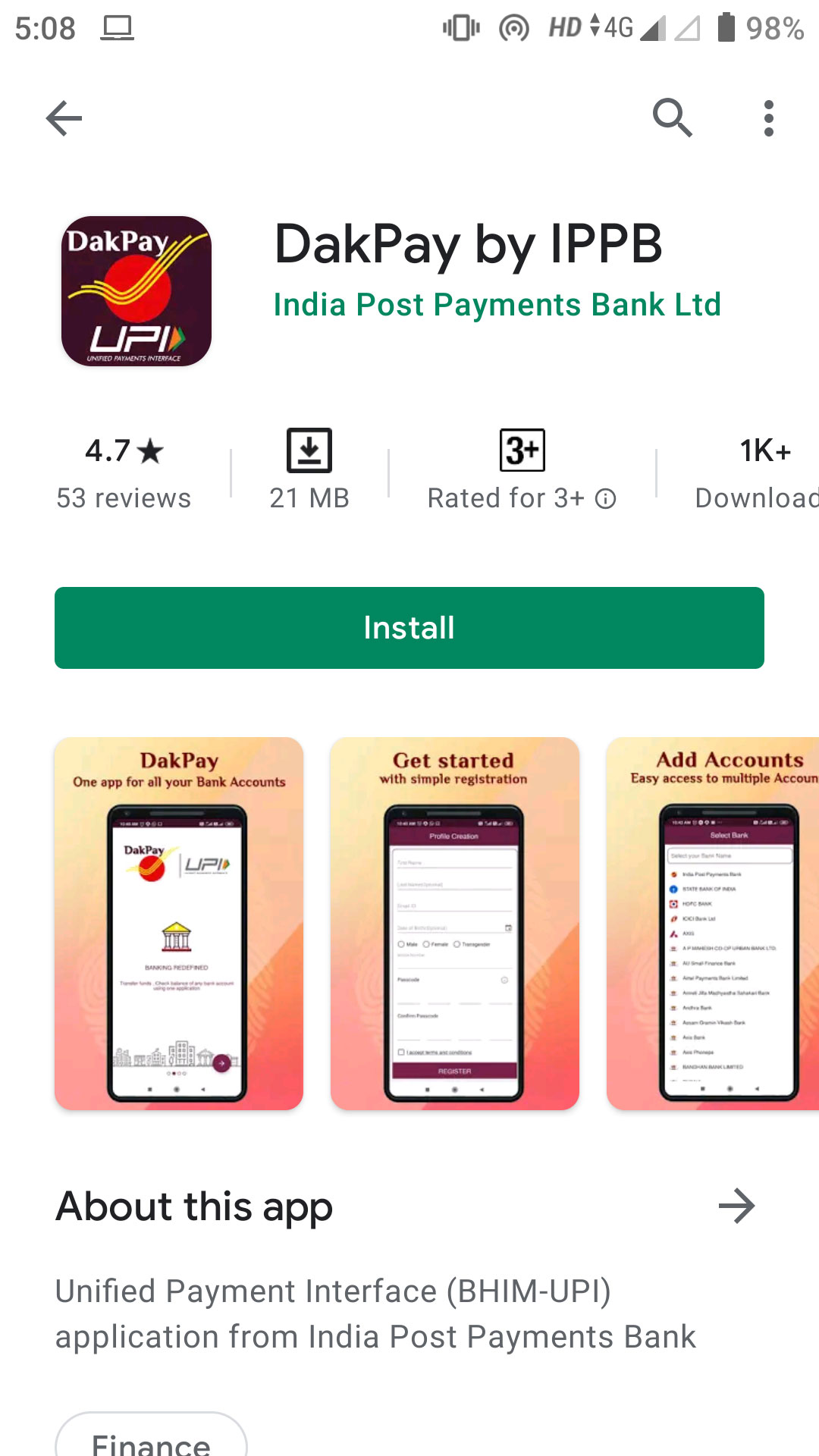
First of all go to the Google Play Store and download DakPay app from this link.
Screenshot of the DakPay app in Google Play Store
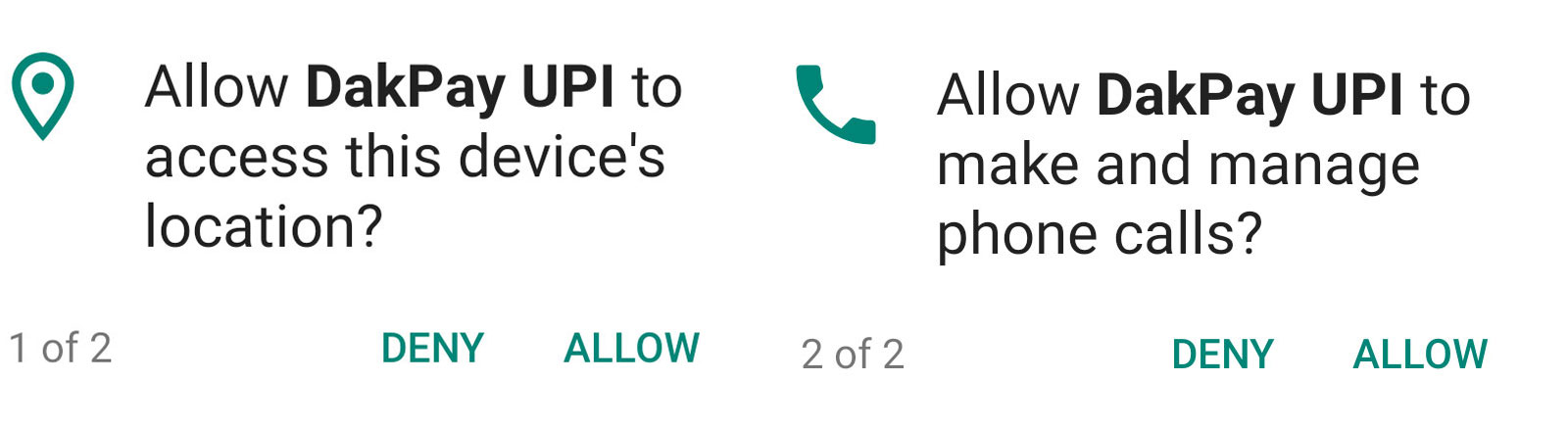
Once it is installed, open the app. The app will ask you to grant two permissions to access your location, and the second one is to make and manage phone calls. Both permissions should be granted.
Permissions for location and manage phone calls
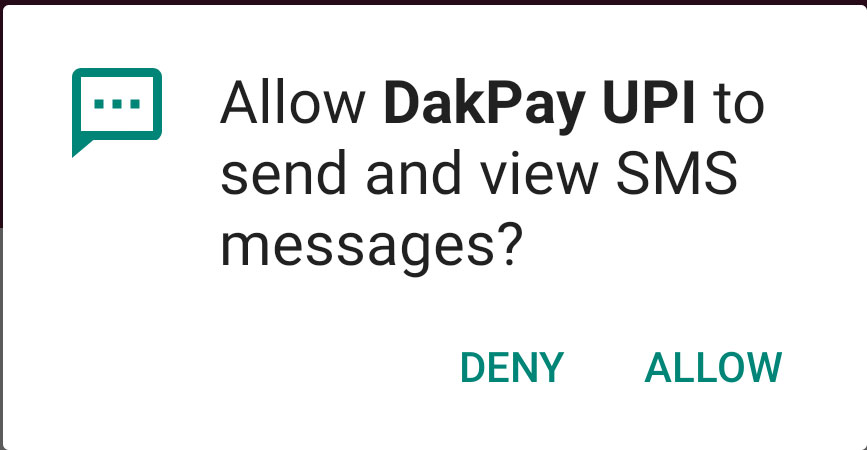
In the next step, after the first-time welcome screen, you will be asked to grant permission to the app to access your messages. By granting this permission, you will be able to read and fill the OTP without leaving the app.
Permission to access messages.
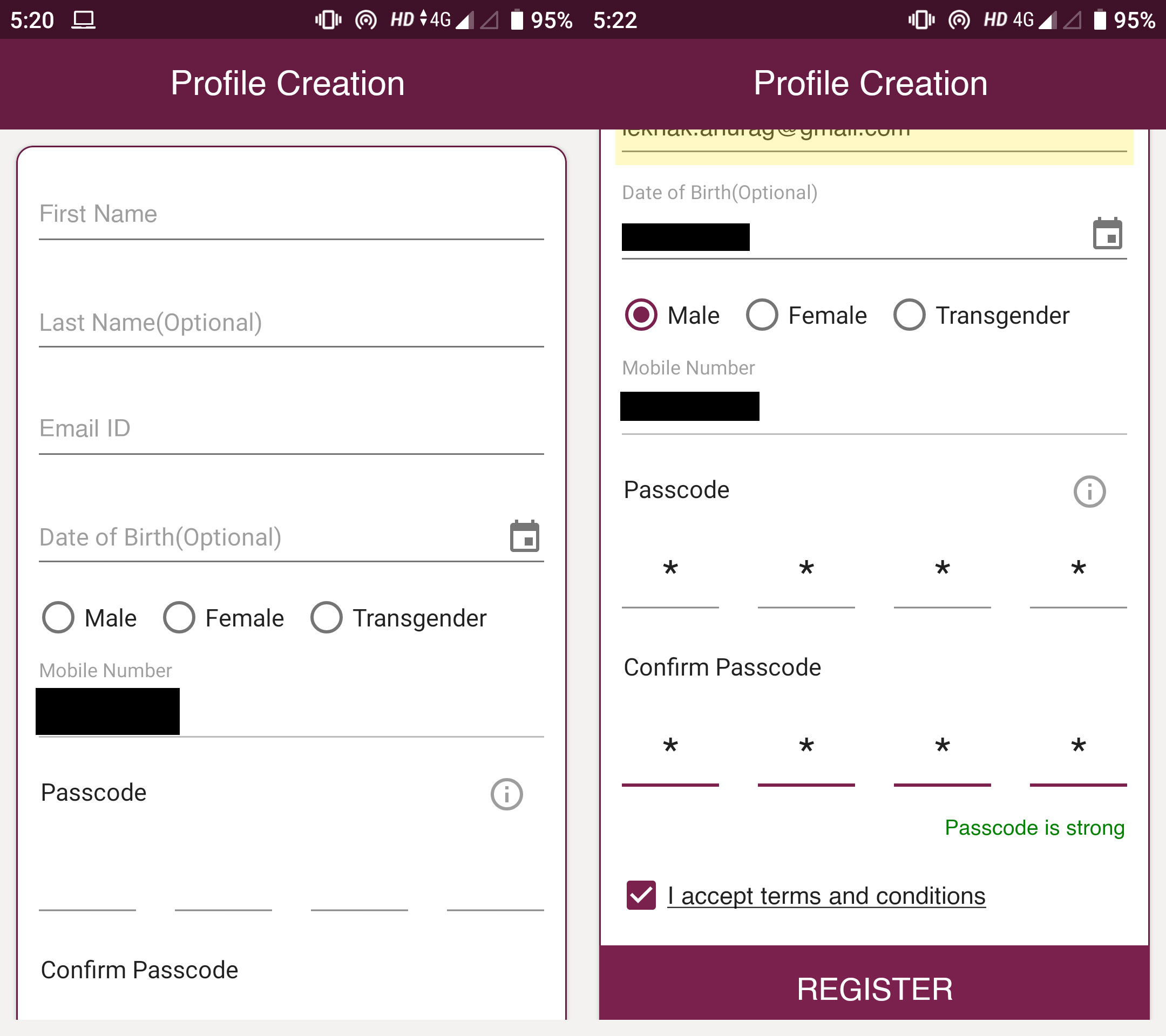
Once you allow the app to do so, you will see a signup form. One of the most interesting aspects of this app is that they have included transgender people in the form, making it easier for them to get included in the banking system.
Signup form
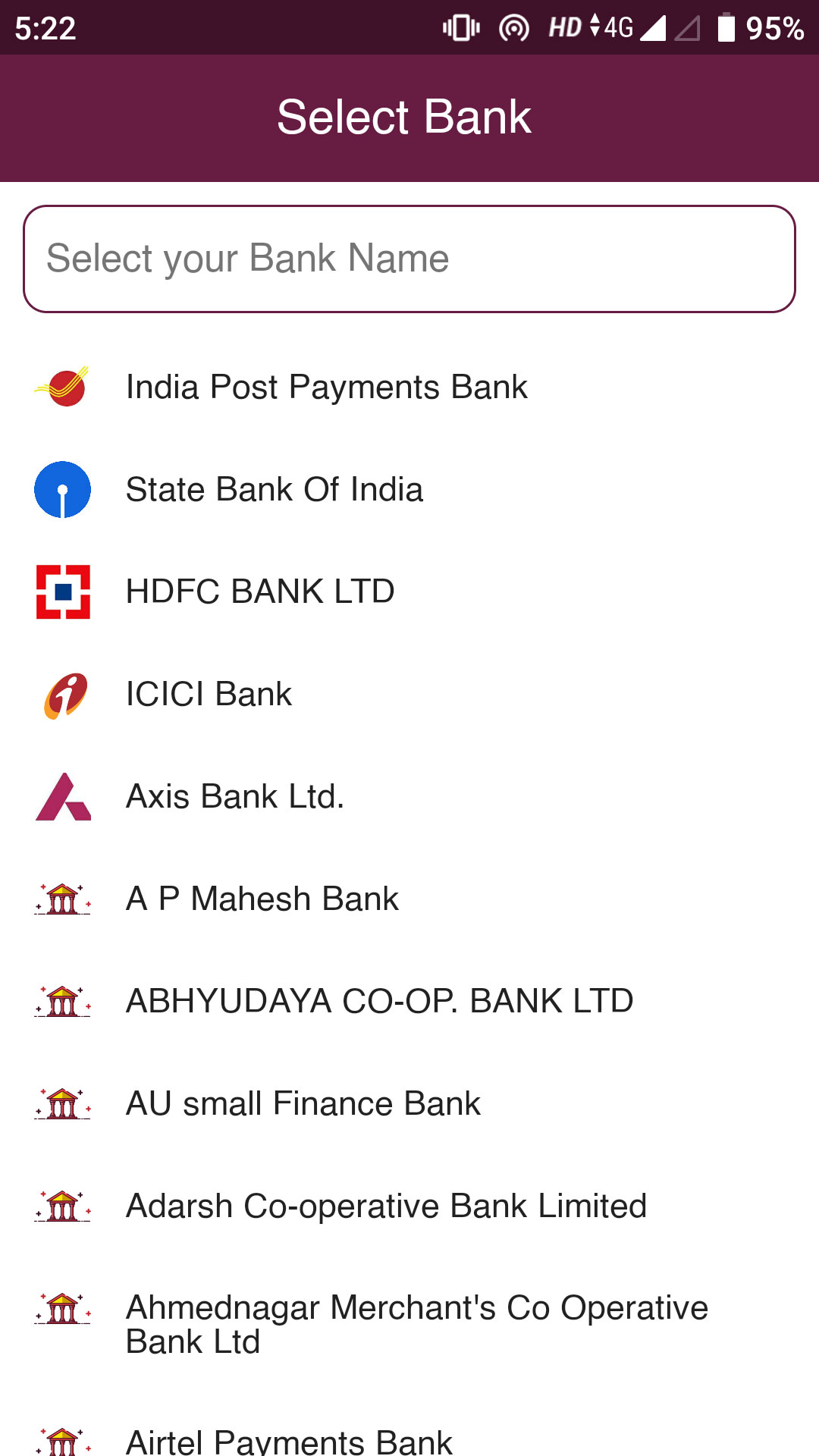
In the next step, the app will ask you to add your bank from the list of banks. It is a comprehensive list of banks and almost all the banks that offer UPI services are listed in the app. You can either scroll down to find your bank or you can write your bank’s name in the text area ‘Select your Bank Name’.
List of banks in the app.
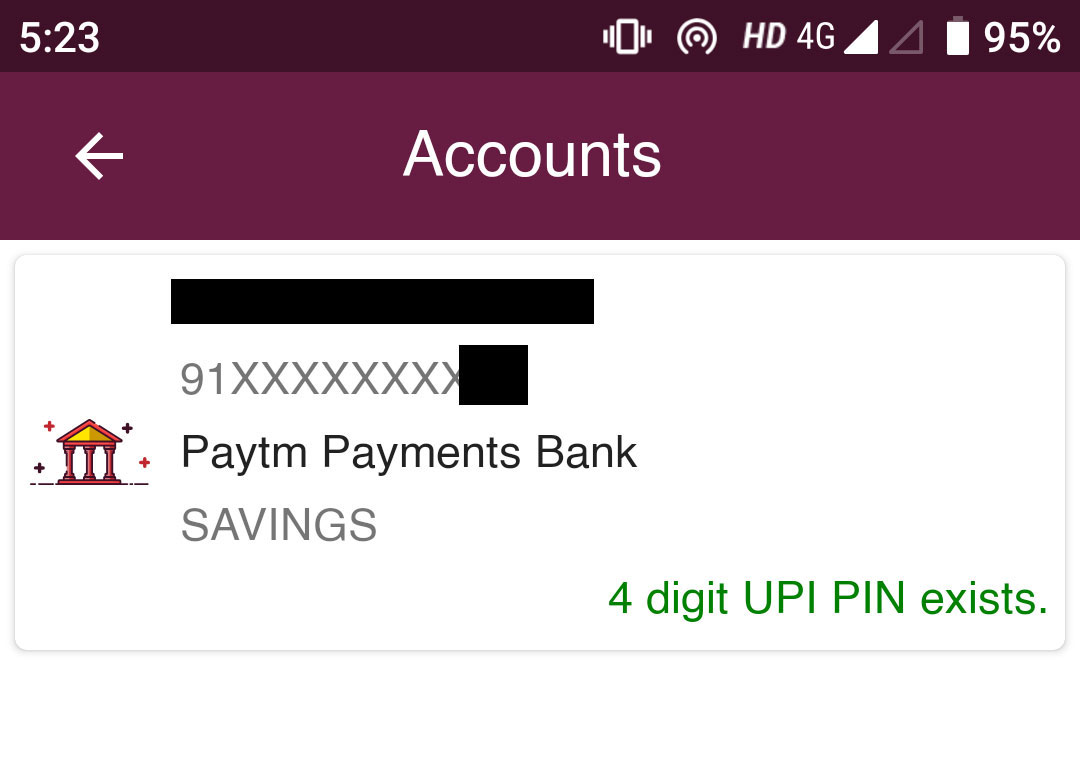
Once you have chosen the bank in which you have an account, it will look for the account linked to your mobile number.
Bank account linked to your mobile number
After linking your account to the app, it will show you the newly created UPI ID. In case you want to add a new ID, you can click on the ‘+’ icon at the bottom right corner of the app.
Newly allotted UPI ID will show here.
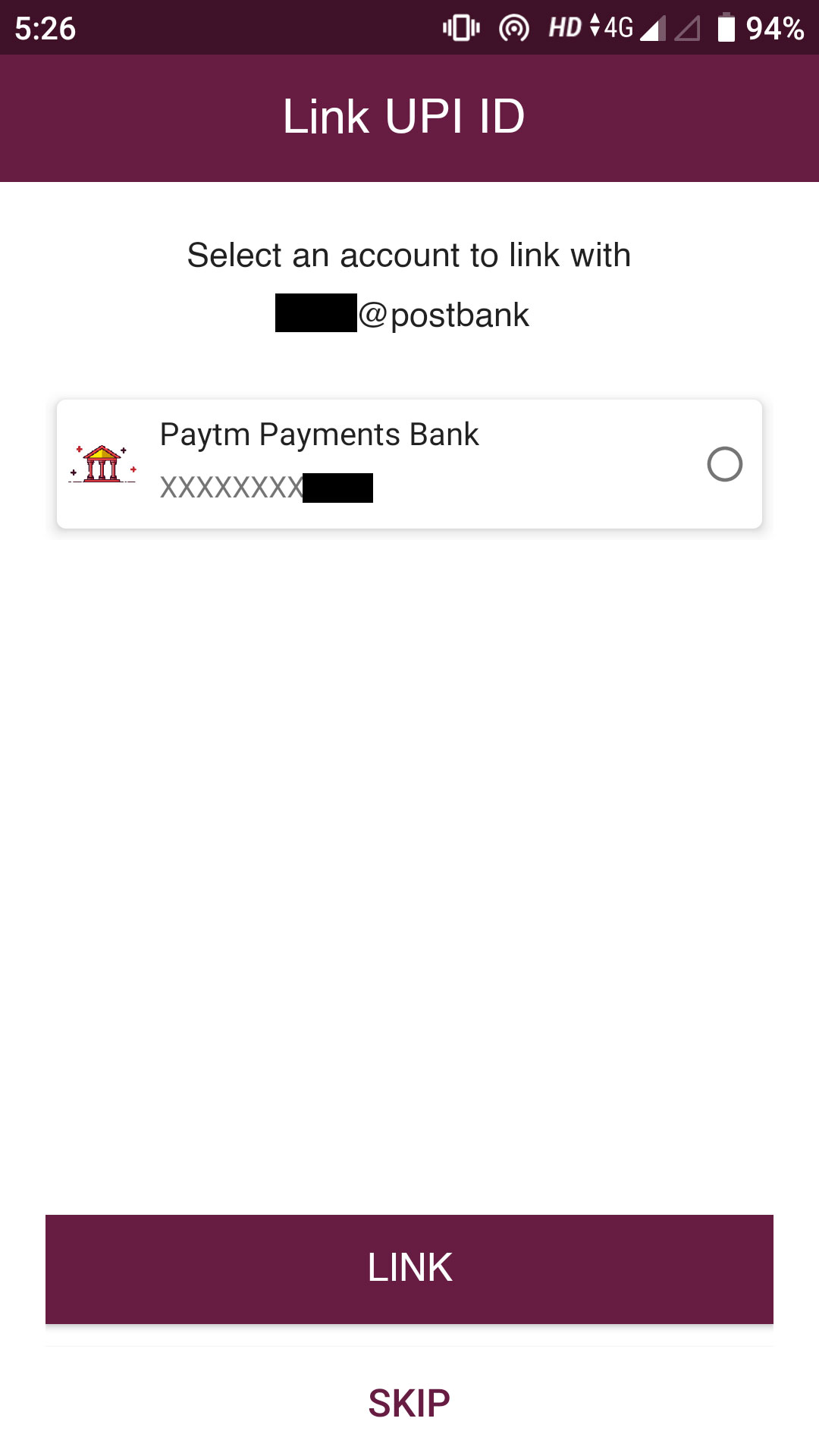
The next screen will show you some suggestions and give an option to choose your UPI ID. Once it is done, it will ask you to link the UPI ID with a bank account that you have already added to the app. You can add multiple accounts in the app.
In this step, link UPI ID to bank account.
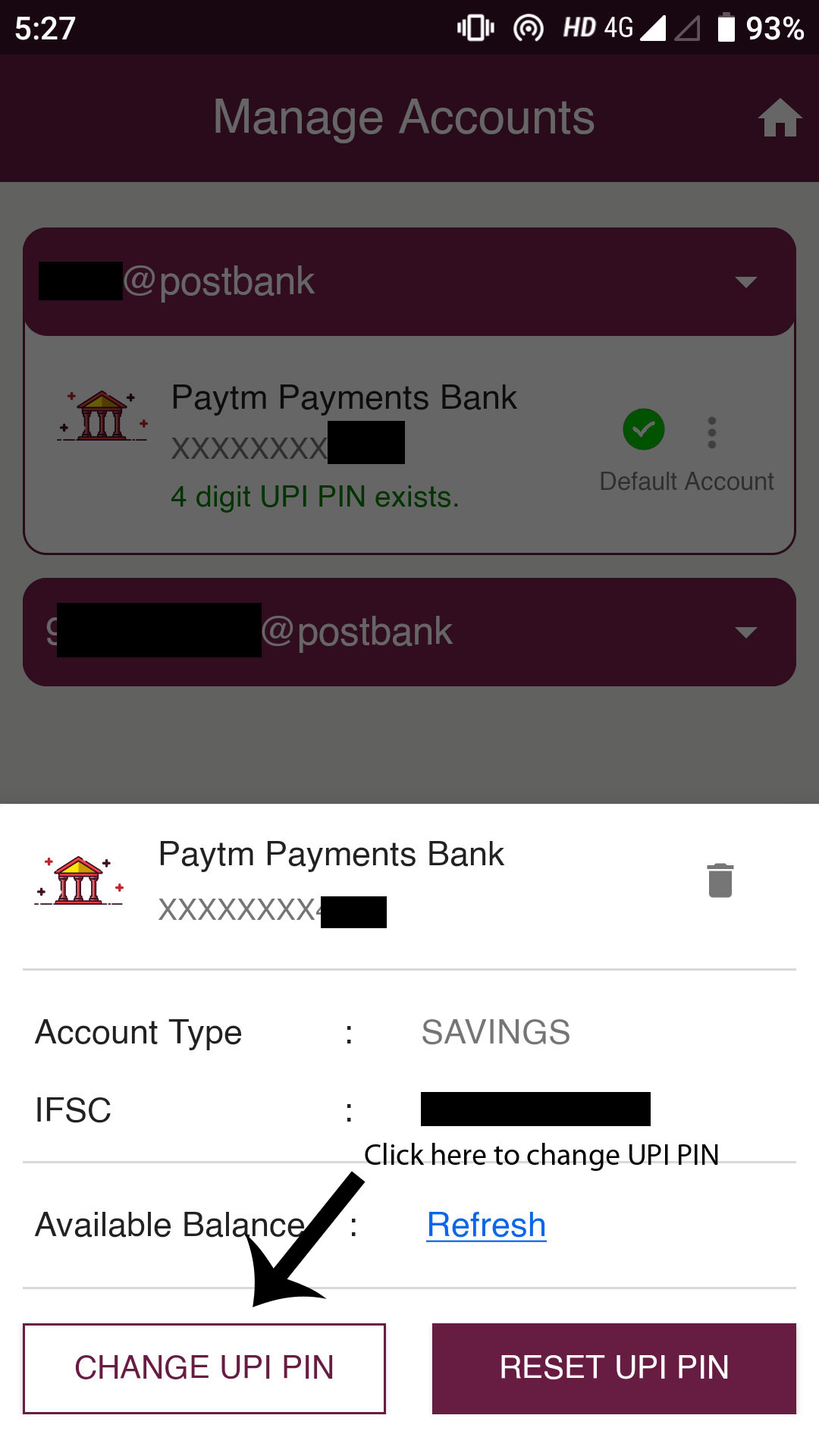
Once linked, it will show you both the newly created and the allotted UPI ID in the list. You can also use the app to change the UPI pin. Click on the three dots on the UPI ID and then click on Change UPI PIN.
To change UPI PIN
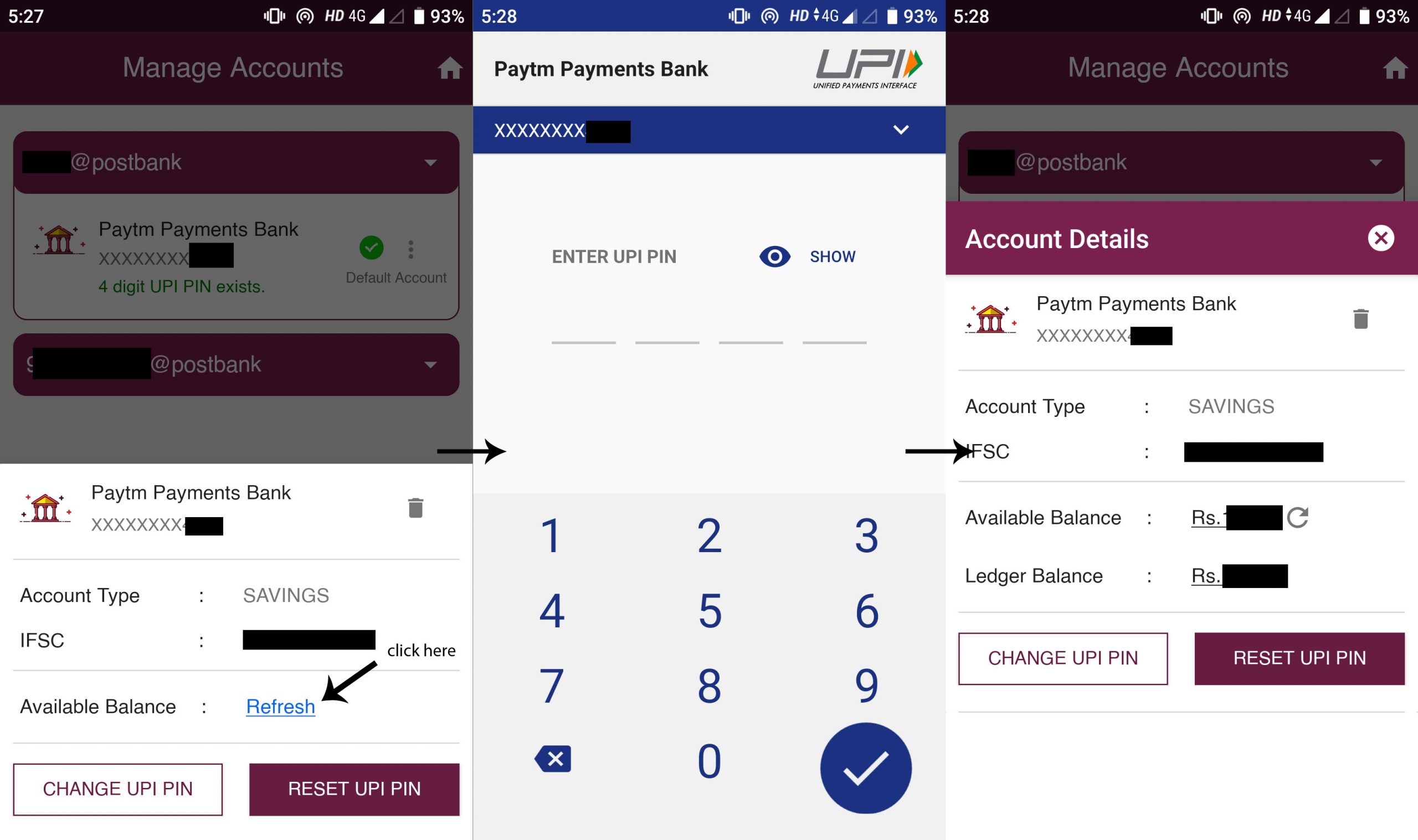
In case you want to check the balance in your bank account, click on the ‘Refresh’ next to ‘Available Balance’ and enter your UPI PIN. It will show you the balance in your linked bank account.
How to check account balance
How to transfer funds?
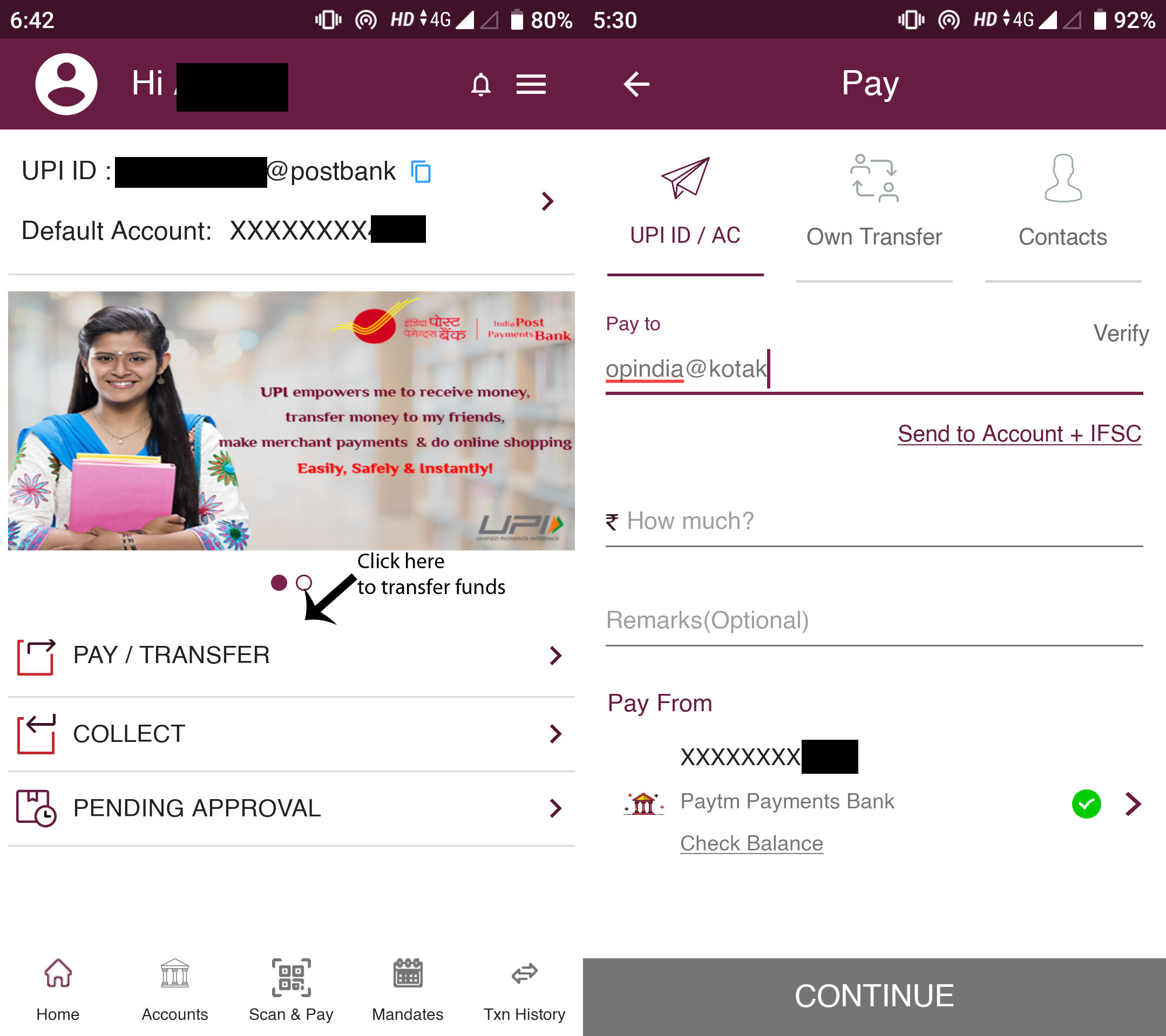
On the main screen of the app, you will find an option of Pay/Transfer. You need to click on it. In the next step, a form will appear where you can choose how you want to send funds. The three options are UPI ID/AC, own transfer and Contacts. In UPI ID/AC, you can either send money to someone using their UPI ID or bank account details, i.e. Name, Bank Account Number and IFSC code. If anyone from your contact has created a DakPay profile, you can send them money using the contact list.
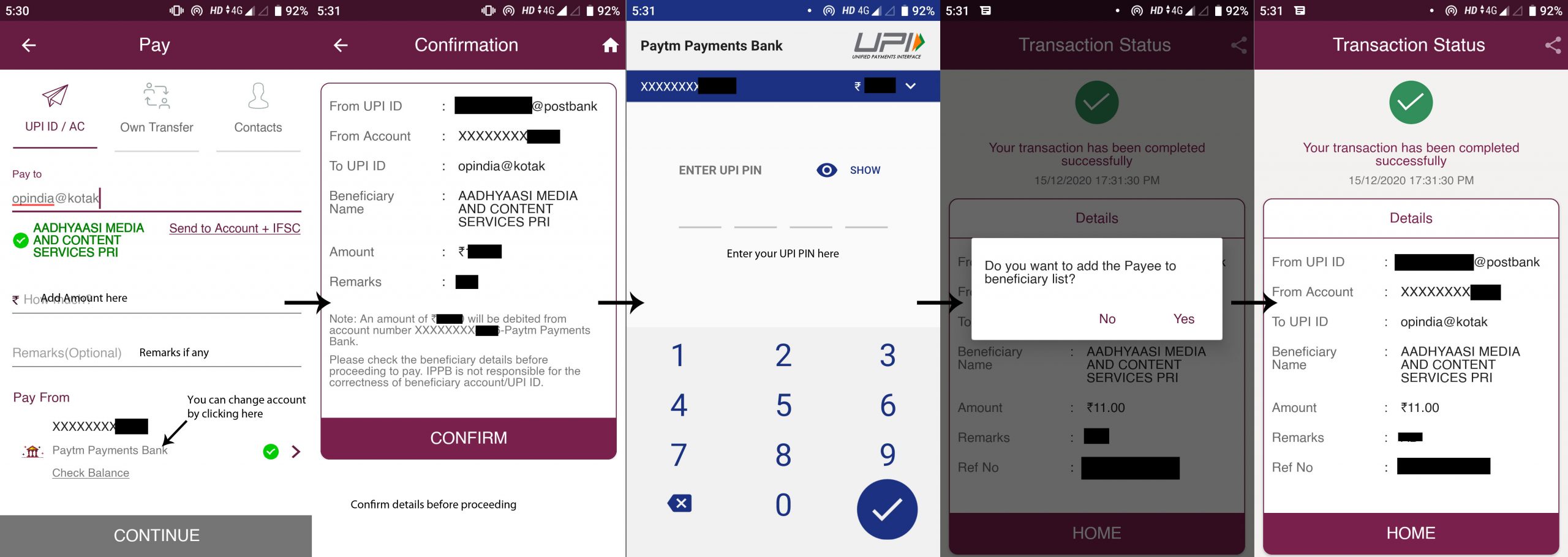
Add UPI ID and click on Verify. The name of the receiver will appear under the UPI ID. Add amount and remarks (if any). If you have added more than one bank accounts, you can choose the one you want to use by clicking on the arrow on the right bottom. Click on Continue. It will show you the details of the funds to be transferred, the account you are using, and amount etc., on the next screen. Now click Confirm. Enter your UPI ID and click on the ‘Tick mark’ on the right bottom. It will show you the transaction details and ask if you want to add the payee to your beneficiary list. If you add them, it will be easier to send them funds in future.
Steps to follow while transferring funds
How to pay using QR code scanner?
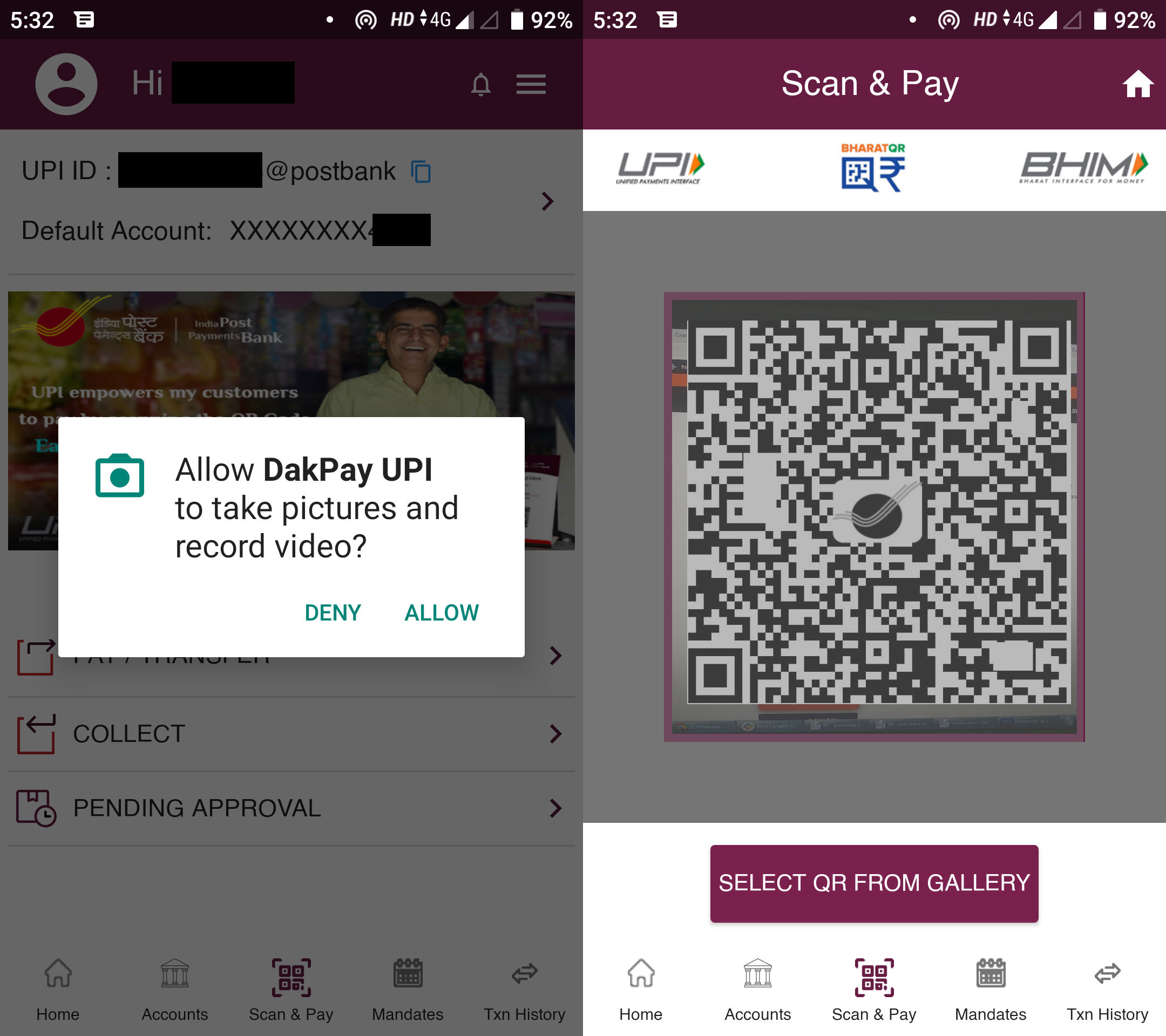
Click on the ‘Scan and Pay’ at the centre bottom. It will ask you to permit taking pictures and recording videos if you are doing it for the first time. The scanner will appear from where you can scan the QR code. You can also use the images from your gallery.
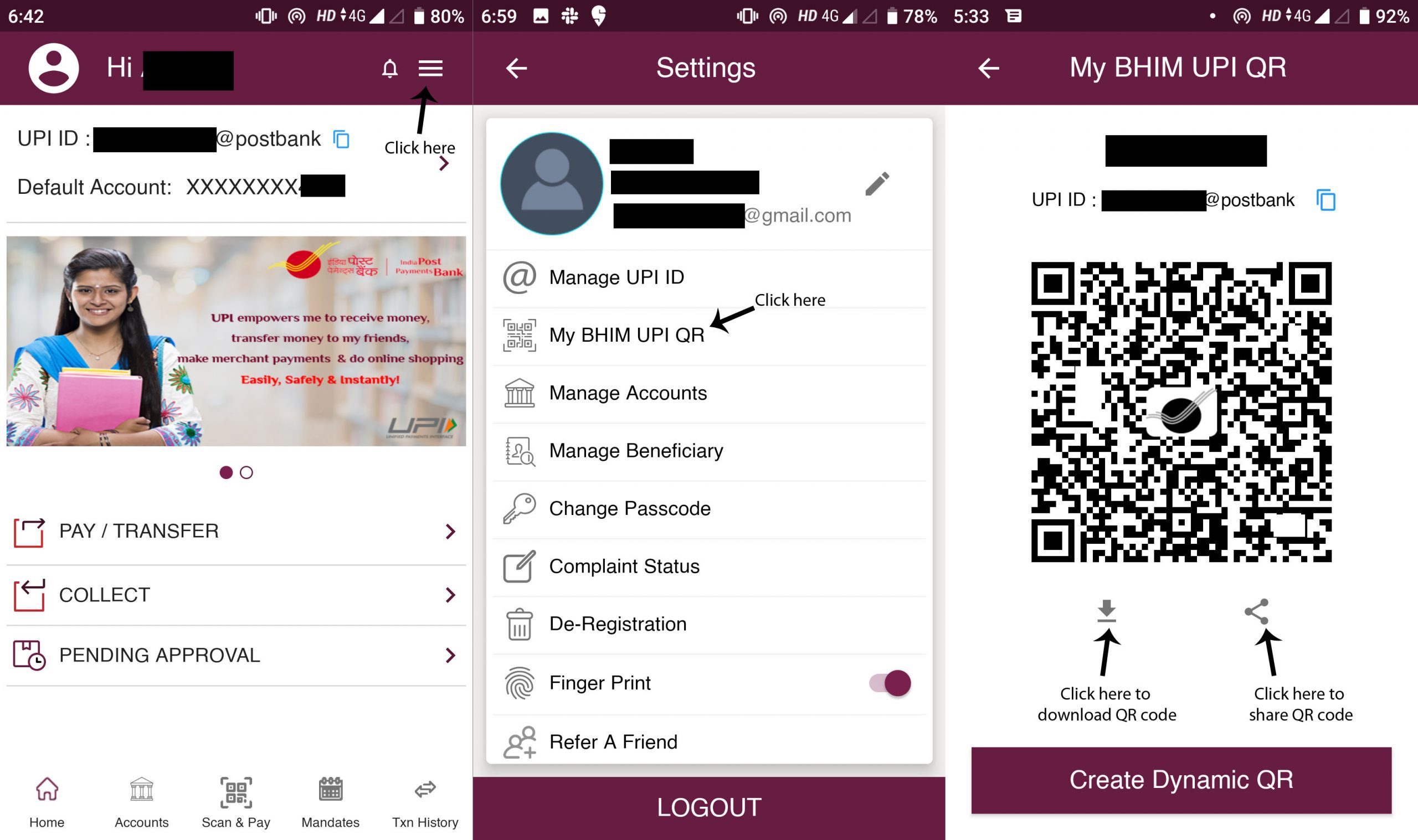
If you want to receive payments from someone, you can use your QR code for that purpose. To generate your QR code, click on the Burger Menu icon on the screen’s top right corner. Then click on ‘My Bhim UPI QR.’ It will show your QR code that you can download by clicking on the down arrow sign under the QR code or share it directly using the share icon next to it.
Steps to follow to share or download your own QR ocde
More features will follow soon
The UPI Apps like BHIM, Google Pay and PayTM offer many discounts and offers for using them. As DakPay is new, on may not find any offers for some time. However, the main aim of the app is to provide cashless financial services to the remote areas of the country, which other apps may not possibly provide due to lack of infrastructure. As Post Office has an extensive network already across India, it will be much easier for DakPay to become one of the most preferred payment apps in the coming days, especially for the rural areas.
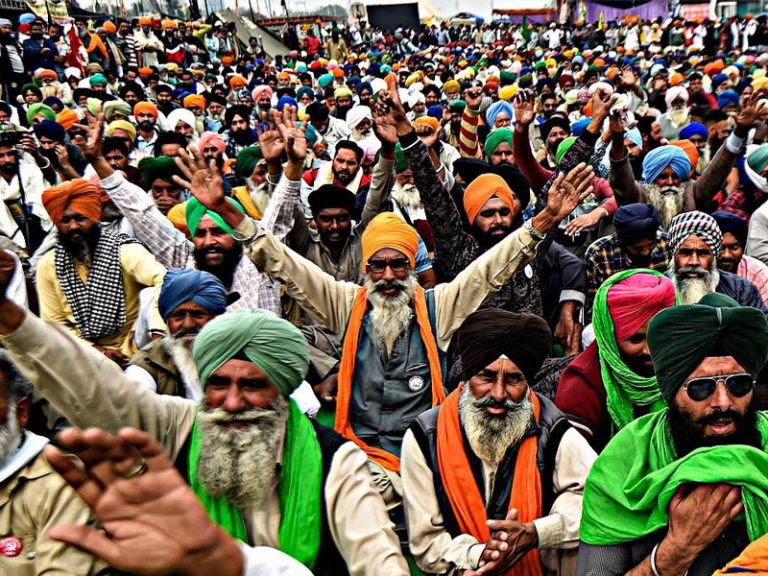
Farmers’ protests in Delhi are showing an adverse impact on over 1,800 factories located in the Greater Kundli Industrial Area. There are several cold storage and industrial units that deal in steel, textile and export materials. However, due to the ongoing agitation, the movement of goods has come to a halt. The police barricades installed to stop the farmers have caused additional trouble, as per an India Today report.
India Today quoted a few business owners who have factories and storage units in the affected area. Ritesh Bajaj, president of Kundli Industrial Association and a dry fruit business owner, said that his products are rotting in cold storage. “We import walnuts, almonds, figs and dry grapes, but they have a shelf life.”
Manoj, a steel business owner, said that his orders are piling up. Trucks loaded with the goods are at a standstill due to the roadblocks. The agitation of the farmers has affected his business and reputation adversely among clients.
Workers asked to come on alternate days
It is not just the business owners who are getting affected by the agitation. The workers in these units are facing the heat too, cited the India Today report. Several businesses have asked their workers to come on alternate days as the business is slow. Satnam Singh, a textile business owner, said that it would impact over 25,000 workers in the industrial corridors if the situation continues. “If the business stops, it will be difficult to pay their salaries. Goods are rotting in godowns,” he said.
CII warns farmers’ protests will impact economic recovery
Confederation of Indian Industry (CII) said that the farmers’ protests are going to affect overall economic recovery in the country. The industry body said, “Given the challenge to get the economy back on the growth trajectory, Confederation of Indian Industry urges all the stakeholders to urgently seek ways to end the ongoing protests and reach an amicable solution, in the interest of industry and economy.”
The already-broken supply chain facing the heat
The CII said that the already-broken supply-chain that has been trying to recover after the pandemic-induced lockdown is under stress because of the agitations. Around 2/3 of the consignments are taking over 50 percent extra time to reach the destinations in adversely affected areas, including Punjab, Haryana, Rajasthan and Delhi-NCR.
CII further said that the effect of the agitation would show a more acute impact in hilly regions, including Jammu and Kashmir, Himachal Pradesh, and Uttarakhand, as the transportation of goods in these regions depend on road connectivity.
Economic Times quoted Nikhil Sawhney, Chairman, CII Northern Region as saying, “The ongoing farm agitation requires an immediate amicable solution as it is impacting not only the economic growth but also putting a huge dent to the supply chain which is affecting the large and small industries alike.”
Increase in the logistics cost
As per the Economic Times report, the CII has also asserted that due to additional time and effort in keeping the supply-chain up, the cost of logistics may go up by 8 to 10 percent. The farm products to major markets in Delhi-NCR areas may soon experience a spike in the prices. The interlinked issues arising from the farmers’ protests have started to cause a ripple effect resulting in a low supply of perishable and non-perishable products in the market.
India Today quoted a banana trader named Pulkit who operates from Azad Mandi, saying that his trucks are stuck in four different locations. “Since bananas get spoiled easily. I had to sell them off at dirt cheap prices wherever the trucks are stuck,” he added.
The farmers’ protests
For the last 20 days, farmers are lodged in the national capital region protesting against the recently passed Agriculture laws. Though the government has tried to alleviate the situation and asked unions to discuss possible amendments in the laws, the unions are stuck on their demand that the government must take back all three laws. Agriculture Minister Narendra Singh Tomar recently said that the government is engaging with the farmers to fix the next discussion date.
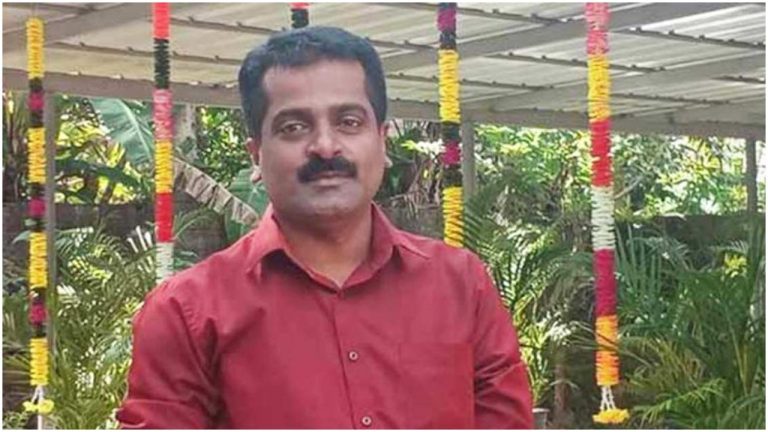
Kerala-based journalist SV Pradeep, a known critic of the Communist-led Kerala government and the Islamists in the state, died mysteriously on Monday evening after he was mowed down by a moving truck in Kerala’s capital Thiruvananthapuram.
According to the reports, the 43-year-old Malayalam journalist SV Pradeep was killed on Monday in a hit and run incident when a speeding truck came from behind to crush his two-wheeler. The CCTV footage recovered by the police shows that the journalist was hit by an SML truck. The journalist can be seen on the road while the truck speeded away after crushing him to death.
Here is the video of the accident that led to the death of journalist SV Pradeep:
Following the accident, a special investigation squad led by the Assistant Commissioner has been formed to investigate the mysterious accident of the journalist.
Pradeep – a vocal critic of Communists and Islamists
A vocal critic of the LDF government and the growing Islamic fundamentalism in Kerala, Pradeep had received several death threats both online and offline. Recently, he had extensively carried out several investigative reports in the ongoing gold smuggling case that directly pointed fingers at the Pinarayi Vijayan-led government.
Reportedly, Pradeep had also often criticised Islamists in Kerala and had exposed the fundamentalist forces working in the state in his various reports. It is believed that Pradeep was planning to reveal exclusive reports pertaining to the gold scam that has rocked Kerala currently.
Pradeep, a veteran journalist in Kerala had a rich experience on the field and had worked with major media outlets like News 18, Jai Hind, Mediaone, Mangalam and Kairali. He was also associated with several online media houses.
Civil society members raise suspicion over the death of journalist
Following the mysterious accident, the members of civil society have raised suspicion regarding the nature of the journalist’s death. Some netizens have claimed that the journalist’s death was a well-planned murder and called for a CBI enquiry into the incident.
The family of the journalist has also said that the journalist had received several threats in the recent past. They also expressed doubts that Pradeep may have been killed. A complaint has also been registered at the Nemora police station by the family members.
Union Minister V Muraleedharan, BJP Kerala president K Surendran, Opposition leader Ramesh Chennithala have demanded a detailed investigation to nab the real culprits.
Meanwhile, the Kerala police have arrested one person identified as Joy in connection with the case and seized a lorry in connection with the incident.
Eleven persons were arrested by police in Juhapura, Ahmedabad after they allegedly attacked three policemen on patrol duty in Juhapura, Ahmedabad on December 12.
The accused, including four women, have been identified as Mohammad Zahir Abdul Rashid Sheikh, Mohammad Ayaz Mohammad Zahir, Mohammad Anash Mohammad Zahir Sheikh, Mohammad Almas, Mohammad Zaid, Shamimbanu, Zaid’s wife Farzana, neighbour Farzanabanu, Ayaz’a wife Afsara, rickshaw driver Abid Mohammad Mansuri, Ayaz’s wife’s brother Imran Aiyub Sheikh, as reported by Desh Gujarat. The accused have been booked under sections 143, 147, 149, 332, 353, 186 and 188.
The accused attacked the cops with sticks
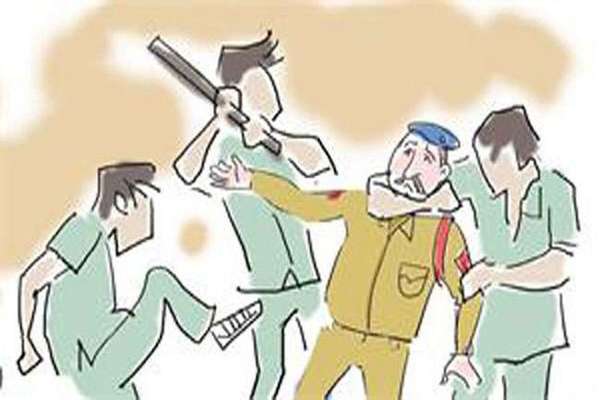
According to reports, three cops were injured after they were allegedly attacked by the accused persons in Sonal Cinema road in Juhapura area during a wedding procession late in the night on Saturday. The accused, some of whom were sitting in an autorickshaw and others on two two-wheelers, were reportedly making loud noises and honking. When the three cops who were on patrol duty in the night to enforce the curfew asked them to stop and leave peacefully, they argued that they were part of the wedding procession. In no time they started attacking the cops with sticks and injured them.
The mob then went on attacking the three policemen, causing head injury to one constable and shoulder injury to another.
Booked for assault and unlawful assembly
Some of the accused were nabbed by the police on spot while eight managed to escape. One of the injured cops named constable Yashpal Chandansinh filed a complaint of assault and unlawful assembly against all the eleven accused.
The Tamil Nadu police have arrested one DMK leader for involvement in a prostitution racket near Madurai, reports Commune.
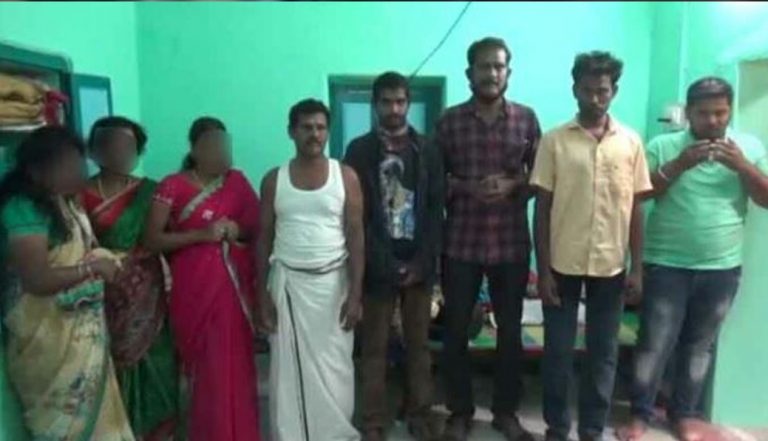
According to the reports, the Madurai police busted a prostitution ring on the outskirts of Madurai and arrested eight people including DMK leader Poosamalai.
Reportedly, Hemamala, an inspector of the prostitution prevention unit of the police, had received information about the presence of prostitution racket in the Attikulam area of Madurai. The police team raided the area and found out that the DMK leader was also at the spot.
The members of the alleged prostitution racket, after seeing the police, panicked and tried to escape, only to be detained later. The police have arrested three women and five men in connection with the case.
Poosamalai, who is the DMK branch secretary from Muduvarpatti Devaseri area near Alanganallur in Madurai district was one of the key persons engaged in the prostitution racket, as per the report.
Meanwhile, the police have produced all of them in court and took them into their custody after a court order.
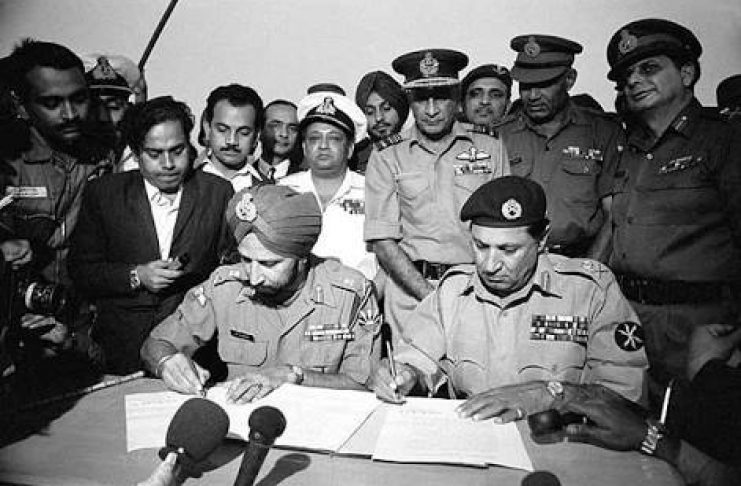
On December 16, the nation celebrates the ‘Vijay Diwas’ to commemorate India’s victory over Pakistan in the 1971 Indo-Pak war.
It was on this day in 1971 that Pakistan was humiliated by the Indian Army. The Indian Army surrounded Dhaka and issued an ultimatum to Pakistan Lieutenant-General to surrender, who did so without any fight. The Pakistani forces in erstwhile East Pakistan, led by General AA Khan Niazi surrendered unconditionally before the Indian forces. This historic incident paved the way for the creation of Bangladesh.
At the end of the war, nearly 93,000 Pakistani soldiers were captured by the Indian Army. As a result of waging a war on its own people in East Pakistan, Pakistan Army had lost nearly 8,000 soldiers and nearly 25,000 wounded. Around 3,000 Indian soldiers died and 12,000 others were wounded in the war.
Here is a rare footage of Pakistan Army surrendering before the Indian Army after their defeat in the India-Pakistan war of 1971 that led to the creation of a new country Bangladesh.
The war between India and Pakistan broke out after the Indian government decided to act against the atrocities of Pakistan, which had unleashed terror on its own population living in East Pakistan. Following the massive human rights abused by the Pakistani Army that led to the mass exodus of population from East Bengal, the Indira Gandhi-led Indian government took a decisive step to act against Pakistan to save Bengali Muslims and Hindus.
On December 3, 1971, a war broke out between two countries and continued for the next two weeks. The war fought between India and Pakistan lasted for merely 13 days and the Pakistan army capitulated before Indian forces. It was the Indian Army’s one of the biggest victories ever made against Pakistan.
The war resulted in the independence of East Pakistan which was then recognized as Bangladesh.
This battle is also considered to be one of the most violent wars of the recent past, as it witnessed large-scale atrocities and human rights abuse by the rogue Pakistan Army. Following the outbreak of war, as many as 10 million people in East Pakistan became refugees.
A genocide was carried out by the Pakistan Army in present-day Bangladesh. It is estimated that at least 3 million Bengali Muslims residing in East Pakistan was butchered by the Pakistan Army. Under ‘Operation Searchlight’, the Pakistan Army carried out a genocide against Bengali Muslims and Hindus living in erstwhile East Pakistan, who fought seeking independence from Pakistan to form a new nation Bangladesh.
There was also the systematic annihilation of the Bengali people by the Pakistani army during the Bangladesh Liberation War. With the help of Indian Army, Bangladesh obtained its freedom and declared independence on 16 December 1971.
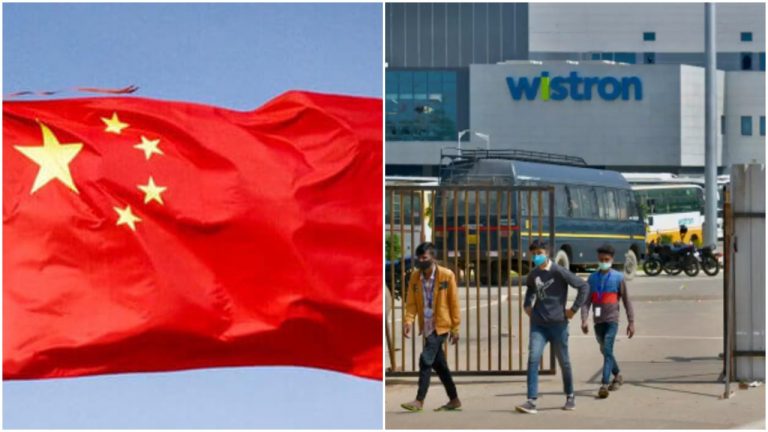
Days after employees and Communist-affiliated trade unions vandalised the Apple’s contract manufacturer Wistron India’s plant in Kolar, Karnataka, fingers are being pointed towards China over its alleged involvement in creating trouble against firms that are shifting business out of the country.
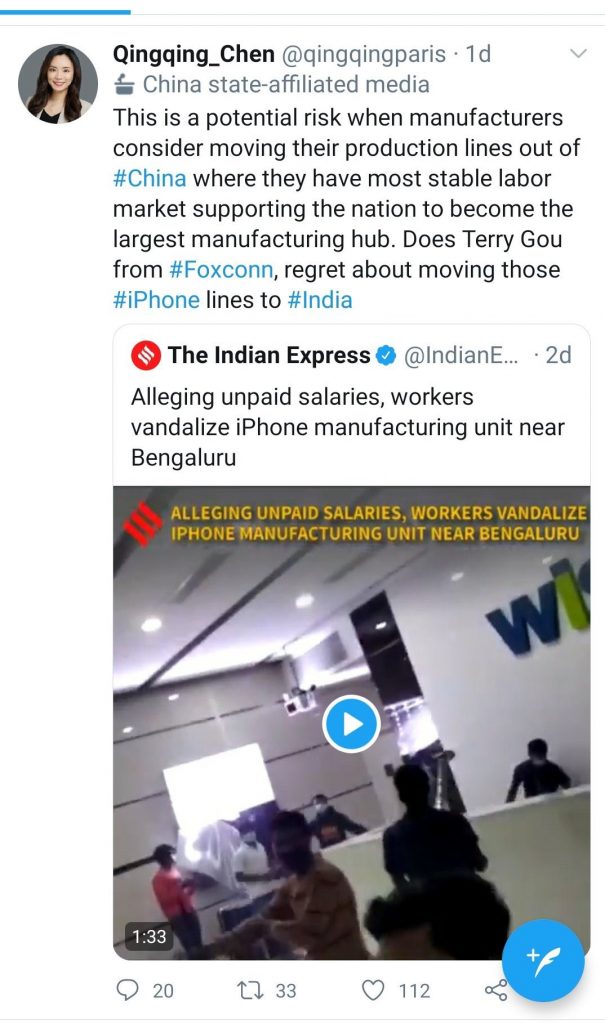
In what seems to also be a threat to firms for leaving China to set up factories in countries like India, Qingqing Chen – a chief reporter of the Communist Party of China’s Global Times, on Sunday said that the destruction of Wistron’s plant in India was a potential risk for manufacturers who are moving their production lines out of China where they have the most stable labour market.
Tweet by Global Times chief reporter
The propagandist of China’s Communist Party, subtly threatening the other partners of Apple Inc such as Foxconn, asked whether these companies now regret about moving their production facilities to India. Chen basically hinted that companies that move their production lines out if China may face such vandalism and loss to business. Chen’s tweet hinted at China’s role in causing such deliberate disturbances inside India to disturb the prevailing stability and investment climate in the country.
It is notable here that Wistron is a Taiwanese company, and China considers Taiwan a threat.
In recent months, several business conglomerates, tech-giants have been moving their production facilities from China to other countries like India, and Vietnam, after the fallout of coronavirus pandemic. Following the pandemic that led to disruption to the global trade, many major players in the industry decided to move their plants away from China to India. Telecom major Apple Inc also shifted many of its plants from China to India.
Communist trade union defend vandalism, claims non-payment of wages
On Saturday, thousands of employees of Apple’s contract manufacturer Wistron India vandalised and ransacked the office properties in Kolar. The escalation took place after the employees alleged that the Taiwan-based organisation had reduced their salaries and was making irregular payments.
The angry group of workers went on a rampage on Saturday, damaging factory property including vehicles of officials parked at the premises. The workers also shattered windowpanes, furniture, and CCTV cameras at the campus. The Wistron Corporation has said it suffered losses worth several crores in the incident.
However, a day after the attacks, the Communist party-affiliated trade unions defended the attacks and claimed that they were protesting against the non-payment of salaries. Krishna Siddhi, who is a member of the All India Trade Union Congress of the Communist Party of India, had said that this issue was regarding the extended shifts and the company was not paying salaries for the overtime.
MD Harigovind, the general secretary of the AITUC said, “The industrial violence in Wistron is a direct result of the brutal exploitation of workers and sweatshop-like conditions created by a company, manufacturing the most expensive phones.”
Later, contrary to the claims of Communist-affiliated trade unions, the Labour department of Karnataka asserted that the organisation has been regularly paying salaries to its employees and there was only a 4-day delay this month due to a software bug.
According to Labour Commissioner Akram Pasha, the data showed that the firm had been prompt in paying the dues to its employees, except for this month, where it had been delayed in transferring the remuneration by just 4 days due to some technical issues.
Perhaps you are not a Modi supporter. Maybe you feel warm and fuzzy inside when the New York Times or Washington Post calls PM Modi a “fascist.” It is nice to have your hatred validated by flagship global outlets, is it not?
Perhaps you sneer when BJP supporters accuse your liberal icons of being anti-national. They’re not anti-national, you insist. They are just anti-BJP. Fair enough.
How far are you willing to go with this? At what point would you admit that liberals are trying to defame India, not just Modi?
Are you willing to believe, for instance, that Pakistan does not sponsor terrorism? Poor, innocent Pakistan. No, they never sponsored Lashkar or Hizbul. And had nothing to do with 26/11. They never gave a home to Osama bin Laden. They never sold nuclear technology to other rogue regimes like North Korea. Poor, innocent Pakistan is a victim of Indian propaganda.
Stunned? Bewildered? Well, that’s what Al Jazeera is reporting. You know, the same Al Jazeera that you look up to for exposing all the ‘fascism’ in India under Modi.
“The report released on Wednesday said the disinformation network run by the Srivastava Group, a New Delhi-based entity, was designed primarily to “discredit Pakistan internationally” and influence decision-making at the UN Human Rights Council (UNHRC) and the European Parliament.
The report said in order to “undermine Pakistan internationally”, the network “resurrected dead NGOs” at the UN, impersonated the EU and laundered content produced by fake media to real media, and reached millions in South Asia and across the world.“
And look, the sacred BBC has covered it with an even more sinister headline.
BBC’s headline on EU Disinfo report
The same BBC, the sacred BBC that you so praised for standing up for truth and justice in Kashmir. The sacred BBC that is the lord and protector of constitutional morality in India. Isn’t that where all your liberal icons go to find some respite from the poisonous atmosphere of Modi’s India?
What are they talking about? Apparently, some “researchers” at an NGO called “EU Disinformation Lab” have uncovered this vast campaign by India to discredit Pakistan:
“The EU DisinfoLab in its report, Indian Chronicles: deep dive into a 15-year operation targeting the EU and United Nations to serve Indian interests, termed this as the “largest network” of disinformation they have exposed so far.“
Poor innocent Pakistan, defamed by the world’s largest disinformation network! And notice they say it’s a 15 year long operation. That covers nine out of the ten years of UPA. So if you are an Indian liberal, you can’t scratch your itch of blaming Modi.
Do you remember 26/11? Do you remember the 2006 Mumbai local train bombings? Can’t blame Pakistan, sorry. This must all be “disinformation” spread by India. Pakistan never hurt a fly.
You know in your bones that this is a lie. You know that Pakistan is a sponsor of terrorism. And you know that those “researchers” are either on drugs or on bribes. And you know that any “news” organization willing to take such research seriously is also either on drugs or on bribes.
But then why are BBC and Al Jazeera covering this in all seriousness? Especially in the last six years, you liberals have treated these organizations as lighthouses of truth. Why are your lighthouses of truth beaming an obvious lie?
In case you think this is a random report from some NGO which can be ignored, get this:
“Peter Stano, the lead spokesman for Foreign Affairs and Security Policy at the European Commission, told Al Jazeera that they are aware of the report. … Stano said the expose will be raised during the EU-India Strategic Partnership dialogue.“
You can see what comes next. Pakistan will brandish this report on all international forums.
I’m surprised. Why aren’t Indian liberals calling out their icons? I don’t like to call anyone “anti-national” but this time I want answers. So dear liberals, I am putting you in a spot:
Q1. Are you willing to accept that the “researchers” behind this report were paid operatives carrying out propaganda against India?
Q2. Does this report, which will now be taken up officially by the EU, prove that there is a vast international conspiracy against India?
Q3. If you accept this conspiracy exists (and is well funded and powerful), are you now willing to apologize to Modi supporters who figured this out years before you did?
Q4. Given that BBC and Al Jazeera are helping increase the credibility of this “report,” do you still trust these organizations to tell the truth about India? Do you accept that these organizations always intended to lie about India?
Q5. Your clown car of intellectuals, journalists and “fact checkers” in India is always so eager to call out certain domestic TV channels. How many of these fact checkers and intellectuals have denounced the BBC or Al Jazeera now? So will you now consider the possibility that your intellectuals took money to lie about India?
Dear liberals, you have two choices now. Either accept there is a vast international conspiracy against India, denounce the BBC and Al Jazeera and all your liberal icons who take money to appear on their forums.
Or you have to admit that Pakistan is innocent and India has been defaming them. You have to admit that you are giving Pakistan a clean chit on 26/11, on Pulwama attack, everything. In that case, you are an “anti-national.” There is no doubt.