A couple of days back the Times of India and Conde Nast Traveller published misleading articles stating that the travelling to the next-door neighbourhood Bhutan could turn expensive for Indian tourists, as Bhutan plans to extend its requirement of a minimum spend of $250 (around Rs 17,700) per head per day over regional tourists from India, Bangladesh and the Maldives.
In their articles, the media outfits asserted that Bhutan is all set to levy a mandatory daily package of $250 (Approximately Rs 17,700) to the regional tourists from India, Bangladesh and Maldives who were hitherto exempted from paying it. So far, the mandatory daily package of $250 is only applicable to other foreign tourists but soon it will be applicable from the tourists travelling from India and the other two countries as well, the articles stated.
Currently, the foreigners travelling to Bhutan have to pay $250 per day which includes $65 for Sustainable Development Fees (SDF), 3-star accommodation, visa charges, meals, camping equipment, intra-Bhutan transport, and services of a guide. The foreigners have to pay an additional $40 for Visa charges. However, the regional tourists from India, Maldives and Bangladesh are excluded from paying these charges. Indian tourists in Bhutan pay anywhere from Rs 50-500 per day to enter sightseeing points.
However, according to a report published in the Bhutanese, the government in Bhutan is mulling over keeping the discounted Sustainable Development Fees anywhere between Rs 500- Rs 3500 on a daily basis. The Foreign Minister Lyonpo Tandi Dorji who is also the TCB Chairman said that the final figures have not been decided yet but the draft figures are Nu 500 per day to Nu 3500 per day. These translate to INR 500 to INR 3500.
“The idea is to have SDF and to align it with one policy. We want to have one system and where every tourist will come, pay SDF and get a guide,” Lyonpo said. He also added that with SDF, the regional tourists will have to no longer pay for the additional fees that they were paying so far for monuments and sites all over Bhutan.
The Bhutanese government is not going to impose the mandatory fee of $250 for regional travellers from India, Maldives and Bangladesh as the reports published in the Times of India and Conde Nast Traveller are falsely claiming.
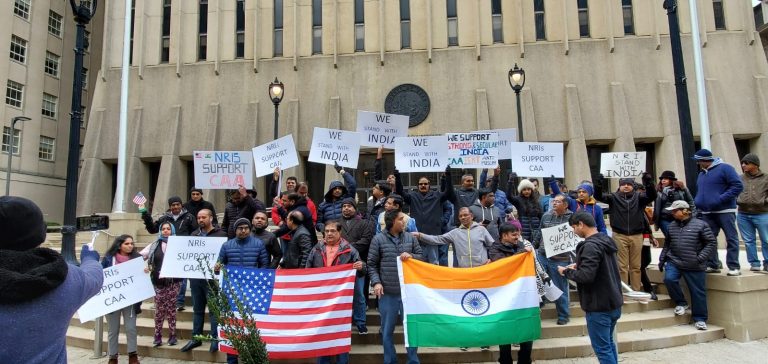
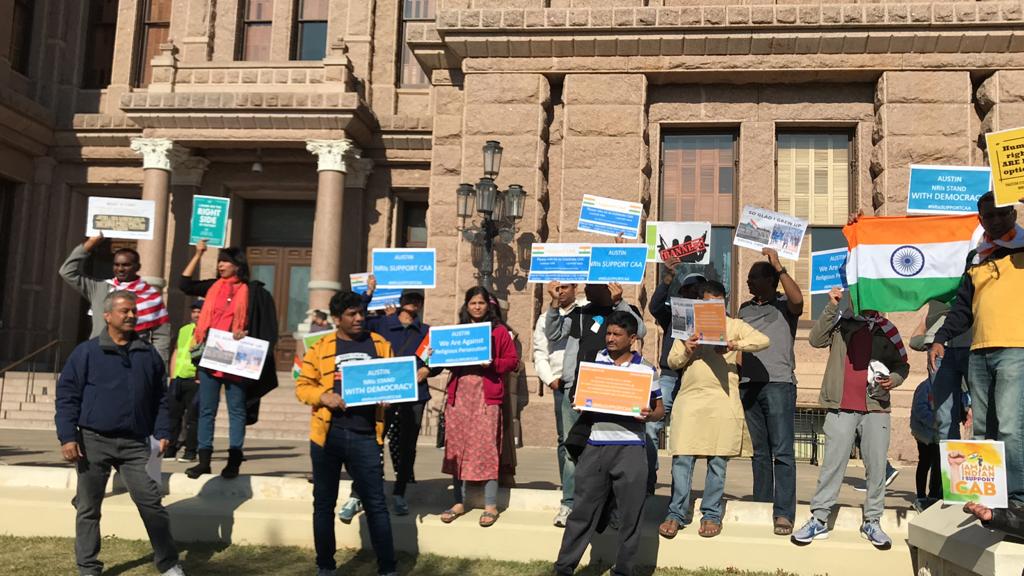
The Indian diaspora in the US from several organizations showed their solidarity to recently enacted Citizenship Amendment Act of Government of India by holding rallies in cities such as Seattle in Washington state, Austin in Texas, Dublin in Ohio, Houston in Texas, Raleigh in North Carolina. The rallies are aimed at dispelling the misinformation and myths surrounding the act as well as to counter the planned deliberate propaganda of hate, lies and downright absurdities spread by US-based Pakistanis, supporters of Indian National Congress and other opposition parties and some Leftist Organizations.
Seattle rally was held on December 21st at Victor Steinbrueck Park, the Austin rally was on December 22nd near Capitol Building, Houston rally on December 20th at Indian Consulate, Dublin rally on December 22nd at Ted Kaltenbach Park, and the Raleigh was held on December 22nd at Nash Square Park. Further rallies are being planned in the coming weeks at Dallas, Chicago, San Francisco, NYC, DC, Atlanta, San Jose and other locations in the USA.
Archana Sunil, who was one of the organizers of Seattle rally countering the anti-CAA rally by Indian American Muslim Council and other leftist Organizations at Victor Steinbrueck Park noted, said, “The anti-CAA rally signs were stating lies about Muslims being discriminated in India, Indian Muslims needing to prove their citizenship, Modi being Hitler, CAA and NRC akin to genocide etc., .. they kept shouting, ‘azaadi azaadi .. hum azaadi leke rahenge’ and ‘Jai Hind’, but never said, ‘Bharata Mata ki Jai’”. She further noted ‘when some of the anti-CAA rally came to talk to their group, it was mind boggling to see how much they are misinformed, they just absolutely did not want to talk facts or listen to facts. Our teenage volunteers were so informed and educated on this topic and the illiteracy on the topic of those who opposed this act is appalling’.
Pro-CAA rally in Texas
Achalesh Amar, spokesperson for Houston rally in support of CAA held near Indian Consulate under the aegis of Friends of India Society (FISI) said, “the Houstonians came out in big numbers to support the Indian Government decision in bringing CAA to provide relief to oppressed minorities (Hindus, Sikhs, Christians and Buddhists) in neighbouring Islamic countries of Pakistan, Bangladesh and Afghanistan”. He added, “instead of having civil debate based on facts some organizations are bent on subverting any discourse or the truth, by spreading completely absurd lies and what is lost in their discourse is the plight of those who suffered untold sufferings since partition of India”.
He further said, ‘to understand the magnitude of the issue, we need to reflect that in 1947 the percentage of Hindu/Sikh population in Pakistan was nearly 23% and today is about 1.5%, similarly in Bangladesh it was 30% Hindus in 1947, now reduced to about 10%. A casual perusal of facts of 1971 Bangladesh war show how Islamist militias killed nearly 3 million Hindus, raped anywhere between 200,000 to 300,000 almost all Bangladeshi Hindu women, internally displaced an estimated 30 million people and systematically attempted to purge any Hindu influence in Bangladesh. How can they not only just brush aside facts but actually invent total lies about it? US Government need to look into their views and the potential dangers they pose to Americans in our own country.’
Venugopal Uppala, who is one of the organizers of the rally in support of CAA held in Front of Texas Capitol in Austin, noted that the proposal to grant citizenship to those oppressed minorities was proposed by freedom fighters and politicians across many parties since India’s independence (Mahatma Gandhi in 1948, Sardar Vallabhai Patel, Jawaharlal Nehru in 1950, Bhupesh Gupta of Communist party in 1964, Gautan Deb of Communist party in 2010, Tarun Gogoi of Congress party from Assam and Prakash Karat of Communist party in 2012), how can anyone say that this is something to do with the BJP and its politics? People with the same mindset and kind of agenda as the oppressors in the Islamic countries are now in the forefront of this anti-CAA rallies and we felt we need to counter their blatant lies, he noted. These ungrateful organizations are spreading such hate against Narendra Modi who is working day and night for all Indians irrespective of their religion, region and political beliefs. In fact, Narendra Modi government declared scholarships to 5 crore students from minority communities when many in majority are as poor as the poor among the minorities, he said.
Vineet Goel, who is one of the organizers of Dublin, Ohio rally said, ‘we held this rally to counter the fear mongering of Islamic and leftist organizations about CAA and NRC, their bizarre statements that NRC in combination with CAA is designed to expel Muslims from India. Those who do not have the required paperwork have same challenges whether that person is a Hindu or Muslim and in spite of so many assurances from Modi Government that every effort will be made to ease the process for every citizen, these organizations are bent on with the agenda of a ‘lie said thousand times will become the truth’, he said.
Arvind Modhini, organizer for the Raleigh rally where 75+ eminent Doctors and Community leaders joined in support of CAA noted how they are pained by the destruction caused by some Muslim groups with support of Congress party reminding some of them of the partition days they lived through. He said they came together to extend their support to Narendra Modi ji and demanded strict punishment to rampaging mobs who destroyed public property and targeted Police personnel and not spare the mastermind behind these activities.
Many in social media has also pointed the recent letter from Firoz Bakht Ahmed, Chancellor of Maulana Azad National Urdu University in India exhorting Muslims not to fall prey to propaganda noting, ‘some people with vested interests are trying to vitiate the peaceful and harmonious fabric of India by frightening the Muslim community from the CAA and NRC Acts… they are instigating, inciting and misguiding Muslims to dump India into the fire of anarchy and civil war and appeal to you all not to get into the clutches of these politicians who want to break India’.
Ashok K Karmakar, Chairman of Bangladesh Hindu Buddhist Christian Unity Council (BHBCUC), USA made this statement, ‘BHBCUC, USA expresses its gratitude and heartfelt thanks to the Government of India for passing the historic and long overdue Citizenship Amendment Act, 2019. While this piece of legislation would help upholding human rights of the people (Hindu, Buddhist, Christian, Jain, Sikhs and Parsis) who have been persecuted for their religious beliefs in the countries like Bangladesh, Pakistan and Afghanistan, and have been living an inhuman and uncertain life in India for many many years, we also believe, the law and constitution of India will protect the rights of many Muslims from those countries and elsewhere who are being persecuted for their political opinions. Thanks again to the Indian government and the great people of the greatest democracy’.
More rallies to expose the lies of anti-CAA propaganda are being planned at several US cities in the coming days.
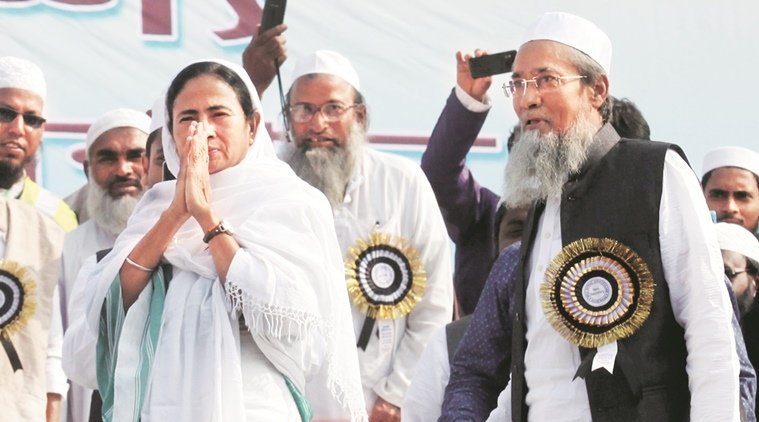
A minister in Mamata Banerjee’s Cabinet, Siddiqullah Chowdhury, who also happens to be the state-president of the Jamiat Ulema-e-Hind, has been denied a Visa by the government of Bangladesh. The Visa was apparently denied on ‘technical grounds’. However, it is being reported that the Bangladeshi government is being tight-lipped about it.
#Breaking | Bangladesh Govt has denied visa to a @AITCOfficial Minister Siddiqullah Chowdhury citing ‘technical grounds’.
“I had applied for the visa of Bangladesh 10 days ago. My ticket has been booked. But today (Wednesday) I was informed that the visa has been denied. Reasons for denial of visa haven’t been cited,” Sidiqullah told ANI. According to Sidiqullah, he wanted to visit a function at a Madrassah in Sylhet with his wife, daughter and granddaughter.
West Bengal Minister Siddiqullah Chowdhury: I had applied for visa of Bangladesh 10 days ago. My ticket has been booked. But today I was informed that the visa has been denied. Reasons for denial of visa haven’t been cited. (File pic) pic.twitter.com/mIu2TFN224
Only days ago, Siddiqullah had threatened Home Minister Amit Shah over the CAA and NRC. “We may not allow him (Shah) to step out of the city airport (Kolkata airport) if necessary. We may gather one lakh people there to stop him,” he said during a protest organised by Jamiat-Ulema-e-Hind against the CAA.
Following the crackdown on anti-CAA rioters in Aligarh Muslim University (AMU), ‘activist’ Harsh Mander and his NGO ‘Karwan e Mohabbat’, too, published a report based on utter conjecture and outright lies to demonise the Uttar Pradesh police and whitewash the crimes of the violent rioters who ran riots in AMU. Harsh Mander claimed that the ‘circumstances in which RAF entered the campus remain unclear’. He then claims that the students and faculty attest to the fact that there was no provocation from the peaceful students. This bit of propaganda was thoroughly busted when UP Police released videos of the fateful night where ‘students’ of AMU can be clearly seen engaging in violence.
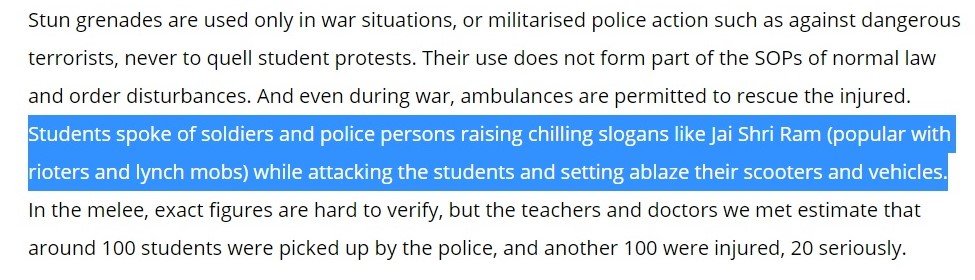
There was another insidious bit of propaganda in the ‘fact-finding report’. It was claimed that students had told them of the law enforcement personnel chanted “chilling slogans like Jai Shri Ram (popular with rioters and lynch mobs) while attacking the students and setting ablaze their scooters and vehicles.” The characterization of ‘Jai Shri Ram‘ in the report speaks abundantly of the deeply Hinduphobic character of the entire exercise by Harsh Mander and his team.
Harsh Mander’s ‘fact-finding report’ on AMU anti-CAA riots
The report also says, “In the student residence, Morrison Court, they forcefully entered the building, assaulted unsuspecting students and used tear gas within a hostel room. They also beat up elderly hostel guards in the process. Almost always, attacks by police and RAF were coupled with rampant use of strong Islamophobic slurs and calls for ‘Jai Shri Ram’.”
Speaking to OpIndia, the PRO of the Aligarh Police in UP has strongly denied these claims. He said, “How can that happen? Why will Policemen chant these slogans? We are men in uniform, we maintain our discipline. And you must have seen the videos we have released regarding that night and SSP Kulhary has issued a statement on the matter as well.”
Aligarh SSP Akash Kulhary told Indian Express in response to these allegations, “There are fact-finding reports here and there and their validity should also be checked. We cannot give response to everyone… a criminal writ application has been filed at High Court and we have submitted our affidavit along with evidence…. This entire fiasco was initiated by the students of AMU. For self-defence, minimum use of force which is legal right of the police has been used.”
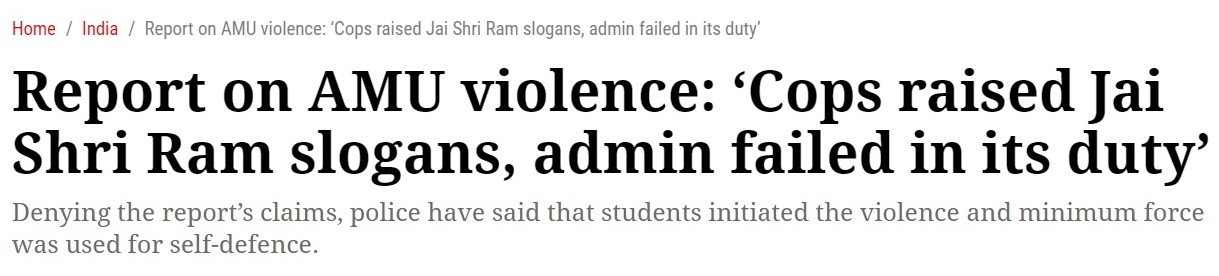
Regardless of the complete lack of evidence behind these absurd allegations, the mainstream media was more than happy to further the agenda of the said report. The Indian Express itself was party to it despite SSP Kulhary’s denial in the same report.
Indian Express report
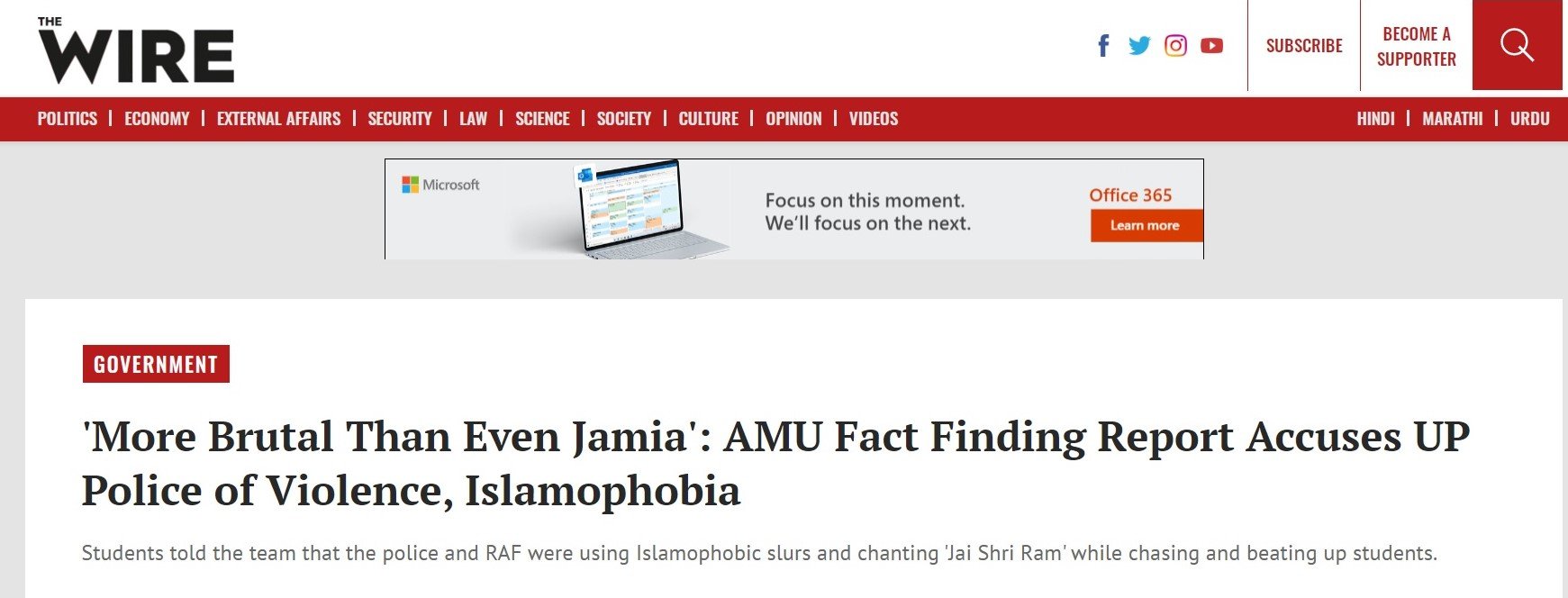
If Indian Express was this shoddy, the propaganda far-left website The Wire could hardly be far behind. Their report failed to mention the violence that was initiated by the ‘students’ of the Aligarh Muslim University.
The Wire report based on Harsh Mander report
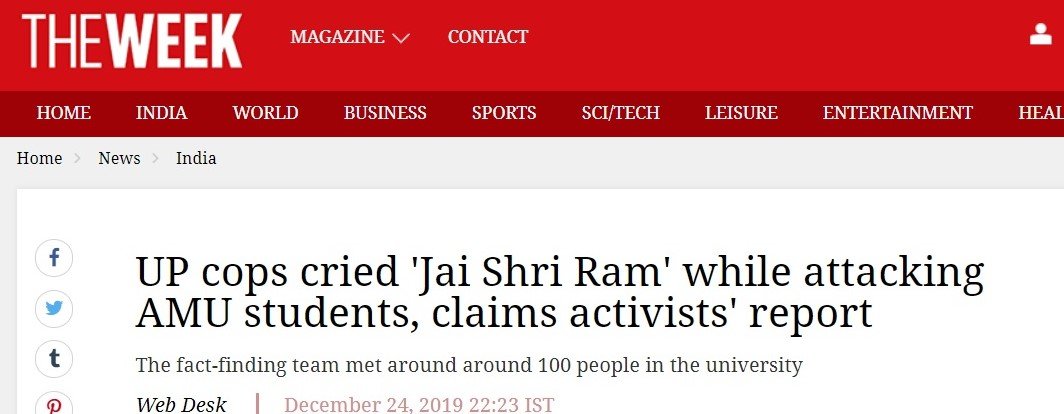
There was The Week which again worked towards furthering the lies spread by the ‘fact-finding report’ of Harsh Mander and his coterie.
The Week carrying the ‘fact-finding report’ by Harsh Mander
There is a clear propaganda at work here to demonize the UP Police and provide cover to the violent mobs mostly consisting of Muslim men that ran riot in Uttar Pradesh. It is important to remember here that such grave allegations have been made without a single shred of evidence.
In the wake of the Police crackdown on rioting mob violence in Uttar Pradesh, usual suspects have started indulging in rumour mongering and furthering the narrative that UP Police has inflicted disproportionate violence on ‘peaceful protesters’. Rana Ayyub had even gone to the extent of calling the Police crackdown on violent criminals as an ‘anti-Muslim carnage’.
The government of Uttar Pradesh has cracked down hard on the anti CAA ‘protesters’ who resorted to mob violence, vandalism and arson in the state. The UP Police also revealed that at least 62 policemen suffered bullet injuries and over 250 were injured. However, it appears that certain people want the rioters to be treated with kids gloves just because they belong to one particular community.
Far-Left Activist Arundhati Roy, who is infamous for her support towards the Jihad in Kashmir and Naxals across the country, has now come out and suggested that people should lie during the National Population Register (NPR) exercise.
Arundhati Roy said, “Now what is NPR? NPR has happened before. In NPR, they will come to your house, they won’t ask you anything, they ask you for your name and phone number. It is a database for NRC. But we have to fight them for the next 4 years. Firstly, we should not give them four years, but we must have a plan. When they come to your house asking for your name, you give them some other name–like Ranga Billa, Kung-Fu Kutta, give your address as seven racecourse road and let’s fix one phone number. But we need multiple subversion. We were not born for lathis and bullets.”
It is unclear by what she means when she says people should not give the democratically elected government of India the five years that it is due. But the intent of her comments is clear when she says that “we need multiple subversion”.
Her comments appear consistent with the deliberate agenda we have witnessed in recent days when far-left activists have tried to whitewash the Muslim mob violence that was unleashed across the country in wake of the Citizenship Amendment Act and instead, blamed the Police for trying everything they can to stop it.
During an interview to ANI, Amit Shah clarified that no one’s citizenship will be revoked if their name is not included in the NPR. He said it is completely different from the NRC. He also iterated that NPR and NRC derive themselves from completely different laws. Shah said that there’s no proof needed for NPR, no documentation is needed from people and it is only for making a register of information.
The Home Minister also reminded the country that the NPR was a flagship initiative of the UPA government in 2010. However, despite the repeated clarifications, it appears that people like Asaduddin Owaisi and Arundhati Roy will not relent on their fearmongering.
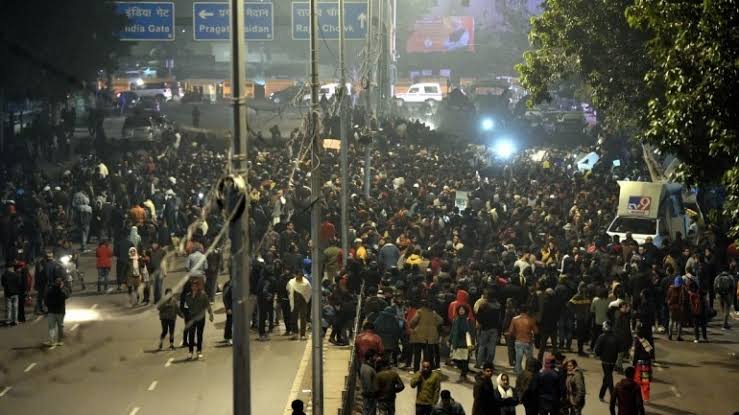
Several parts of the country experienced violent protests in the aftermath of the passage of the Citizenship Amendment Act that intends to grant citizenship to persecuted minorities from Pakistan, Afghanistan and Bangladesh. However, following the violence, numerous reports have trickled down hinting that these protests which were touted as “a spontaneous outburst of anger against the government” were in reality meticulously planned riots.
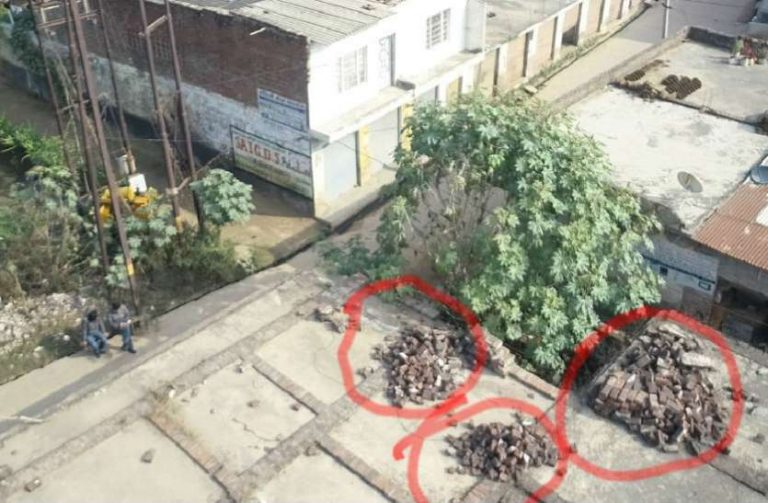
In the wake of the violence that rocked the town of Firozabad, it came to the notice of the local administration that there were stones and bricks placed on the roofs of the houses in the areas that witnessed violence. The drone camera employed by the law enforcement to keep surveillance about the law and order situation in the city had captured images of the houses where stones were kept on the terrace.
According to DM Chandravijay Singh and SSP Sachindra Patel, drones were flown over the city for two days-Sunday and Monday to keep a tab on houses in Nalband square, Urvashi Tiraha, Mohalla Rajputana, Naini Glass and Jatavpuri, areas where stone-pelting and cases of arson were reported on Friday.
The officials claim about 57 houses have been marked in the area on whose roofs stones and bricks were found in the drone captured images. A notice has been issued to the landlords of these houses, asking them to remove the stones failing which further action will be taken against them.
On Friday, December 20, after the Namaz prayers concluded, violence broke out in certain parts of the city in protest against the Citizenship Amendment Act. Four people died in the violence that erupted in the city, while more than 50 policemen were left injured. A dozen government and private vehicles were set ablaze by the protesters. A police post in the Nalband area was also set on fire.
During the protest, the police were also pelted with stones. Police retaliated and opened fire, killing four people. A case has been registered against 29 identified miscreants and 2500 unidentified miscreants.
Yesterday, CCTV videos released from Mangalore showed that the anti-CAA hoodlums meticulously adjusted the cameras to prevent the cameras from capturing their illegal activities. The presence of an auto carrying sacks full of stones indicated that the riots were meticulously pre-planned.
On Wednesday, the Karnataka government led by BS Yediyurappa decided to withdraw the ex gratia amount of Rs 10 lakh each to the family of two Muslim rioters who were killed in the police firing during anti-CAA protests in Mangaluru.
Reportedly, Chief Minister BS Yediyurappa said that the government had withdrawn the compensation after video evidences emerged that the riots in Mangaluru where the two died could have been pre-planned. He said that a final decision will be taken once the probe was complete.
“We have not decided yet to give the exgratia to the family members of those killed in the police firing because giving criminals exgratia is an unpardonable crime in itself,” said BS Yediyurappa.
Two deceased – Jaleel (49) and Nausheen (23) – were killed following police action against anti-CAA protesters on December 19. On Saturday, the state government had announced the ex gratia amount to the next of kin of those killed in the firing. The decision to revoke the grant amount to the deceased had invoked strong response across the country.
Chief Minister Yediyurappa said he has directed the police to identify the hooligans who rioted on December 19 and register cases against them. He said the government will ascertain the background of those involved in violence and arrest all those involved in the crime. Earlier on Monday, the state government ordered a magisterial inquiry into the violence and police firing.
CM Yediyurappa also slammed the opposition Congress and Janata Dal (Secular) for making baseless charges against his government. Meanwhile, Karnataka Home Minister Basavaraj Bommai on Tuesday said that the attack was premeditated and the arson was orchestrated by anti-social elements. He also stated that the people from Kerala was behind creating trouble in anti-CAA protests in Karnataka.
The police have also released video clippings showing protesters bringing stones in an auto-trolley, hurling it at the personnel and trying to destroy the CCTV cameras. Earlier, we had reported regarding similar CCTV footages in which Muslim mob covered with their faces covered, had attempted to destroy CCTV cameras before going on the rampage.
Over a thousand CCTV video clips were shared with the police after the city police commissioner had tweeted requesting people to share footages of the riots by the Muslim mobs.
Reportedly, the Mangaluru police have registered 24 cases so far relating to the anti-Citizenship Amendment Act (CAA) riots that held in the city on December 19. The police have put together over 350 footages so far. The police have identified over a hundred culprits based on facial features visible in the footage. Some of them have been taken into custody for questioning.
In the aftermath of the passage of the Citizenship Amendment Act, riots, violence, arson and vandalism by rioting mobs in the name of ‘protests’ against the enactment of the law have taken place across the country.
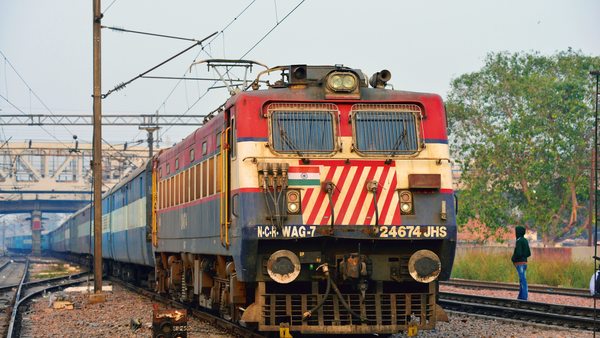
With the Modi government actively engaging in the restructuring of the Indian Railways, the Indian Railways has now declared fiscal 2019-20 to be its safest year in the past 166 years as it recorded zero passengers death this year.
Marking it to be one of the greatest achievements of the Indian Railways, the data revealed that the total numbers of consequential accidents – collisions, fire in trains, level crossing accidents and derailment – have decreased by nearly 95 per cent over the last 38 years.
According to a Business Today report, in the financial year 2017-18, Indian Railways had reported 73 accidents across the railway network which reduced to 59 accidents during the financial year 2019 to due to the implementation of continuous safety measures.
Additionally, the total number of train accidents per million kilometres reduced to an all-time low of 0.06 in 2018-19.
According to reports, the number of accidents in 1960-61 was 2,131, which dipped to 840 in 1970-71. The total number of accidents in 1980-81 was recorded at 1,013, in 1990-91 it stood at 532 accidents, and in 2010-11 there were 141 such cases.
An average of over 500 accidents took place annually between 1990-1995, with around 2,400 deaths and 4,300 injured. However, these numbers dipped significantly to an average of 110 accidents every year between 2013-2018, in which around 990 people were killed and 1,500 injured.
The year 2014 marked by the succession of the NDA government over the UPA regime started a new chapter in the development of railways, with the government actively engaging in improving the railways system by implementing state of art practices on a war-footing basis.
Yesterday, in its continued effort, to restructure the Indian Railways, the Modi government announced some bold reforms that would break the 150-year-old legacy.
The Railway Board will be reorganised into a leaner structure on functional lines headed by CRB with four members of Infrastructure, Operations and Business Development, Rolling Stock and Finance along with Independent Members. The eight Group A services will now be unified into a central service called Indian Railway Management Services (IRMS).
Putting an end to the “Departmentalism” of the Indian Railway that has long hobbled its progress, the move to amalgamate the disparate services by the Modi government is aimed to put an end to the age-old culture of working in ‘silos’ and expedite decision making and enabling coherent vision for the organisation.
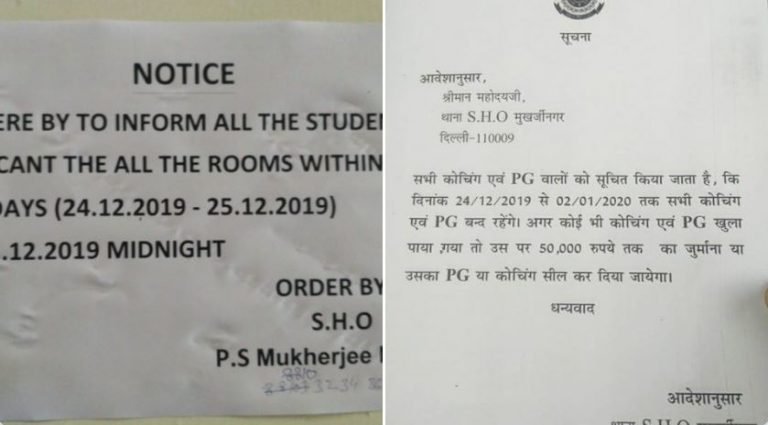
The Delhi police on Thursday clarified that the video and images claiming police is shutting down PGs and hostels in North Delhi near Delhi University campus are fake.
Fake messages are circulating in social media on closure of PGs/Hostels in Mukherjee Nagar area. We have registered a case against these fake messages. Appeal to all citizens to not believe these rumours. @DelhiPolice
A video has gone viral on social media of Delhi Police officials asking students in Mukherjee Nagar in North Delhi to vacate their hostels from December 25 to January 2 and return home. Additionally, pictures of the notice pasted on the institutes in the Mukherjee Nagar area are also going viral.
The police clarified that the images that have gone viral were doctored in order to create disturbance in the area. Asserting that a case has been registered against these fake messages the Delhi police urged citizens to not fall for such fallacious news and propaganda.
According to DCP North West Vijyanta Arya, the police have registered a case against fake messages and are also writing to the social media platforms to remove the video as its content has been edited. He further added that no instruction has been given by the Delhi Police to arrest anyone. Reportedly, the Delhi Police has registered a case at Mukherjee Nagar police station with the fake pamphlet that went viral.
In the viral video, the ACP of the Model Town, Ajit Kumar, could be heard asking the crowd surrounding him to return to their homes and take a “winter break”. Mukherjee Nagar is an area inhabited by a lot of outstation students who have moved to Delhi in order to study in one of the universities or to prepare for competitive exams like UPSC. However, Delhi Police has said that the said video is fake.
ये वीडियो का दूसरा भाग, जिसमें मुखर्जी नगर के इंद्रा विकास में धमकाया जा रहा है कि 24 के शाम से 2 जनवरी तक सब बंद रहेगा।@DCPNWestDelhi आप की पुलिस बता रही है कि “एक मिनट लगता है FIR होने में”
मैं मीडिया बंधुओं को मुखर्जी नगर आमंत्रित करता हूँ आएं और ग्राउंड रिपोर्टिंग करें। pic.twitter.com/SVsORN2ky8
Along with that images had also gone viral where it said that Mukherjee Nagar Police Station has advised students to vacate their PG rooms by 24th December.
.@DelhiPolice kindly verify if attached notice has been issued by SHO, Mukherjee Nagar. It is causing a lot of confusion. Please confirm if it’s authentic. pic.twitter.com/PwfXVCon5N
However, despite police clarification that no such action is being initiated by the cops, the propagandists continued to indulge in fear-mongering.
Kavita Krishnan, a communist leader who doubles up as full-time protestor, was quick to share the video claiming that the video was not fake, asserting that this video was ‘verified’ by her.
Btw police is trying to shoot the messenger and file cases against those sharing this news, saying it is “fake”. We’ve verified, it is NOT fake. The video isn’t fake either, guy would have to be an award winning actor to be such a convincing Delhi Police cop. https://t.co/TWFF8EwYRO
Expelled AAP leader and Swaraj India President Yogendra Yadav also took to Twitter to share the alleged doctored video asking the Delhi police for clarifications. Incidentally, Yogendra Yadav was amongst the recusant leftist gang which had actively participated in organising anti-CAA riots and incited the mob to resort to severe violence and vandalism by spreading falsehood against the newly introduced law. Notably, he was also detained by the Delhi Police for the same.
Can @DelhiPolice please confirm this. Are these official orders? Under which provision of law?
If not, can you please issue a formal denial and take action against the police officials. pic.twitter.com/deqYABkZLs
Only recently, OpIndia had exposed how NSUI (Congress’ student wing), Swarajya Abhiyaan and the Left were hand in gloves trying to foment trouble on the 19th of December by instigating and coordinating several protests across the nation. That plan seems to have been put into motion with several parties, politicians and political workers trying to foment trouble despite section 144 being imposed in several places to ensure violence does not break out in the country, thus, fuelling the protests further.
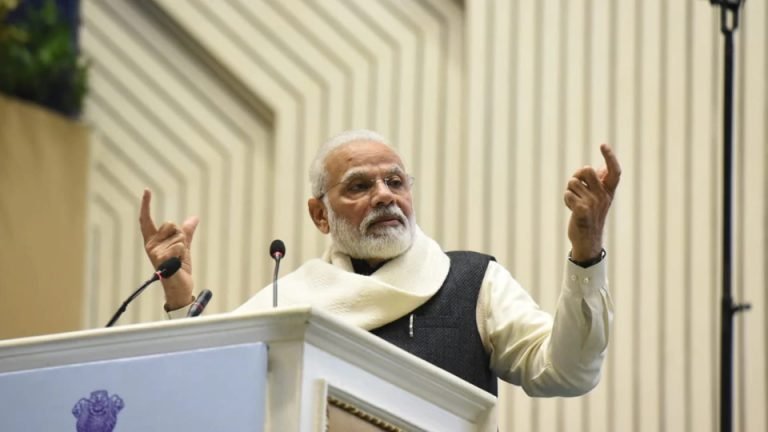
On Wednesday, Prime Minister Narendra Modi inaugurated “Atal Bhujal Yojana“, a scheme aimed at improving groundwater management through community participation, on the occasion of 95th birth anniversary of former prime minister Atal Bihari Vajpayee.
Stressing the need to use technology to prevent wastage of water in various spheres, especially in agriculture, PM Modi flagged off Atal Bhujal Yojana, a central sector scheme with a total outlay of Rs 6,000 crore to be implemented over a period of five years from 2020 to 2025.
Key features of Atal Bhujal Yojana:
What is Atal Bhujal Yojana?
With the intention of addressing the problem of fast depleting groundwater resources, the government of India has planned to introduce the Atal Bhujal Yojana (ABY). The programme is expected to lay emphasis on the recharge of groundwater resources and better exploitation of the groundwater resources, with the involvement of people at the local level.
Atal Bhujal Yojana will promote participatory groundwater management. The scheme will improve water use efficiency on a mass scale and improve cropping pattern. The scheme will contribute towards the goal of doubling the farmers’ income.
The scheme will be implemented and looked over by the Ministry of Water Resources, River Development and Ganga Rejuvenation.
Major components of the scheme:
The first major component of the scheme is institutional strengthening and capacity building for sustainable groundwater management in the states including improving monitoring networks, capacity building, strengthening of water user associations.
The second component is incentivising the states for achievements in improved groundwater management practices namely data dissemination, preparation of water security plans, implementation of management interventions through the convergence of ongoing schemes, adopting demand-side management practices, etc.
Beneficiaries of the scheme:
The scheme will benefit about 8,350 Gram panchayats in 78 districts in seven states. Atal Bhujal Yojana will also promote panchayat-led groundwater management and behavioural change with a primary focus on demand-side management.
A central sector scheme to be implemented over a period of five years from 2020-21 to 2024-25, it aims to improve groundwater management through community participation in identified priority areas in seven states – Gujarat, Haryana, Karnataka, Madhya Pradesh, Maharashtra, Rajasthan and Uttar Pradesh.
Funding for Atal Bhujal Yojana:
In the total outlay of Rs 6,000 crore, 50% shall be in the form of World Bank loan and will be repaid by the Central Government. The remaining 50% shall be through Central assistance from regular budgetary support. The entire World Bank’s loan component and Central assistance shall be passed on to the states as grants.
The Narendra Modi’s decision to launch its ambitious project Atal Bhujal Yojana comes after the Central Ground Water Board had reported regarding the depletion of groundwater at an alarming rate in 30% of the assessed blocks during the assessment of groundwater in the country.
According to a World Bank Report, India accounts for about 25% of the total groundwater abstraction, globally. The increasing number of dark zones – the areas where annual consumption of water exceeds the annual recharge of groundwater, makes it imperative for this programme to be implemented.
Reportedly, India annually extracts 245 Billion Cubic Meter (BCM) of groundwater which accounts for nearly 25% of the total global groundwater abstraction. About 222 BCM out of 245 BCM of groundwater is being used annually for irrigation while remaining 23 BCM is consumed by the domestic and industrial sector.
Speaking after launching Atal Bhujal Yojana in New Delhi, PM Modi said that the water crisis not only affects citizens and families but also the nation and its development. He said that only three crore out of 18 crore rural households today have clean piped water and the Government has aimed to provide the remaining 15 crore rural households with piped water in the next five years.
The PM urged farmers to switch over to crops that use less water and exhorted people not to waste the precious natural resource in daily household needs. He urged start-ups to come up with technology to ensure minimal use of water for various needs. He said that the Jal Shakti Ministry has brought water from compartmentalized approach and stressed on the comprehensive approach.