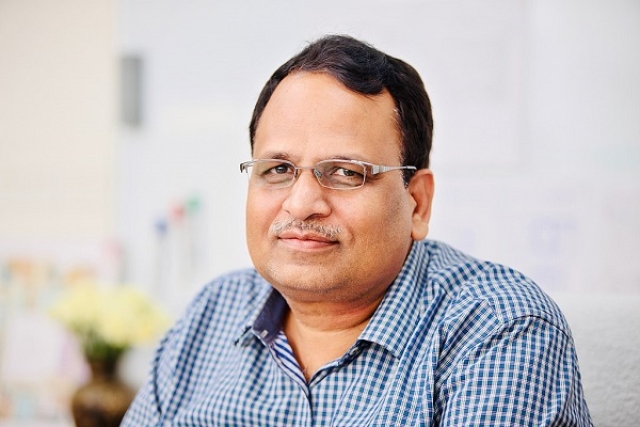
On Saturday, October 1, the Delhi High Court rejected a petition filed by Delhi minister Satyendar Jain contesting a lower court order to shift his bail application in a money laundering case from the judge hearing the case to another judge.
The verdict was delivered on 1st October by Justice Yogesh Khanna, who noted that the issue is not one of the integrity or righteousness of the judge from whom the case was being asked to be transferred, but of apprehension on the part of the Enforcement Directorate, the applicant. According to Justice Khanna, the evidence demonstrated that the Enforcement Directorate (ED) not only had an apprehension of prejudice with the initial judge, but also acted on it by going to the High Court, and hence the apprehension cannot be deemed to be flimsy or unreasonable.
The recent petition by Satyendar Jain was brought in response to an order issued by Rouse Avenue Court’s Principal District and Sessions Judge Vinay Kumar Gupta, who directed that the matter be handled by Special Judge Vikas Dhull. Previously, Special Judge Geetanjali Goel was considering Jain’s bail application.
The case was nearing its conclusion when the ED requested a transfer, claiming prejudice on the side of the judge. The Principal District and Sessions Judge granted the transfer request after receiving instructions from the Supreme Court. Jain had petitioned the Supreme Court after the Rouse Avenue Court’s Principal District and Sessions Judge Vinay Kumar Gupta halted the bail hearing proceedings in his case. The Supreme Court stated that it would be unable to consider the challenge to the aforementioned application. The Court had, however, asked the Principal District and Sessions Judge to hear and decide the transfer application on September 22.
Satyendra Jain’s bail plea relates to his arrest in a Money Laundering case. Jain was arrested on May 30 this year under the provisions of the Prevention of Money Laundering Act (PMLA).
The Central Bureau of Investigation (CBI) accused Satyendar Jain of money laundering in August 2017. The ED launched a criminal investigation against the AAP leader based on the FIR filed by the CBI, stating that Jain could not explain the source of money received by four firms in which he was a stakeholder. The businesses reportedly laundered Rs 16.39 crores in cash between 2010 and 2014.
The Rajasthan Police on Thursday registered a case against eight persons for allegedly gangraping a 17-year-old under the Kishangarh Bas Police Station area in Alwar.
DSP Atul Agarey informed that the rape victim reached the police station with her parents and lodged a complaint of rape and extortion against eight persons, reports TOI.
As per the reports, the accused after raping the girl had blackmailed her with a rape video and demanded money in exchange.
The accused persons had earlier extorted Rs 50,000 from the victim. Moreover, demanded Rs 2,50,000 in exchange for not uploading videos on social media.
On December 31 last year, the victim girl was called by accused Sahil near Gothra saying that he has got some obscene pictures and that he would make those pictures viral on social media. When the girl reached the location told by Sahil, the eight accused men raped her and recorded a video of the crime. The girl was raped twice, after this on January 3 and 6 this year, police informed.
According to the police, Sahil, Arbaaz, Javed, Taleem, Akram, Salman, and Mustaqeem had uploaded the video on the internet after the victim reportedly refused to give the amount demanded by them. A case has been registered against all the accused under relevant sections of the Protection go Children from Sexual Offences (POCSO) Act and the Information Technology (IT) Act.
So far none of the accused have been arrested, however, the police have stated that efforts are being made to arrest the perpetrators.
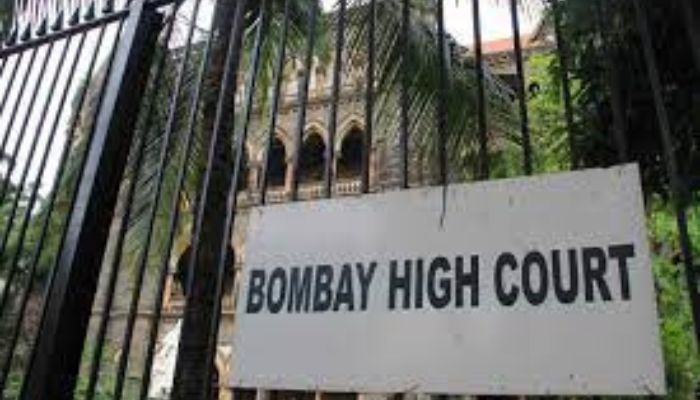
On 30th September 2022, the Bombay High Court refused the bail application of Munib Memon, one of the accused in the 2012 Pune bomb blast case. The court observed that the evidence in the case demonstrated that there were reasons to believe the charge against the appellant was at least prima facie valid.
A bench of Justice Revati Mohite and Justice Sharmila Deshmukh heard the case. While rejecting the bail application, the bench also ordered expediting the trial. Notably, on 1st August 2012, five low-intensity serial bomb blasts took place at the Jungli Maharaj Road in Pune. This area is in the heart of the city and is known as one of the most crowded places in the city. A few people survived injuries in these blasts though there were no deaths.
The Maharashtra Anti-Terrorism Squad (ATS) conducted the inquiry, and the prosecution claimed that the explosion was intended to take revenge for the death of terrorist Quatil Siddique. On June 8, 2012, Siddique died while being imprisoned.
Two other accused in this case, Sayed Arif Amil alias Kashif Biyabani and Aslam Shabbir Sheikh alias Bunty Jagirdar, were released on bail in 2015 and 2016. Attorney Mubin Solkar representing Munib Memon argued the bail request on merits on parity. He also raised the issue of trial delay, citing the accused’s pre-trial imprisonment of about 9 years and 9 months. Moreover, Memon reiterated his innocence in the case, claiming that he was working in a tailor shop and had no link to the charged crime.
The Maharashtra Control of Organized Crime Act (MCOCA) was also applied in this case, and the bench reviewed the confessional confessions of the co-accused that were recorded under the Unlawful Activities Prevention Act (UAPA). According to the court, the confessional remarks confirmed that Memon had participated in the conspiracy meetings and was informed of the crime’s execution. The bench instructed the special court to accelerate the trial and wrap it up by December 2023.
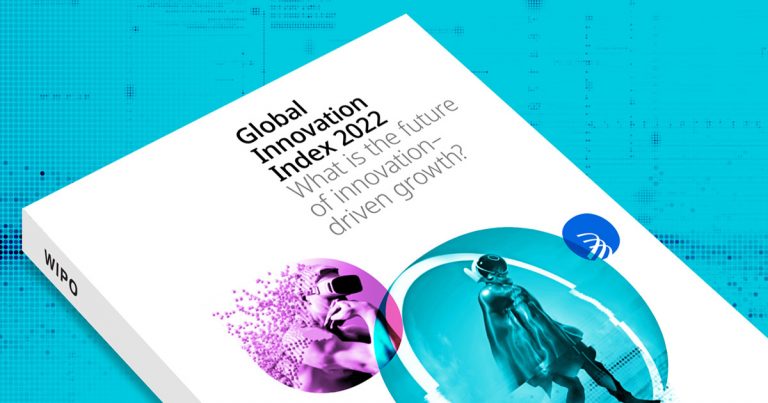
India has made extraordinary progress in the global innovation index rating, ranking in the top 40 for the first time, according to the World Intellectual Property Organization’s (WIPO) annual report released on September 29. India is now ranked 40th in the Global Innovation Index (GII) 2022 rankings, up six spots.
India has moved up 41 positions in the GII rankings during the past seven years. In the GII 2021 rankings, India, which had been ranked 81st in 2015, moved up to position 46. It jumped 6 positions in comparison to last year.
The rankings are released by the World Intellectual Property Organization (WIPO). It prepares an annual ranking of the most innovative economies in the world. The index highlights the strengths and weaknesses of innovation whilst evaluating the performance of over 132 economies. Here in this piece, we will discuss the details highlighted in the report and its implications.
Decoding the Global Innovation Index 2022
WIPO released the Global Innovation Index 2022 report, in collaboration with the Portulans Institute and with the support of corporate partners such as the Confederation of Indian Industry (CII), the Brazilian National Confederation of Industry (CNI), Ecopetrol (Colombia), and the Turkish Exporters Assembly (TIM).
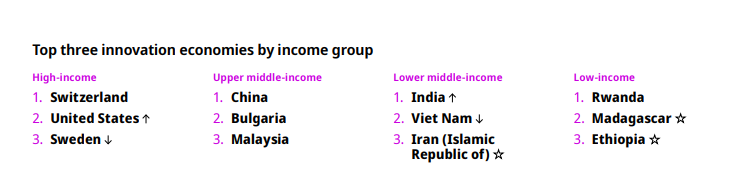
Source: WII 2022
The GII 2022 monitors global innovation patterns in the context of an ongoing pandemic, slowed productivity growth, and other emerging issues. India was placed 40th out of the world’s 132 economies. Furthermore, India leads the lower-middle income category as well as the Central and South Asian region.
Source: WII 2022
According to the report, India’s innovation performance is above average for the upper-middle-income group in practically every innovation pillar, with the exception of infrastructure, which is performing average. There are various additional areas in which India has succeeded in the segment.
According to Chandrajit Banerjee, Director General of the Confederation of Indian Industry (CII), India is undergoing enormous transitions today, ranging from space technology and smart cities to health care and telecommunications, all of which are being driven by creative solutions. India’s Chandrayaan-2 Moon orbit, digital identification technology (Aadhar), universal health care, and the indigenous vaccine Covaxin are just a few instances of the country’s present innovative brilliance across diverse sectors.
Banerjee states that the WIPO’s Global Innovation Index (GII) captures all these changes, highlighting the areas in which the innovation performance of India is improving and promoting the continued growth of its knowledge inputs and outputs. The special subject for this year, “What is the future of innovation-driven growth?” explores the function and significance of digital technologies in raising national productivity.
Emerging technologies are helping Indian businesses innovate significantly. They are therefore contributing to the socioeconomic change of the nation. Moreover, startup culture has spread throughout the nation, making India the third-largest startup economy in the world.
The rising stature of India on the Global stage
India, a nation in South Asia, is one of the most populous democracies in the world, with over 1.38 billion people. India has a rich cultural heritage that spans many diverse languages, customs, and communities.
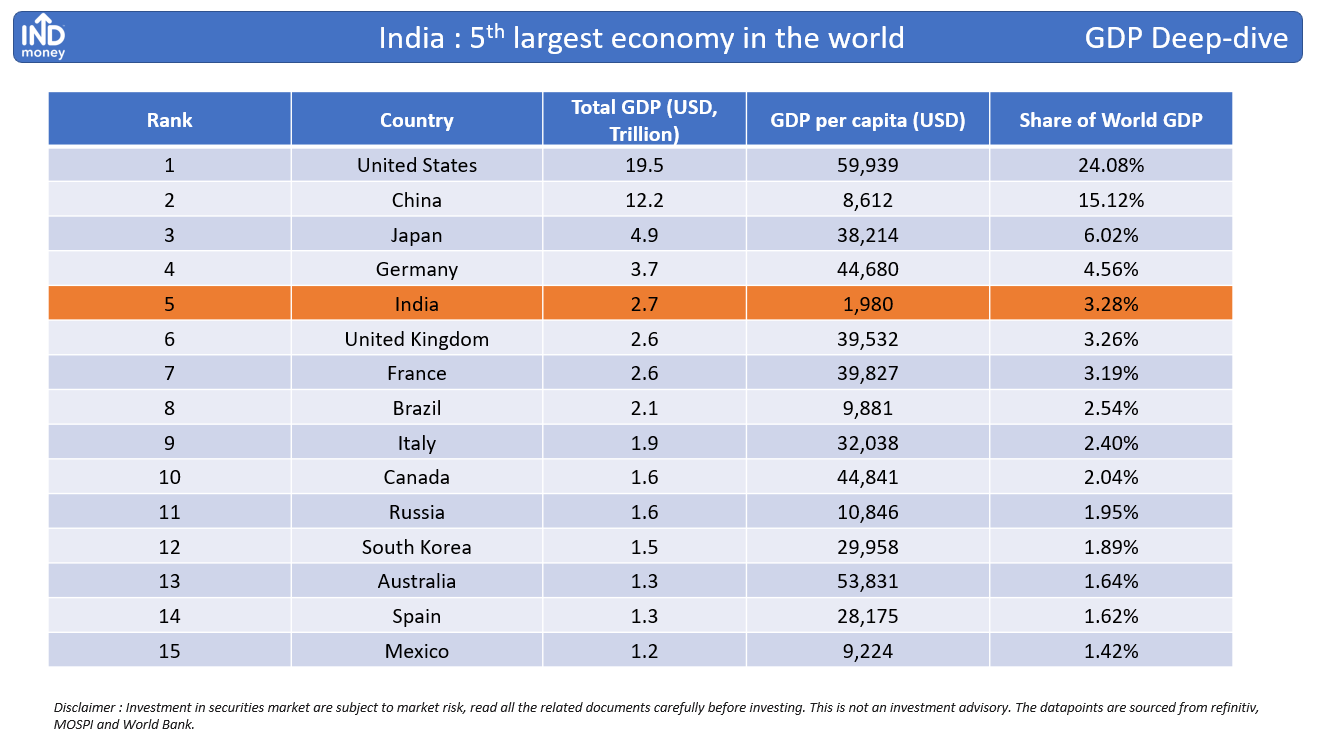
India’s GDP just surpassed that of the United Kingdom to take fifth place in the world. According to the International Monetary Fund’s (IMF) GDP estimates, India achieved the accomplishment in the final three months of 2021 (October, November, and December). The lead over the United Kingdom was expanded further in the first quarter of 2022. In nominal cash terms, India’s economy stood at $854.7 billion as compared to the United Kingdom’s $816 billion on the last day of the first quarter in March this year.
Image: IND Money.
It is interesting to note that India ranked 11 roughly a decade ago. The United Kingdom had previously been the world’s fifth largest economy but has now fallen to sixth place. India is advancing its ambition to become a $5 trillion economy. India has risen to fifth place, after the United States, China, Japan, and Germany.
With a sizable population, favourable demographics, and a significant potential for catch-up growth due to its low baseline GDP per capita, India is the fastest-growing economy in the world. As a result, it is almost certain to keep on rising in the global GDP league table over the coming years.
Trends beyond numbers
Though there is a lot that can be expressed through the numbers, much is left to be deciphered. When discussing the economy in post-2014 India, it is critical to remember that the government’s involvement with the corporate sector has significantly strengthened. It can not be stated in quantifiable terms but the trust and bond between the corporate and the public sector have increased over the last seven to eight years. This obviously is not because of some magic or an outcome of any global trend. This is because the domestic dispensation in India realised the need of the hour and acted responsibly over time. Not going into the specifics, but the policies brought by the NDA government under Narendra Modi changed the complete canvas of the economy in India.
The global attitude towards India has also changed dramatically over the years. Gone are the days when India used to bandwagon and seek asylum in difficult times. With changing times, India has come up to a place that not only decides matters concerning itself but plays a decisive role on several global platforms seeking to address major global issues. Ranging from health to digital advancement to education to infrastructure, the performance of India has been growing in almost all sectors. The position of India in GII reinforces its commitment to contributing to global well-being and benevolence.
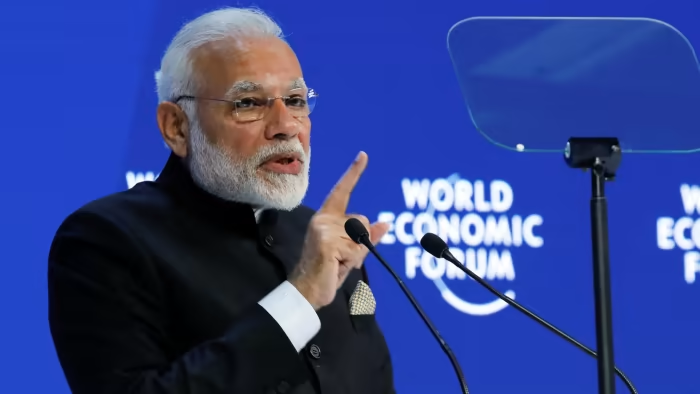
Prime Minister Modi in World Economic Forum.
The attitude of the government, under PM Modi, has explicitly been of minimal government and maximum governance. This is the attitude which has resulted in the risen confidence in the plebeian. A change in the GII ranking does not emanate from a change in some parameters in the economy. It is the outcome of full-fledged involvement of the common public in the actions of governance. More is the participation, more are the stages of interaction and thus, more are the challenges requiring a solution, resulting in an innovative outcome. The participation of all sectors, especially unorganised ones, has significantly influenced the ranking.
The shift in India’s ranking also reflects the country’s sentiment. It demonstrates that India already leads the league of emerging economies and that the day will not be far off when it will be among the developed ones, retaining its attitude and ideals of global tolerance and solidarity. The New India is now Aatmanirbhar, where it can not only support itself but also help those who are left behind in the world, not compromising its integrity and sovereignty at any cost.
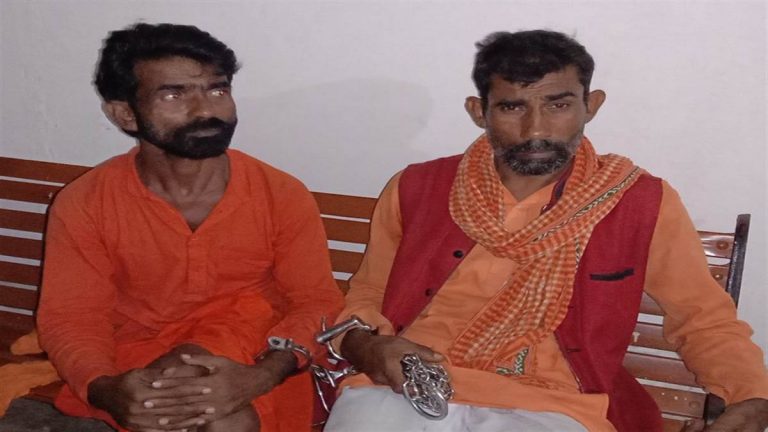
Chhattisgarh Police have apprehended two Muslim men who were reportedly scouting the streets of Gurur village in Chhattisgarh’s Balod district with the aim of stealing young children. According to reports, the men were dressed in saffron robes pretending to be Hindu Sadhus.
The cops on duty got suspicious of their whereabouts and approached them. The accused were instructed to establish their identities by reciting the Gayatri Mantra, a highly revered Hindu mantra, which they did not perform, raising police suspicions. Police threatened them after which they ultimately confessed to being Muslims.
The incident resembled a courtroom sequence from the Akshay Kumar-starrer film Jolly LLB 2, wherein the actor quizzes an Islamic terrorist who pretends to be a Hindu seer to expose his real identity.
One of the accused identified himself as Jhagroo, Musafir Jogi’s son, and the other as Yaad Ali alias Maale Sajjan. They both claimed to be from Nevada village in Pratapgarh, Uttar Pradesh.
According to reports, the Gurur police station had got information from a local informer that two people wearing saffron clothi were walking around the streets, appearing to be conducting a recce. Their actions seemed suspicious. The cops apprehended both of them near the bus stop and brought them to the police station for questioning. Inspector Vishwajeet Meshram stated that during the initial interrogation, both identified themselves as Hindu saints. They stated that they had been soliciting alms from the local residents.
The cops didn’t believe them and demanded that if they were Hindu saints, they recite the Gayatri Mantra and the Mahamrityunjaya Mantra. The two went numb when they heard this. A comprehensive inquiry revealed both were not Hindu seers. Meshram went on to say that during the interrogation, both of them admitted that they were on a reconnaissance mission to steal young children.
In a similar incident last year, a video surfaced online where three Muslims clad in saffron robes, are seen roaming around in an empty area when they are accosted by a man who asks them to reveal their identity. The youths, who are also carrying saffron colour jholas (hanging bags) and some instrument in their hands, at first attempt to steer clear of the questioning, but after the person shooting the video threatens them with the police, they confess of being Muslims.
A six-month Dalit pregnant woman was allegedly drugged and gang-raped in Indore, Madhya Pradesh by four Muslim men under the guise of offering her a job. When the girl pleaded for mercy, the accused allegedly paid no heed and instead, justified the rape by claiming that having sex with a Hindu woman would help them attain Jannat.
Indore: A pregnant woman was allegedly drugged and then gang-raped; four accused are now in police custody.
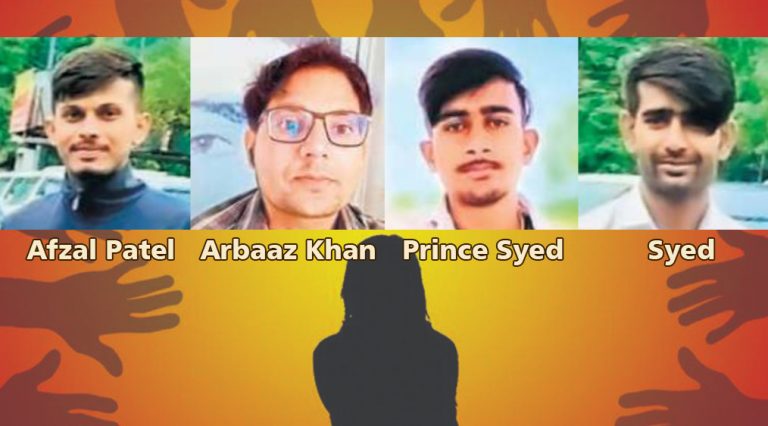
The victim recently approached the police to lodge a complaint against the four accused, namely, Afzal Patel, Arbaaz Khan, Prince Syed and Syed. In her complaint, the victim alleged that the accused spiked her food and when she fell unconscious, they took her to a house in Vijayanagar and raped her.
The victim went on to say that while she was semi-conscious, she kept begging for mercy, but the accused ignored her pleas. Instead, the rapists scoffed and told her that if they had sex with a Hindu woman, they would attain ‘Jannat.’ As the woman continued to plead, stating she was pregnant, the accused mocked her and said that everything is fair in Islam.
Based on her complaint, the Indore police arrested the four accused.
In what had transpired, one of the accused befriended the victim on Instagram in the month of May this year. The victim was searching for a job and had posted her bio-data on social media. Arbaaz saw her post and approached her. He promised to get her a job. The two became friends and started chatting with each other on social media.
Arbaaz allegedly told the victim that his friends Prince Syed and Afzal serve as job consultants. He assured her that he would introduce her to them, and they’ll get her a job.
Arbaaz called the victim, a resident of Ganesh Nagar in Indore to meet him at the city’s Bhanwarkua intersection. Afzal was also present there. On the pretext of making her job resume, Afzal took the girl’s phone number. When the woman got back home, Afzal texted her to tell her he liked her.
Arbaaz reportedly texted the victim, “become my girlfriend. You fulfil my requirements, and I’ll satisfy yours. I’ll get you a job and make sure you make some additional money aside from your salary.” The woman chose to distance herself from Arbaaz and Afzal after reading the cheap text message.
A month later in August, Prince Syed texted the victim saying that there was a job opening. He lured her by saying that the salary was very lucrative and that she would not even have to travel a lot as the office was close to her house.
Following that, on September 14, 2022, Prince summoned the girl to Regal Square. When she arrived, she was requested to sit in a car. Afzal, Arbaaz and a driver named Syed were already in the car. The accused offered samosa and water to the victim.
According to a copy of the FIR obtained by OpIndia, the girl felt dizzy and fainted after eating samosas. Following that, she was taken to a house in the city’s Vijayanagar colony, where Prince and Afzal urged her to have sex with them.
The girl refused and begged them to let her go but the accused showed no mercy. They told her that having sex with a Hindu woman would help them attain Jannat. When she tried to persuade them by informing them she was six months pregnant, the accused allegedly mocked her and replied, “everything is fair in Islam.”
After mercilessly raping her, the accused threatened to kill her and her husband if she told anybody about the incident and then fled the scene. The terrified woman returned home and told her husband about her ordeal, who encouraged her to file a complaint with the Tukoganj police.
Days after the Central Government imposed a ban on the extremist terrorist organization named Popular Front of India (PFI), the NIA revealed that the PFI activists had plans to target the Hindu religious places and Hindu communities during the upcoming festivals of Dusshera and Diwali. They had plans to blast IEDs in several parts of India to eliminate the maximum of the Hindu population.
According to the reports, the ATS after the NIA and ED raids, arrested around 250 PFI jihadis and recovered several incriminating materials from their possession. The documents included a training module to make IEDs and bombs from available domestic material and also the ‘Mission 2047’ document underlining the PFI goal to make India the Islamic Republic by the year 2047.
Several digital devices and pen drives were also recovered from the PFI hubs located in around 17 states of the country to reveal their connection with ISIS and other terrorist organizations. The pen drives contained videos of Gajwa-e-Hind, the 1993 Bombay blast, and other armed training videos.
The NIA stated that specific documents relating to the explosives were recovered from three jihadis arrested from Lucknow, Uttar Pradesh. Reports mention that bomb-making material was also recovered from the three accused identified as Mohammed Faizan, Mohammed Rehan, and Sufiyan. The three had planned to execute blasts at several Hindu religious places during Dusshera and Diwali. The officials are interrogating the individuals and collecting further relevant evidence.
Bomb-making manuals recovered
One of the most incriminating materials recovered from the accused during the raids was the manual on how to make IEDs. Titled ‘A short course on ‘How to make IEDs using easily available material’, the document suggested that if Muslim youth knows how to make bombs, it would bring ’empowerment to them’. The three paged document also defined five point objectives of the training which included-
To empower and strengthen the “oppressed” Muslim youth
To destabilise the well-developed infrastructure of the pagans (non-Muslim)
To attract the attention of the masses in a single blow
To create terror in the heart of the infidels
To regain the lost dominance of the Muslims in the Indian subcontinent
The document further detailed the material to be used in the bomb, how to make it at home and how to maximise the effect of the bomb.
‘Mission 2047’ aiming at ‘Gajwa-e-Hind’
The document named ‘Mission 2047’ was also found in the possession of the PFI hideout which underlined the goal of the organization to establish the ‘Rule of Islam in India’ and to bring the Indian State and the majority of Hindus ‘to their knees’ when the country would complete its 100 years of Independence.
The document aims at destabilising the well-developed infrastructure of the Indian sub-continent and establishing Islamic dominance over the ‘coward Hindus’ and subjugating them. It aims at targeting Hindus and Hindu leaders to gain control over the country belonging to Hindus, popularly known as Gajwa-e-Hind.
The document which was shared by the PFI leaders with each and every member of the now banned organization feared the current status of Muslims in India and aimed at spreading the PFI roots to every household by 2047. The PFI paper showcased Islamists in India as victims and instigated their co-coreligionists to pick up arms for their ‘rights’ against Hindus.
Creating riots at Hindu religious places
The ATS last week arrested the PFI individuals from Varanasi, Lucknow, and Meerut for conspiring to break the country and form an Islamic nation by 2047. The ATS stated that these people were engaged in anti-national activities by preparing sleeper modules in the state.
The ATS identified 24 such accused associated with the PFI who were misleading the Muslims by setting rhetoric against the Hindu community in Uttar Pradesh. They also criticized the Central Government led by PM Modi and the state government led by CM Yogi Adityanath by calling it ‘an anti-Muslim government’. The ATS interrogated the arrested individuals on September 24 to learn that PFI had plans to also launch severe anti-Hindu protests like that of anti-CAA and NRC riots.
Reports mention that the arrested accused had plans to create riots in Hindu religious places like Kashi, Mathura, and Ayodhya. The officials have also recovered posters of earlier anti-Hindu riots with something marked upon them with a pen. Meanwhile, chats recovered from Sufiyan’s phone confirm that the PFI was planning to bomb a few crucial Hindu religious places during Diwali. The now-banned organization had also urged its members to increase the strength of the organization and fight in the course. It also asked for strong suggestions to implement the chaos.
Promoting Love Jihad and religious conversion
Earlier, the investigating agencies had revealed that the PFI activists were deliberately encouraging the Islamists to trap Hindu women in love affairs and produce more children ultimately expanding the Muslim community. The PFI asked its cadres and other Muslims to force the Hindu women to convert their religion to Islam. At every PFI gathering, the activist would influence Muslims to run the agenda of love jihad and religious conversion.
The organization had also declared a financial reward of Rs 2 lakh, a shop, and a house to anyone who would convert a Hindu girl to Islam. Reports mention that several Islamic organizations from several Islamic countries provided funds to the PFI for this purpose.
MHA banned PFI on September 27
The Central Government on September 27 banned the radical organization named Popular Front of India (PFI) and its associate organizations for 5 years. The government maintained that the organizations operated as unlawful associations under the Unlawful Activities (Prevention) Act (UAPA).
The affiliations banned along with the PFI include All India Imams Council, Campus Front of India (CFI), Rehab India Foundation, National Conf of Human Rights Org, National Women’s Front, Junior Front, Empower India Foundation, and Rehab Foundation, Kerala.
The ban on the PFI comes following two rounds of searches by the NIA in a multi-agency investigation against the organisation for allegedly sponsoring terror operations in the nation. The initial series of raids occurred on September 22, with a follow-up on Tuesday, September 27 in multiple states, resulting in the arrest of at least 250 persons associated with PFI.
On September 25, a Muslim woman was assaulted by two people for riding with her Hindu friend in Doddaballapur, 40km from Bengaluru in Karnataka.
The duo who attacked the girl, Akbar and Hujur, objected to the Muslim woman hanging out with her Hindu friend. They questioned the woman about her name and parents, went on to abuse the couple, and even slapped the woman when she refused to tell her name and family’s phone number. After much argument and abuses hurled at the couple, the woman gave up. The accused reportedly made a video of their attack and shared it on social media.
Police have arrested one accused Akbar while the main culprit Hujur is absconding and efforts are being made to arrest him. As per the police investigation, Akbar is an electrician and a resident of Islampur in Doddaballapur.
According to the police, the incident happened on September 25, at around 1:30 pm near Venkateshwaraswamy Temple on Terina Beedi in the town.
Akbar and Hujur, two men riding bikes, stopped the scooter on which the girl was travelling. They found it offensive that a member of their community was dating a Hindu. They recognized the woman based on her Islamic attire.
“We do not tolerate such kind of moral policing and will take strict action against the people responsible,” Superintendent of Police (Bengaluru) Mallikarjun Baldandi was quoted as saying by the Times of India in its report.
“Akbar had filmed the incident and shared it on social media. Bajrang Dal noticed the video and approached police,” he added.
The police also informed that the couple left the place of the incident but did not approach the police or file a complaint. Police traced the couple’s residences and summoned them to record their statement.
“The couple have decided to get married as claimed by them in the video. In the initial probe, we found that they are colleagues working at a private company,” an officer said.
Police registered a case under Indian Penal Code Sections 506 (criminal intimidation), 341 (wrongful restraint), 34 (acts done by several persons in furtherance of common intention), 504 (intentional insult to provoke breach of peace), and 354 (criminal force to woman and intent to outrage modesty).
Last year, a similar incident took in Bengaluru when a Hindu man who was riding with a Muslim woman was assaulted and abused. In that case, the two accused were arrested and legal action was taken.
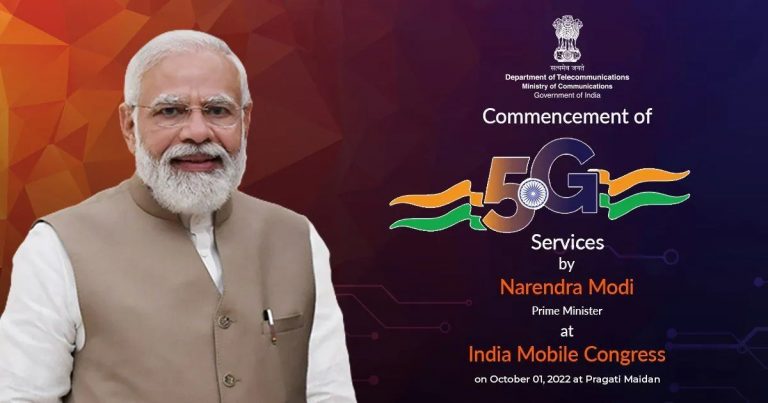
On Saturday, October 1, Prime Minister Narendra Modi publicly launched the 5G network in India. At New Delhi’s Pragati Maidan, the Prime Minister unveiled the 5G services during the ongoing India Mobile Congress (IMC). India has finally launched the much-awaited service, which will be available soon in key Indian cities and will be available throughout the country by 2023 at the latest, about five years after the country took its first steps toward its implementation.
Reliance Jio has already provided a timeframe for the deployment of Jio 5G services to its consumers. The telecom operator revealed earlier this year at its annual general meeting (AGM) 2022 event that it will roll out 5G services in stages. To begin with, 5G services of Jio will be available in four locations before Diwali, which falls later this month. Delhi, Kolkata, Chennai, and Mumbai are going to be the first ones to get the 5G services from Jio.
To start with, even in these four cities, selected customers will get the 5G benefits. Not everyone with a Jio number in Delhi, Kolkata, Chennai, or Mumbai would be able to experience 5G before Diwali. However, within 2 years, everyone in the country will be able to get a 5G connection if they desire.
Benefits of 5G network
People will profit from 5G because of the faster Internet speeds and reduced latency it offers over 4G. 5G internet speeds can reach 10-100 Gbps at their peak, compared to 4G’s pinnacle of 100 Mbps. Similarly, 4G latency ranges between 10-100 ms (milliseconds), and 5G latency is predicted to be less than 1 ms. Latency is the amount of time it takes for a device to deliver data packets and get a response.
5G has the ability to create new economic possibilities and societal advantages, making it a transformative force in Indian society. By 2035, the total positive economic effect of 5G on India is anticipated to be $450 billion, as per a statement by the Ministry of Communications.
The two most common configurations for 5G networks are standalone and non-standalone. In the standalone option, which Jio has chosen, the 5G network operates using specialised equipment and coexists with the present 4G network, whereas in the non-standalone mode, the 5G network is supported by the 4G core infrastructure.
Non-standalone networks are substantially less expensive and take much less time to provide services than standalone networks since they are built on existing infrastructure. Jio has committed to investing Rs 2 lakh crore in its standalone 5G network. Most smartphones today can connect to non-standalone 5G networks, which are basically 5G airwaves broadcast over 4G networks, and will require software upgrades from their manufacturers to connect to standalone networks.
The Ministry of Home Affairs (MHA) awarded ‘Y’ category protection to five Rashtriya Swayamsevak Sangh (RSS) officials from Kerala on Saturday, following a warning from central intelligence services about possible danger from the now-banned extremist terrorist organization named the Popular Front of India (PFI).
According to reports, following the Union government’s decision to outlaw PFI, the National Investigation Agency (NIA) notified the MHA of a probable threat to five of the Kerala-based RSS leaders. The MHA then decided to grant ‘Y’ category protection to five RSS leaders based on a report from the NIA and the Intelligence Bureau (IB). Paramilitary commandos would be sent to secure the RSS leaders’ safety.
Centre accords Y category security cover to five RSS leaders in Kerala in view of possible threats to them: Official sources
During its inspections, the NIA discovered a list from Kerala PFI member named Mohammed Basheer’s home. The list contained the names of five RSS officials who were purportedly on the PFI radar. Reportedly, 11 people (five for static duty and six for personal protection) will operate in several shifts to provide security to the leaders.
The RSS and its member have always been the fresh targets of PFI. We can’t forget how the PFI goons brutally murdered several RSS workers from the state of Tamil Nadu, Kerala, and Karnataka in past few years. Sanjith, an RSS worker in Kerala, was murdered by PFI cadres in November 2021. In Tamil Nadu, Hindu leader V Ramalingam was murdered for challenging Islamic Dawah activities in 2019. Other prominent cases of murder of Hindu leaders by the cadres of the outfit include Nandu (Kerala, 2021), Abhimanyu (Kerala, 2018), Bibin (Kerala, 2017), Sharath (Karnataka, 2017), R Rudresh (Karnataka, 2016), Praveen Poojari (Karnataka, 2016) and Sasi Kumar (Tamil Nadu, 2016).
Recently, amid the two NIA rounds of raids on PFI, the terrorist organization happened to hurl petrol bombs RSS office in Mattannur. Also, the Maharashtra ATS on September 26 confirmed that the RSS headquarters in Nagpur and several top BJP leaders were on the radar of the PFI.
The Central Government on September 27 banned the radical organization named Popular Front of India (PFI) and its associate organizations for 5 years. The government maintained that the organizations operated as unlawful associations under the Unlawful Activities (Prevention) Act (UAPA).
The affiliations banned along with the PFI include All India Imams Council, Campus Front of India (CFI), Rehab India Foundation, National Conf of Human Rights Org, National Women’s Front, Junior Front, Empower India Foundation, and Rehab Foundation, Kerala.
The ban on the PFI comes following two rounds of searches by the NIA in a multi-agency investigation against the organisation for allegedly sponsoring terror operations in the nation. The initial series of raids occurred on September 22, with a follow-up on Tuesday, September 27 in multiple states, resulting in the arrest of at least 250 persons associated with PFI.