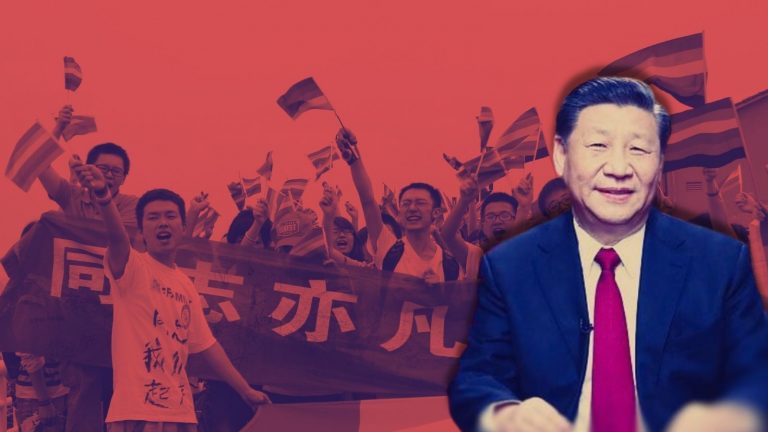
In a crackdown against LGBTQ awareness groups and rights, Tencent’s WeChat social media platform on Tuesday evening blocked and wiped all past content of the accounts LGBT+ groups on campuses of China’s top universities.
The message when the users tried to access their accounts read: “In response to related complaints, all content has been blocked for violating the ‘Regulations on the Management of Internet User Official Account Information Services,’ and all usage of the account has been suspended.”
The on-campus LGBTQ clubs in major universities have never been officially recognised. Hence they continued to operate unofficially for years under the radar, posting content online and carrying out certain activities when possible amidst periodic crackdowns.
However, as per reports, late Tuesday evening, users unexpectedly found that not just social media accounts for most such groups but even gender-related academic research associations had been wiped off completely from the web. No reason was given for the current suspension of accounts. It is a known fact that civil society accounts are often shut down in China amidst crackdowns on activism.
These LGBTQ groups served different purposes which offered space for gaining knowledge on LGBTQ issues, organizing weekly volunteer-led online support groups and Q&A sessions, research and a space for sharing gender-related academic research.
Groups and supporters react to the suspension
A WeChat user reacting to the incident said, “I can’t accept these accounts being disappeared like this – they helped so many people like me.” He said that this clean-up action is tantamount to outright discrimination and persecution of China’s sexual minorities.
“It’s very painful seeing this,” remarked Fan Popo, a Chinese filmmaker now based in Berlin. Popo has worked with a number of the groups for his documentaries on LGBTQ issues (“The VaChina Monologues,” “Mama Rainbow”).
“It’s such a shame that even the very limited space they had is now not even allowed. It’s such a shame for the students involved who are so passionate, because in recent years they have definitely faced ever stronger pressure from the universities, the government and social media censor, but still insist on doing their work,” added Popo.
Accounts deleted
The accounts that have been deleted include: Tsinghua University’s unofficial LGBTQ club Purple, Peking University’s unofficial LGBTQ club Colorsworld; Fudan University’s Zhiheshe; Wuhan University’s Gender Equality Research Association; Nanjing University’s Same Sky Association for Gender Equality; Xi’An Academy of Fine Art’s Olive Tree Group; Renmin University of China’s Sex and Gender Research Society, and similar research-oriented groups at Huazhong University of Science and Technology and East China Normal University, among numerous others located across China.
China and homosexuality
Homosexuality is legal in China but was classified as a mental disorder until 2001. However, same sex marriage is not recognised. Social stigma and pressure make it difficult for people to coming out. Earlier this year, a court upheld a university’s description of homosexuality as ‘psychological disorder’. Further, last year, China’s Pride festival was also cancelled after organisers cited safety concerns.
China’s clampdown on ‘gay content’
It is imperative to note that companies can face financial and other consequences for failing to comply with China’s strict censorship standards.
Foreign films featuring gay content have also been censored in China regularly, with the Beijing International Film Festival abruptly canceling the screening of “Call Me By Your Name,” and all references to Queen singer Freddie Mercury’s sexual identity and AIDS cut from “Bohemian Rhapsody.”
In 2018, a Weibo campaign to “clean up” gay-themed posts on its platform as part of a sweep against pornographic, violent or illegal content sparked a huge controversy forcing the social media giant to change its policy.
In 2019, Weibo had to back down from its decision to shut down a prominent community for lesbian and bisexual women called “les” after millions came out in support of the group.
We reported how certain sections from the recently aired popular sitcom ‘Friends: The Reunion’ was censored for carrying gay content, hinting at China’s censorship being at an all-time high.
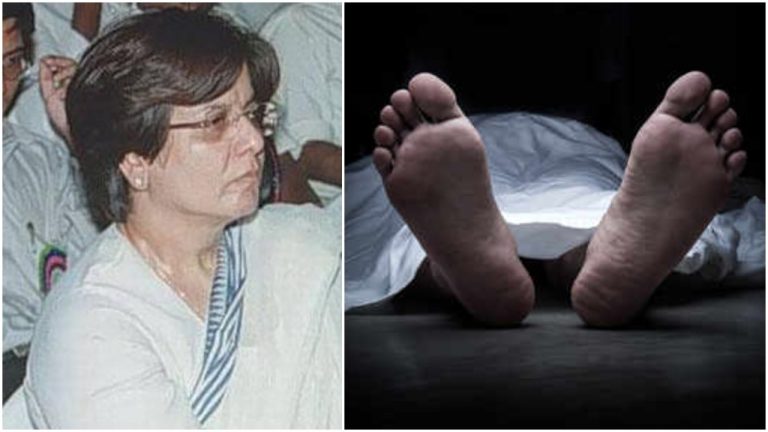
Kitty Kumaramangalam, the wife of former Union Minister PR Kumaramangalam, was found murdered on Tuesday at her residence in New Delhi.
According to the reports, the 67-year-old Kitty Kumaramangalam was found dead at her house in South Delhi’s Vasant Vihar. The police suspect that she might have been suffocated to death with a pillow.
At around 9 PM on Tuesday, when Kumaramangalam was alone at her home with her house help, a washerman who had worked in the neighbourhood for years, stormed into the house with two others with an intent to rob the place, police said. One of the accused, 24-year-old Raju Lakhan, the washerman, tied the house help in a room and suffocated Kumaramangalam to death, the Delhi Police added.
As per reports, the accused laundry man Raju had worked in the A Block colony for years and visited Kumaramangalam’s residence almost every day.
“We received a call about the incident at around 11 pm from her domestic help Manju. She informed that at around 9 pm, Raju, who came earlier also, came to their home and she opened the door for him. But after entering, he overpowered her and dragged her to another room,” DCP (South-West district) Ingit Pratap Singh said.
Raju allegedly held the domestic help hostage in a room while his two accomplices went and attacked Kitty.
According to the complainant Manju, Raju and his two associates entered the house and attacked Kitty. Then they dragged her to another room, where they suffocated her to death by using a pillow. After that, they looted some money, jewellery and ran away from the house. Manju said she managed to untie her hands and then inform her neighbours about the incident, who rushed in and untied her.
The Delhi Police have now admitted Manju to a nearby hospital. Meanwhile, they have also informed the deceased son, who lives in Bengaluru. Several teams have been formed to probe the murder, said Singh. The Delhi Police have arrested the accused Raju and launched a search for the other two accused.
Kitty Kumaramangalam was a Supreme Court lawyer. Her husband, Congress leader PR Kumaramangalam, served as Union Minister of State, Parliamentary Affairs and Law, Justice and Company Affairs between 1991 and 92, and again as Minister for Parliamentary Affairs Minister between 1992 and 93 in PV Narasimha Rao’s government. He later joined BJP and served as the country’s Power Minister in 1998.
PR Kumaramangalam, who was Lok Sabha MP from Salem and later from Tiruchirapalli during his long political career, had expired in the year 2000.
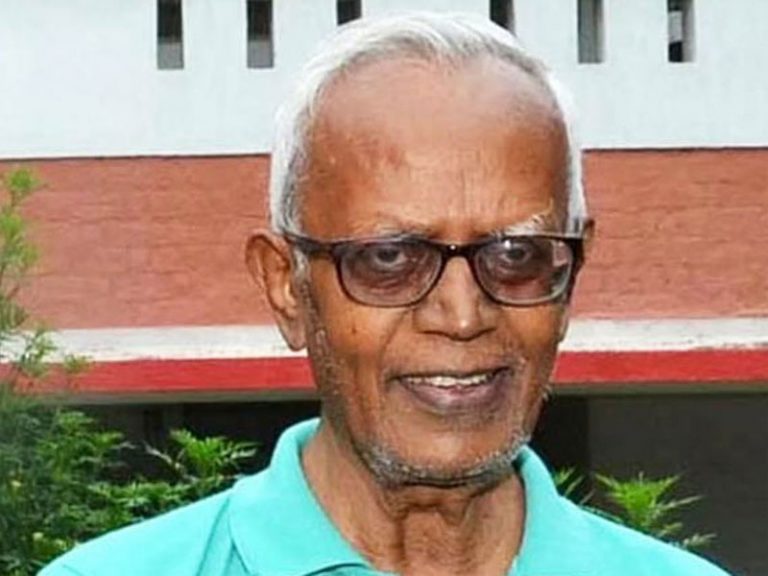
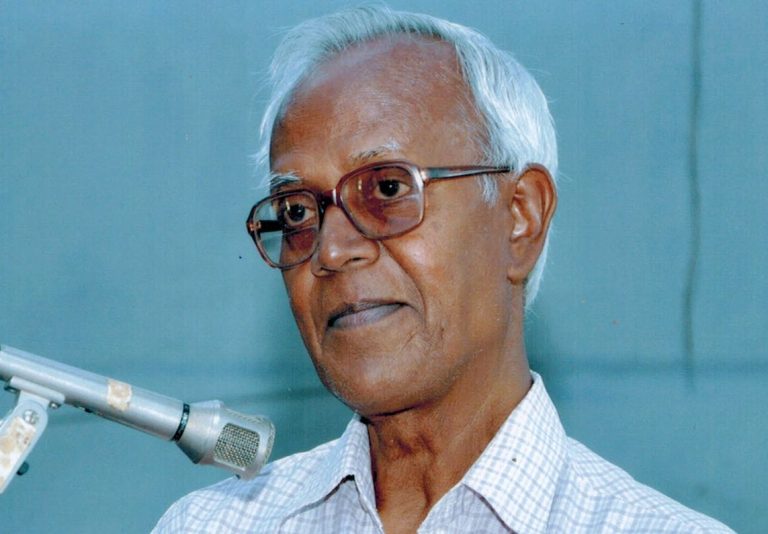
On July 6, the Ministry of External Affairs issued an official statement regarding the death of Bhima Koregaon violence accused Stan Swamy. The 84-year-old Stan Lourduswamy, commonly known as Stan Swamy, was an undertrial prisoner.
In the statement, MEA spokesperson Arindam Bagchi said that he was arrested and detained by the National Investigation Agency (NIA) following due process under the law. He further added that Stan’s bail application was rejected by the court based on the specific nature of charges against him.
The Bombay High Court had allowed his medical treatment at a private hospital where he received all possible medical attention since May 28. The statement read, “India remains committed to promotion and protection of human rights of all its citizens.”
Full statement by MEA
“We have seen reports on the demise of Father Stan Swamy.
2. Father Stan Swamy was arrested and detained by the National Investigation Agency following due process under the law. Because of the specific nature of charges against him, his bail applications were rejected by the courts. Authorities in India act against violations of law and not against legitimate exercise of rights. All such actions are strictly in accordance with the law.
3. In view of Father Stan Swamy’s ailing health, the Bombay High Court had allowed his medical treatment at a private hospital where he was receiving all possible medical attention since May 28. His health and medical treatment was being closely monitored by the courts. He passed away on July 5 following medical complications.
4. India’s democratic and constitutional polity is complemented by an independent judiciary, a range of national and state-level Human Rights Commissions that monitor violations, a free media and a vibrant and vocal civil society. India remains committed to promotion and protection of human rights of all its citizens.”
UNHRC had ‘criticized’ death during imprisonment
As the Left-leaning mainstream media and Left-liberals created a hue and cry over the death of the 84-year-old accused Stam Swamy, United Nations Human Rights Commission had issued a statement in which they said they are ‘deeply saddened and disturbed by the death’ by his death.
The spokesperson for the UN High Commissioner for Human Rights, Liz Throssell, said, “In light of the continued, severe impact of the COVID-19 pandemic, it is even more urgent that States, including India, release every person detained without a sufficient legal basis, including those detained simply for expressing critical or dissenting views. This would be in line with the Indian judiciary’s calls to decongest the prisons.”
The statement further added, “We stress, once again, the High Commissioner’s call on the Government of India to ensure that no one is detained for exercising their fundamental rights to freedom of expression, of peaceful assembly and of association.”
Interestingly, the UN’s statement lacked two important points. First, Stan was arrested for his role in Bhima Koregaon violence. As per the investigation agencies, he was the key conspirator in the Elgar Parishad Bhima Koregaon violence case. He was not arrested for “peacefully protesting”. The second point that the statement missed was that he was getting treatment for the ailments at one of the top hospitals in Mumbai.
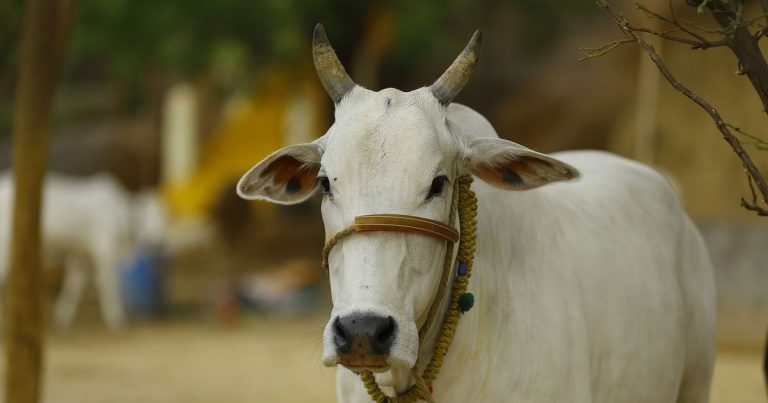
Vellore police on Monday arrested 43-year-old Haryana man Ahamuddin Hakimudeen from Vellore district of Tamil Nadu on allegations of stealing cows and selling them to slaughterhouses. As per reports, Pernambut Police intercepted a mini lorry with Andhra Pradesh registration on suspicion and found a cow inside it.
Ahamuddin, with the help of locals who spoke Hindi, he was taken to police station. There it was revealed that Ahamuddin had flown to Bengaluru where he borrowed mini lorry from his friend Shakeela in Andhra Pradesh and fixed bogus number plate before coming to Tamil Nadu to lift cows. He admitted he had stolen and sold at least 20 cows from that region. The cow belonged to one Razak who had complained that his cow, that had gone for grazing, had not returned.
In Gudiyattam, at least 10 farmers have filed police complaints that their cows had gone missing.
On interrogation, Ahamuddin confessed to flying from Haryana to various parts of South India to steal cattle and selling them to slaughterhouses. He would stay in parts of South India before flying back to his native place.
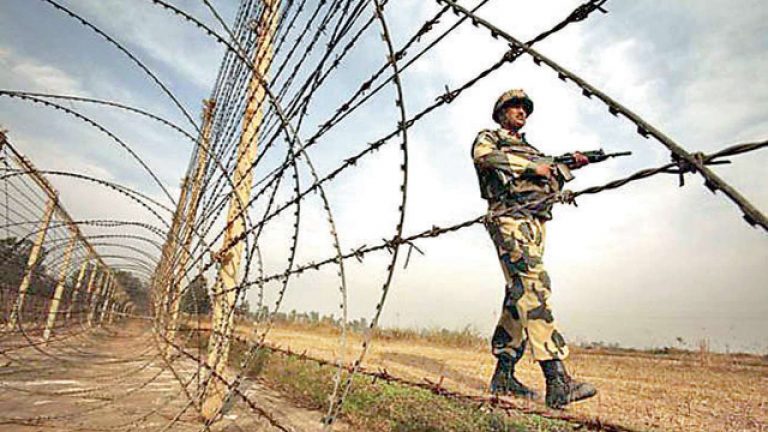
On Tuesday, the Punjab Police arrested two soldiers for their involvement in an alleged cross-border espionage network and conspiring with Pakistan’s Inter-Services Intelligence (ISI).
According to the reports, the Punjab police busted the espionage network with the arrest of two Army personnel — Sepoy Harpreet Singh and Sepoy Gurbhej Singh. The 23-year-old Sepoy Harpreet Singh from Amritsar was posted in Jammu and Kashmir’s Anantnag and belonged to 19 Rashtriya Rifles, and 23-year-old Sepoy Gurbhej Singh from Tarn Taran was working as a clerk in Kargil and belonged to 18 Sikh Light Infantry.
The Punjab Police said both the accused have been charged with spying for Pakistan’s ISI, under various sections of the Indian Penal Code and the Official Secrets Act. Harpreet Singh had joined the Army in 2017, while Gurbhej Singh had joined in 2015.
In a press statement, Director General of Police (DGP) Dinkar Gupta said the Jalandhar Rural Police, led by SSP Naveen Singla, had received confidential information related to the deployment and functioning of the Indian Army from a cross-border drug smuggler named Ranvir Singh, who was arrested earlier in May.
During the interrogation, Ranvir had admitted that he had obtained the documents from Harpreet. Both Harpreet and Ranvir belong to the same village and were known to each other.
The two Sikh soldiers provided classified information to Pakistan: Punjab Police
The DGP said that Ranvir motivated and lured Sepoy Harpreet Singh with financial benefits for sharing defense-related classified documents. Harpreet then involved his friend Sepoy Gurbhej in activities of espionage for monetary benefits, said DGP Gupta. He said that as Gurbhej was working as a clerk at the 121 Infantry Brigade Headquarters in Kargil, he had access to Indian Army documents containing strategic information regarding movement, deployment and other activities.
According to police, the two Gurbhej and Harpreet together shared images of more than 900 classified documents for the last six months with their accomplice Ranvir, who relayed the information to Pakistan’s ISI.
The DGP said Ranvir Singh collected classified documents from Harpreet and sent them to either the Pakistan ISI operatives directly or via another operative named Gopi, who has been identified as the main drug smuggler from Dauke village in Amritsar.
Gopi has extensive links with Pakistan-based drug-smuggling syndicates and ISI officials, said the Punjab Police Chief.
Following Ranvir Singh’s disclosures, the police have also nabbed ISI operative Gopi, who has confessed to having transferred classified documents to Pakistan-based drug smugglers to one Kothar, and an ISI operative identified as Sikander. Sikander is a drug peddler and supplies heroin, the DGP said, adding that all the pictures of the classified documents were transmitted over encrypted apps.
A number of false and misleading claims have been doing the rounds ever since Stan Swamy, an 84 year old terror accused, passed away at a hospital in Mumbai on July 5, after recently suffering from Covid. Unfortunately, such claims have been circulated widely on social media, TV channels and newspapers. Here is a fact-check.
Claim: Stan Swamy’s death is a case of judicial murder
Fact check:False
On hearing this claim, I reached out to various experts to find out the legal definition of the term “judicial murder.” It turns out that “judicial murder” is not defined in any existing Indian law or statute. In fact, the term does not appear anywhere in the Indian Constitution, a copy of which may be downloaded here from the website of the Union Ministry of Law and Justice. The term also does not appear anywhere in the Indian Penal Code, nor in the Code of Criminal Procedure.
Claim: Stan Swamy was an activist
Fact check: Misleading
The online Webster dictionary defines “activist” as a person who uses or supports strong actions (such as public protests) in support of or opposition to one side of a controversial issue. While it may be argued that Stan Swamy’s life did include such activities, this is a subjective judgement and incidental to the matter at hand. The individual in question had been arrested on charges of terrorism, under the Unlawful Activities Prevention Act or the UAPA. The latter pertain to threats to the sovereignty and integrity of India, as well as efforts for a violent overthrow of the Indian state.
Claim: Modi government kept Stan Swamy in an overcrowded prison
Fact check: False
Stan Swamy had been lodged in Taloja jail near Mumbai in Maharashtra. The Taloja jail is administered by the Department of Prisons of the State of Maharashtra. My fact check revealed that the state of Maharashtra is currently ruled by a multi-party coalition that does not include the BJP. Hence, whatever the conditions in Taloja jail, it is false to say that Modi govt or any other BJP government kept him in an overcrowded prison.
Claim: Judicial system and criminal justice system were slow to take up Stan Swamy’s appeals
Fact check: Misleading
Even a cursory glance at news reports will prove that since his arrest in October 2020, Stan Swamy’s appeals have been considered in multiple courts and various levels. On Oct 23, 2020, his bail application was rejected by the special NIA court. Subsequently, on Nov 26, 2020 and on Dec 4, 2020, the special NIA court discussed the matter of his personal needs, such as a straw, sipper and warm winter clothes. This shows that his situation was constantly under consideration by the judiciary. Further, in May 2021, his case was again presented before a vacation bench of the Bombay High Court. In fact, at the time of his demise, his case was actively being heard in the High Court.
While fast or slow are subjective terms, such level of judicial scrutiny is a rare privilege for prisoners under trial in India. Approximately 70 percent of India’s jail population is currently made up of under-trial prisoners and roughly 1.6 crore criminal cases are pending in India. As such, the due process received by Stan Swamy appears to be very much above average.
Claim: Bringing Stan Swamy from Ranchi to Mumbai ignored his medical needs
Fact check: False
Mumbai is a major metropolis, with a medical infrastructure vastly superior to Ranchi. In fact, Mumbai is a global destination for medical tourism. Around 27 percent of medical tourists arriving in India go to Maharashtra, with nearly 80 percent of those headed to Mumbai. In contrast, the situation in Jharkhand is dire, with only 291 functioning Public Health Centers and just 2,800 doctors employed by the state government for a population of 3 crore people.
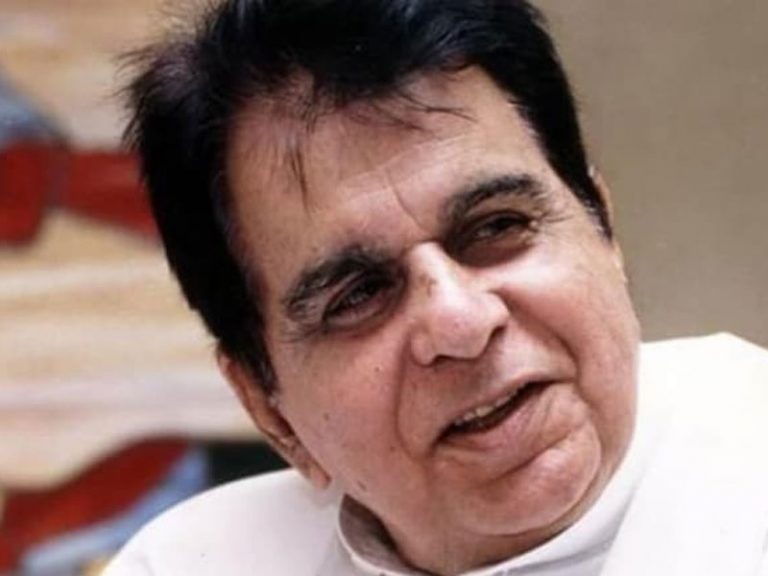
On July 7, veteran actor Mohammed Yusuf Khan fondly known by his screen name Dilip Kumar passes away at Hinduja Hospital in Khar, Mumbai. As per reports, he was admitted to the hospital on June 30 after complaining of breathlessness. Two brothers of the actor Aslam Khan (88) and Ehsan Khan (90) passed away last year due to complications associated with Covid-19.
Dilip Kumar made his debut in the film industry in 1944 with the film Jwar Bhata. He had some of the most iconic films in his kitty, including Kohinoor, Mughal-e-Azam, Devdas, Naya Daur, Ram Aur Shyam, among many others. He was last seen in Qila in 1998. Kumar dedicated five decades of his life to the film industry. He got married to fellow actress Saira Banu in 1966.
“The doyen of Indian film industry Mr. Dilip Kumar breathed his last today at 7.30 AM at Khar Hinduja hospital after a long and protracted illness,” the hospital said in a statement post his demise.
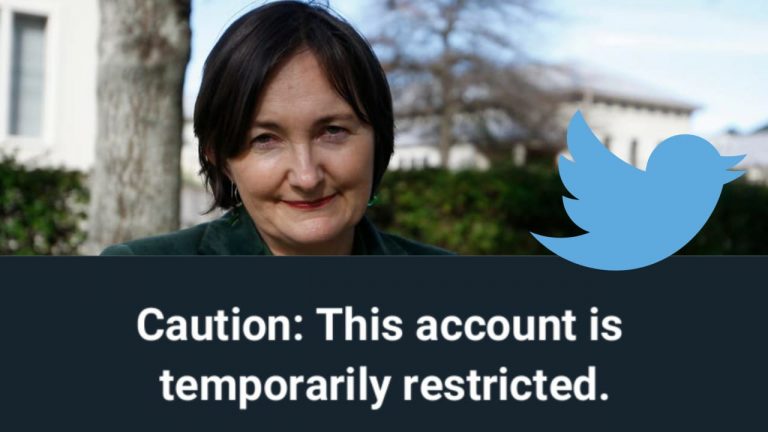
The social media giant Twitter temporarily restricted the account of a New Zealand academic over the weekend, for posting Tweets mocking the Chinese President, Xi Jinping and the celebrations of the 100th anniversary of CCP. Anne-Marie Brady, a professor at the University of Canterbury in New Zealand, confirmed that two of her tweets were temporarily marked ‘unavailable’ by Twitter and her account was temporarily blocked over the weekend before it was restored on Monday.
The professor, who is a vocal critic of the Communist government in China, had in her posts mocked the party’s 100th-anniversary celebrations. Brady’s tweets poked fun at the CCP government for celebrating its centenary saying that it lacked international validation.
In one tweet, Brady even went on to suggest an alternative headline for a news article about the celebrations: “Xi: it’s my Party and I’ll cry if I want to”.
This did not go down well with the microblogging site which marked her Tweets as “unavailable” and restricted her account, that too without explaining as to what prompted them to do so.
Edward Lucas, a columnist for The Times newspaper in Britain, opined that the temporary suspension was probably a result of the online campaign of complaints by Communist Party agents. This he said might have triggered an automatic response from Twitter while it investigated the complaints.
“After I had stoked a furore on Twitter and sent umpteen complaints, her account was restored,” Lucas wrote. “Less prominent victims of Chinese censorship would have scantier chances of redress.”
Thanking the journalist for his help, the professor tweeted after the restoration of her account: “Seems like @Twitter may have briefly forgotten they don’t work for Xi Jinping”.
Meanwhile, Twitter in its defence said in a statement that when it detects unusual activity from an account, it can sometimes add temporary notices until it gets confirmation from the account owner. “To set the record straight, the assertion that Twitter is in coordination with any government to suppress speech has no basis in fact whatsoever,” Twitter said, adding, “We advocate for a free, global and open internet and remain a staunch defender of freedom of expression.”
It is pertinent to note here, that several concerns have surfaced regarding censorship on Twitter related to anti-China tweets since the appointment of Fei-Fei Li as an independent director to the Board of Twitter in May 2020. Li joined Twitter after quitting as chief scientist of Google’s artificial intelligence/machine learning initiative following a controversy surrounding the tech giant’s Project Maven.
Li, is believed to be instrumental in the setting up of a Google AI lab in China suspected of involvement in Project Dragonfly touted to be a search engine that would align with the surveillance regime of China.
She has extensive ties to the Chinese Communist Party (CCP), including the CCP’s United Front Work. It was reported how multiple Twitter accounts which had criticised her appointment had been suspended without rhyme or reason.
The United States Army left the Bagram Airfield in Afghanistan in the dead of night, quietly, without informing the new commander of the base as Joe Biden prepares to pull out American soldiers from the war-ravaged country. According to military officials in Afghanistan, they discovered that the US army had left more than two hours after their departure.
“We (heard) some rumor that the Americans had left Bagram … and finally by seven o’clock in the morning, we understood that it was confirmed that they had already left Bagram,” Associated Press (AP) quoted Gen. Mir Asadullah Kohistani, Bagram’s new commander, as saying.
After the US army’s departure, looters ransacked the compound as the Afghan Army had not taken control of the airfield yet. “At first we thought maybe they were Taliban,” an Afghan soldier said. He said that US officials called them later to inform “we are here at the airport in Kabul.”
According to Kohistani, the US left behind nearly 3.5 million items including tens of thousands of bottles of water, energy drinks and military ready-made meals, known as MRE’s. “When you say 3.5 million items, it is every small items, like every phone, every door knob, every window in every barracks, every door in every barracks,” Kohistani said.
Electricity was turned off 20 minutes after the American soldiers departed the base. Kohistani also stated that while the departing army took the heavy weapons with them, they left small weapons and ammunition for the Afghan troops.
Satire turns into reality
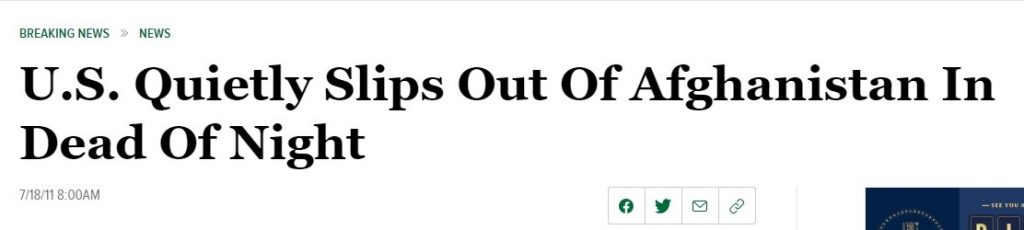
In July, 2011, popular satire website The Onion published a satirical article with the headline, “U.S. Quietly Slips Out Of Afghanistan In Dead Of Night”. In its article, it wrote, “In what officials said was the “only way” to move on from what has become a “sad and unpleasant” situation, all 100,000 U.S. military and intelligence personnel crept out of their barracks in the dead of night Sunday and quietly slipped out of Afghanistan.”
The headline of the satire on The Onion
The satire spoke of a note left by the US Army that said, “By the time you read this, we will be gone. We regret any pain this may cause you, but this was something we needed to do. We couldn’t go on like this forever.”
“We still care about you very much, but, in the end, we feel this is for the best,” the note said. “Please, just know that we are truly sorry and that we wish you all the greatest of happiness in the future.”
While the exact details of US army’s departure from Bagram Airfield may vary, reality, it seems, has a weird way of turning satire into reality.
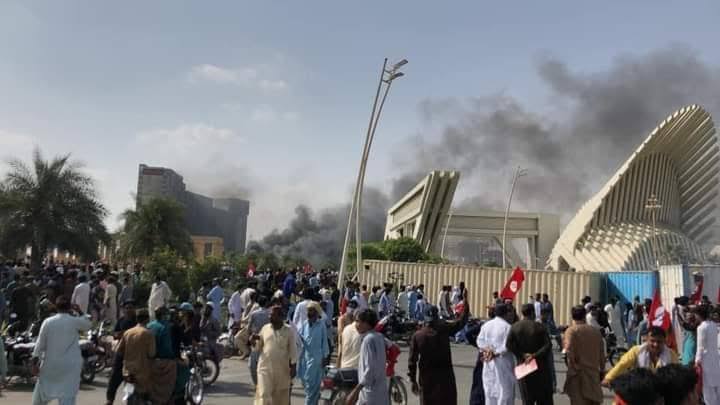
‘Halo halo’ [proceed proceed] chanted a thousand protestors as they entered the Bahria Town in early last month. People from not just Karachi but other parts of Sindh, including Thatta, Jamshoro, Sukkur, Larkana and Hyderabad, screeching to let the world know how Pakistan is snatching away their ancestral lands.
A protest by the Sindh Action Committee against the real estate mafia, which is hand in gloves with the government, continued for nearly half an hour. A fraction from the protestors broke away to set ablaze the property of the luxurious Bahria Town. The rangers and police contingents retaliated by hurling tear gas, water cannons, rubber bullets, baton charge, arrests etc., at the protestors resulting in several injuries.
Protest at Bharia Town. Image Source: pakistandaily.com
Simultaneously, the World Sindhi Congress (WSC) held protests in London against large-scale land grabbing in Pakistan’s Sind Province, particularly the illegal occupation of Bahria Town in Karachi and the land grabbing in Sindh by the Pakistani Army and its proxies.
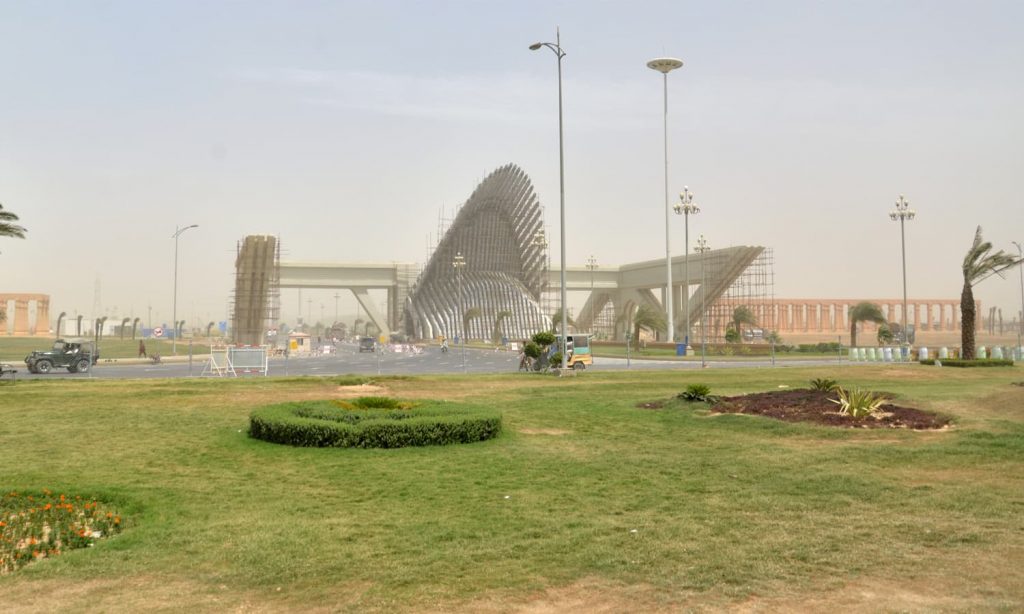
The speakers at the protest informed that Bahria Town, owned by Malik Riaz, spans 46,000 acres. However, the ill-fated property dazzled with state-of-the-art facilities, grand entries, pillars, facade, showrooms, restaurants and other luxuries has been made on one of the most valuable lands of indigenous Sindhi people which has been occupied by force and deceit with the support of the Pakistani state.
Bahria Town Karachi’s main gateway. Image Source: dawn.com
As a result, hundreds of years old communities have been rendered homeless, villages occupied; historical sites razed, and indigenous populations missing.
The Sindhi community says that the Pakistani state has clear designs to convert Sindhis into a minority in their historical homeland.
Pakistani Army’s Occupation in Sindh
Baharia Towns and the Defence Housing Authority are the new weapons of the Pakistan military to occupy Sindh’s land. They have not hesitated from ensuring forceful migration by booking locals on fake terrorism charges, exploiting resources, making unlawful arrests and torturing the locals. The Pakistani military is using Bahria Town and DHAs for land procurement by hook or by crook.
The matter was dragged to the Supreme Court who found the acquisition of land by Bahria Town illegal. However, making a mockery of the judicial system a fine of PKR 460 billion ($ 3 billion) was imposed on Bahria Town, thus, legalizing the land grabbing.
Land grabbed and resources plundered
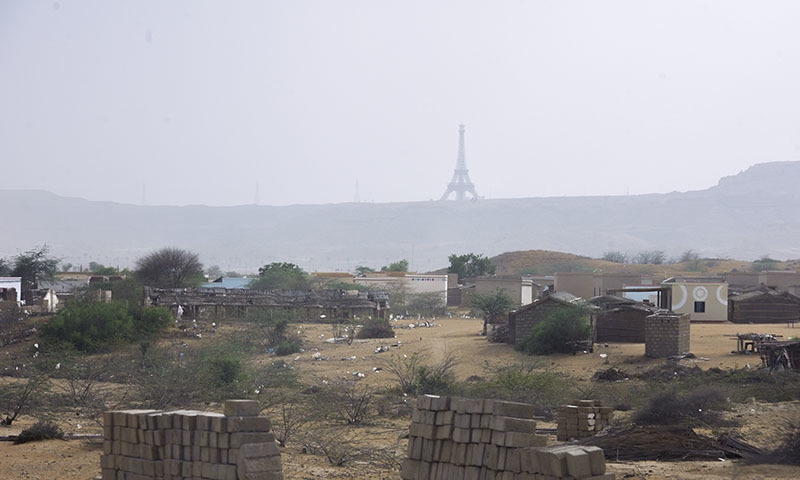
With the silhouette of the replica of the Eiffel Tower in the background, “The police have been arresting our people, threatening them that they’ll show their arrest as being from places such as Wana, Mastung or Kalat,” said Kanda Khan Gabol.
“They took me into custody for several hours and only let me go when a crowd gathered and it seemed as if the highway would be closed down,” he added.
Breaking into the homes of sleeping villagers, policemen hauled off five men of the village– Din Mohammed, Abbas, Iqbal, Punno and Dadullah in their vehicles. “Not only that, along with money, jewelry and other belongings, they also took away three goats,” said Mohammed Musa. “That was a kind of warning that next time they would cart away our women as well,” he added.
This was the sequel to when a police contingent led by Inspector Khan Nawaz, had surrounded the village to force the indigenous population to vacate the land for a road to be constructed through it. Villagers were picked up in the garb of a raid when they refused to give up.
According to their families, police would not give them any information about the detained men. Local representatives told them that the price for the missing men’s freedom was to give up their land. “What choice did we have except to surrender?” asked one of the villagers.
Homes have been leveled, graveyards obliterated, fruit trees uprooted, and tube wells smashed.
“They don’t know anything else but agriculture and livestock rearing. Where will they go?” said a local rights activist.
On 13 March 2014 Faiz Mohammed’s looked on helplessly as bulldozers leveled the 56 acres of land, tilled by his father and grandfather before him, there were once hundreds of fruit trees and date palms and destroyed his tube well.
Land leveled for Bahria Town. Image Source: dawn.com
Several villagers in Jamshoro revealed that they are being forced to surrender their land at Rs70,000 per acre. This land allegedly ‘sold’ by the villagers is then purchased by individuals fronting for massive land developers in the area at Rs2,000,000 per acre. That’s an insane increase of 2,757 per cent. In many cases, even the small sum promised to the owners was not fully materialized.
Calling it the worst colonial occupation in their thousands of years of history, the Sindhi protestors said that the army wants to ‘gulp all the resources of Sindhi people including gas, oil, coal, water, islands, coastal lands, jobs.’
To ensure the vast township’s road dividers, parks and golf course continue to look lush and verdant, Karachi’s water is being diverted cutting into the already inadequate supplies to the 20-million strong city. The residents are now either dependent on exorbitantly priced tankers to get water yet another mafia or stand for hours at the communal taps.
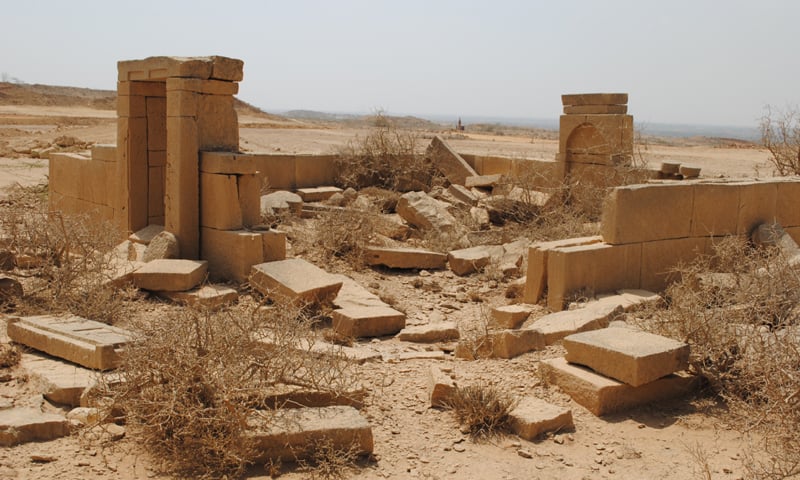
Not just this, the greed or rather the helplessness of the Pakistani government’s to give into the demands of the mafia has led to the destruction of historical sites too. The 23,000-plus acres ‘acquired’ by Bahria Town Karachi ‘illegally’ was once home to scores of historical sites, including tombs similar to the Chawkandi necropolis near Thatta, as well as Buddhist stupas, rock carvings etc.
Now, every tomb in the path of construction has been ruthlessly demolished by bulldozers.
Ancient tombs bulldozed. Image Source: dawn.com
Historian Gul Hasan Kalmati informed that Shah Abdul Latif Bhittai the revered Sufi mystic widely regarded as the greatest poet of the Sindhi language had stayed in this area. “His takia (shrine), which was located here, was also a resting place for jogis on their way to Hinglaj Mata (the Hindu temple in Makran),” he recalled.
However, today on the spot where the Shah’s takia once stood, stand the toilets of Bahria Town Karachi’s Grand Mosque.
All this when “Sindh generates 63% of the revenue, while all the power rests in a province of Punjab, which has a 65% population in the army. Also, the language imposition of Urdu has happened, although we only speak Sindhi, which has resulted in our own languages fading out of our society,” said a local.
Provisions to gift Sindh land to China
Experts and locals see this as a move by Pakistan to gift some land to China and this will not be the first time it does so. The founder of the Jeay Sindh Freedom Movement (JSFM), Zafar Sahito, who is living in exile in New York says, “China is being allowed to exploit our natural resources, take over our industry, and farmlands without any hindrance. Sindh is being deliberately selected for industrialization by Pakistan to have its demography and resources shattered and exploited. Sindhis will soon be Chinese slaves.”
In yet another unfortunate move, the recent island development ordinance propagated by Pakistani President Arif Alvi is seen as a plan to sell off Pakistani islands to future investors or maybe even China.
There are two clauses that have resulted in an upheaval. A careful reading of the ordinance reveals that once the government takes over the islands in Sindh, located around the Pakistani port of Karachi, the police, judiciary and the local government will NOT have any jurisdiction over them. Nobody knows why a clause so unscrupulous was inserted by the Imran Khan government.
Another clause in the ordinance, which is said to be even more controversial, suggests that the federal government has the right to “sell the land” acquired through the promulgation of this ordinance. This clause has raised eyebrows as no government in the world thinks of selling land which is considered to be a national asset.
Pointing out the relevant section, Geopolitical analyst Mark Kinra says: “Section 47 under Power to dispose of land states that, ‘The Authority may retain, or may lease, sell, exchange, rent or otherwise dispose of any land vested in it’.”
“It is possible that the Pakistani government and Establishment might be planning to create mega-cities for the Chinese people or even for naval purposes, something which only time can tell. It is, therefore, obvious that they do not want the judiciary, the police or the local authorities to be poking their nose into what China is doing. And by inserting the clause of selling the land, it is once again possible that the federal government may sell off these lands and properties to big investors. For Pakistan, that big investor could be China,” Kinra added.
Khan does not seem to be very secretive about his plans. In December 2019, Khan had announced that he will sell off land and other state assets to foreign and Pakistani investors at the Dubai Expo 2020-a mega global event that was to be hosted by Emirates.
Seeing the illegal occupation on Sindh land as deja-vu, the citizens of Gilgit Baltistan (GB) say that China now controls the mines and most of the land in Pakistan Occupied Kashmir.
“With the mammoth $64 billion China Pakistan Economic Corridor (CPEC), the Pakistani government and its Establishment are ceding more territory to iron-brother China,” said a report.
In 2015, Pakistan handed over 2,000 acres of land in Gwadar, Balochistan, to China to build the Gwadar port.
People of Sindh seek liberation
“It is colonisation of Sindh by wealthy businessmen, which we reject,” said Syed Zain Shah of Sindh United Party.
“The people of Sindh are the rightful owners of their lands. They want their lands back, they want their rivers back,” said Jagdish Ahuja, also of Sindh United Party.
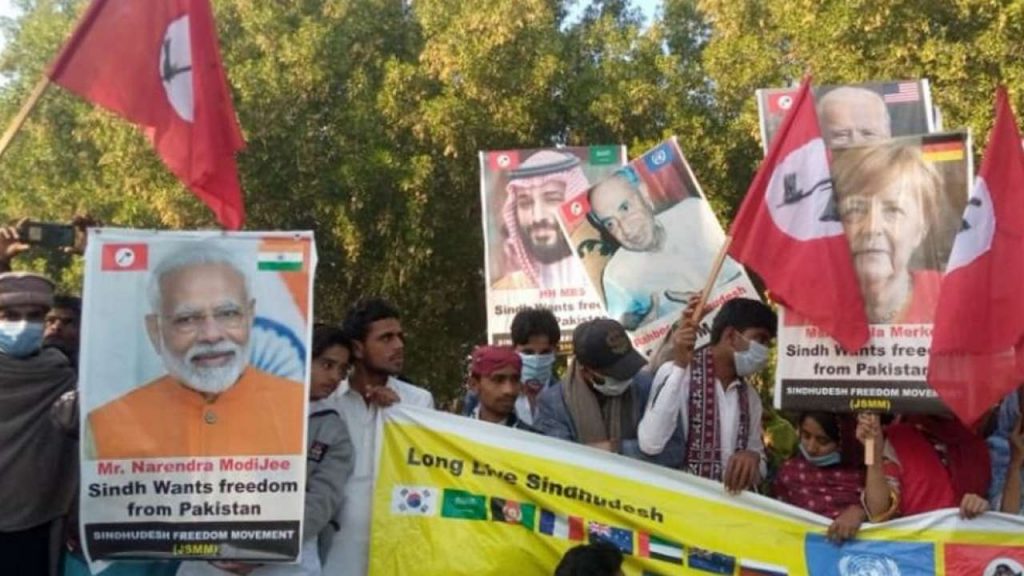
The demands echoed at a rally organized to mark the 117th birth anniversary of GM Syed, who is considered the founding father of ‘modern Sindhi nationalism’. Placards of Indian Prime Minister Narendra Modi and other world leaders were raised and Pre-freedom slogans were heard demanding Sindhudesh.
The people of Sindh consider themselves the descendants of the natives of the Indus Valley Civilization, whose society was shaped by the different religions and cultures in the region in the last 5000 years. They say their province was illegitimately occupied by the British Empire and then delivered to the Islamic nation of Pakistan in 1947 against the wishes of its population.
Shafi Muhammad Burfat, founder and current chairman of Jeay Sindh Muttahida Mahaz said, “Our nation believes in universal peace, unity of humanity and human development and our country has remained as an independent nation on the face of the earth for thousands of years. But today, it is enslaved by Punjabi colonialism in the name of religion and through the might of the military. The Sindhi people do not want to remain in the oppressive slavery of the terrorist state of Pakistan, and therefore, we appeal to the entire international community to step forward and support us in our struggle for national independence from the fascist theocratic Islamist terrorist state of Pakistan.”