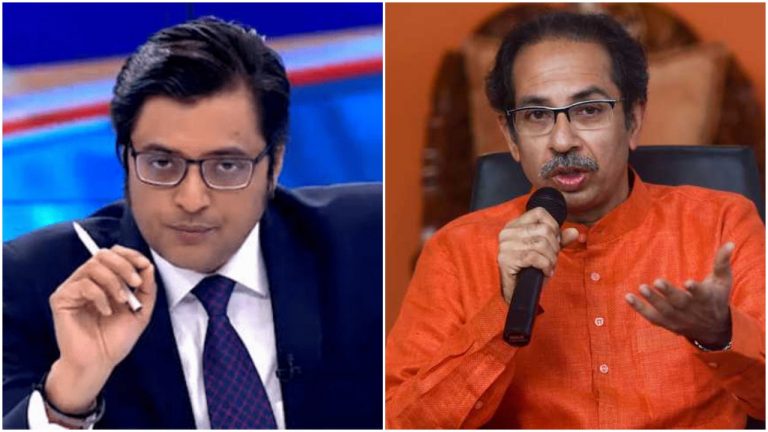
Days after Shiv Sena-led Maharashtra government arrested two Republic TV reporters and asked cable TV operators to stop airing the Republic TV and Republic Bharat channels, Arnab Goswami – the chief of Republic TV network on Friday demanded the immediate release of the reporters and warned Maharashtra Chief Minister Uddhav Thackeray against blocking his news channel. Republic Media Network’s reporter Anuj Kumar, video journalist Yashpaljit Singh were detained by the Maharashtra police a few days ago.
Launching a scathing attack against Shiv Sena chief Uddhav Thackeray, Republic media network chief Arnab Goswami demanded the immediate release of two Republic TV journalists, who were picked from Raigad for carrying out an investigative assignment.
“Uddhav Thackeray, release my journalists. You have broken the law and we will not allow this illegality. You did not write the constitution and you have no right to turn it upside down,” said Arnab Goswami in a blistering attacking against Maharashtra Chief Minister.
On the issue of Shiv Sena attempting to muzzle the voice of Republic network by blocking the channels, Arnab Goswami said that Shiv Sena had sent letters to cable operators to illegally blackout Republic TV and Republic Bharat, that amounted to allowing and approving a series of illegalities.
“Release my journalists immediately and perform your constitutional duty by arresting your party leaders who have been caught red-handed sending threats to cable operators,” Arnab Goswami arrested
“I am a Mumbaikar”, said Goswami, pointing out on how had built the Republic with hard work and effort. Issuing a warning against the arbitrary ban on his channels, Arnab Goswami said that Shiv Sena cannot touch his network as the people of Mumbai, Maharashtra and India are with him.
The Republic TV Editor-in-Chief said that if Uddhav Thackeray fails to release the journalists, he will be fighting him in both the courts of public opinion and our country’s highest courts.
Republic TV has also informed that Maharashtra govt is attempting at forced interrogation of its reporter of Anuj Kumar.
Maharashtra govt intimidates and threatens Republic TV
Arnab Goswami’s attack against Maharashtra Chief Minister and Shiv Sena chief Uddhav Thackeray comes at the backdrop of the recent attempts by the Maharashtra government to intimidate and threaten the Republic TV for carrying extensive coverage in both Sushant Singh Rajput suicide case and also Palghar Hindu Sadhu lynching case.
Earlier in the day, it was reported that Shiv Sena had asked the local cable operators in Maharashtra to ban the channels of Republic media network or face consequences.
In a letter issued on Thursday, the Shiv Cable Sena, an affiliate to Shiv Sena, has asked the cable TV operators to ban Republic Media network in the state. The Shiv Sena has also issued veiled threats to the cable operators to ban the Arnab Goswami-led media network or face consequences.
The crackdown on Republic TV by Shiv Sena comes at the backdrop of Republic TV’s relentless coverage into the recent controversial demolition drive carried out Sena-led BMC against Bollywood actress Kangana Ranaut.
Just a few days back, Shiv Sena had moved two breach of privilege motions against Arnab Goswami, accusing him of attempting to malign the image of Chief Minister Uddhav Thackeray and NCP chief Sharad Pawar.
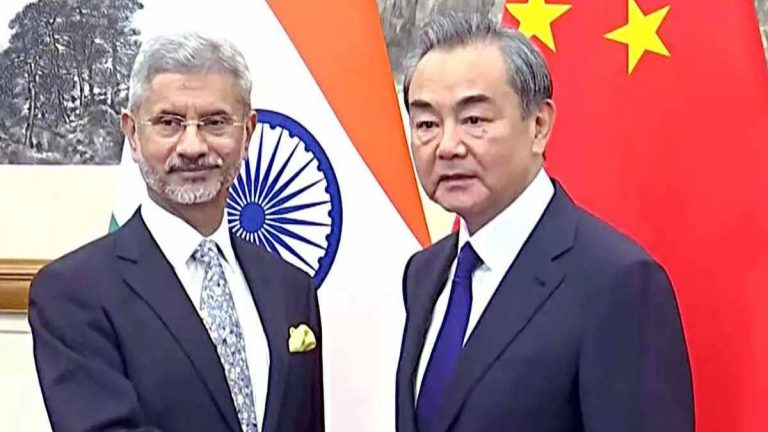
Amid the rising tension at the Line of Actual Control, Indian and the Chinese Foreign Ministers met for a meeting at Moscow in Russia yesterday. The bilateral talks between the Indian Foreign Minister, S Jaishankar and his Chinese counterpart Wang Yi were preceded by a meeting at the Shanghai Cooperation Organisation (SCO) and a luncheon meeting between Russia, India and China (RIC).
The meeting resulted in a five-point course of action on which both the countries agreed. However, a document released by the Chinese Foreign Ministry made certain claims in relation to the agreement reached in the meeting which were categorically rejected by the Indian side. The document claimed that the Indian side did not consider the relations to be dependent on the settlement of the boundary question.
The document further claimed that the Indian side believed that the policy of China towards India has not changed. Both the claims are in direct contrast to the position maintained by India. The Indian Foreign Minister had clearly stated several times that the status of bilateral ties cannot be delinked from the situation at the LAC.
Besides, the five-point plan released by the Ministry of External Affairs does not include any of the claims made in that document. The things agreed upon by both the countries as per the five-point plan are:
Both the sides should take guidance from the series of consensus of the leaders on developing India-China relations which included not allowing differences to become disputes.
The present situation at the border areas is not in the interest of the either side and therefore the border troops of both sides should continue their dialogue, quickly disengage, maintain proper distance and erase tensions.
Both the sides shall abide by all the existing agreements and protocol on China-India boundary affairs, maintain peace and tranquility in the border areas and avoid any action that could escalate matters.
Both sides should continue to have dialogue and communication through the Special Representative mechanism on the India-China boundary question. And in this context the WMCC (Working Mechanism for Consultation and Coordination) on India-China border affairs should also continue its meetings.
As the situation eases, both sides should expedite work to conclude new Confidence Building Measures to maintain and enhance peace and tranquility in the border areas.
China’s position regarding the ongoing stand off at the LAC has been ambiguous. While on hand it claims to be in favour of maintaining peace at the LAC and abide by the existing protocols, it also accuses India of aggression and expansionism giving itself a clean chit.
The sudden and tragic loss of a relative, especially one’s parents, could be an agonising moment of sombre, sadness and despair in their life. It could wreak psychological devastation to the individual who had recently lost one of his or her loved one to death.
Usually, at a time of such a profound misery, not just friends, but foes too express their sympathy and solidarity with the bereaved individual. However, there exist some perverse individuals, for whom such moments of grief is an opportune moment to express their hatred against the concerned person.
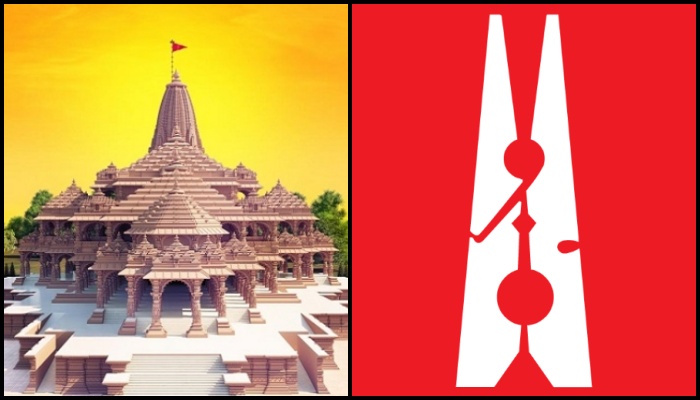
One such individual is Newslaundry columnist and serial propaganda peddler, Jas Oberoi, who did not shy away from moralising a social media user named Sheetal Mishra on the tragic demise of her father. Oberoi, an avowed left-leaning columnist, who had, time and again, expressed his unmitigated contempt for the aspirations of millions of Hindus who want to see a magnificent Ram Temple in Ayodhya, went so far as to create a collage of tweets demonstrating Ms Mishra’s unwavering demand for building a Ram Temple in Ayodhya.
Sheetal Mishra had posted a heart-rending tweet on September 9, stating that she lost her father to the abject health care system in the country which forced her brother to run pillar to post across Bhubaneswar for getting an ambulance to shift their father to a hospital. Ms Mishra implied that the delay in getting her father admitted to a hospital cost them his life.
However, the saddening death of Ms Mishra’s father was seen as an opportunity by Oberoi to peddle his grouse against the social media user. For Oberoi, demanding the construction of arguably the holiest site for Hindus, which was demolished by marauding Mughals in the 16th century, was akin to “spreading bigotry”. He took to Twitter, dredging up old tweets by Ms Mishra and sermoning her on her father’s death that the incident might serve as a lesson to her and she would do better things than “spreading bigotry”.
In fact, Oberoi posted a subsequent tweet sharing an image of Ms Mishra’s recent tweet in which she is seen pledging her life for the construction of the Ram Temple. Oberoi derisively commented, “some people don’t change I guess”.
Jas Oberoi rattled by the Supreme Court’s verdict in favour of Hindus in the Ayodhya dispute
The construction of Ram Temple has been a persistent thorn in the side of Jas Oberoi. Ever since the Supreme Court of India sanctioned the construction of Ram Mandir, in its landmark judgment last year, Oberoi has been thoroughly rattled by the top court’s verdict.
Oberoi was so vexed by the judgment that he couldn’t stop himself from sharing a preposterous article published on the leftist online rag ‘The Wire’, claiming Sikhs were furious with the Ayodhya judgment. He had also once referred to a VHP meet for the temple as “Hindu terrorist recruitment drive”.
Why Sikhs Are Angry With the Ayodhya Judgment :
1. Supreme Court called Sikhism a cult
2. They got a nobody on the stage & made him say that Guru Nanak was a Ram Bhakt & went to Ayodhya on a pilgrimage in 1500’s to visit Ram Janambhoomi
Jas Oberoi, a bigot who liberally shares fake news to support his propaganda
While Oberoi goes around social media, dishing out certificates of “bigotry” to others, his own past record suggests that he is a rank bigot. In 2017, Jas Oberoi exhibited an egregious display of bigotry when asked the BJP spokesperson Tajinder Singh Bagga to give up Sikhism for merely expressing his support for a Hindu festival.
In 2017, he had displayed his bigotry in all its glory, by trying to pass off a 2016 video of Prime Minister Narendra Modi meeting Sayed Fakhar Kazmi Chisty of Ajmer Sharif, as a new video. Not only that, he had said that this was Modi’s attempt to appease the Muslim minority in Gujarat which was about to go to polls at that time.
Propagandists like Jas Oberoi have also never shied away from peddling fake news or bothering to check the veracity of news being peddled in the social media if it aligns with his agenda. Jas Oberoi had lied blatantly when he had asserted that the press conference held by Judge Loya’s son to implore journalists and activists to leave his family alone, was organised by Amit Shah, the President of BJP.
When the promo of Netflix movie ‘Cuties’ was released, it was condemned, criticised widely all over the world for the gross, perverse sexualisation of children it depicted. Though there were outrages on social media, there were also certain voices that asked people to be patient and at least watch what it was about.
The promo showed an 11-year old little girl experiencing oppression and finding joy in dancing, not any kind of dancing, but twerking. The so-called dance form where women gyrate, make overt sexual gestures. There is a very little ‘dance’ and too much bum-shaking, chest jerking, and other sexually suggestive gestures.
Surprisingly, The Left defended ‘Cuties’. They said that it is about freedom, childhood experiences and a girl’s reaction to her oppressive surroundings. Netflix had even gone to the extent of saying that they believe in creative freedom and refused to comment on whether they support pedophilia or not.
Netflix’s reply to a customer asking whether they support pedophilia
‘Cuties’: Is much more than just gross perversion and sexualisation of children
The movie has finally released and it has been streaming since September 9. It is a translated version of French filmmaker Maïmouna Doucouré’s movie ‘Mignonnes’ which had won an award at the Sundance.
The movie is about a Senegalese Muslim immigrant girl named Aminata living in a cheap housing project in Paris with other members of her community. The 11-year-old Ami is shown as a victim of patriarchy, oppression and societal pressure. Trapped between her Senegalese roots and Islamic family that wants her to cover her head, work in the kitchen and become everything that her mother wants her to be, and the Quran asks her to be, Ami is enthralled when she sees young girls her age dancing, putting on make up, and being the free-spirited ‘mean-girls’, the ultra-cool ‘Cuties’ of the school.
Ami manages to join the dance group and introduces the ‘twerking’ style. The gang explores their ‘sexuality’, tries to peek into male lavatories and even pretend to be much older, to be able to sex chat with boys. The ‘twerking’ becomes their signature, allowing them to experience joy and confidence. Meanwhile, Ami struggles with the pain, humiliation and trauma of her family life.
Cuties doesn’t just normalise child sexualisation, it ‘demonstrates’ why we should be OK with it
I have mentioned above that the movie is worse than just child sexualisation and perversion. The movie is a classic leftist mind-trap. It wants us to renounce our morales, our natural instincts to protect our children and everything we hold sacred. It literally builds a case for paedophilia, child sexualisation and perversion.
It uses guilt-trips to achieve that goal. The movie is replete with imagery, scenes and tropes that depict what all is wrong with the world. How little girls are forced, oppressed by ‘patriarchy’ and are expected to behave like ‘women’ from a tender age. By using strategically placed visual arguments, like the ‘patriarchal’ great-aunt telling Ami that she is a woman now as she has had her first periods and she should behave accordingly.
‘Cuties’ review by Angie Han in Mashable
It shows Ami’s family making her doing things ‘like a woman’, such as putting her baby sibling to sleep, carrying groceries, taking care of her little brother, cooking etc. It then very cleverly puts the scene where Ami is trying to ‘prove’ to others that she is not a child anymore. She is a woman (because everyone tells her so) and how does she do it? She learns to thrust her hips because all women have “nice hips”. She posts a picture of her vagina online because she has been called a child on social media after her ‘bum’ with ‘little girl panties’ got displayed on social media during a fight.
Like an expert lawyer arguing a case, the movie uses these situations to ask the audience to ‘judge’ whether twerking and sexualising and other disgusting things that they have shown are wrong. Classic leftist mind-trap.
The leftist propaganda is so intense that they don’t even register that a developed, progressive city like Paris, a good school and a free environment could have presented much, much more to a child facing identity issues at that age. There are no teachers who help, there are no smart, independent women lawyers, accountants or college students who do the millions of other things and pursue thousands of other interests that young persons do.
The movie imposes an idea that thrusting hips and shaking non-existent breasts are the only path to liberation for little girls oppressed with ‘patriarchy’.
Twerking is the weapon against ‘patriarchy’, as per the movie
There are elaborate song sequences where the camera focuses on the private parts of the 11-year-old little girls. They are shown wearing very tight shorts and tank tops that make it difficult for them to walk. There are situations where they are shown trying to stalk and click ‘dick pics’ of much older boys, indulge in sex chatting under false identities and all of this is shown along with other things that little girls do, like jumping on beds, pillow fights and giggling.
Like I said before, it builds a case, it ‘visually argues’ those little girls slapping their vaginas, thrusting their hips and dry-humping on the dance floor are as ‘normal’ as other things little girls do.
Worse of it all, ‘Cuties’ portrays all the perverse sexualisation, paedophilic scenes and blatant exploitation of the bodies of children as a path to ‘liberation’, as a rebellion against the ‘patriarchal world’ and shamelessly justifies it. In a horrifying scene, the 11-year-old girl, when confronted by her adult cousin for stealing his mobile phone and lying about it, attempts to ‘convince’ him and let her keep the phone by trying to ‘seduce’ him, by moving her body like a sensual dancer and slowly stripping.
Cuties even tries to ‘cover up’ the perversion of the movie makers
All the scenes of gross, evil sexualisation pale in comparison in front of the sheer shrewdness of the plot. It slowly builds the narrative that the Ami is traumatised because she doesn’t ‘fit in’ at school and her Muslim father is bringing another wife. Like most leftist defences and glorification of anti-social behaviour, the movie gradually, very cleverly tries to ‘groom’ the viewers’ mind that Ami is doing what she is doing because she is traumatised and we should not judge the vulgar scenes in a negative way.
It forces scenes of kleptomania, where Ami steals mobile phone, money, accessories and learns to lie, deceive her mother. It tries to force-feed the viewers the notion that 11-year-olds twerking, gyrating their hips and slapping their vaginas while licking their fingers is their style of going through a ‘phase’.
The movie works its tools of visualisation as weapons, to try and submit the viewers’ minds that they should never think about pedophilia as a bad or negative thing. It attempts to portray that children are ‘naturally’ inclined to behave in a sexual manner and it should be welcomed, like other ‘cute’ things children do. Where have we heard that before? Yes, the left always does that.
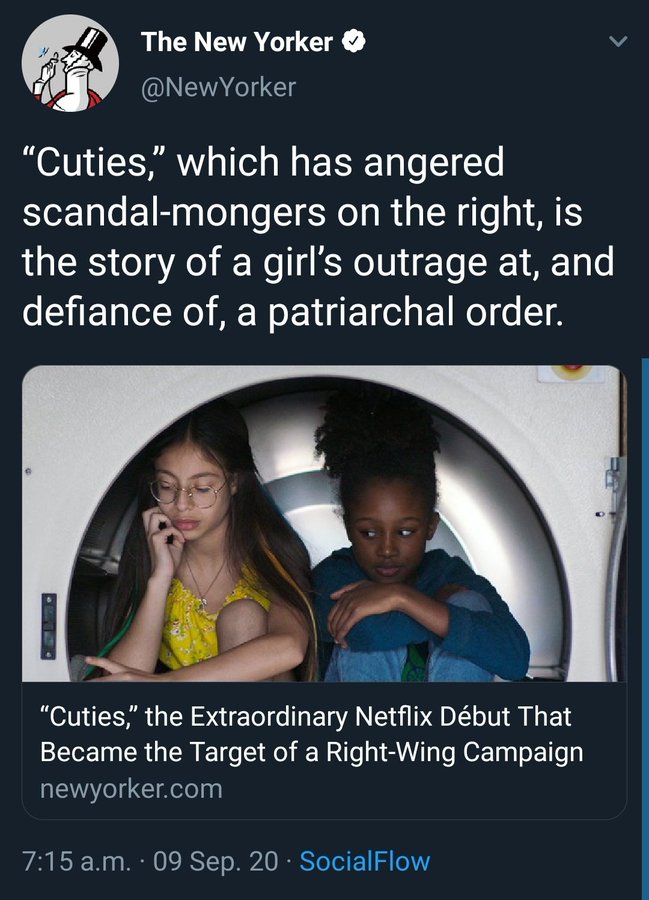
Deleted tweet by New Yorker, via Laura Cohen
It is not even surprising that The Left is trying to defend, praise and hail the movie as a work of art. Yes, for the Left, sexualisation of children is art. Making little girls dance like strippers is a way to challenge ‘patriarchy’, making 11-year-olds the objects of lust, by falsely claiming that they are trying to fit in or just doing what the society expects them to do, is The Left’s idea of freedom and feminism. Given their way, the Left will have children openly exploited to satisfy the perversions of paedophiles and will still manage to brand and pass it off as ‘normal’. They are very close to achieving that goal.
Netflix’s ‘Cuties’ is paedophilia and child pornography painted and sold as artistic expression. It is a dark, desolate dungeon disguised as sunny fields. It is a mind-trap designed to make people believe that paedophilia is OK and should be accepted, even celebrated. ‘Cuties’ is revolting.
On 9th September, the Ministry of Information and Broadcasting gave the nod to broadcast their programme named ‘Bindass Bol’ on the subject ‘UPSC-Jihad’ on Sudarshan News, after the broadcast was stayed by Delhi High Court. The court order came after some students of the of Jamia Millia Islamia University had filed a petition alleging that the programme could incite hatred against Muslims.
The Delhi High Court had issued the stay order without the presence of the channel’s representative, and the channel had received the stay order just 7 minutes before the scheduled broadcast on 28th August. Petitions against the show were also sent to the Information and Broadcasting ministry regarding the show, the ministry had sent a letter to the channel on 28th August asking for the clarification about the yet to be aired show.
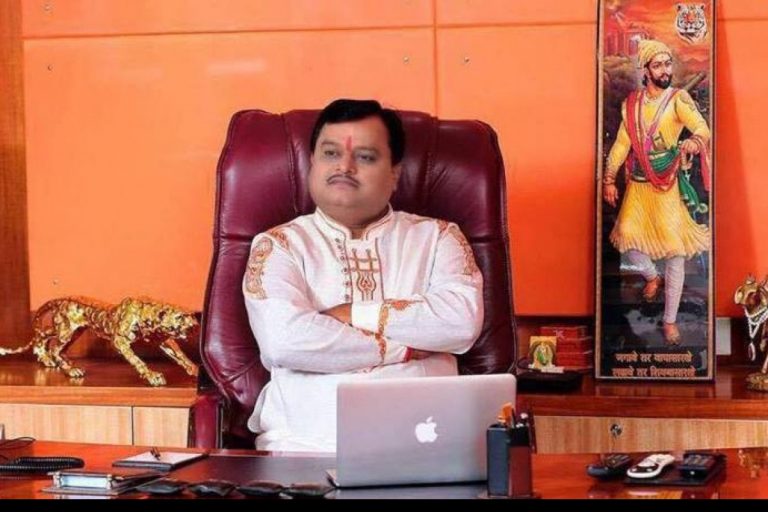
Responding to the letter, the Chief Editor Suresh Chavhanke had sent a letter to the Ministry explaining the channel’s position. He underlined four crucial points, ranging from the limitations of IB Ministry, censorship and his firm resolve to stand by constitutional principles and to protect the country’s institutions. Here is what Suresh Chavhanke had written to the I&B ministry.
Suresh Chavhanke responds to IB Ministry
In his letter to the Ministry of Information and Broadcasting, Suresh Chavhanke wrote:
“You have received lacs of fake complaints against us in last 15 years but none of them could prove us guilty… Those who file such frivolous complaints have a long history… Take strict action against them for wasting your time, our time and for trying to tarnish the image of a 15-year old reliable news media organisation (Sudarshan News) “
“You had asked us about our promos on social media but this does not fall in the domain of your Ministry. We don’t know what has been sent to you. We stand by our promo… There are no unconstitutional or objectionable words in that promo.”
“You had asked for a clarification on what we are about to broadcast on our channel on August 28 at 8 pm. Is there a precedent of such an explanation to the Ministry, prior to broadcasting? Let us know about any such precedence. As per our knowledge, we are within our right to broadcast our programme and action can only be taken on constitutional parameters only after the airing of the show. Please refrain from asking the script in advance.”
“We assure you that our show will not violate any law and is dedicated to the cause of protecting the institutions of the country. Please do not start the tradition of pre-censorship or let other institutions from doing such a thing. For the first time in the history of India, the broadcasting of a news show has been stopped by the Judiciary. We are grateful that the IB Ministry will protect our constitutional rights.”
“Under the leadership of Shri Narendra Modi, the government has shown a liberal, positive, and co-operative outlook towards the media. We are hopeful that the government will not indulge in censorship on the basis of fake complaints. Our motto is to make the country No.1 along with the news channel. We stand by this philosophy. Hoping for cooperation from the Ministry. Jai Hind “
Sudarshan News issues a statement
In a statement, the Sudarshan TV has stated that the ministry has refused to ban their special ‘Bindas Bol’ programme on so-called ‘UPSC Jihad’ and has acknowledged that no programme can be banned before its broadcast. It added that the ministry, citing the cable Act, 1994, stated that the law prohibits stay on a programme before its broadcast. It said that on the channel’s appeal against the stay order, the court had sought the MIB’s reply within 48 hours.
The channel cited the MIB order as a victory for freedom of speech and stated that certain radical elements fro Jamia Millia have a plan to infiltrate into the nation’s bureaucracy through the UPSC. It also added that the programme will reveal the names of the radical organisations involved, and the countries which are funding their plan. It said that they will also expose how Islamist organisations from all over India are helping the radical elements to achieve their goal.
Ban on the broadcast of ‘UPSC Jihad’
The broadcast of the programme was earlier stayed by an order of the Delhi High Court. The order was passed on the petition of some students of Jamia Millia Islamia University in which it was alleged that the programme could incite hatred against Muslims. The Chief Editor of Sudarshan News, Suresh Chavhanke, had earlier denied that having received the stay order of the High Court. He had also said that the proceedings in the court were conducted ex parte.
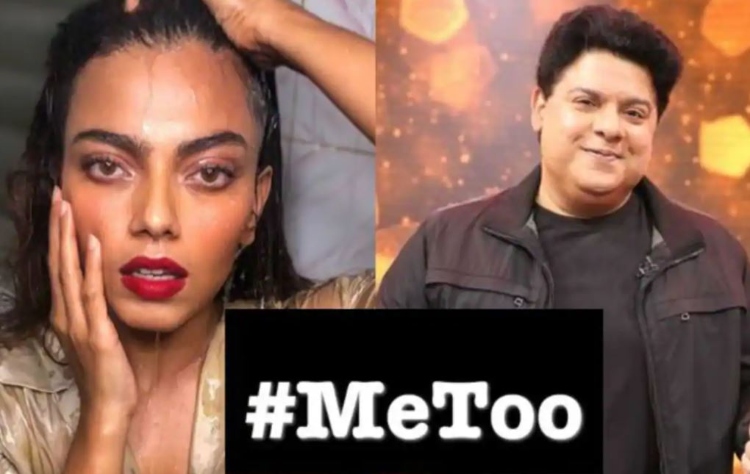
Sajid Khan’s name has surfaced yet again, with the Indian model, Paula, accusing the Housefull director of sexually predatory behaviour. Taking to Instagram, the actor said that Sajid Khan tried to sexually exploit her when she was just 17, at the pretence of getting her a role in Housefull.
Sajid Khan spoke dirty and tried to touch her. He asked her to strip in front of him to get a role in Housefull, the model confessed Wednesday, in her Instagram post captioned: “Before democracy dies and there is no freedom of speech anymore I thought I should speak!”.
The model wrote that she wanted to share her ordeal back in 2018 when the MeToo movement had caught momentum and grave charges of MeToo had surfaced against Sajid Khan. In her long social media post, the model, however, said that she couldn’t dare to speak against the director back then because she was new to the industry and wanted to earn for her family. But now, that her family is not with her, she thought of opening up before it’s too late.
The post read: “When #MeToo movement started, a lot of people spoke about Sajid Khan but I did not dare to because like every other actor who has no godfather and had to earn for a family I kept quiet. Now I don’t have my parents with me. I’m earning for myself. I can dare to tell that I have been harassed by Sajid Khan at the age of 17 (sic).”
A post shared by Dimple paul (@paulaa__official) on
Paula added: “He spoke dirty to me. He tried to touch me. He even told me to strip in front of him just to get a role in his upcoming Housefull movie (sic).”
“God knows with how many girls he has done this. I am coming out now not for ant pity party. It’s just that I realised that had affected me so bad when I was a child and chose not to speak. But it’s high time no? These Bastards should be behind bars not only for casting couch but also for manipulating and for stealing away your dreams. But I did not stop!! But the wrong I did was not to speak about it!” said the model.
Sajid Khan- a repeat offender
Director Sajid Khan is not new to these accusations. In 2018, at least 3 women had come out and accused the Housefull director sexually harassing and preying on them. A freelance Bollywood journalist had taken to Twitter to narrate her ordeal.
In fact, ace tennis player, Mahesh Bhupati had also come forward to give his take on the sexual harassment allegations levelled against filmmaker Sajid Khan. In an interview, Bhupati had revealed that his actor wife Lara Dutta had complained to him that her co-star was being subjected to “rude, vulgar” behaviour on the sets of Housefull by director Sajid Khan.
Actor Akshay Kumar had also announced on Twitter then that he was cancelling the shooting for the movie Housefull 4 after sexual harassment allegations surfaced against director Sajid Khan. Sajid’s sister, Farah Khan, actor-director Farhan Akhtar, had then castigated the director for his conduct. Following the allegations, the director was in December 2018, suspended for one year by Indian Film & Television Directors’ Association (IFTDA).
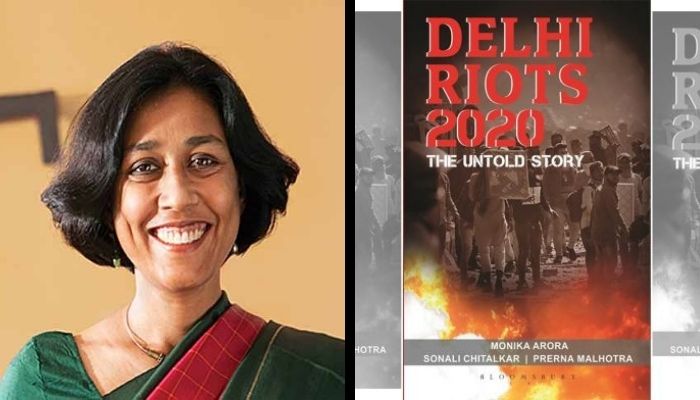
Days after ‘Professor’ Nandini Sundar served a ‘cease and desist’ notice to Garuda Prakashan against the publishing of the highly anticipated book, ‘Delhi Riots 2020: The Untold Story,’ the publication has responded to the notice. It is pertinent to note that Nandini Sundar is also the wife of The Wire founding-editor Siddharth Varadarajan.
In a tweet, Garuda Prakashan wrote, “Garuda Prakashan has a vision of bringing fact-based authentic content fearlessly. We will continue to do so, no matter how many challenges we have to face.”
Garuda Prakashan has a vision of bringing fact-based authentic content fearlessly. We will continue to do so, no matter how many challenges we have to face.
Garuda Prakashan slams anti-Hindu lobby, reiterates its commitment to bring truth to light
Speaking on the development, founder Sankrant Sanu accused the strong and powerful lobby of demonising the Hindus by peddling a one-sided story. Taking to Twitter, he stated, “The ecosystem is powerful, with worldwide connections, funding. Practically all major media worldwide, publishing, continues to push a one-sided story which demonizes Hindus. And even in India, these forces are so strong.”
He further inquired, “There are powerful forces trying hard to block the release of Delhi Riots 2020. Why are the facts it reveals so challenging for them?”
The ecosystem is powerful, with worldwide connections, funding. Practically all major media worldwide, publishing, continues to push a one-sided story which demonizes Hindus.
‘Cease and desist notice has no legal basis’, argues Garuda Prakashan founders
Despite the fact that not a single copy of the book has yet been released, Sanu questioned, “What is the basis on which a cease and desist notice is being sent? Clearly the aim is harassment and intimidation of a small publisher.” He added that the publication owes it to its readers who are eagerly waiting to get a first-hand copy of the book.
Highlighting the same issue, co-founder Ankur Pathak said that the ‘baseless notice’ is meant to threaten a young publisher and its founders. Since there is absolutely no legal basis for a notice on a book which is not even released, it is a deliberate attempt to impede the publishing of the book via intimidation,” he emphasised.
Ankur reiterated that it is an unethical attempt to suppress diverse voices. He clarified, ‘If you disagree with a book, you can bring forth another book in response, another argument, but you cannot curtail the voices of others in a democratic country.”
Authors of Delhi Riots 2020 book file legal notice for intellectual theft
On September 3, author and lawyer Monika Arora filed a criminal complaint against Bloomsbury India, Islamist Aatish Taseer, William Dalrymple, Arfa Khanum Sherwani, Nandini Sundar and the Quint for hatching a criminal conspiracy to threaten, harm the reputation of the Delhi Riots book and the authors, besides copyright theft.
Earlier, a manuscript of the book was doing the rounds on WhatsApp. Several netizens raised questions as to how the entire manuscript was illegally released and was being circulated freely. A perusal of the manuscript indicated that it was the copy that was with Bloomsbury and was being freely and illegally circulated on WhatsApp. The second page of the manuscript clearly said that it was a copy that was being published by Bloomsbury.
The book, which is a factual account based on investigation and interviews conducted by the authors, was scheduled to be published by Bloomsbury in September. 100 copies of the book were printed and handed over to the authors, and it was available for pre-order on Amazon. However, following the outrage by Islamists and left-liberal jamaat on social media, Bloomsbury issued a statement announcing the withdrawal of the book.
The backslash from the Islamists came as a blessing in disguise for the book, as people rushed to place orders for the book just after it was announced that Garuda Prakashan will publish it. Due to overwhelming demand, the server of the publication house had crashed, and publishers had to make alternate arrangements for receiving orders. Within a week, the book had crossed 30,000 pre-orders.
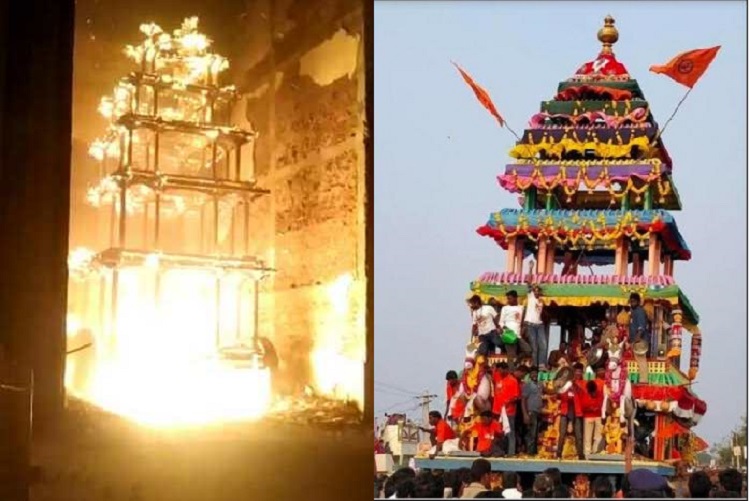
The century-old wooden chariot of the Lakshmi Narasimha Swamy temple at Antarvedi in East Godavari district, Andhra Pradesh, was destroyed in a fire on Sunday.
According to the reports, some miscreants had set fire to the holy chariot on Sunday that was parked outside the temple premises. The temple is located near the confluence point of Vasista Godavari, a branch of river Godavari, with the Bay of Bengal.
The chariot, which was kept under a shed was gutted completely after miscreants had reportedly set fire to it. The chariot made of teak wood used to carry the main deity during the annual Kalyanotsav celebrated in April.
“At least two persons, believed to be involved in the destruction of the chariot by setting fire to it, have been taken into custody for the investigation by the police,” Assistant Commissioner K Prasad said.
Widespread protests by Hindu groups
The fire has now sparked widespread condemnations across the state as opposition parties and Hindu organisations have staged a protest agaibst the YSR Congress-led government.
Following the incident, the leaders of Vishwa Hindu Parishad (VHP) and Jana Sena Party have demanded the suspension of the temple executive officer and called for strict action against the culprits. The Hindu activists have also alleged that there was a conspiracy behind the burning of the temple chariot.
The protestors also gheraoed and raised slogans against Andhra Pradesh Endowments Minister Vellampalli Srinivas and others senior ministers P Viswaroop and Chelluboina Venugopala Krishna, who had visited the spot to carry out an inspection to the incident.
Several religious personalities such as Kamalananda Bharati, Dr CS Rangarajan of Chilkur Balaji temple in Hyderabad have condemned the incident.
The Hindu seers and the activists accused the government of providing lame excuses whenever a Hindu worship place was attacked.
Dr Rangarajan said that last time, when the chariot was similarly targetted in Nellore district, the police had said that some mentally unstable persons were responsible it and now they are saying short-circuit as the reason. There is an organised attempt to attack Hindu temples in Andhra Pradesh and Tamil Nadu, he added.
Andhra Pradesh government orders CBI, to rebuild the chariot gutted in the fire
Following the widespread protest, Andhra Pradesh Chief Minister Jagan Mohan Reddy has decided to hand over the investigation to the Central Bureau of Investigation (CBI).
According to a statement released by the government, Andhra Pradesh CM Jagan Reddy has taken the issue seriously and has instructed the DGP to hand over the case to the CBI.
Meanwhile, the state government has placed the temple executive officer under suspension over the incident and also constituted an inquiry committee headed by the Endowments Additional Commissioner.
The Endowment department has also decided to build a new chariot spending Rs 84 lakh. The chariot was also insured by the department for that amount. The Minister also added that the new wooden chariot will be built on a war-footing for the annual Kalyanotsavam.
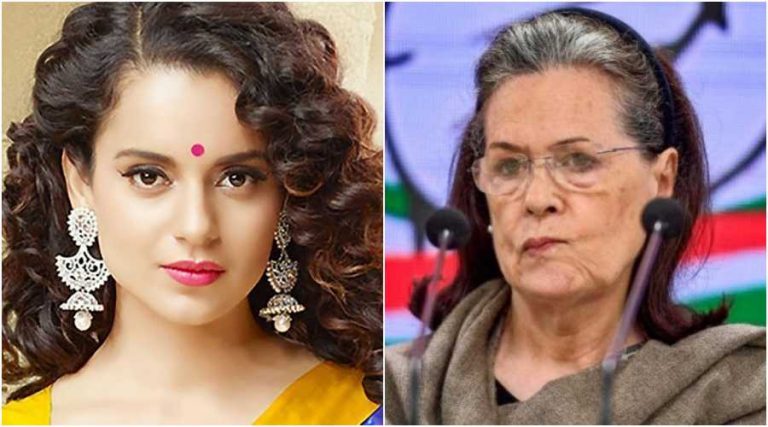
Actress Kangana Ranaut has been facing constant threats, derogatory attacks and harassment from the Uddhav Thackeray-led Maharashtra government. On September 9, the Shiv Sena forces even demolished her property worth crores, within just 24 hours of a ‘stop work’ notice and at a time when such demolition activities have been prohibited by a High Court order.
The bold actress, who has been very vocal and critical about the Maharashtra government’s alleged laxity in conducting a thorough investigation into actor’s Sushant Singh Rajput’s suspicious death and the Mumbai Police’s misplaced priorities, has now asked Congress president Sonia Gandhi to address the issue and break her silence on the MVA government’s harassment of a woman and the ‘mockery of law and order’.
Kangana first shared a tweet stating that Shiv Sena’s founder Balasaheb Thackeray had said that after he is gone, his party will lose its purpose and may even form an alliance with the Congress.
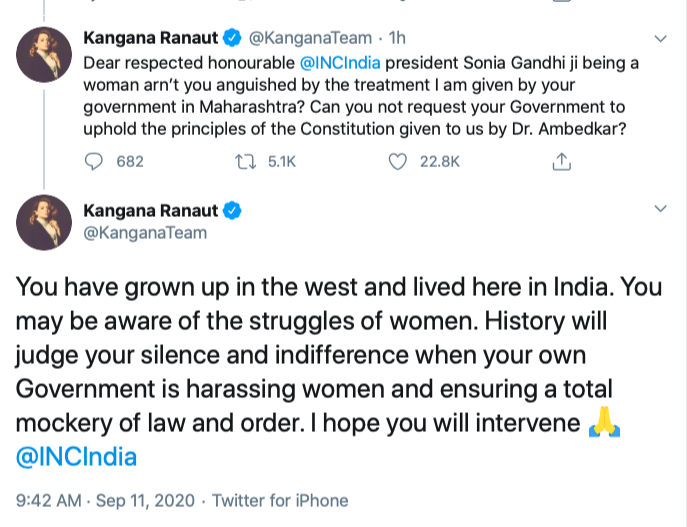
Kangana then asked Sonia Gandhi whether she is not anguished by how the government where Congress is a part of is treating a woman in Maharashtra. She asked Sonia to uphold the principles given by the constitution of Babasaheb Ambedkar.
Kangana’s tweet to Sonia
Kangana asks Sonia to break her silence
In another tweet, Kangana stated that Since Sonia Gandhi has grown up in the west and has lived in India, she must be aware of the struggles a woman faces. “History will judge your silence and indifference when your own government is harassing women and ensuring a total mockery of law and order,” Kangana wrote.
Ranaut then added that she hopes Sonia Gandhi will intervene on the issue and address how a government the Congress is a part of is behaving in Maharashtra.
Kangana’s family has been in Congress
Yesterday, Kangana Ranaut’s mother had thanked home minister Amit Shah to take cognisance of the threats to Kangana’s safety and provide Y-category security for her. She had stated that her family has been in Congress for generations, yet the BJP government ensured the safety of Kangana.
BMC’s demolition of Kangana’s property
The Maharashtra government is facing a lot of criticism after the BMC razed Kangana’s property within 24 hours of a notice, in her absence and at a time such actions have been prohibited. The property was razed with bulldozers and even the furniture and furnishings were destroyed.
The Uddhav Thackeray-led government is hell bent on harassing Kangana. Sanjay Raut had used derogatory words for the actress. Then Home Minister Anil Deshmukh had stated that she has no right to live in Mumbai. Sena MLA Pratap Sarnaik had stated that Kangana’s mouth will be broken if she sets foot in the state.
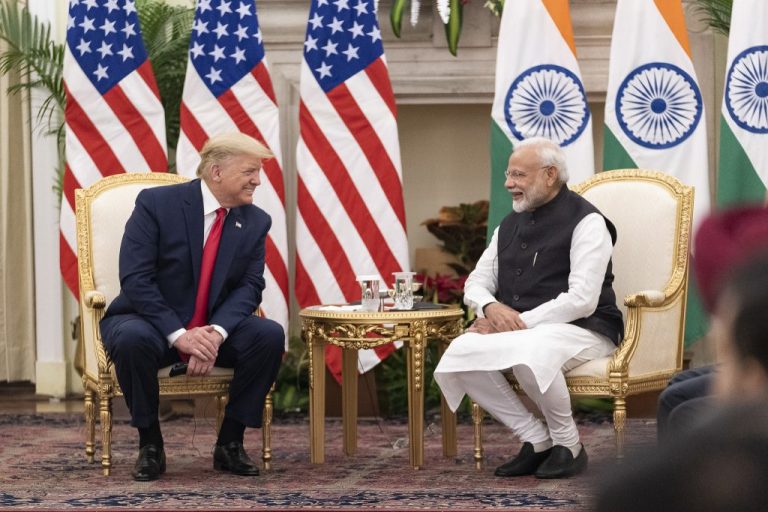
On Sunday, the Indian and United States governments released a joint statement, following the 17th meeting of the US-India Counter-Terrorism Joint Working Group and 3rd Session of the US-India Designations Dialogue. The high-level meeting between Mahaveer Singhvi, Joint Secretary (Counterterrorism) of Ministry of External Affairs, and Ambassador Nathan A Sales of the US State Department (Counterterrorism) was held on September 9-10 via video conferencing.
During the meeting, the Indian and US government highlighted the threats posed by radical Islamist terror outfits such as ISIS/Daesh, Lashkar e-Tayyiba (LeT), Jaish-e-Mohammad (JeM), al-Qa’ida, Hizb-ul Mujahideen etc and also reiterated the need for ‘concerted action’ against the said terror organisations. They condemned the use of terror proxies, cross-border-terrorism and exchanged crucial information about procedures to impose sanctions against terror outfits and designated terrorists.
US supports India, calls upon Pakistan to take action against terrorists
“The two sides underlined the urgent need for Pakistan to take immediate, sustained, and irreversible action to ensure that no territory under its control is used for terrorist attacks, and to expeditiously bring to justice the perpetrators of such attacks, including 26/11 Mumbai and Pathankot attacks. The US reiterated its support for the people and government of India in the fight against terrorism,” the statement read. During the meeting, the Indian and US governments reiterated the need for strengthening co-operation on ‘information sharing’ to impose international travel restrictions on terrorists, as per the United Nations Security Council Resolution 2396.
US-India discuss the need for strengthening counter-terrorism cooperation
The joint statement further added, “Participants also highlighted their efforts to address some of the world’s most pressing counter-terrorism challenges, including countering the financing and operations of terrorist organizations, countering radicalization and terrorist use of the internet, cross-border movement of terrorists and prosecuting, rehabilitating, and reintegrating returning terrorist fighters and family members. The two sides discussed mutual legal and extradition assistance, bilateral law enforcement training, and cooperation.
‘Pakistan yet to take concrete action against terror groups,’ says US State Dept
Pakistan continues to serve as a safe haven for certain regionally-focused terrorist groups. The US State Department’s Pakistan report on Terrorism 2019 said that it allowed groups targeting Afghanistan, including the Afghan Taliban and affiliated HQN, as well as groups targeting India, including LeT and its affiliated front organizations, and JeM, to operate from its territory. The report added that Pakistan is yet to concrete action against India and Afghanistan-focused terror groups that aimed to undermine the operational capabilities of the two countries.
“While Pakistani authorities indicted LeT co-founder Hafiz Saeed and 12 of his associates on December 11, they have made no effort to use domestic authorities to prosecute other terrorist leaders such as JeM founder Masood Azhar and Sajid Mir, the mastermind of LeT’s 2008 Mumbai attacks, both of whom are widely believed to reside in Pakistan under the protection of the state, despite government denials,” the report said.