Home Blog Page 530

‘Why was bail denied in one case when it’s granted in 9 similar cases?’ SC asks police over Delhi riots accused Tahir Hussain’s imprisonment

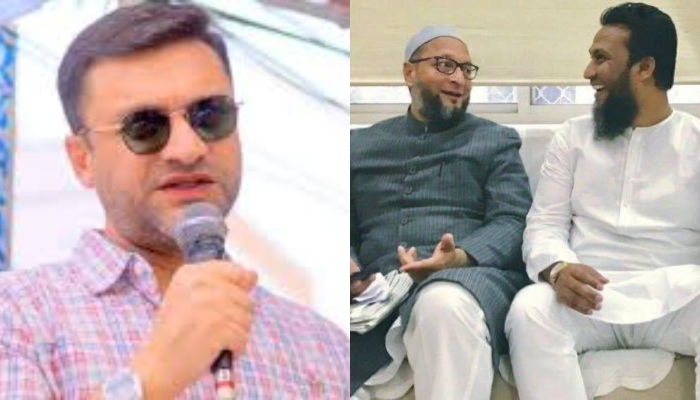
The Supreme Court on Tuesday questioned the Delhi Police on why former AAP councillor Tahir Hussain was denied bail in one Delhi riots case despite being granted bail in nine similar cases. Justices Pankaj Mithal and Ahsanuddin Amanullah asked the prosecution to explain why interim or regular bail should not be granted.

On 14th January, the Delhi Police opposed the interim bail plea of Tahir Hussain, former Aam Aadmi Party councillor and key accused in the anti-Hindu Delhi riots of 2020, in the Delhi High Court. Hussain has sought interim bail in the Ankit Sharma murder case to contest the upcoming Delhi Assembly elections as an AIMIM candidate. The Delhi High Court, however, allowed custody parole for filing nomination papers.

This comes a day after the Supreme Court noted that persons like Tahir Hussain should be barred from contesting elections.

Hussain is accused in the case involving the death of IB officer Ankit Sharma, who was killed during the February 2020 Delhi riots. He has been in judicial custody since March 16, 2020. Seeking interim bail from January 14 to February 9, Hussain petitioned the Delhi High Court to allow him to contest the Delhi Assembly elections from Mustafabad as an AIMIM candidate, citing the need for his physical presence for nomination and campaigning.

Despite securing bail in nine other riot-related cases, he remains without bail in this case. The Delhi High Court denied interim bail but granted custody parole for filing nomination papers under strict conditions, including restricted communication. Dissatisfied, Hussain approached the Supreme Court for interim bail.

During the Supreme Court hearing, Hussain’s lawyer argued that the other main accused had been granted bail after three years in custody. The Court questioned the need for interim bail instead of regular bail. The prosecution sought more time, and the Court scheduled the next hearing for the following day.


RG Kar Medical College rape and murder case: Accused Sanjay Roy gets life imprisonment, read what the judgment says

On 18 January 2025, the Sessions Court in Kolkata sentenced Sanjay Roy, accused of raping and murdering a postgraduate trainee at RG Kar Medical College and Hospital, to life imprisonment. The incident, which took place on the intervening night of 8 and 9 August, shook the nation with outrage. Roy, a civic volunteer, was convicted under Sections 64, 66, and 103(1) of the Bharatiya Nayay Sanhita (BNS). The heinous crime was committed while the victim was on duty, leading to widespread protests demanding justice and stringent action against those responsible. The role of the West Bengal government and Kolkata Police also came under scrutiny. OpIndia accessed detailed judment pronounced by Justice Anirban Das in the case.

The brutal rape and murder of the postgraduate trainee doctor

According to the details available in the judgment, on 8 August 2024, the victim, a postgraduate trainee in the Chest Medicine Department of RG Kar Medical College and Hospital, began her 36-hour duty, which included both outpatient services and a night shift. At around 11:15 PM, she spoke to her mother. This was the last time she had a conversation with her family. Following that call, all calls from the family went unanswered the next morning.

At 10:53 AM on 9 August, the victim’s father received a call from the Assistant Superintendent of the hospital, who requested him to come to the hospital immediately. She informed the victim’s father that her health was deteriorating but did not provide specifics. Despite repeated requests for details, the caller claimed she was not a doctor and therefore unable to provide further information. Shortly after, the victim’s father received another call informing him that the victim had possibly attempted suicide. The family was left in shock and uncertainty.

In less than 90 minutes, the family reached the hospital at around 12:15 PM. They were escorted to the third floor of the Chest Medicine Department near the seminar room. When they tried to enter the crime scene, police personnel present barred their entry, claiming that the situation inside the seminar room was under investigation. The scene was overwhelming for the family, and the victim’s father observed a flurry of activity, with medical staff and security personnel restricting access to critical areas.

The lifeless body of the victim was laid on a mattress inside the seminar room. Her upper body was partially covered by a green hospital bedsheet, while her jeans and undergarments were placed nearby. There were bloodstains and visible injury marks on her face, lips, and shoulders. Her hair lay scattered across the mattress. Personal items belonging to the victim, including her laptop and mobile phone, were also found near her.

As the day progressed, tensions escalated in the hospital. Junior doctors demanded a judicial inquiry and insisted that the victim’s post-mortem be videographed to ensure transparency. Protests also erupted within the hospital premises, amplifying pressure on the administration. A formal complaint was filed by the victim’s father at Tala Police Station later that evening. The father accused the hospital authorities and staff of negligence.

By that time, the role of the police and local administration had come under scrutiny, as the victim’s body was transported to the crematorium in what the family described as an unusual rush, bypassing other queued cremations. The hastiness further fuelled suspicions of foul play among the family members and concerned colleagues of the victim. The events of that fateful day left the family and the public in anguish, with many demanding accountability and justice for the young doctor. By night, the case had caught the nation’s attention via media.

As per the father, that night, DC North came to his residence and handed over him a packet of cash. However, the father did not accept it. Chief Minister Mamata Banerjee also visited his house after cremation and offered him compensation which he refused to accept.

How the victim’s body was discovered

The victim’s body was discovered on the morning of 9th August 2024 by Dr Arko Sen, a first-year Postgraduate Trainee (PGT) in the Chest Medicine Department at R.G. Kar Medical College and Hospital. During his rounds, Dr. Sen noticed the door to the seminar room on the third floor slightly ajar. Concerned by the unusual state of the room, he entered to check and found the victim lying motionless on a mattress.

The victim was partially clothed, with visible injuries on her face, chest, and shoulders. Her hair was scattered, and blood stains were noticeable, immediately suggesting foul play. Shocked by the scene, Dr. Sen quickly informed his colleagues and senior hospital staff. The judgment read, “He alone entered the said Seminar Room and had seen the victim in naked position (lower portion) and the upper portion kurti was also moved upwards and breasts were visible and that he had also noticed some injury marks over her nose.”

The discovery led to a rapid escalation of the situation. The hospital administration was notified, and the police were called to secure the area. The gruesome nature of the scene sparked immediate outrage among hospital staff and junior doctors, who demanded a transparent inquiry and judicial oversight into the handling of the case. Dr Sen was one of the witnesses in the case. The details of how the body was discovered were corroborated by his colleagues Dr Pooja, Dr Priya (victim’s roommate) and others.

They rushed to inform Dr Sumit Roy Tapadar, who accompanied them to the Seminar Room and confirmed that the victim had passed away. Dr Tapadar promptly notified other senior doctors and the principal about the incident. Principal Dr Sandip Ghosh instructed him to send the body to the morgue immediately to avoid any potential issues within the hospital. However, when Dr Tapadar informed the principal that the body could not be sent to the morgue without an investigation by the police, as the authorities had already been notified, the situation became more tense.

Key testimonies from main witnesses

The father of the victim was one of the main witnesses in the case. He provided an emotional account of the events leading up to the discovery of his daughter’s death. He informed the court about receiving a series of distressed calls from the hospital on 9 August 2024. Initially, he was informed about his daughter’s ill health, followed by hints of a suicide attempt.

When the victim’s parents and other family members reached the hospital, they were not allowed to enter the seminar room where his daughter’s body was found. He recounted seeing visible injuries on her face, chest, and shoulders. He said in his statement that blood was oozing from her lips and eyes. He also alleged that the cremation was hurried, raising suspicions of an attempt to suppress evidence.

The second witness in the case was Dr Gulam Azam, a junior colleague of the victim. He confirmed that the victim was on duty in the Chest Medicine Department at the time of the incident. He described her as a diligent professional. Dr Azam mentioned that there was a chaotic environment after her death at the hospital, with medical staff and junior doctors demanding transparency in the inquiry and post-mortem process.

Another witness in the case was Sanjib Mukherjee, a neighbour of the victim’s family. He corroborated the father’s narrative about the rushed cremation. Mukherjee testified that police prevented the parents of the victim from accessing her body and that the cremation bypassed other queued funerals. He also mentioned being present at Tala Police Station to assist the victim’s father in lodging the initial complaint. In fact, Mukherjee was the one who wrote the complaint as narrated by the victim’s father.

Medical witnesses in the case included Dr Sumit Roy Tapadar and others from the hospital. They provided technical insights into the cause of death, highlighting the extent of the injuries and corroborating allegations of foul play. Forensic experts further supported the prosecution’s case by confirming the presence of physical and DNA evidence linking the accused to the crime.

The testimonies of around 50 witnesses in the case collectively painted a grim picture of the incident and established a strong foundation for the prosecution’s case against the accused.

Witness confirmed he went to red-light area with the accused

Sourav Bhattacharyya, was an ex-civic volunteer who provided critical insights into the movements and behaviour of the accused, Sanjay Roy, on the night of the incident. Bhattacharyya testified that he and Sanjay Roy were at R.G. Kar Medical College on the night of 8 August 2024 to address the treatment of his brother, who was admitted to the hospital. He stated that they arrived together on a police department bike around 10:30 PM.

Bhattacharyya further recounted that after leaving the hospital at midnight, the two travelled to the red-light area of Sovabazar, where they consumed alcohol. From there, they proceeded to another red-light area in Chetla, where Bhattacharyya entered a room with a prostitute while Sanjay Roy stayed outside consuming beer. Bhattacharyya testified that when he returned after 20–25 minutes, he found Sanjay Roy still drinking and not engaging with anyone.

Later, both returned to RG Kar Medical College on the same bike, where Roy dropped Bhattacharyya at the Trauma Care Centre. Bhattacharyya also identified himself and Sanjay Roy in CCTV footage presented during the trial, corroborating his account of the movements on that night​

Medical examination and post-mortem findings

The post-mortem examination of the victim was conducted under strict videographic documentation, as demanded by the junior doctors. The post-mortem revealed the extent of the brutal assault on the victim. There were multiple injuries documented on her face, chest, and shoulders. Furthermore, there were signs of strangulation. Forensic evidence included hair samples, bodily fluids, and DNA traces that linked the accused, Sanjay Roy, to the crime.

Dr Sumit Roy Tapadar, the Associate Professor of Respiratory Medicine at RG Kar Medical College, testified in court that the victim sustained severe trauma, with injury patterns consistent with a physical assault. Dr Pali Samadder, the Emergency Medical Officer who initially examined the body, noted visible bruises and abrasions, particularly on the upper torso, suggesting resistance during the attack.

Dr Biswanath Saren, an Assistant Professor in Forensic Medicine at SSKM Hospital, provided a detailed medico-legal analysis. He confirmed that the injuries inflicted were not accidental and were consistent with forceful actions leading to asphyxia. DNA analysis corroborated the involvement of the accused, as biological samples recovered matched his profile.

Additionally, forensic experts, including Dr Soma Roy and Dr Rina Das, confirmed the presence of the accused’s DNA on the victim’s clothing and personal items recovered from the scene. The post-mortem conclusively determined that the cause of death was due to a combination of traumatic injuries and suffocation. The testimonies of the medical experts cemented the prosecution’s claims of sexual assault and murder.

Discovery and forensic link to the Bluetooth device

The recovery of a Bluetooth device found under the mattress in the seminar room played a significant role in establishing the accused’s presence at the crime scene. As per the testimony of forensic experts and investigating officers, the Bluetooth earphone was discovered after the victim’s body was removed from the scene. It was identified during a thorough examination of the seminar room by the forensic team, and its location was corroborated by video footage.

The device, a LUMA Bluetooth earphone, was found to be paired with the mobile phone of the accused, Sanjay Roy. Analysis conducted by the experts revealed that the Bluetooth device was in continuous pairing with Roy’s phone. Metadata retrieved during the examination showed no prior connections with any other device, reinforcing the link between the accused and the recovered earphone. The findings were digitally preserved and presented as evidence during the trial.

The accused denied ownership of the earphone, claiming that his personal Bluetooth device was of a different make. During cross-examination, the defence suggested that the device might have been paired at the police station to implicate Roy. However, no evidence of tampering or misconduct by the investigators was established. The court found the continuous pairing between the earphone and Roy’s phone to be compelling evidence of his presence in the seminar room during the time of the crime.

DNA evidence linking the accused

The forensic analysis conducted by the CFSL revealed crucial DNA evidence directly linking the accused, Sanjay Roy, to the crime. The examination of hair strands recovered from the mattress in the seminar room where the victim’s body was found showed a definitive match. The analysis indicated that the short hair strands matched the DNA profile of the accused, while the long hair strands matched the victim’s DNA.

Further, the DNA profile of the accused was conclusively identified in the nipple swab collected during the post-mortem. This evidence confirmed the physical contact of the accused with the victim. The defence attempted to discredit the findings by suggesting contamination or intentional planting of evidence. However, the court found no credible basis for these claims, as the procedures followed were well-documented and adhered to established protocols

Allegations of police negligence

The role of the police in handling the case came under scrutiny as significant allegations of negligence were raised during the trial. The victim’s father and neighbour told the court about the dismissive attitude of the police personnel at RG Kar Medical College on the day of the incident. They said that despite repeated pleas, the family was denied entry to the seminar room where the victim’s body was discovered, leaving them in the dark about her condition.

The victim’s father also alleged in court that the cremation of his daughter’s body was rushed under police supervision, bypassing procedural norms. He said it raised suspicions of an attempt to suppress evidence. The police reportedly disregarded the family’s request for a second post-mortem, adding to their anguish and sense of injustice.

The victim’s neighbour corroborated these allegations. He described the police as unsympathetic and uncooperative throughout the ordeal. He highlighted how the family was excluded from critical discussions and decisions concerning the victim’s body.

Furthermore, during cross-examination, he revealed that the Officer-in-Charge of Ghola Police Station called him on 11th August 2024, questioning whether the family had accused the police of attempting to bribe them. This call, according to him, implied an effort to manage public perception rather than prioritise the investigation.

The court highlighted significant lapses on the part of both the police and the hospital authority in handling the case. Evidence from SI Subrata Chatterjee revealed that despite receiving information about the unnatural death of the victim around 2 PM on 9th August 2024, the UD case registration was delayed until 11:30 PM. Procedural formalities, including the preparation of the seizure list, were completed late at night, raising concerns about the timeliness and integrity of the investigation.

The role of Rupali Mukherjee, the first investigating officer (IO), came under severe criticism. The court noted that Mukherjee, as the Additional Officer-in-Charge of the Women Grievance Cell, failed to ensure proper evidence collection at the crime scene. Her inability to oversee critical procedures, such as securing the seminar room and promptly collecting forensic evidence, contributed to the delays and procedural gaps in the early stages of the investigation. The court observed that such negligence undermined the trust in law enforcement’s ability to handle sensitive cases.

The hospital authority also faced scrutiny for its handling of the incident. Despite being informed of the rape and murder by junior staff, senior officials, including the then Principal and MSVP, failed to notify the police promptly. The court condemned attempts by hospital authorities to initially frame the incident as a suicide, which delayed the investigation and added to the distress of the victim’s family.

Transfer of the case to the CBI

Initially, the case was investigated by officers at Tala Police Station. Tala Police registered an Unnatural Death (UD) case, later converting it to a criminal case under Sections 64, 66, and 103(1) of the BNS based on the father’s complaint.

As the investigation unfolded, questions arose about the handling of evidence and the hurried cremation of the victim’s body, fuelling suspicions of a cover-up. Amid mounting protests from the victim’s family, medical staff, and the public, the Calcutta High Court intervened. The court recognised the gravity of the incident and stated that there was a need for an impartial investigation, directing the formation of a Special Investigation Team (SIT).

The case was later transferred to the Central Bureau of Investigation (CBI) following public outrage and allegations of procedural lapses by the local police. Dissatisfaction with the SIT’s progress led the court to order the transfer of the case to the CBI on 13 August 2024.

A fresh case was then registered by the CBI. Its team conducted a thorough probe, collecting forensic evidence, recording witness statements, and analysing CCTV footage from the hospital premises. The agency also collaborated with experts from AIIMS, Kalyani, and the Central Forensic Science Laboratory (CFSL) to build a robust case.

Findings of the CBI investigation

During its investigation, the Central Bureau of Investigation (CBI) uncovered a series of critical details that established the guilt of the accused, Sanjay Roy, and the heinous nature of the crime. The CBI took over the case on 13 August 2024 and conducted a meticulous investigation. The main focus was on forensic evidence, witness statements, and the crime scene at RG Kar Medical College and Hospital.

The CBI discovered the presence of the accused’s DNA on the victim’s clothing and personal items found in the seminar room where her body was discovered. The presence of the accused’s DNA played a pivotal role in the conviction. The forensic analysis was conducted by the Central Forensic Science Laboratory (CFSL). It was confirmed during the analysis that the biological samples, including bodily fluids and hair strands, matched the DNA profile of Sanjay Roy, leaving no doubt about his involvement in the crime.

CCTV footage also played a crucial role in the investigation. The CBI retrieved and analysed hours of footage, which showed the accused in the vicinity of the crime scene during the relevant timeframe. This evidence corroborated witness testimonies that placed him at the hospital when the crime occurred.

The investigating agency also uncovered evidence suggesting an attempt to manipulate the investigation in its early stages. Statements from hospital staff revealed that the cremation of the victim was carried out in a hurry. Forensic reports showed that several pieces of evidence were mishandled or inadequately preserved before the CBI’s intervention.

The CBI further highlighted that the injuries on the victim, as detailed in the post-mortem report, pointed to a deliberate and violent act. These included signs of strangulation and blunt force trauma, which were consistent with sexual assault and murder.

Through its comprehensive investigation, the CBI not only strengthened the prosecution’s case but also highlighted procedural lapses by local authorities.

Arguments presented by the prosecution

The prosecution, led by the Special Public Prosecutor for the CBI, Partha Sarathi Dutta, and Senior Public Prosecutor Anurag Modi, presented a compelling case against the accused, Sanjay Roy. The prosecution argued that the evidence unequivocally linked the accused to the brutal crime. They highlighted the severity of the assault and the subsequent murder of the victim.

The centre of their argument was the forensic evidence, including DNA samples that were recovered from the victim’s body, clothing and the crime scene. They all matched with the accused. The prosecution contended that these findings provided irrefutable proof of the accused’s involvement.

The prosecution also emphasised the victim’s injuries, as documented in the post-mortem report, revealed signs of forceful assault that included strangulation and multiple bruises. This, they argued, established the intent and brutality of the crime and said there was no room for doubt about the accused’s culpability.

In addition to forensic evidence, the prosecution relied heavily on witness testimonies. Key witnesses, including the victim’s father and junior doctors from the hospital, testified about the suspicious circumstances surrounding the crime. The prosecution argued that the accused, a civic volunteer stationed at the hospital, had abused his position of trust and familiarity to commit the heinous act.

The prosecution further criticised the police’s handling of the initial stages of the case, arguing that their alleged negligence and procedural lapses necessitated the involvement of the CBI. They contended that the hurried cremation of the victim’s body was a deliberate attempt to suppress evidence, an act that only highlighted the need for stringent judicial intervention.

Arguments presented by the defence

The defence, representing Sanjay Roy, sought to challenge the prosecution’s case. The defence questioned the reliability of evidence and highlighted procedural gaps in the investigation. They argued that the prosecution’s narrative was based on circumstantial evidence, with no direct eyewitness testimony linking the accused to the crime. The defence asserted that the DNA evidence presented by the prosecution could have been contaminated due to alleged mishandling by the police during the initial stages of the investigation.

The defence further argued that the rushed cremation of the victim’s body and the hurried post-mortem created reasonable doubt about the authenticity of the forensic findings. They claimed that the post-mortem, conducted under public and institutional pressure, might have been influenced by external factors, compromising its impartiality.

Additionally, the defence contended that the CCTV footage, a critical component of the prosecution’s case, did not conclusively prove the accused’s involvement. They suggested that the presence of the accused near the crime scene was coincidental, as he was stationed at the hospital in his capacity as a civic volunteer.

The defence also attempted to highlight inconsistencies in witness statements, particularly those of the victim’s family and colleagues. The defence claimed that the emotional distress of the witnesses could have impacted their recollections. They further claimed that the case was politically and publicly charged, which may have led to undue pressure on the investigation agencies to secure a conviction.

Role of the state government and criticism

The role of the West Bengal state government in the aftermath of the tragic incident came under scrutiny, particularly regarding the actions of its law enforcement agencies. A major point of contention was the rushed cremation of the victim’s body. The family alleged that this act, supervised by the police, was carried out in undue haste, bypassing other queued cremations. They alleged this was an attempt to suppress evidence, as their request for a second post-mortem was denied. This led to widespread public outcry, with many accusing the state authorities of failing to ensure transparency in the investigation.

The police’s initial handling of the case also drew criticism. Witnesses testified about the insensitive treatment of the victim’s family, who were denied entry to the seminar room where the victim’s body was found. Allegations of police negligence and procedural lapses eventually necessitated the intervention of the Calcutta High Court, which transferred the case to the Central Bureau of Investigation (CBI).

The judgment indirectly highlighted these failures, noting that the transfer to the CBI was essential to ensure an impartial and transparent investigation. The role of the state government, though significant, was marred by allegations of inefficiency and mishandling, further fuelling public demands for justice and accountability.

Conviction and court’s observations

On 18 January 2025, the Additional Sessions Judge, Anirban Das, delivered the much-awaited verdict, convicting Sanjay Roy under Sections 64, 66, and 103(1) of the BNS for the brutal rape and murder of the young doctor at RG Kar Medical College and Hospital.

While delivering the judgment, the court emphasised the heinousness of the crime, describing it as an act that shook the conscience of society. Judge Anirban Das stated, “The evidence presented by the prosecution leaves no doubt about the accused’s culpability. The crime committed was not only a grave offence against an individual but also a violation of the sanctity of a professional space meant for healing and care.”

The court took into account the meticulous forensic evidence, including DNA matches, CCTV footage, and witness testimonies, which conclusively established the guilt of the accused. The post-mortem findings and expert analyses further corroborated the prosecution’s case, leaving no room for reasonable doubt.

Sanjay Roy was convicted under multiple sections of the BNS for the heinous crimes of rape and murder. The court sentenced him to rigorous imprisonment (RI) for life under Section 64 BNS, along with a fine of ₹50,000. In default of paying the fine, he is to undergo simple imprisonment (SI) for five months. Additionally, he was sentenced to rigorous imprisonment for life under Section 103(1) BNS, with another fine of ₹50,000 and a default sentence of simple imprisonment for five months.

For the offence under Section 66 BNS, the court handed down a sentence of RI for the remainder of the convict’s natural life. All sentences are to run concurrently, ensuring that Roy will spend the rest of his life in prison. The period of detention already served during the investigation phase will be set off as per the provisions of Section 468 BNSS.

On compensation, the judge said, “Their pain and sufferings cannot be compensated with any liquid cash but at the same time I think that as the death of the victim was caused while she was on duty, the State has also the liability to pay compensation which will be in addition to the compensation ordered u/s 395 BNSS.”

The court added, “Following the guideline of NALSA, I recommend compensation to the tune of Rs 10,00,000/- (Rupees ten lakhs) on account of loss of life and Rs.7,00,000/- (Rupees seven lakhs) for commission of rape upon the victim.”

Judge Das also criticised the initial handling of the case by local authorities, noting that procedural lapses and insensitivity towards the victim’s family necessitated the transfer to the Central Bureau of Investigation (CBI). The court highlighted the importance of ensuring justice in cases of such brutality, emphasising the need for systemic accountability to prevent similar incidents in the future.

Head cut off, stomach ripped open and udders removed: Karnataka witnesses third horrific incident of cow mutilation

In Karnataka, attacks on cattle are steadily rising. In a new incident, a cow was killed after her udders were removed. A temple calf’s tail was also chopped.

The pregnant cow’s stomach was torn in order to extract the calf from its womb and the flesh was then removed from its body. This occurrence transpired in Karnataka’s Uttara Kannada district on 19th January.

The crime was committed by cow smugglers at Salkod village in Honnavar taluk, where a man named Krishna Acharya’s cow had left the hamlet to graze on grass.

However, the accused sliced off the cow’s head before tearing open its abdomen and also severed its legs, in a desolated area. They took the calf out of its stomach.

The bones and legs were left in place while the flesh was separated from the body and taken away by the cow smugglers. The cowherd saw the mutilated body when he arrived at the location after which he reported to other locals and the authorities.

According to Krishna Acharya, he has been raising this cow for ten years and views it as a part of his family. Hindu organizations have protested following the instance.

Cow smuggling has reportedly been expanding in this region for a while, according to locals. An FIR (First Information Report) has been filed in the case by the police.

Dinakar Shetty, Kumta-Honnavar MLA, arrived at the scene and charged that the Siddaramaiah government was neglecting the cows. “It is because of the casual attitude and cowardice of Siddaramaiah and Parameshwara that such incidents are happening,” he charged.

The state administration sympathizes with those who attack cows, according to state Bharatiya Janata Party (BJP) president BY Vijayendra.

Leader of Opposition in the state assembly R Ashoka has accused the Congress government of doing politics of appeasement.

He stated, “Taking advantage of the weakness of the Congress government which is succumbing to appeasement and anarchy, fundamentalist forces are challenging Hindus by attacking cows.”

The lawmaker further added, “Chief Minister Siddaramaiah, if we look at these repeated attacks on cows, it seems that there is a big network behind this. It seems that this is a big jihadi conspiracy of radical forces. If the government does not take this seriously and does not curb these atrocities, then there will be a big movement in the entire state.”

Police filed a charge under the Prevention of Cruelty to Animals Act against unidentified individuals and are trying to find out if the cow was murdered for meat or to cause trouble in the region.

Notably, this is the third brutal attack on cows in Karnataka within 10 days. Earlier, the udders of three cows were cut off in Bengaluru’s Chamarajpet and they were seriously injured.

An extremist named Syed Nasru, a migrant worker from Bihar was caught in this assault. The police claimed that he was intoxicated and mentally instability. However, the assertions have been contested by locals. The tail of a temple bull was sliced off in Nanjangud of Mysore, in the second incident.

Jamiat Ulema Hind earning crores by fake Halal certificates for items like cement, water, etc, Modi govt says: How products are ‘costlier’ because of dubious certification

On Monday, 21st January, the Uttar Pradesh government in the Supreme Court exposed the halal certification process saying that several other products other than meat were also labeled as ‘halal certified’, requiring the products to meet the specifications of the Islamic Law. Solicitor General Tushar Mehta while representing the Uttar Pradesh state government in the Supreme Court stated that the state was shocked to see products other than meat like cement, iron rods, water bottles, etc requiring halal certification.

The court was hearing petitions challenging the ban imposed by the state of Uttar Pradesh on halal-certified products within the state. “So far as Halal meat etc. is concerned, nobody can have any objection… even cement used is to be halal-certified. Sariyas (iron bars) used have to be halal-certified. Water bottles are required to be halal-certified. Even atta (wheat flour) and besan (chickpea flour) have to be halal-certified. How can besan halal or non-halal?” Solicitor General Tushar Mehta added that the agencies imposing halal certification labels were earning crores by requiring even products other than meat to have halal certificates.

The state further informed the bench of Justices B R Gavai and A G Masih that halal certification on meat was not objectionable but other products like cement, water bottles, etc needed no certification. Meanwhile, Senior Advocate M R Shamshad representing the petitioner stated that halal is not restricted only to non-vegetarian food and that it is elaborately mentioned in the Centre’s policy.

Mehta further stated that the halal certification on several products was driving prices and those who do not subscribe to the halal certification were being forced to pay higher prices unnecessarily.

He also pointed out religious beliefs and understanding in the case of meat saying that while Islam says meat should be halal, other religions believe that it should be jhatka. “Another concern. Suppose I am Sikh and for me, halal meat is prohibited. Halal would mean that the animal would die slowly. Other religion says that you should not. Then he will have to consume halal because it has to be halal certified. There are several issues, my lord,” Mehta added.

Responding to this, Shamshad stated that nobody was forcing the customers to buy halal-certified products and that it was not mandatory. “All are voluntary. Nobody is forcing,” he said. Following this, Mehta said that several FIRs were registered against Halal India Pvt Limited and Jamiat Ulama for violating the law and the notification issued by the government from time to time.

UP banned ‘Halal certified’ food items, said it violated Food Safety and Standards Act

In November 2023, the Food Safety and Drug Administration issued a notification to put an immediate ban on the production, storage, distribution, and sale of ‘Halal certified’ food items citing public health. The “Halal-certified items” banned include edible items, medicines, and cosmetic items. 

The UP govt said that the Halal certification is a parallel system as the country has the Food Safety and Standards Authority of India to determine the quality of foods and that it violates the provisions of the Food Safety and Standards Act, 2006, under which FSSAI was formed.

The notification said that Halal certification is being mentioned on the labels of certain food products like dairy products, sugar, bakery products, peppermint oil, salty ready-to-eat savories, edible oils, etc. It said that the Food Safety and Standards Act, 2006 was promulgated in 2006 by repealing 8 old laws, and the Food Safety and Standards Authority of India, the apex body for food items, was formed under it to implement the provisions of the act.

FIR filed against companies selling Halal goods

Following this, the Uttar Pradesh police registered FIRs against several companies selling ‘Halal-certified’ products using forged documents. The companies booked were identified as Halala India Private Limited Chennai, Jamiat Ulema Hind Halal Trust Delhi, Halal Council of India Mumbai, and Jamiat Ulema in Mumbai. These companies were selling products such as bathing soaps, spices, snacks, dairy, and garments with fake Halal certifications. Lucknow Police booked the accused under sections 120b/153a/298, 384, 420, 467, 468, 471, and 505 of IPC.

The term Halal is used for products, services, or systems that are considered lawful (Tayeib) or permissible under the Islamic Shariah law that do not consist of or contain any part that is considered unlawful (haram) according to Islamic law, and/or the actions permitted by Shariah law without punishment imposed on the doer.

Halal Trusts denied bringing communal differences among the consumers

Notably, the two pleas were filed by Halal India Private Limited and Jamiat Ulam e-Hind Halal Trust Maharashtra against the state seeking quashing of notification wherein the manufacture, sale, storage, and distribution of halal-certified products were banned in the state of Uttar Pradesh.

The Supreme Court in January 2024 then granted protection from any coercive action against Jamiat Ulama-e-Hind Halal Trust chief Mahmood Madani and other office-bearers. A bench of Justices BR Gavai and Sandeep Mehta ordered no coercive action by Uttar Pradesh police against Madani and others.

The counsel appearing for Jamiat argued that despite the organization having already joined the investigation and duly supplied all documents sought, the State government summoned the president of the trust and asked him to be present in person, without specifying what is needed from him. Petitioners said they have been implicated despite the fact that they have no role whatsoever to play in connection with the issuance of halal certification.

One of the petitions stated that FIR levies serious allegations against the organization for promoting halal products by which the companies are trying to bring communal differences among the consumers.

The petition stated that notification is ‘arbitrary and based on unreasonable classification,’ and that manufacture, sale, storage, and distribution of halal-certified products were banned with immediate effect in Uttar Pradesh from the view of ‘public health’.

It is crucial to note that the issue of halal meat and its religious concern raised by the SG in the Supreme Court is real. He, while representing the state in the Supreme Court said that while Islam says meat should be halal, other religions believe that it should be jhatka

‘Halal economy’ needs to be resisted

As reported earlier, most businesses have today started serving only halal meat to save the cost of maintaining 2 supply chains, for halal and non-halal meat. People who may not be comfortable with halal meat, or people with religions where only jhatka meat is allowed, no longer have any choice in the matter. If they are ordering meat at a restaurant, they get halal only by default.

Further, for a meat product to be halal, the animal must be slaughtered only by a Muslim. In order to achieve economies of scale, the meat industry ends up operating large-scale abattoirs to produce all their meat. They end up using only Muslims at these abattoirs. In such a scenario, many Hindu communities, especially some Dalits, who were traditionally butchers, miss out on employment opportunities in the sector. 

The halal economy is not just restricted to meat products now. Pharmaceutical products, personal care products, cosmetics, and even flour, all come with halal certification now. With its ever-growing scope, it is creating the grounds for restricting the job prospects in these sectors to people from only one religion. Further, this parallel system of certification runs without any checks and balances from the government.

When the government has all the existing government-specified norms, quality parameters, and regulatory requirements that companies have to meet to get their products certified fit to be marketed, there is hardly any need for such a parallel system of certification. This system also poses a systematic threat to several private companies that do not produce halal-certified products. This eventually allows the agencies producing halal-certified products to sell goods at higher prices, making their way to creating an alleged monopoly in the market.

Senior Maoist leader Jairam Reddy, who carried a bounty of Rs 1 crore, among 16 Naxals neutralised in Chhattisgarh

0

Following the recovery of 14 Naxal bodies who were killed during an encounter with the security forces in Chhattisgarh’s Gariaband district near the Odisha-Chhattisgarh border, Inspector General of Raipur Zone Amresh Mishra stated that two additional bodies of Naxals were recovered, taking the tally to 16.

According to a statement by IG Mishra, the security forces also recovered a large quantity of weapons and ammunition, including AK-47s, SLRs, INSAS and other automatic weapons. Meanwhile, the search operation is ongoing.

Earlier, the Gariaband Superintendent of Police, Nikhil Rakhecha, in a statement, stated that more than 14 Naxals were killed during a joint anti-Naxal operation by the Gariaband Operation Group E30, Cobra 207, CRPF 65 and 211 Battalions, and SOG Nuapada.

According to the SP, the security forces were also able to kill a member of the Naxalite Central Committee, Jairam alias Chalpati, who had a reward of one crore on his head.

The operation, which was started on Sunday, also saw senior cadres of Maoists dead and a large quantity of weapons, including automatic weapons like SLR rifles, recovered.

Following this development, Union Home Minister Amit Shah lauded the efforts of the security forces, stating that it was a “mighty blow” to Naxalism.

“Another mighty blow to Naxalism. Our security forces achieved major success towards building a Naxal-free Bharat. The CRPF, SoG Odisha, and Chhattisgarh Police neutralised 14 Naxalites in a joint operation along the Odisha-Chhattisgarh border. With our resolve for a Naxal-free India and the joint efforts of our security forces, Naxalism is breathing its last today,” the Union Home Minister stated.

Chhattisgarh Deputy Chief Minister Vijay Sharma also said that the elimination of Jairam was a success for the security forces and many automatic weapons had been seized in the encounter.

“14 Naxalites have been killed in 2 days. The special thing is that Odisha cadre CC member Jairam has been killed in Chhattisgarh and the killing of a CC member is the first such incident in the history of Naxal operations to date. Overall, there must have been a reward of more than one crore rupees on his head. So the police have had a big success. Many automatic weapons have also been recovered in this… By March 2026, Naxalism will be completely eradicated not only from Chhattisgarh but from the whole of India,” he said.

NCP-SCP MP Supriya Sule also spoke on this matter, stating that she strongly backed the government’s efforts to eliminate the Naxals, as it was part of a national security issue.

“I think any such operations against terrorism, we all stand united and strongly behind the government because when it comes to national and national security issues, clearly we all are with the government,” she said.

(This news report is published from a syndicated feed. Except for the headline, the content has not been written or edited by OpIndia staff)

Tamil Nadu: Political arm of banned Islamist outfit PFI attempts to offer ‘Qurbani’ of animals near Subramaniya Swamy temple, plan fails as Hindus protest

On Saturday (18th January), the police stopped Islamist outfits including the Social Democratic Party of India (SDPI), the political arm of the banned terrorist outfit Popular Front of India (PFI) from carrying out animal slaughter (Qurbani) in Madurai Hill in Thirparankundram city in Tamil Nadu.

This came after Solaikannan, the Madurai district president of the Indu Makkal Katchi (IMK), submitted an appeal to Police Commissioner Loganathan to stop the Islamic outfits from offering Qurbani by slaughtering goats and chickens at the Sikandar Badushah dargah on the sacred Madurai Hill where the famous Murugan Temple is situated.

In his plea, Solaikannan emphasised that the Thiruparankundram Subramaniya Swamy Temple hill in Madurai is an ancient site and of great religious importance to Hindus. The Hindu community here has been worshipping the hill and performing girivalam (circumambulation) on every full moon.

On Saturday, a group of Muslims led by Islamic Jamath leaders attempted to enter the hill to give qurbani of goats and chickens for a feast at the dargah. However, the police denied entry to the Jamath leaders since only prayers are allowed at the dargah and not animal sacrifice.

As per a TOI report, Islamic outfits held talks last week with district administration officials, including revenue officials, seeking permission to perform sacrificial rituals at the Sikandar Badushah dargah. The Madurai district administration allowed only prayers at the dargah.

Hindu Munnani members resisted Muslims’ effort to sacrifice animals on the hill, one of Lord Murugan’s six sacred abodes. They said that Muslims are attempting to convert the hill into an Islamic place of worship.

According to BJP state president K Annamalai, Thiruparankundram Hill has a rich Hindu history as Lord Murugan’s first hallowed abode. “Some people are calling the Thiruparankundram hill as Sikandar malai (hill). The BJP leader accused the ruling DMK of indulging in Muslim appeasement. He emphasised the importance of maintaining peace atop Thiruparankundram hill, regardless of religious beliefs.

The recent controversy erupted on 27th December 2024 when some Muslims tried to bring goats and chickens for slaughter at the Dargah on Thiruparankundram Murugam Temple Hills. The police declared the area, which holds special significance to Hindus since it houses the Murugan Temple, one of Lord Muruga’s six holy abodes (Arupadai Veedu), off-limits to such activities. Syed Abu Dahir, a Malaiyadipatti resident, and his family were stopped by officials at the base of the hill, prompting a solidarity protest by more than 20 Muslims.

Earlier this month, over 100 members of the Sikandar Mosque Committee and Aiyykiya Kootamaippu Jamath were temporarily detained after attempting to demand the mosque’s opening and that they be allowed to offer namaz there. The protesting Islamist groups claimed on 5th January that Sultan Sikandar built the Sikandar Badushah Thozhugai Pallivasal approximately 400 years ago.

Subramaniya Swamy Temple is the “owner” of the Thiruparankundram Hill

The Kashi Vishwanath Temple, a lamp post, and a sacred Kallathi tree can all be found on the Thiruparankundran Hill’s peak. The Commune reported that during the British administration, the First Additional Subordinate Court decided that “the owner of the Thiruparankundram hill is Subramania Swamy Temple.” Since 2011, Islamist outfit SDPI has been protesting the erection of a flag near the lamppost on Thiruparankundram Hill and now are trying to give Qurbani on the Hill worshipped by Hindus apparently in a bid to assert dominance over the sacred hill and turn into an Islamic religious site.

In his appeal, Solaikannan of the Indu Makkal Katchi (IMK) contended that Muslims should not be permitted to give Qurbani on the Hill as it would undermine the sanctity of the Saivite sacred hill. “To protect the Jain temples and inscriptions located around the hill, he suggested that the entire area should be placed under the jurisdiction of the Archaeological Department,” the Commune report said.

Local Hindus have alleged that under the guise of religious festivals, parts of the hill have been systematically encroached upon over time by the local Muslims. Meanwhile, the Tamil Nadu government’s HR&CE Department has also been accused of Muslim appeasement politics contributing to the further escalation of communal tensions.

SDPI is the political arm of the banned radical Islamist outfit, Popular Front of India (PFI). People linked to this outfit have been on numerous occasions found to be involved in fuelling communal hatred, particularly against Hindus. In November this year, it was reported that a 45-year-old former Social Democratic Party of India (SDPI) member was taken into custody in Coimbatore on allegation of trying to convert a mother and her daughter to Islam. Security experts have repeatedly noted that members of banned terror outfits carry out terror acts by renaming their groups or joining other outfits, prompting Parliament to individually book terrorists under UAPA

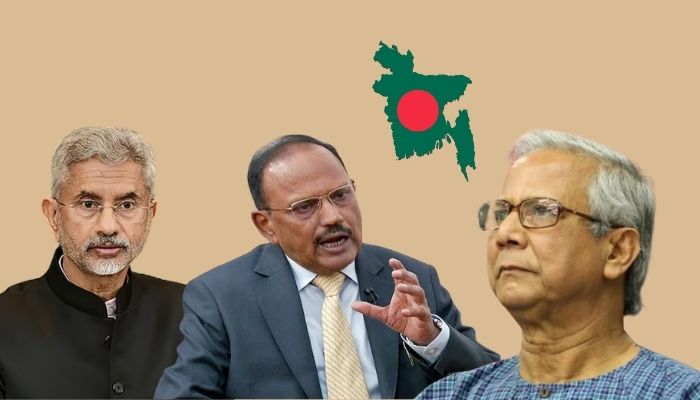
‘Pro-democracy’ Yunus govt curbs free speech in Bangladesh, issues notice to intimidate students from speaking against it: All you need to know

In a major development, the interim government of Bangladesh has resorted to brazen censorship. Chief advisor Muhammad Yunus has attempted to stifle criticism of its regime by students and educational institutes through authoritative control.

The Directorate Of Secondary & Higher Education issued a notice [pdf] to this effect on 2nd January this year.

It stated clearly that steps would be taken against students and educational institutes alike for ‘engaging in propaganda’ and ‘peddling misinformation’ against the incumbent interim government led by Muhammad Yunus.

The Directorate Of Secondary & Higher Education added that all concerned authorities should remain ‘alert and active’ and ensure that students are ‘not motivated’ by misinformation, propaganda and rumours about the Yunus regime.

It further highlighted that steps should be taken to prevent students from ‘engaging in provocative activities.’

The Directorate Of Secondary & Higher Education emphasised, “In such a situation, it is requested to inform the higher authorities for taking action against any educational institution or any student involved in the issue of misinformation, propaganda and
rumours.”

The notice, which was marked ‘very important,’ was uploaded to the website of the Directorate Of Secondary & Higher Education on 15th January 2025.

Implications of the directive by Yunus govt

While in theory the notice might be interpreted as a step towards stopping the spread of ‘misinformation’, it is in fact a ploy to silence critics and intimidate students (who spearheaded the movement against the erstwhile Sheikh Hasina government).

Dissent against Bangladesh’s interim government could easily be labelled a ‘work of propaganda’. Students, critical of Muhammad Yunus, would be targeted as engaging in rumour-mongering.

Give the free hand to educational institutions to act against such students, they will be intimidated and coerced into silence.

Yunus, who was once critical of Sheikh Hasina for her alleged ‘undemocratic ways’ of running Bangladesh, is now silencing students and cubing their ability to criticise him.

The notice by the Directorate Of Secondary & Higher Education is a step in the directive to plunge the country into authoritarianism.

Bangladesh on the verge of becoming Pakistan 

In November last year, the High Court of Bangladesh recommended strengthening the Cyber Security Act to make ‘blasphemy’ punishable by life imprisonment and the death penalty in the country.

There should be a provision of punishment like death penalty or life imprisonment for such unnecessary, unconscionable, obstinate and provocative speech and conduct against the Quran and Muhammad (Pbuh), which the parliament may consider,” a 2-Judge Bench of Justices MR Hassan and Fahmida Quader stated.

They further declared, “To discourage any such inflammatory speech or act which is likely to offend the minds of people of any religion, or to cause fear, terror, discomfort or apprehension in any of them, enhancing the punishment for such offences and to make them non-bailable must be considered.

The Bangladesh High Court added, “If the offenders who are involved in the respective links of the charge sheet are not brought under the law, in every case the main culprit or the main conspirator or the main source will remain out of touch. Hence, there needs to be an appropriate order in this regard.

The suggestion by the top court, which is likely to have far-reaching consequences, came amid recent attacks on Hindus by Muslim mobs under the pretext of blasphemy.

India to collaborate with South Korea to expand shipbuilding capacity? How Centre is seeking to unlock India’s maritime development potential

India is taking significant measures to expand its shipbuilding capacity aiming to enhance the country’s maritime infrastructure and curb dependency on foreign shipyards. The Modi government intends to make India a key player in the global shipbuilding industry. In this vein, India is likely to collaborate with South Korea to maximise India’s shipbuilding capacity.

A high-level delegation from Hanwha Ocean Co. Ltd. of South Korea, headed by Senior Vice President Jin Su Lee recently met representatives from the state-owned Cochin Shipyard Ltd., Hindustan Shipyard Ltd., L&T Shipbuilding Ltd., and Swan Defence and Heavy Industries Ltd.’s Pipavav Shipyard in Gujarat. Reports say that the officials from the Ministry of Ports, Shipping, and Waterways also met the South Korean delegation.

Notably, South Korea’s shipbuilding industry is dominated by three shipyards— Samsung Heavy Industries, Hanwha Ocean, and HD Hyundai Heavy Industries. In the year 2024, HD Korea Shipbuilding, Hanwha Ocean, and Samsung Heavy Industries each received contracts for 112 vessels worth $12.1 billion, 26 vessels worth $5.7 billion, and 22 vessels worth $4.9 billion.

India’s partnership with South Korea holds special significance since the latter is a direct competitor of China in the global shipbuilding market with China dominating this arena for more than a decade. In the year 2023, China built more than half of all the world’s merchant ships by gross tonnage (33 million GT) implying that the country built 51% of the world’s merchant ships that year. China is reported to dominate 62% of the world’s shipbuilding orders.

In December 2024, a high-level Indian delegation comprising R. Lakshmanan, Joint Secretary of India’s Ministry of Ports, Shipping, and Waterways; Shri Madhu Nair, Chairman and Managing Director of Cochin Shipyard; and Binesh Kumar Tyagi, Chairman and Managing Director of the Shipping Corporation of India (SCI visited South Korea’s top three shipyards HD Hyundai Heavy Industries (HD HHI)’ shipyard in Ulsan. The Indian delegation was given a comprehensive briefing on the advanced technologies employed by South Korean shipyards and their capacity. The Indian delegation’s visit came after Prime Minister Narendra Modi visited South Korea in 2016.

The Indian delegation’s visit came over India’s pressing requisite to acquire 1,000 new commercial vessels, including containerships, liquefied natural gas (LNG) carriers, ultra-large crude carriers (ULCCs), and car carriers.

Investment boost, strategic partnerships and more: Modi government’s plan to navigate India’s way into top-10 rank in global shipbuilding industry by 2030

Notably, the global shipbuilding market was estimated at $207.15 billion in 2023, rising at a 6.5% CAGR to $220.52 billion by 2024. India’s market was valued at $90 million in 2022 and is expected to grow to $8,120 million by 2033, representing a staggering 60% CAGR. 

In a bid to give push to India’s shipbuilding capacity and improve repair clusters, the Modi government has proposed a Maritime Development Fund to the tune of Rs 30,000 crore. With this, the Indian government aims to supplement the Rs 1.5 lakh crore upgrade plan which includes the development of 6 deep draft ports, and 2 trans-shipment hubs in addition to green and smart ports.

While India currently ranks 22nd in the global shipbuilding industry, India aims to enter the top 10 global rank by 2030 and become one of the top 5 countries by 2047. This ambition is a part of the Modi government’s broader visions including the Maritime India Vision 2030 and Amrit Kaal Vision 2047, intended to capture a massive share of the global shipbuilding and ship repair markets.

Interestingly, India’s collaboration with South Korea has been on the agenda of the Modi government for long. In fact, in 2017, India and South Korea signed a Memorandum of Understanding (MoU) for naval shipbuilding, involving state-owned shipyards like Hindustan Shipyard Limited. The two governments agreed upon collaborating in the joint production of five Fleet Support Ships worth $1.5 billion US dollars, along with two strategic operating vessels costing approximately $448 million.

In 2019, India and South Korea concluded a logistics pact when Defence Minister Rajnath Singh visited Seoul. As per an official statement issued back then, “The Ministers exchanged views on regional and international developments of mutual interest. Two MoUs to further defence educational exchanges and extend logistical support to each other’s Navies were signed.”

Recently, a delegation of South Korea’s Hanhwa Ocean Co. visited India to discuss a partnership with Indian shipyards and the government. In the words of Hindustan Shipyards Ltd managing director Hemant Khatri, the two countries laid emphasis on “long-term partnerships in advanced design, technology upgrades, smart solutions, electric propulsion and joint shipbuilding ventures.”

India’s collaboration with South Korea can prove to be a game-changer for the country particularly when the former focuses on enhancing skill level and modernising the outdated technology in Indian shipyards. South Korea’s technological advancements in the shipbuilding industry can help India bridge this gap through training, technology transfer as well as shipyard modernisation.

With the global shipbuilding slots booked in countries like China, South Korea and Japan until 2028, the Indian government eyes an opportunity to emerge as a reliable alternative destination for shipbuilding. India’s strategy is not confined to constructing new ships but also expanding into ship repair and recycling given the country already has decent infrastructure.

If the massive demand stemming from the needs of the Indian shipping market is adequately targeted by Indian shipyards, it may result in an opportunity to the extent of over USD 237 billion (INR 20 lakh crores) by 2047.

The Indian government has also launched several schemes such as the Shipbuilding Financial Assistant Policy (SBFAP), and Right of First Refusal (ROFR) policy to improve India’s shipbuilding and ship repair industry, however, more efforts are being made to realise India’s ambitions. Notably, under SBFAP’s first phase, there were 313 vessel orders including domestic and export ops. These were to be procured across 39 shipyards. Of these, 135 vessels have been delivered.

To further boost the shipbuilding industry, subsidies of 25% are proposed for specialised vessels, increasing to 30% for green and highly specialised ones. In order to boost fleet renewal of Indian boats, the government is pushing for a ship-breaking credit note in SBFAP 2.0, among other regulations. When a vessel is demolished in an Indian yard, the shipowner will receive a credit note worth around 40% of the cost, which will be reimbursable against the cost of the construction of a new vessel if it is built at an Indian shipyard.

According to MoPSW data, around 44% of India’s merchant marine fleet is over 20 years old. The government also has plans to establish an apex body to expedite the implementation of SBFAP 2.0.

In November this year, reports emerged that South Korea and Japan have shown interest in investing in Indian shipbuilding yards. India plans to offer joint ventures to these countries or offer a stake in the shipyards and attract foreign investments to the tune of $3-5 billion per shipyard. Odisha and Andhra Pradesh were reported to have been finalised as the two possible States where greenfield shipbuilding yards would be set up, while Maharashtra and Gujarat would be explored for brownfield expansion.

With major schemes like SBFAP and crucial collaborations like the ones with South Korea,  focussing on adopting sustainable shipbuilding practices in line with the global trends towards green shipping, India not only intends to enhance its shipbuilding capacity but also its competitiveness in the global market by constructing high-value, technologically advanced and specialised ships.

By improving its shipbuilding capacity, India not only aims to position itself as a key player in the global market but also looks to meet its domestic demands for both commercial and naval vessels and reduce the annual expenditure on leasing ships from abroad. This becomes even more important since India spends around $75 billion annually on leasing ships but controls only 2 per cent of the world’s total tonnage.

India’s ambitious shipbuilding strategy, especially through collaboration with South Korea and Japan, is a multifaceted approach with a clear aim of technological, economic and strategic advancements granting better economic sovereignty and national security by reducing foreign dependence for both commercial and naval vessels.

The success of these measures will depend on the effective execution and sustained foreign investment alongside the intent and ability to upskill its workforce to match up with the global standards as an increased production of ships would lead to the creation of thousands of direct and indirect jobs given the labour-intensive nature of the shipbuilding sector.

If India manages to improve its position in exports in this sector and capture even a small percentage of the market it can secure massive export values giving a major boost to the country’s economy and also contributing to its $5 trillion economy ambition.

UK’s richest 10 per cent took half of the $64.82 trillion wealth looted from India: A reckoning with Britain’s rapacious colonial legacy

India, historically referred to as the golden sparrow owing to its prosperity and abundance of raw materials has endured exploitation of its wealth and resources for more than a century as a result of multiple invasions by Islamist tyrants and imperial powers. Now, a recent report from “Oxfam International” has reinforced the established reality and provided a detailed account of how the British colonial empire depleted India’s resources to sustain its own economic interests at the expense of the country and its people to further enrich the fat coffers of affluent Britishers.

The report “Takers, Not Makers: The Unjust Poverty and Unearned Wealth of Colonialism” was published on 19th January and revealed shocking figures concerning the financial assets that Britain appropriated from India between 1765 and 1900, which amounted to $64.82 trillion. According to the findings, the top 10% of earners in the United Kingdom are estimated to have profited from $33.8 trillion, representing more than 50% of the overall wealth when adjusted for present-day values. The report was presented at the annual gathering of the “World Economic Forum” in Davos, Switzerland and highlighted the long-lasting effects of colonialism on economic systems and inequality.

The data unequivocally illustrated how wealth was looted to benefit the elite, while India endured exorbitant taxation, prolonged droughts and orchestrated famines among other horrors and adversities. Britain and its privileged class reaped the rewards of this theft, while the rightful owners were relegated to a life of extreme poverty, misery and distress.

The report pointed out, “Legacies of inequality and pathologies of plunder, pioneered during the time of historical colonialism, continue to shape modern lives.” Real-world examples of this statement are evident in India and other nations that experienced the repercussions of colonialism. Post-independent India which was left to fend for itself was confronted with the daunting task of recovery as it grappled with the deep-seated effects of the exploitation inflicted by the British. The economy was burdened by the significant loss of wealth and the severe conditions suffered by the countrymen during this era had enduring consequences on both their lives and those of future generations while the British flourished and strengthened their financial system.

“This has created a deeply unequal world, a world torn apart by division based on racism, a world that continues to systematically extract wealth from the Global South to primarily benefit the richest people in the Global North,” the report conveyed, pointing out that colonial practices proceeded to enrich a small elite by transferring wealth from the Global South to the Global North. Notably, during its 2023 G20 chairmanship, India was committed to its goal of promoting the Global South and raising significant issues that the West tends to ignore or lack support for.

The fact that “The Voice of the Global South Summit,” a unique initiative launched by the Indian government months after it took over the G20 presidency, was held in India in 2023 is a clear indication of its sincerity to the cause of the developing and under-developed nations which have been affected by the brunt of colonialism in different ways.

Britain’s Exploitation of India and the Global South

Based on several studies and research papers, Oxfam estimated that between 1765 and 1900, just in 100 years, the wealthiest 10% of the UK’s population took $33.8 trillion in today’s money from India alone and added, “This would be enough to carpet the surface area of London in British pound 50 notes almost four times over.” The richest 10% gained the most, almost 52% from the robbery, but the middle class in Britain, which accounted for 32% of this income, also benefited considerably.

The Indian subcontinent contributed 25% of the world’s industrial production in 1750, but because of British protectionist measures that targeted Asian textiles, that percentage fell to barely 2% by 1900. “This dramatic reduction can be attributed to Britain’s implementation of stringent protectionist policies against Asian textiles, which systematically undermined India’s industrial growth potential,” the report mentioned. Ironically, this industrial repression was only momentarily eased by a global conflict. “During World War One (1914–18), the disruption of colonial trade patterns inadvertently catalysed industrial growth in the colonies,” it stated unveiling how external shock provided a brief respite from British oppression.

During the war, areas with significant drops in British imports had stronger industrial employment development, a trend that is still evident to this day. Oxfam underscored that private multinational corporations, which frequently received monopolies and generated huge profits from international expansion, were frequently in charge of colonialism. The colonial era gave rise to the idea of private multinational corporations, fuelled by wealthy shareholders, and many of these companies utilised their soldiers to brutally put down uprisings.

With 260,000 troops, the East India Company’s military in India was twice as large as the British peacetime army. The report stated, “They engaged in land dispossession, violence, and mergers and acquisitions, driving globalization and contributing to the creation of the world’s first global financial system. Financial markets, especially in London, facilitated these colonial behemoths.”

The research further indicated that by the year 1940, the principal earners in India were largely comprised of traders, bankers, and industrialists, whereas in 1875, the majority were European officials serving in military and governmental roles. The widespread use of human labour was another aspect of the colonial period, and fresh forms of servitude emerged after slavery was abolished. According to the research, between 1830 and 1920, 3.7 million indentured labourers were brought in from India, China, Africa, Japan, Melanesia, and other places to work on infrastructure projects, mines and plantations.

Further oppression and criminal neglect of India

According to figures, between 1891 and 1920, India saw 59 million additional fatalities as a result of British rule. The devastating Bengal (what is now Bangladesh and India) famine of 1943, which claimed an estimated three million lives was also highlighted in the report which added, “Grain import restrictions during World War Two, underpinned by racist thinking, appear to have significantly contributed to or caused the Bengal famine.” Importantly, ex-British Prime Minister Winston Churchill who labelled Indians as “beastly people with a beastly religion” remarked, “The starvation of anyhow underfed Bengalis is less serious than that of sturdy Greek,” which was quite reflective of their agenda and inhumane sentiments against India and its people.

The caste, religious, gender and linguistic boundaries that were ingrained in society during colonial rule were another vile product of self-serving British policies that capitalised on the faultlines to solidify their authority in the country and their profound implications remain apparent even today. These differences were exacerbated, exploited and concretized.

The report revealed that for example only 0.14% of India’s mother tongues are employed as teaching languages and only 0.35% are taught in its schools, terming the ongoing effects of colonialism as a “fruit from the poisoned tree.” It pointed out that the caste system took root in India during the colonial era through administrative and legal actions that nourished its strict divisions. 

According to Oxfam, the East India Company, became a law unto itself and was accountable for several colonial crimes. It was a pioneer in the development of the modern multinational company, which is a product of colonialism. “In the modern day, multinational corporations, often occupying monopoly or near-monopoly positions, continue to exploit workers in the Global South, particularly women workers, on behalf of rich shareholders primarily based in the Global North.”

Military spending made up over 75% of expenditures in India during the East India Company’s reign, while public works projects made up only 3% on average. This alone highlighted the role of military force in upholding colonial inequalities. Moreover, the research stated that the use of overwhelming force which was displayed by colonisers has persisted in modern times due to the failure of those in power to fix irrigation infrastructure, which reduced agricultural productivity and exacerbated droughts and famines in many countries of the Global South.

The report further mentioned that many of the wealthiest individuals in the United Kingdom today can link their family wealth to colonialism and slavery, particularly the compensation given to powerful enslavers at the end of slavery.

Colonial drug pusher

The British government was described as a “colonial drug pusher” by Oxfam. The Dutch and British East India Companies both used the opium trade to consolidate their colonial power as the globe has to deal with the legacy of corporate greed that drove the opioid crisis, according to the study. As a result, commercial opium cultivation was encouraged in eastern India, where the British East India Company had a monopoly since 1757 (it was given to the crown in 1873).

The produce was then shipped to China, which ultimately led to the Opium War and China’s infamous “century of humiliation.” Opium accounted for almost half of China’s imports in the middle of the nineteenth century and was the British Raj’s third-largest source of income, after land and salt taxes. According to Oxfam, poppy-growing regions in India were linked by the British to lower per capita public spending on administration and health, fewer schools and a greater number of police officers. Compared to their neighbours, these areas continue to have much lower literacy rates and public goods provision.

The repercussions for India and Global South

The Britishers who were also behind the bloody division of India not only took away its wealth but also its health as it had a detrimental impact on the well-being of subsequent generations in India. The physiological adaptations to repeated cycles of hunger throughout colonial times could be responsible for the higher incidence of obesity and type 2 diabetes among this group, based on the report.

The report observed that in various post-independence countries across the Global South, wealth and political authority remained largely in the hands of the richest individuals, with extreme poverty and significant wealth separated by barriers like golf courses, electric fences, and other impediments. “The inequality that these countries experience today is significant of colonial making,” Oxfam conveyed as it shed light on the reason behind the same.

Current colonial mechanisms of wealth extraction from the South to the North are exemplified by global supply chains and export processing companies. According to the research, workers in these supply chains usually face subpar working conditions, no social protection and no rights to collective bargaining. It further emphasised the disparity and informed that salaries in the Global South are between 87% and 95% less than those in the Global North for labour of equal competence.

With the use of cheap labour and ongoing resource extraction from the Global South, large multinational businesses control global supply chains, keep the lion’s share of profits, and utilise economic tools to maintain power, exploitation and dependence, per Oxfam. Meanwhile, the natural resources are also misused to mint maximum profits by these firms. Oxfam also accused international organizations like the World Bank and World Trade Organization (WTO) of sustaining injustices. According to Oxfam, the massive exploitation of fossil fuels, which started during the period of colonialism, is still going on now, pushing the world closer to the brink of climate disaster.

No real end to colonialism

Colonialism, which is frequently defined as a permanent mentality rather than a temporary state, has not really ceased to exist because the dominant Global North continually interferes and dictates the Global South’s policies as they do not consider them equals but rather former colonies which has been demonstrated time and again.

The research highlighted that “biopiracy,” or the unapproved and unpaid gathering of genetic material for commercial purposes, has also affected nations in the Global South. The United States multinational company WR Grace’s 1994 patent for a neem tree seed extract utilized in their antifungal spray, Neemex, was given as an example. Neem extracts have been used by Indian rural farmers for over 2,000 years in insect repellents, soaps, and contraceptives, despite the company’s assertion that its patent was the result of a novel idea. After ten years of litigation, the patent was revoked by the European Patent Office’s technical board of appeals.

Even though every country has official equality in some international organizations, Oxfam stated that the Global North still holds a dominant position. Oxfam maintained that the WTO has historically failed to address the interests of the Global South, which benefits both northern countries and corporations based in the Global North. During the COVID-19 pandemic, when over 100 countries backed South Africa and India’s proposal at the WTO for a complete waiver of intellectual property restrictions on life-saving vaccines, treatments, and other technologies, wealthy nations successfully opposed it.

The report added that the World Bank and numerous European development finance organizations are encouraging the financialization and privatization of public services in the Global South through their collaboration with private capital and investment funds in the Global North. The most recent example of it was seen at the United Nations Climate Change Conference (COP29) summit in Baku of Azerbaijan, last year.

The rich countries were able to enforce a deal that ignored the requests of the developing countries for the mobilization of at least 1.3 trillion dollars yearly in climate financing, while promising to pay only $300 billion annually, beginning in 2035. India spoke out for the Global South, calling the adoption process “unfair” and “stage-managed,” and noting that it showed a serious lack of trust in the UN system.

“India does not accept the goal proposal in its present form. The amount that is proposed to be mobilised is abysmally poor. It is a paltry sum. It is not something that will enable conducive climate action that is necessary for the survival of our country,” stated Chandni Raina, Adviser, Department of Economic Affairs and part of India’s negotiating team. She also termed the initiative “too little and too distant” while adding, “Estimates tell us that we need at least USD 1.3 trillion per year by 2030.”

“In continuation of several such incidents of not following inclusivity, not respecting country positions. We had informed the Presidency (host country Azerbaijan), and we had informed the Secretariat (of UN Climate Change) that we wanted to make a statement before any decision on the adoption. However, and this is for everyone to see, this has been stage-managed and we are extremely, extremely disappointed with this incident. We object to this unfair means followed for adoption,” she added while insinuating how the concerns of the Global South are disregarded in such forums that toe the line of the powerful West.

Bogus claims of UK aid to India

“It’s time to stop sending aid to India,” “Give us our aid back” and “We are giving them money,” the same sentences with different tones and tonality coupled with racism have been usually tossed at Indians on social media by the ignorant Britishers, especially, to vent out their frustration and annoyance India succeeds, whether in space or elsewhere. Similar sentiments were displayed when the Indian Space Research Organisation (ISRO) successfully docked two satellites in space as a part of the Space Docking Experiment (SpaDeX).

A user posted the same lie about the United Kingdom’s massive economic support for India to discredit such a huge accomplishment as though the Britishers should have received the recognition.

Another shared an angry emoji to express how infuriated they are about the alleged assistance to India.

A frustrated netizen asked if the United Kingdom should now stop sending financial aid to India.

While their previous generation took Trillions from India, the current Britishers are spreading false information about phoney financial aid. Former Indian Finance Minister Pranab Mukherjee called Britain’s £280 million (Rs 2,798 crore) yearly aid to India “peanuts” in 2012. Many British lawmakers were annoyed and questioned whether this so-called “aid” to India should continue. India doesn’t need UK foreign aid, they stated, because it has its own foreign aid budget and pays its own space program.

After the Indian government had shown its indifference the help, it was planned to cease in 2015. Later, in 2017, the Indian government reminded a number of political commentators and analysts with colonial mindsets that India has been providing more foreign aid to nations than it has been receiving. The UK is still providing help to India, according to a report published in March 2023 by the Independent Commission for Help Impact (ICAI), but its nature and goal have now altered.

The ICAI is independent of the government and examines UK government assistance. According to the research, India received almost £2.3 billion (Rs 23,000 crore) in help from the UK between 2016 and 2021. However, there’s a catch as the report stated, “We calculated that the UK provided around £2.3 billion in aid to India between 2016 and 2021. This figure includes £441 million in bilateral aid, £129 million in development investment via the Foreign, Commonwealth and Development Office (FCDO), £749 million of aid through multilateral organizations, and £1 billion in investments through British International Investment (BII), the UK’s development finance institution.”

The ICAI study clarified that the British funds were flowing to several Indian programs, including investments, rather than the Indian government. “While there are still substantial volumes of UK aid to India, it is now very different in nature and purpose,” it added, debunking the propaganda.

Notably, this is not the first instance in which the British exploitation of India has been brought to public attention. The matter has repeatedly been raised in many studies and voiced by several prominent Indians. “India had two centuries of humiliation by the West in its predatory form when it came to India in the mid-18th century. An economic study tried to estimate how much British took out of India, and it ended up at $45 trillion in today’s value,” External Affairs Minister Dr S Jaishankar stated during an address at noted think tank Atlantic Council in Washington DC in 2019.

Shashi Tharoor also elaborated on this topic in his widely circulated 2015 speech at Oxford University. The Oxfam report has merely corroborated what is already established knowledge. The British economy has been sustained by wealth extracted from India and other countries of the Global South, much like the country’s museums, which are filled with artefacts from these former colonies.

Battle of Talikota: How Muslims from Rama Raya’s army switched sides to help Islamic Sultanates defeat the Vijayanagara Empire

The country of India has attracted several Islamic invaders in the past due to the wealth it held, the culture it nurtured, and the royalness that the then Kings and Queens inherited. The Islamists often portrayed affinity to the Indian rulers back then only with the alleged intentions of acquiring the latter’s empire and expanding their rule over the country. In this, unfortunately, several times it has happened that the members of the Indian kingdoms have joined hands with the Mughals to betray their Kings and the country out of jealousy or their malicious intentions, then be it the episode of the capture of Chhatrapati Sambhaji Maharaj in Maharashtra where his brother-in-law revealed his location and other crucial details to Aurangzeb or Man Singh who allegedly betrayed brother Maharana Pratap during the Haldighati war.

A similar episode was recorded by historians in the 16th century in the case of Aliya Rama Raya of the Vijayanagara Empire and his death at the hands of the union of Mughals from Ahmadnagar, Berar, Bidar, Bijapur, and Golconda. This union of Islamists notably took the assistance of the Gilani brothers, who were among Rama Raya’s trusted commanders, resulting in the fall of the Empire and the death of the King.

The Hindu ruler died at the hands of the Deccan sultanates (Ahmadnagar, Berar, Bidar, Bijapur, and Golconda) in the Battle of Talikota on 23rd January 1565. The battle took place at Talikota, today a town in northern Karnataka, about 80 kilometres (50 miles) to the southeast of the city of Bijapur. Following the war, massive destruction of the Vijayanagara Empire was executed, resulting in the ruins that are to date seen in the region of Hampi, Karnataka.

Aliya Rama Raya (Notes on Indian History)

This history portraying the anti-Hindu approach of the Muslims towards the Hindu kingdom dates back to the period when the medieval city of Vijayanagara, in today’s Hampi had become the most glorious empire in the southern part of the country, ruled by King Krishnadevaraya. As per historians Hermann Kulke and Dietmar Rothermund, who wrote the survey of Indian history in the name of ‘History of India’, the Vijayanagara Empire led by Aliya (son-in-law) Rama Raya was winning the Battle of Talikot, but suddenly two Muslim generals of the Vijayanagara army switched sides and turned their loyalty to the united Deccan Sultanates.

‘Historians’ argue, say no communal intention behind war

While this very famous fact takes a firm place in the pages of Hindu history, historians such as Richard Eaton, Muzaffar Alam, and Sanjay Subrahmanyam argue that there were no communal intentions behind the War and that it was initiated due to Rama Raya’s act of waging an old war against the Nizams of Ahmednagar. “The more proximate reason for the sudden unity displayed by the sultanates was their alarm at Rama Raya’s territorial ambitions, specifically his desire to control Kalyana, an old city in the northern Deccan that was the capital of the western Chalukya Empire during the eleventh and early twelfth centuries,” it adds allegedly justifying the switch of Gilani brothers to the Mughal side. Notably, there hardly is any relevance to the arguments made by the latter historians as the question of communal intentions arose after the war began, towards the end when the Vijayanagar empire was about to win until the Gilani bothers made the switch and not around the reason of initiation of the war.

Battle of Talikota: Revising the episode as it is

During the 16th century, the Empire of Vijayanagara was ruled by Krishnadevaraya, an able administrator, and a skillful diplomat. Rama Raya was his son-in-law, a valiant commander, and a tactful warrior who led several successful campaigns under him. On the death of Krishnadevaraya, the throne of Vijayanagara was passed on to his brother Achyuta Raya who died in 1542 CE. The throne was further passed on to his son, nephew of Krishnadevaraya, Sadashiva Raya who was then a minor. Rama Raya circled the opportunity to keep Sadashiv Raya under house arrest and become the ruler of the Empire by appointing his trusted men to important positions around the throne.

Reportedly, Rama Raya’s approach towards religion was broad and liberal and he recruited a lot of Muslim soldiers in his troops. His treatment towards them was also lauded and many removed Adil Shah were given shelter by the Vijayanagara Empire.

Tiruvengalanatha temple, Vijayanagar Empire

The strategy of Rama Raya involved expanding the kingdom and becoming a shrewd political operative. He was surrounded by five hostile Bahamani kingdoms and to his credit he constantly engaged in wars that involved two sultans among the five against each other. He raided Nizam’s Ahmednagar at the request of li Adil Shah of Bijapur, then later assisted Nizam of Ahmednagar and Qutub Shah of Golconda to teach Ali Adil Shah a lesson. He protected the Empire of Vijayanagara by constantly furthering enmity between the Sultanates, but the strategy did not work longer as the five realized that they had a common enemy in the form of Rama Raya.

In the series of events, Chand Bibi, daughter of Nizam got married to Ali Adil Shah, and Ali Adil Shah’s sister got married to Nizam’s son. The Islamist dynasts happened to unite at the marriage ceremony and decided to wage war against the Vijayanagara Empire after the celebrations. Accordingly, the five united and Adil Shah furthered an emissary to Rama Raya demanding 2 key forts of the kingdom, Raichur and Mudgal. The Hindu leader refused the emissary and many others that followed. The Deccan sultanates then walked towards Vijayanagara and stopped at Talikota, today’s Tangadi or Rakkasatangadi.

Five Sultanates united (Hinduinfopedia)

On reaching the spot, the rulers attempted to offer affinity portraying their superficial unity, and resealed alliance against their common but far superior enemy. On refusal by Rama Raya, the war march began. The Hindu leader in the midst had already begun the preparations for the war by gathering the Vijayanagara military force comprising one lakh horsemen and five lakh infantry. The men were tasked with stopping the Sultanate force from entering River Krishna. However, the army marched. Rama Raya, high on fury, had no plans and strategy. He, as per the historians, ordered his men to directly launch random attacks at the Sultanates saying, “We are not cowards to be scared of this insignificant war! Go on, fight.” That eventually didn’t work as a large number of Hindu soldiers began dying. The rest, scared, were motivated by the potential reward of untold wealth and royalty. This worked and the soldiers killed the entire left flank of the Bahamani force.

This created worry among the Sultanates, some of whom even placed the boards that read ‘Rahtaanat’ (holy oath that soldier would die in jihad and attain heaven) in front of their camps. However, the combined forces of Nizam Shah, Qutub Shah, Ali Adil Shah, and Ali Barid gathered courage and attacked the Hindu soldiers. Ali Adil Shah attacked Rama Raya’s brother Tirumala Raya while others attacked Rama Raya’s other important soldiers. Later Ali Adil Shah attacked Rama Raya and allowed Nizam Shah and Qutub Shah to face him directly.

Gilani brothers ordered Muslim soldiers to not fight for the Hindu ruler

Amid this, several Muslim soldiers from the Vijayanagara Empire refused to fight for Rama Raya. They either put down their weapons or joined the Sultanates against Rama Raya. They clearly refused to fight on the side of the Hindu army. Notably, this action of theirs was directed by the Gilani brothers, Rama Raya’s two trusted commanders. The Sultanates then fired two canons at the Vijayanagar force killing most of the soldiers. Another shot was directed at the elephant on which Rama Raya was seated.

Battle of Talikota (India Net Zone)

Injured Rama Raya was then taken to the foot of Nizam on the field who beheaded the Hindu leader, resulting in the fall of the huge Hindu empire. “The warriors of Islam chased them and slaughtered everyone in sight. An area spanning about twenty miles was littered with dead bodies, the earth bloody. The victorious soldiers of Islam took untold riches in the form of coins, jewellery, and slaves: both male and female,” the historical records read adding that it took 12 days to count the number of dead bodies lying on the battlefield.

Undermining facts to chase the mirage of communal harmony

The incident portrays the seeds of radical Islamism that were spread to force the Gilani brothers to direct their soldiers to stand for Islam. Gilani brothers were Rama Raya’s trusted commanders and who would have thought of them switching sides had religion not been involved? Those historians who write alleged twisted facts to protect the so-called communal harmony must understand that the point of contention was when the soldiers fighting for Rama Raya switched at the end of the war when Vijayanagara was about to win the war, and not the reason behind inception of the war, as widely claims. As per the left historians, there shall be no angle of communal intentions of the war as Rama Raya’s alleged diplomacy had put him to death. By saying this, these ‘historians’ are also attempting to justify the alleged rise of radical Islamization.

There are many more instances that one can quote to substantiate the fact that Hindus have been terrorized by radical Islam. Hindus are not safe in a modern nation-state like India if Muslims become a majority in any state. Territories like Kashmir, and Kerala are a trailer for Hindus of the rest of India.

Forgetting all these historical events for the sake of ‘communal harmony’ or ‘secularism’ is not at all a fair proposition. Hindus shall never forget the barbarian nature of these events and ensure that such acts are condemned by one and all. Burying these historical facts to shield minorities from ’embarrassment’ will only embolden religious fanatics and extremists.