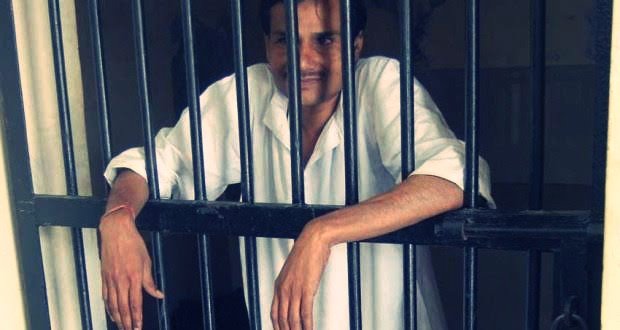
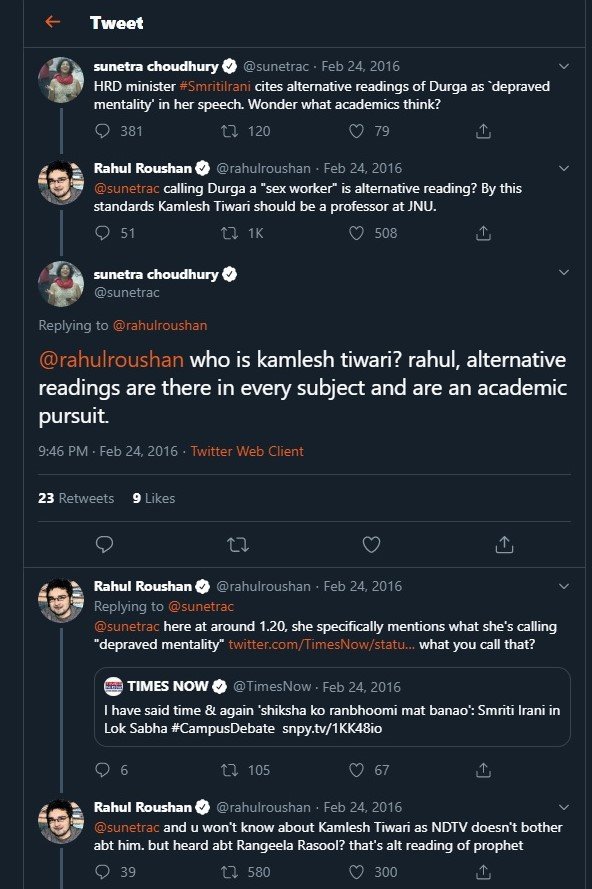
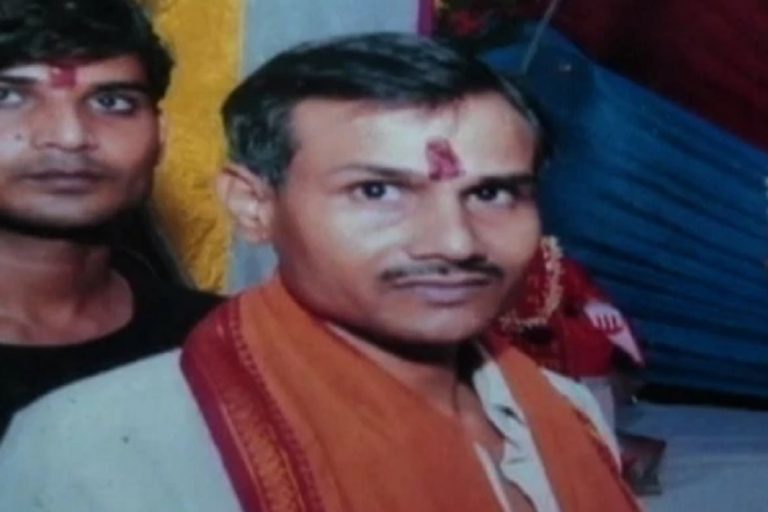
Former leader of the Hindu Mahasabha, Kamlesh Tiwari, was murdered brutally on Friday by unidentified criminals at his residence in Lucknow. He was shot at and his throat was slit by the murderers.
Now the deceased Kamlesh Tiwari’s domestic help has provided his version of events. He said that the murderers and Tiwari talked for half an hour and were treated to tea and food. The discussion, he claimed, revolved around the marriage of a Muslim girl to a Hindu boy. The domestic help said that he was asked to go and fetch some masala by Kamlesh Tiwari after he had returned with cigarettes for the suspected murderers.
It was when he returned that he saw that the guests were missing and Kamlesh Tiwari was dead. He stated that the murderers were wearing clothes in saffron colours and said that although he didn’t know them, he will be able to identify them if he sees them again. They had come on a bike.
[youtube https://www.youtube.com/watch?v=KBvzgb8-0jU]
SSP Lucknow Kalanidhi Nathani has said that there was an impression that the murderers were known to Kamlesh Tiwari. The guard was downstairs and the scene of the crime was the first floor. He said that every angle is being investigated and people will be updated about it as the Police make headway into the case.
Reports of Kamlesh Tiwari’s supporters shutting down shops in specific areas are also coming through. Allegedly, they had reached the place where the postmortem was being conducted to register their protest. The Police are maintaining a heavy presence in the area to prevent any disruption of law and order. Latest news updates mention that the UP government has ruled out both ISIS terrorism and bounty hunting angle in the murder.
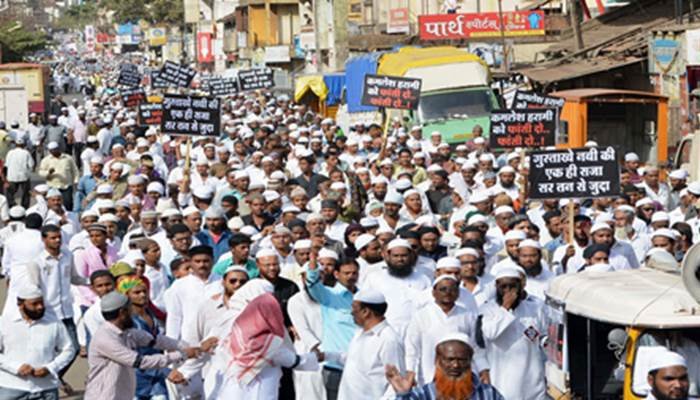
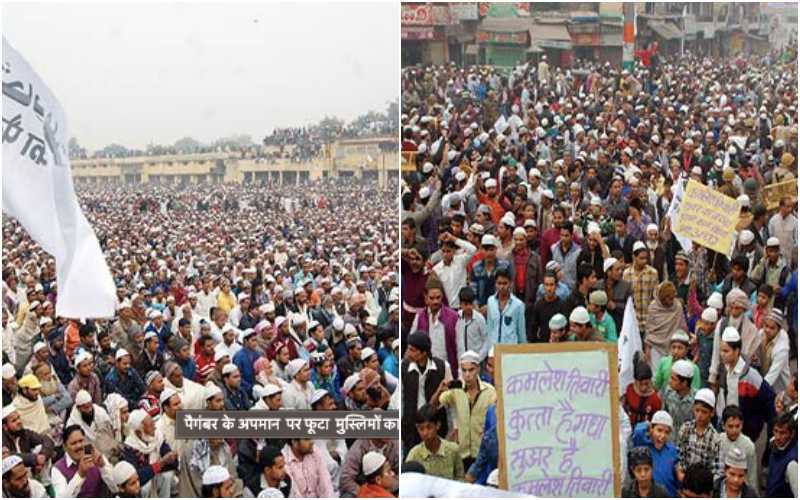
December 2015 saw absolute chaos in several towns and cities of India. There were massive protests in Ludhiana, Lucknow, Indore, Bengaluru, and Bhopal. Muslims groups were furious and were carrying out protests all over India. Saharanpur and Deoband saw thousands marching with placards in hand, shouting slogans, and clashing with police.
Similar protests were reported in many small towns too. In UP alone large-scale protests happened in Muzaffarnagar, Bijnor, Moradabad, Bareilly, Gorakhpur, Farrukhabad, Lucknow and several other districts. At Deoband, students of Islamic seminary Darul Uloom Deoband, too, joined the protests.
These protests were all by Muslim groups. There were thousands of Muslims marching in each case. They were all demanding one thing. They wanted a Hindu Mahasabha leader named Kamlesh Tiwari dead.
“RSS volunteers are gay Vs Prophet Muhammad was gay”
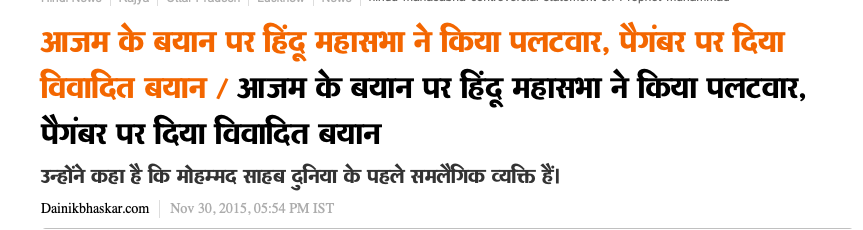
The first of these violent protests were held at Saharanpur on December 2. Tiwari had stated that Prophet Muhammad was the first homosexual in the world.
Bhaskar headline
SP leader Azam Khan had stated that RSS volunteers are gay and hence they remain unmarried. Condemning Khan’s remarks, Kamlesh Tiwari had issued statements where he had termed Prophet Muhammad as the world first homosexual as he allagedly had sexual relationships with his associate Abu Bakr. Tiwari had also stated that Muhammad was also a rapist because he had married a 9-year-old girl and had raped her.
Within hours of local newspapers carrying the statements of Tiwari, there were massive riots in Sahranpur, Deoband and several other places in UP. Tiwari was immidiately arrested by the Akhilesh Yadav government and put in jail.
They wanted Kamlesh Tiwari’s head
On Friday, December 4, Anwarul Haq, the West UP general secretary of Jamiat Shababul Islam, a Muslim organisation, announced a Rs 51 lakh reward for “anyone who brings the head of Kamlesh Tiwari.”
It did not end there. Haq had stated, “After taking a consensus from all ulemas in the district, we have consulted all the Ulemas and have decided that Tiwari deserves the death sentence for this blasphemy and if the government fails to do it, we will do it ourselves”.
All India Imams Council (AIIC) state president Maulana Zulfi in Meerut had stated tha Tiwari has crossed all limits and the government should award him a death sentence.
The hundreds of students in Darul Uloom Deoband had joined the protests too. Highways were blocked, buses were burnt and despite Kamlesh’s arrest, the riots continued. They wanted his head.
image courtesy: Amar Ujala
Akhilesh Yadav and NSA against Tiwari
On December 5, All India Muslim Personal Law Board President Maulana Rabey Hasan Nadwi had met UP CM Akhilesh Yadav and demanded that tehre should be provision for death sentence over blasphemous statements. On December 9, Akhilesh Yadav had met Muslim clerics and promised the strictest action against Tiwari. On December 10, the SP government in UP had slapped the National Security Act against him.
The Hindu Mahasabha had condemned his statement and had clarified that though he is a decades-old member, he did not hold and official position at that time. They, however, had assured that Tiwari was in a crisis and the organisation will provide him with all possible assistance.
The Malda riots
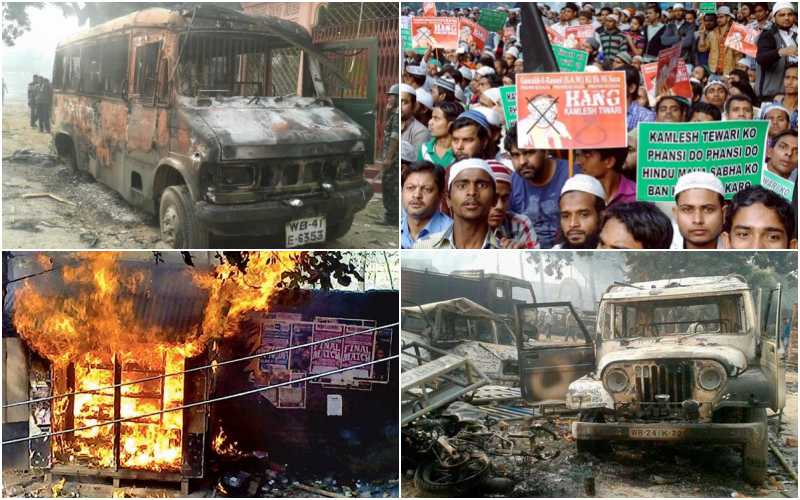
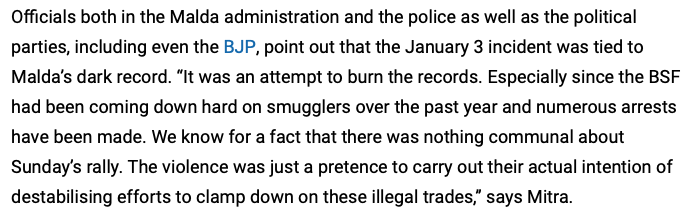
As Tiwari remained in jail, riots and violence were, however, yet to be over. On January 3, Sunday, West Bengal’s Malda district saw over 2.5 lakh Muslims indulging in rampant violence, arson and clashes. They were demanding Tiwari’s head too.
Protestors in Malda torched over a dozen vehicles, including one belonging to the BSF. Hordes of Muslims attacked the Kaliachak police station, beat up the police officials and ransacked the station. Not satisfied, they also set fire to it and burnt it to bits.
Image courtesy: India Today, ScoopWhoop, and Indian Express
Several homes in the Kaliachak station area were also burnt. The protesting Muslims looted shops, and even attacked the locals.
Interestingly, it was later found that there was a special motive behind attacking the Kaliachak police station. It had a ‘Maalkhana’ where poppy crops confiscated from illegal poppy plantations in the district were stored. The station also had records and files of local smugglers, illegal opium farmers and traders, and cross border smugglers. All records were burnt.
Kaliachak is also known as the den of illegal currency smuggling network through Bangladesh border. The station also had records of all the criminals arrested and under investigation over the years in fake currency smuggling cases.
Indian Express report on Kaliachak riots
Kamlesh Tiwari’s jail sentence and bail
Kamlesh Tiwari ramained in jail for almost a year. After a lot of efforts, The Supreme Court had on August 27 ordered the Allahabad HC to decide on the legality of slapping the NSA against Tiwari. A month later. In September, the Allahabad HC finally gave its verdict on the habeas corpus petition filed by Tiwari’s wife and quashed the NSA against Tiwari. Tiwari got bail a while later.
Tiwari had later launched the Hindu Samaj Party in Lucknow.
Open calls for beheading
Tiwari’s statements had drawn widespread condemnations from all quarters. But the sad irony is that while the liberal media and intellectuals in our nation scream that the freedom of expression is under attack in Modi’s India, none of them stood up for Tiwari when lakhs of people were marching holding placards demanding Tiwari’s head. The placards had read “Gustakhe Nabi ko ek hi saza, Sar tan se juda” (The man guilty of speaking against the prophet deserves only beheading and nothing else), “Kamlesh hara** ko faansi do, faansi do” (hang Kamlesh the basta***), but there were no political leaders denouncing these shockingly regressive calls asking for medieval punishments for Tiwari. While cattle thieves being beaten up by local farmers becomes prime time debate, a man being jailed for a year and lakhs of Muslims, with their religious leaders openly calling for his beheading never got as much as a condemnation.
Kamlesh Tiwari was murdered today. Two unidentified assailants came into his office concealing weapons inside sweet packets and killed him brutally. He was reportedly both shot and had his throat slit in the most barbaric manner. Photos of his body circulating on social media show multiple stab wounds on his body and his throat slit wide open with a sharp weapon.
Conclusion
Tiwari’s death raises a thousand questions. Will it see prompt action like the Akhilesh government’s swift imprisonment of him and the slapping of NSA? Will it even make our mainstream media question that why, in a twenty-first-century world, there were lakhs of people screaming for blood on the streets, calling for a man to be beheaded for something he had said, and how long will it take for the media, which had rushed in to assert that the murder of Bandhu Prakash and his family was ‘neither political nor communal’ hence it should not be hyped, to announce a complete failure of law and order in Yogi’s Uttar Pradesh and find ways to blame the ‘violent Hindutva ideology’ behind the gruesome crime?
A man named Vikas Yadav was brutally assaulted by a raft of angry Muslim men in Bindki town of Fatehpur district in Uttar Pradesh following a brawl at a wheat flour mill. A video of the incident that had gone viral now, Vikas was tied up to tree by a frenzied mob of irate Muslim men baying for his blood.
His name is Vikas Yadav, he was tied to a tree & brutally beaten by a Muslim mob.
He wasn’t caught steeling, his only fault was that he dared to argue with Shami Ahmed.
He won’t become an issue of National outrage bcz he isn’t Tabrez & the mob isn’t Hindu. pic.twitter.com/2Vei72zcB8
According to the reports, Vikas had come to collect wheat flour in the Bajeria neighbourhood of the town. Subsequently, he got embroiled in a scuffle with the flour mill owner Shafi Ahmed who accused Vikas of robbery. The ensuing brawl resulted in minor injuries to Vikas while Shafi sustained some injuries on his head. Following this, Shafi summoned a crowd of impassioned Muslims who tied Vikas to a tree and thrashed him mercilessly for more than 20 minutes before the police intervened.
After rescuing Vikas, he was rushed to a local hospital. However, due to the serious nature of injuries sustained by Vikas, his family members decided to shift him to a private hospital in the nearby city of Kanpur. But here too, his admission to the hospital faced resistance as the flour mill owner Shafi Ahmed too was admitted in the same hospital. The relatives of Ahmed were trying to obstruct admission of Vikas in the hospital. Only after police intervention, Vikas could be admitted in the hospital.
A mob of aggrieved people swarmed around Vikas’ house in the village after rumour of his death started doing the rounds. The mob left only after the relatives assured them that Vikas has not died and is being treated at a hospital in Kanpur.
Since then, the situation in the village is tense. Three people have been arrested by police, two days after a mob tied a man to a tree and beat him savagely. The police made arrests on Wednesday night after filing an FIR in the case. The Superintendent of police, Fatehpur, Ramesh said that others involved in the incident were being identified and more arrests would follow soon.
According to locals, Vikas initiated the brawl and he assaulted the owner first, following which the flour mill owner Shafi Ahmed shouted and got men to attack Vikas.
The FIR was filed by Vikas’s brother Dhirendra Yadav on Wednesday night which mentioned names of six people and 10 unidentified people. The police have so far arrested Mohammad Ashraf, Mohammad Irfan and Mohammad Javed. Police lookout for others is underway.
Former Hindu Mahasabha leader and the founder of Hindu Samaj Party Kamlesh Tiwari has been brutally murdered by unknown assailants at his residence in Lucknow. As per reports, he had been shot at and his throat was slit.
Kamlesh Tiwari was propelled into national discourse for the first time when he was arrested by the then Akhilesh Yadav government in Uttar Pradesh for his remarks against Prophet Mohammad’s sexuality in 2015. Muslim groups in Deoband, Saharanpur and West Bengal had launched massive riots and protests demanding Tiwari’s death. His remarks were in response to controversial Samajwadi Party leader Azam Khan’s remarks that many RSS karyakartas did not marry because they were gay.
Kamlesh Tiwari spent over a year in jail merely because he called a certain someone gay. The National Security Act was slapped on him and the establishment which keeps sermonizing everyone else about the importance of ‘freedom of expression’ did not bat an eye. In September 2016, the Allahabad HC had finally quashed the NSA charges against him and he was released later.
It was quite clear even then that an individual’s right to freedom of expression ends where the sentiments of the Muslim community begins. There is no evidence yet to suggest that the murder was motivated by communal motives as the investigation is still on. But people cannot be blamed for coming to that conclusion already considering the communal riots that took place in the aftermath of his comment and the hordes of people who were out on the streets demanding his death.
Every single person associated with establishment media who ignored Kamlesh Tiwari’s plight and pretended to not be aware of him ought to be embarrassed by himself or herself today. Every single person who attempted to trivialize the severity of Islamic intolerance that was demonstrated in response to Kamlesh Tiwari’s comment should be ashamed of themselves. Every single person who could not unequivocally condemn how hordes of Muslims were out in the streets demanding Tiwari’s death should never dare to preach again. Every single person who tried to convince people that Hindutva is a bigger threat to India than Radical Islam ought to hang their boots in shame. And there are many of them.
The timing of the murder, which occurred merely two days after arguments in the Ram Janambhoomi dispute were concluded, is an even greater cause of concern. The motivations for the crime haven’t been determined yet and suspects haven’t yet been named. However, it can be safely said that alarm bells must have started ringing at the highest echelons of the state government already.
Regardless of the motivations behind Tiwari’s murder, his life serves as a stark reminder of the intolerance of significant sections of the Muslim community. The misery he had to endure is a stark reminder of the fact that no matter how much people may scream Hindutva, Radical Islamic Terrorism is the greatest threat that India faces today. And no matter of deluded screeching could wash away that fact.
If Kamlesh Tiwari’s life teaches us anything, it is that Demography is Destiny. And absolute freedom of expression is fool’s gold in a country where hordes of people are willing to go on a rampage demanding the death of an individual for a mere comment. It should also serve as a reminder of the urgent necessity for reforms within the Muslim community.
The manner in which he was treated by the establishment while he was alive exposes Indian secularism for the farce it is. Indian secularism that does not concern itself with the rights of Hindus. People who believe in this farce are willing to sacrifice Hindu lives gladly at the altar of their harebrained aspirations. Kamlesh Tiwari’s legacy serves as a wake-up call for everyone who is yet unruffled by the threat of Radical Islam.
The future of almost 700 Pakistani Hindu refugees who came to Delhi a few years back on a pilgrimage visa is now in danger as the National Green Tribunal (NGT) has asked the Delhi Development Authority (DDA) to remove refugee shanties from the Yamuna floodplains at Majnu ka Tila in Delhi.
A bench headed by NGT chairperson Justice Adarsh Kumar Goel, while hearing the plea filed by lawyer Jagdev Khatri, seeking action against encroachments adjacent to the south of the gurdwara on the Yamuna riverbed, which he alleged has resulted in “massive felling of trees” thereby affecting the ecosystem and health of the Yamuna, took strong note of the report. Reprimanding the Delhi authorities for allowing such encroachments, the NGT directed authorities to remove the settlements.
Around 120 Hindu refugee families from Pakistan’s Sindh province are living on the floodplains near Majnu ka Tilla gurdwara, said a joint inspection report by the DDA, Delhi government and the Central Pollution Control Board, submitted to the NGT last month.
The report stated that: “About 120 families of approximately 700 Pakistani Hindu nationals who came to India on pilgrimage visa from 2011 to 2014 are staying in jhuggis and semi-permanent structures. The land under their occupation is nearly 5000 square yards.
Notably, this area occupied by these refugees belongs to the office of Land and Development coming under the Ministry of Housing and Urban Affairs, and the responsibility of maintaining the land was granted to DDA on July 7, 1991.
While hearing the plea NGT chairman said: “You may permit them (refugees) to stay in India. But this does not mean they will illegally occupy the land,” adding that the law of the land applies to everyone, be it an Indian citizen or a refugee.
According to reports, these families which came to India from Pakistan a few years ago on a pilgrimage visa decided not to go back and settle here in India. They started living in slums near the banks of Yamuna. Gradually with passing days, these refugees acquired pan cards, Aadhar cards and bank accounts using Manju Ka Tila as their permanent address.
Moreover, the children of these refugees also started going to government schools nearby. These families have not been given electricity and have the water supply only through a common tap, yet they have been living in these jhuggis and semi-permanent structures for years now. In fact, some of the occupants have even started small shops near the footpath.
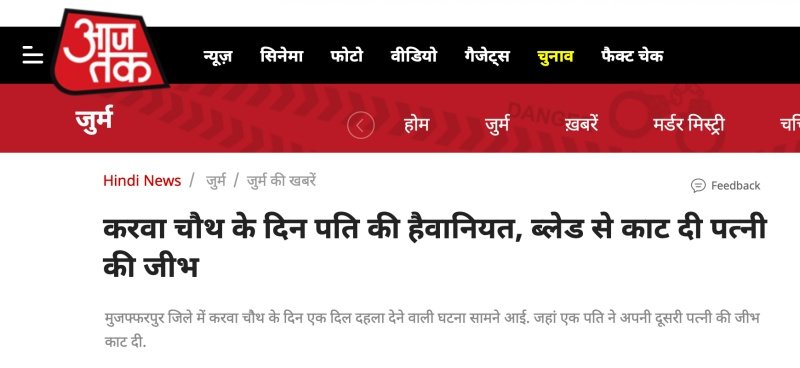
In a shocking incident from Bihar’s Muzaffarpur, a Muslim man severed his wife’s tongue yesterday. However, in a bid to sensationalise the episode, news channel Aajtak maligned the Hindu festival of ‘Karwa Chauth’ by giving an egregious twist in their headlines to convey that a brutality was committed by a husband on the day of ‘Karwachauth’, the day when Hindu women generally fast for their husband’s long and healthy life.
Headline by Aaj Tak
The incident pertains to Saraiya village of Muzaffarpur, where an ugly brawl between two wives devolved into husband cutting tongue of his second wife. She was rushed to the hospital where the doctors tended to her injuries. According to the doctors, the nature of the injury was serious and condition and she continues to remain critical as a lot of blood was lost before bringing her to the hospital.
The incident spread like a wildfire through the village and the accused Mohammad Shafiq was nabbed by angry villagers before tying him to a pole. He was subsequently handed over to the village police. An FIR has been filed against the husband Mohammad Shafik by the family members of his second wife Meena Khatun.
The injured wife’s family members have alleged that Shafiq tricked Meena into marrying him. Family members said that Shafiq claimed inability of his first wife to have children as a reason for marrying Meena. However, soon after marrying Meena, the family members alleged that Shafiq started harassing her along with his first wife. The family members asserted that when Meena threatened to scream against the harassment meted out on her, Shafiq and his first wife would threaten her with severing her tongue. Along with Shafiq, the FIR also mentions the name of his first wife Anguri Khatun.
However, despite having no affiliation with the ‘Karwa Chauth’ ritual, Aajtak spuriously mentioned it in their headlines while conveniently ignoring to mention the Muslim identities of those involved in the horrendous act. The inclusion of ‘Karwa Chauth’ in the headlines alluded that a practising Hindu husband must have committed the despicable atrocity upon her wife. The fact that the Muslim man had two wives and the quarrel between the two reportedly triggered him into severing one of his wives’ tongue was conspicuously absent from the headlines.
The vilification of Hindu festivals is not a new phenomenon. several media houses have been guilty of gratuitously slandering Hindu rituals and festivals. One media outlet The Wire published a scathing article arguing that the Hindu festival of Holi perpetuates rape culture. Another ‘secular’ media outlet Huffington Post had uploaded a disparaging piece about how Karwa Chauth smacks off patriarchy on its website. There are umpteen instances where media outlets have unabashedly indulged in denigrating Hindu festivals.
These very media outlets remain tight-lipped while conjoining a crime with a festival celebrated by non-Hindus. The modus operandi espoused by such media outlets entails pontificating Hindus about the vices purportedly associated with their festivals and holding the festivals responsible for the perpetuation of those vices. This procedure is exclusive only for the Hindu festivals and for non-Hindu festivals, lofty ideals of brotherhood, peace, inclusiveness etc. are attached while glaring vices are intentionally concealed.
Former Hindu Mahasabha leader and the founder of Hindu Samaj Party Kamlesh Tiwari has been killed by unknown assailants at his residence in Lucknow. As per reports, he had been shot at and also had his throat slit.
As per reports, the incident happened in the Naka area in Lucknow. Tiwari was reportedly at his Khurshid Bag office of Hindu Samaj Party when two unidentified assailants entered the premises. Police have stated that one of the murderers was wearing saffron clothes.
police have also recovered a revolver from the crime scene. After an initial investigation, they have stated that it is possible that the murderers were known to Tiwari.
As per reports, the two persons who had come to meet Tiwari had sneaked in weapons inside a packet of sweets. They attacked Tiwari with the weapons and hurried away. Tiwari was immediately taken to the trauma centre where he was declared dead.
Kamlesh Tiwari was arrested by the then Akhilesh Yadav government for his remarks against Prophet Mohammad’s sexuality in 2015. Muslim groups in Deoband, Saharanpur and West Bengal had launched massive riots and protests demanding Tiwari’s death.
Tiwari had remained in jail or over a year after the National Security Act was slapped on him. In September 2016, the Allahabad HC had finally quashed the NSA charges against him and he was released later. The arrest and subsequent charges on Kamlesh Tiwari over remarks against Prophet Muhammad had caused an outrage in the nation, especially among Hindu groups.
In Kaliachak, Malda, West Bengal, Muslims had engaged in rampant violence and riots while ‘protesting’ against Tiwari’s remarks. Over 2.5 lakh Muslims had gathered in Kaliachak and had looted shops, burnt buses and had set fire to a police station to express their anger over Tiwari’s remarks. Tiwari had stated that Prophet Mohammad was the first homosexual in the world.
Tiwari’s remarks had come after SP leader Azam Khan’s statement that RSS members are homosexuals.
The BJP announced in its manifesto for the Maharashtra Assembly Elections that upon reelection, they will request the Central government that the Bharat Ratna be conferred upon Veer Savarkar. Needless to say, some people were not happy with the manifesto promise.
Congress leaders reacted to the news of BJP promising to give Bharat Ratna to Veer Savarkar by saying that they’re “expecting a Bharat Ratna for Godse also” after the manifesto promise was made. Meanwhile, senior Congress leader Veerappa Moily asserted, “That is their culture. They are going totally against the Indian culture of pluralism. They are moving towards fanaticism. With that, the force to fight against terrorism will disappear from the culture of India. Most, unfortunately, that kind of a culture is encouraged here in the land of Mahatma Gandhi.”
Mehbooba Mufti, leader of the PDP in Jammu & Kashmir and former J&K Chief Minister, went a step further. She tweeted, “Bharat Ratna for a man who justified rape as a weapon of war. You know a country needs to reset its moral compass when the likes of Savarkar are feted whereas a great man like Gandhiji is disrespected”.
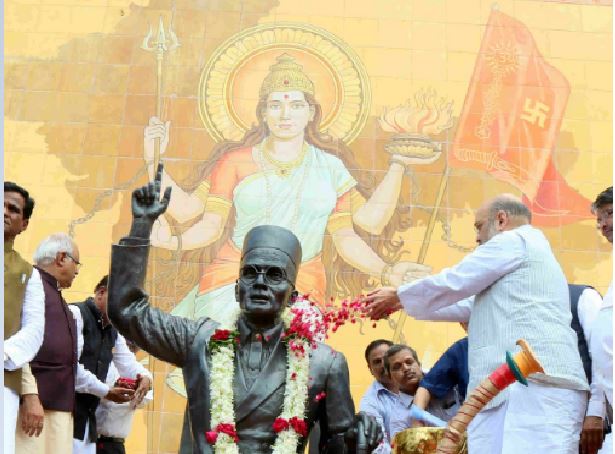
As is evident, there’s a visceral hatred for Veer Savarkar in Indian polity that’s only matched in its intensity by the hatred that the same people bear for Narendra Modi and Amit Shah, who are considered heirs to Savarkar’s legacy. This hatred surfaces time to time whenever attempts are made to pay tribute to his legacy. On numerous occasions, they have called him a ‘traitor’ and worse. Recently, the students’ wing of the Congress party had opposed the installation of Savarkar’s bust at Delhi University campus.
The reason for such hatred is not mere politics. It’s much more fundamental than that. The vision of India that Savarkar had is in direct conflict with what liberal polity envisions India to be. Liberals want us to believe that the Indian state started from a blank slate in 1947 after a period of extreme communal violence. But through the lens of Hindutva, the Indian state appears as the political union of Hindus under a nation-state and the Indian state is the custodian of the great Hindu civilization and its foremost duty is to ensure the continued existence of Dharma. These are irreconcilable differences that cannot be resolved through dialogue.
There was a widespread consensus about India’s civilizational identity even under the Congress in its heydeys. It’s only after Sonia Gandhi assumed the reins of the party that it attempted to completely disassociate itself India’s cultural ethos. But the liberal polity that delineated India from the continuity of the Hindu Civilization was Congress’ contribution from the very beginning and it was embodied by the first Prime Minister of India Jawaharlal Nehru.
Liberal polity faces an existential threat from Hindutva. The essence of liberal polity has been fanning ethnic divisions and casteist hatred within the Hindu community while denying the continuity of the Hindu Civilization from its ancient past to its current manifestation, the Indian state. Hindutva seeks to transcend these barriers and unite Hindus under one political entity. Both are at odds with each other and are destined for perennial conflict.
It wouldn’t have escaped people’s notice that liberals preach tolerance and unity in diversity while simultaneously exploiting the faultlines within the Hindu community. They claim that they want Hindus and Muslims and Christians to live in peace and claim to support communal harmony and yet, at the same time, they do not wish for different Hindu castes to coexist and coordinate harmoniously with each other. Hindutva seeks to put an end to this.
The liberal polity will be perfectly at ease if Hindu society is made to burn if only they could rule over the ashes. Hindutva, on the other hand, pays tribute to the glorious history of the great Hindu Civilization and seeks to preserve our heritage. Hindutva is reactionary in nature but does not shy away from modernity. Hindutva doesn’t believe that modernization is equivalent to the Westernization of Indian society. It wants India to modernize but on our own terms, not anyone else’s.
And these are the fundamental differences between the two ideologies that fuel hatred for Veer Savarkar. He is the personification of everything that liberals do not like. Savarkar was pretty modern in his outlook and there are aspects of his ideology that Hindu society of even today will find unpalatable. But regardless, liberals hate him because he advocated for India to modernize on the basis of its Hindu heritage.
A Bharat Ratna for Veer Savarkar would be official recognition of his contributions to the story of Independent India at the highest level. Narendra Modi and Amit Shah are inheritors of that legacy. Savarkar’s ideology received mass support for the first time during the Ram Janambhoomi movement. It was taken to the people by Lal Krishna Advani through the Rath Yatra.
Then, it underwent modification during Atal Bihari Vajpayee’s tenure as Prime Minister and his unexpected electoral defeat was evidence that there were a few essential adaptations Hindutva had to make to entrench itself in the corridors of power. A decade later, Narendra Modi made those adaptations and succeeded in taking Savarkar’s ideology to the pinnacles of power in Independent India.
‘Savarkar: Echoes of a Forgotten Past’, a biography by Vikram Sampath, reveals that Savarkar himself represents a continuity that goes even further back than previously thought. His book also reveals that the Congress party was established by the British to further cement their power in India. The continuity that Savarkar personally represented and Congress’ own legacy that pits it at odds with Hindutva is perhaps a story for another time.
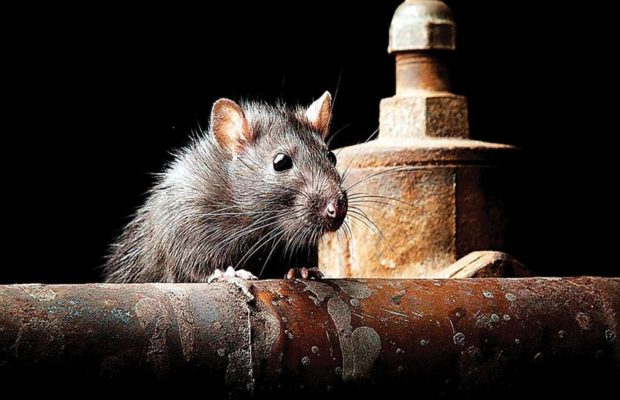
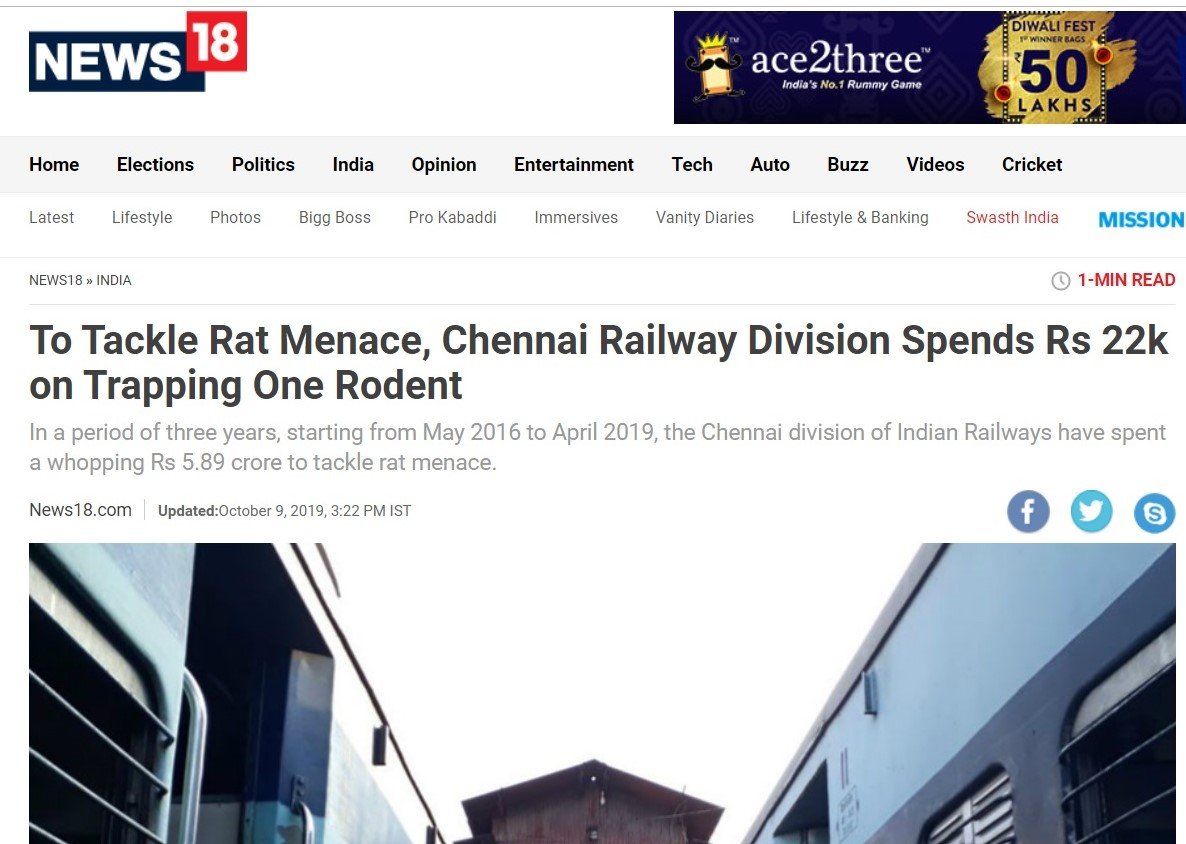
Mainstream media outlets reported recently that Chennai Railway Division of Indian Railway spends Rs. 22,000 to catch a single rodent. Now those reports have been categorically rejected by the Railway authorities.
CNN News18 stated in a report on the 9th of October, “Faced with rat menace at the railway stations, the Chennai division of Indian Railways spends approximately Rs 22,300 on trapping one rat, an RTI report has revealed. In the past three years, the local railway authorities have spent a whopping amount of Rs 5.89 crore on tackling this menace.”
Amar Ujala, too, published a report making the same claims on the 11th of October, two days after News18 published theirs. This was followed by a Jansatta report making the same erroneous claims on the 9th of October.
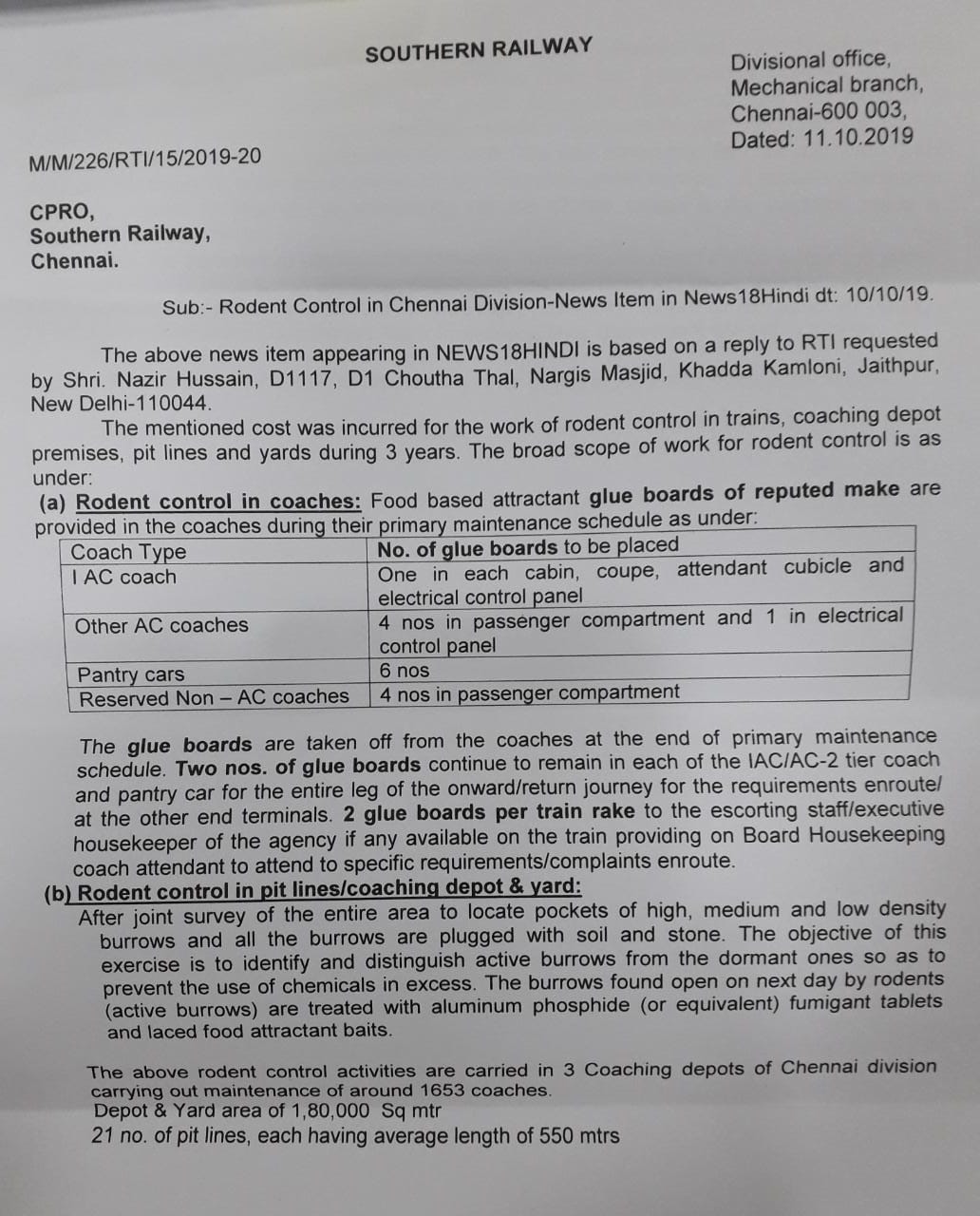
The Southern Railways has now issued a statement labelling media reports asserting that over 22,000 rupees were spent on catching one single rat as “unjustified” and “erroneous”.
The authorities also reiterated that rats who consumed the rat poison could die in yards and the station area or “may move to other areas before dying”. Similarly, the authorities stated that glue pads/traps that are put in coaches of trains for rodent control are sometimes carried outside by bigger rats or by those that are partially stuck.
Therefore, these rats die elsewhere as well. Only the ones that are actually stuck are considered as ‘catch’. Thus, the railway authorities state, “correlating number of rats caught to the payment made is unjustified and erroneous” as “exact number of rodents eradicated cannot be stated”.
The railway authorities emphasized in their statement that providing hygienic and clean stations and trains is one of the primary responsibilities of the Indian Railways and the “expenditure incurred on this activity is for providing better facilities to passengers.”
We, at OpIndia.com, have regularly reported on how the mainstream media misrepresents facts to peddle a certain narrative. Misleading reports is not a new phenomenon on the mainstream media. Incompetence has become a feature of their reporting and can no longer be considered a bug.
Indian Railways in particular under the leadership of Minister Piyush Goyal has been a target of media hit-jobs and lies spread by the usual suspects. Recently, the media and Rahul Gandhi had spread lies about the Railway tender won by Reliance Jio. Another lie that was spread was that a hawker was arrested for merely mocking politicians while selling his product in a train, while the truth was that he was arrested for illegal hawking and had a history of such arrests and warnings issued to him.
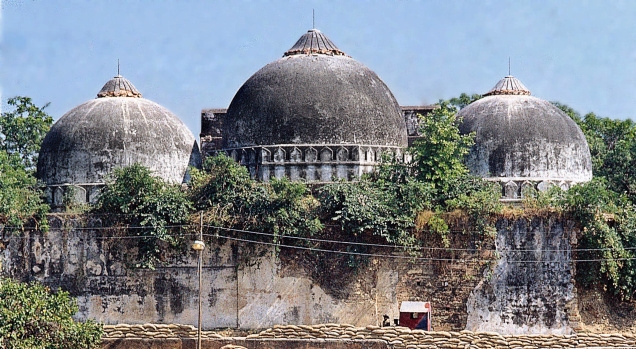
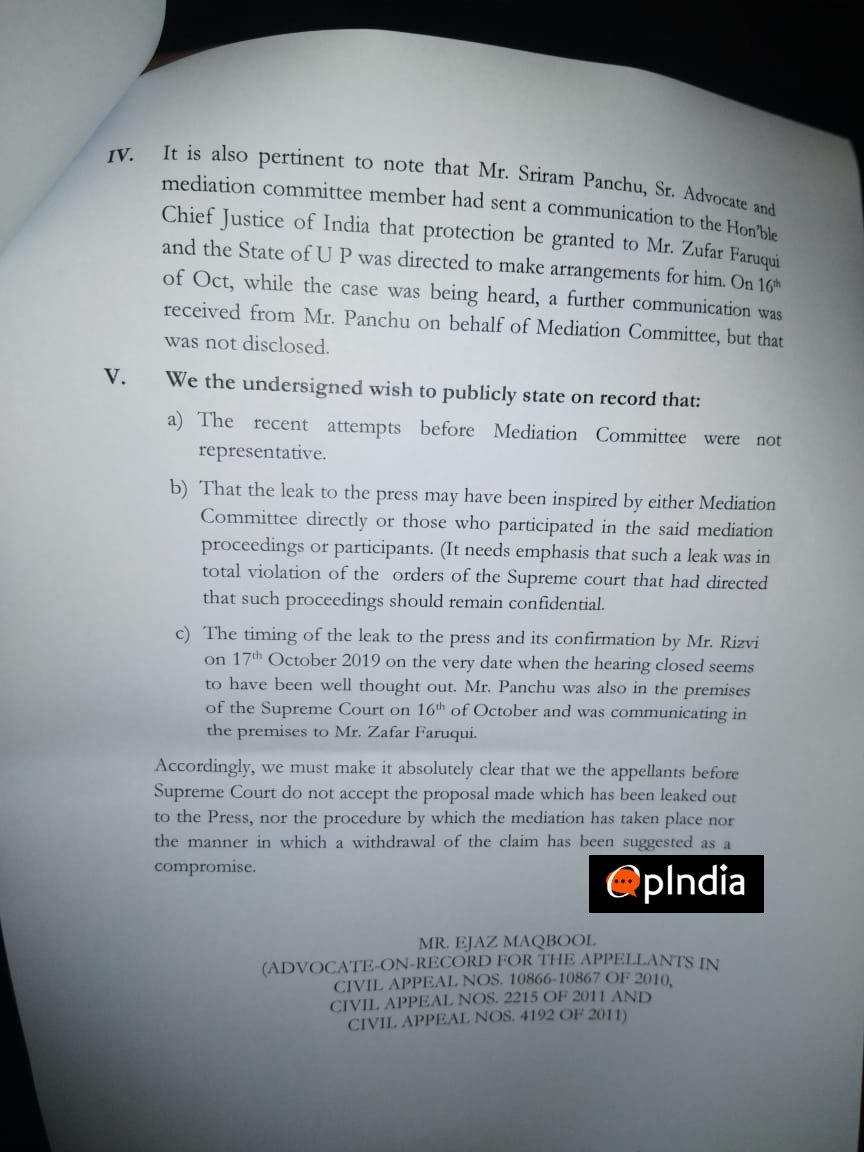
On October 16th 2019, a report was leaked to the media that contained some of the details of the mediation panel report that was submitted to the Supreme Court in a sealed cover. It was reported that the Sunni Waqf Board was willing to give up its claim on the Ram Janmabhoomi land under three conditions. Now, Ejaz Maqbool, the lawyer of the Muslim parties has filed a plea in the Supreme Court categorically rejecting the reported recommendations made by the mediation panel in the Ayodhya case.
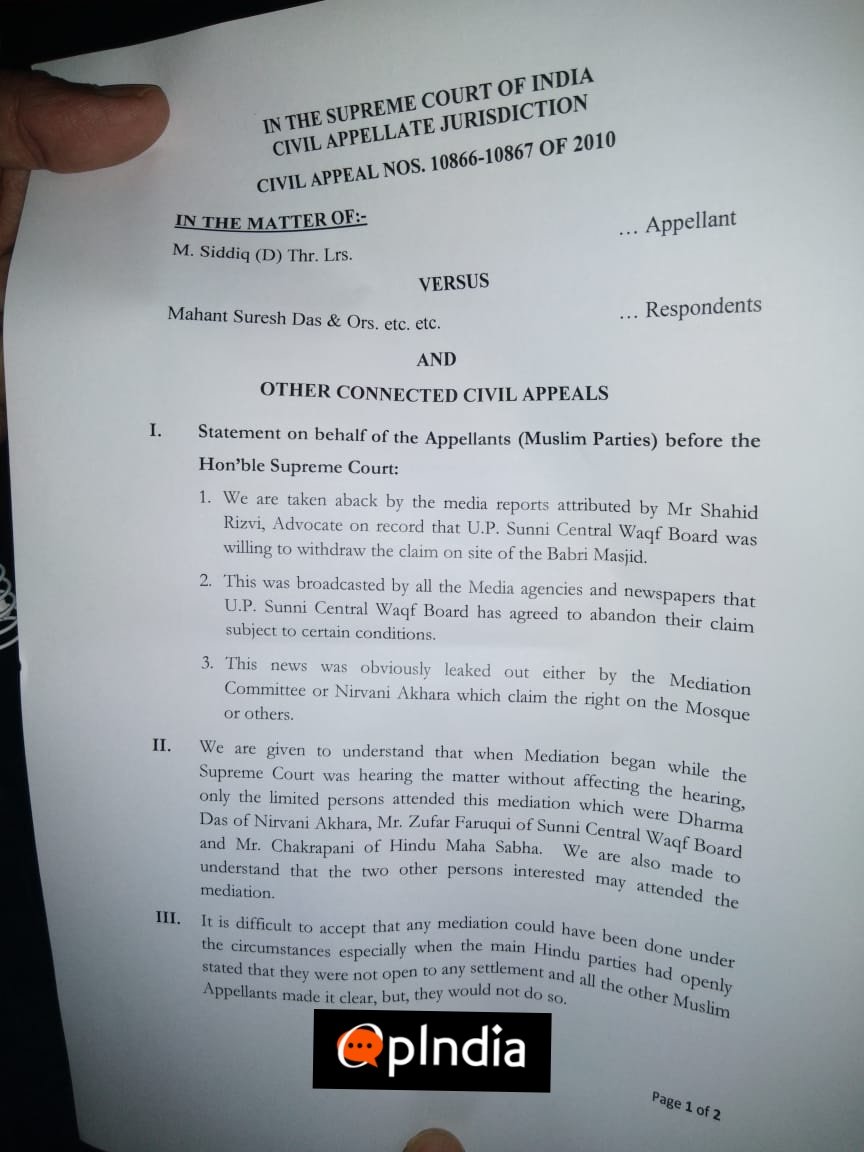
The Muslim parties have rejected the proposal made in the mediation report and have also rejected the manner in which the mediation was held.
The petition says that the Muslim parties were taken aback by the statements of the representative of UP Sunni Waqf Board saying that the Board is willing to withdraw its claim on the Ayodhya site and say that this information was obviously ‘leaked to the media’ by either the Mediation Committee or the Nirvani Akhara.
The petition states that it is ‘difficult to accept’ that any mediation could have been done under the circumstances especially when the main Hindu parties haad openly stated that they were not open to any settlement and all the other Muslim appelants made it clear that they too were not in favour of any settlement.
Almost implying far more than needed, the petition that that Senior Advocate Sriram Panchu had sent a communication to the Chief Justice of India that protection be granted to Zafar Faruqui and the Uttar Pradesh State Government was asked to do so promtly. It then says that there was a second communication to the CJI which was not disclosed.
Further, the petition says that the mediation committee itself was not representative and that the alleged ‘leak’ to the media was in violation of the Supreme Court orders. The petition also raises doubts on the timing of the said ‘leak’.
It then says that the Muslim parties do not accept the proposal made which have been leked to the media nor the procedure by which the mediation has taken place. They also said that they reject the manner in which a withdrawal of the claim was suggested as a compromise.
Reportedly, The Sunni Waqf Board had said that it will give up the claim and asked to make Place of Religious Worship Act 1991 watertight, government should take over maintenance of around 22 mosques in Ayodhya and Supreme Court should form a committee to check into status of other religious places under ASI’s control.
The arguments in the case concluded on October 16th and the verdict in the Ram Janmabhoomi case is expected anytime between 14th and 16th November 2019.