

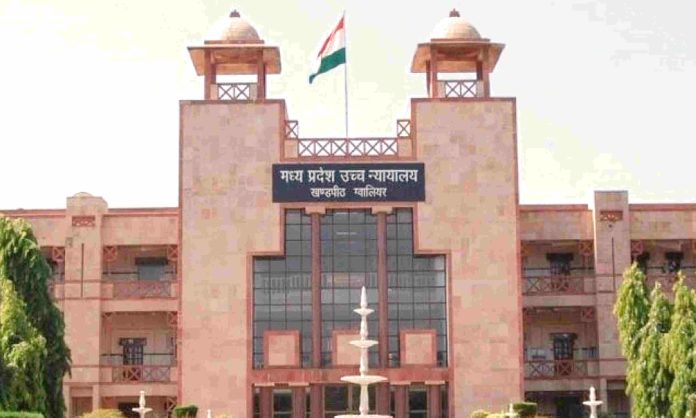
The Madhya Pradesh High Court has declined to quash criminal proceedings against a man accused of sharing a controversial WhatsApp message that allegedly portrayed beef consumption as integral to Hinduism and claimed that Brahmins routinely consumed bovine meat.
The Court noted that the allegations involved the circulation of material capable of hurting religious sentiments and potentially promoting communal disharmony, an issue that, it said, must be examined through a full investigation rather than at the threshold. Whether the message was intended as an academic extract or crossed the bounds of protected speech, Justice Phadke observed, could only be determined after evaluating the evidence gathered by the police.
Crucially, the bench held that once an FIR indicates the commission of cognizable offences, the investigative process cannot be halted. “Taken at face value, the allegations in the FIR do reveal the basic ingredients of the offences invoked,” the Court said, refusing to intervene and dismissing the plea for quashing.
According to the complaint, Bouddha, who administers a WhatsApp group titled B P Bauddh Patrakar News Group, had forwarded a message containing allegedly derogatory references to Hindu traditions and the Brahmin community. The text reportedly claimed that beef consumption was essential for “good Hindus,” that Brahmins consumed bovine meat, and that cows and bulls were slaughtered in certain historical rituals. The complainant asserted that such statements were not only misleading but deeply offensive to Hindus, for whom the cow is venerated.
Bouddha sought to have the FIR scrapped, arguing that he had merely shared excerpts from a book authored by Dr. Surendra Kumar Sharma (Agyaat). His counsel maintained that the post was academic in nature, taken from a published work, and circulated within a private group of voluntary participants. They further claimed that the FIR was motivated by bias, allegedly triggered by Bouddha’s past reporting on police misconduct.
The State, however, contended that the material shared was anything but academic. It argued that the forwarded message was inflammatory, provocative, and capable of disturbing public order.
Justice Phadke agreed that determining whether Bouddha acted in good faith or with malicious intent was a matter of factual inquiry, not something that could be decided at the investigation stage.
The Court also rejected the plea of mala fides, noting that such claims require evidentiary scrutiny and cannot be resolved in writ proceedings. Merely alleging that the FIR was a retaliatory measure, it said, was insufficient grounds for quashing when cognizable offences appeared to be made out.
Finding no basis to exercise its extraordinary powers under Article 226 of the Constitution, the Court allowed the investigation to continue and dismissed the petition.
