

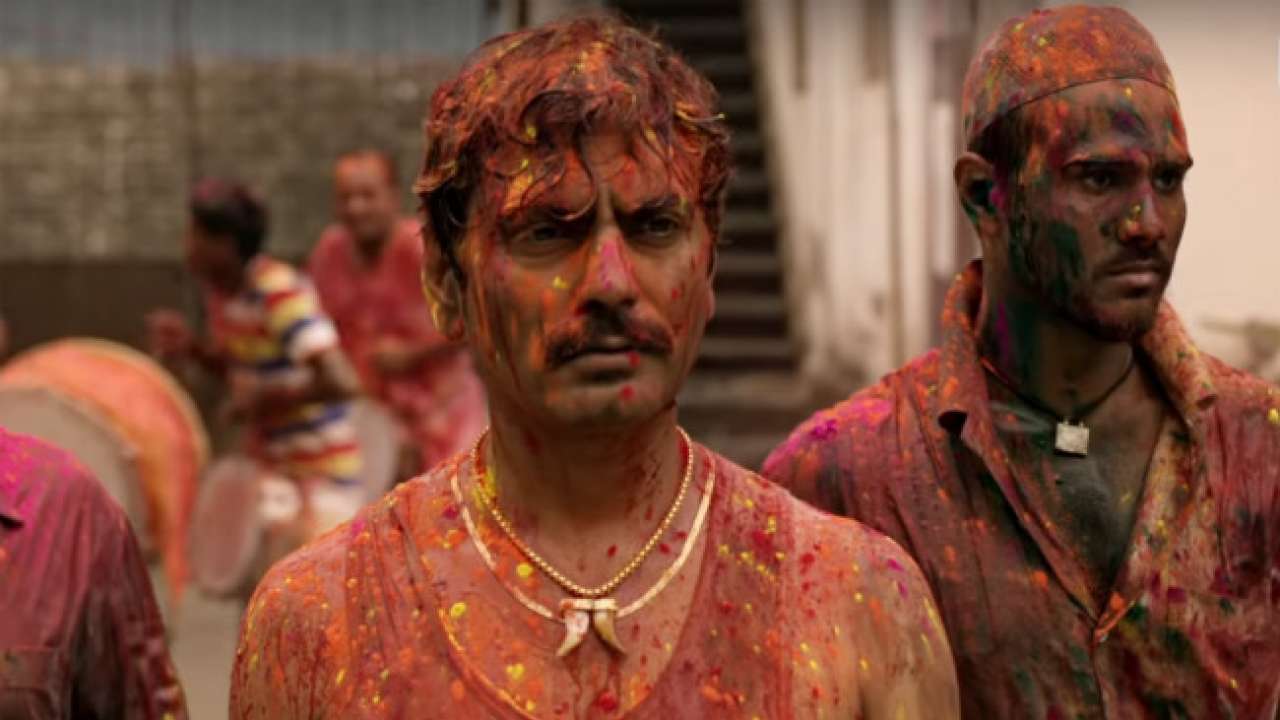
India’s first Netflix series ‘Sacred Games’ has been in news for quite some time now. Nikhil Bhalla, the advocate petitioner who filed a plea before the Delhi high court to remove certain dialogues from this series, has now amended his petition to ask the government to create a regulatory board for online streaming companies. Bhalla confirmed the amendment to MediaNama.
The next hearing for this case will be held on October 20.
This development, however, took place after a legal counsel for Netflix, made it clear last month that the streaming service had no intention of removing the ‘objectionable word’ used to describe former prime minister Rajiv Gandhi in the show Sacred Games.
In April this year, the I&B Ministry, then headed by Smriti Irani, did set up an online content regulation committee, which was later, under the current I&B Minister Rajya Vardhan Rathore, who took a softer approach to online content regulation, disbanded in July. An RTI filed by Medianama revealed that the committee which was formed under the former I&B Minister, Smriti Irani since its inception hadn’t met even once.
As per latest reports, after the committee formed by Smriti Irani was disbanded, an Inter-Ministerial Committee (IMC) on ‘investment in critical national infrastructure and digital broadcasting’ was set up by the new I&B minister replacing the I&B Ministry’s committee would look into the issue of framing regulation for online media/news portals.
The online series, which released in July this year, had almost immediately made the headlines for allegedly ‘defaming the Congress party’. The Congress party’s workers from West Bengal, a party that pretends to be the bearers of freedom of expression, had filed a complaint against the show for ‘showing the leaders of the party in a negative light.’ The complaint mentioned that in the show, Nawazuddin Siddique has called Rajiv Gandhi a “fattu” (coward) and misrepresented facts.
Rajeev Sinha, the Congress member from West Bengal, who had filed the petition, however, withdrew the complaint later.
Incidentally, the web series had also angered an organisation named All India Cine Workers Association (AICWA), which openly endorses the Congress party, which has lodged a similar complaint demanding an FIR against the actor and producer of Sacred Games.
The outrage had invoked the advocate and petitioner Nikhil Bhalla, who is a Congress member, to file a PIL in the Delhi HC asking for certain scenes to be deleted from the series. Bhalla said that these scenes were ‘derogatory to former PM Rajiv Gandhi.’ In one line, for instance, the character Ganesh Gaitonde calls Rajiv Gandhi a wimp in Hindi, which a previous version of the subtitles translated as ‘pussy’.
Bhalla petitioned for the scenes with such dialogue to be removed and has now has asked the court to amend the petition by asking the government to create a regulatory board for the online streaming companies.


