

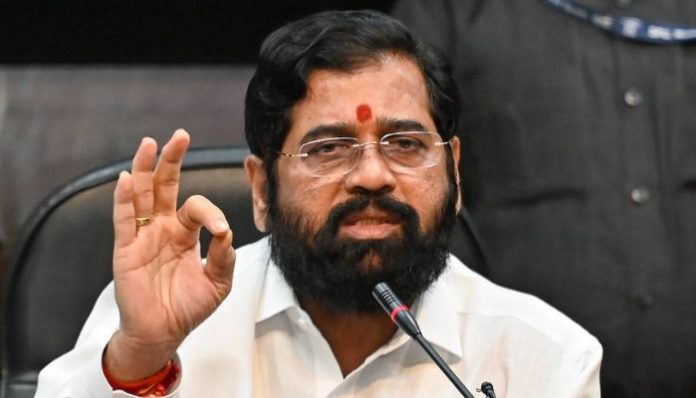
The Eknath Shinde government in Maharashtra revoked the denial of consent to CBI for filing cases in the state on 21st October 2022. Now the central investigation agency will not need any permission to file cases in the state. It is notable that the Maha Vikas Aghadi government led by Uddhav Thackeray had withdrawn the general consent to the Central Bureau of Investigation for filing cases in Maharashtra.
Maharashtra government has reinstated general consent to CBI for investigating cases in the state: Maharashtra Home department source
— ANI (@ANI) October 21, 2022
The state government’s general consent was earlier withdrawn by an order of the then MVA government.
Now, two years after the Maha Vikas Aghadi government’s action, the current Maharashtra government is reversing that directive. Several of the Uddhav Thackeray government’s decisions were changed when the Eknath Shinde’s faction of Shiv Sena and BJP’s coalition government took office. This decision of banning general consent to CBI to file cases in the state was regarded as one of the Uddhav government’s key decisions.
On October 21, 2020, Uddhav Thackeray signed a plea from the Home department asking that the CBI not be allowed to undertake an inquiry in the state without prior permission from the state government. Anil Deshmukh served as the state’s home minister during the time. Anil Deshmukh is now on trial in the Antilia bomb threat case as well as the money laundering case.
The CBI must now seek case-specific permission from at least seven states that have withdrawn their blanket approval. The opposition has accused the BJP-led Center of frequently using the CBI and ED for political gain. In West Bengal, Mamata Banerjee’s government has withdrawn the general consent to CBI for filing cases in the state.
CBI is governed by the Delhi Special Police Establishment Act, which defines the CBI as a special division of the Delhi Police and restricts its initial territorial power to Delhi. Therefore, before it can investigate cases in other states, it must obtain prior permission from that state government. But as a large number of corruption and criminal cases are handed over to the CBI by the governments and the courts, most states grant general consent to CBI. This general consent means that CBI does not need to seek permission for each individual case. But some state governments withdraw this consent due to disputes with the central government.


