

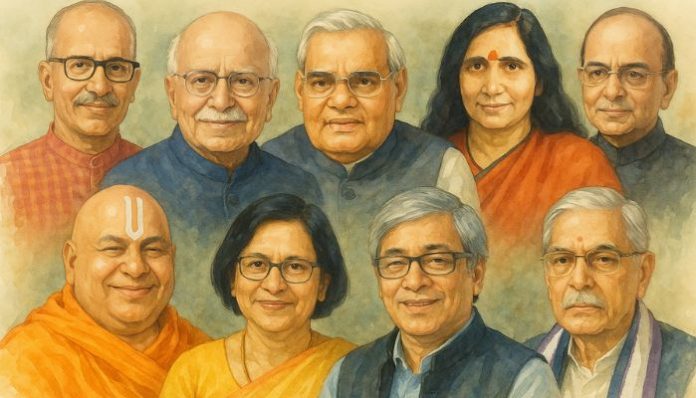
In the past decade, India’s recognition system has evolved significantly. Prominent figures are being honoured not just through civilian awards but also through key appointments, such as those to the Rajya Sabha. Since Prime Minister Narendra Modi came to power in 2014, these honours have increasingly been conferred upon individuals who promote India’s cultural, spiritual, and civilisational heritage.
From veteran politicians to historians, activists, and spiritual leaders, the face of these awards and appointments has shifted dramatically. Figures like Meenakshi Jain and Sadanandan Master, who were recently nominated to the Rajya Sabha by the President of India, Droupadi Murmu, reflect the changing landscape of national honours. It highlights the growing emphasis on contributions to India’s heritage and cultural identity. Here is a list of individuals who have worked extensively in the fields of public service, academics, and cultural work and were rightly awarded by the Government of India for their contributions.
Meenakshi Jain
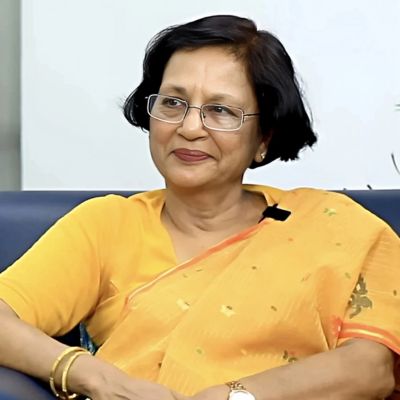
Born in 1964, Meenakshi Jain is an Indian historian and political scientist. She has been recently nominated by the President of India for the Rajya Sabha. She served as an associate professor of history at Delhi University’s Gargi College.
Jain is known for her work on medieval and modern Indian history. She wrote a school textbook Medieval India and books on colonial-era topics, including the practice of Sati.
Her notable works, including Rama and Ayodhya (2013) and The Battle for Rama (2017), provided historical evidence supporting the Ram Temple’s existence, countering leftist distortions. In 2020, she was awarded the Padma Shri for her contributions to literature and education.
C Sadanandan Master
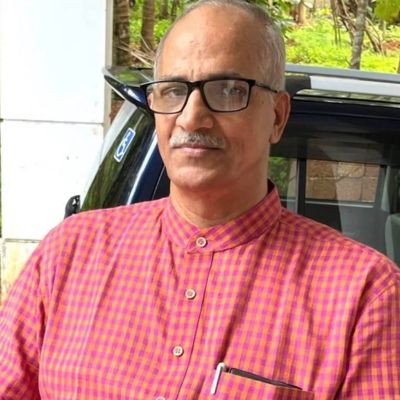
Born in 1964, C Sadanandan, affectionately known as Maash, is a schoolteacher from Kerala whose life exemplifies resilience. In 1994, at the age of 30, he survived a brutal attack by CPI(M) goons who severed both his legs in a politically motivated assault.
Despite the traumatic experience, he returned to teaching in 1999. Later, he became an active member of the BJP. His ideological shift from communism to RSS values came in 1984 when he was influenced by reading about cultural nationalism.
In 2025, he was nominated to the Rajya Sabha by President Droupadi Murmu, recognising his contributions to education, social work, and his remarkable journey of personal and ideological transformation.
Lal Krishna Advani
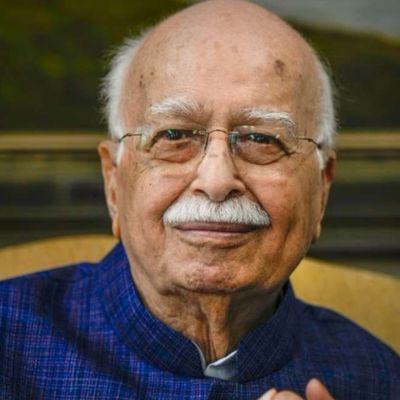
Lal Krishna Advani was born in 1927. He is a veteran Indian statesman and founding leader of the Bharatiya Janata Party (BJP). LK Advani served as Home Minister of India between 1998 and 2004 and as Deputy Prime Minister between 2002 and 2004. He was instrumental in popularising the BJP on the national stage.
LK Advani is best known for his role in the Ram Janmabhoomi movement. His rath yatra brought Hindus together to raise the demand for a Bhavya Ram Mandir in Ayodhya, replacing the disputed structure then-known as Babri Masjid.
Advani has served for many years as a member of Parliament. He was BJP’s first President and served as Leader of Opposition for many years. Recognising his public service, LK Advani was awarded the Padma Vibhushan in 2015. His lengthy career and organisational skill are widely acknowledged as having strengthened his party’s role in Indian politics.
Atal Bihari Vajpayee
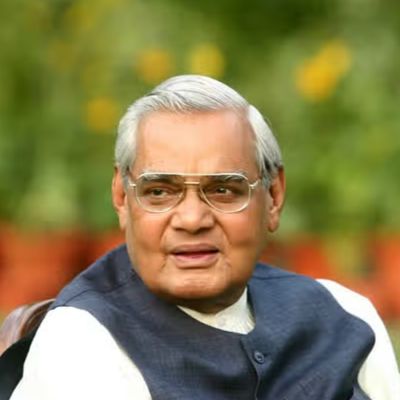
Atal Bihari Vajpayee was born in 1924. He was a poet, writer, and statesman who served three times as Prime Minister of India. He led the first non-Congress government to complete a full term between 1999-2004. Vajpayee was co-founder of the BJP and a respected orator. He is remembered for his charismatic leadership, diplomatic initiatives, and nuclear tests at Pokhran.
Vajpayee was a published Hindi poet and author of several books. He also played a vital role in the Ram Janmabhoomi movement alongside Advani. In honour of his contributions to the nation, Vajpayee was awarded the Bharat Ratna, India’s highest civilian award, in 2015. Previously, he received the Padma Vibhushan in 1992. He passed away in 2018.
Nanaji Deshmukh
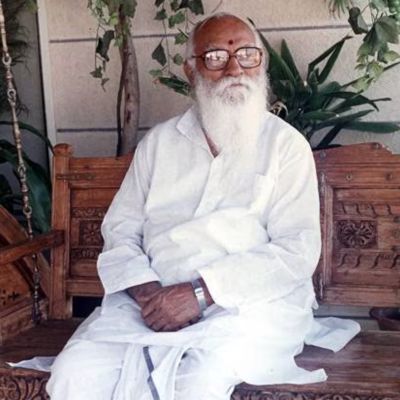
Nanaji Deshmukh was an Indian social activist and politician known for his work in rural development and education. He was the founder of the Deendayal Research Institute in 1969 and later established Chitrakoot Gramoday Vishwavidyalaya, India’s first rural university.
These institutions played a vital role in transforming scores of villages in Uttar Pradesh and Madhya Pradesh, improving agriculture, cottage industry, healthcare, and education at the grassroots.
Deshmukh was a longtime associate of the RSS and leader of the Bharatiya Jana Sangh. He was known for his simple lifestyle and emphasis on self-reliance. He was honoured with the Padma Vibhushan in 1999 and after his death in 2010, he posthumously received the Bharat Ratna in 2019 for his dedicated social service.
Madan Mohan Malaviya
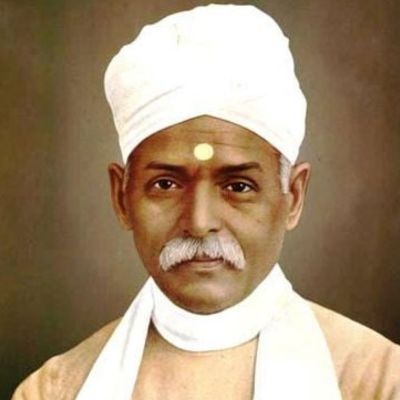
Pandit Madan Mohan Malaviya was born in 1861. He was an eminent educator, lawyer, and leader in the Indian independence movement. He is celebrated as the founder of Banaras Hindu University in 1916. He championed higher education for Indians. Malaviya also served four times as the President of the Indian National Congress and worked on issues like Hindu-Muslim unity and social reforms.
Malaviya was a prolific writer and nationalist. He launched newspapers, including the Hindustan Times, and worked to spread education in Hindi. In 2015, the Government of India recognised his lifetime contributions to education and nation-building, and he was posthumously awarded the Bharat Ratna. Malaviya passed away in 1946.
Sadhvi Rithambara
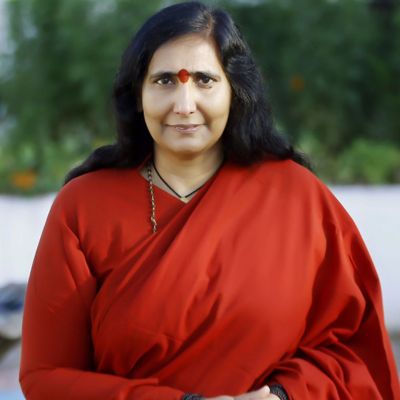
Born in 1963, Sadhvi Rithambara is a Hindu monk and activist. She is best known for her role in the Ram Janmabhoomi movement of the late 1980s and 1990s. She founded and led the Durga Vahini, the women’s wing of the Vishwa Hindu Parishad (VHP), and became a prominent speaker advocating for Hindu nationalist causes.
In recent years, she has been active in social and religious work. In 2025, she was awarded the Padma Bhushan, recognising her social and religious work. She is an amazing orator and organiser within her movement.
David Frawley (Vamadeva Shastri)
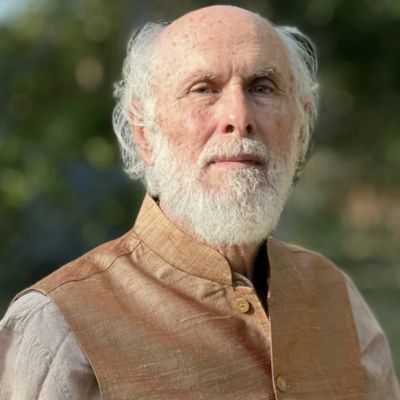
David Frawley, also known as Pandit Vamadeva Shastri, was born in 1950. He is an American author and teacher of Hinduism and Vedic Studies. He has written many books on subjects such as the Vedas, Ayurveda, yoga, and astrology, introducing Western readers to traditional Indian knowledge systems. In 2015, the Government of India awarded him the Padma Bhushan for his contributions to the understanding of Vedic and Sanskritic culture.
Devendra Swarup
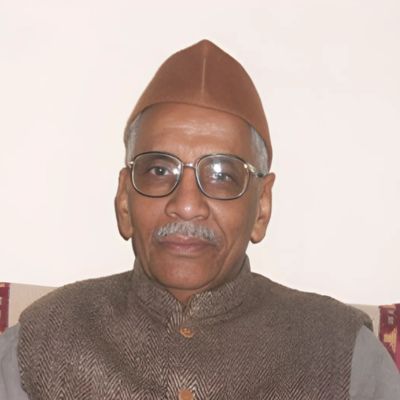
Born in 1926, Devendra Swarup was an Indian journalist, historian, and social worker. He was closely associated with the Rashtriya Swayamsevak Sangh (RSS). He served as editor of the RSS weekly Panchjanya for many years and later became a senior fellow at the Deendayal Research Institute.
He wrote over 15 books and numerous articles on history, politics, education, and social issues. He also lectured widely on cultural and ideological subjects. In 2019, the Government of India recognised his lifetime of scholarship and service to Indian historical studies and posthumously awarded him the Padma Shri.
Bibek Debroy
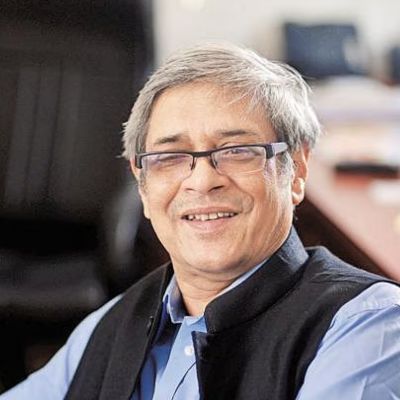
Bibek Debroy was born in 1955. He was a distinguished Indian economist and author. Debroy served as Chairman of the Economic Advisory Council to the Prime Minister between 2015 and 2019. Later, he served as a full-time member of the government’s NITI Aayog, shaping economic policy.
Debroy was a prolific writer, having translated many ancient Indian texts, including the Ramayana and Mahabharata. He authored books on economics, history, and literature. He was also known for his academic career and commentary on economic reforms. For his contributions to economics and literature, Debroy was awarded the Padma Shri in 2015. He received the Padma Bhushan posthumously in 2025.
Sadhguru Jaggi Vasudev
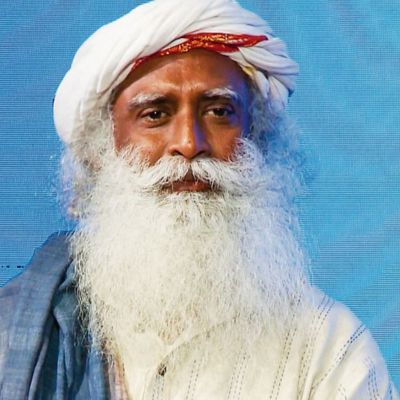
Jaggi Vasudev, also known as Sadhguru, was born in 1957. He is an Indian yogi and spiritual leader who founded the Isha Foundation. He is a popular author and public speaker. Sadhguru teaches yoga and meditation and has initiated large-scale social and environmental projects such as “Project Greenhands” and the “Cauvery Calling” campaign aimed at tree-planting and river rejuvenation.
Through Isha’s programmes, he has gained a worldwide following. In 2017, the Government of India awarded him the Padma Vibhushan for his contributions to spirituality and humanitarian activities.
Sri Sri Ravi Shankar
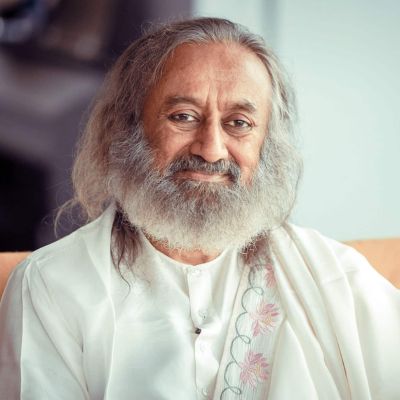
Sri Sri Ravi Shankar was born in 1956. He is a spiritual leader and humanitarian. He is best known as the founder of the Art of Living Foundation, which was established in 1981. He promotes a breathing technique called “Sudarshan Kriya” to reduce stress and has led interfaith dialogues and peace initiatives across the world.
Under his leadership, the Art of Living runs numerous educational and relief projects around the globe. In 2016, the Government of India recognised his social and spiritual work and conferred the Padma Vibhushan.
Swami Dayanand Saraswati
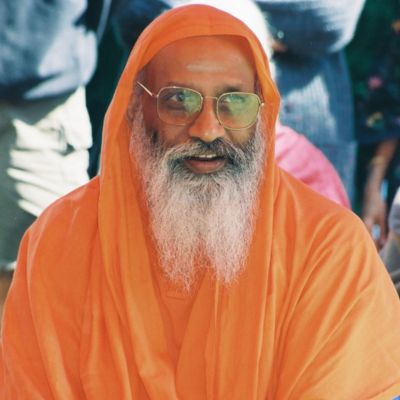
Swami Dayananda Saraswati was born in 1930. He was a respected Hindu monk and scholar. He was the founder of the Arsha Vidya Gurukulam (Advaitic Vedanta Centres) in India and the United States. He was noted for his mastery of Sanskrit and Advaita Vedanta philosophy.
Swami Dayananda Saraswati served as a spiritual teacher for many, including public figures. In 2016, the Government of India honoured him posthumously with the Padma Bhushan for his service to spirituality and education.
Amish Tripathi
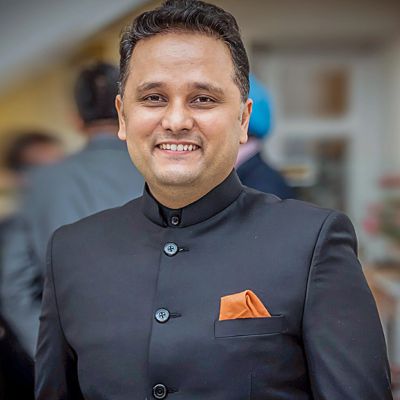
Born in 1974, Amish Tripathi is a renowned Indian author and former diplomat. From 2019 to 2023, he served as the Director of the Nehru Centre in London and as Minister (Culture & Education) at the High Commission of India in the UK.
During his tenure, he revitalised the Centre, hosting over 250 annual programmes. He was involved in producing acclaimed documentaries like Ram Janmabhoomi: Return of a Splendid Sun and Legends of Shiva. His literary works, including the Shiva Trilogy, Ram Chandra Series, and Legend of Suheldev, continue to influence global perceptions of India’s cultural heritage.
Navjivan Rastogi
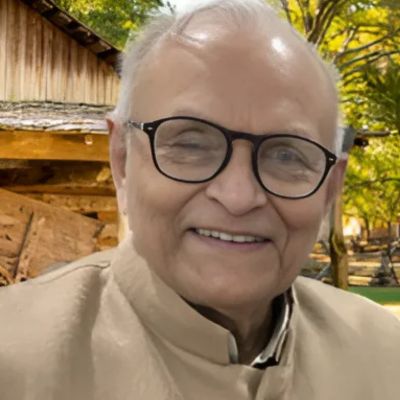
Navjivan Rastogi was born in 1938. He is a veteran Sanskrit scholar and retired professor at Lucknow University. He earned a PhD specialising in Kashmir Shaivism and went on to head Lucknow University’s Sanskrit department until his retirement.
Rastogi is known for his scholarly publications on Shaiva philosophy, including an acclaimed book on Abhinavagupta’s tantric thought. In 2024, he was awarded the Padma Shri for his lifetime of contribution to Sanskrit literature and education.
P Parameswaran
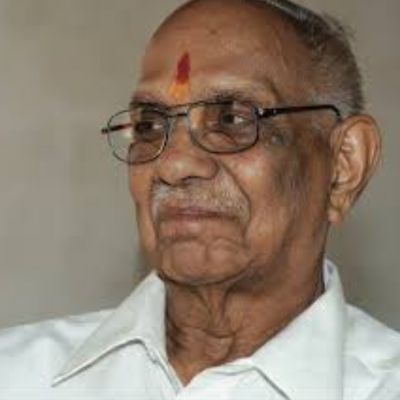
P Parameswaran was born in 1927. He was a Hindu thinker and RSS pracharak from Kerala. He founded the Bharatiya Vichara Kendram in 1982 and later served as its director, promoting Indian philosophical and cultural ideas.
He was a prolific writer and orator. He wrote on several topics, including spiritual and social issues. One of his noted works is a study of Sri Narayana Guru. He is well-regarded across ideological lines in Kerala. In 2018, the Government of India honoured him with the Padma Vibhushan for his contributions to literature and education.
KK Muhammed
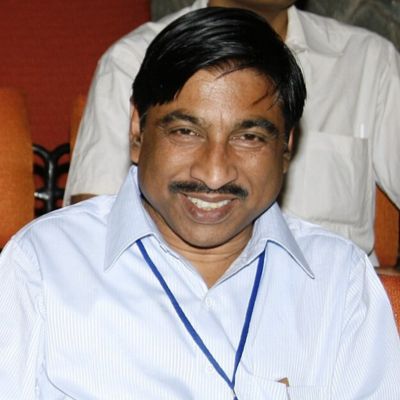
Karingamannu Kuzhiyil (KK) Muhammed is a distinguished Indian archaeologist and former director in the Archaeological Survey of India (ASI). In the 1970s, he led the ASI team that first found temple remnants beneath the disputed structure, then known as the Babri Masjid, in Ayodhya. The discovery later became historically significant.
He also helped restore numerous monuments. In recognition of his archaeological work, particularly at Ayodhya, KK Muhammed was awarded the Padma Shri in 2019.
Swapan Dasgupta
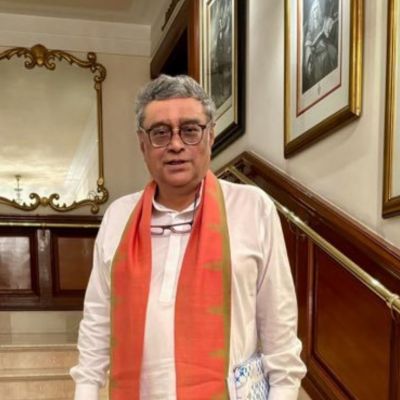
Swapan Dasgupta was born in 1955. He is an Indian journalist, columnist, and politician. For decades, he wrote opinion columns in leading English newspapers, often expressing Hindu nationalist views. He served as a member of the Rajya Sabha (nominated) and has held academic posts as a political commentator. In 2015, Dasgupta was awarded the Padma Bhushan for his contributions to literature and public affairs.
Arun Jaitley
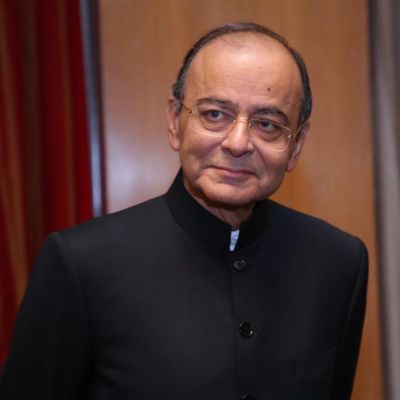
Arun Jaitley was born in 1952. He was a distinguished Indian politician and lawyer. He served as a senior leader of the BJP. Jaitley held several key portfolios in the Indian government, including Finance, Defence, Corporate Affairs, Commerce and Industry, and Law and Justice.
He played a crucial role in the implementation of the Goods and Services Tax (GST), a significant reform in India’s taxation system. He was also instrumental in the demonetisation initiative of 2016 and the introduction of the Insolvency and Bankruptcy Code.
Jaitley was elected to the Rajya Sabha in 2000 and served as the Leader of the Opposition before becoming the Leader of the House. In 2020, he was posthumously awarded the Padma Vibhushan in recognition of his exceptional service to public affairs.
Jagadguru Swami Rambhadracharya
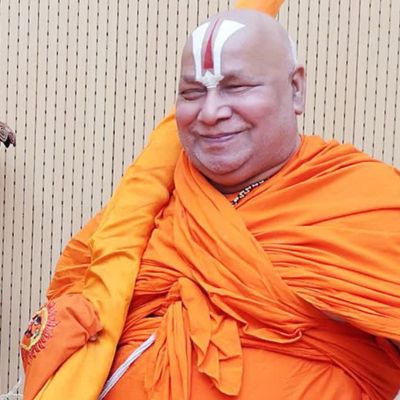
Born in 1950, Jagadguru Swami Rambhadracharya is a Hindu spiritual leader, educator, and Sanskrit scholar. Blind since childhood, he overcame adversity to master fourteen languages and has authored around 75 books and numerous poems in Sanskrit and other Indian languages.
He founded a university for disabled students in Chitrakoot and became the lifelong head (Jagadguru) of the Ramananda order. He is a widely respected teacher of Hindu scriptures, and his testimony in the Ram Janmabhoomi case provided historic evidence of the temple in the court.
Rambhadracharya was awarded the Padma Vibhushan in 2015.
Murli Manohar Joshi
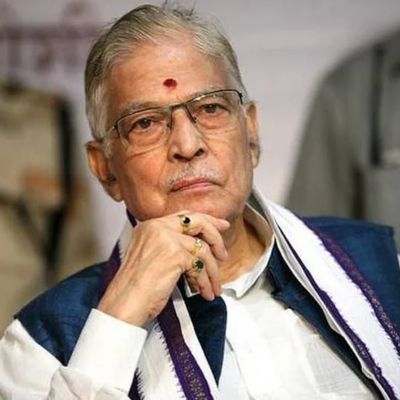
Murli Manohar Joshi was born in 1934. He is a senior BJP leader and former cabinet minister. He is one of the founding members of the BJP and headed the party in the early 1990s. Joshi is an academic by training and served as a physics professor at Allahabad University. He served in Prime Minister Vajpayee’s government as Human Resource Development and Science & Technology Minister from 1998 to 2004.
In 2017, Joshi was awarded the Padma Vibhushan in recognition of his long service in education and public life.
Vishwesha Teertha Swami
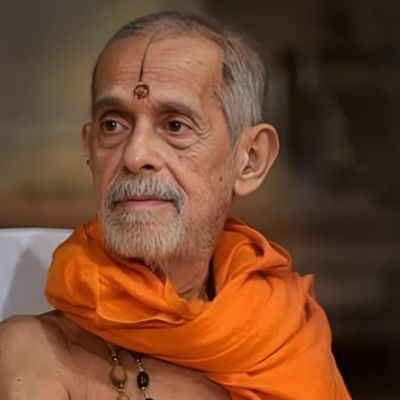
Vishwesha Teertha was born in 1931. He was the pontiff (Seer) of the Pejawar Matha, one of the major Dvaita Vedanta monasteries in Karnataka. He was a vocal proponent of Hindu traditions. He was also known for social outreach; for instance, he broke caste taboos by visiting Dalit colonies and even organised Iftar meals for Muslims in a temple setting.
He played a crucial role in state politics as a spiritual advisor, including during the Ayodhya movement. After his passing in 2019, the Government of India awarded him the Padma Vibhushan in 2020 for his lifetime of spiritual service.
Manohar Joshi
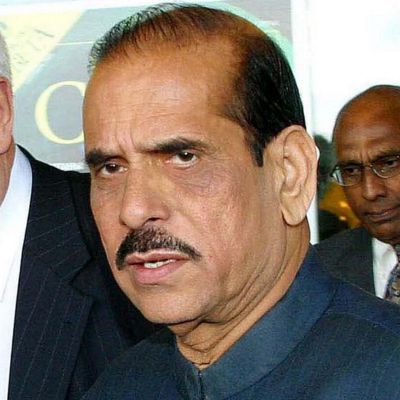
Manohar Gajanan Joshi was born in 1937. He was a prominent leader of the Shiv Sena party in Maharashtra. He became the first Chief Minister of Maharashtra from Shiv Sena between 1995 and 1999. Later, he served as Speaker of the Lok Sabha. He was also active in journalism and theatre in Mumbai. After his passing in 2024, he was posthumously awarded the Padma Vibhushan in 2025, recognising his decades of public service.
Cho Ramaswamy
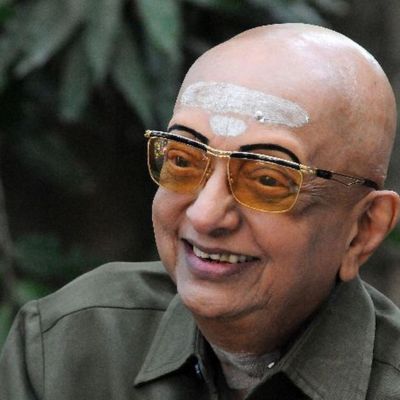
Cho Ramaswamy was born in 1934. He was a well-known Tamil writer, actor, and political satirist. He founded the Tamil magazine Thuglak in 1970 and used sharp wit and interviews to critique politicians. Cho was nominated to the Rajya Sabha in 1999 and served till 2005 for his contributions to literature and public life.
He was a leading figure in Chennai’s cultural scene and was also active as a screenwriter and stage performer. In 2017, he was posthumously awarded the Padma Bhushan for his lifetime work in journalism, literature, and the arts.
Rewarding the deserving
Since PM Modi assumed office in 2014, the recognition system in India has undergone a significant transformation. There was a time when Padma awards had become a way to “honour” the loyalists. However, the approach has changed to celebrate those who actively promote India’s civilisational heritage. The same has happened with the nominations to the Rajya Sabha and appointments to different offices.
The recognition now often extends beyond political or bureaucratic achievements to those who are champions of India’s cultural, spiritual, and ideological identity. This shift can be seen in the increasing nominations to key positions like the Rajya Sabha, where figures promoting the values of Indian heritage are now receiving greater recognition.
One of the most notable changes has been the growing emphasis on individuals connected to the RSS or associated ideologies. Figures like Meenakshi Jain and C. Sadanandan Master, who were recently nominated to the Rajya Sabha, reflect this changing focus.
Their contributions in preserving India’s cultural identity and their ideological alignment with nationalistic causes have earned them prestigious recognitions. It is a deliberate move to honour individuals who are seen as preserving India’s traditional values, rather than simply acknowledging political service.
Furthermore, the changing nature of recognition under PM Modi’s leadership is also apparent in the rise of figures like Sadhvi Rithambara, Swami Rambhadracharya, and others, who have been recognised for their efforts to strengthen India’s spiritual and cultural foundation. This reflects a broader ideological turn in India’s national honours, where the focus has gradually shifted to honouring individuals who are shaping the cultural and spiritual narrative of the country. The increasing recognition of these figures is an acknowledgment of their significant role in redefining the nation’s identity on the global stage.


