

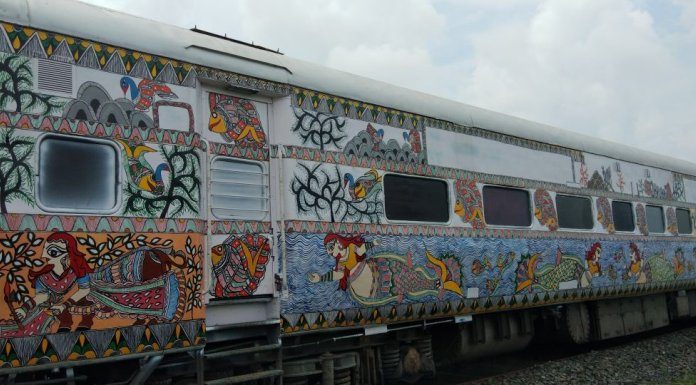
In a moment of pride for India, Japan is set to introduce magnificent ‘Mithila’ art designs on its trains after it became inspired by Indian Railways decision to engrave the art form on its rolling stocks.
According to the reports, Japan authorities have requested the Piyush Goyal-led Railway Ministry to send a team of Mithila artists so that Japan can emulate the art form on its trains. A railway ministry official has said that a team of Madhubani artists may be sent to Japan.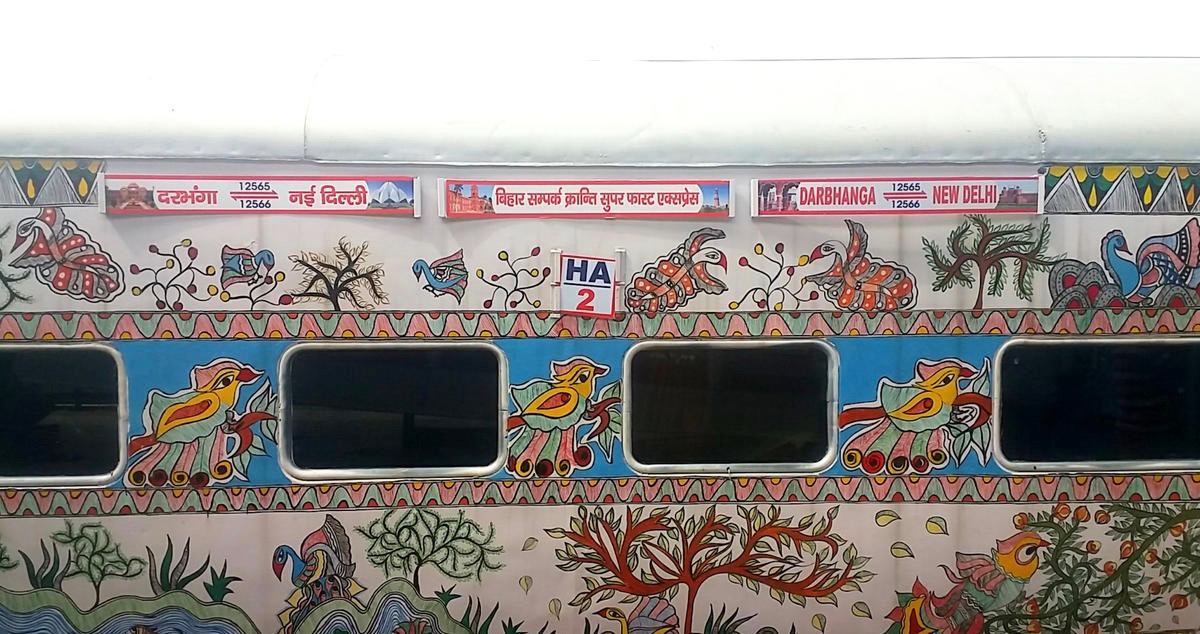
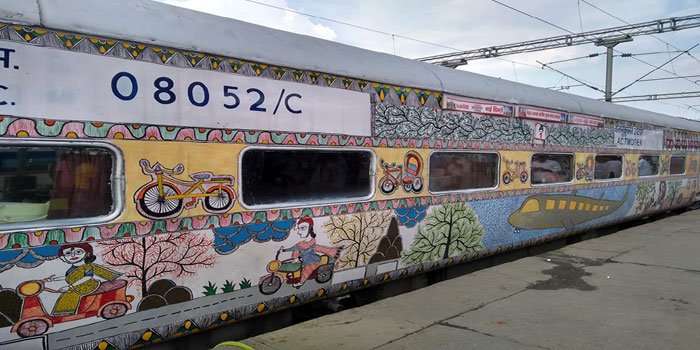
Recently, in an attempt to promote local art and culture, express trains such as Rajdhani Express and Sampark Kranti Express originating from Bihar were decorated with Madhubani paintings by the Indian Railways. Around 22 coaches of the Patna Rajdhani express were the first to showcase the traditional paintings inside and outside the coaches.
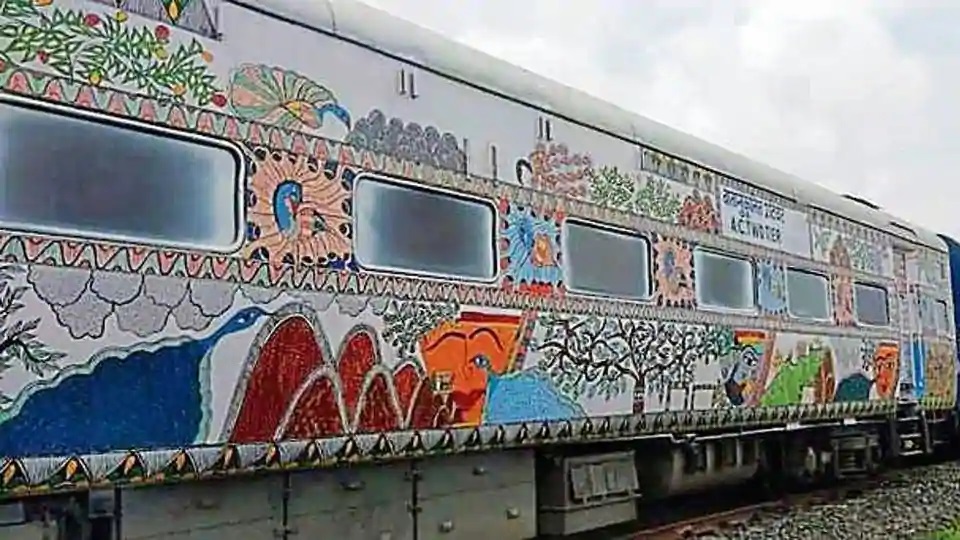
Additionally, Railway divisions are encouraged to depict their zonal art forms in trains and railway stations. Previously, the Madhubani Railway station had grabbed national attention when the station was beautifully decorated with Madhubani paintings by local artists.
India and Japan, one of the successful democracies in the world, shares an immense cultural, spiritual and religious relationship between each other translating into other political, economic and security areas of co-operation. The cultural similarities between the two countries and the influence that India has on Japan have been manifested throughout history as several Indian languages have influenced Japanese culture.
Goddess Saraswati, who is associated with knowledge, music, speech and wisdom has a close resemblance to goddess Benzaiten, while Hindu god Ganesha is also an inspiration for Japanese god Kangi-ten, of the Shingon and Tendai schools of Japanese Buddhism. Many books are written on the worship of Hindu gods in Japan and even today, it is claimed that Japan encourages a deeper study of Hindu gods. In fact, a town named Kichioji near Tokyo was named after Goddess Lakhsmi. Kichioji means Lakshmi temple in Japanese.
According to another report, Canada is also considering introducing the art on its trains. The Canada government has requested the Railway ministry send the artists for painting on its trains.


