

HomePoliticsAlwar rapes: Rahul Gandhi visits one victim, ignores other because it 'wasn't on the...

Alwar rapes: Rahul Gandhi visits one victim, ignores other because it ‘wasn’t on the schedule’

Two Dalit women were raped in Alwar in last one month. However, Rahul Gandhi had time for visiting just one of them, reports Republic TV

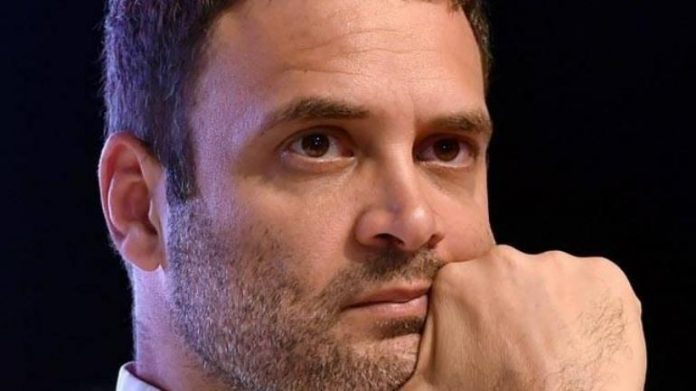
In a shocking display of apathy, Congress President visited one rape victim in Alwar and skipped meeting the other because it was not in the schedule, reports Republic TV. In last month, two gruesome rapes took place in Alwar, Rajasthan.

On April 26, a Dalit woman was gang-raped in Alwar, and the police were accused of suppressing the case because of ongoing general elections. Just a few days after the incident, another Dalit woman was raped in Alwar by two men inside a community health centre by two men.

However, as Rahul Gandhi visited the state on a campaign trail, he met only one of the two victim and her families as he did not visit the other because “he had no time”. After meeting one rape victim, Rahul Gandhi said that this was not a ‘political issue’ for him and he has promised justice for the victim. As per a report by Republic TV, Rahul Gandhi did not visit the other rape victim because it was not a part of his schedule.

Join OpIndia's official WhatsApp channel

  Support Us  

For likes of 'The Wire' who consider 'nationalism' a bad word, there is never paucity of funds. They have a well-oiled international ecosystem that keeps their business running. We need your support to fight them. Please contribute whatever you can afford

OpIndia Staff
OpIndia Staffhttps://www.opindia.com
Staff reporter at OpIndia

Related Articles

Trending now

From Newslaundry to Javed Akhtar: How the left-liberal ecosystem whitewashed and shielded ‘Tehelka’ rapist Tarun Tejpal

The high and mighty, elite sections of society tried to defend Tejpal by downplaying a serious crime like sexual harassment in the workplace.

The victims that Punjab politics chose to forget

Local memorials, police webpages, press-freedom records and family recollections preserve fragments of those killed, while incomplete archives, political commemorations and cultural narratives continue shaping which victims remain visible and which gradually disappear from public memory.
- Advertisement -
