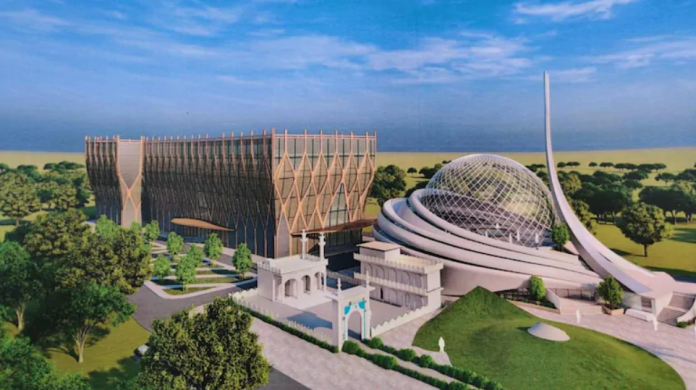
In a new development, the Indo-Islamic Cultural Foundation (IICF) Trust has released the architectural design of the mosque to be built next year at Ayodhya on 5-acre government land.
The trust was set up by the Sunni Waqf Board six months ago to undertake the construction of the mosque. During a presentation on Saturday in Dhannipur in Ayodhya by professor SM Akhtar from Lucknow, the trust informed that the new mosque would not be named after any ruler and that the name was yet to be decided.
IICF had shared computer-generated images of the ‘futuristic’ designs of the mosque, highlighting that the architecture would resemble other contemporary structures across the world. Besides, the mosque, the trust said that a trust office and publication house will also be built for publication and research on Indo-Islamic culture and literature.
Indo-Islamic Cultural Foundation today unveiled the design of the mosque and hospital to be constructed at the five-acre plot in Ayodhya.
— ANI UP (@ANINewsUP) December 19, 2020
IICF was formed by UP Sunni Central Waqf Board after Supreme Court’s verdict on Ayodhya land dispute case. pic.twitter.com/beKSLcmUDx
IICF stated, “The design echoes modern architecture of mosques around the world. Professor Pushpesh Pant, consultant and curator for the archives and museum at the site, mentioned the need for a good museum to showcase the joint accomplishments and struggles of the Hindu and Muslim communities in India.” The trust stated that a hospital, with state-of-the-art facilities, will also be built that would take care of malnourished children and pregnant women.
Here are some more pictures of the newly proposed mosque.


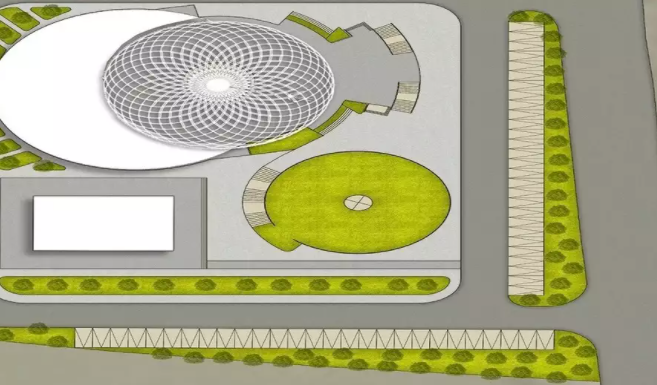
Earlier, the Indo-Islamic Cultural Foundation had informed that the foundation of the mosque on the 5-acre site would be laid on 26 January 2021.
Ram Janmabhoomi Case and the proposed mosque
The Supreme Court had on November 9 last year paved the way for the construction of a Ram Temple at the Ram Janmabhoomi site by awarding the title suit in the favour of Ramlalla Virajmaan. The Sunni Waqf Board has been laying claim to the site for decades, unwilling to let Hindus build a temple on a place where Lord Ram is believed to have been born. The court had also ordered the UP government to grant an alternate site of 5 acres to the Sunni Waqf Board to build a mosque.
After months of prolonged drama whether to accept or reject the Supreme Court’s offer of a 5-acre land to build a mosque at an alternative site, the Sunni Waqf Board had finally decided to accept the allotment of 5 acres of land suggested by the top court in the Ram Janmabhoomi and had also decided to build a Mosque on it. Earlier, the Board had shown reluctance in accepting the court offer after suggestions poured in from several quarters asking it to reject the offer made by the apex court.