Home Blog Page 1372

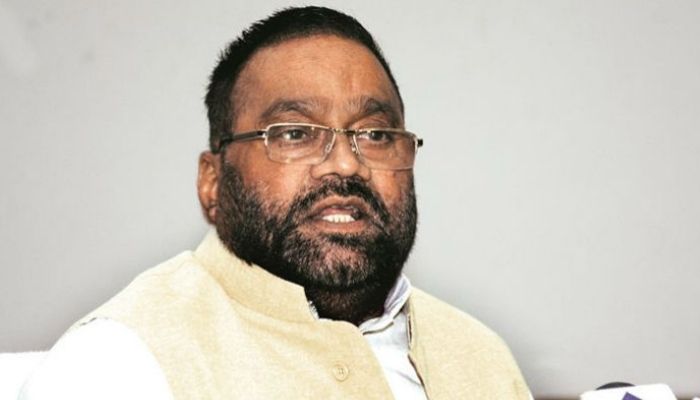
‘Was Ram lifeless?’ Controversial Samajwadi Pary leader Swami Prasad Maurya launches yet another diatribe against Ram Mandir

Swami Prasad Maurya, controversial Samajwadi Party leader and MLA has once again attacked Hindus and mocked the Pran Pratishtha (consecration ceremony) of Ram Mandir in Ayodhya which took place on 22nd January this year in the presence of Prime Minister Narendra Modi and thousands of others dignitaries.

Consistent with his earlier anti-Hindu stance, he disparaged the Bharatiya Janata Party, Vishva Hindu Parishad, and Rashtriya Swayamsevak Sangh, asserting that the ceremony was “unnecessary”, in his address in the Uttar Pradesh assembly. He even went so far as to call Lord Ram “lifeless” during his vitriolic outburst against the occasion. Notably, legislators from the Bharatiya Janata Party repeatedly raised their voices in protest during his tirade.

The politician further claimed, “They have taken a lot of credit for Pran Pratishtha of Ram Lalla. It appears as if there was no Lord Ram before the Bharatiya Janta Party government. On one hand, it is stated that millions of people worship Lord Ram and the Bharatiya Janata Party is trying to hurt the sentiments of all those people by pretending as if they are the ones who brought Lord Ram. However, everyone knows that Lord Ram has been worshipped here for thousands of years and if that is the case then how does the question of Pran Pratishtha arise?”

He added, “Pran Pratishtha was the Bharatiya Janata Party’s program. Lakhs of devotees of Lord Ram were barred from there. Its organisation was done by the Bharatiya Janata Party, the chief guest was from the Bharatiya Janata Party and preparations were made by Vishva Hindu Parishad and Rashtriya Swayamsevak Sangh. These three monopolised the entire event. It was not a cultural or government function but that of the BJP, VHP and RSS.”

He alleged that the followers of Lord Ram were halted. “What was the objective of arranging such a grand ceremony by spending crores of rupees for Lord Ram who is already being worshipped for millennia? The administration doesn’t have money to give jobs or salaries to people. Lord Ram has been worshipped in Ayodhya from ancient times and hence there was no use in conducting the Pran Pratihstha event.”

Maurya opined, “When the Supreme Court pronounced the order in favour of Ram Mandir all of us from different political parties and the entire country supported the decision. However, where did Pran Pratishtha come from? You should have just placed the idol in the temple. How come the Pran Pratihstha of the one who was already worshipped? Had he become lifeless? Are you trying to prove that he lost his life source and is without any spirit?”

It is notable here that ‘Pran Pratishtha’ is a Hindu ritual that consecrates an idol in the sanctum sanctorum of a temple.

The speaker of the Legislative Assembly then directed him not to make such controversial comments and concentrate on his speech. However, he refused to back down and challenged her to point out the objectionable statement.

“The BJP had organized the event just to distract the voters from the real problems. The party members are fake. This all is fake. Pran Pratishtha should be now done to the family members who have died. If a stone becomes alive by Pran Pratishtha then why can’t a dead person walk,” Swami Prasad Maurya who regularly makes headlines for his absurd and anti-Hindu remarks stated a day after Ram Mandir was inaugurated.

“They don’t want people to discuss unemployment, inflation, and other social problems so they are distracting the voters by making Ram Mandir. Lord Ram has been worshipped for thousands of years. What was the need to organize the Pran Pratishtha event? The people in the government want to hide their sins so they are organizing such religious events. They want themselves to be called Gods. Even the President was invited but did not attend the event. The event was attended by only BJP, VHP and RSS people. It was a planned political event,” He added while pointing out that the four Shankaracharyas weren’t present there either.

On 10th January he even justified the then Mulayam Singh Yadav-led Uttar Pradesh government’s ‘shoot at sight’ order which resulted in the deaths of hundreds of unarmed and innocent Karsevaks in the year 1990 after Bharatiya Janat Party veteran Bharat Ratna Lal Krishna Advani’s iconic rath yatra. On 2nd November 1990, the state police opened fire on karsevaks at the peak of the Ram Mandir movement. 

He alleged, “At the time the incident occurred at the Ram temple in Ayodhya. Unruly elements committed large-scale vandalism without judicial or administrative intervention.” He further claimed that the shocking decision was made “to safeguard the constitution and the law and to protect the peace, the then administration gave shoot-at-sight orders. The government merely did its duty.”
Earlier acquitted, SC upholds life term for 3 convicts in political murder case, reduces sentence of one for “using stone not axe”: Details

0

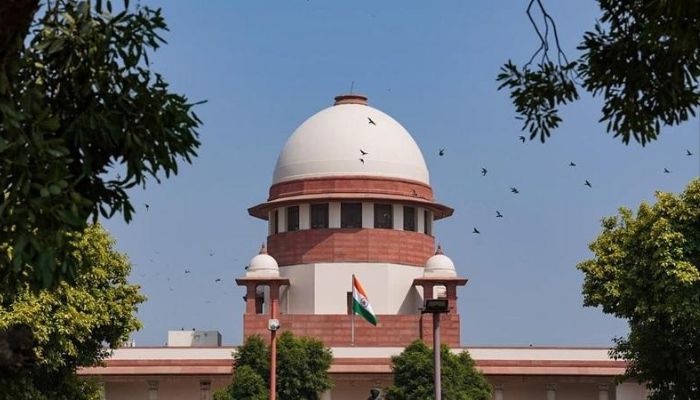
On 6th January 2024 the Supreme Court ruled that there was not enough evidence to conclude that a man and the other three co-accused had the same intention to commit murder and as a result, the man was found not guilty of the crime. However, the court pronounced him liable for a culpable homicide that did not qualify as murder because, unlike the other three perpetrators, he used a stone rather than an axe and hence changed his conviction under Section 302 to Section 304 Part II of the Indian Penal Code.

They were found guilty under Section 302 read with Section 34 of the IPC by a trial court and were awarded life sentences in prison, which was upheld by the Telangana High Court. Shockingly, the culprits were acquitted in the first round of the 2007 trial by the High Court. The Supreme Court then remanded the case for more review following an appeal. Afterwards, the conviction and life sentence handed down by the trial court were subsequently upheld by the High Court.

While acknowledging the verdict of the High Court and trial court as well as the life sentence imposed upon three of the accused, a bench of Justices B R Gavai and P S Narasimha of the Supreme Court in response to the four accused’s appeal amended the conviction and sentence given to one of them and sentenced him to only 10 years behind bars.

The bench conveyed, “We have given our anxious consideration and have scrutinised the evidence of all the eyewitnesses in detail. We are in full agreement with the decision of the Trial Court and the High Court. Their analysis and conclusions are based on a correct appreciation of evidence and law. However, there is one aspect which stands out in the analysis of the Trial Court and the High Court, and that pertains to the conclusion on the culpability of A-3 for murder.” 

The court clarified that the role of the third accused was not the focus of the prosecution, defence or even the courts. The third accused was not proven to have had the intention of killing the deceased either by oral or written evidence. According to the apex court, the trial court and the High Court automatically inferred guilt from the third accused just because of his proximity to the crime site and his kinship ties to the other accused.

It noted, “A reading of the judgment and order passed by the Trial, as well as the High Court, would indicate that neither the prosecution or defence nor the court, have focussed on the role of A-3 as evidenced by the oral and documentary evidence. There is nothing to attribute A-3 with the intent to murder the deceased. In fact, both the Courts have mechanically drawn an inference against A-3 under Section 34 of the Act merely based on his presence near the scene of offence and his familial relations with the other accused.”

The top court pointed out every eyewitness testified unequivocally that A-1 used an axe to attack the deceased, following which A-2 and A-4 took possession of the weapon. “Considering the statements of the eye-witnesses, coupled with the post-mortem report, it is not possible to contend that A-3 would have had the intention to commit the murder of the deceased and as such, he cannot be convicted under Section 302 IPC.”

The court further emphasised that A-3 and the other defendants were deemed culpable under Section 302 under Section 34 without the Trial Court or the High Court having examined the facts against them. It was stated that there were two distinct reasons why A-3’s participation in the crime was not intended, as revealed by the totality of the facts. First off, A-3 never utilised the axe, in contrast to the other accused who all grabbed A1’s axe and used it to carry out their assault. Second, A-3 was only holding a stone, in fact, based on some witnesses, he merely threatened if they attempted to thwart the attack.

The court observed, “Under these circumstances, we hold that A-3 did not share a common intention to commit the murder of the deceased. Even though A-3 might not have had the common intention to commit the murder, nevertheless, his participation in the assault and the wielding of the stone certainly makes him culpable for the offence that he has committed. While we acquit A-3 of the offence under Section 302 read with Section 34 of the IPC, he is liable for the offence under 304 Part II IPC.”

It added, “It is not the case of the prosecution that A-3 was along with the other accused while the deceased was dragged to the house. The deposition would reveal that after the other accused assaulted the deceased with a sword, A-3 came thereafter and assaulted the deceased with a stone lying there. We, therefore, find that the prosecution has not been in a position to establish that A-3 shared the common intention with the other accused to cause the murder of the deceased.”

The bench further highlighted that in the past, the court had taken into account certain factors to commute a sentence from Section 302 to Section 304 Part II IPC, including the absence of medical evidence to establish whether each act or injury was individually sufficient to cause death, a single blow to the head with a hammer, and the lack of convincing testimony from eyewitnesses regarding the accused’s shared intention to commit murder. Thus, taking into account the part that A-3 had played, the bench declared him guilty of the offence under Section 304 Part II IPC and sentenced him to ten years in prison.

Background of the case

The wife of one of the four accused parties lost to the deceased’s sister in a Telangana Gram Panchayat election in 2001 which generated resentment and eventually culminated in the murder. The deceased was attacked by the four accused using a knife, axe, sword and stone causing extensive bleeding wounds that resulted in the victim’s immediate death.

Chennai: 5 schools evacuated after receiving bomb threat email, police & bomb disposal squad conduct anti-sabotage checks, probe underway

0

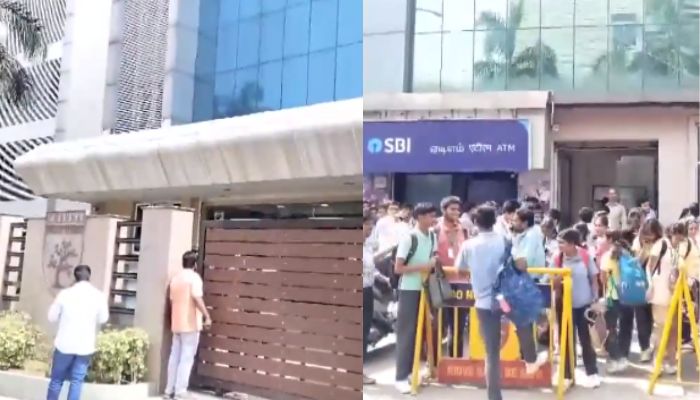
At least five private schools in Chennai received bomb threats via email on Thursday (8th February) prompting immediate evacuation and searches by police.

The police accompanied by bomb disposal squads conducted searches in the said schools located in Anna Nagar, JJ Nagar, Parrys Corner, Gopalapura, and Mylapore.

“Bomb threat e-mails were received at a few educational institutions in GCP limits. GCP/BDDS teams have been sent for Anti-Sabotage Checks in these educational institutions and action is being taken to identifying the culprit who sent these e-mails,” the Chennai police informed on X, formerly Twitter.

Parents of the students going to these schools, including Chennai Public School in DAV Gopalapuram and St Mary’s School, Parrys received notifications on their phone alerting them about the situation.

As per reports, the school authorities took prompt action and alerted the authorities. Students were dismissed early and taken home by their families.

Meanwhile, transport services were suspended to ensure safety of staff and students. Soem students were reportedly accommodated within the school premises while awaiting clearance from law enforcement agencies.

Anti-sabotage checks were conducted by the authorities. Police has said that efforts to identify the perpetrators behind the threat are underway.

Rajdeep Sardesai says ‘States being penalised for better demographic, economic performance’: How he is wrong and made a fool of himself again

After receiving a lashing over his hypocrisy (yet again) yesterday, Rajdeep Sardesai woke up to a fresh day wanting to receive the same kind of lashing again. In his infinite quest to sound intellectual about the economy, he blurted out multiple lies in a single tweet. These lies were not borne out of ignorance. They were written out of obedience to his paymasters. 

First, he blurts out numbers. That “For every rupee that Maharashtra, TN, Gujarat, UP give centre”, how much do they “get back”. There cannot be a bigger lie than claiming that the states give any money to the centre! 

Residents of India, living of course in different states, pay Income Tax/Other taxes to the Government of India. The state governments have no role to play in this collection. The government of India can impose cess and excise duties for income only to GoI and is not duty-bound to transfer this to states. The government of India needs money for developmental works, salaries, defence of the country etc. 

Likewise, residents of a particular state pay taxes to that particular state government (On Fuel, Liquor, Land, Registrations etc and SGST). For example, in Hyderabad today, the Telangana government earns more per litre on petrol than what the Government of India earns. In addition to this revenue, the Government of India devolves 41% of income received through taxes to the state governments – meaning transfers cash to the state governments. 

How is this decided? This is decided through a formula that the Finance Commission provides. The 14th and 15th FC were constituted during Modi’s term. The government of India provides terms of reference to the Finance Commission, based on which they come up with a formula that the government is duty-bound to implement. 

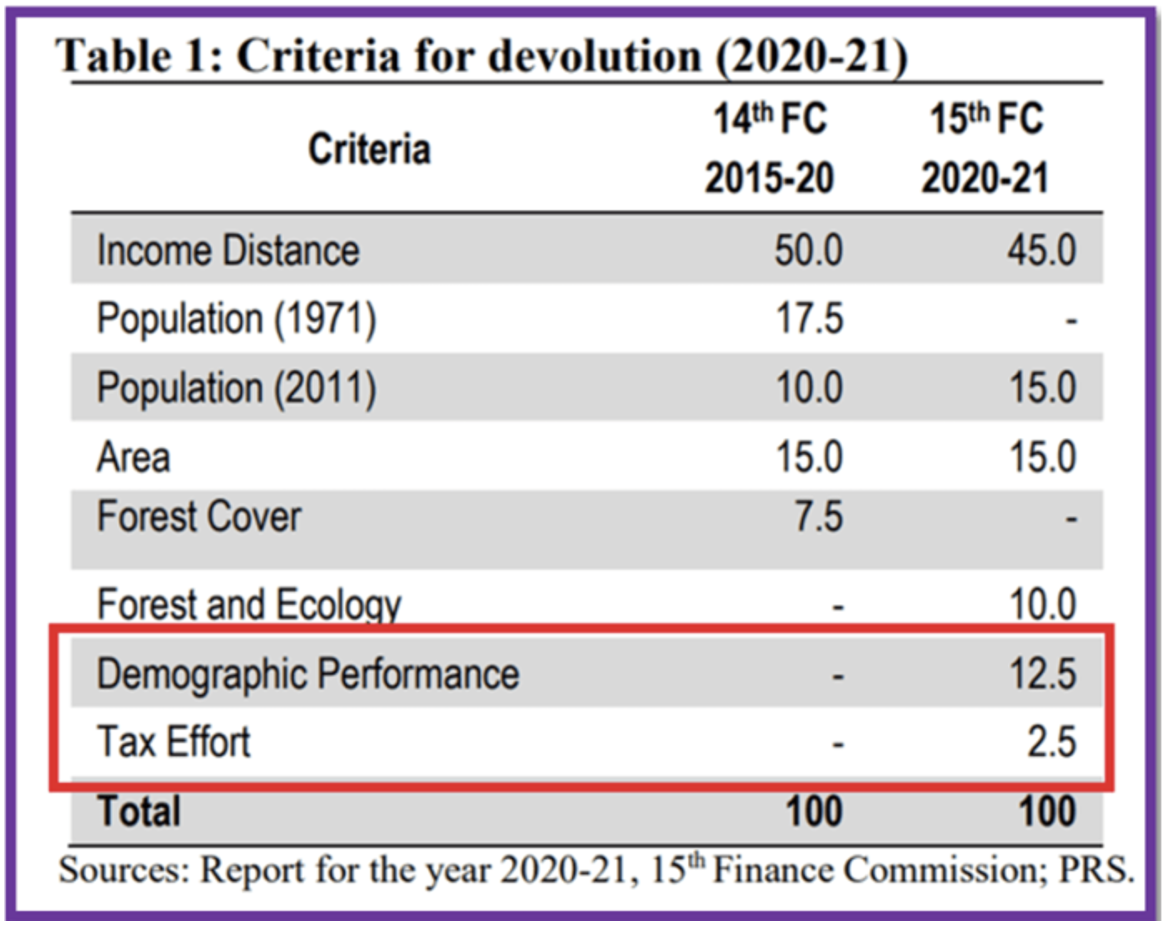
Rajdeep Sardesai claims that states are being “penalised” for “better demographic and economic performance”. Nothing can be farther from the truth. Take a look yourself at how the 15th FC actually rewards states that have done well on demography and tax effort. 

Criteria for devolution

Modi government’s tax efforts have been so robust that in 9 years, a whopping Rs 69.6 lakh crore rupees were devolved to the states as opposed to a paltry 18.5 lakh crores by Sonia Gandhi’s UPA in 10 years. 

So, when someone says “Telangana gave 3.68 lakh crores to the centre”, it does NOT mean that the government of Telangana did so. It is the residents of Telangana paying their taxes to the Government of India. For the taxes that residents of Telangana pay to the government of Telangana, imagine how awkward it will sound if we say “Telangana gave 50,000 crores to Telangana government”! 

Rajdeep then suddenly jumps to “Flood-hit opposition ruled states and drought hit Karnataka”. We had written a very detailed article back in 2019 itself when this sick ilk was spreading falsehoods on disaster management. We discussed how the Modi government enhanced relief for major cyclones like Fani, Titli, Gaja, and the Kerala floods. But more importantly, we highlighted the significant reforms that Prime Minister Modi brought into the National and State Disaster Fund management. 

After the Modi government came into power, the total value of funds made available in SDRF for the period of the 14th Finance Commission (2015 to 2020) was increased from the previous INR 33,580 crores to INR 61,220 crores. That’s a startling 88% more money available for any kind of disaster relief. 

Rajdeep then suddenly jumps to “Bengal claims MNREGA funds denied”. While in Bengal, remember how Mamata Banerjee even refused to talk to the Prime Minister when Cyclone Fani hit the coast and yet money was released to West Bengal by the central government? We digress. Let’s come back to MNREGA. Why is Bengal the only state that has a problem? A good journalist would have done some homework around this, but then Rajdeep is neither good nor a journalist. 

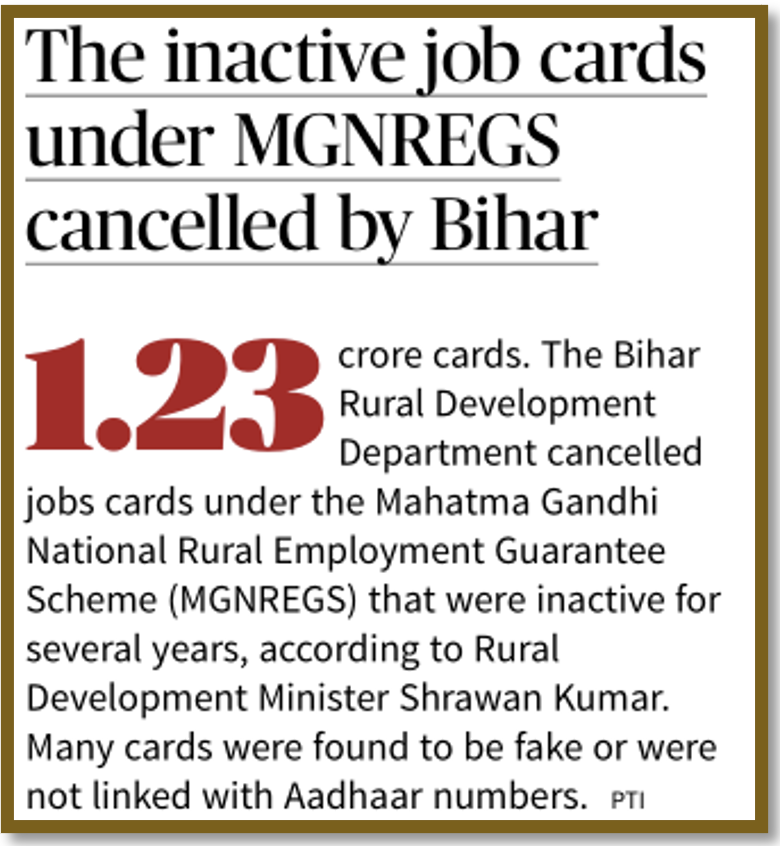
In 2022, there were only two state governments who were awaiting a massive amount from the central government – Bihar (1067 crores) and West Bengal (2620 crores). By May 2023, we were informed that Bihar government cancelled a massive 1.23 crore cards because…guess what…they were inactive for years!  

Inactive job cards under MNREGA

As of October 2023, West Bengal is yet to follow the directives and guidelines that the central government has laid down. West Bengal is the only state in the entire country that refuses to follow the rules regarding MNREGA and Rajdeep does not have the guts to ask Mamata Banerjee why this is the case. Instead, he will blame Modi for the Mamata government’s inefficiency. 

Just so you all are aware, the overall funds that the Modi government has released to all states in MNREGA have shown a phenomenal, with the highest allocation being done in the COVID year.

MNREGA funds comparison

Prime Minister Narendra Modi made a powerful 4-minute speech on this “My Tax My Wish” argument – what if the Himalayas say Ganga only belongs to me? Why does the hand go to help the leg when a thorn injures it? Many netizens have often asked where will this argument stop. Will taxes paid by residents of Hyderabad be used only for Hyderabad? Will taxes paid by residents of your gated community be used only for your gated community? Will the tax you pay be used exclusively for you? 

Can a Telangana construct so much if not for workers from Bihar? Can a Karnataka develop so much without workers from UP and Odisha? Can a Noida develop so much without workers from Tamil Nadu? Can our hospitality industry flourish so much without our friends from the Northeastern states? 

Rajdeep Sardesai, Siddarth Varadarajan, Shekhar Gupta, N.Ram, Dhanya Rajendran – all have made fallacious, divisive and silly arguments on the financial front with the aim of fomenting hatred and creating animosity. Politicians who have made these arguments have been taught a lesson at the elections by the people of India. Unfortunately, though these editors still flourish with their lies. 

‘PM Modi lied about his OBC caste’ claims Congress leader Rahul Gandhi: Here is the truth

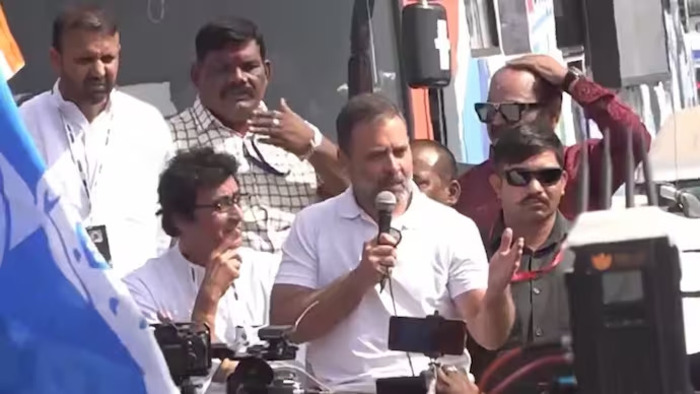
After Prime Minister Narendra Modi slammed the Congress party in Parliament for doing divisive politics and fueling regional divides, Congress leader Rahul Gandhi has raked up PM Modi’s OBC ‘caste status’ in a fresh attack. Rahul Gandhi while speaking at Bharat Jodo Nyay Yatra on Thursday (8th February) accused PM Modi of lying about his caste.

The Congress prince claimed PM Modi was born into a general caste and not the Other Backword Category.

“PM Modi was not born in the OBC category. He was born Teli caste in Gujarat. The community was given the tag of OBC in the year 2000 by the BJP. He was born in the General caste…This man is lying before the whole world that he is OBC Do you know how I know this? I don’t need a birth certificate…He never hugs any OBC person. He never holds the hands of farmers and labourers. He only holds the hand of [Gautam] Adani ji. He will not allow caste census to be conducted in his entire life because he was not born in OBC, he was born in General caste,” Gandhi said.

“Modi Ji said that there are only two castes in this country, the rich and the poor (Ameer aur Gareeb). If there are only two castes then to which caste does he belong? He cannot be Gareeb, since he wears attires costing lakhs of rupees. And then he lies that he comes from the OBC community. Narendra Modi was not born OBC. Narendra Modi was born in the general caste and the BJP government made his caste OBC in Gujarat. On my phone, it is written that…Modiji is from the Modh-Ghanchi caste which was included in the OBC list in 2000. He is fooling the people of backward classes…” Rahul Gandhi added in his vicious attack on PM Modi.

Rahul Gandhi’s claim about PM Modi’s OBC caste is being amplified by the ‘ecosystem’ and since the Gandhi prince’s word is considered universal truth in the Congress ecosystem it warrants delving into the veracity of his claims.

Did Narendra Modi include his own caste in the OBC caste list?

Rahul Gandhi claimed that PM Modi was born into Teli ‘upper caste’ Modh Ghanchi family and is not from the OBC community as he claims and his party’s government included his caste as OBC in 2000. It is interesting to note that Gandhi very shrewdly twisted the facts here.

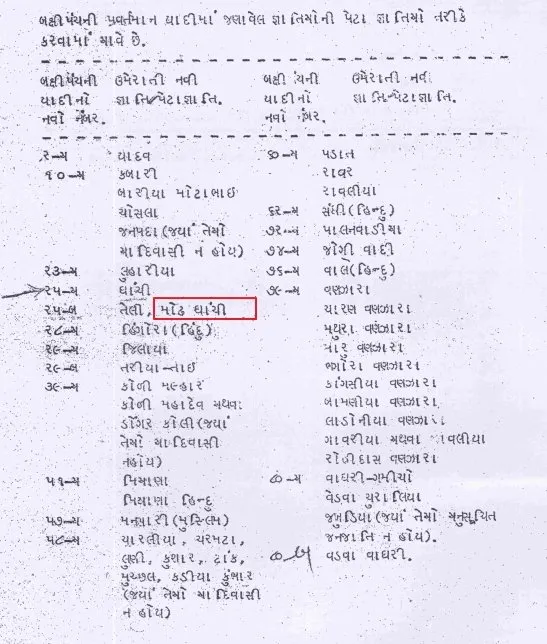
On July 25, 1994, the Gujarat Government’s Social Welfare Department issued a resolution: SSP/1194/1411/A dated 25/07/1994 classifying 36 castes as OBCs, including Narendra Modi’s Modh-Ghanchi caste at number 25(b). The caste has been classified among the OBCs. Now the interesting thing to note here is that in 1994, it was a Congress government in Gujarat led by then CM Chhabildas Mehta. It was during the Congress government that 36 castes including Modi’s Modh Ghanchi caste were classified as OBC, however, Rahul Gandhi either deliberately did not mention this or his darbaris did not provide him with complete information.

List of castes inducted in OBC list in 1994 resolution

It should be recalled that reservations for OBCs were first provided during the VP Singh government, following the Mandal Commission report. Previously, only SC and STs were eligible for reservation. The trend of incorporating other castes in the OBC began after the Mandal Commission report was accepted. As a result, various states identified OBC castes and added them to the list course of the 1990s, with PM Modi’s caste Modh Ghanchi being one of the castes listed as OBC in Gujarat in 1994.

It is pertinent to note here that in the year 2000, the central government recognised Teli Sahu and Teli Rathod as synonymous with Teli and Ghanchi. According to administration officials, state governments have traditionally translated Union government orders on caste inclusion or exclusion.

Consequently, the central government’s OBC list was translated into Gujarati and issued by an order dated 1st January 2002, when PM Modi happened to be Gujarat’s chief minister. The order, dated 1st January 2002, includes Telis, Modh Ghanchis, and Muslim Ghanchis on the state’s OBC list.

While the 2000 central government order declared Teli Sahu and Teli Rathod as synonymous with Teli and Ghanchi, the inclusion of Modhi Ghanchi caste as OBC was notified back in 1994 when Congress was in power both in Gujarat and at the Centre. Thus, making it clear that Narendra Modi had no role in the inclusion or exclusion of any caste in the OBC list and that Rahul Gandhi is lying and misleading the people.

Interestingly, Rahul Gandhi has several times said that if Congress comes to power in the coming Lok Sabha elections it would conduct a nationwide caste census. Gandhi in December last year claimed that caste-related statistics were recorded during the 2010-11 census. The Congress government remained in power until 2014. However, the census data was released in 2011. This raised questions if Congress feared losing its vote bank.

It is worth noting that this is not the first time that Prime Minister Modi has been targeted for his caste background. Back in 2014, Congress leader Shaktisingh Gohil had attacked Modi, the then NDA prime ministerial candidate over his caste making similar assertions as Rahul Gandhi is making now. However, the public had rejected Congress caste attacks on Narendra Modi and gave a historic mandate in favour of the National Democratic Alliance.

Last year, Congress leader Mallikarjun Kharge had also accused PM Modi of being a ‘fake OBC’. Over the years, a lot has changed, for example Rahul Gandhi who once said that those who go temple tease girls, himself ‘transformed’ into a ‘Tapasvi’ Januedhari Dattrtreya gotri Brahmin and visits temple during elections. However, the usual divisive approach of Congress and its leaders has remained unchanged.

Persistent non-compliance: RBI explains why they took action against PayTM Bank

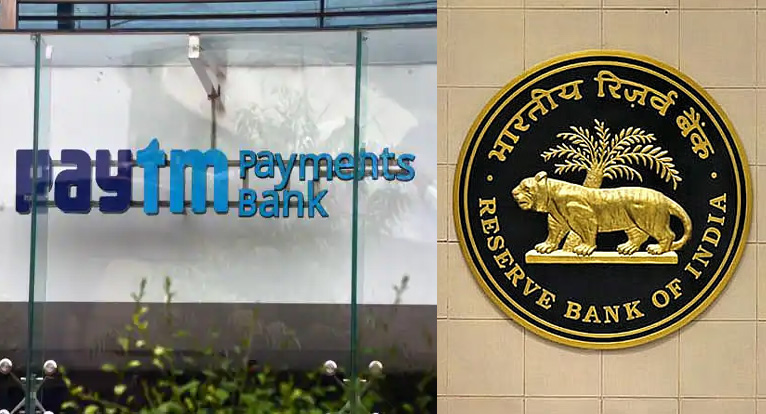
Speaking about RBI’s order against Paytm Payments Bank (PPB), Reserve Bank of India Deputy Governor Swaminathan J. asserted that the action was taken against the fintech player after persistent non-compliance.

“We don’t want to discuss details of action on Paytm Payments Bank. This is supervisory action for persistent non-compliance. Such action is invariably preceded by months and sometimes years of bilateral engagement where we point out the deficiencies but also give time to take corrective action. As a regulator, it is incumbent upon us to protect the consumer,” RBI Deputy Governor Swaminathan J said at the post-policy press briefing in Mumbai.

Meanwhile, in a briefing after the monetary policy committee address, the RBI governor Shaktikanta Das also responded to questions on the action against Paytm Payments Bank. He said, “We give sufficient time to every entity to comply and sometimes more than sufficient time to the entities for compliance. If they would comply, why would a regulator like us would have to take action?”

“RBI will be issuing a set of FAQs (frequently asked questions) next week to assuage public concerns following the Paytm action,” he added.

The RBI Governor also added that the RBI is a responsible regulator and there is no worry about the (financial) system at the moment.

“Let me put the record straight on the Paytm issue. There is no worry about the entire system. It is an issue with a specific institution,” RBI Governor Shaktikanta Das said.

Action taken by RBI against Paytm Payments Bank

For the unversed, on January 31, the RBI imposed major restrictions on the operations of Paytm Payments Bank Ltd (PPBL) which included not onboarding new customers with immediate effect and to stop accepting deposits or top-ups in customer accounts, wallets, FASTags, and other instruments from February 29.

The action was taken over persistent non-compliance and continued material supervisory concerns in the bank, warranting further supervisory action, the RBI stated in a press release.

News agency PTI citing sources reported that money laundering concerns and questionable dealings of hundreds of crores of rupees between popular wallet Paytm and its lesser-known banking arm had led the Reserve Bank of India to clamp down on the Paytm Payment banks run by Vijay Shekhar Sharma.

Turkey: Conversion of 4th century Byzantine Chora Church to mosque nears completion, Erdogan government schedules opening in May

0

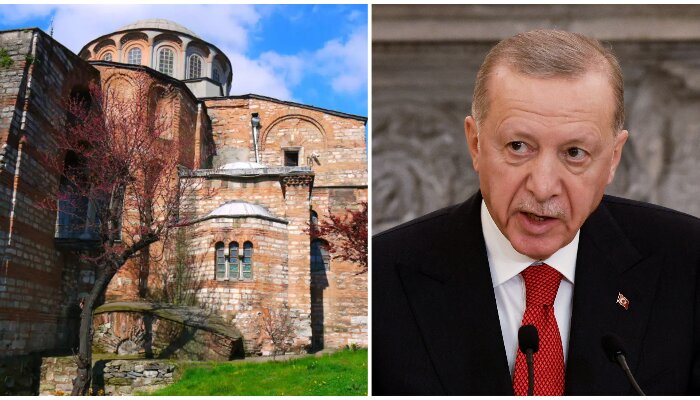
The ancient 4th century AD Byzantine Chora Church in Turkey’s Istanbul is scheduled to be converted into a mosque by May of this year by President Recep Tayyip Erdogan’s administration after which Muslims would be able to offer Namaz there. The General Directorate of Foundations declared that worship would begin in May 2024 after 4 years of restoration while dismissing the claims that the first Muslim prayer will be organised there on 23rd February.

Interestingly, the structure was first transformed into a mosque, then a museum and again now being converted into a mosque. Originally built in the 4th century, it remained a church until the 15th century but was converted into a mosque in 1511 when the Ottoman Empire took over and remained a mosque for several centuries. It was later turned into a museum in 1945 when the liberal era resumed in Turkey following World War II and existed in that form till 2019. Turkish President Recep Tayyip Erdogan pronounced to turn the building into a functioning mosque in 2020. It has been undergoing minor repairs ever since.

Notably, the 1500-year-old historic Hagia Sophia Church was also previously transformed into a mosque by his government in 2020. It was also earlier converted to a mosque, then to a museum in 1935, and at last re-converted to a mosque in 2020. However, recently a portion of Hagia Sophia has been opened as a museum for visitors.

Just a month after Hagia Sophia was declared a mosque, the Turkish govt announced the decision to convert the Chora Church. It was one of the earliest religious structures of the Byzantine Empire and Eastern Orthodox Christianity. The Chora Church was first constructed in the early 4th century as a monastery complex outside the city walls of Constantinople, founded by Constantine the Great. The best Byzantine frescoes and mosaics adorn the walls and ceilings of the former church-turned-museum.

The church was rebuilt in the 11th century but suffered some damages in the next century. Then in the 14th century, it was rebuilt by Isaac Comnenus, and its extensive decorations with fine mosaics and frescoes were completed by 1321. The church is listed as a World Heritage Site by UNESCO.

However, when the Byzantine era ended and the Ottoman Empire took over, the church was transformed into a mosque in 1511. Due to the prohibition against iconic images in Islam, the mosaics and frescoes were covered with a layer of plaster during the Ottoman period.

The Chora Church was used as a mosque for 434 years till 1945 when it was transformed into a museum after the collapse of the Ottoman Empire. It then started to be known as the Kariye Museum, by an order from the Council of Ministers, and it opened to the public in 1958 after an extensive restoration project.

In 2005, a lawsuit was filed challenging the status of the structure as a museum. Responding to the petition, the Turkish Council of State, Turkey’s highest administrative court, ordered in 2019 that it should be reconverted to a mosque. Accordingly, the Erdogan govt passed an order in August 2020, declaring it a mosque. On Friday 30 October 2020, Muslim prayers were held at Chora Church for the first time after 72 years, but then the govt started a renovation project.

The fact that President Erdogan has always positioned himself as the global guardian of Muslims is noteworthy. His goal is to return Turkey to the times of Khilafat. The Caliphate which was viewed as the universal leader of Muslims ruled over Turkey before World War I. He desires to hold the same title for himself and has taken steps in that direction.

A major row erupted when he took a similar decision and shifted the character of the Roman-era church Hagia Sophia to that of a mosque. However, not a single voice from Turkey is protesting against these decisions. This has not been met with any opposition from any Muslim organisations or other liberal groups. As certain Maulanas have stated in the cases of Gnanavapi and Shri Krishna Janmbhoomi, Islam forbids the construction of mosques on top of other places of worship. However, their assertions have once again been rendered to be untrue.

There was a lot of outcry over the Ram Mandir which was built after winning a judicial battle in the Supreme Court of India. Concerns were raised about its construction on the site of the disputed structure even though it was unequivocally established that the place where the temple stands was originally home to an ancient temple which was destroyed to make room for the contentious Babri mosque

“India doesn’t trust US to lead, played smart staying with Russia,” says Republican presidential candidate Nikki Haley

0

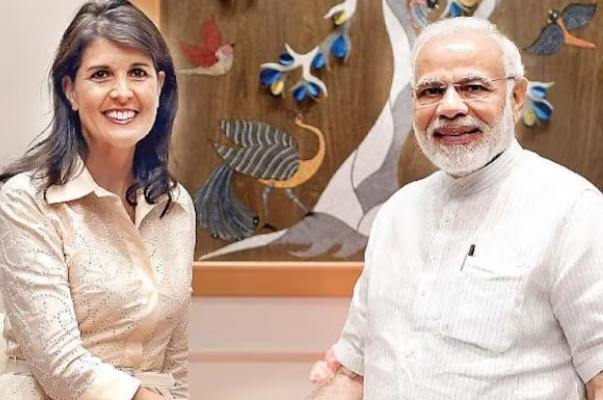
Aspiring Republican presidential candidate Nikki Haley said in an interview that India does not trust the US to lead and has played smart by staying close to Russia instead.

Haley while speaking to Fox Business News said that as of now, India sees the United States as weak.

“I have dealt with India too. I have got to say, I have dealt with India too. I have talked with Modi. India wants to be a partner with us. They don’t want to be a partner with Russia,” she said.

Haley said, “The problem is, India doesn’t trust us to win. They don’t trust us to lead. They see right now that we are weak. India has always played it smart. They have played it smart, and they have stayed close with Russia because that’s where they get a lot of their military equipment.”

She added that once the US starts to lead again, “get the weakness out and stop putting our head in the sand, that’s when our friends India, Australia, New Zealand, all of them will – and Israel, Japan, South Korea – all of them want to do that.”

She said, “Japan gave themselves a billion-dollar stimulus to become less dependent on China.”

The former South Carolina governor said India gave itself a billion-dollar stimulus to become less dependent on China, adding that the US needs to start building its alliances.

Haley was outvoted in Nevada’s Republican presidential primary by a “none of these candidates” option in the ballot on 5th February. This came as a big embarrassment for the candidate as she lost despite not facing any direct competition.

Mumbai: Mohammed Owais who stole bathroom fittings worth Rs 1.22 lakhs from CSMT railway station caught red handed

0

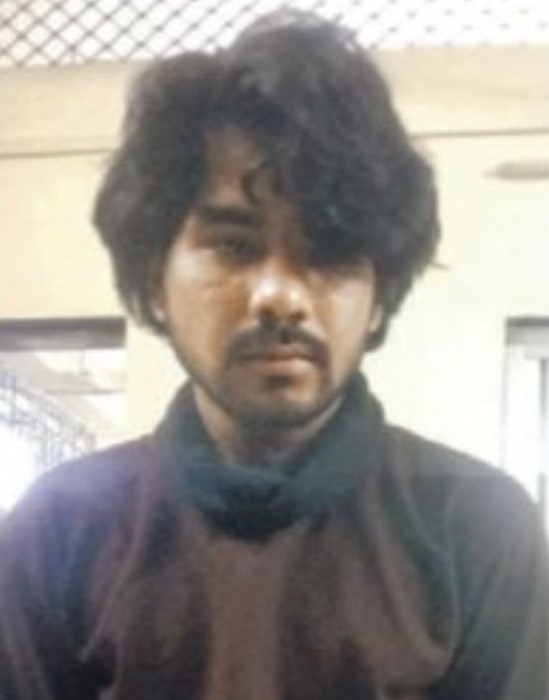
On Thursday, February 8, the Central Railway authorities informed that they had apprehended Mohammed Owais who had been stealing bathroom fixtures from Chhatrapati Shivaji Maharaj Terminus (CSMT) since Saturday. He was caught red-handed at 1 am on Wednesday.

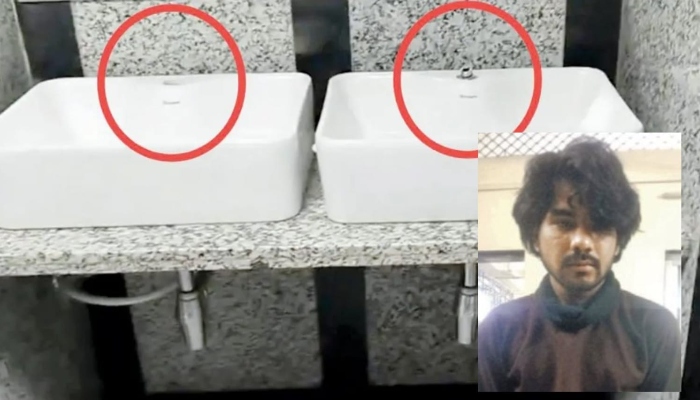
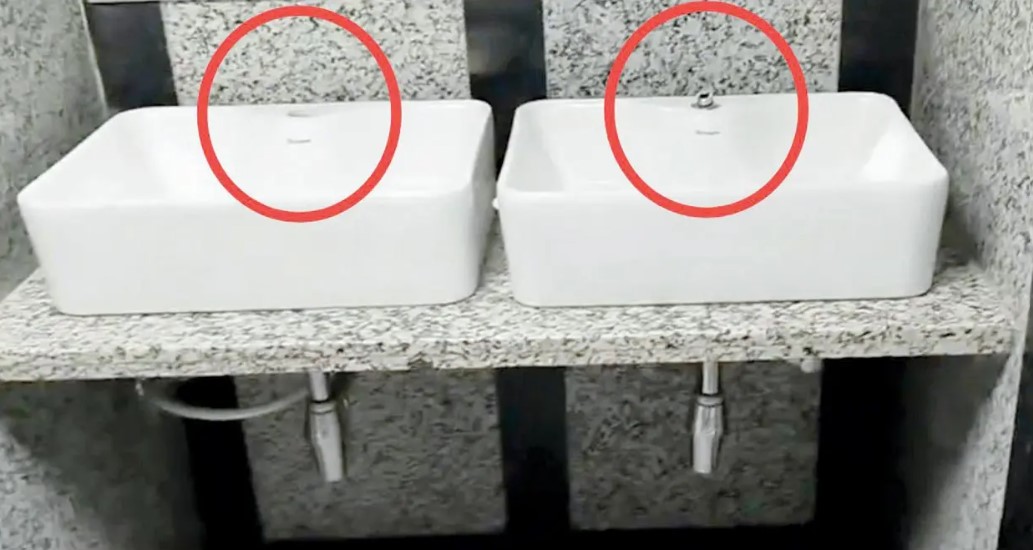
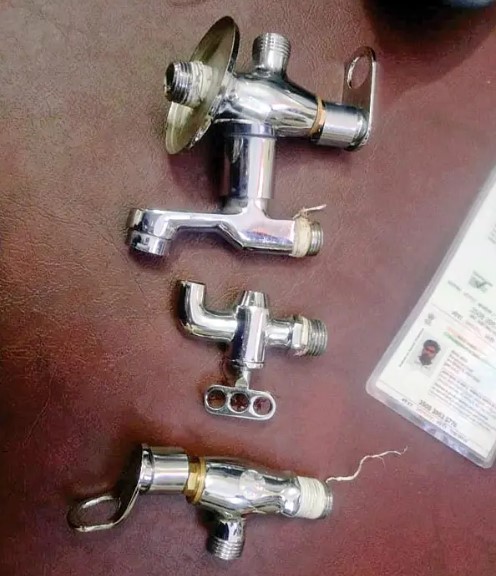
The accused has stolen bathroom fittings worth Rs 1.22 lakhs from toilets and bathrooms in running rooms and public toilets including the recently opened AC toilet at CSMT station between February 5 and 6.

Image credit: Mid-Day

Additionally, the scrap dealers who bought the fittings from the accused have also been detained.

Dr Swapnil Nila, the Central Railway (CR) Chief Public Relations Officer said, “We caught the thief while he was stealing from the local line. He couldn’t enter the AC toilet as it was locked, so he entered the old toilet where he was seen stealing fittings.”

Another officer also divulged some details of the haul. “It started on Saturday with thefts in the running room toilets. The running room is where train drivers and guards take breaks. Eight bibcocks, nine stopcocks and two jet sprays were stolen. On Monday, three pillarcocks were stolen from the ladies’ toilet and one each from gents’ and new AC toilet,” he said.

“On Tuesday, the new running room was targeted and two more bibs and stopcocks and several jet sprays were stolen. From the mainline gents’ toilet, bottle traps went missing and then the new AC toilet on local line was targeted with six jet sprays, pillar and bibcocks, jet holders and bottle traps stolen and seat covers missing,” he added.

Accused Mohammed Owais (Image credit: X user @singhvarun)

Notably, the Railway officials sprung to action after social media user @mumbaimatterz took to the microblogging site X to highlight the issue.

Posting a picture of missing taps and facets from the recently inaugurated AC toilet block on the main concourse area opposite platforms 5-6 on the suburban line, he wrote, “Dear @drmmumbaic @RailMinIndia Taps & pipe fittings at the “State of the Art Toilet” at CSMT being systematically stolen by the staff. @GM_CRly have a look at during one of your “Surprise” visits. Remember Mumbai Madgaon Tejas express, staff was caught stealing the fittings”.

Five to seven lakh people travel through the CSMT station every day, including those who ride the suburban trains that connect Karjat, Kasara, Panvel, and Goregaon stations to CSMT on the Main and Harbour lines.

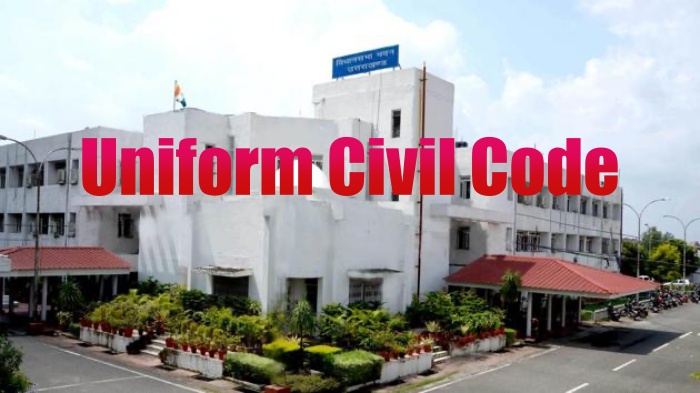
Uttarakhand Uniform Civil Code doesn’t interfere with Islamic faith, no problem accepting it: Waqf Board

A day after the Uniform Civil Code (UCC) 2024 bill was passed in the state assembly, the Uttarakhand Waqf Board refuted reports that the bill was anti-Islamic and asserted that there was no issue with abiding by the UCC since it does not tamper with the Islamic faith.

Speaking to ANI over the Uniform Civil Code bill, Uttarakhand Waqf Board Chairman Shadab Shams said, “I believe the nation will accept this bill hands-on. With the kind of rumours being spread among the Muslim community that this bill is anti-Islamic, I can say that the bill has no line that tampers with the Islamic faith.”

“With utmost honesty and being a strong Muslim myself, I can say that under the light of the Quran, there is no problem with abiding by the UCC. Those who are opposed are not true Muslims. They are political Muslims who somewhere relate to the Congress or the Samajwadi Party. I am again saying this with full responsibility, that this bill does not violate Islam, and Muslims can follow UCC,” said Shadab Shams.

The Uniform Civil Code (UCC) Bill was passed with a comfortable majority during a special session of the Uttarakhand assembly on Wednesday.

Chief Minister Pushkar Singh Dhami said that the passage of the Uniform Civil Code (UCC) bill in the Legislative Assembly marked a “historic day in the history of Uttarakhand.

He emphasised that the legislation benefits every section of society, asserting that a government promise to the people has been fulfilled.

The Uniform Civil Code, which proposes similar or uniform laws for all communities, was tabled on Tuesday during the special session by the Chief Minister.

Once the proposed UCC Bill is in place, “live-in relationships” will have to get registered under the law within 1 month from the “date of entering into the relationship.”

To live in a live-in relationship, adults will have to obtain consent from their parents. The bill also imposes a complete ban on child marriage and introduces a uniform process for divorce.

The Code provides equal rights to women of all religions in their ancestral property.

The CM added that the Uniform Civil Code Bill can be amended in the future if there is a need to include specific clauses.

As per the UCC Bill, the age for marriage will be 18 for women and 21 for men in all communities. Marriage registration is mandatory in all religions, and marriages without registration will be invalid. No divorce petition will be allowed to be filed after one year of marriage.

Uttarakhand CM Dhami, during the debate on the Uniform Civil Code, said that the state legislature is going to create history with the passing of the Uniform Civil Code and that every citizen of the state is filled with pride. 

(This news report is published from a syndicated feed. Except for the headline, the content has not been written or edited by OpIndia staff)