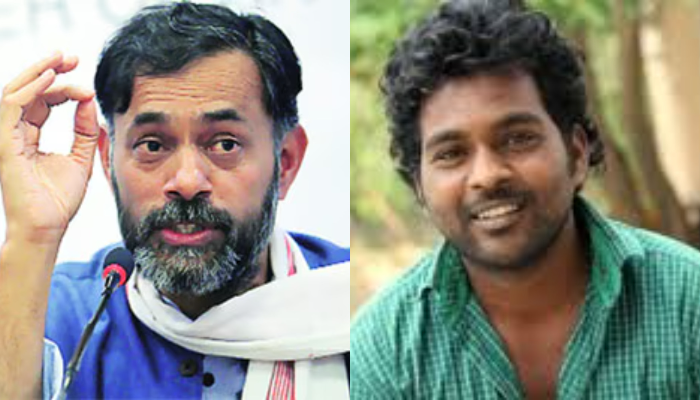
Seasoned propagandist and occasional political worker, Yogendra Yadav, recently took to X to exploit the death of Rohith Vemula, peddling disinformation forged by the opposition to attack the Centre.
“My birth is a fatal accident – these words of Rohith Vemula represent not just an individual agony, but the structural reality of caste discrimination in our educational institutions. If universities are centres of knowledge, reason and freedom, why was Rohith Vemula forced to get tired of his identity politics? Where are the roots of this injustice? What are these forces that fear the idea of equality in society and institutionalise the politics of division? This question must be answered in honour of Rohit’s memory,” Yogendra Yadav tweeted on X.
“मेरा जन्म एक घातक दुर्घटना है”—रोहित वेमुला के ये शब्द केवल एक व्यक्तिगत पीड़ा नहीं, बल्कि हमारे शैक्षणिक संस्थानों में जातिगत भेदभाव की संरचनात्मक सच्चाई हैं।
अगर विश्वविद्यालय ज्ञान, तर्क और स्वतंत्रता के केंद्र हैं, तो फिर रोहित वेमुला को अपनी पहचान की राजनीति से “थकने” पर… pic.twitter.com/5kigtq9Drw
Disregarding factual information about Vemula’s death, Yadav resorted to spreading fake news—a reflection of desperation that has taken hold among the Leftists after Modi’s return to the centre for the third time in a row.
Rohith Vemula‘s 2016 suicide escalated into a massive political controversy within the country, with the unfortunate event being exploited to launch attacks against the ruling Bharatiya Janata Party and to further perpetrate casteist agenda by the opposition and their left-liberal ecosystem. However, on 3rd May of last year, the Telangana Police presented a closure report to the Telangana High Court which indicated that Rohith Vemula did not fall under the Scheduled Caste (SC) category. He was a doctoral student at the University of Hyderabad.
It informed, “There is no evidence of any fact or circumstance available on the record which dragged him to commit suicide and no one is responsible for his death.” The report further clarified that he ended his life because “he had his own problems and was not happy with worldly affairs. If he had been angry with the decision of the university, certainly he would have written in specific words or would have indicated in this regard. But he did not do the same. It shows that the circumstances prevailing in the university at the time were not the reason for Rohith’s death.”
The authorities had exonerated former Secunderabad MP Bandaru Dattatreya, former Legislative Council Member N Ramachander Rao, former Vice Chancellor Appa Rao Podile, members of the ABVP (Akhil Bharatiya Vidyarthi Parishad), and former Union Minister Smriti Irani who was the HRD (Minister of Human Resource Development) at the time and faced severe backlash after the incident.
The report also indicated that Rohith Vemula was aware that he did not belong to the Scheduled Caste and acquired the SC certificate from his mother. It posited that the truth might have been a relentless source of apprehension for him because if revealed it could have led to the revocation of his academic degrees and possibly legal action.
Nonetheless, akin to Yogendra Yadav’s ideological allies such as the Congress party, who have exploited the situation to launch attacks against the saffron party and have tried to keep the issue alive despite the report, he is following suit. Shortly after the development, the Director General of Police (DGP) for Telangana declared that they had opted to pursue additional inquiry into the case. “As some doubts have been expressed by the mother and others of the deceased, Rohit Vemula, on the investigation conducted, it has been decided to conduct further investigation into the case. A petition will be filed in the court concerned requesting the Hon’ble Magistrate to permit further investigation into the case,” he informed.
Yogendra Yadav is now also attempting to rekindle the quelled tensions so that the issue stays prominent and continues to foster wedges in society.
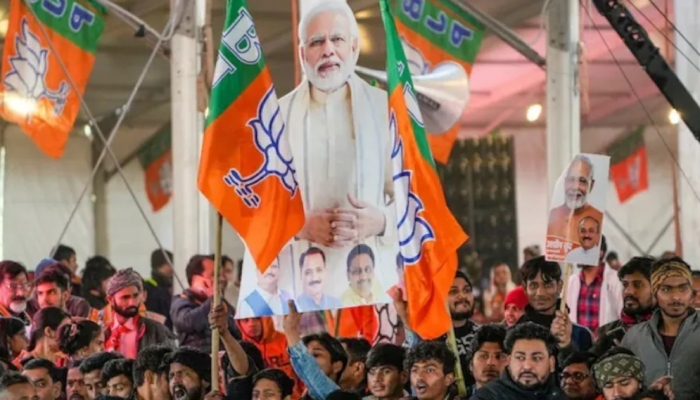
On Friday, 17th January, the BJP ahead of the Delhi Assembly Elections 2025 made public its Sankalp Patra to announce several schemes for the women. Party President J P Nadda said that the party manifesto was the foundation for developed Delhi.
Giving a tough fight to the ruling AAP in Delhi, the BJP said that the party would provide maximum benefits to the women after coming to power. The BJP in its manifesto said that it would offer Rs 21,000 to every pregnant woman, and will also provide 6 nutritional kits ensuring the good health of the would-be-mother.
“BJP’s resolution for the people of Delhi… Every pregnant woman will get financial assistance of Rs 21,000 and 6 nutrition kits,” the party said.
In addition to this, the BJP said that the pension of senior citizens will be increased from Rs 2000 to Rs 2500. “Pension for senior citizens of 70+ years, widows, destitute and abandoned women will be increased from Rs 2,500 to Rs 3,000 per month,” the party said.
दिल्ली के लोगों के लिए भाजपा का संकल्प…
वरिष्ठ नागरिकों की पेंशन ₹2,000 से बढ़ाकर प्रतिमाह ₹2,500 की जाएगी।
70+ वर्ष के वरिष्ठ नागरिकों, विधवाओं, बेसहारा एवं परित्यक्त महिलाओं की पेंशन ₹2,500 से बढ़ाकर प्रतिमाह ₹3,000 की जाएगी।#BJPKeSankalppic.twitter.com/0LAVJqG2FF
In addition to Rs 21000 to pregnant women and Rs 2500 per month for every poor woman, the party has also promised to give cooking gas cylinders for Rs 500 to every poor family in the state. Apart from this, one cylinder will be given free on the festivals of Holi and Diwali.
दिल्ली के लोगों के लिए भाजपा का संकल्प…
हर गरीब परिवार की महिला को ₹500 में दिया जाएगा गैस सिलेंडर।
The party further has said that the Ayushman Bharat scheme will be implemented in the first cabinet after the BJP comes to power in the state after the February 5th elections. Also, additional free treatment up to Rs 5 lakh will be provided by the state government, the party manifesto read.
“If BJP forms government in Delhi, not only will the existing welfare schemes continue but they will also be made more effective and corruption-free,” party president JP Nadda said at the party manifesto launch event.
Meanwhile, the BJP slammed the AAP for its failed Moholla clinic scheme and said that it will provide free treatment up to Rs 10 lakh, and free OPD medical and diagnostics services to all senior citizens. It also said that the nutrition needs of the citizens will be taken care of by providing them with nutrition-rich and fiber-rich food only for Rs 5.
इनका (AAP का) मोहल्ला क्लीनिक भ्रष्टाचार का अड्डा और लोगों की आंखों में धूल झोंकने वाला कार्यक्रम है।
इनके मोहल्ला क्लीनिक में फ्रॉड लैब टेस्ट हुए हैं और 300 करोड़ रुपये का स्कैम हुआ है।
हमारी सरकार आने पर इन सबकी पूरी तरह से जांच की जाएगी।
“In 2015, AAP had decided to launch and operate Aam Aadmi Canteens at 100 places, for which the poor people of Delhi are waiting till date. We should keep in mind how they have made fun of the poor people and cheated them,” Nadda added.
“Under the Pradhan Mantri Garib Kalyan Anna Yojana, for the last 4 years, we have been providing 5 kg wheat/rice and 1 kg pulses per month to 80 crore people. Our Haryana government and Rajasthan government have made arrangements to provide full meals to poor people for Rs 5. We have decided that we will make arrangements to provide a full meal at Rs 5 in all slum clusters here in Delhi through Atal Canteen. For this we will launch the Atal Canteen Scheme,” he added.
It is crucial to note that the AAP in December had made a promise to offer free medical and healthcare services to citizens aged above 60. Former AAP CM Arvind Kejriwal while announcing the scheme stated that the citizens would be able to avail the benefits of the scheme at private and government hospitals.
It also promised Rs 2100 per month to every woman under the Mukhyamantri Mahila Samman Yojana. For this, the party members had begun collecting data from the women claiming that they would get money based on the forms filled. On 25th December, the AAP revealed that around 1.15 million people had already signed up for the said schemes and that around 1,50,000 among them who are senior citizens had signed up for free health care.
However, later the fraud of the AAP leaders was exposed after the Health and Family Welfare Department of the Government of the National Capital Territory of Delhi and the Women and Child Development Department, of the Delhi Government said that no such schemes were announced by the state and that no persons were authorized to collect the data for the schemes.
Issuing an official notification the Women and Child Development Department of the Delhi Government said, “It is emphasized that since no such Scheme is in existence, the question of acceptance of the form/application for registration under this non-existent Scheme does not arise. Any private person/political party who is collecting forms/applications or collecting information from applicants in the name of this scheme is committing fraud and has no authority.”
केजरीवाल कितना बड़ा फ्रॉड कर रहें है दिल्ली की बहनों के साथ
एक तरफ़ केजरीवाल महिलाओं के फॉर्म भरवा रहें है दूसरी तरफ़ दिल्ली सरकार का आज के अखबारों में नोटिस देखिए
दिल्ली सरकार ख़ुद विज्ञापन दे रहीं हैं कि ऐसी कोई योजना नहीं और ये फॉर्म फ़र्ज़ी हैं
It warned the women citizens of Delhi to stop sharing personal information through fraudulent forms. It added that the data could be leaked posing a threat to the identities of women applicants. “No official authority has been ordered to collect personal data of the citizens in the name of the fraudulent schemes,” it added.
Kejriwal has a huge history of making fake promises and telling lies to the citizens of Delhi for the political benefit of the party. Be it during the COVID spread or free ration scheme or regarding the cleanliness of the Yamuna River, AAP’s promises and boasts somehow almost always end up in hot air. OpIndia has time and again exposed Kejriwal for making fraudulent promises to the public. All such reports can be read here.
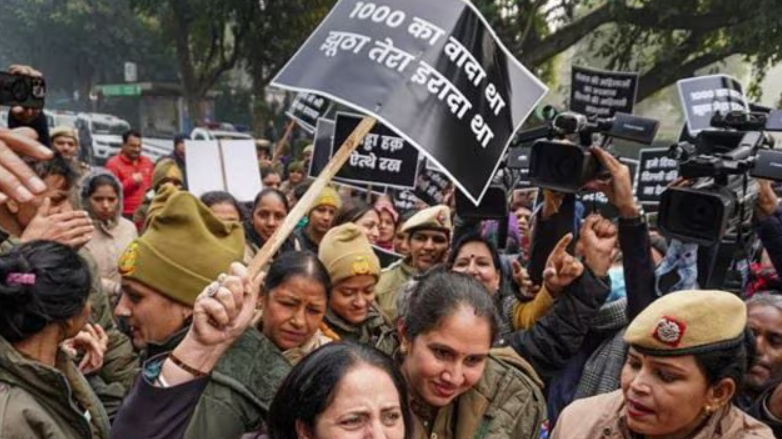
Notably, AAP during the Punjab elections had also promised to provide a monthly financial aid of Rs 1,000 to women in the state. This promise too remained unfulfilled forcing the Punjab women to protest against the government. “Why hasn’t Kejriwal kept the promises made to us three years ago? When will he fulfil them? We filled out a form for Rs 1,000 three years ago. It’s been more than three years, but we still haven’t received any money,” the women yelled as they protested outside the residence of AAP Convenor Arvind Kejriwal on January 4th.
Punjab women protesting
On the other side, the BJP has time and again fulfilled its promises made to the people. Recently, ahead of the Maharashtra state assembly elections, the alliance led by the party had promised Rs 1500 per month to every woman facing financial problems under the ‘Ladki Bahin Yojana’. The BJP eventually fulfilled the promises forcing the women to laud the government ruled by Devendra Fadnavis.
Interestingly, the BJP has highlighted in the current case that it will make Delhi corruption-free after coming to power and end all the misconduct happening in the name of Moholla Clinic and other health schemes. It has been said that the old schemes will be effectively implemented and no citizen will be given a chance to complain.
“All existing welfare schemes currently operational in Delhi will continue to be implemented even after the BJP forms the government. These schemes will be executed more effectively and further strengthened to benefit the people. Additionally, we are committed to eradicating every avenue of corruption, which has been a hallmark of the AAP-led administration,” Nadda said.
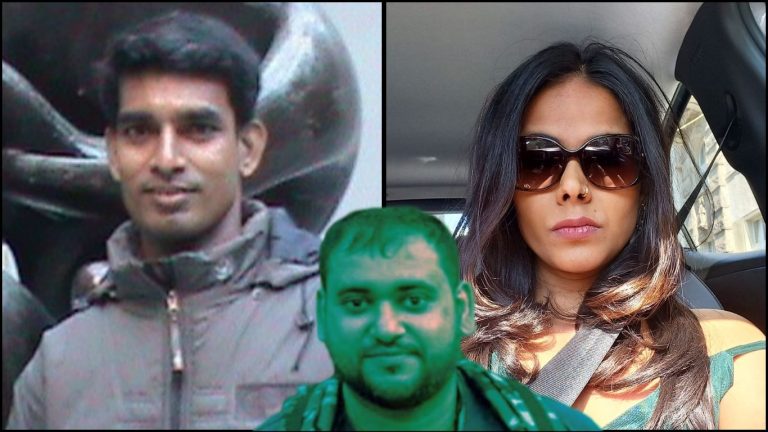
Dr Gunasekharan Dharmaraja, former husband of anti-Brahmin Dalit activist Meena Kandasamy, has written an open letter sharing his ordeal as he fought a 13-year-long battle against false allegations levelled by his ex-wife. Dharmaraja addressed his open letter to Atul Subhash, a 34-year AI engineer who tragically took his own life last year after being subjected to unbearable harassment and extortion by his wife and her family. Himself a victim of false allegations of dowry harassment and physical and sexual violence levelled by his ex-wife, Dharmaraja acknowledged that justice was not done to Atul Subhash.
Dharmaraja’s 13-year-long legal battle began in 2012 when his ex-wife Meena Kandasamy filed a false case against him under sections 498A (domestic violence) and 506 (criminal intimidation) of the IPC. He was acquitted by the court on September 30, 2024. However, he suffered some irreparable losses, including his mother committing suicide, as he went through years of trauma, only to be absolved later. Dharmaraja puts his heart out in his open letter while remembering and paying tribute to Atul Subhash.
Crafting victimhood by pseudo feminism
In his open letter, Dharmraja called out the fake feminist women who misuse the legal system for personal gain. “People often say ‘All is well that ends well’. But this ordeal taught me otherwise. It revealed how some masquerading feminists manipulate public opinion and weaponise the legal system for personal gain”, he wrote. He broke down the ‘tactics’ used by such women to garner public sympathy and misuse the legal system in two stages: the first stage- Crafting victimhood and the second stage- Exploiting for material gain.
Explaining the first stage (Crafting victimhood), Dharmaraja wrote how his Dalit activist ex-wife portrayed herself as ‘oppressed’ and levelled some ‘absurd’ and ‘grotesque’ allegations against him including the claim that he had relations with 64 women including his mother. She later amended the claim replacing ‘his mother’ with ‘her mother’. “This strategy exploits the progressive state the society has carved for women to share their experiences. Women like her tarnish this progress, eroding trust in genuine survivors”, he wrote. Dharmaraja also blamed the media for being complicit in amplifying this imbalance. He accused many media outlets of being biased and refusing to publish his side of the story while ‘eagerly promoting hers’. “Such bias shifts the focus from the truth to ideological affiliations, further muddying the waters”, he added.
Exploitation for personal material gain
Moving on to the second stage (Exploiting for material gain), Dharmaraja wrote how his ex-wife and her father tried to extort from him during the proceedings of his case. He told how they ostracised him and led to his mother, who was ‘his staunchest supporter’, committing suicide a day after he collected the chargesheet in the case. Giving credit to his friends who supported him and advocates who gave him pro bono services, Dharmaraja said that he could not have made it through without their support.
“Despite the overwhelming odds, I fought back, thanks to friends who shielded me during my lowest moments, advocates who argued my case pro bono and well-wishers who restored my faith in justice. Their support prevented me from succumbing to despair”, he wrote.
Message for those stuck in similar situations
Refusing to blame Atul Subhash for taking the extreme step, Dharmaraja called him a victim of his circumstances. “To others who suffer institutional abuse, I say: hold on. Truth may be slow but it does prevail”, he said. Dharmajara said that he did not believe in life after death but urged Subhash to convey his message to his mother if he met her in the afterlife.
“Mr Atul Subhash, I don’t believe in life after death, but if you ever get a chance to meet my mother, let her know this: a son of an army jawan father and an illiterate mother, hailing from a remote village, born into a lower-middle-class backward community family, a first-generation graduate, and most importantly, a man who had no prior exposure to the legal system, was able to defeat the daughter of an IIT professor, an influential member of the media mafia, the self-claimed ex-lover of a sitting member of Parliament, a proud secret member of an upper-caste casteist lobby, and a woman who could share breakfast with the sitting Minister of the ruling party,” wrote Dharmaraja.
Dharmaraja dedicated his legal victory to all those ‘who persevere against all odds’. “Women like Ms. Kandasamy, who hide behind false feminism, may deceive the world for a while, but the truth ultimately unmasks them”, he said. Dharmaraja also revealed that he was well-advised by a friend not to come suicide and give in to her tactics as that was what she wanted. He concluded his letter by wishing Subhash peace promising to carry his fight forward. “Take your rest, brother, we will carry the fight forward,” he wrote.
Meena Kandasamy went about character-assassinating her former husband on social media while their case was sub judice. In December 2020, Dharmaraja made a sensational disclosure in a press release stating that Kandasamy had faked her ‘Dalit’ credentials not only to the world but also to his own husband. He said, however, as per official records, the mother of Kandasamy belonged to the forward community while her father was an OBC.
The Malayalam expression “pulayadi mone,” which translates as “son of a prostitute,” is not considered a casteist slur that carries criminal penalties under the Scheduled Castes & Scheduled Tribes (Prevention of Atrocities) Act, 1989.
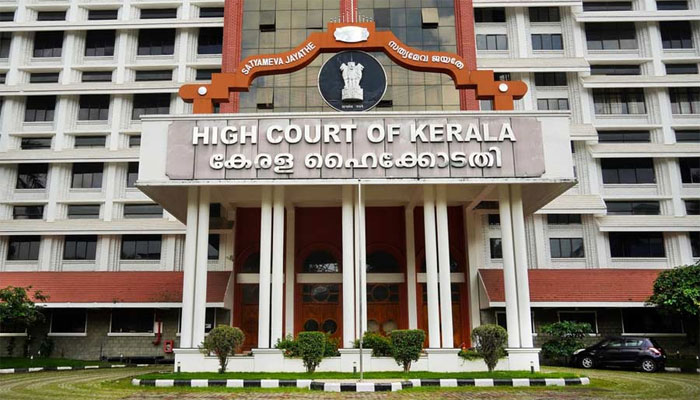
On 14th January the order was pronounced [pdf] by the Kerala High Court which granted pre-arrest bail to a man accused of hurling caste-based remarks. “Going by the dictionary meaning, the word means son of a prostitute. That being so, the learned counsel for the appellant/A3 is right in saying that the same is not a casteist slur,” the single-bench judge of Justice C.S. Sudha stated.
The petitioner who is also the third accused in the case had appealed the dismissal of his plea under Section 482 of BNSS (Bharatiya Nagarik Suraksha Sanhita) seeking pre-arrest bail under Section 14A of the SC/ST Act. “An offence under the Act is not established merely on the fact that the informant is a member of the scheduled caste unless there is an intention to humiliate a member of scheduled caste or scheduled tribe for the reason that the victim belongs to such caste,” the bench clarified.
The investigation also asserted that the offence under Section 3(1)(r) had been committed, however, the bench countered that a violation under Section 3(1)(r) of the Act would specify the elements of deliberate intimidation and insult with the goal of degrading a member of a scheduled tribe or caste. It further pointed out that any form of abuse or intimidation directed towards an individual shall not be considered a breach under the Act unless such actions are motivated by the victim’s affiliation with a scheduled caste or scheduled tribe community.
The court observed that “in the FIR the prosecution has no case of commission of an offence punishable under Section 3(1)(r) or(s) of the Act. The offence under Section 3(1)(r) of the Act would indicate the ingredients of intentional insult and intimidation with an intent to humiliate a member of a scheduled caste or a scheduled tribe.”
“All insults or intimidation to a person will not be an offence under the Act unless such insult or intimidation is on account of the victim belonging to the scheduled caste or scheduled tribe. The object of the Act is to improve the socio-economic conditions of the scheduled castes and the scheduled tribes as they are denied a number of civil rights. Thus, an offence under the Act would be made out when a member of the vulnerable section of the society is subjected to indignities, humiliations and harassment,” the court conveyed.
It also expressed that the prosecution’s case attracting a charge under Section 3(1)(s) or (r) of the Act is not mentioned in the FIR and added, “Further, to attract the offence under Section 3(1)(r), the abuse should have taken place in public view. Going by the allegations in FIS (First Information Statement), it appears that the nearby residents gathered on hearing the cries of the informant and Abiraj. When A1 is alleged to have abused the informant and Abiraj, nobody else seems to have been present there. Therefore, if at all the aforesaid word is taken as a casteist slur, it does not seem to have been done in public view.”
The court highlighted that “a reading of the FIS shows that the incident happened due to a dispute relating to the vehicle of Abiraj and not because the informant and Abiraj belong to the scheduled caste community.” It stated that conflicts unrelated to caste identification cannot automatically invoke the provisions of the SC/ST Act, citing Hitesh Verma v. State of Uttarakhand and Khuman Singh v. State of Madhya Pradesh. Hence, the judge established that a vehicle disagreement was the cause of the conflict between the complainants and the accused. “Therefore, prima facie it is doubtful whether the offence under Section 3(1)(r) of the Act will be made out,” the court concluded.
Accordingly, it noted that there isn’t any initial evidence to support an offence under Section 3(1)(s) or (r) of the Act and granted the accused’s request for pre-arrest bail. The judge ruled that there was no need to question the accused in custody, nevertheless, informed that the observations applied only to the bail proceedings and would not have an impact on the trial.
Background of the case
The incident transpired on 12th November 2024 at Perumbavoor. The three accused (A1, A2 and A3) subjected him and his brother-in-law Abiraj to abuse and intentionally hurt them. A1 an A3 are his neighbours and also acquainted with Abiraj. A2 is A1’s father. They are aware that he is a member of the Pulaya community. Arun, his relative, was thrown down and beaten by A1 a few days ago while riding Abiraj’s motorcycle. The vehicle sustained damage in the attack. They insisted that A1 restore the two-wheeler, but he refused leading to an altercation between him and Abiraj.
Abiraj and A1 and A3 got into an argument at 9:50 am on the day of the instance which resulted in a scuffle. Upon hearing this, the informant went to the scene, however, Abiraj had already returned home. Later, at around 10:05 pm, the duo were standing on his car porch and talking about the matter when A2 entered the residence’s courtyard. He asked as to who had beaten A1 and then spat obscenities at them. When he and Abiraj told him to leave and stated that the issue could be discussed the following morning, A2 punched him on the left side of his face and gave him a bleeding wound on his lip.
He also did the same to Abiraj on his neck. A1 and A3 also showed up at the courtyard as they attempted to send A2 away. A1 then questioned Abiraj’s presence there after which he abused him and beat him on his head and neck. Abiraj was pulled onto the road in front of the home by A1 and A3. A1 also stabbed him in the left shoulder with scissors, causing bleeding. He again injured him by striking him above the left side of his lip. Afterwards, they absconded when people hurried to the site as they heard the cries. A1 deliberately struck Abiraj because he wanted to know why the former had damaged his vehicle.
The informant claimed that A1 and A2 attacked and humiliated them since they were sure that no one would question their actions because the latter were members of the scheduled caste community. According to the FIR (First Information Report), A1 through A3 are charged with committing the offences specified in Sections 329(3), 115(2), and 118(1), as well as 3(5) of the BNS (Bharatiya Nyaya Sanhita) and 3(2)(va) of the Act. The trial court had earlier denied the pre-arrest bail request, concluding that the Act’s Sections 18 and 18A are applicable.
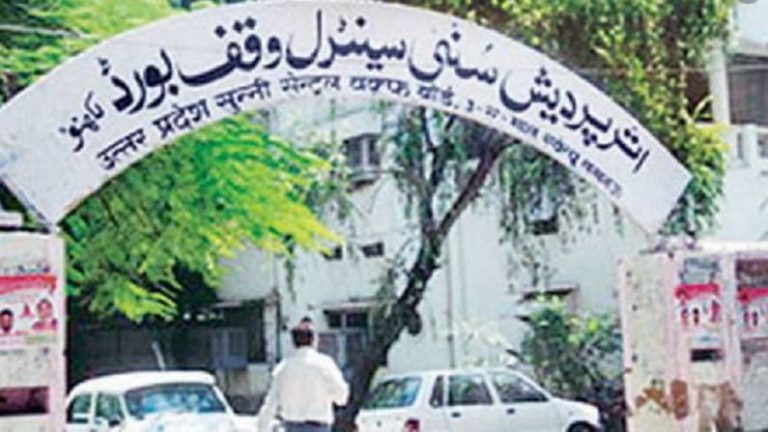
A total of 1,669 properties across four tehsils have been identified in the three-month-long survey of the Waqf Board concluded in Kanpur, Uttar Pradesh. The district administration has surveyed all the properties and sent the report to the government which will be subsequently tabled before the Joint Parliamentary Committee for further action.
Sadar Tehsil accounts for 914 properties under the Sunni Waqf Board and 34 under the Shia Waqf Board. Additionally, Ghatampur Tehsil has 189 Waqf properties, Bilhaur has 388, and Narwal has 144.
Among these, around 548 properties are government-owned. Mosques and cemeteries have been built on them. The Revenue Department does not have complete records of these properties.
A week ago, Chief Minister Yogi Adityanath had spoken about reclaiming land from those occupying Waqf properties. Following this, the administration began a survey of Waqf properties as per government instructions.
However, a similar survey of properties had also been conducted in 2021 on the orders of the government. The matter had settled down due to opposition. Now, the administration has identified 548 government properties, covering an area of 89 hectares. Sadar Tehsil has the highest number of properties belonging to the Sunni Waqf Board. Several properties around the Parade area are also Waqf Board properties.
These properties include Eidgahs, mosques, cemeteries, Muslim orphanages, and more. The land values in areas where the Waqf Board owns properties are the highest.
The properties under Sunni Waqf include the Muslim Orphanage, Khairat Ali Mosque in Nawabganj, a property in Neel Wali Gali, Waqf Mosque at Parade, Khalwa Cemetery, the Tomb and Shrine on Parvati Bagla Road, Fazal Hussain’s Hata in Fazalganj, and Sheikh Abdul Rahim’s property in Anwarganj.
The Shia Waqf properties include Nawab Bahadur’s property in Gwaltoli, Hadi Begum and Sardar Begum’s properties in Colonelganj, and Waqf Haji Mohammad Ali Khan’s property in Suterganj, Gwaltoli.
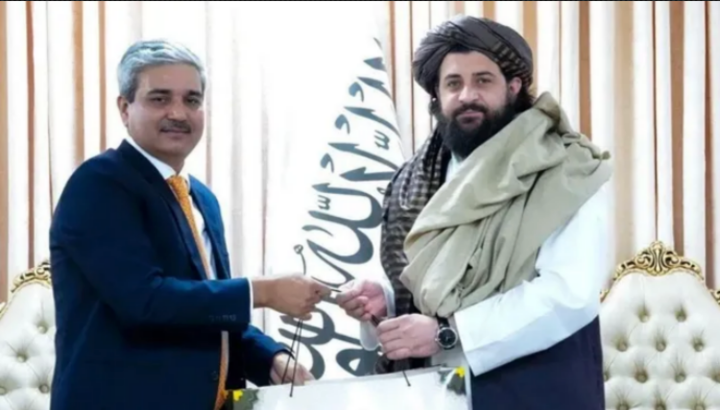
On January 8, 2025, a high-level meeting between India’s Foreign Secretary, Vikram Misri, and Afghanistan’s Acting Foreign Minister, Mawlawi Amir Khan Muttaqi, took place in Dubai. This engagement marks a crucial shift in India’s Afghanistan policy, with talks focusing on key issues like trade, security, and the use of the Chabahar Port. Following the Taliban’s return to power in 2021, India had taken a cautious stance, pausing diplomatic ties with the new regime. However, recent regional developments, particularly escalating tensions between Afghanistan and Pakistan, have prompted India to reassess its strategy and re-engage with Afghanistan. This reset is not only a step toward rebuilding historical ties but also a response to the evolving geopolitical landscape in South Asia.
Historical Ties Between India and Afghanistan
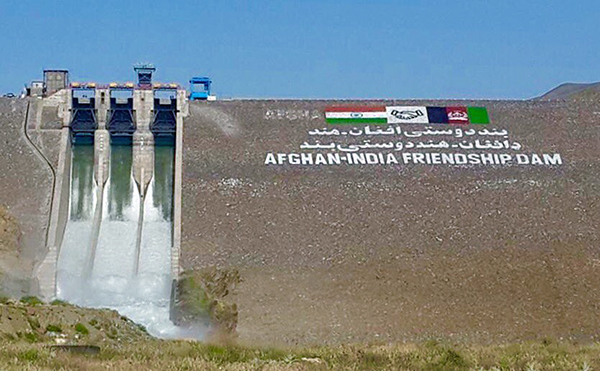
India and Afghanistan have a rich history of diplomatic and cultural ties, particularly since the fall of the Taliban in 2001. India’s $3 billion in aid to Afghanistan has supported development in education, healthcare, infrastructure, and governance. Indian-built infrastructure like the Salma Dam, the Zaranj-Delaram Highway, and the Afghan Parliament symbolized India’s deep involvement in Afghanistan’s reconstruction.
Salma Dam, image via India Today
Afghanistan’s people-to-people ties with India have also remained strong, with Afghan students studying in India and medical patients benefiting from Indian healthcare. This relationship was halted by the Taliban’s return in 2021, but it is now being revived with strategic intent.
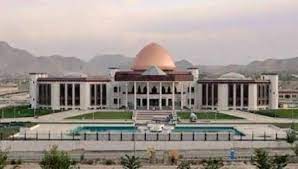
Afghan parliament
Disruptions Following the Taliban Takeover
The Taliban’s sudden takeover in 2021 disrupted India-Afghanistan relations. India, like many countries, evacuated its diplomatic staff from Afghanistan, freezing official ties. Pakistan and its sympathizers celebrated the Taliban’s return as a strategic victory, suggesting that India’s investments in Afghanistan were now “wasted”. Western media echoed this sentiment, often highlighting India’s “miscalculation” in investing heavily in post-2001 Afghanistan. Headlines predicted the end of India’s influence in Kabul, framing the situation as a geopolitical setback.
However, India’s approach of cautious engagement and humanitarian aid has kept open channels for dialogue, allowing for today’s diplomatic reset.
Pakistan-Afghanistan Relations: Escalation and Strategic Consequences
Recent months have seen a sharp escalation in tensions between Afghanistan and Pakistan. Pakistani airstrikes on Afghan territory, particularly in Kunar and Khost provinces, have resulted in civilian casualties, triggering anger and outrage in Afghanistan. Afghanistan’s leadership has openly condemned Pakistan’s aggression, warning that continued provocations could lead to severe consequences for Islamabad.
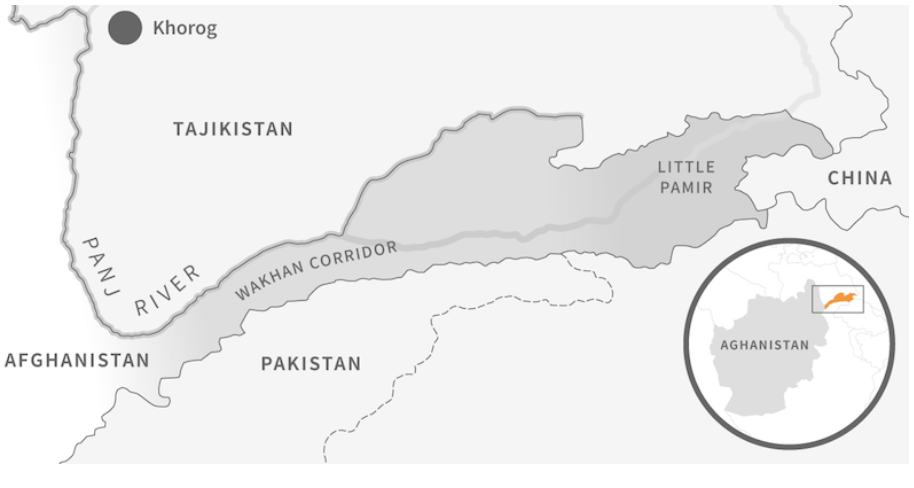
Adding to the strain are reports that Pakistan may have plans to seize the Wakhan Corridor, a narrow stretch of land connecting Afghanistan to China. Afghan leaders have responded forcefully, asserting that any attempt to occupy Afghan territory would result in prolonged conflict. Afghanistan’s Defense Minister has warned Pakistan of potential retaliation, raising concerns of a protracted and asymmetric conflict.
There is growing speculation that Afghanistan could adopt Pakistan’s own strategy of “bleeding with a thousand cuts”, a tactic Pakistan has employed for decades against India. If Afghanistan begins supporting insurgent groups in Pakistan, it could lead to a devastating internal conflict for Pakistan, further destabilizing the region.
Pakistan-Tajikistan Meeting and Wakhan Corridor Plans
Reports suggest that the Wakhan Corridor may have been a topic of discussion during the recent Pakistan-Tajikistan meeting. For Pakistan, controlling this strategic corridor would provide direct access to China, bolstering its regional position. Tajikistan, sharing a border with Afghanistan via the corridor, may see security benefits in collaborating with Pakistan. However, such a move would severely undermine Afghan sovereignty and pose a challenge to India, as Pakistan would gain increased access to Central Asia and expand its strategic influence.
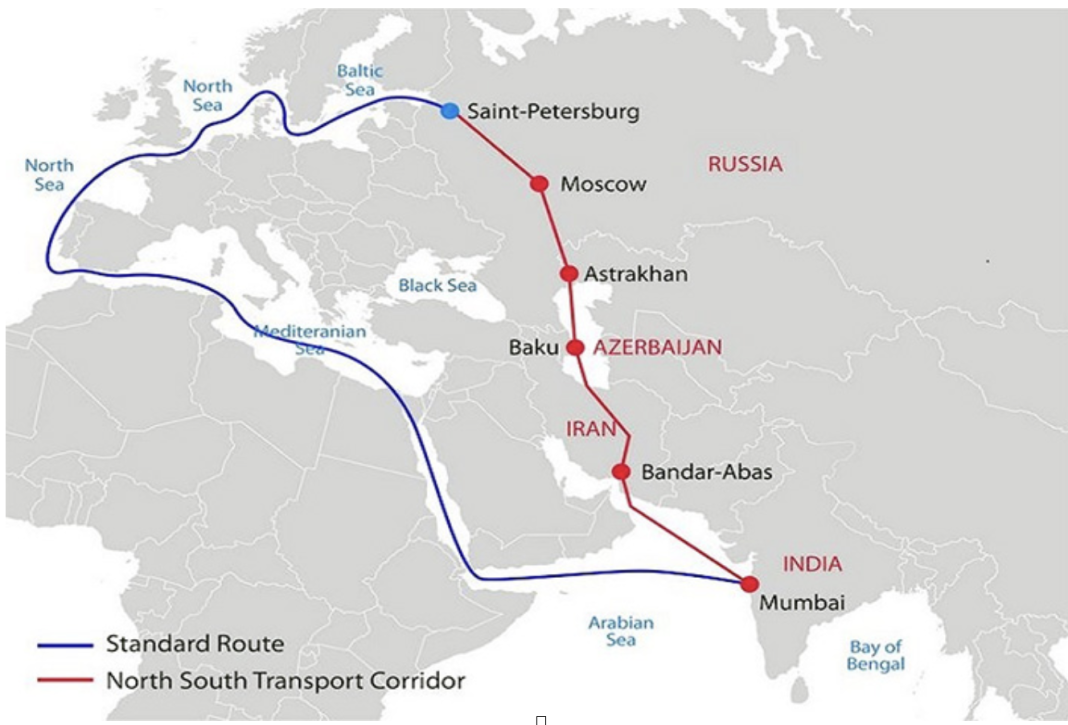
This scenario also threatens India’s regional connectivity efforts, particularly through Iran’s Chabahar Port, which serves as an alternative route to Afghanistan and Central Asia, bypassing Pakistan. Strengthened Pakistan-Tajikistan cooperation could shift the regional balance of power, making it imperative for India to re-engage with Afghanistan to protect its interests.
Mutual Benefits of India-Afghanistan Relations
Rebuilding India-Afghanistan relations would bring substantial benefits to both countries across several dimensions:
• Revival of Infrastructure Projects: India’s halted development projects in Afghanistan, including road construction, healthcare facilities, and schools, could be revived, boosting employment and economic stability in Afghanistan.
• Access to Central Asia: Afghanistan serves as a gateway to Central Asia for India. Strengthening ties would enhance India’s connectivity to resource-rich Central Asia via the Chabahar Port and potential trade routes through Afghanistan.
• Chabahar Port Development: Continued cooperation in developing Iran’s Chabahar Port would facilitate smoother trade between India and Afghanistan, bypassing Pakistan and reducing reliance on volatile border regions.
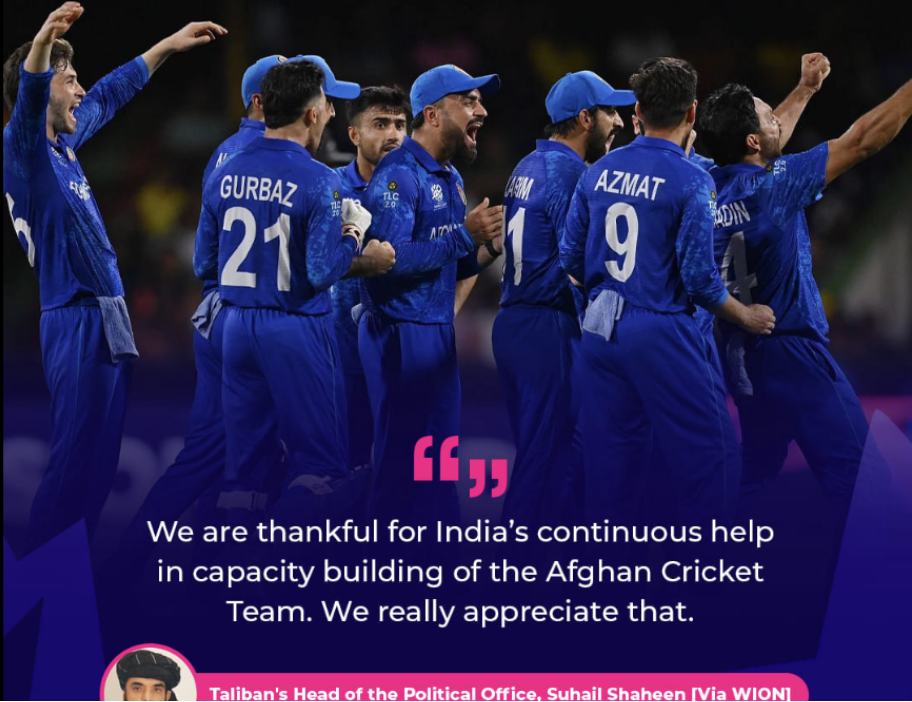
• Soft Power Influence: Cricket, as a cultural bridge, strengthens ties between Indian and Afghan societies. By continuing to offer training and infrastructure support, India can use cricket to foster goodwill and unity, enhancing its soft power in Afghanistan. • India’s Support to Afghan Cricket: India has been instrumental in the development of Afghan cricket, providing facilities and training that have helped the Afghan national cricket team rise to international prominence.
Humanitarian Aid
Food and Medicine Supplies: India’s humanitarian assistance has been crucial for Afghanistan, especially during times of economic distress and conflict. Continued support would reinforce India’s role as a key partner in Afghanistan’s recovery.
Educational Scholarships: Afghan students have benefited from Indian educational scholarships. Expanding this cooperation can help Afghanistan’s youth build a better future, fostering goodwill between the two nations.
Security Cooperation
Counterterrorism Collaboration: Both India and Afghanistan face threats from extremist groups like ISIS-K and Taliban offshoots. Increased cooperation in intelligence-sharing and counterterrorism efforts could help both nations stabilize the region.
• Border Security: Enhanced security cooperation would ensure that Afghan soil is not used for activities detrimental to Indian interests, particularly regarding terrorist groups that threaten India’s national security.
Strategic Counter to Pakistan: Afghanistan’s Potential Retaliation
A strengthened India-Afghanistan partnership would have profound implications for Pakistan. Faced with growing tensions on its western border, Pakistan could find itself locked in a decades-long armed struggle with Afghanistan if the latter adopts a strategy of “bleeding with a thousand cuts”. This approach, historically used by Pakistan against India, would see Afghanistan supporting insurgent movements within Pakistan’s borders, particularly in Khyber Pakhtunkhwa and Balochistan, regions already rife with separatist sentiments.
A prolonged conflict with Afghanistan would drain Pakistan’s economic and military resources, exacerbating its internal instability. This could provide India with a strategic advantage, as a weakened Pakistan would be less capable of focusing on its eastern front. A destabilized Pakistan might also lose its grip on Pakistan-occupied Jammu & Kashmir (PoJK), giving India an opportunity to assert control over the region, a long-standing goal in India’s foreign policy.
Conclusion: A Strategic Realignment in South Asia
From India’s perspective, rebuilding relations with Afghanistan is not just a diplomatic necessity but a strategic imperative. In the face of Pakistan’s ambitions and the growing instability in the region, a strong India-Afghanistan partnership could serve as a powerful counterbalance to Pakistan’s influence. Additionally, it would strengthen India’s connectivity to Central Asia, enhance regional security, and provide Afghanistan with much-needed economic and humanitarian support.
As Pakistan faces the prospect of a prolonged conflict with Afghanistan, India can leverage this situation to further weaken its adversary, thereby reshaping the balance of power in South Asia.
Aam Aadmi Party (AAP) candidate from Jangpura, Manish Sisodia’s assets have risen significantly over the past five years. This was revealed after Sisodia filed his nomination papers on Thursday for the Assembly elections in the city-state.
According to the affidavit filed during his nomination, Former Delhi Deputy Chief Minister Manish Sisodia’s movable assets have seen a significant rise over the past five years.
Sisodia’s movable assets are now valued at Rs 34.43 lakh, up from Rs 4.74 lakh in the 2020 election affidavit. His wife Seema Sisodia’s movable assets have also increased from Rs 2.66 lakh to Rs 12.87 lakh during the same period.
Sisodia’s property value has risen by approximately Rs 30 lakh in the last five years, while his wife’s property has increased by around Rs 10 lakh. Despite this increase in assets, the family currently has an outstanding education loan of Rs 1.5 crore.
Sisodia, who is facing six criminal cases, has denied any charges as none of them have been proven so far. Additionally, Sisodia owns a flat worth Rs 23 lakh in Ghaziabad, while Seema Sisodia owns a flat worth Rs 70 lakh in Mayur Vihar.
The Delhi assembly polls will be held in a single phase on February 5 and the counting of votes will take place on February 8. The last date for filing nominations is January 17. The date for scrutiny of nominations is January 18.
The last date for withdrawal of candidature is January 20. A three-way contest is on the cards in Delhi between the ruling AAP, BJP and Congress.
Congress, which was in power for 15 consecutive years in Delhi, has suffered setbacks in the last two assembly elections and has failed to win any seat.
AAP dominated the 2020 assembly elections by winning 62 out of 70 seats while the BJP got eight seats.
(This news report is published from a syndicated feed. Except for the headline, the content has not been written or edited by OpIndia staff)
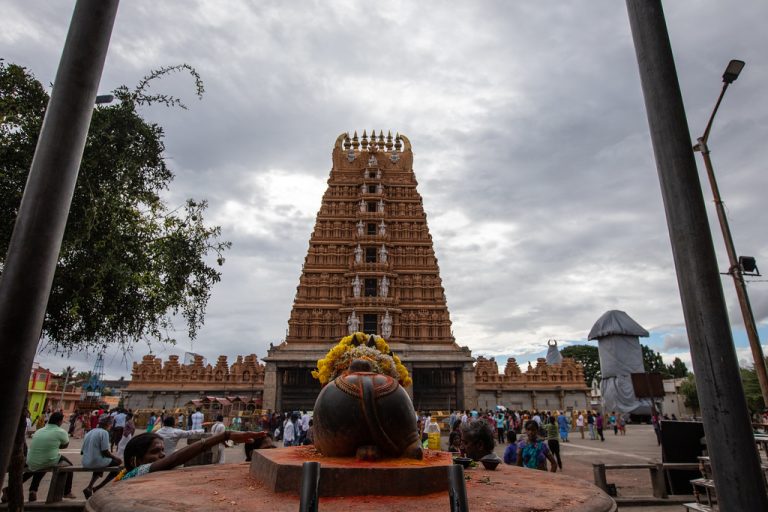
A heinous attack was carried out on a bull belonging to the famous Srikanteshwara temple in Nanjangud in the Mysore district on January 16. As per reports, the attackers chopped off the bull’s tail and inflicted serious injuries on his body using sharp weapons. A vet was called to treat the bull and the bovine is currently out of danger.
Earlier, in a similar incident, a person identified as Saiyyed Nasru sliced off the udders of three cows in Bengaluru.
The incident has sparked outrage among the local Hindus who demanded swift action against the culprits. People are blaming the Congress government in the state for not building a ‘Gaushala’ which renders stray cattle vulnerable to such attacks and smuggling. Witnesses to the incident reportedly said that the attackers also attempted to catch the bull and put it in a vehicle. Some people have accused the temple administration of being complicit in the attack on the bull.
The police were informed about the incident. Mysuru SP, N Vishnuvardhana took cognizance of the matter and ordered the filing of an FIR against unknown persons. Two teams of police have been formed to nab the culprits. A protest was organised by former BJP MP Pratap Sinha and local people against the incident. Along with speedy action in the matter, people demanded the construction of a cow shelter for stray cattle in the area.
District convenor of Mysuru-based Yuva Brigade, S Chandrashekhar said that the attack and smuggling of bulls donated to Srikanteshwara temple is not new. He said that in the absence of a Gaushala, the bulls become vulnerable to such attacks. Mysuru city BJP Chief L Nagendra also condemned the brutal attack on the bull.
There is a tradition of donating bovines in the Srikanteshwara temple dedicated to Lord Shiva. According to locals, the previous government had marked around 2 acres of land and issued funding for the construction of a Gaushala. Due to the state government’s inaction, the temple administration has decided to temporarily convert the elephant shelter of the temple to accommodate the stray bovines.
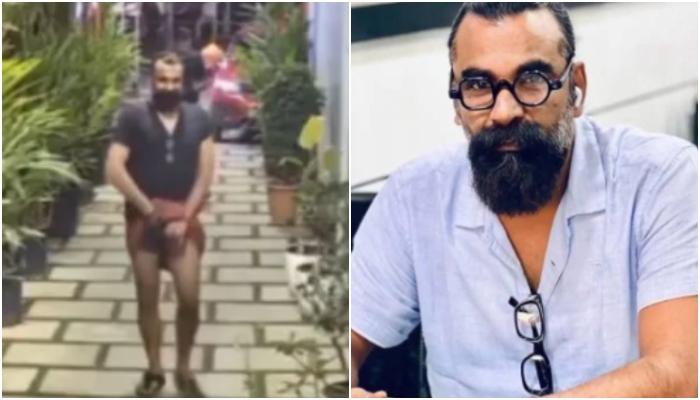
Recently, a video from the Guruvayur temple in Kerala went viral on social media. An individual identified as Abdul Hakeem could be seen disrespecting the Tulsi plant, usually worshipped by Hindus as an avatar of Goddess Lakshmi. The video showed Abdul Hakeem plucking out his pubic hair and putting it on the Tulsi plant as he walked past it. As soon as the video surfaced, widespread social media outrage followed. People started reposting and sharing the video expressing anger over the act. Subsequently, a complaint was filed by Hindu Aikya Vedi, a Hindu nationalist organization in Kerala which led to Hakeem’s arrest.
However, the Thrissur City police claimed that the accused was mentally unstable and that he had been undergoing treatment for the past 25 years. “A video of a young man in Guruvayur is seen circulating in social media in a way that creates communal rivalry. During the investigation, it was learned that the young man had a mental disorder and was under treatment for the past 25 years. Those who share the video and share posts related to it in a manner that creates communal rivalry will be subject to strict legal action,” the police warned on Facebook.
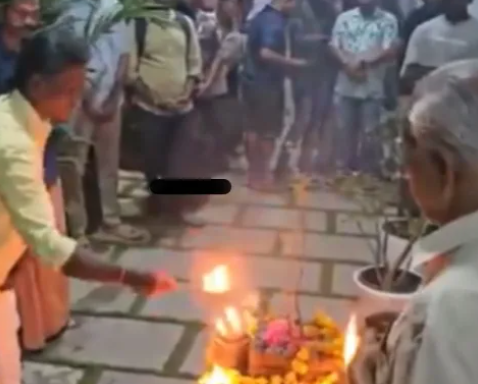
Following the incident, the Vishwa Hindu Parishad performed a purification puja of the Tulsi plant. A purification ceremony was performed by VHP Joint Secretary Anoop, members of Hindu Aikya Vedi, members of the Temple Protection Committee, and local devotees. The Hindu Aikya Vedi filed a police complaint which eventually led to the arrest of the accused but the police labelled the accused as mentally unstable.
Purification organized by VHP
It is crucial to note that the accused Abdul Hakeem has not faced the allegations for the first time. Hakeem who is the owner of the National Paradise Restaurant was accused of selling stale and spoiled food to the people. He was also accused of installing hidden cameras in his hotel’s restrooms which resulted in complaints being filed against him at the Guruvayur police station. The matter was reportedly suppressed due to political intervention. The Islamist was also accused of pelting stones earlier at busses carrying Ayyappa devotees.
The recent incident notably adds up to the misconduct executed by the accused, this time attempting to insult the Hindu religion. It has been observed time and again that the reason for ‘mental’ instability’ is used in many cases to downplay the crimes and allegedly save the accused, especially those belonging to specific communities.
It seems to be a time-tested formula that keeps resurfacing again and again. Be it the attack on the Gorakhnath temple or the incident in Telangana where two Muslim women wearing burqa tried to damage temple and church idols, the corporate English media, the left-liberals, Islamists, and their apologists, have been unrelenting in their use of the ‘mental illness’ trope to justify Muslim-committed crimes.
List of attacks where accused from specific communities were declared ‘mentally unstable’
1) Recently, in November 2024, a 24 years old woman, named Fatima Khan, was detained from Ulhasnagar in the Thane area of Mumbai, Maharashtra, for sending death threats to Uttar Pradesh Chief Minister Yogi Adityanath. The police detained the woman and labelled her as mentally unstable. Interestingly, the woman held a Bachelor’s Degree in Information Technology.
2) In December 2023, a 60-year-old man named Latif Khan was arrested by the Mahakal police station of Ujjain in Madhya Pradesh for urinating on Hindu temples at Ramghat in Ujjain. The accused was a retired sanitation worker of the Ujjain Municipality. He was booked under section 295A of the IPC and presented before a court after which he was sent to jail. The police looked into the incident primarily and declared that the accused was mentally unstable.
Ujjain, MP: Ex-sweeper of the Municipal Corporation, Mohammad Latif Khan caught urinating on Hindu Mandirs.
3) Farooq Chisti, one of the six culprits of one of the largest sex scandals in the nation, which took place in Ajmer 32 years ago, who raped the minor girls and threatened them was also earlier declared mentally unstable. However, he was convicted by a fast-track court in Ajmer in 2007 and was sentenced to life in jail by the district court on August 20th, 2024.
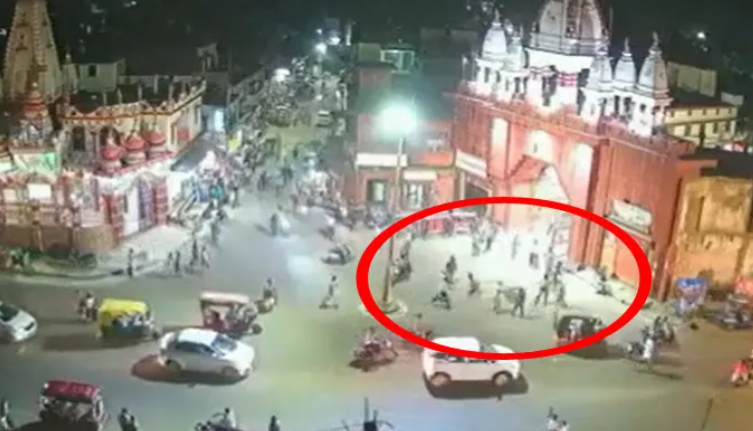
4) In 2022, the Gorakhnath temple in Gorakhpur, Uttar Pradesh was attacked by accused Ahmad Murtaza Abbasi who allegedly had planned the targeted attack. However, SP’s Akhilesh Yadav had whitewashed the attack saying that Abbasi had psychiatric issues. Downplaying the attack on a Hindu temple, the SP Chief had targeted the BJP saying that it was ‘exaggerating’ the matter.
Later, during the investigation, the security agencies found that the accused was influenced by banned Islamic preacher Zakir Naik and had ISIS links. It was also learned that the accused had terror connections and was associated with extremists in Syria.
CCTV screenshot of attack in Gorakhnath temple premise
5) In October 2022, two Muslim women were detained for reportedly vandalizing the idol of the goddess Durga at a Navratri pandal in Hyderabad. The ladies barged into a pandal in the city’s Khairatabad locality and smashed a portion of the Durga statue, according to Hyderabad Police. When a local tried to stop them, one of the ladies attacked him with a metallic tool. The ladies were reportedly labelled as mentally disturbed and affected by schizophrenia.
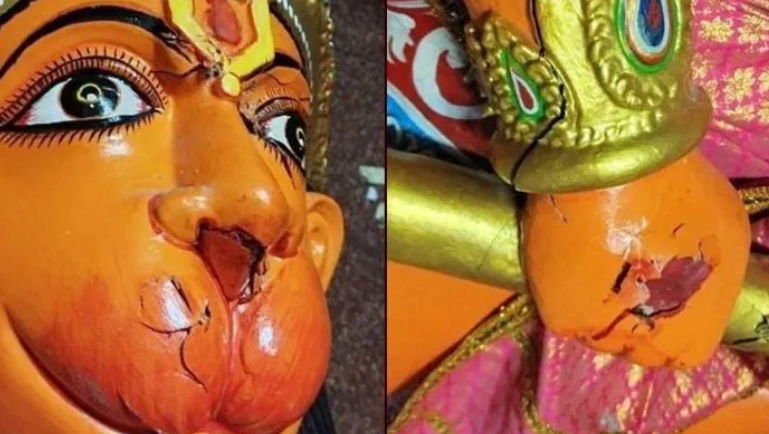
6) In September of the same year, a man identifiedas Rameez Ahmed broke into the Bhagwan Hanuman temple in the Hindpuri Police Station area of Ranchi, Jharkhand, and vandalized the idol there. Ahmed was subsequently arrested by the police. Notably, the police had claimed that Ahmed was mentally unstable. The locals were not satisfied by the reasoning provided by the police.
7) In 2018, a case of idol vandalism in a Hindu temple had been reported from the Shahganj region of Agra in Uttar Pradesh. It was reported that the accused had vandalized a Hanuman and Durga idol to instigate communal tensions. The devotees then caught hold of the individual reportedly trying to flee the temple premises, who when questioned identified himself as Sonu Khan.
As per a tweet by ANI, the accused was assaulted by the locals after being tied to a tree, following which he was handed over to the police. The news agency claimed that the accused was “mentally challenged”.
8) Similarly, in 2016, a youth from a particular community barged into the temple at Janipur in Jammu, threw stones at windowpanes, and tried to damage the idol. The miscreant was identified as Yasir, a resident of Doda town in Jammu. Several media outlets were ready to play the ‘mentally disturbed’ card in this case as well because the offender belonged to their preferred community.
9) In October 2022, Jammu and Kashmir DGP (Prisons) Hemant Kumar Lohia was found dead under mysterious circumstances with throat slit and burn marks on his body. Terror group People’s Anti-Fascist Force (PAFF), an offshoot of Pakistan-headquartered terrorist organization Lashkar-e-Taiba, had claimed responsibility for the murder. Prima facie it had appeared to be a case of murder and his domestic help Yasir Lohar was believed to be the primary suspect. Yasir first suffocated the DG to death, then used a broken ketchup bottle to slit his throat, and later tried to set his body on fire before fleeing the crime scene. In the given case as well, the accused was declared as ‘mentally unstable’.
Disturbing trend transpiring hatred towards the Hindu religion
In recent years, a concerning trend of attacks on Hindu temples by Islamists dubbed “mentally unstable” in the media and by the leftist authorities has emerged in various parts of India. These incidents have affected regions across the country. Notably, some of these attacks have occurred during festive seasons or close to religious Hindu processions.
Additionally, this trend transpires without provocation, underscoring the deep-rooted hatred towards Hinduism in the minds of Islamists which is probably the root cause behind these attacks. It is worth noting that in several of these cases, dedicated attempts were made to excuse their actions by labeling the attackers as mental patients.
In the given case also, the attack on Tulsi happened in the Guruvayur temple in the state of Kerala which is ruled by the left. The attacker, Abdul Hakeem who is the owner of a hotel and has been accused several times earlier of misconduct is being labelled as ‘mentally unstable’. The accused notably insulted the Tulsi during the Pongal festival which is a multi-day Hindu harvest festival celebrated in the southern part of the country.
It is worth noting that in many such cases, it is observed that the accused Islamists only attack Hindu temples or events in an alleged targeted attempt. And then such attacks are either downplayed by the left and Islamists or are whitewashed. The left authorities also notably label the accused persons, especially those belonging to the specific communities as ‘mentally unstable’, in an alleged attempt to shield the accused and maintain communal peace.
Interestingly, these ‘mentally unstable’ accused Islamists only look for Hindu temples to attack and cause insult to the Hindu religion. Other religion’s places of worship are hardly allegedly attacked by these ‘mentally unstable’ accused Islamists, indicating the community’s deep hatred towards Hinduism. And in any other case of an alleged attack on a specific religion, the accused are charged with blasphemy.
Hindus need to stand together against such downplaying and whitewashing of crimes against their community and demand justice. This also calls for an unbiased application of the law equally against all the accused persons committing crimes against Hindus, despite whatever religious background they come from.
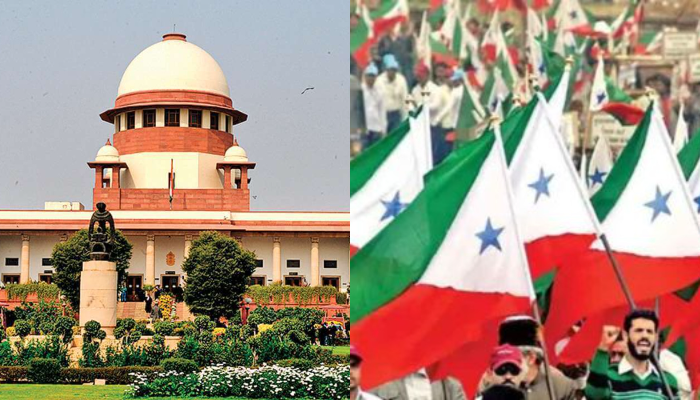
The Supreme Court on Friday denied bail to E Abubacker, former chairman of the banned outfit Popular Front of India (PFI), who sought his release on medical grounds in a case registered against him under anti-terror law Unlawful Activities (Prevention) Act (UAPA).
A bench of Justices Sundresh and Rajesh Bindal said it was not inclined to grant bail on medical grounds at this stage and granted liberty to him to approach the trial court.
Additional Solicitor General SV Raju, appearing for the National Investigation Agency, argued that all the medical conditions raised by Abubacker have been optimised through various treatments and hence, he cannot be granted bail.
Abubacker was arrested on September 22, 2022, by the NIA during a massive crackdown on PFI.
The government banned the PFI and several of its associate organisations on September 28, 2022, for five years under the stringent anti-terror law, accusing them of having links with global terror groups like ISIS.
He approached the apex court challenging the Delhi High Court’s May 28, 2024 order which denied him bail.
Abubacker said that he was in his seventies and suffering from Parkinson’s disease and that he had undergone surgery for treatment of cancer.
Among the allegations against Abubacker is that he was earlier associated with SIMI, a banned organisation and later he became an integral part of the PFI. He was also an authorised signatory with respect to the bank accounts of PFI.