Home Blog Page 3938

Madhya Pradesh: Teacher Nishaad Begum gets a class 8 student beaten up for sporting ‘tilak’ to school, NCPCR orders probe

The National Commission for Protection of Child Rights (NCPCR) has written to the Raisen district officer in Madhya Pradesh to carry out a probe in a deplorable incident where a school teacher named Nishaad Begum has been accused of getting a minor boy beaten up for sporting a Tilak to school.

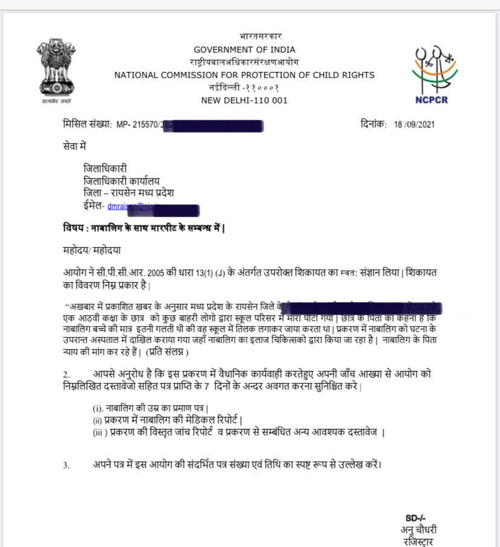
Taking cognisance of the case in accordance with provision 31(1)(J) of the CPCR Act 2005, NCPCR has granted 7 days to the district officer to carry out the probe and submit its report on the same before the statutory body.

In the letter dated September 18, 2021, the statutory body informs that the father of the victim has alleged that his son’s class teacher got his son beaten up by outsiders for merely wearing Tilak to school.

Apprising the Raisen district officer about the case, NCPCR has sought various documents, like the proof of age and the medical reports of the victim, from the officer.
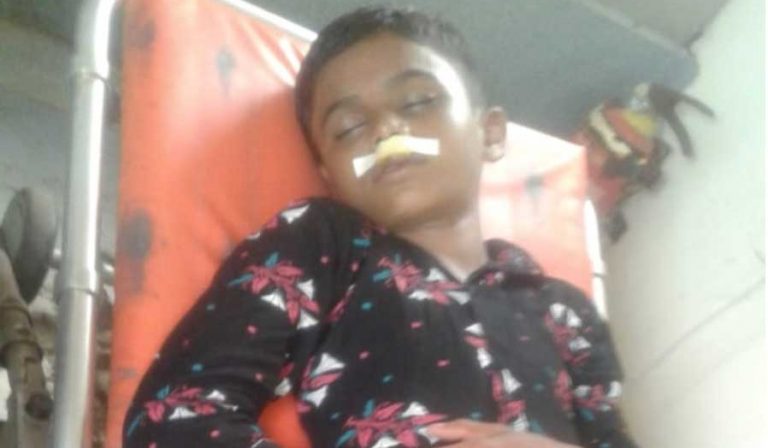
This incident of bigotry and communal hatred came to the fore after various Hindi media outlets reported the matter. According to reports, Pawan Sen, a student of class 8 studying in Government Primary school in Gairatganj Tehsil in Raisen District of Madhya Pradesh was assaulted by some people, who did not belong to the school, on the instructions of his teacher named Nishaad Begum. The teacher was reportedly irked by the fact that the student wore a Tilak to school.

Meanwhile, a video of the injured boy recuperating in the hospital after being assaulted is being widely shared on social media. In the video, the boy is heard telling the media person that he visits a temple every day before going to school where the priest applies a tilak on his forhead.

Pawan Sen further reveals that when he went to school three days ago sporting a tilak, his teacher, whom he identifies as Nisaad ma’am, warned him against wearing the same to school. She threatened Pawan that she would either hit him or get him beaten up if he continues to wear a tilak to her class.

Pawan added that the day the incident took place, he, as usual, went to school wearing the tilak. The agitated teacher then got him beaten up by some people, revealed the minor boy.

According to reports, after the assault, Pawan Sen was taken to Gairatganj Primary Health Center where he received first aid. He was then referred to the District Hospital, Raisen, where he is undergoing treatment.

The father of the victim has submitted a memorandum to the Collector and the Superintendent of Police demanding action against the teacher. Based on the boy’s and his family’s statement, the Gairatganj police have registered a case against the school teacher and the matter is being probed.

The teacher, on the other hand, has come out in her defence saying that a scuffle had broken out between the children in school, in which Pawan Sen got injured.
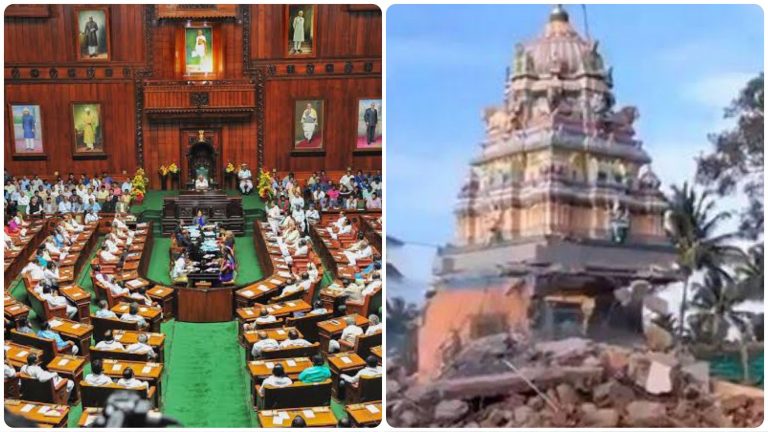
Karnataka Assembly passes bill to protect religious structures amidst criticism over temple demolition in Mysuru

Following the massive outrage across Karnataka after the demolition of a temple in the Mysuru region of Karnataka on September 10, the BJP government in the state has decided to pass a law in the legislative assembly that circumvents the 2009 Supreme Court order and brings the temple demolition drive to an end. 

Amidst heated debate in the state assembly, the BJP government in the state managed to pass the Karnataka Religious Structures (Protection) Bill, 2021 on Tuesday this week. The bill aims to stop the demolition drive of religious structures in the state in the backdrop of the Supreme Court order. 

Introducing the Karnataka Religious Structures (Protection) Bill, 2021, in the Assembly, Chief Minister Basavaraj Bommai said, “The bill is aimed at protecting religious constructions on a public place constructed before the date of commencement of this Act, in order to protect communal harmony and not hurt the religious sentiments of the public.”

The law says that whatever may be the legal provisions of laws and irrespective of orders or guidelines by courts, jurisprudence and authorities, from the date of implementation of the ‘Karnataka Religious Structures Protection Act -2021’, the government will protect religious centres in accordance with the stipulated guidelines.

As per the bill, “religious structure” is defined as a “temple, church, mosque, gurudwara, Bodh vihar, Majar etc, constructed on a public place without authority of law”. The law also adds that “no religious structure and construction shall be allowed by the state government or any local authority in future on a public place”.

The enactment was passed unanimously, with no objection from Congress or JDS, but was criticised by the opposition leaders as a hasty attempt to compensate for the demolition of the Mysuru temple. 

The government also admitted on the floor of the assembly that it was unaware of the demolition drive that led to the felling of the Mysuru temple. Law and Parliamentary Affairs Minister JC Madhuswamyv said the temple was razed down without the knowledge of the government by “over-enthusiastic” officials eager to carry out the SC order. 

However, Leader of the Opposition Siddaramaiah, who had been a strident critic of the government for the demolition of the temple, said the BJP government brought the bill to protect religious structures under duress from right-wing groups linked to the party.

“They are bringing the bill now because of the Hindu Jagaran Vedike and right-wing groups who have brought pressure. I had tweeted and said the demolition should not have been carried out. They demolished the temple and are now seeking to protect it – this is odd,” Siddaramaiah said.

But Chief Minister Basavaraj Bommai was quick in dismissing Siddaramaiah’s contentions. He said from 2010 to 2019, when Congress was ruling in Karnataka, as many as 161 temples, masjids and dargahs had been demolished in Mysuru. “If you fix responsibility on ruling BJP for the demolition of a temple in Mysuru, who will you hold responsible for these demolitions,” he questioned the opposition, adding, “Words are dangerous, we should use them carefully over sensitive issues.”

Temple demolition in Mysuru creates a furore, BJP govt blames district administration for misreading the order

The demolition of a Hindu temple in Karnataka’s Mysuru district had triggered a massive controversy pitting the state government against the district administration. 

After the video of the demolition went viral on social media several politicians including Mysuru-Kodagu BJP MP Pratap Simha and several Hindu organizations registered their protest against the overnight destruction ordered by a tehsildar.

Simha asserted that the district administration misread the Supreme Court order and were selectively targeting temples. 

“The Supreme Court has said that only those structures that have come up in public places after 2009 will fall under its order. That too the Court said the structures should be demolished only if relocation or regularisation is not possible. Officers have to examine each case individually,” he said.

The temple was demolished in the wake of inquiry made by State Chief Secretary P. Ravikumar in August, asking the district administrators for a follow-up report on the pending demolition drive based on the Supreme Court and High Court rulings and the reasons behind the delay in implementing the order. 

The Chief Secretary in a letter to Deputy Commissioners on July 1, 2021, stated that Karnataka has 6,395 unauthorized religious structures in public places. As of September 29, 2009, the number of such structures was 5,688, however in 12 years, the state was able to demolish, relocate and regulate only 2,887 of them.

Reportedly, as per the instructions, the district administrations were asked to demolish at least one illegal religious structure per taluk and per division every week. Thus began the demolition drive and many roadside structures were razed in pre-dawn operations. 

CBI obtains video of Jharkhand Congress MLA asking family of Rupa Tirkey to forget her murder case by taking money, petrol pump and job

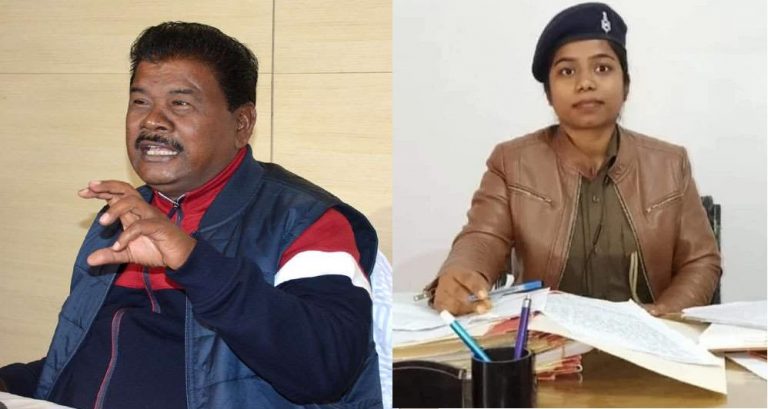
The CBI investigating the suspicious death of a lady tribal police officer of Jharkhand Police Rupa Tirkey has accessed a video that makes sensational disclosure how MLA and working president of Jharkhand Congress Bandhu Tirkey was pressurizing the family not to demand the CBI inquiry of the death.

In the video, the MLA is heard asking family members that they should not press for the CBI inquiry and they should trust the judicial inquiry set up by Hemant Soren led JMM-Congress-RJD government. The former chief justice of Jharkhand High Court Binod Kumar Gupta was appointed to conduct the judicial inquiry. Bandhu Tirkey asked them to settle with a petrol pump, compensation money and a government job for one of the members of the family.

The video, also in the possession of OpIndia, was filmed on the night of June 10 at the Ranchi residence of the victim where Bandhu Tirkey had gone to meet family members of Rupa Tirkey. Well placed CBI sources confirmed to OpIndia that during the investigation, the agency got one such video of the MLA.

The family has alleged that their daughter, an ASI rank official posted at Mahila police station in Sahebganj district, was murdered on the intervening night of May 2 and 3 when her body was found hanging at her official residence.

The family alleged that Pankaj Mishra, a close aide of Jharkhand chief minister Hemant Soren was involved in the murder.

Bandhu Tirkey also tried to convince the family to meet chief minister Hemant Soren once to raise their viewpoints. He further asked the family to settle with one petrol pump, cash as compensation and a job to any of the family members. Bandhu Tirkey informed that he has already spoken to the chief minister in this regard.

But Padmavati Orain, the mother of the 26-years old deceased police officer, refused all and said that they want the CBI inquiry.

Bandhu Tirkey said that the CBI inquiry means the agency will do an operation of this case and had he been in a position to take a decision he would not have ordered the CBI inquiry. On this, a male voice is heard reminding him that initially, he (Bandhu Tirkey) had also demanded the CBI inquiry.

Notably, the single bench of Jharkhand High Court headed by Justice Sanjay Kumar Dwivedi who had ordered for the CBI inquiry of this case while hearing the write petition 139/2021 filed by Devanand Oraon, a CISF employee and father of the deceased, observed how the family was pressurized to forget the case of their daughter.

“It has been disclosed that one person has approached the family members of Late Rupa Tirkey to provide them a Petrol Pump and forget the case of their daughter,” the court in its detailed order has listed it as one among the reasons if for ordering the CBI probe.

The social activist Tirthraj Akash, who from the first day has been fighting for the cause of Rupa Tirkey, said that Bandhu Tirkey is a classic case of a so-called crusader turned hostile.

“Bandhu Tirkey allowed himself to be compromised and now everybody knows for whom he working. He was first to raise the issue of Rupa Tirkey and he constantly visited her family to extend his support. He had even recommended the senior lawyer of Jharkhand High Court Rajiv Kumar as the lawyer who took this case to its logical conclusion. But gradually he started misleading and persuading the family,” said Tirthraj Akash.

The disclosure has left the Congress party equally embarrassed as a senior Congress leader said that the video is in a bad taste. “It was none of his business to act as an intermediary/ facilitator between the government and the family. How his conscience allowed him to ask the family to forget all in a sensitive case like this where the victim is a tribal police official,” the leader said.

Now Bandhu Tirkey is defending himself and stated that he just wanted to help the family.

But a senior Jharkhand High Court lawyer Rajeev Kumar said that video will help to establish the allegation that how the state government has been trying to scuttle the probe from the first day.

“The police deliberately carried a botch-up police investigation and hurriedly concluded as suicide. Police refused to register the FIR on the written statement of the mother of the victim. Later on, police converted it into a case of abetment of suicide against Rupa’s father and a friend of Rupa and police officer SK Kanaujia. But the charge sheet was submitted only against Kanaujia. Important evidence of this case were either ignored or destroyed. Amid investigation, the government started a parallel probe by ordering judicial inquiry. When the court was hearing writ petition to demand the CBI inquiry, the advocate general of Jharkhand scandalized the court. What Bandhu Tirkey is doing is just a part of desperate attempt of the government. Not only Pankaj Mishra but many powerful persons of Jharkhand will slowly land in trouble as the CBI has started probe,” said advocate Rajeev Kumar.

“Males cannot be singled out in voluntary sexual union”: Calcutta HC acquits man accused of consensual sex with minor girl under POCSO

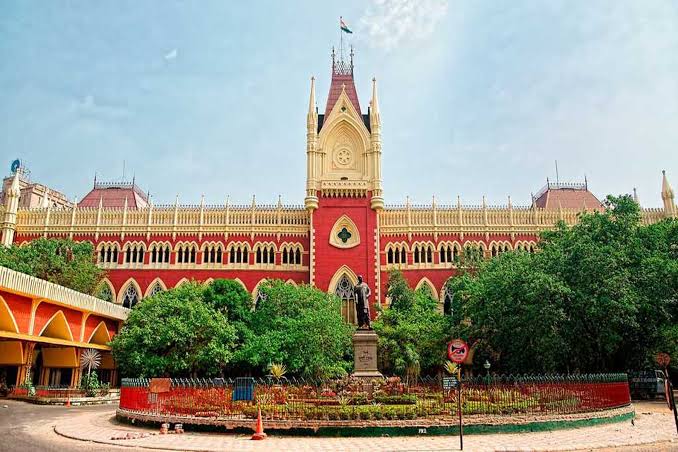
The Calcutta High Court on Wednesday absolved a man booked under the Protection of Children against Sexual Offences Act (POCSO) Act, noting that a male alone cannot be indicted for an act of consensual sex between two sufficiently mature persons.

The court observed that the 16-year-old girl who voluntarily participated in the sexual act and she was not naive to not know about its implications.

“If the union is participatory in nature, there is no reason to indict only the male just because of the peculiar nature of anatomy of the sexual organs of different genders,” a single-judge bench of Justice Sabyasachi Bhattacharyya observed.

The court also declared that in order to convict a person of penetrative sexual assault, the psyche, maturity, and past conduct of the accused with respect to the victim were germane to determining whether it was a unilateral or a participatory act.

For the safety of children, the court said, the provisions of the POCSO Act should be given an appropriate construction so that it is not misused as a tool to force a person to marry another.

The case pertains to an accused aged 22 and the victim who is 16 and a half years old. The accused was convicted by the Trial Court under Section 376(1) of the Indian Penal Code and under Section 4 of the POCSO Act. The accused filed a petition in Calcutta HC highlighting the victim’s admission of her past relationship with him. The prosecution argued that the victim was a minor at the time of the offence and, even if the victim had granted her consent, the same is not material at all.

However, the court said that even if POCSO Act considers the victim’s consent for sex immaterial, penetration out of one’s own free will cannot always be interpreted as an offence under the said law.

“Although the consent of a minor is not a good consent in law, and cannot be taken into account as ‘consent’ as such, the expression ‘penetration’ as envisaged in the POCSO Act has to be taken to mean a positive, unilateral act on the part of the accused. Consensual participatory intercourse, in view of the passion involved, need not always make penetration, by itself, an unilateral positive act of the accused but might also be a union between two persons out of their own volition. In the latter case, the expression ‘penetrates’, in Section 3(a) of the POCSO Act might not always connote mere voluntary juxtaposition of the sexual organs of two persons of different genders,” the court said.

It further added, “Although the question of consent does not arise in case of a minor, in order to attract Section 376(1) of the IPC, it had to be established that the alleged offence was committed against the will of the victim. Read in conjunction, the provisions of Section 376 of the IPC and Section 3 of the POCSO Act ought to be construed on a similar footing and cannot incriminate the accused for a voluntary joint act of sexual union.”

“If the union is participatory in nature, there is no reason to indict only the male just because of the peculiar nature of anatomy of the sexual organs of different genders. The psyche of the parties and the maturity level of the victim are also relevant factors to be taken into consideration to decide whether the penetration was a unilateral and positive act on the part of the male. Hence, seen in proper perspective, the act alleged, even if proved, could not tantamount to penetration sufficient to attract Section 3 of the POCSO Act, keeping in view the admitted several prior occasions of physical union between the accused and the victim and the maturity of the victim”, the Judge said.

Read- ‘Unmarried girls in the country do not indulge in sex just for fun’: Says MP High Court rejecting bail to man accused of rape for consensual sex

Six government employees including two cops dismissed in Jammu and Kashmir for terror links

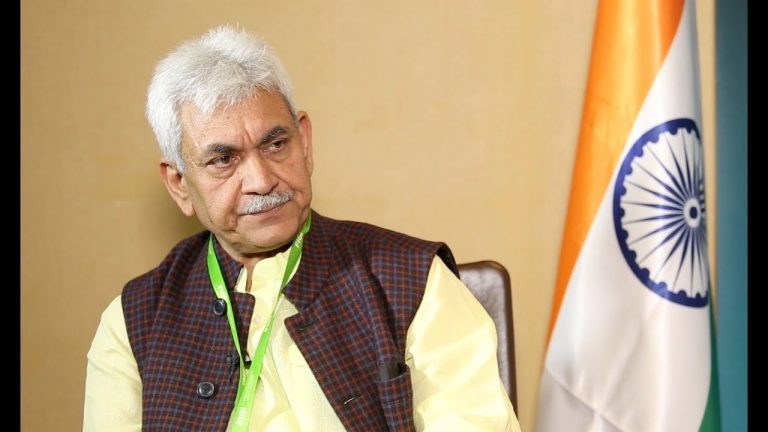
The Government of Union Territory of Jammu & Kashmir headed by Lt. Governor Manoj Sinha has dismissed six employees of the state government for maintaining links with terrorist organizations as well as working as overground workers of terror outfits. The six dismissed personnel include two constables of the Jammu & Kashmir police.

These dismissed employees have been identified as Hamid Wani, a teacher from Anantnag, Zafar Hussain Bhat, a constable of Jammu & Kashmir police from Kishtwar, Mohammad Rafi from Kishtwar posted at Road and building department as a junior engineer, Liyakat Ali Kakru a teacher from Baramula, Tarique Mohammad Kohali of Poonch district posted as a ranger in the forest department and Saukat Ahmed Khan, a police constable from Badgam.  

They have been dismissed by the government under the power conferred by article 311 (2) (C) of the Indian Constitution which states that “where the President is satisfied that the retention of a person in public service is prejudicial to the security of the State, his services can be terminated without recourse to the normal procedure prescribed in Article 311 (2)”.

The intelligence reports of their association with terror organizations were placed before the UT Level Screening Committee which recommended their termination. The committee was formed under the rules of Jammu and Kashmir Civil Services (Verification of Character & Antecedents) Instructions, 1997 for its decision.

Notably, a few days back the Government of Union Territory of Jammu & Kashmir had freshly issued a detailed circular to carry discrete verification of the character and antecedents of its employees in the wake of the reports of direct or indirect involvement of some of the government employees in terrorist activities.

The circular issued by the General Administration Department said that the employees are required to maintain absolute integrity, honesty and allegiance to the Union of India and its Constitution and do nothing which is unbecoming of a Government servant.  

Hamid Wani was the district commander of banned terror outfit Allah Tiger. He got the government job with the help of Jamat-e-Islami. He was on the forefront of anti-India conspiracy after security forces gunned down notorious Islamic militant Burhan Muzaffar Wani, the commander in the Hizbul Mujahideen.

Zafar Hussain Bhat was arrested by the National Investigation Agency in the past in a terror case and he is currently on bail. He was accused of arranging logistics for Hizbul Mujahideen.

Similarly, Mohammad Rafi used to provide shelter to terrorists of Hizbul Mujahideen besides other logistic supports.

Liyakat Ali Kakru had joined the government service in 1983. In 2001 he was arrested and allegedly a huge consignment of arms and ammunition was recovered from his possession. He was also booked under the Public Safety Act. But he was discharged by the court later on due to lack of evidence.

Tarique Mohammad Kohali was involved in the supply of arms and ammunition to terror organizations and he was also allegedly involved in the fake Indian currency note racket to help Pakistan sponsored terrorist activities in Jammu & Kashmir. Saukat Ahmed Khan was involved in a weapon loot case and he was also arrested in 2019 under Public Safety Act.

In the past also the Jammu & Kashmir government had dismissed two sons of Hizbul chief Sayed Salahuddin and 9 others from government jobs for links with terror funding.

Outgoing Delhi Gurudwara committee president Manjinder Singh Sirsa fails Gurmukhi test, disqualified from becoming co-opted member

0

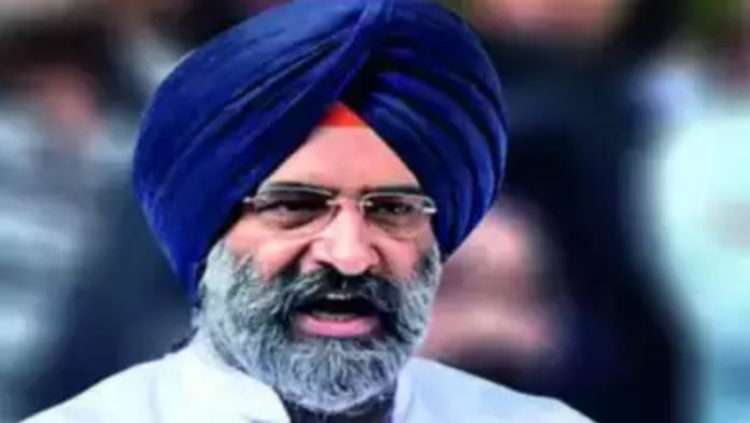
Manjinder Singh Sirsa, the outgoing president of the Delhi Sikh Gurudwara Management Committee and an Akali Dal leader, has been disqualified from being co-opted as a member of the DSGMC. The order was passed by the director of the Delhi Gurudwara election body, Narinder Singh on Tuesday. He informed that Sirsa was not eligible for the post since he did not know how a read and write ‘Gurmukhi’ (the script used by Sikhs for writing Punjabi), a basic requirement to hold the post as per the Delhi Sikh Gurudwara Act, 1971.

The orders asked the SGPC to nominate a new person.

The term ‘co-option’ refers to the process of existing members inviting new members to join a committee or other group.

“The undersigned is constrained to deduce that Manjinder Singh Sirsa is not well-versed with the reading and writing of Gurmukhi and, therefore, does not qualify the eligibility conditions as laid down in Section 10 of the DSGMC Act,” said the order issued on Tuesday by Narinder Singh.

It may be noted that after Manjinder Singh Sirsa had lost the DSGMC polls held on August 22, to Shiromani Akali Dal (Delhi) candidate Harvinder Singh Sarna, SAD president Sukhbir Singh Badal had on August 25 said that Sirsa will continue as DSGMC president. He had then proposed that Sirsa will be co-opted through the quota of the Amritsar-headquartered Shiromani Gurdwara Parbandhak Committee (SGPC).

Shiromani Akali Dal (SAD) has a majority in SGPC.

Manjinder Singh Sirsa made 27 errors in 46 of his own chosen words in Gurmukhi

After Sukhbir Singh Badal’s declaration, Sirsa provided his academic credentials, stating that he received his BA Honours (Punjabi) from Sri Teg Bahadur Khalsa College, Delhi University, between 1990 and 1993. Sirsa also presented a certificate from the Principal of Sukho Khalsa Sr Secondary School, Jail Road, Janakpuri, stating that he had recited Gurbani in Gurmukhi and written Gurmukhi script in front of the Principal.

The Directorate, however, denied both of Sirsa’s claims.

Narinder Singh wanted to put Sirsa’s reading and writing skills to the test. According to the order, “When asked to recite Gurmukhi from Ang (page) 1358 of Sri Guru Granth Sahib, Manjinder Singh Sirsa was unable to do so with proficiency and accuracy, and when Sirsa was given a dictation from Sri Guru Granth Sahib, he flatly refused to write Gurmukhi, claiming that the language was too difficult.”

He was then required to write an application in Gurmukhi, in which he made 27 errors. “Ironically, the said letter written by Sirsa in Gurmukhi in his own choice of words has as many as 27 errors out of 46 words which are indicative of his little knowledge of Gurmukhi”, read the order of the election director, adding that while Sirsa might be able to write a few words in Punjabi, but the spirit of the DSGMC Act, 1971, places great importance to a recitation from the Sri Guru Granth Sahib and the writing of Gurmukhi, where he has miserably failed.

Sirsa being investigated for misappropriation of Gurudwara funds

Notably, Sirsa is currently being investigated into alleged misappropriation of funds during his tenure as the secretary-general of Delhi Sikh Gurdwara Management Committee (DSGMC). In fact, on July 26, 2021, the Delhi police had issued a Look Out Circular (LOC) against the Shiromani Akali Dal (SAD) leader. The court had passed the decision after the complainant’s advocate claimed that Sirsa “is a flight risk.” 

In January 2021, the Delhi Police’s Economic Offences Wing had registered a case against Manjinder Singh Sirsa and other unknown persons in the committee for the misappropriation of funds while Sirsa was the general secretary of the Delhi Sikh Gurdwara Management Committee in 2013.

The order was passed following a complaint by one Bhupinder Singh who had contended that the current DSGMC president Manjinder Singh Sirsa, who was the general secretary of the committee then in 2013, had caused a loss of public funds to the tune of Rs 65,99,729 by showing sham transactions with various entities and raising fictitious bills without any actual goods or services being provided.

Karnataka High Court upholds Arms Act exemption granted to Kodavas & Jumma Land Holders to carry weapons without licence

0

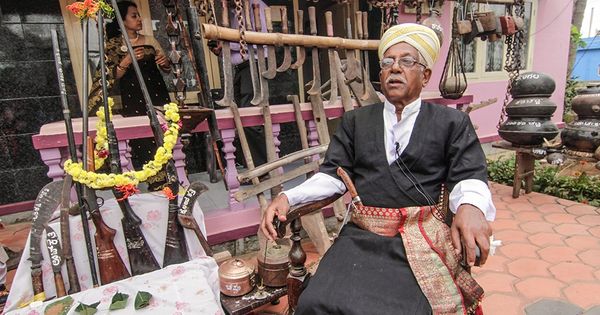
The Karnataka High Court on Wednesday upheld the exemption granted to every person of Coorg by race, and Jumma tenure landholders in Coorg (Kodagu district), from the requirement to obtain a license to carry and possess firearms under the Arms Act.

The order was in response to a petition filed by Capt Chethan Y K (Retd). On behalf of the petitioner, Advocate B V Viyulatha argued that the constitutional notification issued by the Union Ministry of Home Affairs on this exemption was not in the public interest. 

To this, the Bench remarked, “The Kodava community which is a marshal community and Jumma tenure holders are enjoying the benefit of exemption since pre-independence.”

“They have rightly been granted an exemption for a period of ten years. It is not the case that they have been granted exemption indefinitely. The exemption granted is subject to certain terms and conditions. Therefore, the Constitutional validity of the notification is upheld in the petition,” it said further. 

The exemption to the Kodavas has been granted under section 41 of the Arms Act. 

Petitioner- ‘The exemption is casteist‘

Referring to Article 14 of the Constitution of India, the petitioner had submitted, “By giving such an exemption they are promoting caste and class, when there are 12 to 13 more other races, who practice the same religion and customs and they are in Coorg, but they are not granted exemptions.” 

“Even other than Coorg, the whole of India is procuring license under the Arms Act, why only this particular race is given the exemption, there is no public interest forthcoming,” the petitioner submitted. 

However, the petitioner’s concern was shot down by Additional Solicitor General M B Nargund appearing for the Union of India who said, “A kirpan is allowed to be used by the members of Sikh community and similarly, Gorkha community is permitted to use kukri.”

The advocate further argued that the petitioner ‘wants to get the caste system abolished’ and hence rejected such casteist favours granted to communities. Continuing her argument, she questioned why could not the community obtain a license under Sections 3 and 4 of the Arms Act?

The petitioner insisted that the exemption is not based on a geographical distinction, but it is by class.

SG Nargund opposing the arguments informed that the Kodavas even with the exemption have to undergo a police verification and the exemption certificate is to be issued by the police which is as good as obtaining a license. 

Solicitor General- ‘Kodavas devoid of class system‘

In a rebuttal to the petitioner’s argument of the exemption being class-based, Nargund informed that Kodavas are a special tribe with no class or caste-based system. 

“What the Kodavas worship are Cauvery Mata (River Cauvery), Arms and they do one pooja. They don’t have priestly classes also among them,” said Nargund. 

SG Nargund concluded her argument by saying, “There is no fundamental right of the petitioner that is affected (due to the exemption).”

Limit to possess firearms 

Senior Advocate Sajan Poovayya appearing for Respondents Kodagu Samaja Bangalore and Kodava Muslim Association also opposed the petition saying, “It is not like that if there are 100 people in a house they can have 200 firearms in the house, the quantity of arms and ammunition and the types of arms are all specified.”

The Karnataka High Court had disposed of the petition filed by Captain YK Chethan (Retired) in 2019 questioning the exemption granted by the Government of India by its notification dated December 26, 1966.

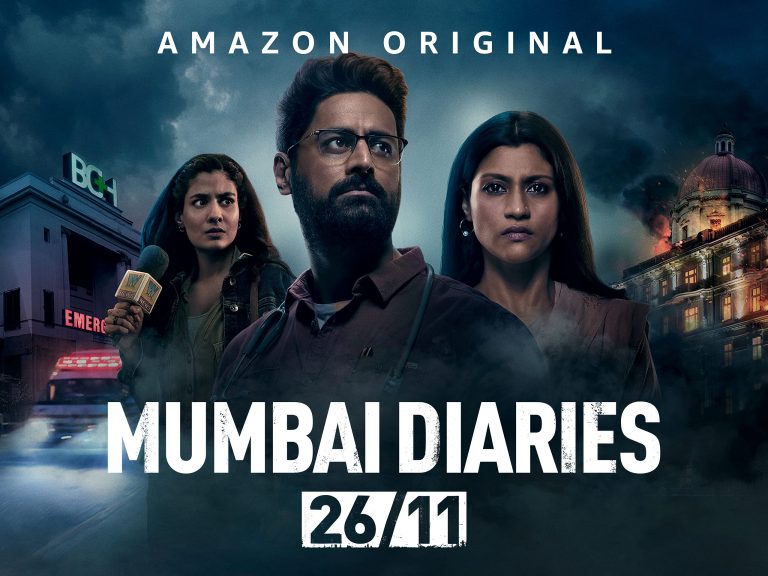
Mumbai Diaries 26/11: Another attempt to whitewash Islamic terrorism and peddle fake narratives?

India was terrorized by a bunch of Islamic jihadis on 26/11/2008, a day which has ever since become a watershed moment in the history of India’s long fight against Pakistan sponsored terrorism. The attacks which shook Mumbai, the economic capital of India, not only made us realize the importance of strengthening our security apparatus but also served as a wake-up call for all of us, particularly the government machinery. Some of the scenes from the video footage are still fresh in our memories and will perhaps continue to remain so because of the ghastly nature of the attacks.

Mumbai was under siege and so was the rest of the country. Because of the nature and magnitude of the attacks, 26/11 has elicited a lot of response from various sections of the intelligentsia, and over the years many books and articles have appeared which deal with the terrorist attacks that took place on that fateful night. Many filmmakers have also dealt with this theme in their attempt to showcase what can definitely be referred to as one of the most gruesome terror attacks on Indian soil.

With the OTT platform gaining ground in the country from urban to rural areas, filmmakers have been focussing on releasing their works through this medium, and two web series made on the 26/11 incident are particularly engaging—State of Siege: 26/11 which was released on Zee 5 in March 2020 and the recent offering of Amazon Prime, Mumbai Diaries 26/11. While both the series deal with the terrorist attacks which occurred on 26/11, Mumbai Diaries 26/11 portrays the hardships of the frontline workers – doctors, nurses, ward boys, security guards, police personnel, journalists, among others –who dealt with the difficult days with grit and courage.

The Mohit Raina and Konkona Sen Sharma starrer has some power-packed performances with Raina perhaps at his best. The series is gripping enough for a binge-watch session on Saturday night, but what separates it from ‘State of Siege: 26/11’ is the overwhelmingly irrational ‘secularism’ narrative which runs through the series. In fact, the dominant discourse of forced secularism is so pervasive that Mumbai Diaries comes across more like a school lesson on secularism and less on terrorism.

As usual, the ‘Muslim man’ is secular and tolerant, while the Hindu man is a hateful bigot

The glorification of a soft-hearted Muslim doctor, Ahaan Mirza, as the epitome of virtue; the spiel on why Islam is a religion of peace; the intolerant attitude of the Maharashtrian male nurse, Samarth; and the ramblings of Mansi Hirani, played by Shreya Dhanwanthary, in the last episode on why the 26/11 attacks were “not jihad”, all point to a well-crafted scheme of depicting the nauseous terror attacks that shook the foundations of India’s democracy as a one-off incident which should not be seen through the prism of religion. The age-old ‘terror has no religion’ claim that has been shoved down our throats for years.

On one hand, is Ahaan Mirza, played by Satyajeet Dubey, a soft-hearted Muslim junior resident doctor who is tolerant, kind and merciful, and on his very first day at work, is faced with the mighty challenge of saving the life of a nurse who is injured badly at the CST shootout.

Mirza is so emotional and nice that he even enters the morgue and offers prayers for the deliverance of the nurses’ soul. On the other hand, there is the Maharashtrian male nurse, Samarth, who is suspicious of Mirza’s actions. Samarth is unkind, intolerant, and overtly communal. He even roughs up the poor Muslim doctor on a couple of occasions.

The bad Hindu, good Muslim narrative is pushed so hard that it becomes unmissable. The character assassination of the Hindu Samarth does not stop there. He is shown to be uttering some expletives against the jihadis who went on a rampage at the government hospital in Mumbai, in this case, the Bombay General Hospital.

Beeji, the grand old lady admitted to the hospital under the social care scheme, makes Samarth understand that Islam is not bad, in fact, it is a religion of peace and tolerance. The pontificating Beeji then goes on to reminiscence her experience of the 1984 riots in Delhi in which she and her family had to bear the brunt of Hindu mob violence. Samarth’s communal soul is finally quietened and he makes peace with Ahaan Mirza and realizes that Islam is indeed a religion of peace.

Terror has no religion, especially when the Jihadi terrorists are Muslim

Mansi Hirani, the brave journalist who can go an extra mile or two to get at the heart of the story, is seen soliloquizing in the last episode of the series—“Jihad toh insaan ke antarman ki ladayi hoti hai na jo woh apni khamiyon se ladta hai. Humari aankhon ke samne jo hua woh jihad nahi ho sakta” (Jihad is man’s internal struggle with the negative elements of his own soul, what we saw today can never be jihad).

The journalist gives her final verdict in what can be called the most whitewashed, woke version of “jihad” which has very clearly been defined in the Quran as an armed struggle against the infidels.

The demarcation between Jihad-e-Akbar (greater jihad against the impurities of the self) and Jihad-e-Asghar (exertion of power through violence) holds no meaning in the context of an all-out war that has repeatedly been perpetrated by Islamic fundamentalists not only in India but also globally.

The inane attempt to downplay the injunctions of Islam which not only promote violence and bloodshed but also direct every true Muslim to fight against the infidels and subdue them comes across as a deliberate endeavour.

Mumbai Diaries 26/11 could have been a tolerable series but for the lies and abject rejection of reality which has made it a laughable attempt at showcasing the 26/11 attacks. The brilliant performances and stories of unity and resilience could have made for an enjoyable treat but for the exasperatingly awful attempt at whitewashing Islamic jihad and the forced, hollow trope of ‘terror has no religion’.

When the perpetrators of the attacks had no qualms in admitting that they were indulging in jihad, what can possibly justify the “this was not jihad” dialogue. The terrorists had a clear agenda, ‘jihad’ against India. What happened on 26/11 was jihad and it was engineered and executed by jihadis from Pakistan. The makers of Mumbai Diaries could’ve done a better job by showing the attacks exactly as what they were, instead of trying to be apologists for Islamic terrorism and shoving the same old sad secularism story down everyone’s throat. 

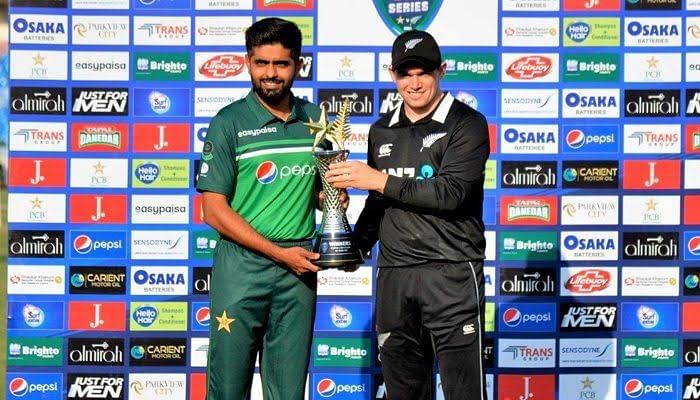
Pakistan believes New Zealand pulled out over threats from ‘Aunty ki Ghanti’ rapper and ‘mails’ from ID such as pappubh*sadi6

0

After England and New Zealand cricket teams cancelled their Pakistan tour over security threat, Pakistan on Wednesday claimed Indians created fake IDs to issue fake threats to New Zealand players that ultimately prompted them to call off their tour of Pakistan. That Pakistanis, including their ministers like Shireen Mazari truly believe that England and New Zealand assess their terror threats based only on tweets and that these accounts were ‘created by Indians’ just goes about to show how skewed their perception of intelligence inputs is.

Pakistan’s Information Minister Fawad Chaudhry addressed a press conference in which he said the threat received by New Zealand players had their origination in India. He further added that the threat had come via an email. 

“This email was generated from India through a VPN showing the location of Singapore,” Chaudhry told reporters in Pakistan’s capital.

The minister also asserted that the West Indies team, which is going to arrive in December, had also been sent a threat that he claimed was fake.

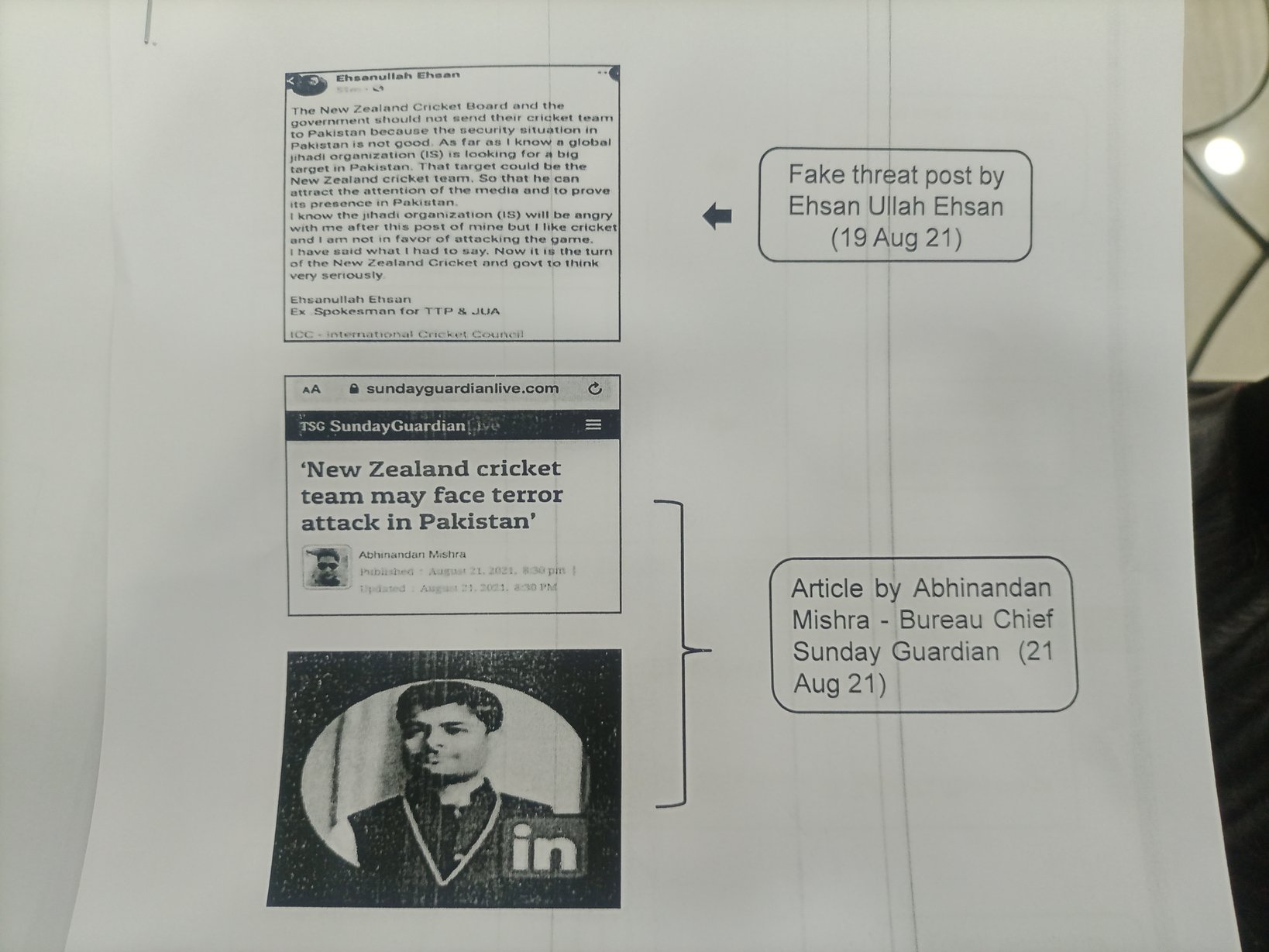
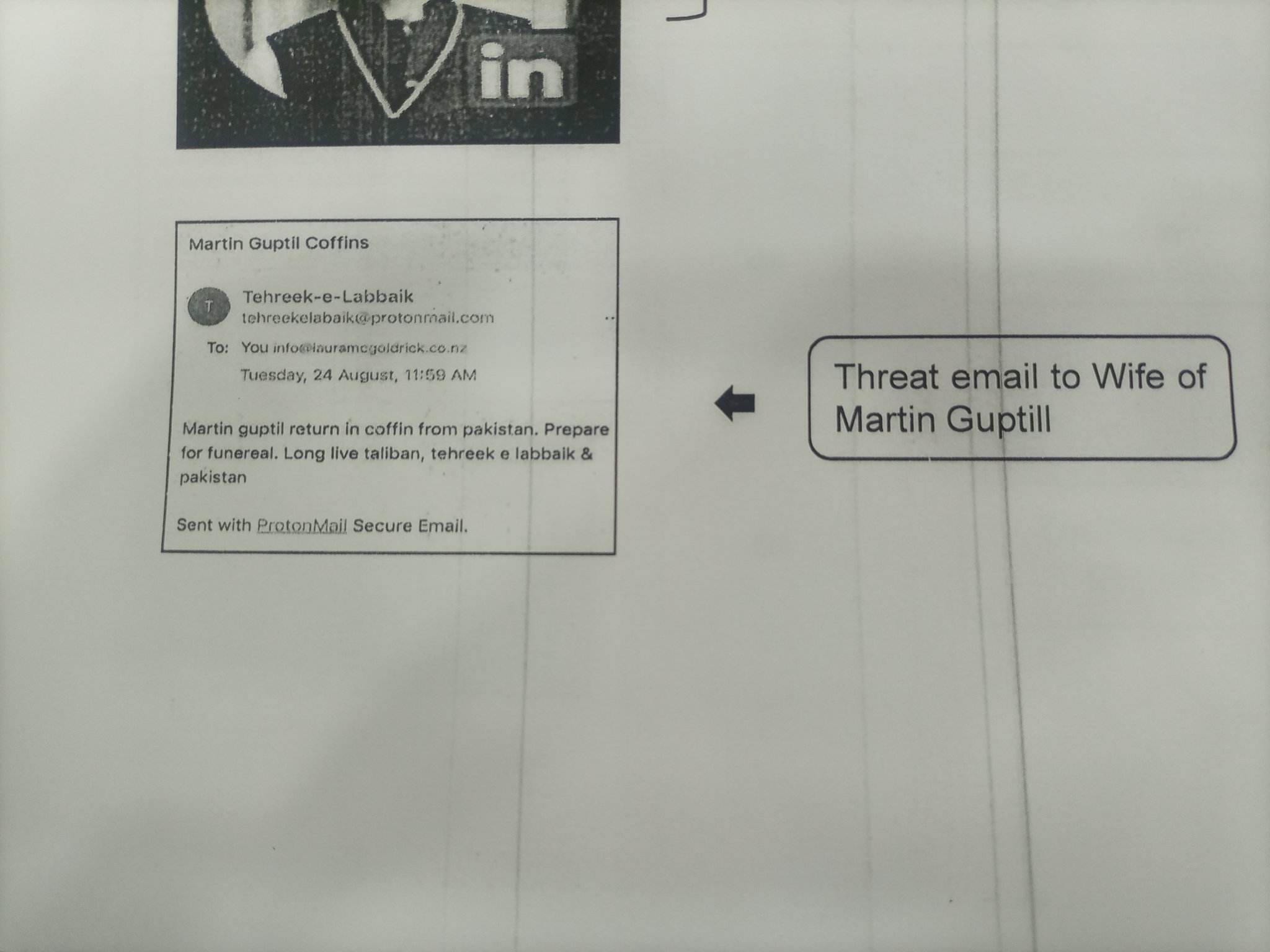
Documents released by Pakistani government to back their assertion that India was behind the threat received by New Zealand team included a random social media post, an article published in the Sunday Guardian, a purported email threat received by New Zealand batsman Martin Guptil’s wife, and an email warning NZ police about the consequences New Zealand team could face while on their tour to Pakistan. 

Source: Twitter

The random social post was uploaded by one Ehsan Ullah Ehsan on August 19, where in he asserted that a jihadi organisation was on a lookout for a prized target to be attacked in Pakistan. In the post, he contended that New Zealand could be the target of the terror organisation if it chooses to tour Pakistan. 

The so-called evidence to prove India was responsible for the cancellation of the tour included an article written by Abhinandan Mishra in the Sunday Guardian. The article, which was published on August 21, discussed the possibility of terror attack against New Zealand during their tour of Pakistan. It must be noted that the last time New Zealand cricket team visited Pakistan in 2002, a suicide attack did take place in Karachi. The team had then cut short their tour and hadn’t returned since. However, after 18 years, the New Zealand cricket team again went to Pakistan, only to leave hours before the game because of specific intelligence inputs.

Yet another alleged threat that Pakistan claims has influenced New Zealand’s decision to call off their tour was a menacing email that Martin Guptil’s wife purportedly received. The email was sent by an account that identified itself as Tehreek-e-Labbaik, a far-right Islamic extremist political party in Pakistan, and which threatened of dire consequences for Martin Guptil should he choose to visit Pakistan along with the team. 

Source: Twitter

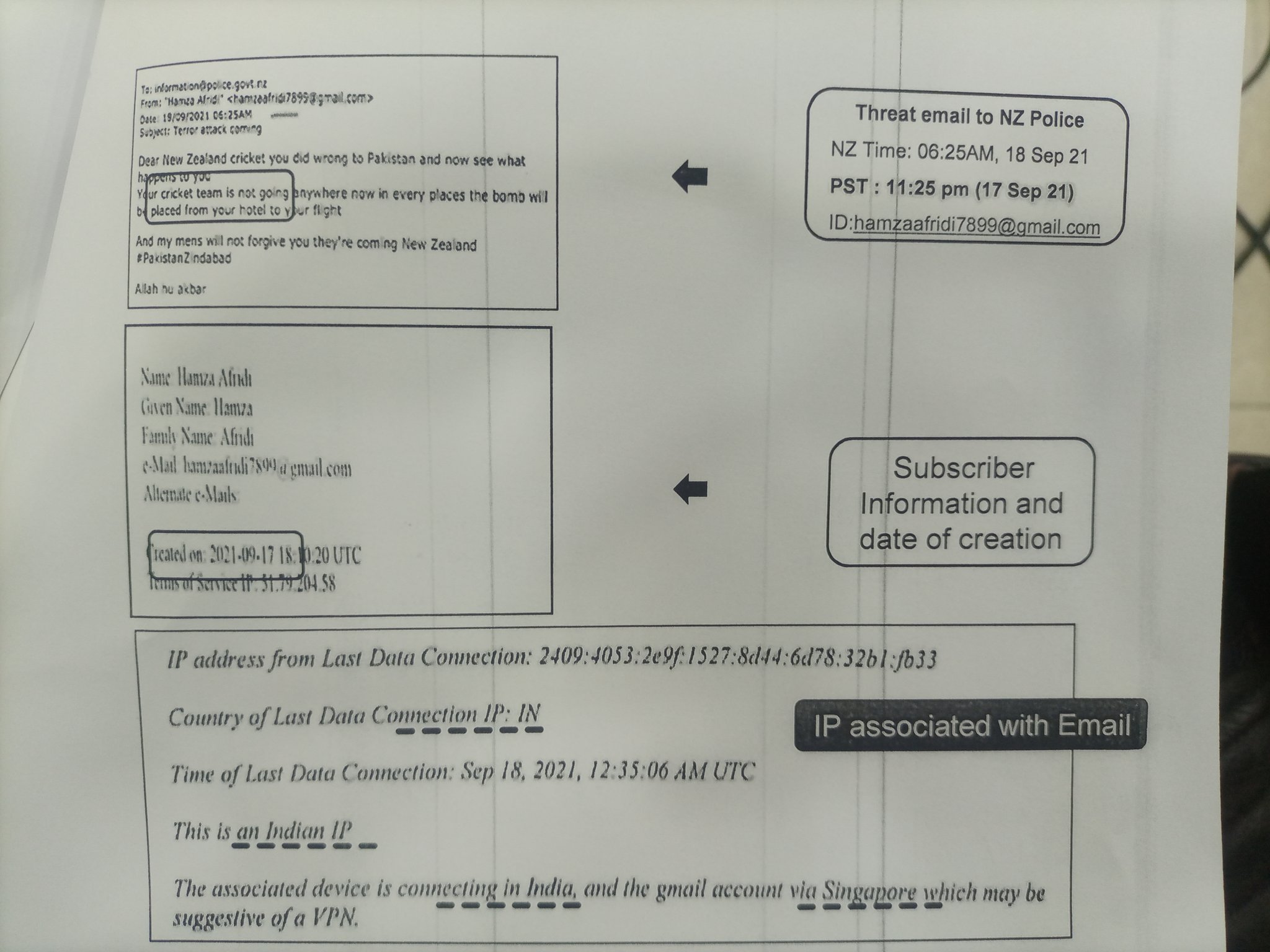
Pakistan also shared an email threat sent by one Hamza Afridi to New Zealand police on September 18 in which he threatened to bomb the New Zealand team during their tour to Pakistan. As per Pakistani authorities, the IP address was connecting in India, and the gmail account via Singapore, which it said was suggestive of a VPN. 

Source: Twitter

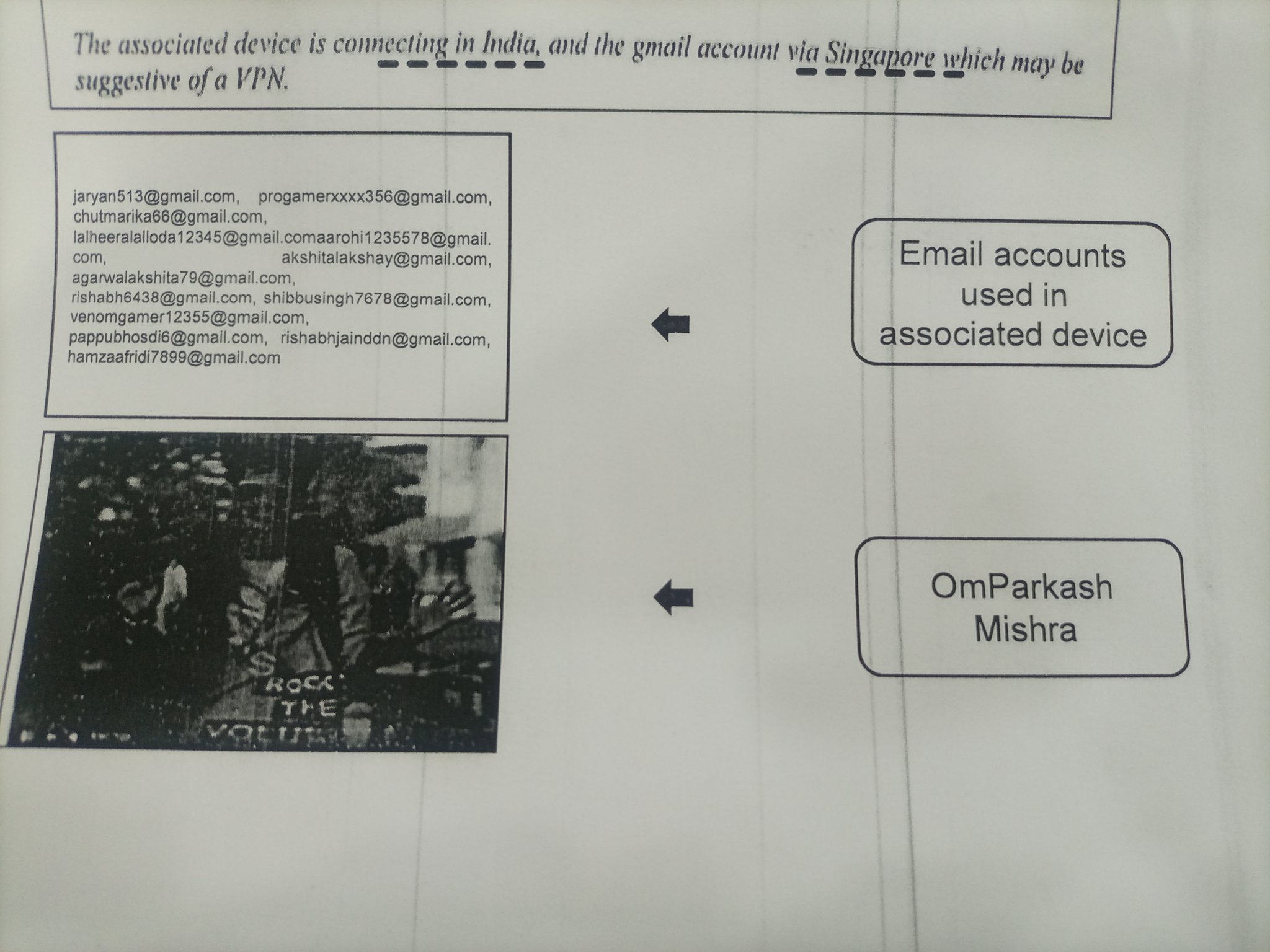
Besides, Pakistan zeroed in on one Om Prakash Mishra as the ‘mastermind’ behind the threats issued to New Zealand team. It also shared a host of email accounts such as [email protected], ch*[email protected], [email protected], lalheeralall*[email protected], pappubh*[email protected], and several others.

Source: Twitter

It must be noted that the ‘Om Prakash Mishra’ in the above image is the rapper who sang the controversial ‘Aunty ki Ghanti’ song.

The song had come under a lot of flak for sexist lyrics. Mishra had also auditioned for Indian reality show Indian Idol.

Pakistan minister accused the rapper of creating fake email ID to send a threatening mail to New Zealand team.

An unverified Twitter user by the name OmPrakash Mishra has denied the charges.

Mishra was having a good time mocking Pakistan.

And obviously, there were memes.

As we write this, we still cannot believe Pakistan government fell for this.

New Zealand pulls out of Pakistan tour over security threat

An hour before the start of the 1st ODI match with Pakistan at Rawalpindi on September 17, the New Zealand cricket team decided to ‘abandon’ their tour of Pakistan over security concerns. The development came following a security alert from the Government of New Zealand.

The ‘B’ team of New Zealand was scheduled to play a 3-match ODI series against Pakistan in Rawalpindi, followed by a 5-match T20 series against them in Lahore. However, following an escalation in the New Zealand Government threat levels for Pakistan, and advice from NZC security advisors on the ground, Kiwis decided to call off the tour.

‘Saree? No entry!’ Delhi restaurant draws flak over ‘no saree’ rule for patrons, ratings on Zomato dip

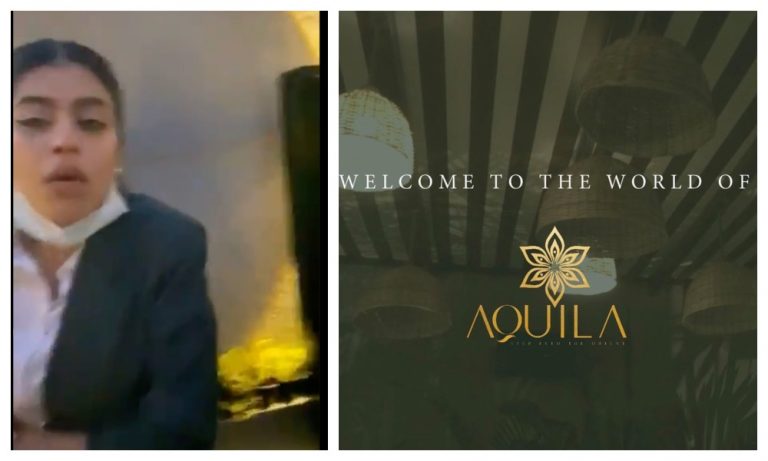
Aquila restaurant in Delhi’s upscale Khel Gaon Marg has drawn flak for its ‘no saree’ rule for the patrons. On Monday, Twitter user and journalist Anita Choudhary shared a video where the restaurant manager disallowed her from entering for wearing a saree. As per restaurant’s policy, they have a dress code ‘smart casuals’ and saree is not a ‘smart casual’.

Saree is the Indian traditional attire. A restaurant employee, presumably the manager on the floor, can be heard saying that the restaurant has dress code of smart casuals and saree isn’t one.

Soon after the video went viral, netizens were divided on the treatment meted out to the patron.

Some said that it is the restaurant’s prerogative because ‘right to admission’ is reserved with the establishment.

While others were of the opinion that these restaurants with such seemingly discriminatory behaviour towards the patrons.

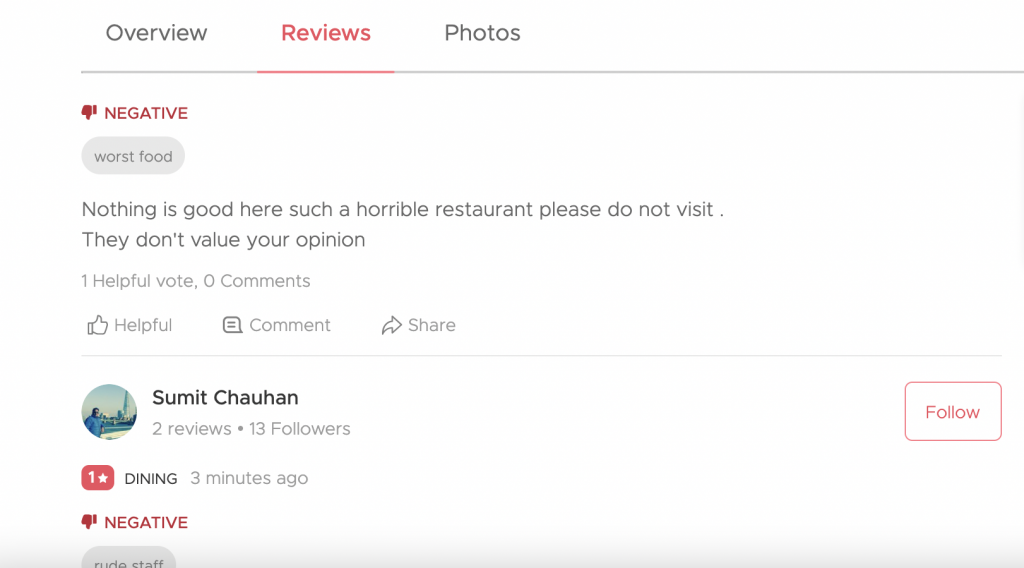
Soon there were people outraging about the same on food review and delivery website Zomato where they downvoted the restaurant and left negative reviews.

Reviews on Aquila

There were tens of reviews on Aquila by users in just past two days, most of them unhappy with the service and had left a negative review with 1 star out of 5, with 1 being the worst.

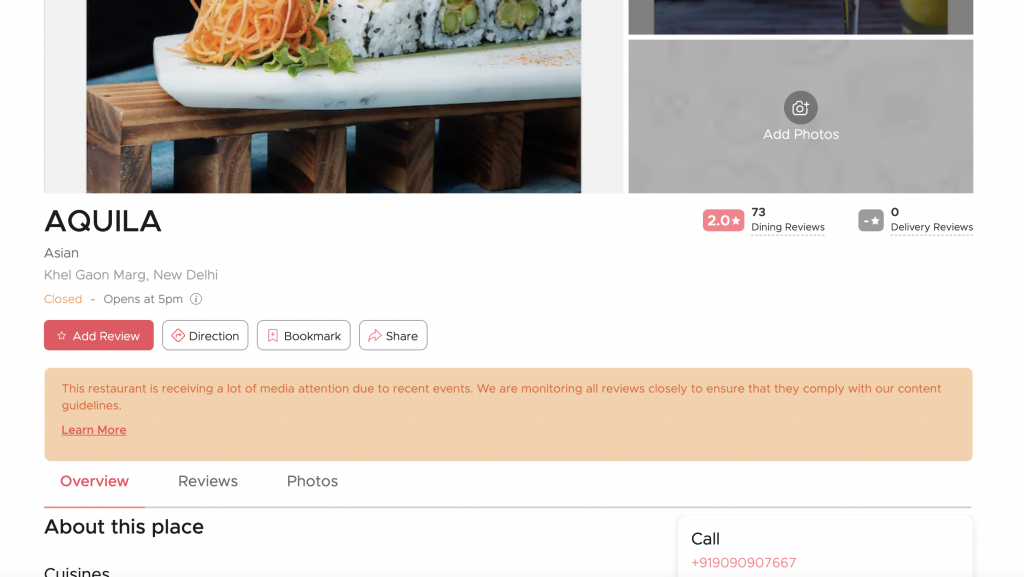
Soon, Zomato put up a warning on the landing page of Aquila that they are monitoring the reviews being put up on this restaurant.

Aquila page

As of now, the rating stands at 2 stars average. Zomato has said that the restaurant is getting a lot of media attention due to ‘recent events’ and hence they are monitoring the reviews closely to comply with content guidelines.

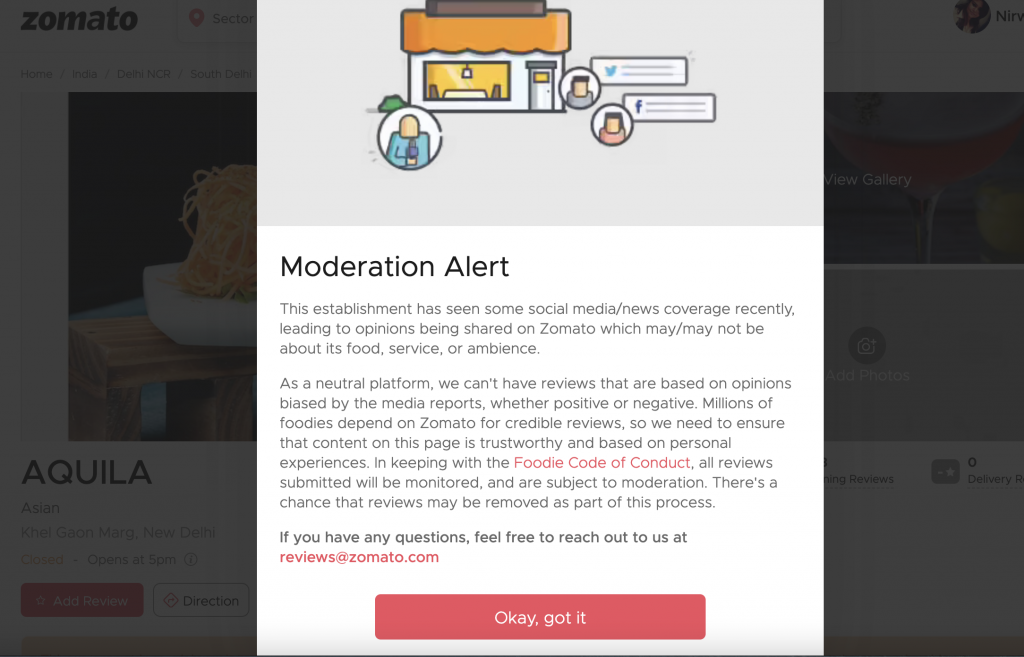
Zomato page

In fact, the landing page of the restaurant on Zomato has a notice that due to certain social media activity or news coverage, the establishment (Aquila) is getting a lot of attention and some of the opinions mentioned in reviews may not be about food, service or ambience. Hence, as a neutral platform, Zomato is currently moderating the activity to keep the platform neutral.

Zomato also said that some reviews which may not match their code of conduct may be removed.