On Wednesday, the micro-blogging site Twitter reported a net loss of $1.14 billion in 2020, amidst the massive controversy the platform is facing globally for its biased censorship. The development also comes amidst the economic crisis caused due to the global Coronavirus pandemic, and during the ongoing tussle of the social media giant with the Indian government over its refusal to ban accounts inciting violence in the aftermath of the anti-farm law agitation in India.
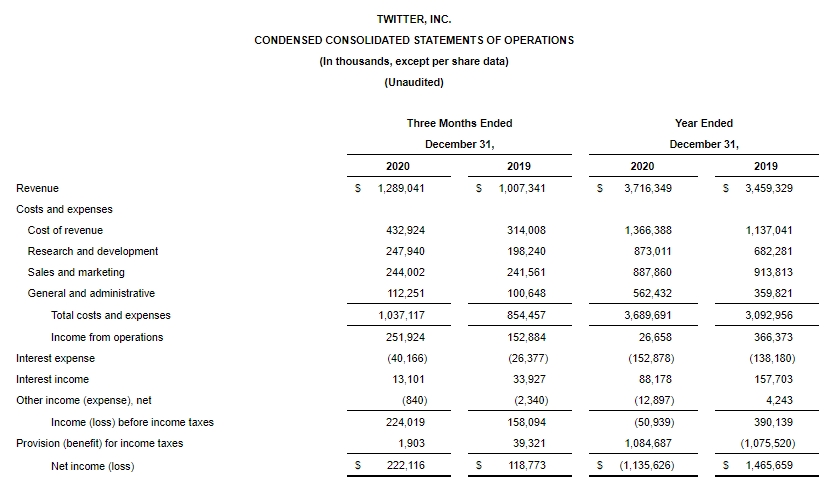
As per reports, Twitter’s expenses increased by 19% on a year over year basis, resulting in a total expenditure of $3.69 billion. At the same time, its revenues amounted to $3.72 billion, an increase of 7% year over year. Although the company registered an operating income of $27 million, its final results showed a net loss of $1,135,626,000, due to interest expenses and tax liabilities.
In a statement, the microblogging site said, “2020 net loss was $1.14 billion, representing a net margin of -31 per cent and diluted EPS [earnings per share – Ed.] of -$1.44. This compares to 2019 net income of $1.47 billion, representing a net margin of 42 percent and diluted EPS of $1.87. Both periods were affected by non-cash, tax-related adjustments.”
Financial statement of Twitter
Reportedly, Twitter is expecting a revenue between $940 million and $1.04 billion in the first quarter of this year. In the last quarter of 2020, Twitter reported $1.29 billion in revenue. This resulted in a 7% growth in its shares on Wednesday. At the same time, there was a 28% increase in year-over-year revenue. The monetisable daily user count bose rose by 27%, leading to a total of 192 million.
On Tuesday, Twitter CEO Jack Dorsey informed, “2020 was an extraordinary year for Twitter. We are more proud than ever to serve the public conversation, especially in these unprecedented times.” He claimed that the micro-blogging site is planning to promote ‘healthier conversations’ and is excited to continue innovation in 2021. He also took potshots at the former US President Donald Trump and claimed that Twitter is larger than any one topic or individual.
Twitter feud with Indian Govt may prompt companies to stop advertising on the platform
In a display of arrogance and high-handedness, Twitter refused to comply with the Indian laws and instead decided to enforce its ‘own rules’. While citing freedom of speech on Wednesday, the micro-blogging site refused to adhere to the government’s directives and block the handles of those individuals inciting and advocating violence under the garb of anti-farm law agitation. This sparked off a spat between the Indian government and the social media giant. However, later the site blocked most of the accounts as asked by the government.
Amidst the controversy, several companies have been mulling to pull out the plug on advertising on Twitter, according to a report by The Economic Times. Quoting brand experts and advertisers, the report said that while most brands are sitting on the fence at present, watching how the Twitter-government face-off plays out, some of them may pull back ads from the platform in the coming days depending on how the situation evolves.
According to brand strategy expert Harish Bijoor, brands tend to move away from advertising on platforms that are under threat of any kind. “For every Twitter, there is a Koo waiting in the wings. For the new apps, it is a big opportunity, though they will take some time and traction for the ability to perform with an equal degree of seamlessness as Twitter,” he emphasised.
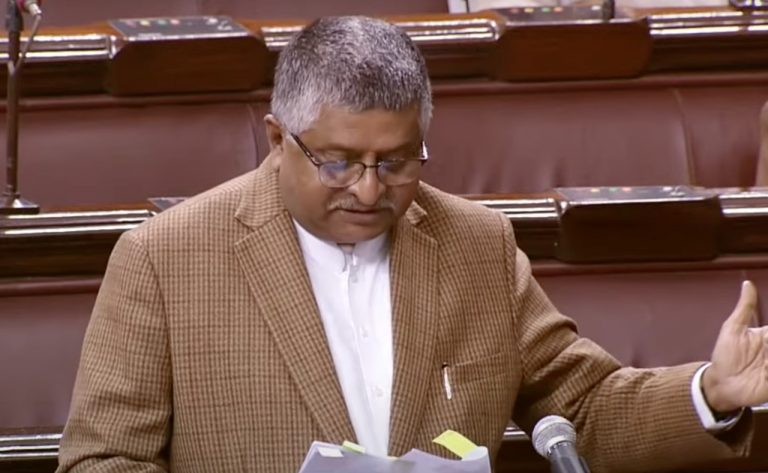
Union Law Minister Ravi Shankar Prasad on Thursday said that Dalits who had shunned their faith and converted to Islam and Christianity will not be permitted to contest parliamentary or assembly elections from constituencies reserved for Scheduled Castes (SC), and will not be allowed to claim other reservation benefits.
Prasad was responding to a question posed by the BJP member GVL Narasimha Rao during the Question Hour in Rajya Sabha on Thursday.
30 minutes into the Question Hour, BJP member GVL Narasimha Rao sought an answer from the Union Law Minister on the Centre’s stand on whether those who previously belonged to Dalit community but had converted to Islam and Christianity will be allowed to contest elections from the reserved seats.
Speaking on eligibility to contest from reserved constituencies, Prasad said, “Para 3 of the Constitution (Scheduled Castes) Order outlines that… no person who professes a religion different from Hindu, Sikh or Buddhist religion shall be deemed to be a member of a Scheduled Caste.”
The Union Law Minister clearly drew a distinction between Dalits embracing Islam and Christianity with those choosing to remain within the folds of Hinduism, Sikhism, or Buddhism. In 1950, Jawaharlal Nehru-led central government had passed an order limiting the definition of “scheduled caste” only to members of the Hindu faith which were later extended in 1956 to Sikhs and to Buddishts in 1990.
However, he clarified that the government was not mulling over to bring an amendment in the Representation of the People Act to debar SCs/STs converting to Islam or Christianity from contesting parliamentary or assembly elections.
When Congress leader Digvijaya Singh asked Prasad to enunciate if marginalised Muslims and Christians will be extended the benefits of reservations, the law minister said in no uncertain terms that only Dalits within the Hindu, Buddhist and Sikh community will stand eligible to receive the benefits. He also added that Dalits who had converted to other faiths were induced on the basis that there was no discrimination in new faiths and therefore, they do not qualify to receive the reservation benefits.
Supreme Court verdict says only those belonging to Indic faiths entitled to reservation benefits
In the past, Supreme Court, too, had upheld the caste benefits only to those belonging to the Indic faiths.
“Once such a person ceases to be a Hindu and becomes a Christian, the social and economic disabilities arising because of Hindu religion cease and hence it is no longer necessary to give him protection and for this reason he is deemed not to belong to a scheduled caste,” the court ruling had said in a 2015 case.
The court had also stated that a person whose ancestors were from a caste categorised as a scheduled caste, if and when returns back to the Indic faiths from Christianity and Islam will be entitled to reservation benefits.
However, in practice, the aforementioned restriction is easily skirted around. Several reports have found that vast numbers of Christian individuals avail reservation benefits, and other facilities extended by the government for SC/ST by possessing fake caste certificates.
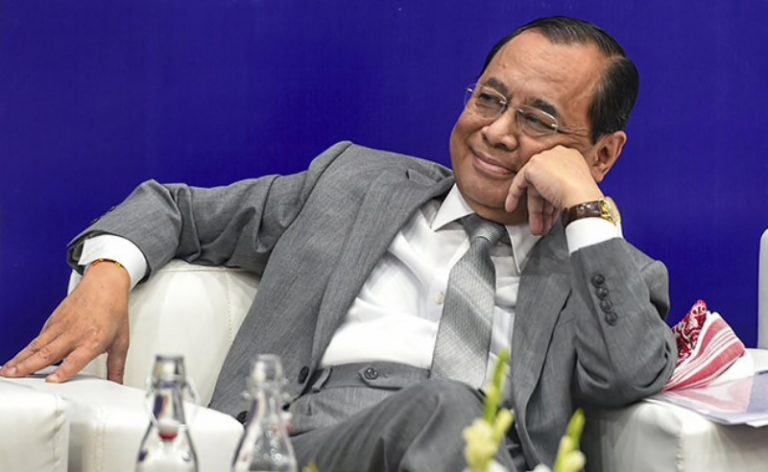
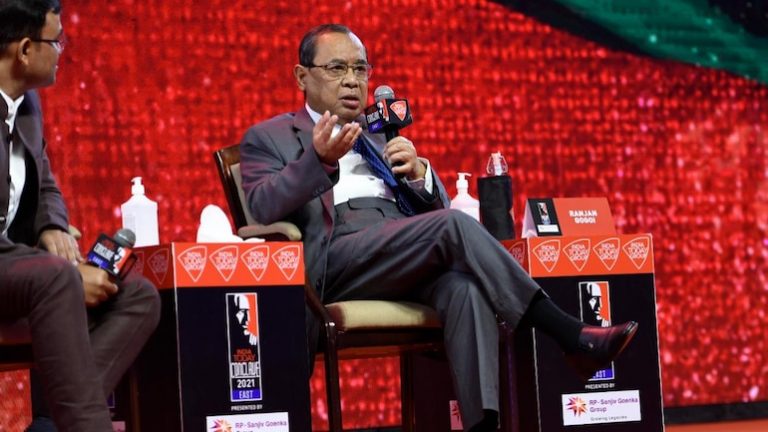
In his interaction during the India Today Conclave East 2021, the former Chief Justice of India Ranjan Gogoi defended the verdict given by a Supreme Court bench headed by him on the Rafale deal. The now-retired judge said that the Rafale case was simple for him to deal with.
“The Rafale case was very simple. The question was, in an aircraft procurement contract, do we apply the same parameters as a building contract. I said no. The parameters would be far more stringent in aircraft acquisition contract,” Gogoi said.
Gogoi also elaborated on why the Rafale case was heard in accordance with the “sealed cover procedure”. Gogoi said that he did not give lawyers the details because the sealed cover had the cost of armaments that could not be made public.
Speaking about the allegations made against him in connection with the Rafale case (mostly by left media and opposition parties like Congress), Gogoi said in the India Today Conclave, “It is easy to talk but difficult when you sit in CJI’s chair.”
He also added, “If my conscience is clear, no amount of criticism matters.”
Ex-CJI Gogoi headed SC bench gave a clean chit to Modi government on Rafale deal
In December 2018, the Supreme Court had dismissed a court-monitored probe into the Rafale jet deal between the Indian government and France’s Dassault Aviation. The court held that it was satisfied that there is no reason to doubt the purchase process or the need for the fighter jets. The court said, “perceptions of individuals cannot be a basis for a roving inquiry”.
The alleged corruption in Rafale deal was made a rallying cry of Congress’ election campaign against PM Modi for the General elections 2019. Rahul Gandhi went into overdrive, repeatedly trotting out lies and falsehoods to allege that there was corruption in India’s deal with the Dassault Aviation. The phrase “chowkidar chor hai” was repeated ad nauseam by the Gandhi scion, in a bid to tarnish PM Modi’s clean image.
However, after the 3-judge SC bench rejected the unfounded allegations levelled by the Congress party and Rahul Gandhi, the former CJI Ranjan Gogoi was attacked by the Congress sympathisers for being hand-in-glove with the BJP government. Even senior Congress leaders raised aspersions on Gogoi’s integrity, questioning his decision of not allowing a court-monitored probe into the Rafale deal.
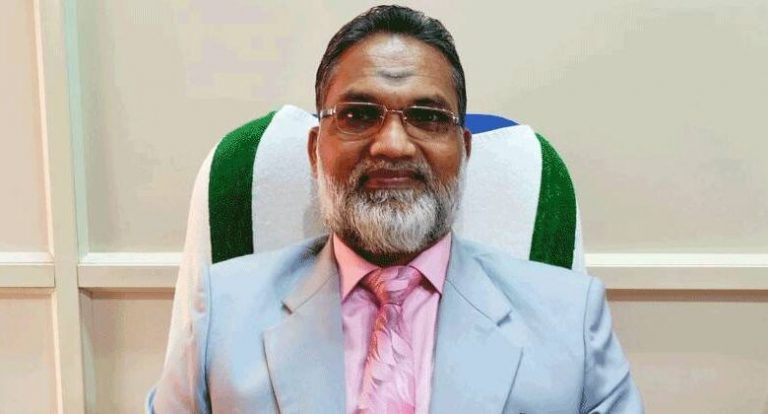
In a shocking incident in Kerala, a senior judge from Pallakad has been accused of illegally divorcing his wife by issuing ‘Triple Talaq’.
According to the reports, the wife of B Kalam Pasha, who is a session court Judge in Kerala’s Palakkad district, has approached the Kerala High Court to register a complaint seeking action against him.
In her complaint, the women said judge Kalam Pasha had issued Triple Talaq against her through a letter on March 1, 2018. Later, he sent her another letter claiming that there was a typing error in the letter. The letter said that original date of issuing Triple Talaq was March 1, 2017.
The judge’s wife also accused that Justice B Kalam Pasha and his brother of threatening her with dire consequences if she refuses the divorce. Interestingly, the brother of the accused judge Kalam Pasha is B Kemal Pasha, a retired judge of the High Court of Kerala.
Judge Kalam Pasha avoiding criminality by citing technicalities: Report
The complaint said that the change of date was nothing but a mere technicality to avoid legal procedures against the judge. The new date gives Kalam Pasha immunity from arrest as the law banning triple talaq came into force much later.
Also, it is not an easy procedure to register a case against a judge in the country. A case against a lower court judge can only be booked with the permission of the Chief Justice of the High Court.
The barbaric practice of ‘Triple Talaq’ was made illegal by the Parliament and invites criminal proceedings against the husband who invokes it. However, in this case, the judge who is obligated to provide justice in such cases is himself accused of following such medieval practice.
In August 2017, the Supreme Court banned the practice of Triple Talaq following which the Parliament criminalised the practice that demeaned Muslim women and gave Muslim men unilateral power to end a marriage.
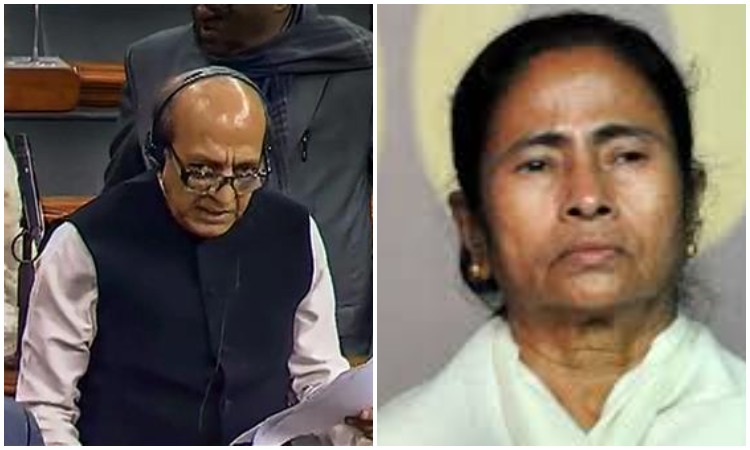
In a big blow to the Mamata Banerjee led TMC government in West Bengal, Rajya Sabha MP and former railway minister in Mamata Banerjee’ cabinet, TMC senior leader Dinesh Trivedi announced his resignation from the Rajya Sabha on the floor of the house on Friday. While doing so, he said that he is feeling suffocated, strangled under Mamata Banerjee’s leadership. “We cannot speak anything here”, said the parliamentarian before resigning for the Upper House.
Participating in the discussion over the Union Budget in the Rajya Sabha, Trivedi made the announcement from the floor of the House.
I am resigning from Rajya Sabha today. There is violence happening in my state. We cannot speak anything here: TMC Rajya Sabha MP Dinesh Trivedi pic.twitter.com/6xvEYtciwF
“Grateful to my party that they’ve sent me here. I’m feeling suffocated that we’re not able to do anything over violence in the state. My soul tells me that if you can’t do anything sitting here, then you must resign. I will continue to work for people of WB”, said the TMC leader.
In his resignation speech in the Rajya Sabha, Trivedi hailed PM Narendra Modi’s leadership in dealing with the Covid pandemic. He said that it was under the PM’s leadership that 130 crore Indians could bravely fight the COVID-19 pandemic.
TMC MP Dinesh Trivedi might have invited trouble for himself, as his statement praising PM Modi will definitely further enrage Mamata Banerjee, who is already infuriated by the mass exodus from her party, more so because most of them have switched to BJP.
The string of resignations, which comes ahead of West Bengal polls in April-May 2021, might bring in a lot of trouble for the chief of the ruling dispensation in West Bengal, who is eyeing at a third consecutive term. The political sphere is rife with rumours that the exodus of these TMC senior leaders are ascribed to Mamata Banerjee’s affinity towards election strategist Prashant Kishore and her nephew Abhishek Banerjee.
In fact, the resignations had triggered speculations that Mamata Banerjee has lost the numbers in the Assembly, owing to which the demand for the CM to prove the majority on the floor of the Legislative Assembly of the state had started rising amongst some opposition parties in Bengal.
We reported how senior opposition leaders like BJP Bengal President Dilip Ghosh, CPM parliamentary party leader Sujan Chakraborty, Congress leader Abdul Mannan questioned the Mamata Banerjee whether she is scared to face the Assembly because they do not have the numbers? They had demanded Mamata to go for a floor test immediately if she was confident of still having the numbers.
A week after UK regulators had banned Chinese state broadcaster CGTN, the Chinese government has retaliated by banning the British media outlet – British Broadcasting Corporation (BBC).
According to the reports, on Thursday, the Chinese media regulator – National Radio and Television Administration in a statement said that they would ban BBC World News. It said that BBC’s coverage on China had violated guidelines of ‘true and impartial’ reporting that undermined China’s national interests and ethnic solidarity.
Earlier, Chinese officials had threatened to ban British Broadcasting Corporation (BBC) after the British regulators had revoked the licence of Chinese state broadcaster CGTN saying that China’s ruling Communist Party has ultimate editorial responsibility for the channel. In retaliation, the Chinese authorities have now banned the left-wing media outlet BBC. It is important to note that even BBC has a controversial history of putting unverified facts.
“The channel fails to meet the requirements to broadcast in China as an overseas channel,” the Radio and Television Administration said, stating that it would not accept BBC’s broadcast application for the following year.
BBC World News seriously violated regulations on radio and television management in its China-related reports, said NRTA in its statement.
It is unclear how the ban against BBC would affect as the network is not allowed to broadcast in mainland China or into Chinese homes. In China, the BBC is available in some hotels, businesses and residential compounds for foreigners.
Reacting to Chinese ban, the BBC said it was “disappointed”. Meanwhile, the United States, along with the UK, has condemned China’s decision to ban the BBC in that country.
Media wars between China and Britain
The latest ban on BBC comes just a week China and Britain had exchanged barbs over an escalating media war. The Chinese government had criticized recent BBC reports on the COVID-19 pandemic in China, allegations of forced labour and sexual abuse of Uyghur Muslims in the Xinjiang region.
The escalations had started after Britain’s Office of Communications (Ofcom) revoked the license of the CGTN saying that it was just extended arm of the Chinese government.
However, angered by British regulators’ response, China’s foreign ministry had issued a statement accusing the British Broadcasting Corporation of pushing “fake news” on China over Covid-19 outbreak. The Chinese foreign ministry also demanded an apology claiming that the broadcaster had politicised the pandemic and “rehashed theories about covering up by China”.
Not just Chinese political establishment, even CPC’s mouthpiece threatened British authorities and media for reporting facts about the Wuhan virus and the atrocities carried out by the Chinese government against the minority Uyghur Muslims in Xinjian province.
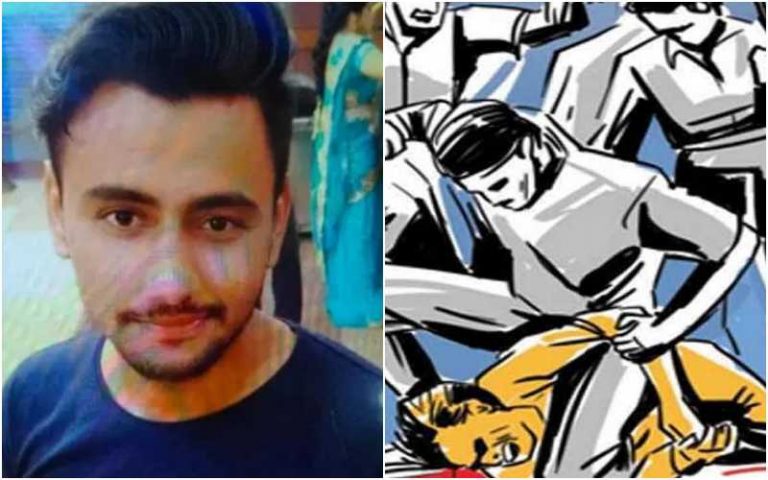
February 10 (Wednesday), in an extremely brutal incident, a frenzied mob of the neighbourhood Muslims, assaulted and stabbed a 26-year-old Bajrang Dal activist Rinku Sharma in cold blood in Delhi’s Mangolpuri area. Rinku was a part of the donation drive that was carried out by Bajrang Dal for contributing towards the construction of Ram Mandir in Ayodhya.
The family of the deceased narrated how a mob of over a dozen people, carrying lathis, batons, and knives, broke into their house late on Wednesday and assaulted the family members. They dragged Rinku Sharma out of the house and pinned him down. He was then stabbed mercilessly with a sharp knife in cold blood.
Recounting the horror, Bajrang Dal national social media head Rakesh Pandey confirmed to OpIndia that women were also a part of the frenzied Muslim mob which barged into Rinku Sharma’s house on Wednesday. The mob which included women were laden with batons, sticks, and knives.
After pushing themselves into the house, the mob attacked Rinku Sharma’s family members with sticks and batons, They reportedly even leaked the gas cylinder. Rinku Sharma, meanwhile, tried to escape from there. A few amongst the mob grabbed Rinku and stabbed him with a sharp knife.
Rinku Sharma’s brother said 5 Muslim brothers, along with their family members, had attacked the Sharma household
Speaking to Sudarshan News, Rinku Sharma’s brother said that the murderers are a group of five Muslim brothers who had barged into their home with other family members and associates, including women and kids. The brother said that the five Muslim brothers had threatened the Sharma family earlier too because of an event organized for the Ram Mandir. The brother explained that the five Muslim brothers and their associates had beaten up other family members too.
‘The assailants pushed the sharp knife, which got stuck deeper inside Rinku Sharma’ back’, Bajrang Dal activist tells OpIndia
Divulging horrifying details, another Bajrang Dal activist told us that the knife with which Rinku Sharma was stabbed, had got stuck in his back. The accused at first tried to take out the knife from his back, probably with an intention to again stab him. They kept frantically twisting the knife to pull it out. When unsuccessful, they mercilessly pushed the sharp knife deeper inside Rinku’s back. They then fled, leaving Rinku gravely injured. Rinku was rushed to Sanjay Gandhi Hospital in Mangolpuri, where he succumbed to his injuries at 12 noon on Thursday.
The young Bajrang Dal activist, who was a lab technician in a hospital in Paschim Vihar, was killed in cold blood for raising ‘Jai Shri Ram’ slogans and for being a part of the donation drive for the Ram Mandir, his family have told. Deepak Tanwar attested that Rinku was in the radar of the neighbourhood Muslims ever since he had even taken out a rally, following the Bhoomi Pujan of the Ram Mandir earlier in August.
‘Had there been no communal angle, the Hindus in the area would not have been so outraged’, Bajrang Dal social media head refutes police statement
Talking about the Delhi police’s statement that the incident was a fallout of enmity over “opening food joints close to each other”, Rakesh Pandey said: “I don’t know what the Delhi police is saying, but if the matter was so simple and there was no communal angle in the incident, the rage amidst the Hindus in the area would not be as much. The police is trying to divert the media attention from the case.”
For the uninitiated S.Dhama, Addl DCP, Outer district, Delhi Police has said to the media that “Rinku Sharma was stabbed at a birthday party in Mangolpuri on Feb 10. Quarrel turned scuffle began over shutting down of a restaurant. Any other motive alluded to incident factually wrong”, said the additional DCP confirming that 4 accused have been arrested in the case.
Rinku, 25, was stabbed at birthday party in Mangolpuri on Feb 10. He later died at hospital. Quarrel turned scuffle began over shutting down of a restaurant. Any other motive alluded to incident factually wrong. 4 accused arrested: S.Dhama, Addl DCP, Outer district, Delhi Police pic.twitter.com/X3aYzrhfjj
Earlier in the day, we reported how while speaking to Sudarshan News, Rinku’s father Ajay Sharma traumatised by the brutal murder of his son, lamented, “They were armed with sticks and knives. They killed my son. He is gone forever.” Ajay Sharma had also confirmed: “Yes, a similar incident took place earlier over the issue of Ram Mandir. The culprits had then abused PM Modi and would say that Rinku was associated with the BJP.”
Rinku is now survived by his mother Radha Devi, father Ajay Sharma and brothers Ankit and Manu Sharma.
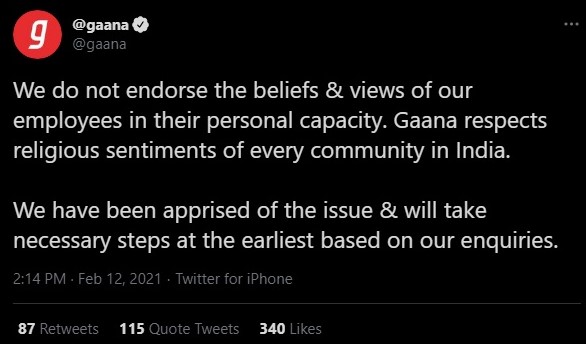
Gaana, the music streaming platform, has issued a statement over the controversy surrounding one of their employees. Tanzila Anas posted a tweet where she appeared to be celebrating and justifying the murder of Rinku Sharma, the murdered Bajrang Dal Activist.
Gaana said on social media, “We do not endorse the beliefs & views of our employees in their personal capacity. Gaana respects religious sentiments of every community in India.” “We have been apprised of the issue & will take necessary steps at the earliest based on our enquiries,” it added.
Statement by Gaana
Although Gaana has not taken any names in its tweet, the timing of the statement makes it self-evident that the statement was made over the controversy generated by Tanzila Anas. People on social media were outraged by her insensitive comment and called for her to be sacked.
Tanzila Anas had tweeted, “Bajrang Dal Activist. That’s it, that’s the tweet.” He tweet, quite naturally, did not go down well with people on the platform. Following the backlash, she said that she did not even know that a Bajrang Dal activist had been murdered and her tweet only alluded to the fact that members of the “extremist” organisation Bajrang Dal cannot be called an “activist”.
While Gaana has assured ‘necessary steps’ at the earliest, it remains to be seen whether any action is taken at all.
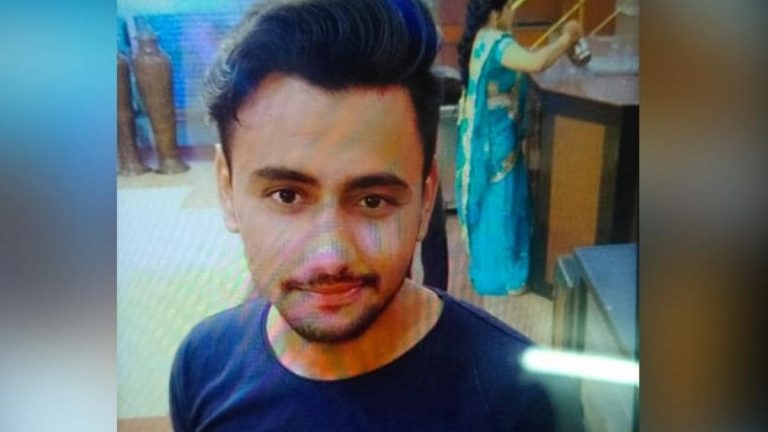
Tensions gripped Delhi’s Mangolpuri area after a mob of around 25-30 people brutally stabbed a Bajrang Dal activist named Rinku Sharma on February 10 (Wednesday). The 26-year-old deceased, who was stabbed in his house in front of his family members, was actively involved with the Hindu outfit and was a part of the donation drive being carried out by Bajrang Dal for contributing towards the construction of Ram Mandir in Ayodhya.
The father, distressed, barely managing to keep himself sitting, recounted the horror to the media. He said that the assailants barged into the house with sticks and knives and brutally stabbed Rinku to death. An image with a knife sticking out of Rinku’s back, as a representation of what Indian secularism truly is, has also gone viral on the internet.
Rinku’s father also said that this was not the first time that Rinku Sharma had been targeted by the Muslim mob that eventually killed him on Wednesday. “Yes, a similar incident took place earlier over the issue of Ram Mandir. The culprits had then abused PM Modi and would say that Rinku was associated with the BJP.” Agonised by the trauma of losing his son, his father lamented, “They were armed with sticks and knives. They killed my son. He is gone forever.”
His family members informed that he had even taken out a rally, following the Bhoomi Pujan of the Ram Mandir. Rinku’s mother Radha Devi said that even while he was being stabbed, the Bajrang Dal activist continued raising the slogan of ‘Jai Shri Ram.’ She also said that her deceased son had received threats for being associated with Barang Dal.
How the media covered the murder of Rinku Sharma
While the pictures of his blood-soaked body went viral, the media stayed abhorrently silent. Today, when they did manage to cover the murder because it was being widely spoken about, the slant that they slyly inserted, the whitewashing of the crime and the desperation to prove that there was ‘no communal angle’ to the murder was evident.
Indian Express published a rather ‘balanced’ headline. In the headline itself, they mentioned what the VHP was ‘claiming’ and what the police was ‘saying’ about the murder.
Indian Express headline on Rinku Sharma murder report
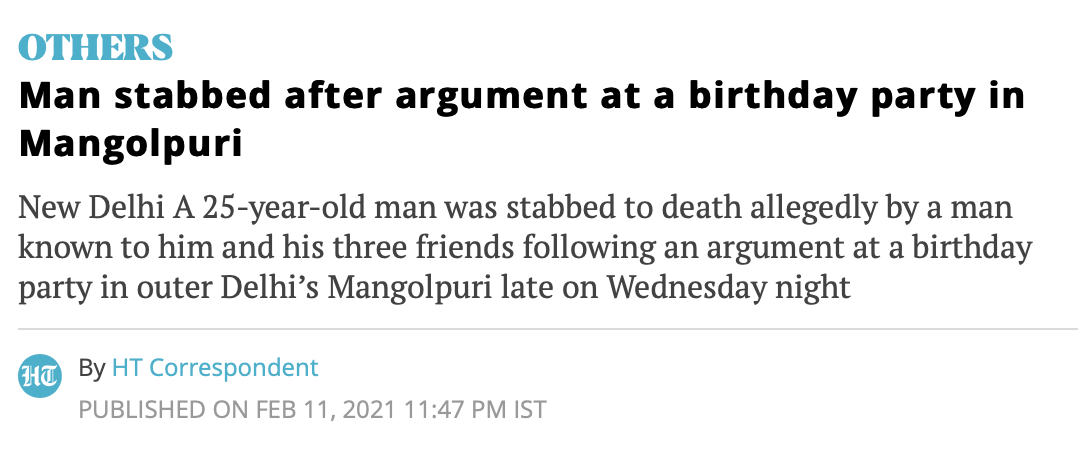
The Hindustan Times’ headline passed this off as just another murder that followed a scuffle. Rinku Sharma was murdered after an argument at a birthday party, Hindustan Times desperately wanted us to believe.
Hindustan Times headline on Rinku Sharma murder report
The Indian Express, true to its form, quoted a police officer saying, “When their businesses failed, they blamed one another… At a birthday party of a mutual friend, this issue again came up. However, people intervened at that time… The accused later went to Sharma’s place; he was standing outside. Both sides attacked each other and Sharma was stabbed”.
However, to the credit of Indian Express, they also mentioned that Rinku’s brother had said that Rinku Sharma worked as a lab technician and the family had no eatery business to begin with. They quoted the brother as saying, “We have been having issues with the accused since last year. In August, we organised a small event for Ram Mandir. They were angered by this but we ignored them. We have always been good neighbours; Rinku Sharma even donated blood to one of their family members when she was pregnant.”
These elements, however, did not make it to the headline. The headline was essentially designed to delegitimise the communal hate by the accused, Mohammad Islam, Danish Nasruddin, Dilshan and Dilshad Islam, for a Hindu man chanting Jai Shree Ram and asking for donations for the construction of Ram Mandir. The fact that Indian Express mentioned the statements by his family members in the body and mentioned only VHP in the headline was designed to prejudice the reader – the subtle messaging being, “a Hindu organisation is trying to turn scuffle into a hate crime”.
The fact that the family has remained consistent in saying that the Muslim mob had an issue with Rinku Sharma for the past six months owing to his affiliation with VHP and his devotion to Lord Ram is relegated to the end of the article, which few might read.
This is, of course, extremely different from how the media covers crimes against Muslims and how, they ensure that the narrative created is that of Hindus harbouring unbridled hate for Muslims, which eventually led to the crime. This is done even when it is evident that there was no communal hate at play in the crime.
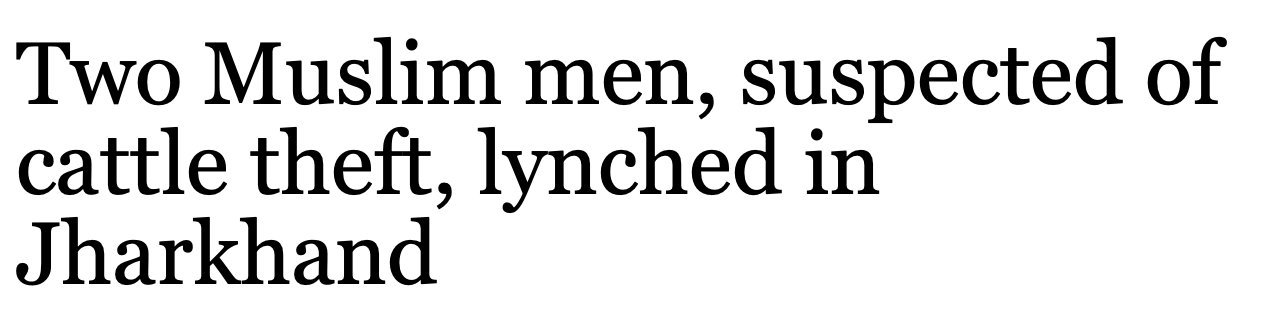
Sample this headline:
The man in this case was beaten up because he was suspected of stealing cattle. As we have discussed at length earlier, cattle theft lynching often have nothing to do with the religion of the thief and the cattle owners. There have been several cases where a Muslim suspected of cattle theft has been lynched by Muslim cattle owners.
The crux of the issue in such cases is the fact that in rural areas, cattle are a tool for livelihood and its theft invokes a strong reaction from cattle owners. There is no religious sentiment attached to the crime itself. However, the media often ensures that they mention, rather clearly, that a “Muslim man was lynched”.
The same format of headline writing is, of course, thrown out of the window the moment a Hindu is lynched by Muslims for crimes that have a clear communal angle to the case.
Why are ‘liberals’ and the Left media so predisposed to highlighting the ‘no communal angle’ trope when victims are Hindus
We have often seen that the ecosystem that is predisposed to shielding the Muslim community is also predisposed to believing that when Hindus are lynched and murdered by Muslims, the ‘communal angle’ is summarily missing. One really has to wonder why that is.
Why are they predisposed to believing that a communal angle is always present when a Muslim is murdered, even if the case clearly indicates there was none, and why, they are more than happy to believe that no communal angle was at play when a Hindu is murdered by Muslims, when clearly, religious hate played an important role in the crime.
The answer lies in the supposition of hate, which the ‘liberals’ believe is summarily one-sided, contrary to historical evidence. In all their writing and rhetoric, the ‘liberals’ often theorise and perhaps vehemently believe that the underlying ingredient of ‘religious hate’ only runs in one direction – from Hindus towards Muslims.
Their assumption is that Hindus as a community despise Muslims and Hindus are far more radicalised than the Muslim community as a whole. This phenomenon, according to them, has been far more pronounced after the Modi government came to power. Essentially, what they truly believe is that Hindus are predisposed to hate Muslims and that hate has turned into unbridled violence and venom after Hindus realised that they too have the democratic right to vote as a block, something, only Muslims did up until 2014.
They believe that Muslims are the victimised minority of the violent, hateful majority. The logical extension of this argument is that Muslims harbour no inherent hatred for the Hindu community and thus, in a crime whee a Hindu is murdered by a Muslim mob, the starting assumption is that there is no ‘communal angle’ to the crime at all.
We don’t really need to get into the historical evidence to prove just how baseless this assumption is. We don’t need to list the thousands of cases where Hindus were murdered amidst chants of Allahu Akbar and Naara-e-Taqbeer, we don’t need to list the hundreds of girls and women we lost to Grooming Jihad where they were raped, murdered, tortured and beheaded for not converting to Islam, we don’t need to list the temples desecrated by Muslims or the idols broken by them. We don’t need to details the anti-Hindu riots all over again, on which, OpIndia has written a book. We don’t need to detail the hundreds of years of Islamic rule where women were raped, men were beheaded, all in the name of Islam. All, because Kaafirs deserves to die.
We don’t need to do it because these are historically established facts even if the ‘liberal’ ecosystem wishes to turn its face away. Truth. Cold truths. Won’t change.
However, it is true that contrary to the overwhelming evidence over a span of thousands of years, the establishment does function on the basic assumption that Muslims want brotherhood and Hindus, overtaken by hate and rage, want Muslims annihilated. It is this belief that makes the ecosystem so easily believe the trope of ‘no communal angle’ when a Hindu is murdered by Muslims, even if facts point in a completely different direction.
What is a ‘communal angle’ in a crime?
When we hear the phrase ‘communal angle’, the instant image that we have in mind is that of what happened during the Delhi Riots. It was a riot where Hindus and Muslims came face to face and the casualties mounted from both sides. The underlying reason of that conflict was the Citizenship Amendment Act, where, according to the liberals, Muslims felt slighted.
What ensued was a well-planned conspiracy to mount an offensive against Hindus. Amidst chants of Allahu Akbar and Naara-e-Taqbeer, Ankit Sharma was stabbed to death. Amidst the same chants, Dilbar Negi was burnt alive after his limbs were chopped off. After 2 days of rampant violence by Muslim mobs, Hindus too began to defend themselves and the result, was a collective body count of 53.
Even in this case, the assumption of hate by the liberals led them to believe that it was an anti-Muslim pogrom when the facts were glaringly different. The police reiterated in their statements, in their charge sheets and in the court that this was a well-hatched conspiracy by Islamists to target Hindus. The liberals, unlike in the case of Rinku Sharma, have summarily refused to believe the police statement, even though in the case of the Delhi Riots, it was not just an initial statement at the beginning of the investigation, but one backed by facts, evidence and several charge sheets. More on that later.
We, however, must analyse a seemingly simply question. Are all crimes so cut and dry? Are all communal incidents as clear as that of Delhi Riots? The answer certainly is no.
There are crimes where the communal angle are glaringly obvious, like the Delhi Riots, and there are others, where the trigger of the communal crime could be extremely different and even seemingly benign.
Take the example of Lotan Nishad for example. In April 2020, Lotan Nishad was sitting at a tea shop in the village at around 9.30 am. While reading the morning newspaper, he got into a verbal confrontation, over the role of Tablighi Jamaat in transmitting the Wuhan Coronavirus, with some people sitting there. Mohammad Sona, who was present there, began assaulting the victim. After sometime Sona brought a gun and fired at him from close range. Nishad fell on the ground and started bleeding. He died.
Immediately, after a statement by the police, the ‘liberal’ ecosystem began to peddle the ‘no communal angle’ trope.
Many people criticize the Yogi govt for various reasons. However one has to admit that the Uttar Pradesh Police is doing a fabulous job at immediately quashing all the fake news peddled by the usual suspects. Thank you @prayagraj_pol@saharanpurpol ? Attaching fake news pics pic.twitter.com/nJOeatV0z4
— Zainab Sikander Siddiqui (@zainabsikander) April 5, 2020
The truth, however, was that the police had merely said that no party was involved with the Tablighi Jamaat. That, was in turn, interpreted as the police saying that no communal angle was present in the case. In a report by Swarajya, the brother had detailed how Hindus were leaving the area because of Muslims and how, his brother, lost his life to that hate.
All of this, was ignored to claim that there was no communal angle. The reason? ‘Assumption of hate’. The Muslim community simply cannot hate the Hindu community to murder of them so brutally. It is simply not possible.
But what really decides whether a crime is communal or not? Media reports? The initial and preliminary statements by Police? Perhaps not. What decides whether a crime is communal in nature or not is the ground reality. As OpIndia spoke to several people who are on the ground with the family of Rinku Sharma, we were told that that the communal tension in the area is palpable. Several people have gathered around the area and both, Muslims and Hindus are getting ready for this to blow up. The police, on its part, is guarding the area carefully.
Low intensity communal crimes are a result of strife, hate and societal dynamics that play out at a micro level. At the ground level. For those harbouring prejudices to simply assume that no communal angle exists because the police’s very initial version says so, is not only evidence of them not knowing about why the police says what it says, but also, their ignorance of India’s lived reality.
Often, the communal strife brews for over months, and eventually, leads to a brutal crime like this over a petty trigger. In the case of Rinku Sharma, this element seems to be a glaring component. The family of Rinku Sharma has said that the Muslims of the area held a grudge against Rinku ever since he celebrated the Ram Mandir verdict. For over 6 months, low level fights continued to brew over his devotion to Lord Ram.
What happened on Wednesday night was a culmination of that hate by the Muslim community. The trigger may have been a scuffle over something unrelated, but to say that the crime itself had no communal angle would be an exercise in whitewashing the crimes against Hindus.
Liberals and their convenient faith in the police
The ‘liberal’ ecosystem often looks at crimes from the prism of the agenda that they wish to peddle. While they seem to be vehemently believing the police in the case of Rinku Sharma, because they don’t wish to concede that Muslims killed a Hindu over Jai Shree Ram chants, they have believed the police in several other cases where the version of the police furthered their own narrative. In other cases, however, they have summarily refused to believe the police despite mounting evidence. In these cases, often, the police version is believed when it exonerates the Muslim perpetrator and refuse to believe the police version when it hurts their own agenda. In neither of these cases, are facts of any concern.
When the temple was vandalised in Hauz Qazi, the Muslim community there put the blame squarely on the Hindus. They alleged that it was the Hindu ‘halwai’ who had started the fight and that, the Hindus themselves desecrated the temple to blame the Muslims. A young Hindu boy had also gone missing during the violence by the Muslim mob. While the parents claimed that the boy was abducted by the Muslims, the police, had a different version at the time.
The liberals believed the police – so much so – that they blamed media houses for even reporting the FIR filed by the parents. The boy was later recovered and a seemingly cock-and-bull story was furthered to ensure there is no more communal flare-up in the area. However, what happened in Hauz Qazi was clear. The liberal jamaat refused to believe it. They tried their very best to whitewash it.
And what the official reason for the fight between the Hindus and the Muslims of the area? A fight that had ensued after an argument over parking space.
Now, just because the fight the fight broke out due to a parking space, does that mean that the desecration of the Durga temple in the area had no communal angle? Are we to believe that Muslims broke the idols and urinated on them because they were angry over a parking space and communal hatred did not play a role?
While in Hauz Qazi, the liberals believed the police version of ‘no communal angle’, in several other cases they have been more than happy to tarnish the police, when they made claims with solid evidence. We all know what happened in Delhi Riots and how the international left came together to discredit the investigation by the police.
Even when the crime is not communal in nature, the police version is often believed or discarded according to the whims and fancies of the liberal ecosystem. So is the statement of the family. Recently, when rioter Navreet Singh died after his tractor overturned during the 26th January insurrection, the liberals, with all their heart, believed that he was shot dead by the police. There was no evidence to indicate that he was. Even the wounds were not consistent with a gun-shot injury. But this narrative was furthered internationally and the parents were made to say what ‘eye witnesses’ believed. It was a clearly motivated agenda but the liberal media ran with it.
There are thousands of cases on these lines that could be cited to make this case and demonstrate how the ecosystem is disingenuous, to say the least. However, with the examples cited already, it is clear as day that the liberal’s faith in the family of the victim and the police depends on what agenda they wish to peddle – facts, circumstances, truth and justice be damned.
Why does the police say ‘No communal angle’ even when there clearly seems to be one
The police often say that a communal angle does not exist in a case, where there clearly is one. There are several factors that are generally at play here.
Firstly, one has to realise that an incident of this proportion is often seen as a failure of the local police. For example, during Hauz Qazi, the local police were circumspect about their own failure to control the Muslim mob, and had thus, overnight, got new idols to replace the desecrated ones. It is a different matter that the locals did not allow them to replace the idols. In several other cases, the same pattern has been observed. The police often downplay incidents of low-level communal crime because it is their jurisdiction that comes under question and it comes under question for legitimate reasons.
Secondly, the police works in conditions where strife and hate by the Muslim community flare-up in no time. The police also often say that there was ‘no communal angle’ to a crime when there was one because they wish to ensure that owing to the crime already committed, there is no further flare up in the area.
“We know the truth 9 out of 10 times. We downplay communal incidents because we need to ensure that tensions are watered down. Policing cannot draw from public sentiment. Law and order situation must be controlled at that point of time to ensure that one crime does not lead to several more crimes and an uncontrollable law and order situation”, said one retired police officer who wished to stay anonymous.
He further said that the police has to sometimes ensure the local community that they are not viewing a crime as a communal one so that the locals open up to the police without getting territorial.
“The ground reality is that people identify with their co-religionists. If the police goes in to investigate a crime calling it a communal one, you think the Muslim community will talk to us and give us leads? They won’t. It becomes an ‘us vs them’ situation. Even if it is a communal crime, we need to downplay it in the media so we can do our job. So we can investigate and get the victim justice. That is the job of the police. Not the media”, he said further.
In cases where sentiments fly high, rightly so, the police are often caught between their inability to have stopped the crime from taking place, trying to shield their own incompetence in certain situations and also, ensuring the no further law and order situation takes place. While looking from the outside, it does appear that the police is deliberately denying justice to Hindus, in many cases that is indeed true, several times it is a ploy to ensure justice is delivered. The downside of this strategy is, of course, that Hindus are perennially made to battle, just to ensure that those of them who are murdered owing to the Muslims’ communal hate, are seen as victims and the story of their victimisation is told accurately. Even if the law and order situation is controlled by saying that the crime had ‘no communal angle’ one can perhaps conclude that the justice delivered to the victim after denying him the facts of his victimisation is no justice at all.
In a blistering attack against prejudiced media outlets, the former CJI Rangan Gogoi named India Today, Indian Express, NDTV and other ‘web portals’ for running a campaign to pressurise the sitting judges to give verdicts to their liking.
Gogoi was speaking at the India Today Conclave where he accused the media organisations of browbeating the judges into submission by attacking them while in office and after their retirement.
“Judges are made conscious. They are constantly told to conduct themselves in a certain way failing which they would have to face attacks after their retirement in the media, India Today, NDTV 24*7, the Indian Express and the web portals,” Gogoi said.
He further added, “They are telling you to conduct yourself the way they want or else we will attack you.”
In a further shocking comment, CJI Ranjan Gogoi said that there are several judges who do get influence by the media threats where they are told that if they don’t conduct themselves the way they want, they will face attacks and threats after they retire or during their tenure.
Former CJI, no less is saying unfortunately there are many (judges) who are succumbing to the threat by organized gang led by Congress. And remember his father was a Congress CM. If this is not explosive I don’t know what is pic.twitter.com/Aw2KucPEf6
Attack against me in Parliament an attempt to send out a message to warn the judges: Former CJI Gogoi
Gogoi’s response was regarding the attack launched by Trinamool Congress MP Mahua Moitra on him in the parliament earlier this week.
“The sacred cow that was the judiciary is no longer sacred. It stopped being the sacred day a sitting CJI was accused of sexual harassment, presided over own trial, cleared himself & accepted a nomination to Upper House within 3 months of retirement replete with Z+ security cover,” Moitra said in the Lok Sabha, apparently referring to former CJI Gogoi.
Not naming her directly, Ranjan Gogoi said, “What is this attack? Does a former judge ever get cowed down by attacks?”
Ranjan Gogoi further added, “She didn’t even have her facts correct. If you are making allegations, at least name the person. I have a name and I deserve to be named. Those allegations are wrong in facts.” Gogoi said that it was sitting Chief Justice of India SA Bobde, then the second senior-most judge of the Supreme Court, who had constituted the committee to hear the case against him as per the prescribed in-house procedure.
However, the former CJI also admitted that unfortunately some of the judges are succumbing to the pressure imposed by such media organisations.
During his interaction in the India Today Conclave, Gogoi said the case involving him was mentioned in Parliament to send out a message to warn the judges. “Does a judge get cowed down by such attacks? Unfortunately, many do,” Gogoi said.