The complete human genome has been preserved by British scientists on a 5D memory crystal, which they believe could potentially serve as a blueprint for saving humanity from extinction millions if not thousands of years in the future. The Optoelectronics Research Centre (ORC) team at the University of Southampton stated that the genomes of endangered species of plants and animals can be preserved using the ground-breaking data storage format that has the ability to last for millions or even billions of years.
A university spokesperson clarified that even at high temperatures, 5D memory crystals can retain up to 360 terabytes of data (in the highest size) without losing any information for billions of years, in contrast to existing data storage formats that deteriorate over time. “The crystal is equivalent to fused quartz, one of the most chemically and thermally durable materials on Earth,” he stated. In 2014, it was recognized as the most durable data storage medium and was awarded the Guinness World Record.
He added, “It can withstand the high and low extremes of freezing, fire and temperatures of up to 1,000 Celsius. The crystal can also withstand direct impact force of up to 10 tons per cm2 and is unchanged by long exposure to cosmic radiation.” With feature sizes as small as 20 nanometers, Professor Peter Kazansky who led the Southampton team employed ultra-fast lasers to precisely engrave data onto nano-structured gaps oriented within silica.
“Unlike marking only on the surface of a 2D piece of paper or magnetic tape, this method of encoding uses two optical dimensions and three spatial coordinates to write throughout the material, hence the ‘5D’ in its name,” the spokesman unveiled. Although genetic information alone cannot currently be used to synthetically produce humans, plants, or animals, Professor Peter Kazansky maintained that because the 5D crystal is long-lasting, the knowledge would still be accessible if these advancements were accomplished.
He cited the 2010 team headed by Dr. Craig Venter that produced a synthetic bacterium. “We know from the work of others that genetic material of simple organisms can be synthesised and used in an existing cell to create a viable living specimen in a lab. The 5D memory crystal opens up possibilities for other researchers to build an everlasting repository of genomic information from which complex organisms like plants and animals might be restored should science in the future allow,” he highlighted.
The crystal is kept at the Memory of Mankind repository, which is housed in a salt cave in Hallstatt, Austria and represents a unique time capsule. “When designing the crystal, the team considered if the data held within it might be retrieved by an intelligence (species or machine) which comes after us in the distant future. Indeed, it might be found so far into the future that no frame of reference exists,” the university spokesman informed.
The key illustrates the four bases of DNA (adenine, cytosine, guanine, and thymine) and their molecular structures. It also shows the universal elements (hydrogen, oxygen, carbon, and nitrogen) and how genes fit into a chromosome, which can then be inserted into a cell. “The visual key inscribed on the crystal gives the finder knowledge of what data is stored inside and how it could be used,” Professor Peter Kazansky revealed. He added, “We don’t know if memory crystal technology will ever follow these plaques in distance travelled but each disc can be expected with a high degree of confidence to exceed their survival time.”
The researchers developed a 5D memory crystal that included the entire human genome in order to test this theory. Each letter in the genome, which consists of about three billion letters, was sequenced 150 times to ensure that it was in that location. Helixwork Technologies was a partner in the deep-read sequencing project.
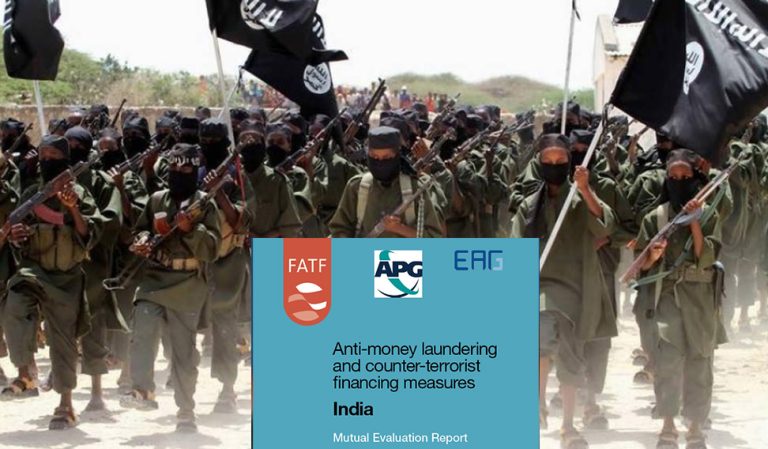
The Financial Action Task Force (FATF) on Thursday praised India’s efforts to tackle illicit finance, however, warned the country of serious terrorism and terrorist financing threats, including those related to ISIL or Al Qaeda.
“India achieved a high-level of technical compliance across the FATF Recommendations and has taken significant steps to implement measures to tackle illicit finance. Nevertheless, India needs to continue to improve its system as its economy & financial system continue to grow,” posted FATF on X.
Lauding India’s measures to tackle illicit finance, the joint FATF-APG-EAG report added, “India has implemented an anti-money laundering and counter-terrorist financing (AML/CFT) framework that is achieving good results, including on risk understanding, access to beneficial ownership information and depriving criminals of their assets.”
It also praised Indian authorities for making good use of financial intelligence and co-operate effectively, both domestically and internationally.
Meanwhile, the global body to combat money laundering and terrorist financing warned India to focus on concluding the prosecutions and convicting and appropriately sanctioning terrorist financiers.
“India faces serious terrorism and terrorist financing threats, including related to ISIL or Al Qaeda. India as a strong emphasis on disruption and prevention and has demonstrated its ability to conduct complex financial investigations. Nevertheless, the country must continue to improve its system as its economy and financial system continue to grow, in particular ensuring that money laundering and terrorist financing trials are completed and offenders are subject to appropriate sanctions; and taking a risk-based and educative approach with non-profit organisations. The country needs to ensure that measures aimed at preventing the non-profit sector from being abused for terrorist financing are implemented in line with the risk-based approach, including by conducting outreach to non-profit organisations on their terrorist financing risks,” added the report.
India achieved a high-level of technical compliance across the FATF Recommendations and has taken significant steps to implement measures to tackle illicit finance. Nevertheless, India needs to continue to improve its system as its economy & financial system continue to grow. 1/2
India is the largest country in the world by population and has the largest diaspora. It is a lower-middle income country with one of the world’s fastest-growing economies that is currently the world’s fifth largest economy. India’s main money laundering risks originate from illegal activities within the country, these risks relate primarily to fraud, including cyber-enabled fraud, corruption and drug trafficking.
India pursues money laundering related to fraud and forgery in line with predicate crime risks to a large extent, but less so with some other offences such as human trafficking and drug trafficking. The country needs to address the backlog of money laundering cases pending conclusion of court processes, added the report.
Praising India’s efforts to combat money laundering and terrorist financing, the report said, “India has made significant steps in financial inclusion, more than doubling the proportion of the population with bank accounts, encouraging greater reliance on digital payment systems, and making use of simplified due diligence for small accounts. These efforts have supported financial transparency, which in turn contribute to AML/CFT efforts.”
Despite the size and institutional complexity of the Indian system, Indian authorities cooperate and coordinate effectively on matters dealing with illicit financial flows, including the use of financial intelligence. India also achieved positive results in international co-operation, asset recovery and implementing targeted financial sanctions for proliferation financing, the report added.
Indian authorities also have a comprehensive understanding of the money laundering, terrorism and proliferation financing risks but need to do more to share insights on these risk across all relevant stakeholders.
There is a good understanding of risk and application of preventative measures in the financial sector, especially by commercial banks, although less so by some other smaller financial institutions.
Financial Institutions are taking steps to apply enhanced measures to politically exposed persons (PEPs), however, India needs to address the issue of lack of coverage of domestic PEPs from a technical compliance perspective and ensure reporting entities fully implement these requirements. Implementation of preventative measures by the non-financial sector and virtual asset service providers, and supervision of those sectors, is at an early stage. India needs to improve implementation of cash restrictions by dealers in precious metals and stones as a priority given the materiality of the sector.
Following the assessment, India is placed in “regular follow-up” and in line with procedures, will report back to the Plenary in three years.
(This news report is published from a syndicated feed. Except for the headline, the content has not been written or edited by OpIndia staff)
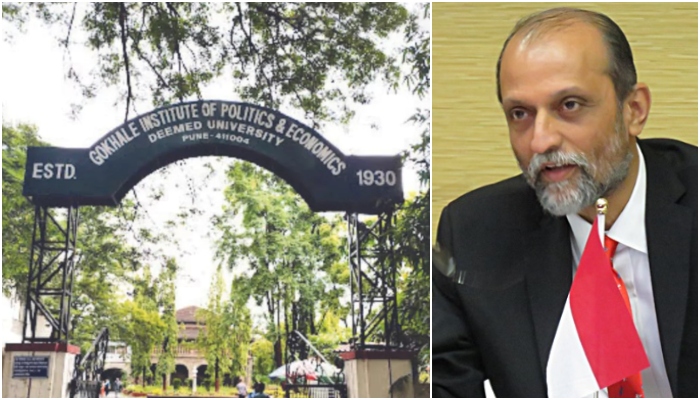
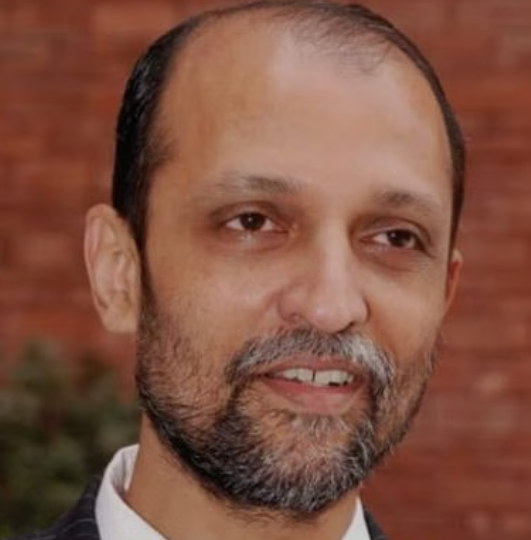
The renowned institute in Pune, the Gokhale Institute of Politics and Economics (GIPE), has recently attracted a novel controversy after it terminated economist Ajit Ranade from the post of vice-chancellor. The decision by the Institute is being supported by a section of intellectuals while others including the Congress party claim that Ranade has become an easy ‘victim’ of politics.
The removal of the economist notably came after new chancellor Bibek Debroy assumed the position at the institute in July 2024. Debroy, who is also the chairman of the Economic Advisory Council to the Prime Minister (EAC-PM), is believed to have taken the decision based on the University Grants Commission (UGC) regulations. Shankar Das, pro-vice-chancellor at Tata Institute of Social Sciences, has been appointed the interim vice-chancellor (VC) after the removal of Ajit Ranade.
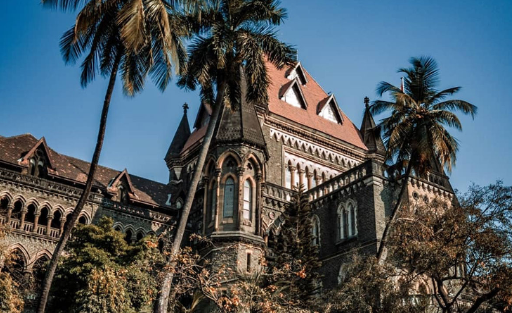
As per the initial information obtained by OpIndia, Debroy constituted an internal fact-finding committee after he assumed office which found that Ranade’s appointment as the VC in the institute a couple of years ago had violated the regulations of the UGC. However, on 18th September Ranade moved Bombay High Court seeking an urgent hearing for a stay on his termination.
Bombay High Court
“This is truly unfortunate and a shocking decision. For the past two-and-a-half years, I have been working diligently and to the best of my ability, contributing to positive developments in the institute. These results seem to have been completely ignored,” Ranade was quoted as saying in the light of his termination.
What UGC rules are believed to have been violated
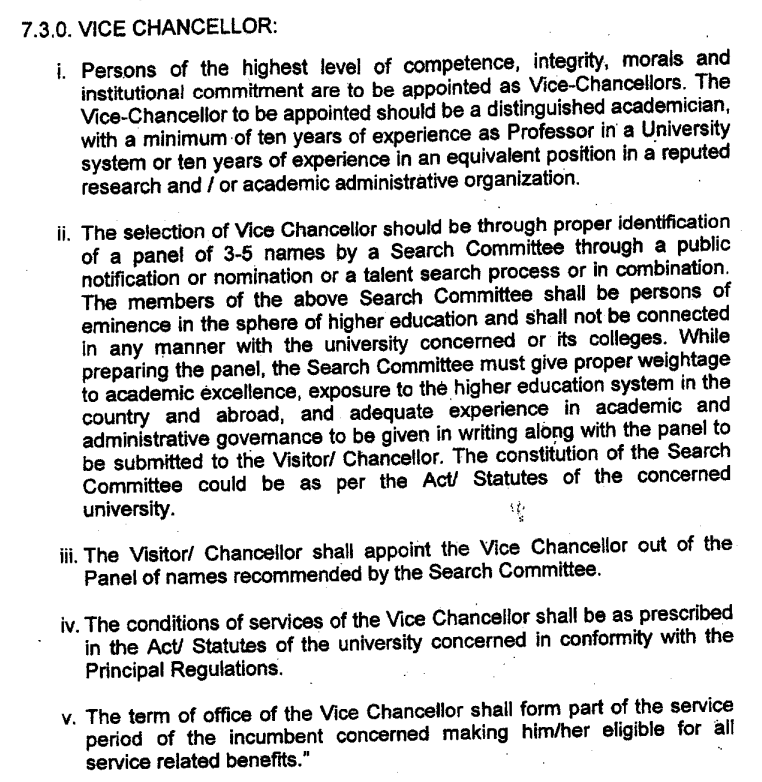
According to the UGC regulations issued in the year 2018, a person designated vice-chancellor must be a defined academician with a minimum of ten years of work experience as a professor in any university, or a minimum of ten years of professional experience in a reputable research organization or/and an academic, administrative organization, with proof of academic leadership. As per the UGC, the candidate to be appointed as the VC should also be a person of the highest level of competence, integrity, morals, and institutional commitment.
The fact-finding committee determined that Ajit Ranade’s qualifications did not meet the norms set forth by the UGC guidelines. The study also stated that it was “legally untenable” for him to continue as vice-chancellor because his appointment did not meet the essential legal and regulatory standards. The committee strongly urged his removal from the position.
Controversy not only erupted when Ranade was removed but also when he was appointed
This decision of the Institute further led some to think about why the Search committee in the first place appointed Ranade as VC when even then they were notified that he didn’t have 10 years of experience. It is important to note here that controversy also erupted in the year 2022 when Ranade was appointed as the VC of the institute. The institute in the year 2021 adopted the UGC regulations and created a post of VC. Before that the institute was looked after by the designation of ‘director’ and the last serving director of the institute was Rajas Parchure.
Before getting appointed as the VC of GIPE, Ranade was a member of the board management which serves as the top-most decision-making body of the institute. While he was a Board member, a Search Committee was formed which would interview and analyze the candidates for the post of VC. It is believed that Ranade proposed the name of Indira Gandhi Institute of Development Research’s former director, Professor Mahendra Dev as one of the panelists of the Committee. The other members of the Committee consisted of former V-C of Vishwa Bharti University and former RBI deputy director Shyamala Gopinath.
Ranade then resigned from the Board Management and the committee then suddenly ‘invited’ him to apply for the post of VC. The Committee then as per a former senior functionary associated with GIPE found that Ranade met the eligible criteria for the post of VC, leading to his final appointment. While this happened, some of the functionaries working at GIPE indicated that all the acts from Ranade appointing Professor Dev to the Search Committee and then the latter ‘inviting’ Ranade to apply for the post after his resignation from the Board management, would result in ‘conflict of interest’.
Gokhale Institute in 2023 confirmed that Ranade’s appointment had violated UGC rules
The entire matter came to the fore only in the year 2023 when one of the faculty members, Murali Krishna on 19th December of that year alleged that Ranade’s appointment did not meet the eligibility criteria and that his appointment had violated the rules of the UGC. In April 2023, Krishna filed an RTI to know whether Ranade had fulfilled the UGC’s eligibility requirement of a minimum of 10 years of experience as a professor in a university for appointment as VC in consonance with section 7.3 (i) of the UGC regulations, 2018.
To everyone’s surprise, the GIPE then replied saying ‘No’.
“GIPE replied with a no. If, for the appointment of a peon, class X is the eligibility criteria and someone without that is appointed, would that be ok? Wouldn’t action be taken? So, how can we ignore the appointment of the vice-chancellor without meeting the required eligibility criteria?” Krishna was quoted as saying.
In the year 2021, the Servants of India Society (SIS) had also written to the then chancellor Rajiv Kumar raising this issue and pointing out the conflict of interest in having Ranade as a candidate. GIPE is under the aegis of the SIS.
“We, the trustee of the Gokhale Institute of Politics and Economics (GIPE), want to bring the following facts to your notice: It is learned that Dr. Ajit Ranade and Prof. Abhay Pethe have been invited for interviews for the post of Vice Chancellor of GIPE. Both of them are members of the Board of Management, the highest decision-making Body. Also, they (BOM) have proposed the name of Prof. Mahendra Dev as a member of the Search-Cum-Selection Committee, and therefore their (Ranade’s and Pethe’s) participation in the entire process of selection of V-C as a candidate would amount to conflict of interest. It is absolutely unethical and morally inappropriate (sic),” the society letter signed by Milind Deshmukh, secretary of SIS, and trustee Ramakanta Lenka read.
UGC asked the then-chancellor Rajiv Kumar to take appropriate action but nothing happened
In the meanwhile, the UGC recently took cognizance of the development and sent letters to the GIPE regarding the alleged ‘fraudulent appointment’ of Ranade as the VC. In the recent letter to the former chancellor Rajiv Kumar, in June 2024, the UGC stated that despite prior communications on January 15th and June 4th, GIPE ‘failed to give a convincing reply with proper documents in support of its claim, nor have any corrective measures been taken by the institute’.
The commission also noted that such violations were serious and that those reiterated that UGC regulations were mandatory and that all universities and colleges would have to follow them.
“The Hon’ble Supreme Court, in several cases, has made it clear that the selection procedure given in the UGC Regulations is mandatory in the appointment of a vice-chancellor. Given the above, you are requested to submit a status report on the action taken in the matter immediately,” the UGC letter filed in June 2024 said.
Later, in July this year, Bibek Debroy was appointed as the chancellor of GIPE after the term of the previous chancellor Rajiv Kumar ended in that month. Debroy had earlier worked at GIPE from 1983 to 1987. He was selected for the post within 10 days after UGC sought an action taken report from the institute on the allegations of flouting of rules in the appointment of vice chancellor Ajit Ranade.
After Bibek Debroy became the chancellor, a special committee was formed to investigate the matter. The same committee terminated Ranade saying that his appointment had violated the UGC rules.
Political leaders, scientists, and senior economists call out Ranade’s termination
Ranade’s removal has divided the Institute into two parts, one favouring UGC action saying ‘justice has now been served’ while others say that he has become the easy victim of politics. Congress’ Jairam Ramesh condemned his removal saying, “In September 2024, he gets sacked on the grounds that he does not have 10 years teaching experience as per UGC rules. Isn’t this strange? Surely, this information was available to the appointing authorities two years back. Clearly, there is more to this than meets the eye. Whatever it is, it is a sad commentary on how institutional decay is taking place in an increasingly illiberal atmosphere.”
In February 2022, Ajit Ranade was appointed as Vice Chancellor of the prestigious Pune-based Gokhale Institute of Politics and Economics. This selection was widely acclaimed.
In September 2024, he gets sacked on the grounds that he does not have 10 years teaching experience as…
Maharashtra Navnirman Sena founder, and president Raj Thackeray also commented on the issue saying that the center had discouraged a stalwart like Ranade for merely taking the education standards seriously. “Well, for that reason, Ranade does not have 10 years of teaching experience. So while appointing him, was this not taken into account? After two and a half years of his performance in this position, how can the authorities suddenly remember this?” he said.
“If someone like Ajit Rande voluntarily enters the field of education, and the government utterly discourages him, what sort of expert and stalwart will show up in such crucial fields? Is it the ‘new educational policy’ to humiliate and expel scholars in this manner?” he questioned.
सस्नेह जय महाराष्ट्र,
गेले २ दिवस वर्तमानपत्रामंध्ये पुण्यातील गोखले राज्यशास्त्र आणि अर्थशास्त्र संस्थेच्या कुलगुरू पदावरून डॉ. अजित रानडे यांना अतिशय चुकीच्या पद्धतीने हटवल्याची बातमी वाचनात येत आहे. डॉ. अजित रानडेंसारख्या एका उच्चविद्याविभूषित, खाजगी क्षेत्रात खूप मोठी… pic.twitter.com/gvgBePq00Q
Apart from these, several economists also called out the termination. “The decision to remove Ranade is very disappointing. Even in the short period of two and a half years of Ranade, there has been a great increase in the academic quality of the Gokhale Institute, due to which the academic and teaching quality of the institute has been recognized at the international level,” Dr. Vijay Kelkar, Senior Economist said.
“The abrupt removal of an intellectual from the post of Vice-Chancellor, who has done a great job in bringing the Gokhale Institute back to its past glory, is shocking. The long-term impact on the ability to attract talent is certain,” Dr. Raghunath Mashelkar, Senior Scientist said.
However, the issue regarding the alleged erroneous appointment of Ranade has been raking up since the year 2021, his appointment.
GIPE associates questioned Ranade’s way of functioning
Amid this, there are several who are saying that the UGC has now taken the proper decision by terminating Ranade for allegedly violating the rules of the UGC. One of the faculty members at GIPE said to the media on the condition of anonymity that Ranade was an ‘opportunist’ and that he never was eligible for the post in the first place. He also raised concerns over Ranade’s style of functioning at the institute.
Meanwhile, other staffers said that Ranade made unauthorized staff appointments and also increased tuition fees for several courses immediately after taking over the post of VC in the year 2021-2022. “He was not familiar with the functioning of GIPE. Though the V-C has a lot of powers, he cannot make unilateral decisions. He did not involve the faculty in major decision-making processes. For instance, institutional policies such as fee hikes, reductions in pensionary benefits for some staff, etc., were neither brought up in faculty meetings nor discussed with the staff. Therefore, a section of teaching and non-teaching members revolted and reached out to the chancellor,” a senior faculty member said to The Print.
“He created some posts, including that of the OSD (officer on special duty), chief of staff, and some visiting professors, without following the required process. No one was consulted, and no advertisements called for applications. People known to him were hired directly to these posts, on high salaries,” he added.
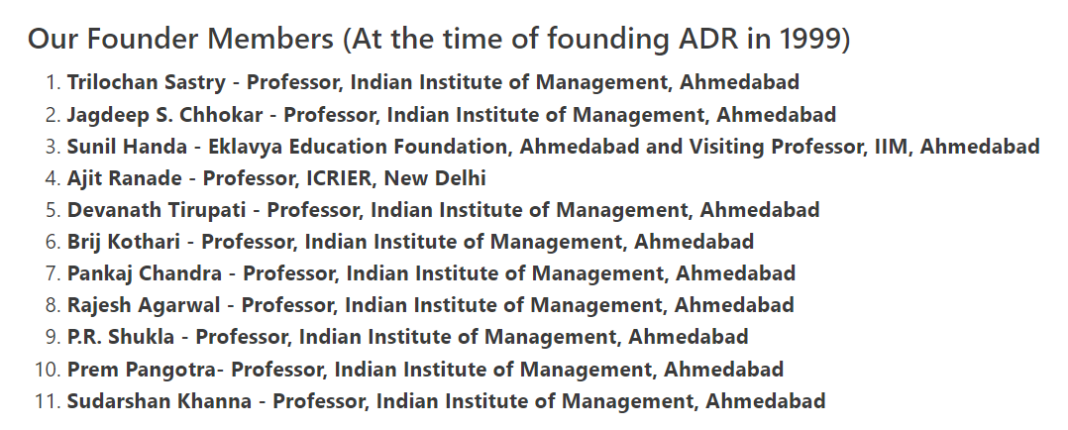
OpIndia has also learned that Ajit Ranade is the founding member of the Association for Democratic Reforms (ADR) organization. The other founding members of the same include Adv. Kamini Jaiswal and Jagdeep Chhokar. Jaiswal has represented ‘activist’ Teesta Setalvad in the Gujarat riots case, JNU students including Umar Khalid and Anirban Bhattacharya in the JNU Sedition Case, and also SAR Gilani, Professor at Delhi University who was arrested in Parliament Attack Case in 2001. She is known as the strongest advocate of human rights in terror-related cases in India. On the other hand, Chhokar is believed to have close links with ‘activist’ Harsh Mander who is facing a CBI investigation due to irregularities in his NGO.
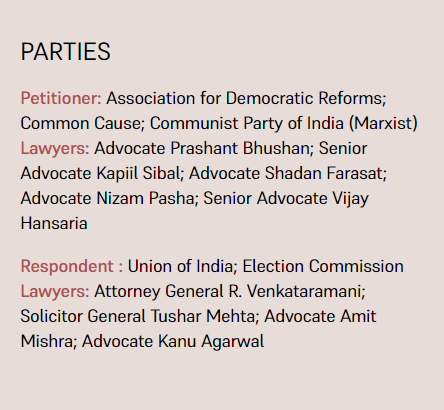
Notably, ADR has also been one of the crucial petitioners in the Electoral Bonds Case with the other two being Common Cause and the Communist Party of India (Marxist). The Supreme Court in the given case held that the Electoral Bond Scheme was unconstitutional for violating the right to information of voters. A detailed report on this case can be read here.
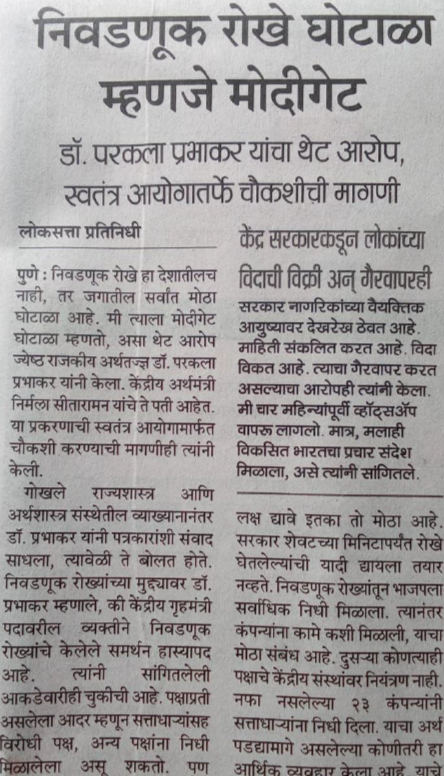
Further, Ranade as the VC of the GIPE also invited Parakala Prabhakar in April 2024 to speak on the ‘Political Economy of New India’. Notably, Prabhakar who is the husband of Finance Minister Nirmala Sitharaman noted during his address that the Electoral Bond was the world’s biggest fraud ever allegedly committed by the Modi government, as reported by the local news media.
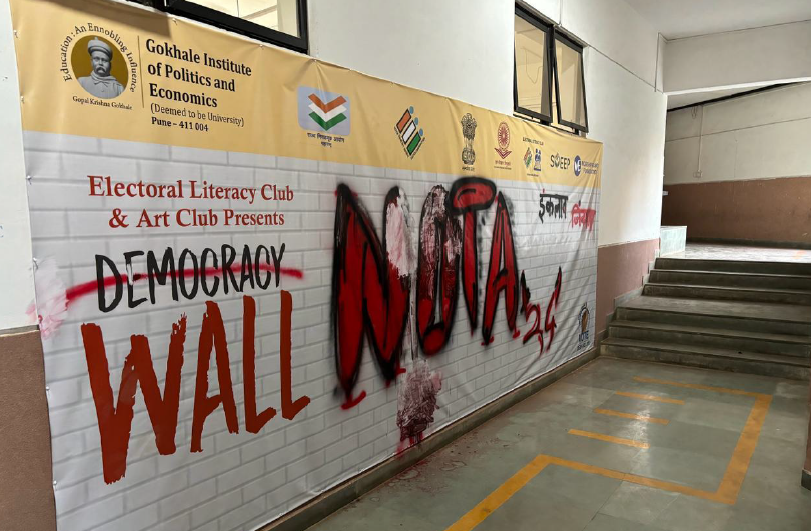
Gokhale Institute under VC Ranade was also recently in the news after a ‘wall of democracy’ established to increase voter awareness was vandalized. The word ‘democracy’ from the wall was struck out and instead ‘NOTA 2024’ along with ‘Inquilab Zindabad’ (long live the revolution) were written beside it during the Lok Sabha elections 2024. Ranade then said that he would take action against the perpetrators seen on the CCTV but eventually, the Election Commission and the Police had to step in to take the poster down.
In February 2024, Ranade invited controversial actor-director Nandita Das to the history literature festival that happened from February 9th to 11th. Das has been in support of those who have been agitating against the Citizenship Amendment Act. “The CAA and the NRC are spontaneous and no political parties are involved in them. These are led by ‘students’ and common people. The youth has created hope in the country. Every other place is becoming a Shaheen Bagh now, and I think as human beings, we should speak up against these laws,” she was quoted as saying on the sidelines of the Jaipur Literature Festival in 2020.
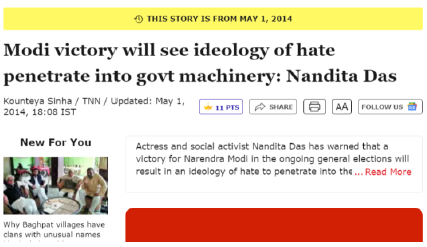
In the year 2014, she had also protested against PM Modi saying that his government would bring the ‘ideology of hate into the government machinery’. She also made her directorial debut in the year 2008 through the film ‘Firaaq’ set in the city of Ahmedabad, showcasing the situation a month after the 2002 Gujarat riots.
Ranade is also criticized by some of the faculty members of the GIPE for appointing Sabyasachi Das as a visiting faculty for a brief period in 2023. Das resigned from Ashoka University after he wrote a controversial research paper titled ‘Democratic backsliding in the world’s largest democracy’ in August 2023. The paper allegedly alleged PM Modi of poll manipulation in the year 2019. “A section of the (GIPE) faculty had voiced concerns over how Das’s appointment was done without proper consultation,” the faculty member said.
However, one of the Board members at the GIPE said many new changes that led to the growth of the institute were incorporated by the VC who now has been terminated. “He started many new courses and a center for geopolitics and geoeconomics. He also studied social issues such as Maratha reservations, among others. During his tenure, classrooms were upgraded, and hostel capacity was increased. It (his dismissal) is nothing but internal politics by some present and former faculty members to bring a bad name to the institute,” the board member said.
He also is said to have invited senior Rashtriya Swayamsevak Sangh (RSS) and Bharatiya Janata Party (BJP) leaders such as Ram Madhav and Vinay Saharabuddhe for special talks at the institute. “He also attended an RSS event where he was invited as the chief guest in Pune in October 2023,” one of the other faculty members said. Given all this, people like Congress’ Jairam Ramesh who claim that Ranade has been removed as a part of ‘politics’ and not due to UGC violations seem misinformed.
Exceptions to UGC regulations?
The UGC regulations using which Ranade’s termination was executed on 14th September are also meanwhile being questioned. According to a former UGC chairperson, there have been instances in which people without 10 years of experience as professors have been awarded VCs. The former chairman cited the examples of former IAS officer Najeeb Jung, who was named Vice Chancellor of Jamia Millia Islamia in 2009, and retired Lieutenant General Zameer Uddin Shah, who was appointed Vice Chancellor of Aligarh Muslim University in 2012.
However, the GIPE in 2023 accepting the violation of UGC in Ranade’s appointment case can’t be ignored. To reiterate, the UGC while replying to the RTI by one of the GIPE faculty members said that Ranade had not fulfilled the UGC’s eligibility requirement of a minimum of 10 years of experience as a professor in a university for appointment as VC in consonance with section 7.3 (i) of the UGC regulations, 2018. The issue seems controversial and needs proper investigation by the higher authorities of the Commission. Meanwhile, the Bombay High Court has decided to hear the case of stay on Ranade’s termination by September 22nd.
Interim vice-chancellor named
In the meanwhile, after the removal of Ranade from the post, Shankar Das, pro-vice-chancellor at Tata Institute of Social Sciences, has been appointed interim vice-chancellor (VC) of Gokhale Institute of Politics and Economics (GIPE) with effect from Sept 22. Notably, as per UGC rules, when the pro-VC is unavailable, the chancellor has to appoint the senior-most professor as interim VC until the appointment of a new VC. But as per Debroy, GIPE’s senior-most professor Deepak Shah refused to take the responsibility. As a result, Shankar Das has been named to perform the duties of the VC.
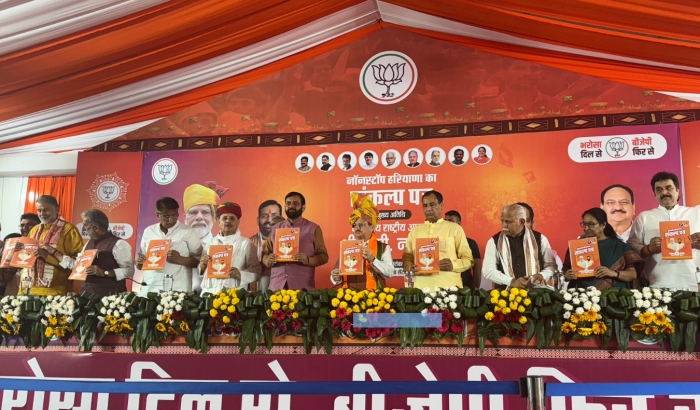
The Bhartiya Janata party on Thursday released the party’s manifesto for the Haryana Assembly elections, just a day after the Congress party announced seven guarantees for the poll-bound state.
Union Minister and BJP President JP Nadda, along with Haryana BJP president Mohan Lal Badoli and Chief Minister Nayab Singh Saini were present during the launch of the manifesto in Rohtak, Haryana.
The Bhartiya Janata party promised guaranteed jobs for Agniveers and financial assistance of Rs 2,100 per month under ‘Lado Laxmi Yojana’.
To boost employment in the state, the party announced that ten industrial cities will be built on the lines of IMT Kharkhoda and more than 50 thousand youth from nearby villages will be given employment.
Under the healthcare initiatives, under Chirayu Ayushman, the amount of Rs 5 lakh received per year will be increased to Rs 10 lakh.
The party also promises to offer scooters to college going female students under Awal Balika Yojana and LPG cylinders for Rupees 500 under the Har Ghar Grahini Yojana.
During the event, Union Minister JP Nadda highlighted key promises from the party’s ‘Sankalp Patra,’ stating, “All women will be provided financial assistance of Rs 2,100 per month under the ‘Lado Laxmi Yojna.’ Under the Chirayu Ayushman scheme, the Rs 5 lakh you get per year will be increased to Rs 10 lakh. MSP on 24 crops will continue, and we will provide government jobs to 2 lakh youth.”
He also assured that LPG cylinders would remain available for Rs 500 to Antyodaya BPL families and guaranteed government jobs for Agniveers.
Criticizing the Congress party, Nadda remarked, “For Congress, this document is just a formality. It is merely a ritual for them and an attempt to deceive the people.”
He reflected on the state’s past, saying, “What was the image of Haryana 10 years ago? It was one of getting jobs based on ‘Kharchi’ and ‘Parchi,’ known for land scams.”
Nadda emphasized the importance of the BJP’s manifesto, declaring, “For us, ‘Sankalp Patra’ is very important. We are serving Haryana non-stop.”
Meanwhile, the Congress party Wednesday announced seven guarantees for Haryana assembly polls which will be part of its election manifesto, promising restoration of the Old Pension Scheme, two lakh jobs, caste survey, 300 units of free power and free medical treatment upto Rs 25 lakh.
Voting for the 90-member legislative assembly in Haryana will be held on October 5. Votes will be counted on October 8 along with that in Jammu and Kashmir.
(This news report is published from a syndicated feed. Except for the headline, the content has not been written or edited by OpIndia staff)
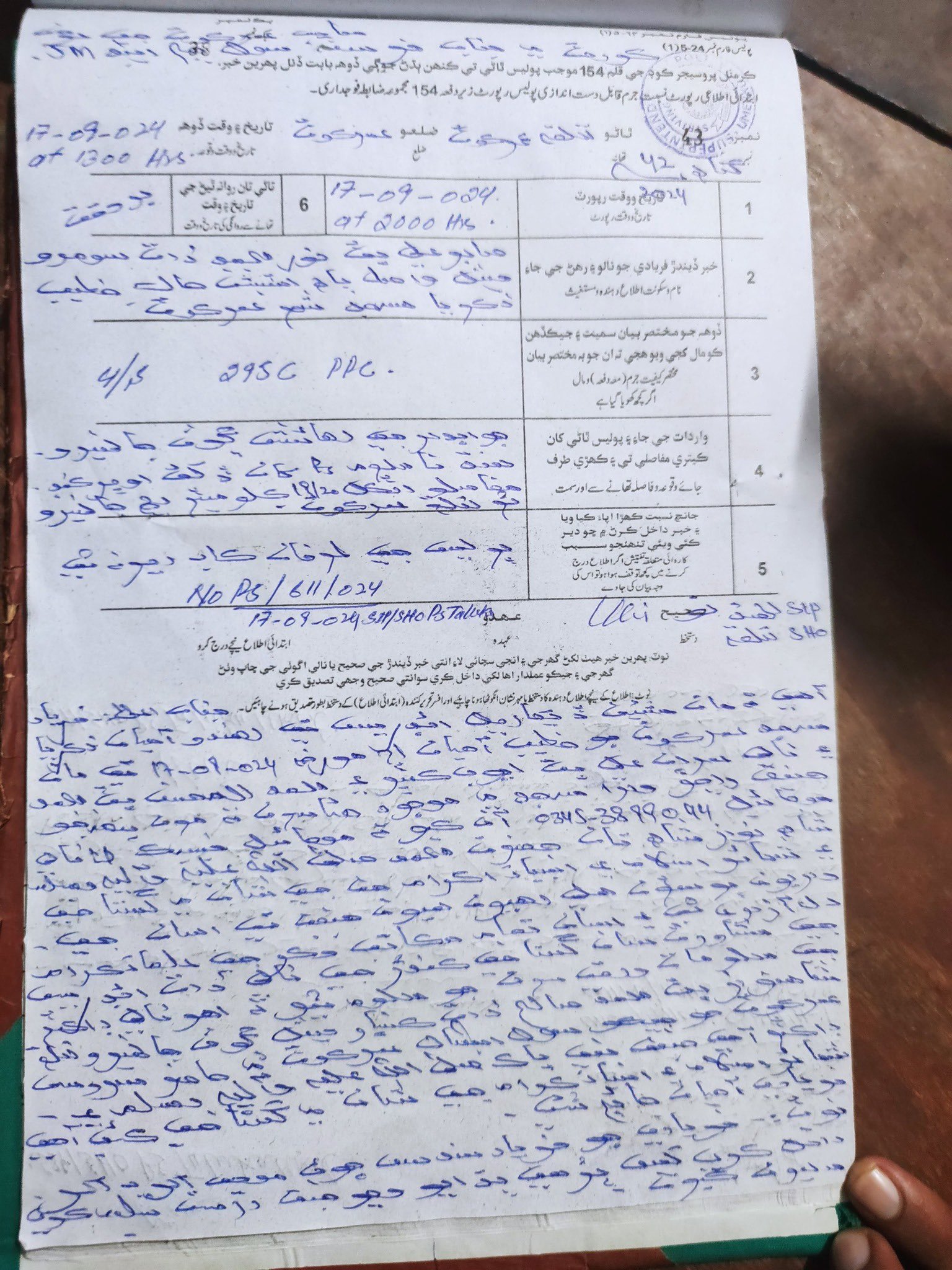
A doctor named Shah Nawaz Shah was murdered in Umerkot of Sindh, Pakistan on 19th September after he was accused of sharing ‘blasphemous’ posts on social media. He was earlier booked under the draconian Section 295-C of the Pakistan Penal Code which invokes the death penalty for alleged blasphemy against Prophet Muhammad. Some accounts have mentioned that he was killed by the Mirpur Khas Police after which his corpse was moved to the Civil Hospital.
Image via @FarazPervaiz3/X
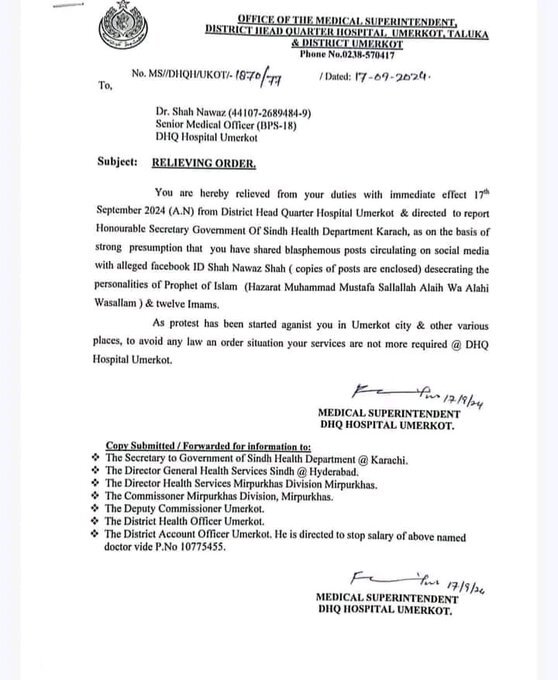
Dr Shah Nawaz was told to report to the Health Department in Karachi after being stripped of his duties at the District Headquarters Hospital in Umerkot on 17th September after massive outrage. The order mentioned, “strong presumption that you have shared blasphemous posts circulating on social media with alleged Facebook ID Shah Nawaz Shah (copies of posts are enclosed) desecrating the personalities of Prophet of Islam (Hazarat Muhammad Mustafa Sallallah Alaih Wa Alahi Wasallam) & twelve Imams.” The letter further added, “As protests have been started against you in Umerkot city & other various places, to avoid any law and order situation your services are not more required.”
Image via @FarazPervaiz3/X
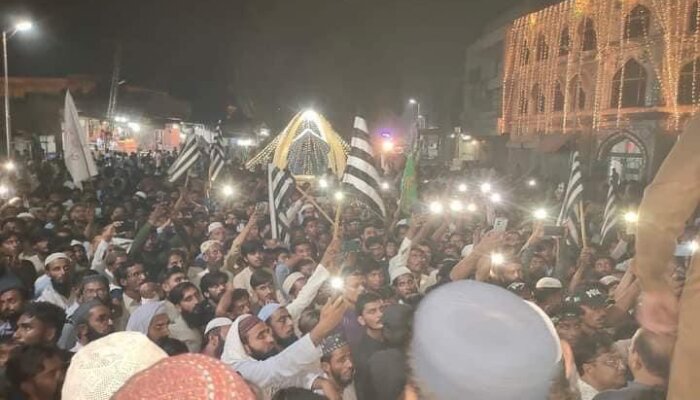
The accusation was followed by major unrest as extremists took to the streets and staged a violent demonstration. On 18th September, they gathered in front of the local press club and called for the doctor’s immediate arrest. They called off the agitation after receiving assurances from the Umerkot Senior Superintendent of Police (SSP) that a criminal case would be filed against the doctor.
Umarkot's Radical islamist Pir Amir Jan Sarhindi led a protest at the Press Club last night, Demand for the immediate arrest of Shah Nawaz, accused of alleged #blasphemy. SSP Asif Raza Bloch, He has formed specialized teams tasked with apprehending Shah Nawaz, SSP Bloch has… pic.twitter.com/cPF59eZJvH
Tensions escalate in Umarkot over the alleged #blasphemy case against Dr Shah Nawaz. Despite legal action, a radical islamic mob's violence has intensified, leading to a police vehicle being stoned and set ablaze. pic.twitter.com/QG5t8Ps2WY
The jihadis targeted a police mobile vehicle and lit it on fire. Stones were also hurled at the cops who then intervened to apprehend around ten individuals and filed a criminal complaint against them. Station House Officer (SHO) Altaf Shah was suspended by authorities for his inability to prevent vandalism and damage to public and government property.
Radical Islamist Mob attacked the private clinic of alleged #blasphemy accused, Dr Shah Nawaz. Shop Furniture and Medical equipment were taken to Allahwala Chowk and set on fire by Radical Islamist mob. pic.twitter.com/uaAHN63Dgm
The police previously informed that squads had been assembled to capture the doctor as Umerkot and the surrounding areas remained closed for the second day in a row. Notably, Umerkot is the only district in Pakistan where the majority population is that of the Hindu community which owns many businesses there. The private clinic of the doctor was also attacked as furniture and other equipment were set ablaze.
Umarkot (Sindh): Shahnawaz, who was accused of blasphemy, has been killed by the Mirpur Khas Police. His body has been moved to the Civil Hospital. pic.twitter.com/Ka7vG4OHZn
Notably, Pakistan has been infested with multiple cases where people especially from the marginalised Hindu minority have lost their lives on allegations of blasphemy. Bloodthirsty Muslim mobs storm the streets and wreak havoc while the administration either merely watches as a helpless mute spectator or enables the radicals. In a recent case, a man was killed under the watch of police.
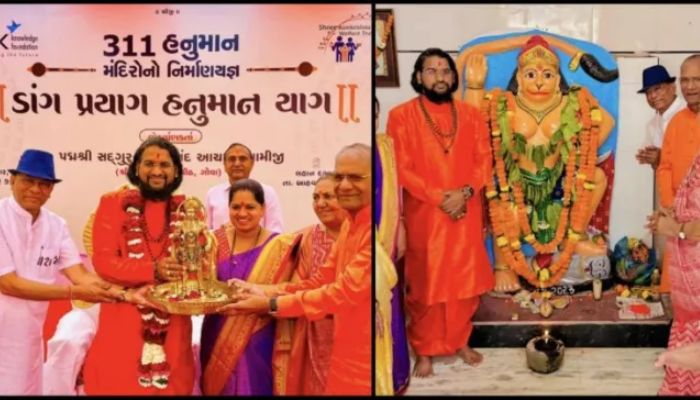
As the incidents of religious conversions are increasing in certain areas of Gujarat, the people of the state’s smallest district Dang have come up with a unique tactic. Dang district has been the biggest sufferer of religious proselytization with 40% population converted to Christianity. In the wake of the alarming situation, a “Hanuman Yagya” has been started to protect and propagate Sanatan Dharma in the district.
Dang district, home to rich natural beauty, has been a target of Christian missionaries for the last two decades. Several Christian organisations here are converting the gullible locals by tricking them, luring them into receiving some benefits or by stoking fear. With this tactic at play, 40% of the population of the district translating to 1 lakh people have been converted to Christianity.
Consequently, the local Hindus have resorted to Lord Hanuman to protect Hindu Dharma. Govind Dholakia, a BJP MP in the Rajya Sabha and renowned diamond tycoon, has launched the campaign by doing ‘Hanuman Yagya’. Under this initiative, 311 Hanuman temples were built in 311 villages of 3 talukas in Dang district by Ramakrishna Welfare Trust. As a part of this campaign with a budget of Rs 40 lakh, 12 Hindu temples were inaugurated in 2022.
Saw the idol of Hanumanji, took the resolution to start “Hanuman Yagya”
In a conversation with TV9, Govind Dholakiya, the BJP MP and promoter of Shree Ramkrishna Export (SRK), said: “We have been conducting medical camps in Dang Ahwa for the last 30 years. So in 2017 when he brought the camp here, PP Swami and I were going in the car. An idol of Hanumanji Maharaj fell on the trunk of a tree in a village. So I said to Swamiji, how appropriate is it that our Lord should sit without a house like this, and we should stay in a house?”
“Swamiji said that who should do it? A lot of things need to be done like this, I was told that we should do it. So he said that there are 300 such villages, we will do 300. All these decisions were taken in just seconds, I did not speak about it, it was not my decision, it was Hanumanji Maharaj’s, Lord Shriramchandraji’s decision. He called through me,” Dholakia added.
After that, they decided to build 311 Hanuman temples in the tribal-dominated Dang district and started the project in 2018. The temples were constructed at the cost of around Rs 10 lakh to Rs 15 lakh. Dholakia’s Shree Ramkrishna Welfare Trust (SRWT) contributed 50% of the total cost, while the rest was borne by other donors.
The temples were built under the guidance of PP Swami, who is active in welfare activities in Dang for the past couple of decades. Earlier most of the villages had Hanuman idols placed under trees.
Temple construction brings positive changes in the lives of local people
Many positive changes have occurred in the villages as a consequence of the construction of temples. P.P. Swami stated that this led to a tremendous change and that while alcoholism is undoubtedly prevalent among tribal households, the temple has helped many families overcome their addictions.
In addition to beneficial changes, many villages have stopped manufacturing alcohol thus restoring peace in villages and among tribal families. All festivals, including Ganesh Chaturthi, Navratri, and Holi, are celebrated at these temples. Whenever there is an auspicious event in the village, the Bajrangbali temple is visited first.
In light of the efforts of businessman Govind Dholakia and PP Swami Maharaj, Hindu Dharma is regaining ground in Dang, which had previously been marred by Christian conversions and an atmosphere of peace and unity has taken root. People visit the temple without discrimination based on caste, resulting in societal upliftment. Moreover, several organisations are making efforts to disseminate Sanatan Dharma by going to the Dang district.
Two years back, Bajrangbali arrived in Songadh to save tribals who were being converted. On the 18th of June in 2022, more than 35 persons from six families in the Kotwadia group of the tribal class abandoned Christianity and reverted to Hinduism in Budhwada village, Songadh taluka, Tapi district, during a program organised by Rashtriya Janjati Manch at the Hanumanji temple.
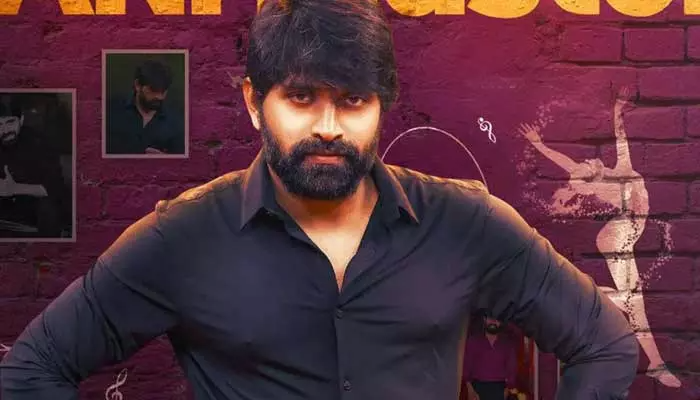
On 18th September, national award-winning Telugu choreographer Shaik Jani Basha famously referred to as Jani Master was booked under sections of the Protection of Children from Sexual Offences (POCSO) Act by the Narsingi police of Cyberabad Special Operation Team (SOT) after a 21-year-old woman accused him of sexual assault. He has been arrested. She served as a junior choreographer for him. The victim alleged in her police complaint that he raped her over a six-year period at her home and during outdoor shoots.
She accused him of sexual harassment, rape and threats on multiple occasions in her complaint with Raidurgam police station which filed a zero First Information Report (FIR) and later transferred it to Narsingi police station. Several sections including sections 376 (2) (punishment for sexual assault), 506 (criminal intimidation) and 323 (punishment for voluntarily causing hurt) of the Indian Penal Code (IPC) were invoked against him.
The POCSO Act was later added to the case as she was initially sexually violated by him in 2019 while she was a 16-year-old minor. She unveiled that he offered her a position as his assistant after she appeared in a reality show on television and had been physically and sexually abusing her since then. She further accused his wife of harassing her as well.
The young woman provided the Telangana State Commission for Women with a 40-page written statement detailing her ordeal and supporting documentation after filing a First Information Report (FIR) with the Cyberabad police. The commission’s chairwoman, Nerella Sharada, informed the media on 18th September that it had stepped in and given orders to provide police protection to the young woman.
“The committee has issued orders to provide police protection for the victim and a high-level monitoring committee will also be constituted to investigate such cases in the film industry,” she stated. The commission had taken a record of the girl’s statement and was consulting with legal counsel before moving forward. Addressing the subject of workplace harassment and assault, the official stated that many reasons, including fear of losing one’s job and social disapproval, prevented these incidents from being reported.
“Even if women come out, their professional choices are questioned. We will take this case very seriously and efforts are made for strict implementation of the Prevention of Sexual Harassment (POSH) Act in all workplaces, including the constitution of local and internal committees,” she added.
Jani Master has now disassociated himself from his film endeavours but has maintained silence on the accusations. Furthermore, he was asked to leave his position as a member of the Jana Sena Party, which is headed by prominent actor and deputy chief minister of Andhra Pradesh, Pawan Kalyan.
Notably, the South entertainment industry has been stormed by multiple accusations of rape since the ouster of the Hema Committee Report which disclosed the shocking truth of sexual assault in the Malayalam film industry. Afterwards, many prominent names have been charged with sexual exploitation by women including actresses. The fire also reached other film industries including Tamil and Telugu.
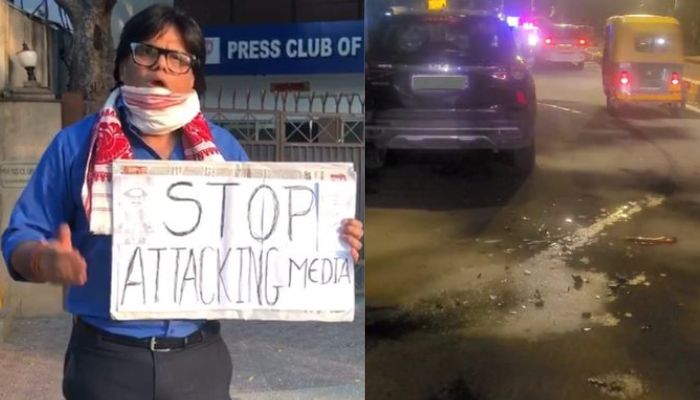
In a shocking turn of events, senior journalist at Doordarshan, Ashok Shrivastava was targeted in an attack on 18th September in Delhi. The attack comes after Shrivastava extended support to IndiaToday journalist Rohit Sharma who was assaulted by Congress supporters after he asked Indian Overseas Congress (IOC) chairperson Sam Pitroda about Rahul Gandhi’s stance on Hindus in Bangladesh.
In a video recorded right after the attack, the rear windshield of Ashok Shrivastava’s car was broken. The DD News anchor’s car was hit from behind by an SUV at around midnight when he was leaving office. Fortunately, Ashok Shrivastava is safe. “Last night, senior journalist Ashok Shrivasta was the target of a deadly attack. As he was leaving his office around midnight, an SUV rammed into his car from behind. Yesterday, Ashok Shrivastava protested against the misbehaviour and attack on India Today journalist Rohit Sharma in America. The entire ecosystem was infuriated by this protest. But do the voices of protest demand anyone’s life?” journalist Vikas Bhadoria posted on X on Thursday morning.
कल रात वरिष्ठ पत्रकार @AshokShrivasta6 पर जानलेवा हमला हुआ, आधी रात को जब वे अपने दफ़्तर से निकल रहे थे तभी उनकी कार को एक SUV ने पीछे से ज़ोरदार टक्कर मारी, कल अशोक श्रीवास्तव जी ने इंडिया टुडे के पत्रकार रोहित शर्मा के साथ अमेरिका में हुई बदसलूकी और हमले के ख़िलाफ़ प्रदर्शन… pic.twitter.com/nEbPwzsFbj
Notably, on 18th September, Ashok Shrivastava and several other journalists met Union Minister Ashwani Vaishnaw to register their protest against the manhandling of India Today’s Rohit Sharma. This, however, did not sit well with Congress supporters on social media who have been continuously trolling and threatening the Shrivastava online.
A journalist was manhandled simply for doing his job.
Rahul Gandhi Ji’s family seems to believe they’re above questioning, despite their rant on media freedom. Violence against the press is unacceptable.
In an X post, Ashok Shrivastava shared a screenshot of a threat message he received from a self-proclaimed Congress supporter purportedly residing in Bhopal Madhya Pradesh. Tagging the state authorities, Shrivastava sought action against the person who sent threat message to him.
“This @savinay_singh Savinay Singh of Bhopal is constantly sending me messages on social media and threatening to kill me. However, I could not save all his messages. He has sent many messages and deleted them. Investigate this and take action,” the senior journalist posted.
.@MPPoliceDeptt@CMMadhyaPradesh भोपाल का ये @savinay_singh सविनय सिंह ने मुझे सोशल मीडिया पर लगातार मैसेज भेज रहा है और मुझे मारने की धमकी दे रहा है। हालांकि इसके सारे मैसेज मैं सेव नहीं कर पाया। इसने कई मैसेज भेज कर डिलीट कर दिए हैं। इसकी जांच करके कार्रवाई करें pic.twitter.com/gIP2xnRNor
Condemning last night’s attack on Shrivastava, Bhartiya Janata Party national spokesperson Shehzad Poonawalla accused the Congress party of suppressing press freedom suggesting that the attack on Ashok Shrivastava may have involved Congress supporters.
Congress’ Emergency Mindset?
Just yesterday senior journalist @AshokShrivasta6 ji had protested against the misbehavior and attack on India Today journalist Rohit Sharma in America. The entire eco-system of 'Mohabbat Ki Dukaan' was infuriated.
“Congress’ Emergency Mindset? Just yesterday senior journalist @AshokShrivasta6 ji had protested against the misbehavior and attack on India Today journalist Rohit Sharma in America. The entire eco-system of ‘Mohabbat Ki Dukaan’ was infuriated. Last night Ashok Shrivastav was attacked. When he was leaving his office his car was hit hard from behind The culprit will not be spared but an attack on the lives of those who speak for free speech and press freedom? This is Emergency Mindset !!,” Poonawalla posted on X.
Responding to the incident, BJP IT cell chief Amit Malaviya said that the alleged attack was “not a coincidence but an experiment”. He said that the entire eco-system of ‘Mohabbat Ki Dukaan’ was infuriated by the protest by Shrivastava and others against the Congress party for the attack on journalist in the USA.
ये संयोग नहीं प्रयोग है। कल ही DD न्यूज के वरिष्ठ पत्रकार अशोक श्रीवास्तव ने इंडिया टुडे के पत्रकार रोहित शर्मा के साथ अमेरिका में हुई बदसलूकी और हमले के खिलाफ प्रदर्शन किया था। इस प्रदर्शन से ‘मोहब्बत की दुकान’ वाला पूरा ईको सिस्टम तिलमिला उठा था।
Malviya added, “The culprit will not be spared, but an attack on the lives of those who protest? Congress should come out of its emergency mentality. This country is not their property and journalists are not their slaves.”
On 17th September a Muslim man named Javed injured a Muslim woman by attacking her with a blade when she protested against molestation in Bareilly district of Uttar Pradesh. She was with her two children when the incident transpired. People rushed to the spot when they heard her screams and caught the accused. He was later handed over to the authorities. The police have taken him into custody and started interrogation.
The matter pertains to the Bareilly police station area, where the victim, who lives in the Baradari neighbourhood, often visits the park for a walk. She and her kids were there on the fateful day at around 11 am when the perpetrator, Javed also came there and began to harass her. He pressured her to take a stroll with him. However, she ignored him and went in the opposite direction.
The duo had an argument over it. Her refusal infuriated him and he assaulted her with a blade he had stashed away. He even tried to slit her throat but she managed to save herself by leaning backwards. She then started calling for help and people assembled at the shocking scene.
थाना कोतवाली, बरेली पर प्रकरण के संबंध में अभियोग पंजीकृत किया गया है। आरोपी को गिरफ्तार कर नियमानुसार विधिक कार्यवाही की जा रही है।
The woman was brought to a hospital by the people. They roughed up Javed who tried to abscond from there and informed the police. The cops rushed to the location and apprehended him.
A First Information was lodged based on the woman’s complaint and a case was resisted against the culprit under relevant sections of Bharatiya Nyaya Sanhita (BNS). A police official informed that the two already knew each other and had a good relationship earlier. They belonged to the same community. The offender has been arrested and further investigation and legal action are underway.
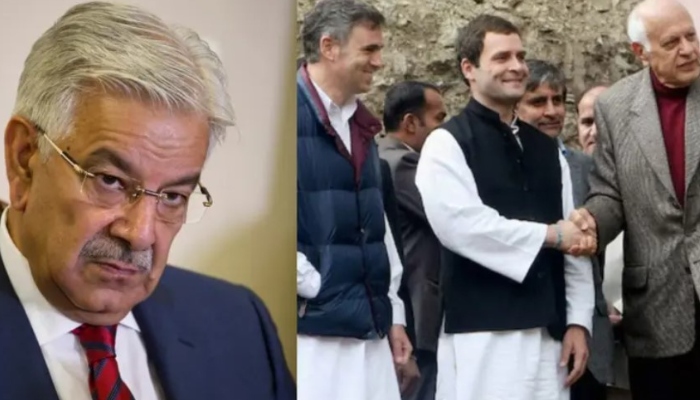
The BJP has lashed out at the Congress-National Conference alliance after Pakistan Defence Minister Khwaja Asif said that Pakistan and the alliance were on the same page when it came to the restoration of Article 370 in the Union Territory.
BJP leader Amit Malviya in a post on X said, “Pakistan, a terrorist state, endorses Congress and National Conference’s position on Kashmir. Pakistan’s Defence Minister Khawaja Asif, on Hamid Mir’s Capital Talk on Geo News says, “Pakistan and National Conference-Congress alliance are on the same page in Jammu & Kashmir to restore Article 370 and 35A”. How is it that, from Pannun to Pakistan, Rahul Gandhi and his Congress, are always seen on the side of those inimical to India’s interest?”
Earlier speaking on Geo News to senior journalist Hamid Mir in a show Capital Talk, the Pakistan Defence Minister was asked whether Pakistan and National Conference-Congress alliance are on the same page on the restoration of Article 370 and 35A in Jammu and Kashmir.
Khwaja Asif replied, “Absolutely. Even our demand is also the same…”
Pakistan’s Defence Minister also claimed that Article 370 could return should the NC-Congress alliance come to power in JK.
“I think it is possible. Currently, the National Conference and Congress have very big importance over there. The population of the valley has been motivated a lot on this issue and I believe, there is a chance that the Conference (National Conference) will come to power. They have made this an election issue that the status of Jammu and Kashmir should be restored,” Asif told Geo News
Earlier NC Patron Farooq Abdullah reiterated his party’s stand saying that the alliance would definitely try to restore the special status if voted to power.
“How many years BJP took to abrogate it (Article 370)? By God willing, we will also restore it. It (Article 370) is the heartbeat of the people of Jammu and Kashmir. Article 370 and 35 A will be restored,” Farooq Abdullah told reporters.
Former CM Omar Abdullah also expressed hope about the return of Article 370 in Jammu and Kashmir.
“Nothing is impossible. If it were impossible, the Supreme Court would not have given the verdict in favour of Article 370 thrice…If today a five-judge constitution bench of the Supreme Court has announced a verdict against Article 370, then isn’t it possible that tomorrow a seven-judge constitution bench will give a verdict in favour of Article 370,” Omar had said.
Notably, the assembly polls are being held in Jammu and Kashmir in three phases. The first phase of voting was held on September 18. The second phase of voting will take place on September 25 and the third on October 1. The counting of votes will take place on October 8.
(This news report is published from a syndicated feed. Except for the headline, the content has not been written or edited by OpIndia staff)