

Winter has come. India’s massive landmass gets to experience winter in different levels of coldness. However, while we switch on room heaters, cover ourselves up in warm clothes and bask in the sunlight whenever we can, animals under care in several wildlife conservation centres and zoos are facing the cold in their own ways.
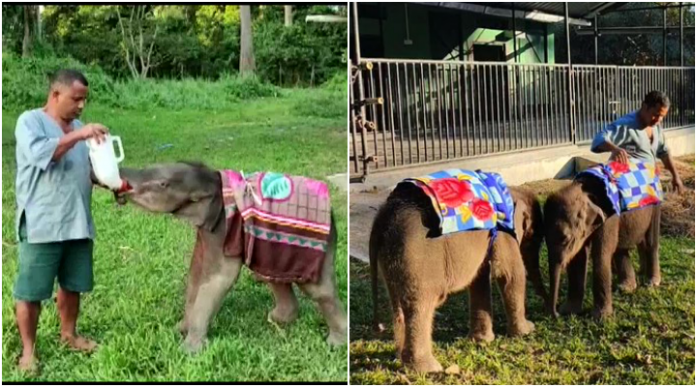
ANI today shared pictures and videos of baby elephants getting blankets and it was cuteness overload.
In Assam’s Kaziranga, baby elephants are seen covered in cute little blankets.
Baby elephants at the Centre for Wildlife Rehabilitation and Conservation wear blankets during cold spell at Kaziranga in Assam pic.twitter.com/1GveuvTNJL
— ANI (@ANI) December 22, 2021
Baby elephants at the Centre for Wildlife Rehabilitation and Conservation are seen draped in cute little blankets.
In Lucknow zoo, pythons have heaters installed in their rooms and animals are getting extra nutritious food to help them combat the cold spell, zoo officials have informed.
The images of baby elephants wrapped in cute little blankets are getting a lot of love on social media.
Lucknow zoo installs heaters as cold wave hits Uttar Pradesh
— ANI UP/Uttarakhand (@ANINewsUP) December 22, 2021
“As winter sets in, we start giving more nutrition-rich food to animals & make arrangements for them to cope up with the cold weather,” Zoo’s Deputy Director Utkarsh Shukla said on Tuesday pic.twitter.com/aeWP58RgyI
A village near the Wildlife SOS Conservation and Care Centre in Mathura, Uttar Pradesh was earlier in the news because the women weave blankets for the jumbo giants. The centre cares for formerly abused and rescued animals and the women of the village weave blankets and jumpers for the gentle giants to protect them from cold.


