

A Trinamool Congress (TMC) MLA has stoked controversy by urging party workers to make sure that only those Bangladeshi immigrants who support the ruling TMC in West Bengal shall be placed on the voters’ list.
Notably, like other states of the country, West Bengal is also revising the draft electoral roll.
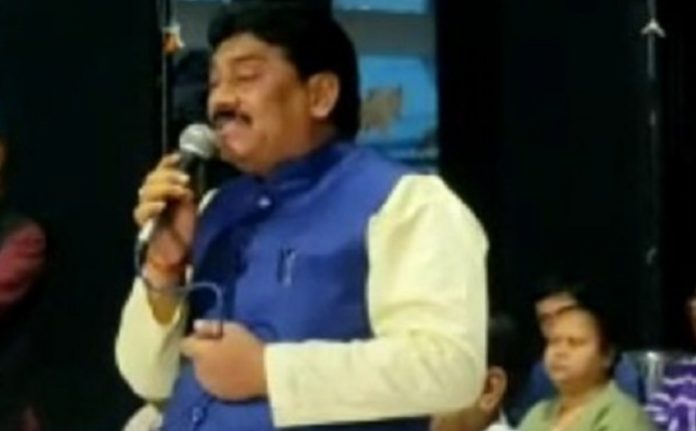
In a purported video that is doing rounds on social media, TMC leader and Bardhaman Dakshin MLA Khokan Das can be heard saying, “Many new people are coming, they all are from Bangladesh. Many of them vote for BJP due to their Hindu sentiments. Make sure that only those who support our party get placed on the voters’ list.”
The TMC MLA on Tuesday (November 15) was addressing a public gathering in Bardhaman when he made these comments.
When questioned about his controversial comments, the TMC MLA told the media, “Illegal Bangladeshi immigrants are making their way into our area every day. My message to TMC workers was to ensure that their names should not be on the voter’s list.”
BJP’s Bardhaman district spokesperson Soumyaraj Mukhopadhyay reacting to the TMC MLA’s comments said that the MLA should inform the both Central and state government about the influx of illegal Bangladeshi immigrants instead of doing party politics. “That is why we will implement Citizenship Amendment Act (CAA),” he stated.
Citizenship Amendment Act (CAA)
The Citizenship Amendment Act is a law passed by the Indian Parliament that is directed toward providing citizenship rights to people who belong to persecuted minority religion groups in the neighbouring Islamic countries of Pakistan, Bangladesh, and Afghanistan. The Act also reduces the minimum term required to stay in India before applying for citizenship by naturalization to five years instead of 11 years. Thus, the law applies to Hindus, Jains, Buddhists, Sikhs, Zoroastrians, and Christians from the specified neighbouring Islamic countries.
This Amendment adds proviso in section 2, in sub-section (1), in clause (b) in the Citizenship Act, 1955. The Proviso reads as “Provided that any person belonging to Hindu, Sikh, Buddhist, Jain, Parsi or Christian community from Afghanistan, Bangladesh or Pakistan, who entered into India on or before the 31st day of December 2014 and who has been exempted by the Central Government by or under clause (c) of sub-section (2) of section 3 of the Passport (Entry into India) Act, 1920 or from the application of the provisions of the Foreigners Act, 1946 or any rule or order made thereunder, shall not be treated as an illegal migrant for the purposes of this Act.”


