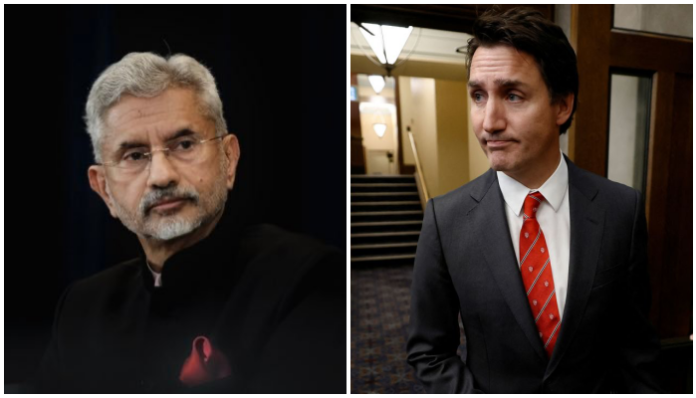
India has reportedly told Canada to withdraw dozens of diplomats from the country. According to a report shared by the Financial Times (FT), New Delhi has told Ottawa to repatriate about 40 diplomats by 10th of October. No official statement has been issued by the Indian government yet.
India has sought that Canada reduce the number of its diplomats in India by 41. Canada currently has 62 diplomats in India. The Financial Times has reportedly cited people familiar with the development saying that India has threatened to revoke the diplomatic immunity of those diplomats who stay back post 10th of October even after being told to leave.
Diplomatic ties between India and Canada suffered a jolt after Canada prematurely expelled an Indian diplomat on 19th of September following baseless allegations by Canadian Prime Minister Justin Trudeau of the involvement of Indian agents in the murder of Khalistani terrorist Hardeep Singh Nijjar.
India categorically denied the allegations by Trudeau as “absurd and motivated” while also expelling a Canadian diplomat. While back at home, Trudeau suffered severe backlash. Canada’s Five Eyes allies also refused to meddle in the matter.
Moreover, Trudeau’s allegations against India emboldened Khalistanis in Canada with terrorists like Gutpatwant Singh Pannun, chief of Sikhs For Justice (SFJ) outfit, threatening Hindus to leave Canada. Moreover, Islamist groups like the NCCM also asked the Canadian government to freeze all trade and end diplomatic ties with India.
In view of the same, India suspended visa services in Canada. India’s Ministry of External Affairs has minced no words calling Canada a “safe haven for terrorists, extremists, and organised crime”. The Indian government also said that the Canadian government had not provided any evidence whatsoever over Nijjar’s murder even as India gave specific inputs on criminals in Canada to no avail.
External Affairs Minister S Jaishankar last week said that the ongoing situation in Canada should not be regarded as normal. Addressing a press conference in Washington DC, Jaishankar said freedom of expression should not extend to incitement of violence. He was hinting at the Khalistani terror activities that have often targeted Indian embassies in Canada.
“I flagged here (in the US), and I flagged this to the Canadians as well. We are a democracy. We don’t need to learn from other people what freedom of speech is about, but we can tell people this, we don’t think freedom of speech extends to incitement to violence. That to us, is the misuse of freedom, that’s not defence of freedom,” the EAM reportedly said.