

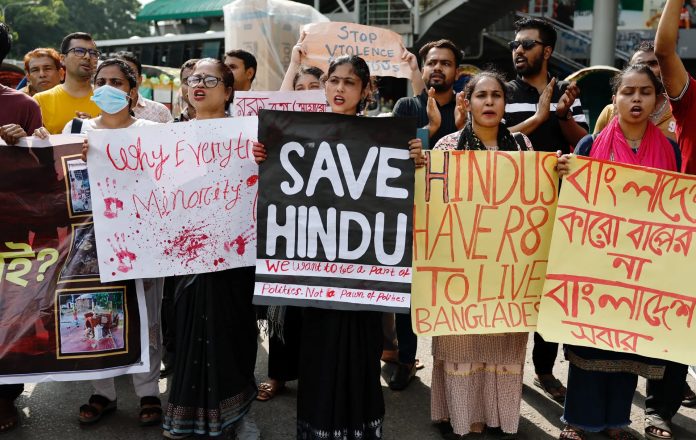
India has formally raised hundreds of cases of targeted violence against minorities in Pakistan and thousands more in Bangladesh over the past three years, the government told Parliament, underlining concerns about worsening sectarian and communal hostility in the neighbourhood.
Concerns raised with Pakistan
Minister of State for External Affairs Kirti Vardhan Singh informed the Rajya Sabha that New Delhi had raised at least 334 major incidents of violence against minorities with Islamabad since 2021. India has pressed Pakistan to fulfil its constitutional obligations towards minority citizens and curb sectarian violence, religious intolerance and prejudice. Singh added that India had also drawn attention to these issues at the United Nations Human Rights Council in Geneva.
International pressure on Pakistan has also mounted. In July, UN human rights experts issued a sharp rebuke, urging Islamabad to prevent extrajudicial killings, arbitrary arrests, and attacks on places of worship. The experts said minorities, particularly Ahmadis, faced “relentless attacks, killings and unending harassment” amid an environment of hostility and hate advocacy. They accused Pakistan of tacit complicity, arguing that impunity has emboldened perpetrators.
Mounting violence in Bangladesh
Singh further stated that at least 3,582 incidents of violence against Hindus and other minorities had been reported in Bangladesh since 2021. He said India has raised its concerns at the highest levels, urging Dhaka to ensure the safety and welfare of minorities.
Human Rights Watch has noted that Bangladesh’s interim government under Nobel laureate Mohammed Yunus is struggling to deliver on promised reforms a year after Sheikh Hasina’s fall. Reports highlight arbitrary detentions, politically motivated arrests, and persisting attacks on minorities, including a mob attack that damaged 14 Hindu homes in Rangpur in July. In the Chittagong Hill Tracts, targeted violence continues despite official commitments.
The watchdog pointed out that while Dhaka has ratified international conventions and set up reform commissions, accountability for past abuses remains slow, with entrenched resistance from security forces.
India’s position on protection of minorities
Singh stressed that India continues to remind neighbouring governments that it is their primary responsibility to safeguard the lives, liberty, and rights of all their citizens, including those from minority communities. He reiterated that New Delhi expects concrete action to ensure protection and dignity for vulnerable groups across the region.


