

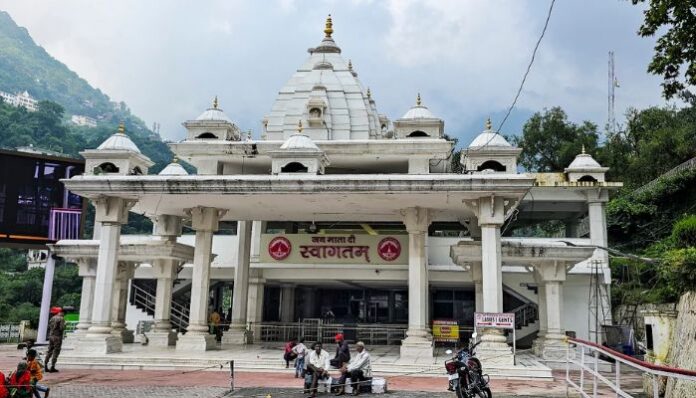
A massive discrepancy has come to light in the silver offerings made by devotees at the Mata Vaishno Devi Shrine, raising serious concerns about the authenticity of items being sold in the temple’s vicinity. According to a report by The Economic Times, a large portion of what devotees believed to be silver has turned out to be mostly low-value and even toxic metals.
Shocking findings at the government mint
The issue surfaced when the Shri Mata Vaishno Devi Shrine Board sent around 20 tonnes of accumulated offerings to a government mint for melting and storage. Officials conducting the assay were surprised to find that the metal contained only about 5-6% actual silver.
Instead of pure silver, the remaining composition was largely cadmium and iron. While silver currently trades at around Rs 2,75,000 per kilogram, cadmium is worth only Rs 400-500 per kilogram, making the offerings far less valuable than expected.
Based on earlier estimates, the shrine board was hoping to recover silver worth nearly Rs 500-550 crore from these donations. However, with the low silver content now confirmed, the actual value may be closer to just Rs 30 crore.
In one specific instance, a batch of about 70 kg of offerings yielded only 3 kg of genuine silver. Mint officials had to spend nearly three months separating usable metal from the rest, highlighting how deep the problem runs.
Health risks and processing challenges
The presence of cadmium has made the situation more serious. This metal is not only cheap but also hazardous. It is banned in consumer goods under Bureau of Indian Standards (BIS) norms due to the harmful fumes it releases, which are known to be carcinogenic.
Mint officials initially refused to process the material because of these risks. Only after putting safety measures in place and arranging specialised equipment were they able to proceed. Even then, identifying higher silver content required advanced handheld devices costing around Rs 25 lakh.
Officials also pointed out that handling such contaminated material poses risks not just to workers but also to the environment, including air and water pollution.
No action taken so far
Despite repeated warnings, there has been no documented action from authorities. The mint has formally raised the issue several times over the past year, including writing to the office of Manoj Sinha and the shrine board.
In its communication, the mint clearly stated that such practices are unfair to devotees who purchase these items in good faith, unaware that they contain harmful and low-value metals. It also stressed the urgent need to stop the production and sale of such adulterated silver articles.
However, as of now, neither the Lieutenant Governor’s office nor the shrine board has publicly responded or taken visible steps to address the issue.
Possible source of fake silver
What makes the situation even more concerning is that no similar contamination has been reported at other major temples in India, such as Tirupati, Siddhivinayak, Guruvayur Devaswom, or Srikalahasti.
This has led to a strong suspicion that the problem may lie with local jewellers and vendors operating around the Vaishno Devi pilgrimage route. These shops are believed to be selling items that look like silver but are actually made from cheaper substitutes like cadmium.
Since cadmium closely resembles silver in appearance, it becomes difficult for ordinary buyers to tell the difference. This puts millions of devotees at risk of being misled every year.
Devotees unaware of reality
Every year, lakhs of pilgrims climb the Trikuta hills carrying coins, ornaments, and other items as offerings to the goddess. For most, this is an act of deep faith and devotion. However, the latest findings suggest that many of these offerings are not what they seem.
The discovery not only questions the quality of items being sold but also raises broader concerns about trust and regulation in religious marketplaces. With the mint repeatedly flagging the issue and highlighting both financial and health risks, the lack of action so far has only added to the urgency of the matter.


