Home Blog Page 4543

Govt removes safety net that allowed platforms like Twitter to not take responsibility for their misuse, officials can be penalised

Government of India today released the guidelines for regulating social media and OTT platforms in the country. The guidelines spell various responsibilities for the social media platforms and OTT content hosts, with additional responsibilities for major social media sites.

One of the most significant provision of these guidelines is that if the social media platforms don’t comply with the provisions prescribed in the guidelines, this will attract penal provisions as per the Information Technology Act. The new guidelines say that the social media intermediaries must follow the due diligence mentioned in it, and if any intermediary does not follow the due diligence, the safe harbour provisions will not apply to them.

The section 79 of the Information Technology Act defines this safe harbour, which basically makes them not liable for any content posted by users on their platforms. It says that an intermediary shall not be liable for any third-party information, data, or communication link made available or hosted by them, provided they themselves didn’t initiate such communication, and observes due diligence under the IT act.

Now these due diligences to be observed by the social media companies have been defined in the new guidelines. It includes various measures they have to perform, like identifying the first originator of any information that appears on social media, not allowing content that is defamatory, obscene, pornographic, paedophilic, inciting violence, against national integrity, misleading, false etc. The platforms also have to remove any such content withing 36 hours of receiving a court order or a government direction to remove such content.

According to the guidelines, if the social media sites allow such objectionable content to be hosted on their platforms, and don’t remove them even after receiving such orders from courts or government, it will mean that they are not observing due diligence. As a consequence, they will lose the safe harbour in the IT Act that isolates them from content posted on their platforms.

This means, if the social media companies do not comply with the guidelines published today, they will be held responsible for any content which is not allowed as per the guidelines. And, the officials of the social media companies will be liable to be prosecuted for such content. This implies that the social media officials will also be punished according to the nature of the offence, which are defined in the IT Act for various kinds of offences. The punishment defined in the act includes imprisonment for three years for most offences, but life imprisonment for some like cyber terrorism, and also includes fines of various amounts.

This will change how the social media behemoths behave currently, as they often give their own rules and regulations more importance over the law of the land where they operate and often ignore government orders. Recently, Twitter had refused to remove several objectionable posts despite asked by the government of India, and such incidents happen all over the world. But now with the new guidelines, social officials of social media sites can be arrested if they don’t comply with court and government orders.

Central govt opposes petition to allow same-sex marriage under Hindu Marriage Act, seeks dismissal of petitions: Read details

The central government has opposed a petition to legalise same-sex marriage under the Hindu Marriage Act, as moved in Delhi Court. There is no fundamental right to seek recognition for same-sex marriage, Centre tells Delhi High Court.

According to reports, the central government has contended that the Indian family concept and legislative intent recognises a union only between a biological man and a biological woman. Thus, it has demanded that the plea moved by Abhijeet Iyer and others be dismissed.

According to Hindustan Times journalist, the Central government has said that while a marriage may be between two private individuals having a profound impact on their private lives, it cannot be relegated to merely a concept within the domain of privacy of an individual. Further, the government contended that a two people living together and having a sexual relationship cannot be considered comparable to the with the Indian family unit concept.

Saying that the family concept entails a husband, wife and children, it necessitates that the marriage be between a biological man and a biological woman, the central government asked for the petition to be dismissed.

The Central government further said that “In our country, despite statutory recognition of the relationship of marriage between a biological man and a biological woman, marriage necessarily depends upon age-old customs, rituals, practices, cultural ethos and societal values”.

Saying that social morality also needs to be a consideration while talking about the validity of legislation, the central government contended that it is for legislature to judge and enforce such social morality and public acceptance based on Indian ethos.

The petition by Abhijeet Iyer Mitra, Gopi Shankar M, Giti Thadani and G Oorvasi to legalise same-sex marriage under the Hindu law

In September 2020, a petition was filed in the Delhi High Court seeking the recognition of same-sex marriages under the Hindu Marriage Act. The petition was filed by Abhijit Iyer Mitra, Gopi Shankar M, Giti Thadani and G Oorvasi and the matter was heard by Chief Justice DN Patel and Justice Prateek Jalan. The petitioners claimed that the Hindu Marriage Act permits any two Hindus to solemnise their marriage and therefore, homosexuals should also have the right to marry and have their marriages recognised.

“That it is further submitted that despite the fact that there is absolutely no statutory bar under the Hindu Marriage Act of 1955 and the Special Marriage Act of 1956 against gay marriage, the same are not being registered throughout the country and also in Delhi,” the plea claims. “As a result of the same, there are many benefits that would otherwise be available to heterosexual married couples that are not available to them,” it stated.

The claim that Act does not mandate that marriage is between a man and a woman appears to be unfounded. Section 5(iii) clearly mentions that a marriage between two Hindus can be solemnised if the groom is 21 years old and the bride is 18 years old at the minimum. It is a clear indication that the Act recognises marriage only between a man and a woman.

“That Right to Marry is also stated under Human Rights Charter within the meaning of the right to start a family. The Right to Marry is a universal right and it is available to everyone irrespective of their sexual orientation and gender identity,” it added. The petition also argued that denial of the Right to Marry is in violation of the Right to Equality and Right to Life as guaranteed by the Indian Constitution.

The central government had earlier opposed the petition as well

On the 14th of September, at the first hearing of the petition, Solicitor General Tushar Mehta, appearing for the central government, said that he opposed the petition. He argued that homosexual marriages are not recognised by our laws and culture. He said that the Hindu Marriage Act itself does not recognise same-sex marriages. As per law, marriage is only between a husband and a wife’.

The Court had responded saying that the government has to look at the matter at hand with an open mind and not the position as stated by a law saying that changes are happening across the world. SG Tushar Mehta, however, maintained that the petition does not even deserve the filing of an affidavit.

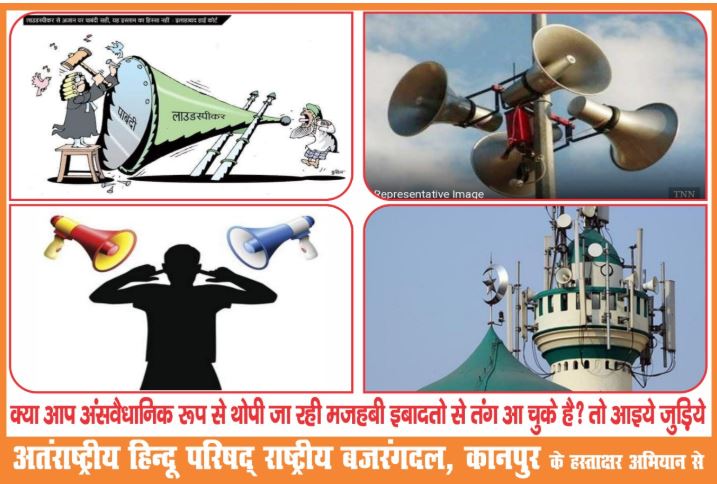
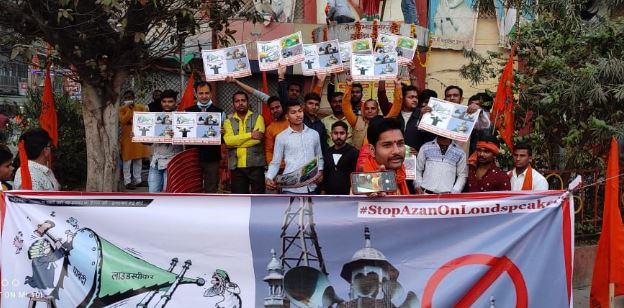
Exclusive: Bajrang Dal in Kanpur starts a signature campaign against the usage of loudspeakers during Azaan

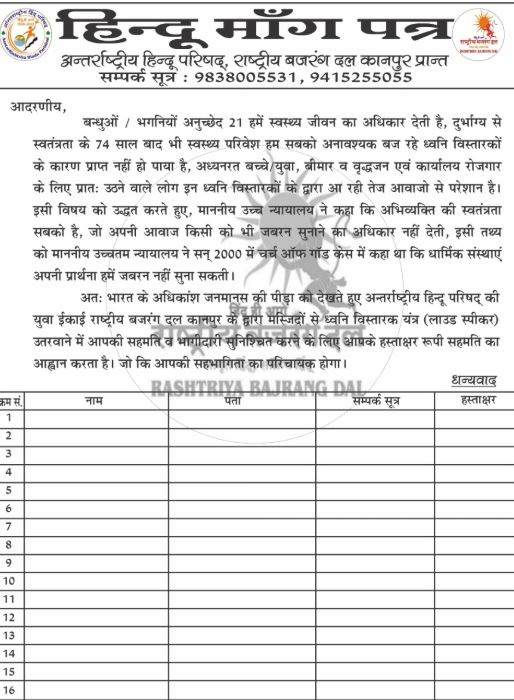
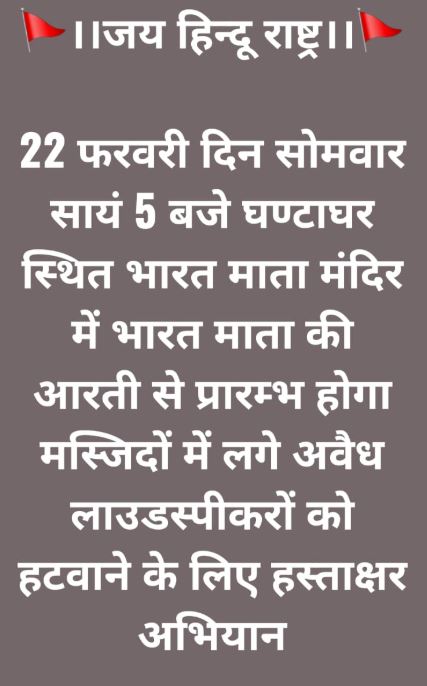
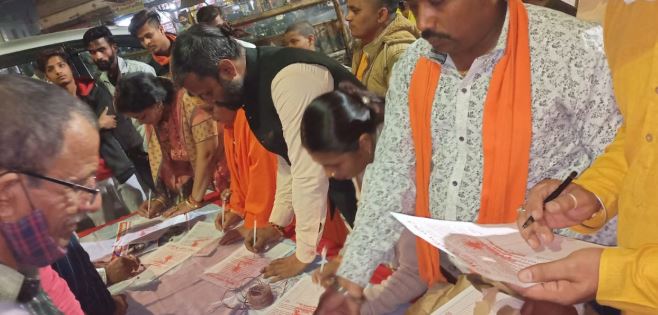
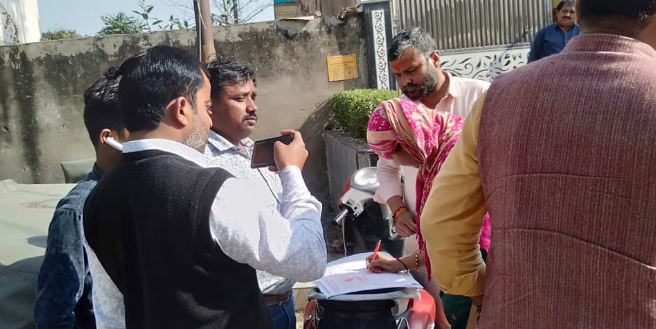
Hindu outfits led by Rashtriya Bajrang Dal have initiated a signature campaign in Kanpur, Uttar Pradesh, against mosques blaring loudspeakers during Azaan. The campaign, which kickstarted on February 22, 2021, aims to garner the support of 1 lakh people in Kanpur. For this, the organisation plans to gather signatures of 1 lakh people in Kanpur and submit the memorandum to the President of India for his perusal.

Bajrang Dal’s signature campaign

Speaking to OpIndia, Rashtriya Bajrang Dal General Secretary Ramji Tiwari said that the campaign was kickstarted on February 22 from the Bharat Mata Temple, situated near the Ghanta Ghar in Kanpur, where the members of the Hindu outfit spoke on the inconvenience this practice causes to the people residing in those areas where mosques use blaring loudspeakers for the call to prayer (Azaan).

Bajrang Dal’s campaign against mosque loudspeakers

Miffed by the fact that the mosques in Kanpur are not abiding by the Allahabad High Court order that ruled against the use of loudspeakers during Azaan, Ramji Tiwari said that the mosques in different areas of the city continue to arbitrarily use loudspeakers while reciting Azaan (call for Muslims to pray), five times every day, causing inconvenience to the public. So the Hindu organisation has taken up the initiative to raise awareness and put a stop to this practice. Tiwari furthered that the outfit aims to submit a memorandum to the President of India signed by 1 lakh people from Kanpur apprising him about the issue.

Bajrang Dal’s campaign in Kanpur against loudspeakers

Meanwhile, a Kanpur based lawyer took to Twitter to apprise that she is initiating legal proceedings to remove loudspeakers from mosques.

However, a Muslim cleric said that the campaign is unnecessary and is being done to divert people’s attention and benefit a particular party. He also said that the Constitution gives them the right to play Azaan at the mosque, and “no one can stop it”. It is notable here that no group is asking to stop Azans and the Bajrang Dal’s campaign is only against the usage of loudspeakers.

In May last year, the Allahabad High Court ruled that while reciting Azaan (call for Muslims to pray) by a Muezzin from a Masjid is integral to Islam, the use of sound-amplifying devices such as loudspeakers are not. The Court held that usage of such devices for ‘Islamic call to prayer’ is not protected under Article 25 (Right to Freedom of Religion) of the Indian Constitution.

The bench had said that there was no mention on use of loudspeakers for any prayer call in any religious books adding that the top priority of the HC was to ensure that law is in place to maintain the harmony of the society. The bench observed that there is no need for evangelism in society. However, it was necessary to maintain social cohesion and harmony.   

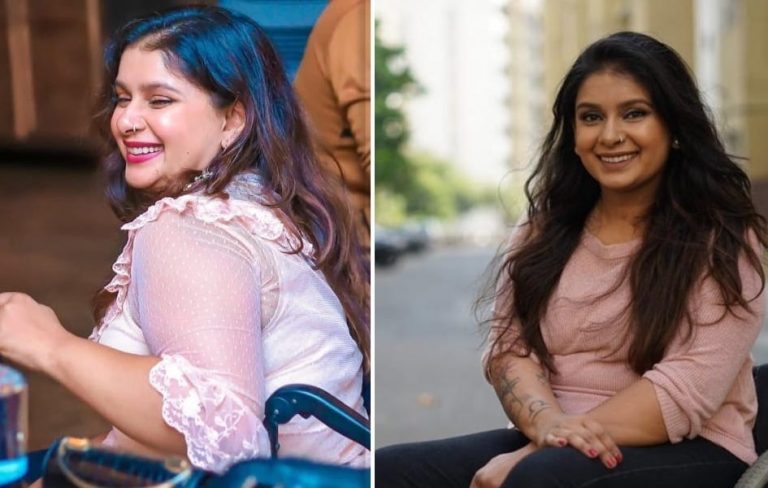
How disability rights activist Virali Modi came back from the dead thrice and went on to inspire millions over the years

15 years ago my life changed. I was an ordinary teenager, living my life and trying to understand the world. When suddenly a trip to Mumbai changed my life, leaving me disabled, and once again, trying to figure out the world.

I was born in Mumbai and raised in America for most of my life. I was a bright student, a dancer, and incredibly active in sports. During the summer of 2006, I decided to visit my relatives in Mumbai. I took an excruciatingly long plane ride in July and spent an amazing month with my family. Little did I know, that amazing month was going to be followed by the most difficult time in my life.

After returning to the states, I came down with a fever. After many visits to the doctor, I ended up in the emergency room. Surprisingly, all of the tests were inconclusive and I was sent home with another dose of Paracetamol. The next morning my mom woke me up and I started hallucinating. I couldn’t recognise my mother, I legitimately thought she was trying to kidnap me. After 5 minutes, I went back to sleep, and upon waking up, I was normal. No more hallucinations.

As soon as I got up to go to the washroom, I started limping. I wasn’t able to walk properly anymore, and suddenly I realised that I couldn’t pass urine either. I was rushed to the hospital where they did an MRI, they suspected that there was a shadow in the cervical region of my spine and performed a spinal tap.

I was taken into the testing room, laying on my side, while the doctor inserted a needle into my lower back, extracting the fluid that surrounds the spinal cord. As soon as I was laying on my back, I had a violent seizure that lasted for thirty seconds, resulting in dangerous levels of blood pressure, causing me to vomit. I aspirated and half of the vomit went into my lungs, causing respiratory arrest. I lost the ability to breathe and I went into cardiac arrest. I was declared dead for 7 minutes, while the doctors tried to revitalise me. Finally, after getting a minuscule pulse, I was transferred to the ICU. Unfortunately, I was put on a ventilator because they weren’t able to stabilise my breathing.

The next day the doctors performed another spinal tap, after which, I went into a coma for 23 days. Those 23 days were the most testing times for my parents, more than me. I was declared dead, two more times, in a matter of three and a half weeks. Once, I lost so much blood that my hemoglobin went below 4, another time my body temperature went below 32 degrees Celcius (90 degrees Fahrenheit). To this date, the doctors are clueless as to my diagnosis.

On the 21st of September, the doctors had a meeting with my parents. They wanted consent to pull the plug on my ventilator, they wanted to end my life because there weren’t any signs of hope. My mother begged for them to keep me alive because my 15th birthday was coming in 8 days. After convincing them and getting permission from the Dean of Medicine, my parents threw a huge birthday party for me on the 29th of September. All of my family members had come because despite getting permission from the Dean of Medicine, there was a condition. If I didn’t show any signs of hope on my birthday, the doctors would switch off my ventilator at midnight on the 30th of September. My mother agreed and signed the consent form, which is a metaphor for my death certificate.

On my birthday at 3:05 pm, the exact time of my birth, my family surrounded my bed singing Happy Birthday. My dad took my hand and as soon as I cut the cake, I opened my eyes, on my birthday, at the exact time that I was born. It was indeed a miracle! You can call it a rebirth if you must.

I didn’t know why I was in the hospital and I certainly didn’t know that I was disabled. When I found out about everything, I was beyond shocked, but what shocked me, even more, was that I was paralysed from the neck down. I was also on steroids for the inflammation of my spine, which caused immense weight gain.

I suffered from depression, anxiety, and panic attacks after I tried contacting my friends when I was discharged from the hospital. I was told that I was a burden because I was technically a vegetable. My self-esteem and confidence were shot, I even tried committing suicide, twice. Of course, I survived and I underwent many sessions of therapy and counseling. My parents helped me understand the true meaning of self-love, and of course, I practiced it and I continue to practice it.

In 2008, I shifted to India where I had the worst experience due to inaccessibility. While traveling on an expressway train, I was molested by the porters due to the inaccessibility. This happened three times, in the years 2008, 2011, and 2013. I never raised my voice nor did I ever say anything, not because of shame, but because no one would believe me.

In 2014, I won second place in the Miss Wheelchair India pageant, which gave me hope and courage to pursue modeling and acting. After being shot down by many casting directors due to my disability, I decided to put my dreams on the back burner and started working on myself and increasing my strength.

I had always struggled with weight due to the steroids that I was prescribed. I took them for two years, but I never let my weight come in the way. I decided to start working on my mobility, becoming as independent as possible and raising my voice for disability rights.

After three years, I started my campaign called #MyTrainToo, which focuses on the inaccessibility within the Indian Railways. My petition online has over 6 lakh signatures to this date. With a railway official, we made 9 railway stations in India totally wheelchair accessible, without any renovations. This landed me in BBC 100 Women, I became a TEDx speaker, I’ve won countless awards, and I became a motivational speaker. I also had the wonderful opportunity to model with Salman Khan for Being Human, I shot a print ad for Big Bazaar, and was the show stopper for Bombay Times Fashion Week, FBB, and Jewels Of India.

I was so busy in my career that I didn’t focus on my health, wellness, and what I was putting into my body. I gained so much weight over the years that I found it difficult to even begin. I did join the gym but I wasn’t seeing results, which left me demotivated.During the lockdown, I decided to focus on my health and wellness. I initially started doing IF and Keto, I did see results but it wasn’t a sustainable regimen for me. Then suddenly, one day my neighbour told me about Fittr and that’s when I decided to join the group and see what the fuss was all about.

I was surprised when I saw all of the transformations! I desperately wanted to be one of them. I posted a query on Fittr about losing belly fat (my biggest problem area due to my disability), where I was introduced to Hitesh sir. To be very honest, initially, I was a bit scared of the program. It seemed so intense, measuring out your portions to the T. It seemed overwhelming. Once I got the hang of it, it became easier and now it doesn’t seem like that big of a deal.

Once I started seeing the difference in centimeters, my clothes feeling looser, people who would comment on my weight were now commenting on my weight loss. It was an overwhelming feeling, I was emotional, really emotional.

Those steroids that I took 15 years ago, wreaked havoc on my body. Before my disability, I was 52 kilos, the steroids took my weight up to 90 kilos, and before I started training under Hitesh sir I was 67 kilos. It’s difficult to weigh myself, but I know I’ve lost weight because I’m in desperate need of a wardrobe change. This is still the beginning, I’m not anywhere near my goal and until then I have to keep pushing on and becoming the best version of myself.

I am so grateful to Hitesh sir, JC sir, Fittr, this group, and all of its wonderful participants. Thank you for making me feel so welcome and encouraging me to continue my fitness and wellness journey.

And as my mentor says – lehro se darr kar nauka paar nhi hoti, koshish karne walo ki kabhi haar nahi hoti.

Note: The article was originally published in a private Facebook group FITTR and by Virali’s mentor Hitesh Vaishnav.


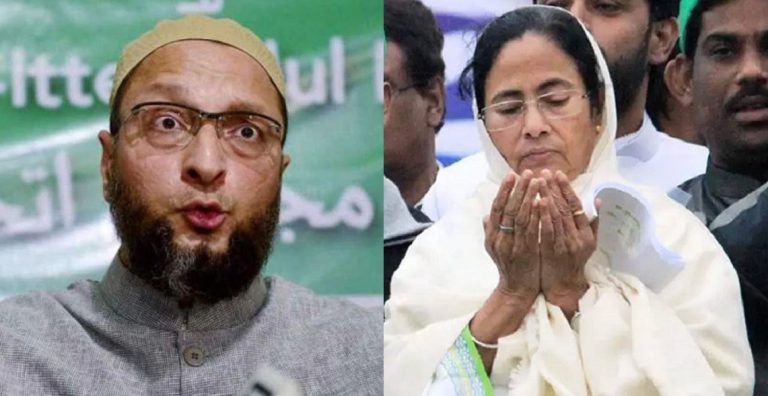
As Mamata Banerjee and Asaduddin Owaisi fight over Muslim votes in West Bengal, state police deny permission for the first rally of AIMIM

With the Assembly elections nearing, more drama unfolds in the poll-bound West Bengal. The anxious Mamata Banerjee has been trying her best to keep her political opponents at bay. Days after trying to debar BJP’s ‘Parivartan Yatra’ in West Bengal’s Murshidabad, the West Bengal police, working at the behest of the Mamata Banerjee government, has denied permission to the firebrand Hyderabad MP Asaduddin Owaisi led AIMIM to carry out his election rally in the minority-dominated Metiabruz area of Kolkata.

According to reports, Asaduddin Owaisi’s All India Majlis-e-Ittehadul Muslimeen (AIMIM) had to cancel its very first rally in Kolkata, scheduled to be held on 25th February (Thursday), after Kolkata police denied permission for it. AIMIM’s state secretary Zameerul Hasan claimed the police did not give them permission for the rally. 

“We had applied 10 days back for permission. But today we were informed by the police that they will not permit us to hold the rally. We can’t be cowed down by such tactics of the ruling TMC. We will discuss and soon announce a fresh date for a programme,” Hasan was quoted as saying on Wednesday.

It is being said that Owisi’s party, which was to kick off the party’s campaign ahead of the West Bengal assembly elections with this rally had made all the required preparations for today including putting up posters for the planned event. The party said that it had applied for permission for this rally almost 10 days back, but last moment, the efforts were impeded by the state police.

Interestingly, while Asaduddin Owaisi’s All India Majlis-e-Ittehadul Muslimeen (AIMIM) has pinned the blame on the state police, TMC has denied any involvement in the cancellation of the rally.

For the uninitiated, West Bengal’s Home Department, which discharges multifarious responsibilities, one of them being the management of police forces in the state, in headed by none other than the West Bengal CM Mamata Banerjee. Considering this, it is a little incomprehensible how TMC has claimed of not having a hand in the cancellation of the event.

Mamata Banerjee and Asaduddin Owaisi locked in a war for Muslim votes

Despite the state government’s denial, this move comes as no surprise. Anyone who has been following the politics in West Bengal closely is aware that Mamata Banerjee’s Trinamool Congress party and Hyderabad MP Asaduddin Owaisi’s AIMIM have been locked in a battle for Muslim votes in Bengal, and this denial of permission can be seen as TMC trying to preserve its Muslim vote bank.

It may be recalled how Mamata Banerjee had launched a scathing attack at Owaisi after the latter announced to enter the electoral fray in the state. She had accused AIMIM of being under the payroll of BJP, saying that they were indirectly helping BJP by dividing the Muslim votes. However, responding to the allegations of Mamata Banerjee, Asaduddin Owaisi had lambasted her by saying that he cannot be bought for money.

Actually, the fact is that Mamata Banerjee has spent a lot of her time, energy and political capital on her Muslim vote bank. Probably, like her previous two terms, this time too, Mamata Banerjee had been confident of capitalising on the communal vote bank to regain power in the state. Now, Mamata Banerjee faces a catch 22 situation. On one side, Asaduddin Owaisi is threatening to capture her Muslim vote bank while on the other, the Hindus have already consolidated behind the BJP due to her continuous Muslim appeasement. In such a precarious situation, it is only just that the unnerved Mamata Banerjee wants at least Owaisi to not enter the electoral fray of West Bengal.

Netizens hail Mamata Banerjee for inadvertently highlighting PM Modi’s focus on use of renewable source of energy by riding an e-scooter

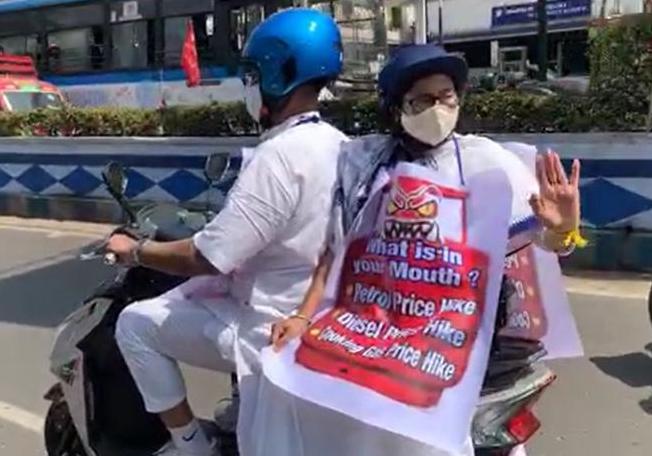
West Bengal Chief Minister Mamata Banerjee on Thursday travelled on an e-scooter in Kolkata to protest against the rising fuel prices.

However, considering electric scooters are a better, environment friendly alternative to conventional fuel-based vehicles which depend on petroleum, many netizens were amused at the strange form of protest.

Prime Minister Modi and Union Minister Nitin Gadkari have been betting big on the electronic vehicle market. Recently, electric car giant Tesla also opened up an office in Bengaluru earlier this year.

Some even suggested what would have been the correct way to protest against rising fuel prices.

Some hoped that people follow CM Banerjee’s footsteps and switch to electric vehicles to save fuel as well as money.

Others also used this opportune time to seek justice for Sushant Singh Rajput, the Bollywood actor who died under mysterious circumstances in 2020.

As the election fever grips Bengal, political parties have upped their ante. Earlier today, the West Bengal police denied permission to AIMIM’s Asaduddin Owaisi to hold a rally. It is believed that Mamata Banerjee is afraid that AIMIM’s entry into Bengal politics will eat away the Muslim vote bank for TMC.

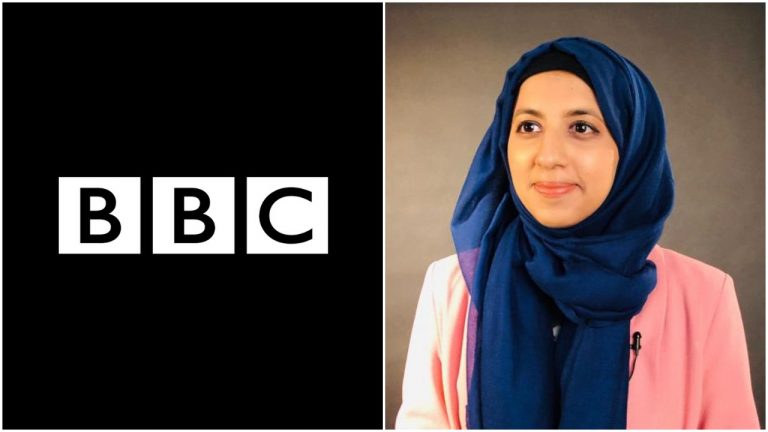
UK: BBC criticised for ‘hostile’ interview of Zara Mohammed, the first female leader of British Muslim Council

More than 100 ‘prominent’ women in Britain have written an open letter to the BBC criticising the BBC Radio 4 Woman’s Hour for their “strikingly hostile” interview with Zara Mohammed, the first woman to lead the Muslim Council of Britain (MCB).

According to the reports, Zara Mohammed had appeared as a guest on Radio 4’s Woman’s Hour programme. In the interview, the host Emma Barnett had confronted MCB leader Mohammed on various issues of Islam, including the number of female imams in the country.

The Muslim Council of Britain is a national umbrella body representing over 500 Muslim organisations. In January, the 29-year-old Mohammed, who works as a training and development consultant from Glasgow, was appointed as the controversial Islamic organisation’s first female leader.

The interview has now given rise to a fresh controversy after several ‘prominent’ women of the United Kingdom, especially from the Muslim community, have expressed their discontent over the tone of the BBC radio show.

Conservative party leader Sayeeda Warsi, the Labour MPs Diane Abbott and Naz Shah, comedian Deborah Frances-White and many other women have taken offence to the interview and shot a letter to the BBC accusing the host of “persistently” asking how many female imams there are in Britain.

It labelled the interview with Zara Mohammed, the first female leader of the Muslim Council of Britain, as ‘strikingly hostile’ and called for a greater representation of Muslims within the BBC.

“Despite Mohammed’s repeated claims that religious adjudication was not within the parameters of her role leading a civil society organisation, Barnett asked the question about female imams four times, each time interrupting Mohammed’s answer,” the letter said.

Radio show was in the tone of accountability interview, says open letter

The women collective accused show host Barnett of interrupting Mohammed’s answer and claimed that the segment ‘mirrored the style and tone of an accountability interview with a politician, rather than authentically recognising and engaging in what this represented for British Muslim women’.

“The framing of the interview and clipping up of the ‘female imam’ segment for social media mirrored the style and tone of an accountability interview with a politician, rather than authentically recognising and engaging in what this represented for British Muslim women. Moreover, the false equivalence between imams with rabbis and priests in a religion that has no clergy reflected a basic lack of religious literacy needed for authentic engagement with British Muslim communities,” read the letter.

The letter’s signatories also criticised BBC for the lack of representation of Muslims within the media network. The open letter said part of the problem was that Muslim voices were “underrepresented at every level” within the BBC, especially in the production arm BBC Studios.

In addition to the open letter, the BBC has also received 564 complaints against the interview, as per reports.

BBC to ‘reflect on’ controversial Woman’s Hour interview 

Following the controversy, the BBC has released a statement saying that they will “reflect on” the concerns raised in the open letter against Zara Mohammed’s interview.

Defending the show, the BBC also added that Woman’s Hour host Emma Barnett asked a Muslim leader about “legitimate” issues. The show said it would “think hard” about reflecting Muslim women in their upcoming shows.

Director-General of the BBC – Tim Davie said he agreed with the programme’s response to the letter and that the BBC has “a responsibility to explore and debate issues within all communities”.

In a statement on Friday, the BBC said, “While we appreciate that people can sometimes have very differing responses to our live interviews and discussions, we believe it was legitimate for the programme to seek to explore some of the issues facing Muslims in the UK. Woman’s Hour however has always been a programme that listens to feedback and learns from the responses we receive; we will reflect on the issues and concerns you raise in this open letter.”

Further, the statement said that the show would commit to returning to this on-air soon and to deepen our engagement with the issues that matter most to Muslim women, as well as to look at representation across Woman’s Hour as part of the BBC’s plans to reflect the society they serve more accurately.

Davie also invited the writers of the letter, asking them to meet with some senior colleagues at the BBC to speak on the issues that they had raised in their letter.

Delhi Riots Chargesheet: Police use animation to show how rioters had destroyed CCTV cameras in a 3 km radius as per pre-planned strategy

0

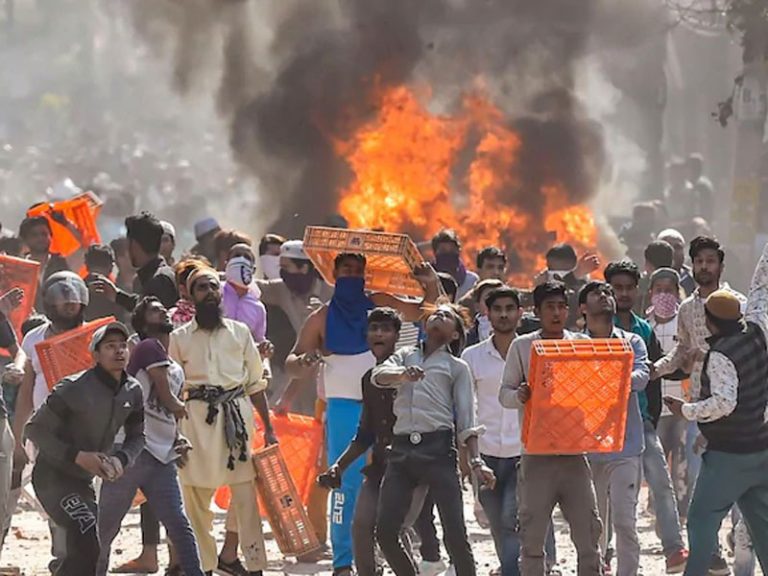
In a supplementary charge sheet filed in the case of conspiracy behind the anti-Hindu riots in northeast Delhi last year, Delhi Police has used animation to explain the chronology of events and present evidence. The artificial intelligence-aided animation shows how a group of rioters allegedly destroyed the evidence systematically during the violence that erupted in the last week of February 2020. 

Cops analysed CCTV footage from three dozen cameras

As per the sources, Delhi Police obtained and analysed footage from around three dozen CCTV cameras covering the 3-KM region around Jafrabad. Police found that a set of rioters who were armed with sticks started from Chand Bagh and slowly moved across areas in Mustafabad. They kept vandalising the CCTV cameras on their way.

The retrieved footage showed how they changed the direction of some cameras while they broke the others. On some cameras, they put a piece of cloth to cover their tracks. As per the Police report, the violence erupted in these areas soon after all the cameras were covered or destroyed.

As per TOI sources, the movement of the rioters was not a random one. They moved systematically. A source said, “The footage from CCTV cameras falling on the route from where the rioting crowd passed were mapped for this exercise. It was not a random movement. They moved forward in a very systematic manner, waiting for the cameras to be made dysfunctional.”

In the charge sheet, the police alleged that the systematic way with which the rioters moved proves that they know the exact location of the CCTV cameras. It is not possible to vandalise all cameras with such precision without any plan. For such precise action, there must be weeks worth of planning behind the violence. The police said, “It was not violence that happened at the spur of the moment. Vandalising cameras at a spot is another thing, but to be aware of every camera across a 3km radius requires time and planning. A proper recce over days would have made this possible,” the police have claimed.

So far, Delhi Police has filed three charge sheets in the case under investigation by the special cell. It includes cases against the alleged key conspirators of the riots, including former AAP councillor Tahir Hussain, former student union leaders Umar Khalid and Sharjeel Imam.

OpIndia’s investigation report on the chronology of events

OpIndia published a report on the chronology of events that took place since December 2019, leading to the anti-Hindu riots in February 2020. It is available as an ebook on Kindle. You can check it here.

‘Even toddlers in UP call people with red caps as goons’: CM Yogi tells Samajwadi Party

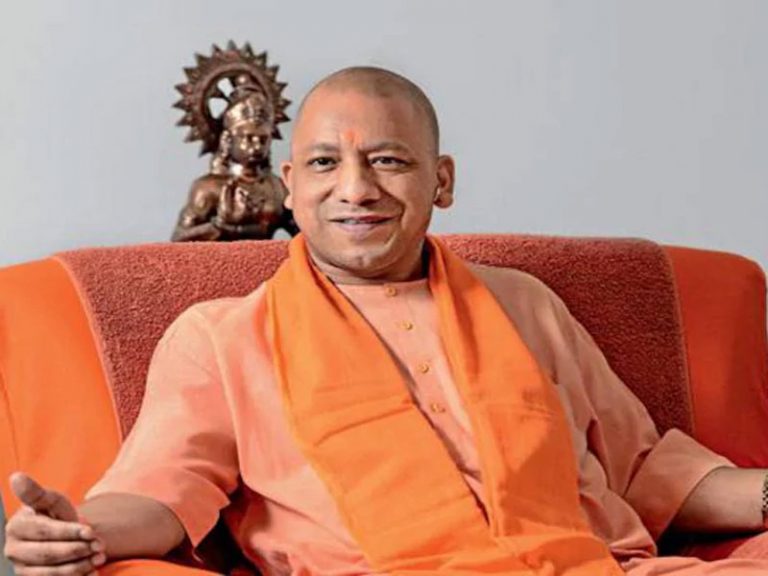
On February 24, Uttar Pradesh Chief Minister Yogi Adityanath took a jibe on Samajwadi Party during the UP Assembly budget session. CM Yogi said that the leader of the opposition Ram Govind Chaudhary is a simple person, but he often loses track because of his involvement with the wrong party. Taking a jibe at the ‘Red Caps’ (wore by Samajwadi Party leaders), he said that the Assembly should not become a drama party. He asked if the members of different parties wear caps at their homes as well.

CM Yogi further shared a story of his visit to a basic school for a program where some people came to oppose him. He said, on seeing them, a two and a half-year-old child said, “Mummy, mummy look! Goons!” He further said that if someone had come wearing a turban or a safa, he would have welcomed him as it looks pleasing. The drama of wearing caps need to stop, he added.

When Samajwadi Party MLAs started creating a ruckus after CM Yogi’s statement, he said he did not take anyone’s name. “It is like a straw in the beard of a thief. I did not take any name. Why are you creating a ruckus in the house?” he asked.

Highlighting the former government’s association with mafias and criminals, CM Yogi stated that the former government used to take pride in placing criminals and mafias beside them. It used to instil a sense of fear in the psyche of the people. Perhaps the same association has made even children link the caps to goons.

CM Yogi asked SP leaders that the public wants to know why the leaders of the opposition party want to help mafias and criminals. He asserted that under his government, mafias, land grabbers and kidnappers have no place in society.

Ram Mandir is a national pride

CM Yogi said that the construction of the Bhavya Ram Mandir in Ayodhya commenced on August 5, 2020. There was nothing wrong in mentioning the achievement in the Governor’s address. “It is a matter of pride for the country. The world adopted Ram, and some people still feel the name Ram is hostile. Do you remember what demons of that time used to do?”

UP government’s COVID management was praised by WHO

CM Yogi said that UP had increased its capacity from 60 tests per day to two lakh tests per day. So far, three crore coronavirus tests have been conducted in UP. The government has formed special teams to deal with the Coronavirus pandemic. There have been deaths in the state, but with the help of the central government, the death toll has been in control in UP. He further added that the WHO has also appreciated the pandemic management in UP.

CM Yogi took a jibe on Rahul and Priyanka Gandhi

Without taking the name of Rahul Gandhi, CM Yogi said that someone who had been an MP from Uttar Pradesh for 15 years is now ridiculing UP while sitting in Kerala and talking to students in the US. When Congress MLAs created a ruckus, he said, “I did not take any names. Why are you creating a ruckus?” He further added that someone is insulting UP and Amethi. It is dangerous and divisive.

While targeting Priyanka Gandhi, CM Yogi said that whoever comes to UP starts talking about temples. They are saying, ‘save Vrindavan.’ What will you save? Even Kans was not able to harm Vrindavan. During Covid, I was asked to give one thousand buses. Congress General Secretary wrote to me and said she wanted to give a thousand buses. But when we checked the vehicle numbers, it turned out some numbers belonged to scooter and three-wheelers. There is no need to do politics in everything. During the epidemic, Congress was making lewd jokes which were wrong, he added.

Maharashtra dethrones Kerala as new Covid hotspot, together account for 77% of new cases in India

Maharashtra has now become the major concern in terms of the fresh coronavirus cases in the country as it registered 8,807 new coronavirus cases and 80 deaths in the last 24 hours.

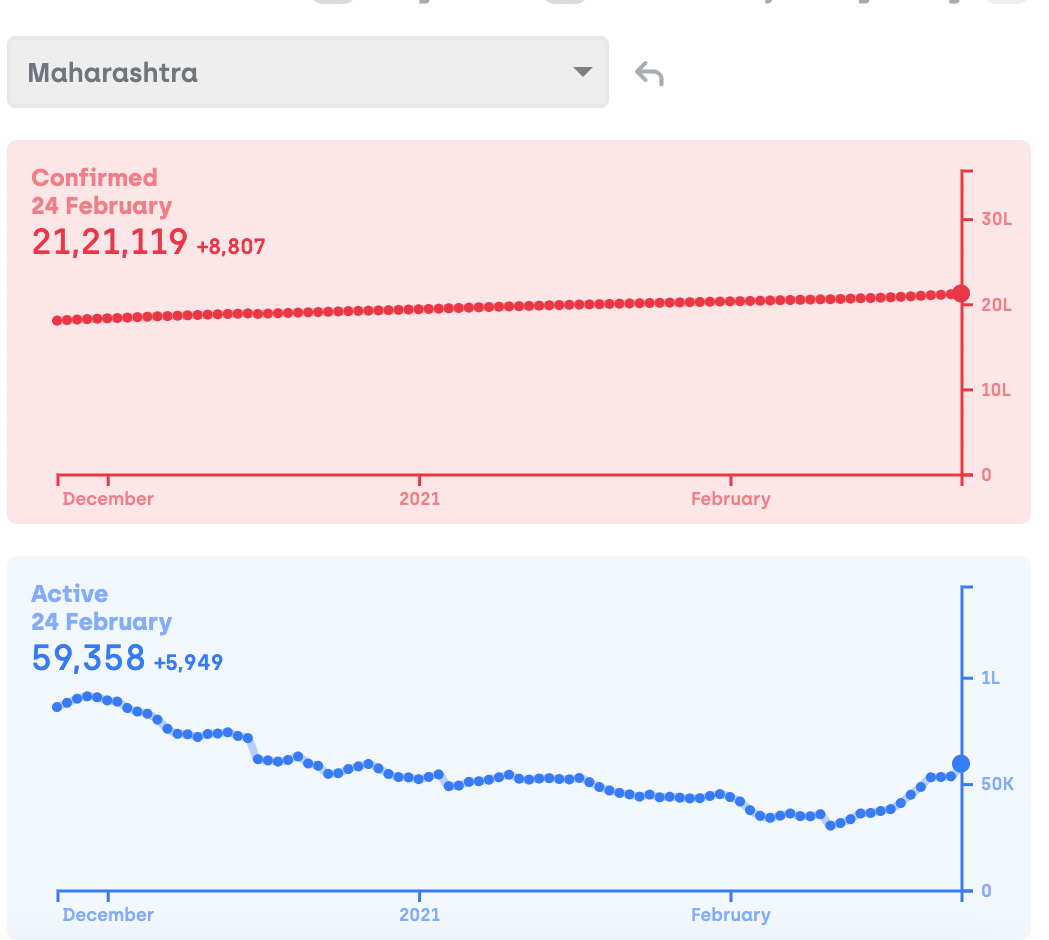
According to the state health department, the total count of cases reported in the state has gone up to 21,21,119, including 59,358 active cases. The state also reported 80 deaths on Wednesday, and the total deaths due to Covid in Maharashtra is 51,937. The fresh number of cases on Wednesday was significantly higher than the previous day when the state had recorded 6,218 new infections.

Maharashtra trends

As can be seen, from around 11th February itself Maharashtra has been showing a consistently upward trend of active coronavirus cases.

Mumbai alone has recorded 1,167 new Covid-19 cases, the highest daily tally in the last four months. The total cases in the country’s financial capital now stand at 3,21,698, while the death toll reached 11,453 with four new fatalities on Wednesday.

The Maha Vikas Aghadi-led Maharashtra continues to be one of the worst affected states in the country. The number of new cases in the state has increased since 10 February, with daily figures crossing 6,000.

Kerala and Maharashtra emerge as a coronavirus cluster

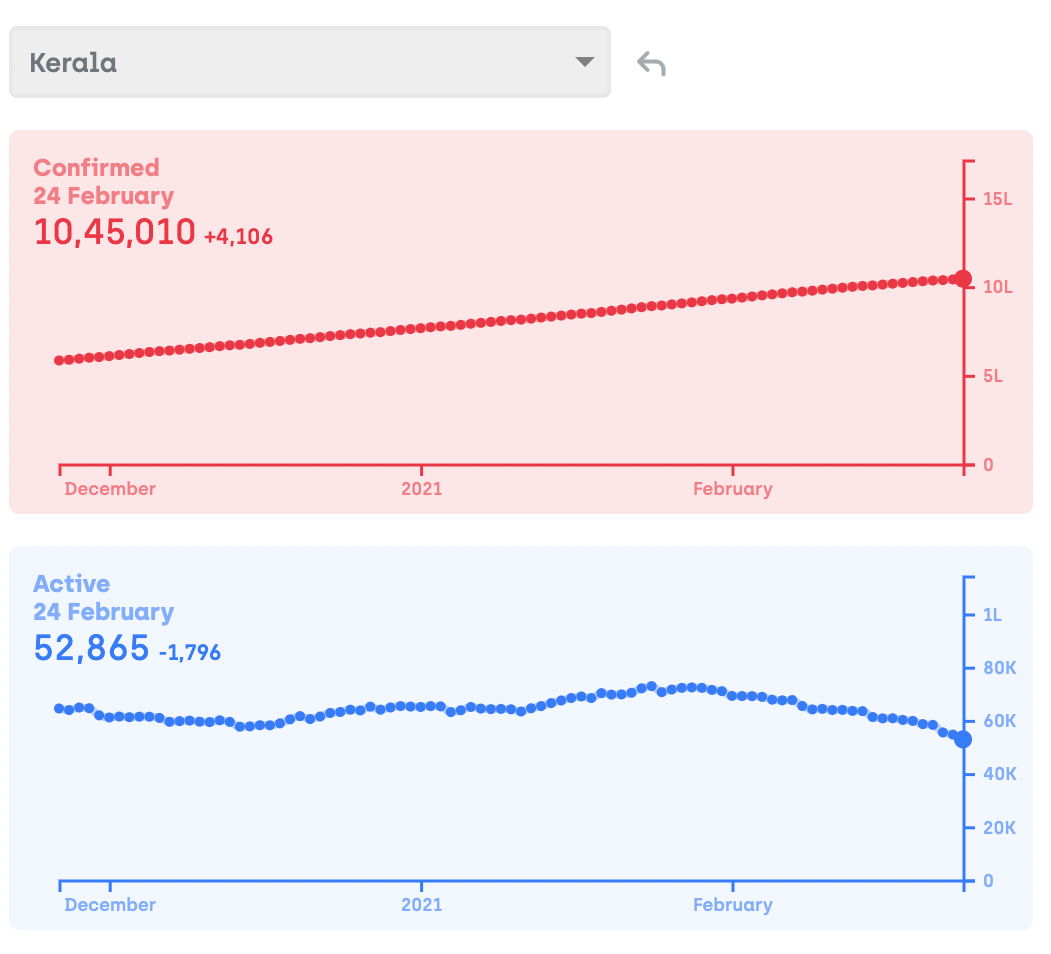
Kerala and Maharashtra together contributed more than 77% of India’s case count on Wednesday. Like Maharashtra, the pandemic continues to rage in Kerala, where 4,106 new cases of Covid-19 and 17 fatalities were recorded in the last 24 hours.

Kerala trends

To its credit, Kerala has been showing a downward trend after an unhinged infection rate in the state.

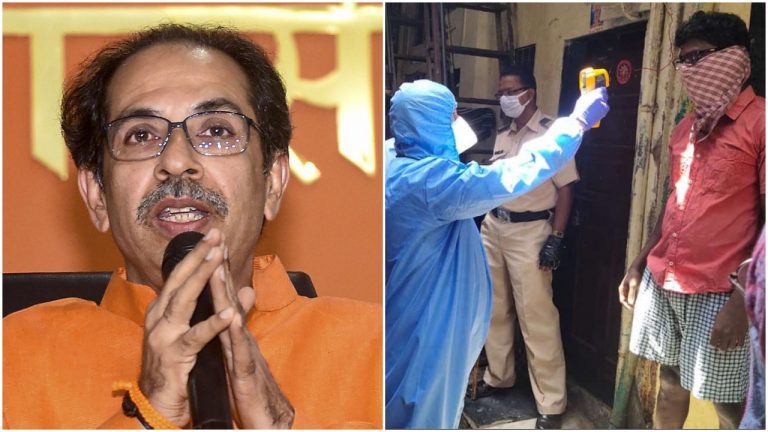
After failing to control the rage of the pandemic, Maharashtra Chief Minister Uddhav Thackeray on Sunday announced a ban on all political, religious and social gatherings in the state. In his televised address, he also said that political agitations will not be allowed in the states for the next few days as they attract the crowd. He also warned Maharashtra will be put under a lockdown if the coronavirus situation in the state deteriorates.

Meanwhile, as cases continue to rise in Maharashtra and Kerala, the Centre has deployed multi-disciplinary teams to support them in effectively tackling the pandemic.