Home Blog Page 4825

Lucknow: Two medical colleges run by MMA Faridi and Mohammad Zafar Idris respectively, accused of organ trafficking, probe ordered

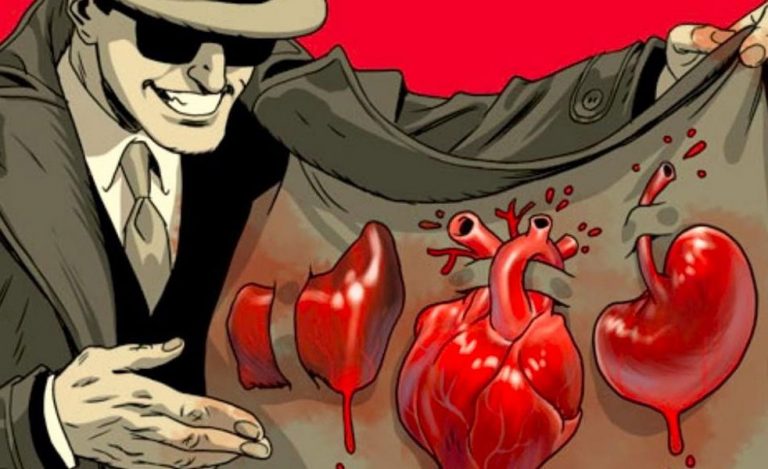
Two medical colleges in Lucknow, Uttar Pradesh, are under scanner over allegations of human organ trafficking. Era’s Medical College and Integral Institute of Medical Science And Research have been accused of organ trafficking and gross medical negligence in treating patients. After the suspicious death of a 27-old man, Chief Minister Yogi Adityanath has ordered a probe in the case.

What is the case?

According to the reports, on September 11, Shiv Prakash Pandey from Pakka Talab, Chinhat, admitted his 27-year-old son Adarsh Kamal Pandey to Integral Medical College after he got tested positive for Covid-19. On September 15, Adarsh sent a message on WhatsApp to his sister and informed her about the hospital’s suspicious activities. He raised suspicions that the college is involved in human organ trafficking. Adarsh wanted to become a witness in the case. When the hospital came to know about the conversation, they shifted him to ICU from the general ward. On September 22, Adarsh requested his sister to got him discharged from the hospital and said if there is any more delay, his life would be at risk.

His family requested the concerned officers to get him shifted from the hospital at around 12 AM. He was referred to Era Medical College. As per the complaint, Integral College staff had already talked to the staff at Era Medical college. Adarsh’s family has alleged that the doctors at Era Medical College conspired against him and ensured his health condition got worse. On September 26, the hospital staff informed the family that Adarsh is doing well, but after 15 minutes, they called again and informed that Adarsh had died. The family has alleged that the hospital staff had killed Adarsh under a conspiracy.

Probe recommended by BJP MP

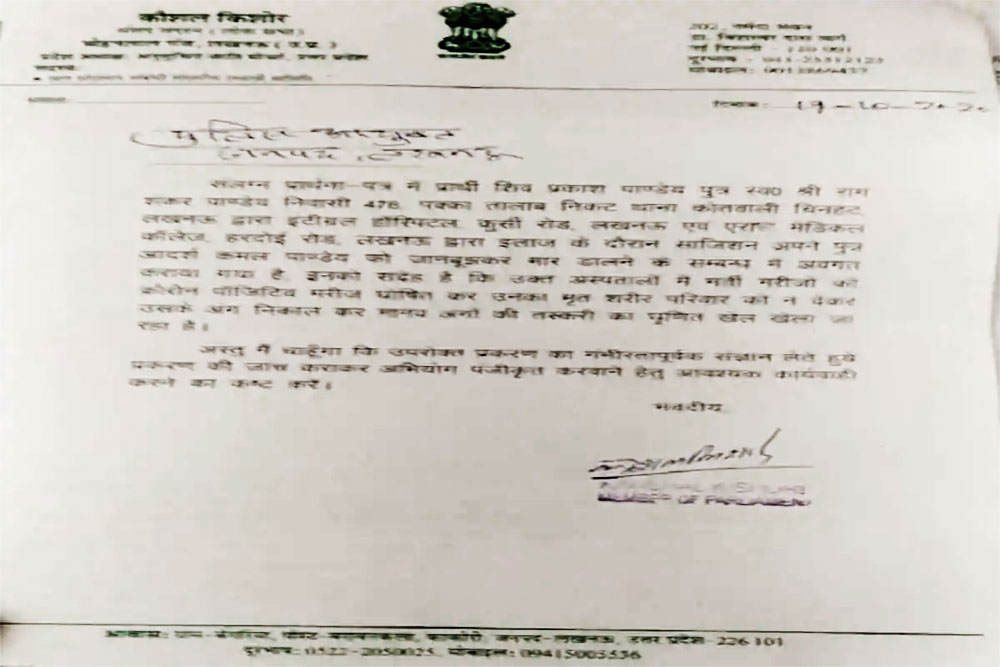
The victim’s family had written a letter to BJP MP Kaushal Kishore informing him about the case. He had written a letter to the police commissioner to investigate the case. Law minister Brijesh Pathak also wrote a letter to the CM Yogi and informed him about the case. A probe has been ordered by the CM. The family of the victim has claimed that they have evidence to prove their stand.

Image via Punjab Kesari

Dr. Sanjay Bhatnagar, CMO was quoted by Hindi daily Jagran saying Era and Integral Medical Colleges are under Medical Education Department. The complaint was forwarded to the Director General of Medical Education and they will initiate the required investigation.

Era’s Lucknow Medical College and Hospital was established in 2001. It has three trustees Mohsin Ali Khan, Dr Farzana Mahdi, and Messam Ali Khan. Dr MMA Faridi is the Principal, Dean, and CMS of the college. Integral Institute of Medical Sciences and Research was founded by Prof SW Akhtar in 2004. Prof. Mohammad Zafar Idris is the dean at Integral Medical College, while Dr MN Siddiqui is the Medical Superintendent.

Indian law never defined “marriage”: Here is why govt needs to be involved in inter-faith “marriage”

Are you against inter-faith marriage? These days, we often hear this question.

The question is absurd. It is like asking: do you like food? I am not sure. Which “food”? Perhaps I like samosas but not jalebis. You have to be more specific.

When you ask me a question about marriage, the underlying assumption is that there is a single, precise definition of the word “marriage.” The problem is that the word marriage is not defined anywhere in Indian law. Read, for instance, these words from the Supreme Court of India in Jan 2019:

We conclude that the marriage of a Muslim man with an idolater or fire­worshipper is neither a valid nor a void marriage, but is merely an irregular marriage.”

Can anybody explain that sentence to me?

Indian law has a definition for Hindu marriages, under the Hindu Marriage Act. The law has a completely separate legal institution called Special Marriage, defined under the Special Marriage Act. And Muslim “marriages” are not even defined anywhere. They are treated as civil contracts, like one company agreeing to supply a certain amount of goods to another.

Each of these separate institutions comes with a completely different set of rights and obligations for the two parties involved. Generally speaking, if a woman converts to Islam and marries a Muslim man, she will lose a number of civil rights related to divorce, maintenance and inheritance. These laws will impact how she might inherit property from her husband and even her own parents. These laws will even impact how her children inherit property, whether sons and daughters will have an equal share and so on. It is an absolute mess.

Again, generally speaking, a woman who converts to Islam to marry a Muslim man will find the laws much harsher on her. Should the government not step in here and make some rules?

Many people have tried to frame this as a question of female agency. So what if a woman decides to convert? It’s her choice.

Really? Consider this. Consider a 14 year old girl, approached by an adult Muslim man and they fall in “love.” She decides to convert. Because she is a Muslim girl who has reached the age of puberty, the adult Muslim male can now legally marry this 14 year old girl. Do you realize how disturbing this is?

What female agency are you even talking about in this case? A 14 year old girl has agency? This is not a hypothetical situation. The matter has been tested multiple times in courts of law. A minor girl can absolutely marry an adult Muslim man (see here and here). The law is crystal clear on this.

Again, the reason this is possible is because there is no single definition of “marriage” under Indian law. A number of very different legal institutions are grouped under the loose word “marriage.” Naturally therefore, the government has to step in and make rules about how to move between these very different institutions. That’s not meddling, that’s the role of the government.

Think about transportation. You could walk. You could take a car, a two wheeler or an auto-rickshaw. Or a train or an airplane. Don’t you think you need the government to specify that pedestrians should stick to the sidewalk? Don’t we need the government to put traffic signals on the road, control where pedestrians can cross? Would you allow bicycles on railway tracks? Don’t you need access controls? Who determines these access controls? The government, of course.

You can’t pretend that these are all modes of transportation. And so, there should be no distinction between the road, the sidewalk, the railway track and the airplane runway.

And yet, we have liberals framing the matter of inter-faith marriage with pithy idioms such as “Miya biwi raazi, to kya karega qazi“?

Indeed, why not allow auto-rickshaws to ply on the runway at Bangalore airport? Shame on the government for meddling. Right?

There are only two legitimate options here. One, you could stick with our existing maze of various legal modes of marriage. In that case, be prepared for the government to make strict rules on access control between these various modes. Just like the government sets strict rules on how to access trains, planes and buses.

The other option is to have a Uniform Civil Code, which provides a single definition of the word marriage. It would specify everything on age of consent, inheritance, divorce, alimony, child support, etc with no distinction on the basis of caste, religion, or gender. In that case, the government would no longer meddle. Adult citizens would be free to do as they choose with their lives. That is why this is standard across the free world.

Our “activists” want neither. They want the absurdity to continue. They don’t want to talk concrete policy nor principles. And they just want to throw movie dialogues at their political opponents. And for this, they are perfectly willing to throw women and minor girls under the bus.

OIC snubs Pakistan again, no mention of ‘Kashmir’ in Foreign Ministers’ meeting agenda: Read details

0

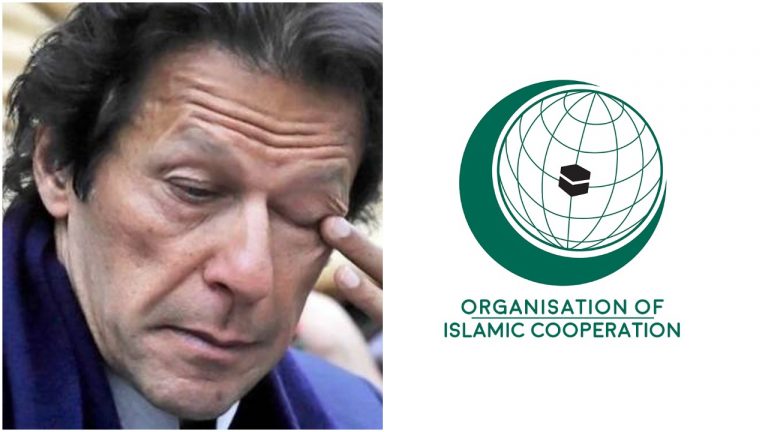
In a major embarrassment to Pakistan, the Organisation of Islamic Cooperation (OIC) – an inter-governmental organisation of Muslim-populated countries has decided not to include the ‘Kashmir issue’ in its agenda of foreign ministers’ meeting that is scheduled to be held in Niger from November 27-28.

According to the reports, the OIC has dropped the ‘Kashmir issue’ from the agenda of the meeting of foreign ministers of the Organisation of Islamic Cooperation (OIC), resulting in distress in Pakistan, which has sought to repeatedly internationalise India’s internal matters.

The statement issued by Pakistan’s Foreign Office on Wednesday to announce Foreign Minister Shah Mahmood Qureshi’s participation stated that during the two-day session, they will discuss a range of issues facing the Muslim world, including the “Jammu and Kashmir dispute”.

The Pakistani Foreign Ministry’s statement further said Qureshi intended to highlight the “aggravating human rights and humanitarian situation” in Jammu and Kashmir after India decided to scrap the controversial special status of the erstwhile state in August 2019.

OIC’s agenda does not have any mention of Kashmir

However, the claims made by Pakistan are not true as official statements issued by OIC in English and Arabic does not mention about Kashmir issue being on the agenda for the meeting.

The official statements of the OIC quoting the organisation’s secretary-general Yousef Al-Othaimeen said that the meeting of the foreign ministers, being held with the theme of “United against terrorism for peace and development”, has an agenda that includes “topics and issues of concern to the Muslim world”.

The statement read, “In addition to the Palestinian cause, the fight against violence, extremism and terrorism, Islamophobia and defamation of religious, the Council will discuss the situation of Muslim minorities and communities in non-member states, fundraising for the Rohingya cause at the International Court of Justice (ICJ), as well as the promotion of dialogue among civilisations, cultures and religions, and other emerging matters”.

The above statement does not have any reference to the Kashmir issue. The statement in Arabic said nothing about the Kashmir issue.

The terrorist-state of Pakistan, which has illegally occupied parts of Kashmir, has been demanding a special meeting of the OIC foreign ministers on the dispute for a very long time now. However, the OIC members countries have overlooked Pakistan and have not convened so far.

The development comes at a time when Pakistan’s relations with Saudi Arabia and the United Arab Emirates (UAE), both influential members in the 57-member OIC, are strained. The Saudis who wield a virtual veto in the 57-member bloc of Muslim countries has declined to support Islamabad’s move.

Pakistan’s deteriorating ties with Arab world

The ties between the once long-time allies Pakistan and Saudi Arabia have deteriorated lately. The relationship which had flourished for a long time now, has turned sour following Pakistan’s deranged behaviour and threats to Saudi Arabia.

The difference between the two long-time allies – Pakistan and Saudi Arabia emerged when the latter refused to side with Pakistan over the Kashmir issue earlier this year. The Kingdom’s reluctance to further Pakistan’s ineterests were visible in February 2020 when Saudi Arabia passed up Pakistan’s request to convene a special meeting of the Council of Foreign Ministers of the Organisation of Islamic Cooperation (OIC), to get Muslim countries to condemn India on the Kashmir issue.

Ever since India hollowed out Article 370, stripping Jammu and Kashmir of its “separate status”, Pakistan has been demanding on a meeting of the Organisation of Islamic Cooperation to internationalise Jammu and Kashmir and get India to reverse the decision.

Pakistan’s sabre-rattling before Saudi Arabia did not go well

As Saudi Arabia did not take notice of Pakistan’s rants against India, Pakistan had expressed displeasure over the refusal and had also threatened to split Saudi Arabia led OIC. Following the threats, Saudi Arabia, a long time benefactor of Pakistan, decided to overtly penalise the terror-state by cutting aides and grants provided to them.

In August, Saudi Arabia has sought the early repayment of a $3-billion loan provided to the Imran Khan government in 2018 after it was irked by Islamabad’s criticism of Riyadh’s position on the Kashmir issue. After being rebuffed by the Saudi leadership on the Kashmir issue, Prime Minister Imran Khan had made an unsuccessful attempt to forge a new grouping of Islamic countries with Turkey and Malaysia.

Earlier, Saudi Arabia had also decided not to renew an agreement with Pakistan that allowed the supply of crude oil to Pakistan on deferred payments. As per the agreement, there was a provision of oil worth $3.2 billion on deferred payments per annum. 

Taking a cue from its neighbour Saudi Arabia, even UAE has begun to act against Pakistan and just recently it also temporarily suspended issuing visas to citizens of Pakistan, Afghanistan and some other countries over security concerns. The UAE too has been ignoring Pakistan’s overtures on the Kashmir issue.

Addition to that, the Modi government’s proactive diplomacy and goodwill in the Gulf have acted in favour of India. The Indian government has worked to strengthen ties with countries in West Asia, a major source of energy and home to some nine million expatriates, in the past few years.

After allowing Israelis to visit without visa, UAE stops issuing visas to citizens of 13 countries including Pakistan and Turkey

Just a month after signing a visa waiver agreement with Israel, the United Arab Emirates (UAE) has stopped issuing visas to citizens of 13 countries including Iran, Syria, Afghanistan and Pakistan. Most of these 13 countries are Muslim majority nations.

According to a report of Reuters, the UAE has temporarily stopped the visas being issued to these countries over security concerns, however, no details are available as yet. The relevant document reportedly seen by Reuters cited an immigration circular that came into effect on November 18. The document said that the applications for new employment and visit visas had been suspended for nationals of 13 countries. The counties affected by this ban are Pakistan, Afghanistan, Turkey, Iran, Syria, Somalia, Libya, Yemen, Algeria, Kenya, Iraq, Lebanon, and Tunisia.

The circular came a week after the French Embassy in the UAE asked its citizens to stay vigil following a bomb attack on diplomats in Saudi Arabia, the responsibility for which was taken by the Islamic State. The bomb blast had occurred during a World War One commemoration day ceremony in Jeddah. The report said that the ban on visa was meant for a temporary period, and it was not known whether there is any exemption.

UAE-Israel visa waiver agreement

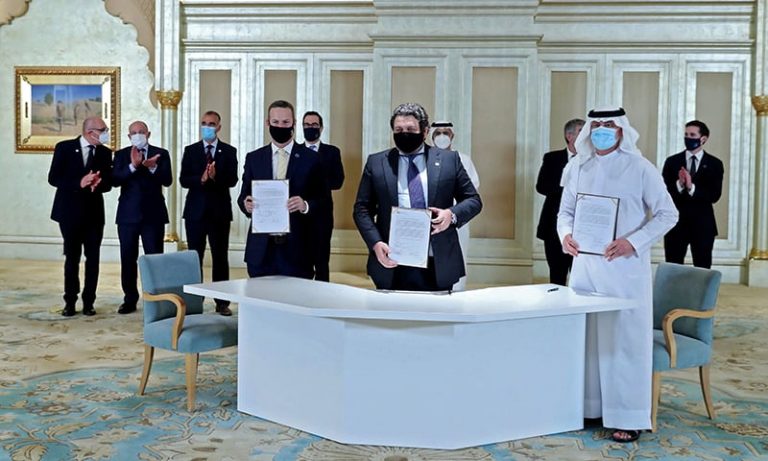
The decision is significant in the light of recent improvements in UAE-Israel relations. Just a month ago, the two nations had signed a visa waiver agreement, allowing citizens of the countries to visit each other without requiring a visa. The two countries had signed several agreements after the US-brokered peace agreement signed in September. Apart from the visa waiver, UAE and Israel had also signed agreements on cooperation in aviation, investment, science and technology.

After signing the visa waiver agreement on October 19 in Tel Aviv, UAE had ratified it on 1st November, and Israel ratified the agreement on 23rd November. This is the first such agreement between an Arab nation and a Jewish nation.

Algerian-born Muslim cleric Abdul Nacer Benbrika stripped of his citizenship by Australia after convicted of terrorism

0

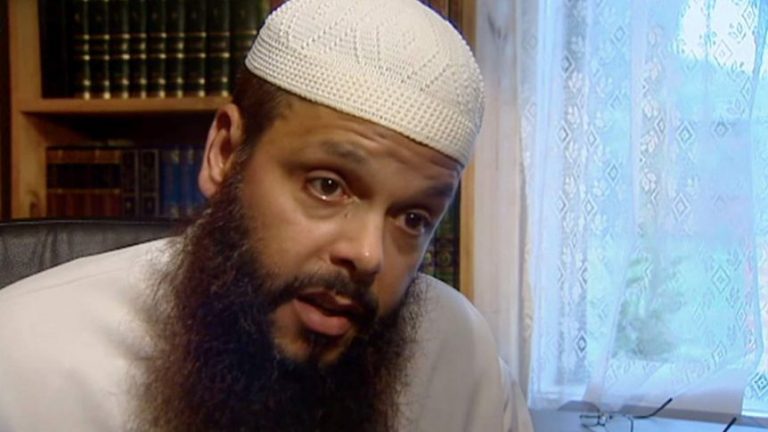
Australia has cancelled the citizenship of Abdul Nacer Benbrika, an Algerian-born Muslim cleric, after he was held guilty of three charges of terrorism in 2005. Benbrika will be the first person to be stripped of his citizenship by the Australian government.

We will do whatever is possible to protect Australians: Australian Minister for Home Affairs

The Australian Minister for Home Affairs Peter Dutton said that Benbrika posed a significant terrorist threat to the country and that the Australian government would do everything possible to protect Australians. “It is a person who’s posing a significant terrorist threat to our country, then we’ll do whatever is possible within Australian law to protect Australians”, said Dutton today. “I cancelled the Australian citizenship of convicted terrorist Benbrika, (making him) the first individual to have lost citizenship onshore”, he added.

Benbrika has 90 days to appeal

Benbrika was imprisoned after being convicted of directing a terrorist group, being a member of a terrorist group and possessing material associated with the planning of a terrorist attack. He is still in Australia even after serving his sentence as under the Australian law, a person convicted of terror offences can be detained for up to three years after finishing their sentence. Dutton said that Benbrika had been notified of the loss of his citizenship and he would remain in prison while an interim detention order was in place. His lawyers had appealed against his detention. Benbrika has a period of 90 days to appeal against the cancellation of his visa and return to Algeria.

Under Australian law, a person’s citizenship can only be cancelled if they have dual citizenships so that a person is not rendered stateless. In 2019, Australia had stripped the citizenship of Neil Prakash, an alleged Daesh (Islamic State of Iraq and the Levant) recruiter, who is in prison in Turkey. Australia had contended that Prakash was a dual citizen having Fijian citizenship. However, Australia’s claim was denied by Fiji which resulted in strained relations between the two countries.

Fact-check: No, the government has not issued Rs.1,30,000 to the citizens towards Covid-19 funding

A message is making rounds on WhatsApp and social media platforms that the government of India has issued Rs.1,30,000 to every citizen above the age of 18. Further, the message has a URL where people can check their eligibility.

According to the Press Bureau of India, the message is fake. The government has not passed any such order. Since Covid-19 started to spread across the world, there had been a spike in scams related to Covid-19.

The message shows the URL http://covid19.google.fund/, but at present there is no webpage with this web address.

Scams related to Covid-19 are on the rise

Indian Computer Emergency Response Team (Cert-In) have issued several advisories warning people about scams related to coronavirus. Some of the most common scams Cert-In noticed were promotional codes, Covid-19 maps, phishing emails from trusted organizations and more.

According to World Health Organization, “Hackers and cyber scammers are taking advantage of the coronavirus disease (COVID-19) pandemic by sending fraudulent email and WhatsApp messages that attempt to trick you into clicking on malicious links or opening attachments.”

Google has issued an advisory related to such scams. It read, “Recently, there has been a significant rise in online scams related to COVID‑19. We’re providing these tips to help you spot and avoid these scams, so you can stay safer online.” On the safety guidelines page, the tech giant has provided a list of common scams such as stealing personal data, fake offers, impersonation of authorities, fraudulent medical offers and more.

Best practices and recommendations

Check the email address: If you have received an email from an unknown person or an organization out of the blue asking for donations or providing support at the time of the pandemic, make sure to check the email address. The name showed, and the email ID from which the email was sent is not always the same. It is better to check if the email came from the source it claimed.

Check the link before you click: Before you click on any link, make sure to check it. Do not click on a shortened link from an unknown source. Most of the links coming from a valid source are not shortened. If you have even a slight doubt, do not click on the link. You can always visit the website of the organization and check the advisory etc.

Do not click on links in emails from banks: One of the most common methods of stealing credentials is via phishing emails. If you have received an email claiming to be from your bank, it is better to go to the bank’s website and log in from there.

Do not provide personal information: If you have received an email asking your details so that they can provide support in any way, make sure not to send any details. If you are in genuine need of help or support, please approach government authorities directly.

In case you have provided sensitive information already, please do not panic. Change your passwords immediately and inform the local police station as soon as possible. Make sure not to authorize any payment and lock all your debit and credit cards. You can file an online complaint on cybercrime.gov.in.

Covid-19 in India

From the last few days, India has been registering less than 50,000 cases per day. As of now, India has reported 92,22,216 cases of coronavirus. 4,44,746 are active, 86,42,771 have been discharged, and 1,34,699 people have lost their lives to the complications associated with the infection.

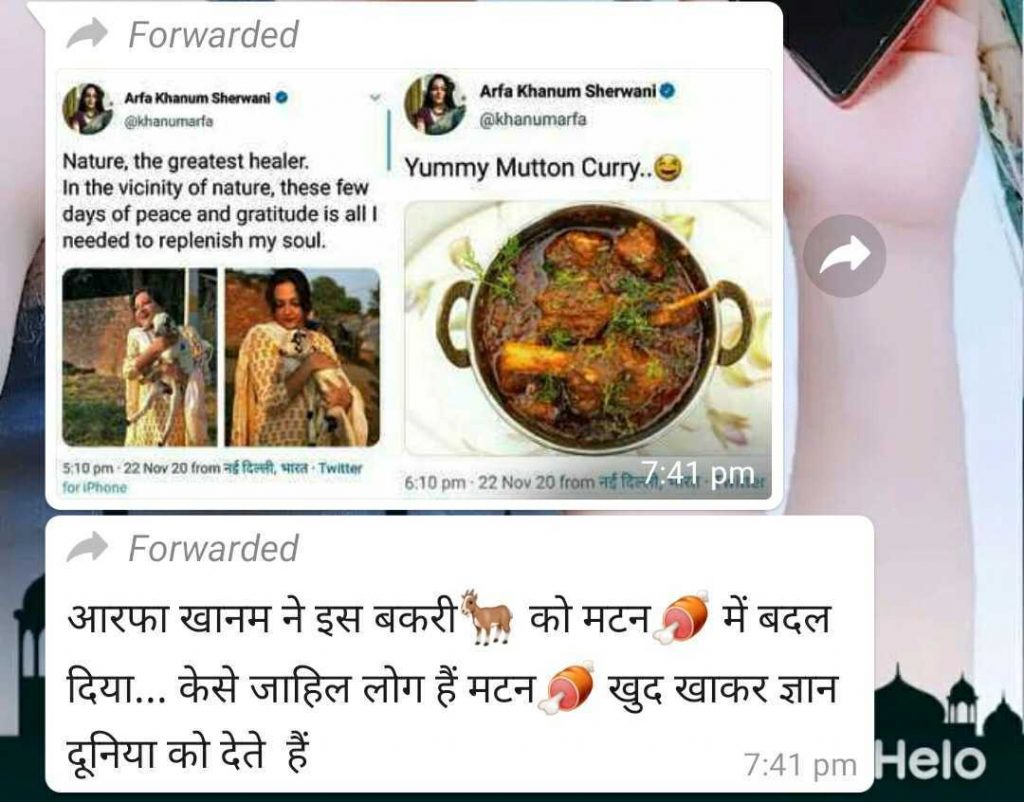
Fact Check: Did Arfa Khanum Sherwani eat the goat she was petting in the photographs she posted?

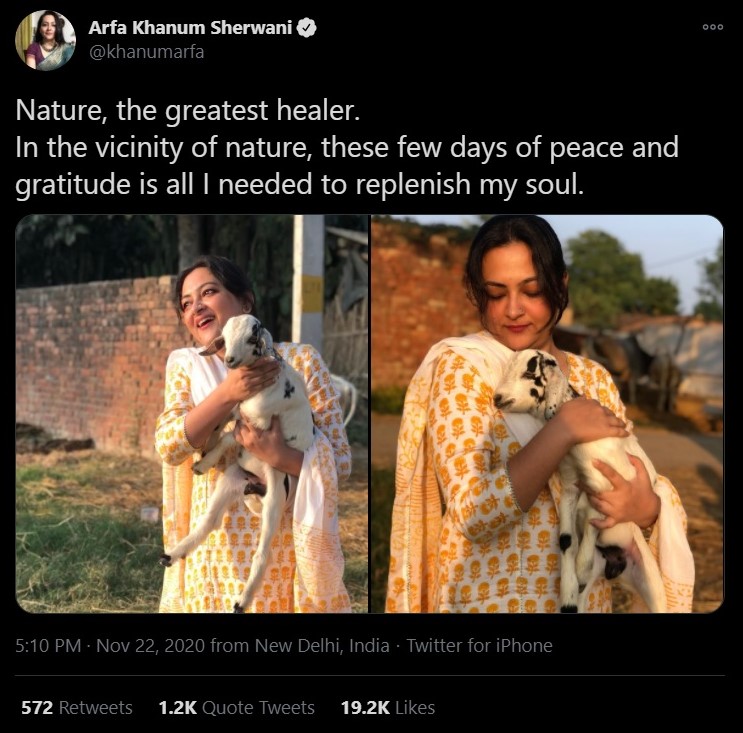
The Wire journalist Arfa Khanum Sherwani took social media by storm after she posted photographs of herself with a beautiful white goat. In her tweet, she hailed nature as the greatest healer and said that few days spent in nature’s vicinity was replenishment for her soul. However, the post led to inadvertent consequences which nobody could have predicted.

Arfa Khanum Sherwani tweet

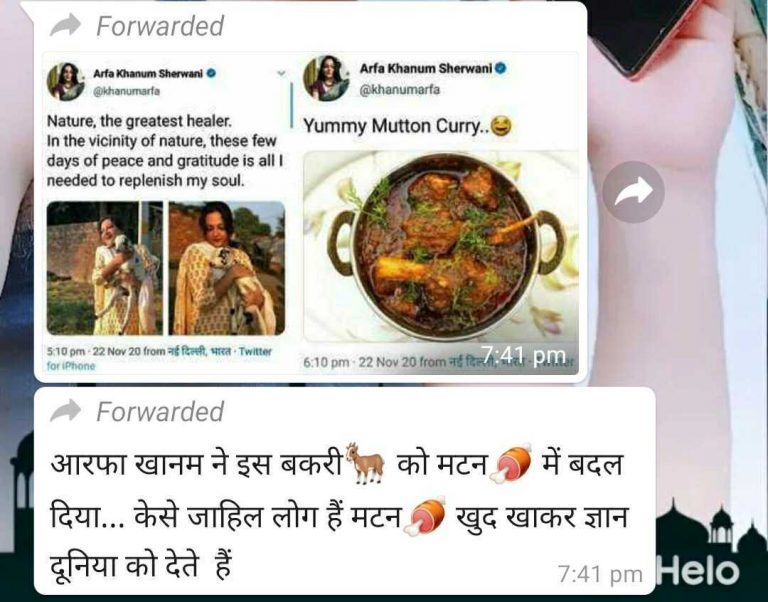
Images started doing the rounds on social media where it was alleged that Arfa Khanum Sherwani had later killed the same goat and ate it for food. The images were also accompanied by unsavoury texts that opined on her alleged hypocrisy. OpIndia came across such texts which made the claim that The Wire journalist had later feasted upon the same goat.

Claims doing the rounds of the internet

However, after consulting experts on the matter and evaluating the facts at hand, we can now confirm that Arfa Khanum Sherwani did not, in fact, feast upon the same goat she was seen holding in the photographs. We can further confirm that there is no evidence to suggest that The Wire journalist consumed the goat she was petting.

Expert ‘Kasai Zubair’ weighs in on Arfa Khanum Sherwani Goatgate

In the photographs that are doing the rounds on social media, it can be seen that the time stamp for the beautiful goat photo is 5.10 pm on the 22nd of November while the feasting dinner photo carries the time stamp of 6.10 pm on the same day. We believed that it was not possible to cook the goat in such a short time but just to be sure, we consulted an expert on the matter, Kasai Zubair.

We consulted Zubair, a Chef who works part-time as a ‘Kasai’ (butcher), for his opinions on the matter. He confirmed that it was not possible to cook a goat in such a short time. He said that it is “simply impossibly” for any goat to make the journey from the loving arms of a human to the dinner table within an hour.

To be doubly sure, we asked Kasai Zubair what if the Masala and other ingredients had been kept prepared beforehand. He said that even in that scenario, it wouldn’t be possible because the dish that can be seen in the photograph requires a good deal of time to prepare, plus the goat would also have to be chopped into pieces which takes a great deal of time in itself. All of this will not be possible in an hour.

Final Verdict

Furthermore, the photograph that is doing the rounds to claim that Arfa Khanum Sherwani ate the same goat she was holding in her hands appears edited and there is nothing on timeline to suggest that she posted such a photograph. She might have deleted the tweet even if she posted but it extremely unlikely that she did such a thing.

Therefore, we can assert with a great deal of certainty that these are morphed images that are being circulated to make the false claim. And there is no evidence in public domain to suggest that the journalist ate the goat she was petting. The possibility that the goat was eaten, however, cannot be entirely ruled out.

Indian Navy inducts two American Predator drones on the lease, can be deployed on India-China border for surveillance

Amidst the ongoing border standoff with China, the Indian Navy has inducted two Predator drones from an American firm on lease for carrying out surveillance in the Indian Ocean Region and which can also be deployed along the Line of Actual Control in Eastern Ladakh.

According to the reports, the American Predator UAVs (Unmanned Aerial Vehicles) have been inducted in the Navy under the emergency procurement powers bestowed on it by the Defence Ministry in the wake of the continuing India-China conflict in Ladakh.

“The drones had arrived in the second week of November and were inducted into flying operation on November 21 at Indian Navy base at INS Rajali,” a top government official told ANI.

The sources claimed that the drones have already started carrying out their flying operations and have an endurance capability of remaining in the air for over 30 hours. The advanced drones are proving to be a significant asset reinforcing the strength of India’s maritime forces, the sources said. Along with the Predator drones, an American crew from the vendor have also come along to help the Navy in carrying out smooth operation of the machines.

Drones taken on lease for a year; Indian Armed Forces looking to procure 18 more such drones from the US

Though the drones are taken on lease for one year, the three wings of the Indian Armed Forces are already gearing up to acquire 18 such drones from the United States. The conflict between India and China has brought New Delhi and Washington ever closer and the two countries are working jointly to ward off Chinese aggression in Eastern Ladakh, including in areas such as surveillance, defence cooperation and information sharing in all domain.

As per sources cited by ANI, the option of leasing weapon systems has been provisioned under the Defence Acquisition Procedure-2020 and the Defence Procurement Manual-2009 which provides an economical way to acquire the advance weaponry. In addition to this, even the maintenance of the system relies solely on the vendor.

The sources said that the American crew accompanying the Predator drones will be involved only in the maintenance and technical issued whereas the sortie planning and the joystick control would be with the Indian Navy officers. The data collected by the drone during its flight will be the exclusive property of the Indian Navy, the sources said.

Capabilities of the American Predator drones

The Predator drones are known for their aerial reconnaissance and forward observation roles. They carry a camera and other sensors which provide crucial information about the adversary’s movements and military strategy. Surveillance imagery from video cameras and a forward-looking infrared (FLIR) can be shared in real-time both to the front line soldier and to the operational commander, or worldwide in real-time via satellite communication links.

Armed with missiles, the predators can assume the multi-role version for armed reconnaissance and interdiction. The drones equipped to carry missiles and other munitions can carry out offensive operations. They had been widely used by the American military for hitting ground targets in the middle east in the war against Islamic terrorism. They were first used in 2001 from bases in Pakistan and Uzbekistan, mostly aimed at carrying out high-precision attacks against terror hideouts.

The General Atomics MQ-1 Predator UAV is made by General Atomics, an American energy and defence corporation. It is a medium-altitude, long-endurance unmanned aircraft system, and its armed versions can carry missiles and laser targeting systems. It is now known whether the drones leased by India are armed or unarmed, but given that they have been leased from a private firm, it is likely that they are unarmed, probably to be used only for surveillance.

Given that China frequently crosses over the border and LAC to intrude into Indian territories, the drones will be an asset to keep a close surveillance on the Indo-China border. It will also provide the Indian armed forces valuable experience of working with these advanced drones, which India is planning to acquire.

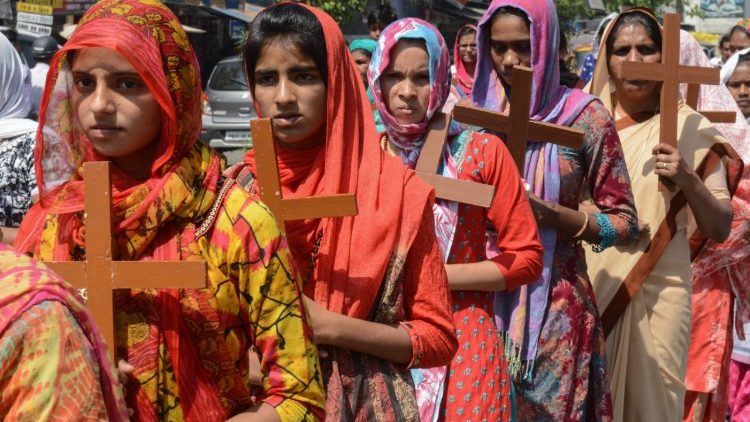
Reservations for SC Christians: How it could affect the prospects of Dalit Hindus

0

Over the last few years, there have been several calls for the inclusion of ‘Dalit Christians’ in the reservation system under the categories of ‘SC/ST’ and ‘OBC’. Though these demands for reservations aren’t endorsed by most churches due to their claims of Christian society not having a caste system (not true), several activists from the Christian community have raised demands for the inclusion of Christians from SC/ST communities to avail the benefit of reservation.

At the time of writing, the Supreme court is yet to give its verdict on a petition filed in January 2020 on this matter, which was filed by the National Council of Dalit Christians (an organisation serving members of the Dalit Christian community in India). However, there has been an increased demand for the same, despite concerns from Hindu organisations who fear that this could dilute the benefit of reservations for Dalit Hindus.

Legal status of reservations for Dalit Christians

The third paragraph of Constitution (Scheduled Castes) Order, 1950 clearly states that only those members of the SC/ST community who are of Hindu, Sikh or Buddhist faith can avail the benefit of reservation, intended to uplift the downtrodden economically.

“No person who professes a religion different from the Hindu (the Sikh or the Buddhist) religion shall be deemed to be a member of a Scheduled Caste”

Constitution (Scheduled Castes) Order, 1950

This means that Muslims and Christians of SC/ST origin cannot claim the benefits given to SC/STs in the form of reservations in government jobs, schools and colleges. Furthermore, they cannot file a police complaint against anyone under the SC/ST Attocracies act (which makes discrimination against members of ‘lower castes’ a punishable crime).

Caste system amongst Indian Christians

Unknown to most, there exists a caste system amongst people of the Indian Christian community. Though not endorsed by the Vatican or any other religious organisation, it is still followed by many Christians, mainly in Southern India. The caste they follow is the one they/their ancestors belonged to before converting to Christianity.

There have been several accounts of discrimination faced by members of the ‘lower caste’ Christians in rural areas of South India, mainly by those belonging to a ‘higher caste’. There have been incidents of Dalit Christians being made to sit seperately from those of higher castes, wells ‘reserved’ for those of higher castes, and becoming victims of untouchability.

One of the advocates fighting the case to delink the SC/ST status with religion told The Hindu, “I remember when I had just completed my graduation and visited a grocery shop in my mother’s native place, the Chettiar shop owner threw away my money just because I had touched his hand”.

Many lower caste Hindus change their religion to escape the evil of untouchability, but are pained to see that the same intensity of it is seen in every religion they convert to.

Why reservation shouldn’t be granted to Dalit Christians

Though the cases of untouchability and discrimination amongst Indian Christians are truly heartbreaking and attract the sympathies of many, it doesn’t make sense to give them reservation since they converted to Christianity only because they were promised a discrimination-free environment.

In rural areas of South and West India, Christian missionaries are known to ‘poach’ lower caste Hindus in villages, and attempt to lure them to Christianity by claiming that there is ‘no place for discrimination’ in their community.

Nobody has stopped them from re-converting to Hinduism after noticing this false promise, yet they adamantly demand reservations for their new community.

Many Hindu organizations worry that including them under the SC/ST category would remove the last few incentives of being Hindu in this Hindu-majority country:

Unlike the Church and Mosques, the government takes away most of the donations received by temples as ‘tax’; while the former two can afford to spend some money to uplift the downtrodden Dalits of their religion, Hindu temples are stripped off their economic power and the Dalit Hindus are completely dependent on the government for their upliftment.

One of the only things that keep Hindu Dalits from converting is that they get to retain their benefits of reservation; If reservations become universal, they would be less hesitant to accept the materialistic offers given by missionaries for converting. This would lead to a widespread decline of Hindu population in the country, which is worrisome to most Hindu organisations.

Another concern which arises is that there could be more competition for fewer seats in jobs and educational institutions for members of the SC/ST community, if the category is extended for Christians. Including Dalit Christians in the reservation system would imply lakhs of new people contesting for lesser number of seats reserved for Dalit Hindus, making it tougher for the already poor Dalit Hindus to climb up the economic ladder.

Summary

The reservation system was introduced by Dr BR Ambedkar to ensure that those of the lower categories are compensated for the years of discrimination faced by them, and to uplift them both socially and economically.

Those who converted to Christianity or Islam did so willingly, knowing that they’d be stripped of several benefits when they change their religion. If their only objective was to escape discrimination, why didn’t they re-convert to Hinduism after knowing that it’s a universal issue? It’s time that there should be at least a little incentive given to people for remaining Hindu, and not converting their faith to foreign religions.

Dalit Hindus have been the most discriminated in Indian history, and their upliftment should be the topmost priority. Including people of other faiths to the SC/ST category could lead to excessive competition for fewer seats meant for the members of this community, increasing cut-offs in institutes and diluting their benefits. Such demands shouldn’t be considered till Dalit Hindus become economically stable, since their poverty was a concern for even those who framed the Indian constitution.

Forgotten daughter of Uttarakhand: Before Nirbhaya, girl working in Delhi was kidnapped, raped and brutally murdered in Haryana

On the fateful night of December 16, 2012, a 23-year-old physiotherapy intern, boarded a bus along with her friend in Delhi’s Munirka, unbeknownst to the horrible fate that awaited her. The girl, who was later dubbed as ‘Nirbhaya‘ by media, was brutally beaten, sexually assaulted, gang-raped and tortured in the moving bus by six men, who were already on board, including the bus driver.

The victim and her male friend were then thrown out on a roadside to die. Some passers-by found them naked and bloodied and called the police. The girl was admitted to a Delhi hospital for treatment but was airlifted to Singapore for further treatment after her condition deteriorated. Two weeks after the incident, she succumbed to her injuries and breathed her last in a hospital in Singapore. The accused in the case were given the death penalty which was executed in March this year.

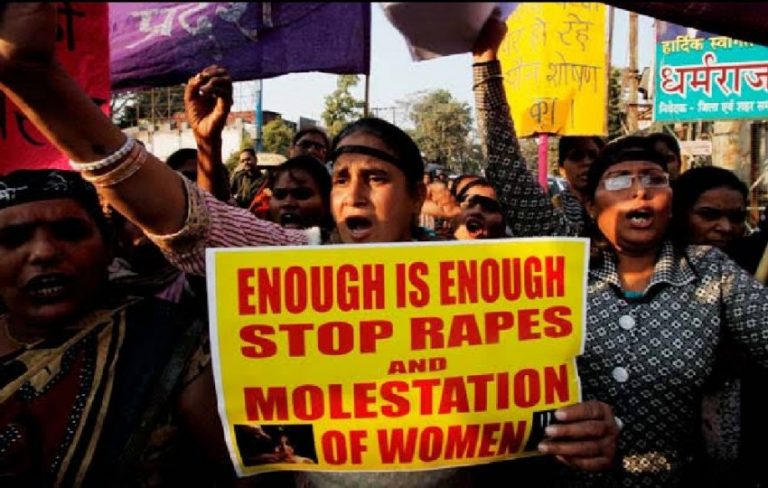
The horrifying nature of the crime happened in the country’s capital, instantly made the national headlines, triggering a widespread protest across the nation that demanded India to reckon with its treatment of women. The incident shook the nation’s collective conscience and scores of people in various cities throughout the country carried out a candle-light march and sit-in vigils to demand justice for ‘Nirbhaya’.

The Nirbhaya incident was widely covered in the media, with organisations running a host of stories around the incident, the protests that it triggered in the aftermath of the brutal episode and the steps to be taken to ensure such incidents do not happen in the future. Through the media coverage, the Nirbhaya incident served to awaken the country’s moribund moral sense and its sensitivity towards the vulnerabilities faced by women in society. 

However, other incidents of similar nature, which happened before December 2012, were not as fortunate as the Nirbhaya case to spark the same intensity of outrage among the population. Nor did it warrant the same degree of unswerving media attention. 

February 2012 case of a 19-year-old girl from Delhi, kidnapped, gang-raped and left to die 

One such blood-curdling incident was of a 19-year-old girl, who was abducted from Delhi, gang-raped, brutalised and left to die in a mustard field in a village in Haryana. The incident pertains to February 2012, about 10 months before the Nirbhaya incident took place, but it did not attract the media attention to the extent that the latter did. Unfortunately, the victim’s family is still waiting for the judiciary to dispense justice to them. 

The case was recently highlighted in a social media campaign where netizens who were aware of the incident ran an online campaign demanding justice for the girl kidnapped, gang-raped and abandoned to die in a field in Haryana. 

The Uttarakhand CM Trivendra Singh Rawat recently took cognisance of the social media campaign and met the victim’s family. He has promised all the legal support to the family of the victim to ensure that the perpetrators of the crime don’t go unpunished. 

Girl abducted from Delhi taken to Haryana where she was gang-raped and brutalised

On February 9, 2012, three assailants had kidnapped the girl from a spot just minutes away from their house in Qutub Vihar Phase-2, close to Dwarka sub-city in west Delhi. The girl was on her way back home from work with three female colleagues who lived in the same neighbourhood. 

The girls were dropped off by a bus at around 8:30 PM in the evening. From there, they were supposed to walk through a mesh of lanes to reach their respective homes. When they reached a roundabout at Hanuman Chowk, three individuals in red Indica accosted them and started making lewd remarks to them. Unnerved by the men, the girls cried for help. But no one came forward to their rescue. Then three men hustled the girl in the car and sped away. 

Shocking callousness and apathy shown by the police and the then Delhi CM Sheila Dixit: Victim’s father

A few hours later the police arrived at the spot. The grieving father of the girl was taken aback by the apathy displayed by the police personnel who had come there to investigate the kidnapping. “Get us a car and then we will follow the kidnappers,” one of the police officials reportedly scoffed at the girl’s father. 

Enraged by this callousness, a raft of protesters decided to demonstrate outside the Chhawla police station. About 300 protesters staged a sit-in outside the police station for the next three days despite the police officials raining blows and lathis on them. 

The victim’s father ran pillar to post seeking justice for his daughter. He approached the then Delhi Chief Minister Sheila Dixit for help but was shunned away saying, “such incidents keep happening”. He claimed that the officials at the Chief Minister Office handed him a cheque of Rs one lakh and asked him to leave. Apart from this, no other assistance or compensation of any kind was given to him.

He also stated that neither Arvind Kejriwal, nor Rahul Gandhi took interest in a demonstration for his daughter. “I went to Delhi’s Jantar Mantar to mark my protest against the treatment meted out to my daughter. On one side, Arvind Kejriwal was giving a speech. On the other hand, Rahul Gandhi was participating in a sit-in protest. None of them came and expressed their solidarity with me,” he lamented.

Perpetrators inflict brutalities on girl, pour acid in her eyes, insert broken bottle in her vagina

It took police three days to arrests the perpetrators-Ravi, Vinod and Ravi. All the three were residents of the same neighbourhood as the girl and had been released from Tihar Jail just a few days before they abducted the girl. 

The interrogation of the three accused revealed chilling details of the fate that had befallen on the girl. The accused had reportedly mutilated and poured acid into the victim’s eyes, inserted a broken liquor bottle into her vagina, and abandoned her in the mustard field in Haryana to die. According to the girl’s autopsy, she had died on February 13, a few hours before her body was recovered. For more than three days, the girl bled to death and the forensics test confirmed rape. 

Girl’s parents demand swift justice from the government and judiciary

It has been nine years since the incident, but the family is still awaiting justice. In 2014, the High Court had awarded death sentence to the accused in the case. However, the case then reached the Supreme Court, which affirmed the lower court’s decision and upheld the death sentence. However, years after the top court gave its verdict, the victim’s family is still waiting for the slow moving wheels of the judiciary to roll on. 

“Beti Bachao Beti Padhao is a false slogan if the girls who have been assaulted and exploited are not delivered swift justice. Our daughter had gone through unspeakable brutality. Her perpetrators are still locked up in jail despite the Supreme Court affirming the lower court’s verdict of the death sentence. We urge the government to quickly dispense the justice in this case that has been going on since the last 9 years,” the aggrieved father of the victim said while making a poignant appeal to the judiciary and the Indian government.