Home Blog Page 527

Operation Praghat: Assam Police arrest one more Ansarullah Bangla Team terrorist – Read details about crackdown against the group’s secession plans, plot to kill RSS leaders

As part of its sustained efforts in “Operation Praghat” against Islamic extremists, the Special Task Force (STF) of the Assam Police has arrested another individual labelled as a “jihadi” in the Dhubri area, which borders Bangladesh. With this recent capture, the total number of arrests has reached 14. The authorities informed about the development on 21st January. The individual has been identfied as 31-year-old Ajibar Rahman from the Chinamari village which falls under the jurisdiction of the Bilasipara police station area in Dhubri district of Assam.

This is the second arrest this week, after the STF previously nabbed “most wanted” Jaheer Ali for having ties to the banned Ansarullah Bangla Team (ABT), an Islamist group based in Bangladesh that is associated with Al-Qaida in the Indian Subcontinent (AQIS) and engage in terrorist activities. He was caught from Khudigaon Pt.II hamlet in Dhubri district, during a coordinated operation. According to a Chief Public Relations Officer (CPRO) statement, the investigation thus far has revealed that the apprehended accused’s activities were planned to support and enhance the operational capacities of extremist outfits that intend to undermine the security and sovereignty of the nation.

It further read, “During the course of the investigation into the case against fundamentalists, STF arrested 14 jihadis or Islamic extremists so far, which include a Bangladeshi national. They were working under the direction of one Farhan Israk, a close associate of ABT chief Jasimuddin Rahmani.” Inspector general (IG) of STF, Partha Sarathi Mahanta informed, “Based on the inputs from intelligence agencies, we launched the operation last month, and a case was also registered. Under this, we have arrested several suspected jihadis (Islamic extremists).”

The operation remains in progress, he conveyed, noting that a significant quantity of weapons, explosives, ammunition, and various other materials were discovered during the arrests. “We have recovered various incriminating documents and mobile phones during our operation,” he highlighted.

Authorities launch “Operation Praghat” to bust sleeper cells, terrorist activities and more

Over the course of the last two months, authorities have caught a significant number of individuals from Assam and adjacent states as part of their “Operation Praghat” initiative aimed at combating Global Terrorist Organizations (GTO). Partha Sarathi Mahanta said that terrorist groups affiliated with the GTO sent a member from Bangladesh in November of last year to activate the sleeper cells in India, and he began his mission from Assam. Additionally, five individuals from Assam and one from Kerala was nabbed by the Assam STF in last December.

“The Bangladeshi national named Sad Radi was arrested from Kerala, and we arrested his supporters from both Assam and West Bengal,” he mentioned. To advance their sinister ideology among like-minded Indians nationwide, Farhan Israk sent Sad Radi also known as Shab Sheikh, a Bangladeshi national from Rajshahi to India in November. He was subsequently detained by the Kerala Special Task Force. At that time, the former was leading the sleeper cell members in activities related to terrorism.

He crossed into India over the border at Murshidabad and held a few meetings in Jalpaiguri and Falakata, Bengal to assemble cadres for his terror schemes. He traveled to West Bengal, Assam and Kerala during his recruitment drive. Before heading to Kerala to meet with other sleeper cell members, he moved to Assam and West Bengal to meet with members of the ABT organization. 17 to 18 continuous raids were conducted simultaneously in Assam to capture him.

Moreover, Nur Islam Mandal, Abdul Karim Mandal, Mojibar Rahman, Hamidul Islam and Enamul Hoque, were picked up from Assam while Minarul Sheikh and Abbas Ali were detained from West Bengal after intelligence inputs. “The STF, under the direct supervision of its chief Partha Sarathi Mahanta, launched the operation and teams were dispatched to various parts of the country to identify the jihadi elements. During simultaneous operations in Kerala, West Bengal and Assam, the arrests were made,” Assam Special Director General of Police (SDGP) Harmeet Singh pointed out. He added that five people were apprehended in Assam, two in West Bengal and another in Kerala.

The accused were found in possession of a number of documents and cell phones that show they had been in constant contact with organizations in Bangladesh and Pakistan over the previous few months. He reported, “Texts with distorted religious beliefs relating to jihad, religious books with distorted narratives, printed and published in Bangladesh, four pen drives and various Bangladeshi certificates issued in the name of Sad Radi were also seized from the accused.”

They were trying to set up sleeper cells all over the nation, but especially in West Bengal and Assam. Two of the men who were caught had traveled to various places in West Bengal in an effort to enlist more members of the terrorist groups. “These individuals were actively involved in the procurement of arms and ammunition, as a part of the larger conspiracy to wage war against the Indian government,” he disclosed.

It is important to note that a few months earlier, Jasimuddin Rahmani had been released by Bangladesh’s interim government after being imprisoned since August 2013.

Speaking about the underground operations of the terrorists and their strategy, a senior official stated that the module was establishing sleeper cells throughout the nation, especially in Assam and West Bengal, which was discovered after the probe. “These sleeper cells were intended to serve as covert operational units, poised for subversive and violent activities that would be initiated to disrupt peace and tranquillity, as well as cause destruction of life and property,” added the officer.

Abbas Sheikh and Minarul Sheikh were taken into custody from Hariharpara in Murshidabad. The two suspects were found to have phony documents, Islamic religious texts, a pen drive and four cell phones. “Manirul, a 48-year-old pump mechanic, was attempting to establish a small madrasa for 10-12 students. Abbas, 29, has a prior criminal record, having been arrested in a POCSO (Protection of Children from Sexual Offences Act) and kidnapping case and released on bail after serving two years in jail,” Inspector-General of Police of STF Gaurav Sharma disclosed.

Additional Director General (South Bengal) Supratim Sarkar informed that during a raid in Murshidabad, STF Assam, partnering with West Bengal Police, detained Abbas and Minarul, who were among an eight-member group tracked down by the Bengal, Kerala and Assam police. “We have recovered a 16GB pen drive, some literature, and fake identity cards from the two suspects, identified as Abbas and Minarul Sheikh. We suspect they were part of a sleeper module aiming to create instability in sensitive areas of south and north Bengal, as well as in the seven sister states of the Northeast. They were setting up bases in Murshidabad and Alipurduar districts, with plans to eliminate prominent Hindu leaders in the eastern and northeastern regions and carry out attacks similar to the 2015 hacking of a blogger in Bangladesh,” he pointed out.

The authorities confirmed, “By exploiting local vulnerabilities, religious sentiments and fault lines, they aimed to create a network capable of operating under the radar while remaining loyal to the broader objectives of their organisation, to create disruption and chaos in India.”

Further arrests by the authorities

35-year-old Gazi Rahman, an important ABT member was arrested from the Kokrajhar district of Assam. He had been on the run and was caught as part of  “Operation Parghat” operation to apprehend members of terror groups. “Necessary legal action is being initiated in this matter. The STF continued its efforts to apprehend all individuals connected to this case,” an officer remarked.

Assam STF nabbed a wanted fundamentalist in the Dhubri area of western Assam during a raid. Shahinur Islam (36) is a resident of Bandhabpara Part-II of the Bilasipara police station area. The operation took place at Bandhabpara village under the jurisdiction of Bilasipara police station, according to official sources, as part of an ongoing investigation into a case. During the operation, a number of incriminating items were also found including one passport, two books, a PAN card, an Aadhaar card, and a cell phone.

CPRO, Assam Police released a statement which informed, “Necessary legal and procedural formalities are being carried out. The STF remains committed to ensuring the safety and security of the state by taking decisive action against anti-national activities.” The authorities arrested two more operatives of ABT during an operation at Namapara which is located in Kokrajhar police station area in lower Assam. The arrest of Abdul Zaher Sheikh and Sabbir Mirdha averted a potential terrorist attack.

Abdul Zaher Sheikh of Joypur Namapara in Kokrajhar district and Sabbir Mirdha hailed from Ramfalbil Bazar under Serfanguri police station of Kokrajhar district. According to Section 23 of the Bharatiya Sakshya Adhiniyam (BSA), during the course of questioning and search operations, a sizable stockpile of weapons, ammunition, and other war-related things was uncovered in the hiding place of one of the individuals.

The intricate terrorist plot

Assam Police exposed one of the biggest terrorist modules in the northeastern state, unveiling a long-standing plot to carry out terrorist attacks, murder Hindu leaders and activists as well as sow religious hatred throughout the country. Multiple startling revelations from the authorities demonstrated the scope of the conspiracy to destabilize the country. The findings indicated that the terrorists wanted to challenge Indi’a intergrity and social cohesion through religious extremism. The retrieved material has been thoroughly inquired, providing insight into the scale of the terrorist operation.

It has come to light that the Jamaat Ulema-e-Hind ID Card was issued in Murshidabad, reported Zee News. The group invited scrutiny due to its connections with a terrorist network in Bangladesh. The investigators uncovered potential links to terrorist activities through data obtained from confiscated mobile devices. Among the arrested individuals, at least eight were found to possess fraudulent Aadhar cards, suggesting the formation of a local network for identity fraud. Counterfeit PAN cards were also unearthed and inquiry had been launched to trace their origins. The presence of a passport in the evidence pointed to cross-border terrorism, revealing frequent movements between terrorists in Bangladesh and Pakistan.

The incendiary text “Khut Baatul Islam,” designed to provoke jihad, was disseminated among young people with the aim of promoting radicalization. It endorses fundamentalist beliefs and encourages the youth to take up arms in the name of Islam. Published in Bangladesh, the work fuels violence by making bogus assertions that Muslims in India are under threat. According to the proof, there was a concerted attempt to promote terrorism from Bangladesh into India. The process was planned in phases:

  • Promotion of the book “Khut Baatul Islam” to promote radical beliefs, instigating local youths with jihadist texts and brainwashing madrasa teachers.
  • Training imams in jihad.
  • Educating ordinary Muslims to support the extremist cause.
  • Arms and suicide assault training for the terror operatives.
  • The conspiracy had been simmering for months, especially in the Gwalpara and Morigaon areas of Assam, where a number of madrasa teachers and imams were detained in 2023 and 2024 on suspicion of being sleeper cell agents.

RSS leaders and Hindu groups on hit-list, Siliguri Corridor on target

Several terrorist organizations, including Ansarullah Bangla Team, Jamaat-ul-Mujahideen Bangladesh (JMB) and Al-Qaeda, have been involved in the operation. Additionally, sources pointed to connections to Pakistan, signifying outside assistance in advancing the terrorist objectives. The network was trying to reach northern India, West Bengal and Kerala in addition to Assam. The terrorists were also plotting attacks on leaders of the Rashtriya Swayamsevak Sangh (RSS) and other Hindu groups.

They also wanted to recruit operatives in Bengali. The political shifts in Bangladesh have given extremist groups greater opportunities to participate in anti-Indian actions. However, the National Investigation Agency (NIA) warned India’s security services, who reacted diligently to deter the terrorists from achieving their nefarious agendas. Malda, Murshidabad and Kolkata in West Bengal, as well as Dhubri, Gwalpara, and Guwahati in Assam constitute the main targets of this network.

“ABT was banned in 2013-2015 in Bangladesh, India, the UK, and the United States. They are known to have committed murders of bloggers between 2013-2015, robberies, and were setting up sleeper cells for terror activities in India. They were mainly recruiting from two places, Murshidabad and Alipurduar. They were planning terror activities in the Chicken’s Neck, Siliguri Corridor. A person called Farhan was the head of the sleeper cell,” Supratim Sarkar mentioned.

He added, “The police investigations have revealed that ABT was attempting to identify youngsters using communal fissures and all the economic disparities and thus would pick up youths who are useful for their ideologies.” Gaurav Sharma stated, “There was an input and a well-coordinated joint operation in which Assam police needed our support. ABT were trying to set up sleeper cells in the country. They were recruiting youths in the country.”

Supratim Sarkar further stated, “A joint interrogation will be conducted, we are keen on to know their plans and actions in Bengal, on our side in the state as well as in our country. The way they had set up the cell, it’s clear that they were trying to cause disruption in the country by doing terror activities. Specific targets were the Chicken’s Neck, which is the Siliguri Corridor, so recruitment was one of the important parts of their activities, including the procurement of arms for the purpose. We are keen to unearth any more modules involved.”

He underlined that members of Ansar-al-Islam and other outlawed Bangladeshi groups now use Murshidabad as a transit route. Harmeet Singh also highlighted that the terrorists planned to kill Hindu and RSS leaders and had handlers in Bangladesh and Pakistan. According to authorities, the arrested individuals and the others were assigned the mission of obtaining firearms in order to join in subversive operations within the region. The arrests were important and timely given the sensitivity of the crucial corridor.

Balkanization of India

The main ABT terrorists in Bengal and Assam, Nur Islam Mandal and Mojibar Rahaman, residents of the Kokrajhar district of Assam, assisted Sad Radi in reaching out to people and sheltered him in a number of safe houses. They located radicalized Muslims who were eager to participate in clandestine activities with the outfit. According to the three, they met with radical clerics in Falakata (near Alipurduar, North Bengal) and Murshidabad (in South Bengal) in order to find Islamists who might be inducted into the ABT’s sleeper cells.

At these meetings, plots to murder RSS and Hindu organization leaders and members were also conceived. During these discussions, the targets to be slain were determined. These sessions produced detailed plans on how the killings would be executed with a focus on making them gruesome to incite Hindu indignation. According to the ABT’s strategy, these murders would destabilize large areas of Bengal and Assam, particularly the districts bordering Bangladesh, and cause massive communal tensions and riots.

The murders by members of these sleeper groups would have increased violence and produced a dreadful situation throughout Bengal, Assam and Tripura. The Bangladeshi-origin Muslims in the border districts of Bengal, Assam and Tripura would have then called for secession from India and integration of the districts with Bangladesh, much like the Kukis are demanding independence from Manipur.

Touts in Bengal arranged passports for ABT terrorists

Touts in Bengal helped ABT terrorists cross the international border, after which they arranged for Indian passports and other citizenship credentials. The latter were directed to make arrangements for the leaders of the group, notably Sad Rabi, the head of the Bengal-Assam module, to travel safely. These revelations surfaced during the interrogation of arrested ABT members by police, per a report in The Times of India.

Local fairs and madrasas were frequented by ABT members who would enter Bengal using forged passports. According to the police, they would then disperse the ABT doctrines at these gatherings. The former stated to have videos of Sad Rabi at village events, including melas. He was calling for Khilafat (Islamic Caliphate) during an event in one video shot in Murshidabad. Likewise they used the internet to recruit their operatives and train them virtually. Shahinur Islam was teaching the courses. According to police investigations, ABT was trying to find young people by exploiting economic inequalities and communal divisions.

Notably, many members of the current government in Bangladesh, in addition to Islamist groups, seek extending Bangladesh’s borders to encompass significant portions of Bengal, Assam and Tripura. Mahfuz Alam, a prominent figure in the present regime who reportedly have close ties to the terrorist group Hizb ut-Tahrir (HuT), recently claimed on social media that India had “contained” Bangladesh and showed a map of his nation that included the majority of Bengal, Assam, and other northeastern states.

He is an advisor and special assistant to Muhammad Yunus. He was forced to delete the post after severe backlash, but it revealed the anti-Indian sentiment of the influential members of the current Bangladeshi government as Islamic zealots wreak havoc on Hindus and other minorities in the country with its tacit support.

The authorities are steadfast in their efforts to prevent the spread of terrorism from Bangladesh into India as “Operation Praghat” proceeds further. These terror plots are unlikely to succeed given India’s preparation and vigilance, since the nation’s security forces are on high alert. “Operation Praghat” was initiated following a thorough review of information inputs “regarding the anti-national activities being carried out by a group of individuals,” the under Farhan Israk’s leadership. Chief Minister Himanta Biswa Sarma on 1st January also announced that the STF probe had helped Assam Police uncover a jihadi conspiracy and the authorities will continue the same.

AAP’s I.N.D.I. Alliance partner Congress releases audio of AAP MLA’s confession about the Delhi Liquor Scam

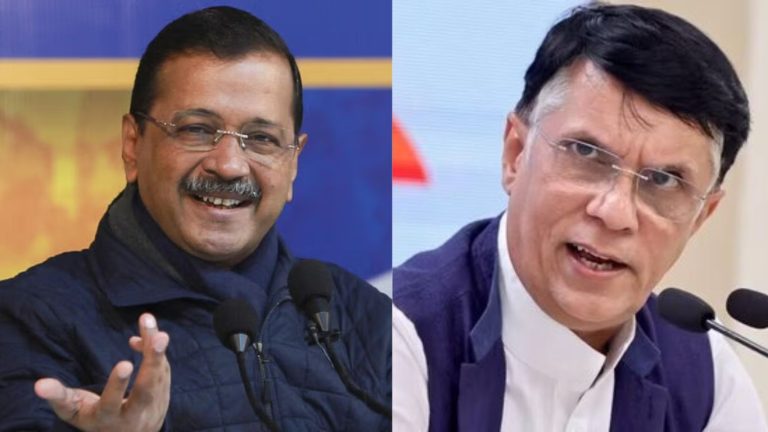
As the Delhi Assembly elections are inching closer, AAP’s INDI alliance partner, Congress, launched a scathing attack on the party in a press conference held today (January 23). In the press meeting organised by senior Congress leader Pawan Khera and Delhi Congress President Devendra Yadav, an audio clip was released allegedly of AAP MLA Sharad Chauhan talking about the Delhi Liquor Scam.

Khera alleged that the audio clip was a recording of a conversation between AAP’s sitting MLA from Narela, Sharad Chauhan, and an AAP worker. Khera said that in the audio, Chauhan is telling the other individual that he was sitting with Manish (AAP leader Manish Sisodia) when Nair (Vijay Nair, former AAP communications in-charge and a key accused in the Delhi liquor policy scam case) introduced the Liquor policy and a discussion took place.

Khera further added that Chauhan can be heard saying in the audio that he warned Manish against doing it (the liquor policy) as this would lead to the mushrooming of liquor shops everywhere. But Manish questioned where else the funds for elections would come from.

“This is where the funds came from for the Gujarat and Goa elections. Now the funds are coming from Punjab. Earlier, they came from the liquor shops. Manish offered me to enter into a settlement with two companies. I had even chalked out a plan with Rajesh. However, I did not go ahead with it and was saved from being jailed. Else I too would have been in the jail,” the voice alleged to be of Chauhan can be heard saying in the clip.

Devendra Yadav said that the AAP government had made lofty promises to the people of Delhi including the promise to eradicate corruption and bring transparency but it failed to walk the talk. Yadav added that it is clear from the audio that the entire Delhi Liquor Excise Policy Scam was executed by the top leadership of the AAP.

Top AAP leaders are out on bail in relation to the scam

Several top Aam Aadmi Party leaders, including AAP national convenor and former Delhi CM Arvind Kejriwal, former Deputy CM of Delhi Manish Sisodia, and Rajya Sabha MP Sanjay Singh have been facing charges for embezzlement of crores of rupees in the Delhi Liquor Excise Policy Scam. They are currently out on bail.

Notably, Enforcement Directorate (ED) was granted permission by the Union Ministry of Home Affairs to prosecute former Deputy CM of Delhi Manish Sisodia and former CM Arvind Kejriwal under the Prevention of Money Laundering Act (PMLA). 

BigTech bros Elon Musk and Sam Altman engage in online banter over $500 billion Stargate Project, Microsoft CEO adds fuel to fire

One of the highlights of the dramatic, over-the-top announcements after Donald Trump’s inauguration was OpenAI announcing a futuristic AI megaproject called ‘Stargate’, filled with a lot of sci-fi-level jargon and a staggering $500 billion dollars commitment.

Though the details of the project are still hazy, the announcement of $500 billion budget has triggered a massive social media discussion, with the most prominent debate involving OpenAI boss Sam Altman and Elon Musk, the world’s richest man, who is curiously not a part of the Stargate Project.

The Stargate Project was announced by Donald Trump, as a joint venture by Softbank, OpenAI, and Oracle, with Softbank boss Masayoshi Son declaring how keen he is to develop the AI infrastructure in the USA. Oracle boss Larry Ellison promised that one day soon, the Stargate AI project will have the capability to detect cancer in an individual’s body and develop a custom-made, personalised vaccine against it in 48 hours.

OpenAI shared a detailed social media post, announcing that the project is already underway and $100 billion is already available for immediate deployment.

“This infrastructure will secure American leadership in AI, create hundreds of thousands of American jobs, and generate massive economic benefit for the entire world. This project will not only support the re-industrialization of the United States but also provide a strategic capability to protect the national security of America and its allies”, OpenAI said.

However, Elon Musk, the boss of Tesla, SpaceX, X, and the world’s richest man who is now closely associated with the Donald Trump administration, has been not so pleased. Far from just being skeptical, Musk seems to be almost mocking the project, alluding that the companies who announced the project do not have that kind of money.

The very first reply under OpenAI’s post is that of Musk, who has not minced a single word, declaring the $500 billion figure as non-existent.

Elon Musk’s tweet

Sam Altman shot back at Musk, saying that he is wrong and Musk is only upset because his companies are not involved in the said project. Musk has, however insisted that Softbank doesn’t have more than $10 billion at the moment.

Sam Altman’s reply to Elon Musk

Altman even went a step ahead and indicated Musk is not patriotic enough for the USA if he disbelieves the Stargate Project and added Musk should put the USA ahead of his own narrow business interests.

Elon Musk responded by sharing almost a dozen posts mocking Sam Altman and highlighting his association with ‘anti-Trump’ Reid Hoffman, even sharing a post that indicated Altman and others must have been ‘high on drugs’ while announcing the Stargate project.

Musk highlighted Altman’s close association with LinkedIn cofounder Reid Hoffman, who has been known for his anti-Trump rhetoric and political lobbying against the current US President.

There have been legitimate concerns regarding the claim of $500 billion investment for the Stargate Project. A number of investors and advisors have cautioned that this may well have been a ‘hype’ aimed to raise the stocks of certain companies for the time being without actually achieving anything in real.

.”.Everyone should just start issuing press releases for $1 trillion AI projects. BTW love it that the ticker MGX which is a biotech company is up 33% on this. If you a professional investor or analyst and you took $500b at face value – or even worse wrote a *note* about this – you should resign in disgrace”, wrote Gavin Baker, to be reposted by Musk.

Satya Nadella joins, insinuates ‘AI hype’

The hype and speculations around the Stargate Project has made it the current media favourite, even to the extent of shadowing over Donald Trump’s highly dramatic executive orders signed on the first day of assuming office.

Microsoft CEO Satya Nadella, whose platform Azure has been working closely with OpenAI for developing AI models, was asked by CNBC what does he think of Elon Musk’s statement that the partners of Stargate Project don’t have the money they are claiming to have.

Surprisingly, despite OpenAI’s post naming Microsoft as a key associate in the Stargate Project, Nadella answered that the only thing he is certain about, is that Microsoft is going to invest $80 billion in developing Azure and they do have the money.

“Satya defininetly does have the money,” Musk commented.

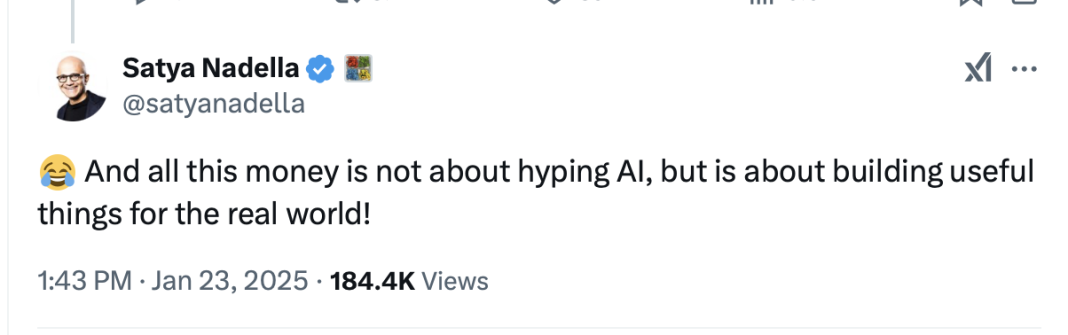
Curiously, almost as if he was joining Musk in mocking Altman, Nadella replied that his money, the $80 billion, is earmarked for “building useful things for the real world”, and not for “hyping AI”.

Post by Satya Nadella

The laughter emoji Nadella added before his post added a lot to the conversation, almost affirming Musk’s statement that OpenAI, Sam Altman and Softbank do not have the promised $500 billion for Stargate Project.

AI hype, Trump 2.0 and realistic funding

Microsoft has announced $80 billion in building AI data centres in 2025, the amount that Nadella claims he already has. Amazon has announced 2 data centres of $10 billion each in recent months. While the claims and hype around AI and AI driven future capabilities are massive, the amount $500 billion does seem a bit too much to be inside the realms of ‘realistic’.

On the other hand, Elon Musk is one of the major voices that have been cautioning against the unregulated, unchecked advancement of AI and research into AGI. Musk and Altman’s spats are not uncommon, with the Tesla boss being openly miffed about OpenAI becoming a close and ‘for profit’ organisation.

It remains to be seen how much of the $500 billion promised will actually be raised, and whether the claims of almost magical cancer cures and futuristic data centres solving all of humanity’s problem will be realistically achievable, but the online banter between the most famous names in the field of technology is certainly entertaining to watch for now.

Gujarat State Road Transport Corporation cancels bus halt licences of 27 hotels, minister shares the reason

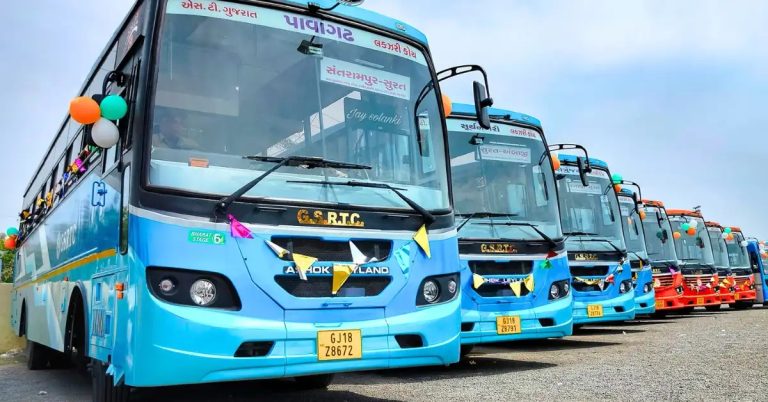
Gujarat Road Transport Corporation (GSRTC) has cancelled bus halt contracts with a total of 27 hotels in the state. As a result of this decision, Transport Corporation buses will not stop at these hotels from now on.

Notably, it was claimed that these hotels had taken licenses in Hindu names, but in reality, the owners are Muslims. But later Minister Harsh Sanghavi said that the reason for the termination of the contracts was the unhygienic conditions of the hotels.

“GSRTC has permanently stopped halting buses at 27 hotels due to dirt and unhygienic conditions. This step has been taken for the convenience and hygiene of our passengers. We have instructed our department to monitor all other bus stops and hotels so that they follow the rules and provide the best services to the passengers. Your safety and satisfaction is our priority!” the minister posted on X.

The list includes hotels in divisions like Vadodara, Rajkot, Godhra, Mehsana, Bhuj, Bharuch, Ahmedabad, Nadiad, Palanpur etc. The list of 27 hotels also includes which were named after Hindu deities. 

For example, the list includes Hotel Shivshakti located on the Bhuj-Dhragandhra-Ahmedabad route and Hotel Tulsi, located on the Surat-Ahmedabad route.

Journalist Nirnay Kapoor shared the list of hotels where GSRTC buses will not halt from now on, claiming that the hotels with Hindu names are actually owned by Muslims.

The permit of Hotel Maruti on the Surat-Ahmedabad route in Bharuch division has also been cancelled. Permission for GSRTC buses to stop at Hotel Vrindavad located on the Vadodara-Godhra-Modasa route and Hotel Gurukripan on the Ahmedabad-Mehsana-Palanpur route has been cancelled.

Similarly, the list includes Hotel Sarvodaya on the Ahmedabad-Rajkot route, Hotel Shreeji on the Ahmedabad-Balasinor-Godhra-Jhalod route, Hotel Sahyog on the Ahmedabad-Surat road, Hotel Galaxy, Hotel Ronak, Hotel Sarvodaya on the Ahmedabad-Dhragandha-Bhuj route, Hotel Satimata on the Surat-Ahmedabad road etc.

It is worth mentioning that GSRTC runs state transport buses across the state and long-distance buses halt at some hotels on the highway. For this, the corporation invites tenders every year and contracts are signed with the hotels that win the bids.

Some people had claimed that some of the hotels that won the bids and signed deals with GSRTC were using Hindu names even though they are owned by Muslims. As a result, there were demands on social media to investigate such hotels and take appropriate action.

Amazon Web Services commits investment of ₹60,000 crore to expand its data centre infrastructure in Hyderabad

In an achievement for Telangana, Amazon Web Services (AWS) has committed to investing Rs60,000 crores to expand its data centre infrastructure in the Hyderabad region.

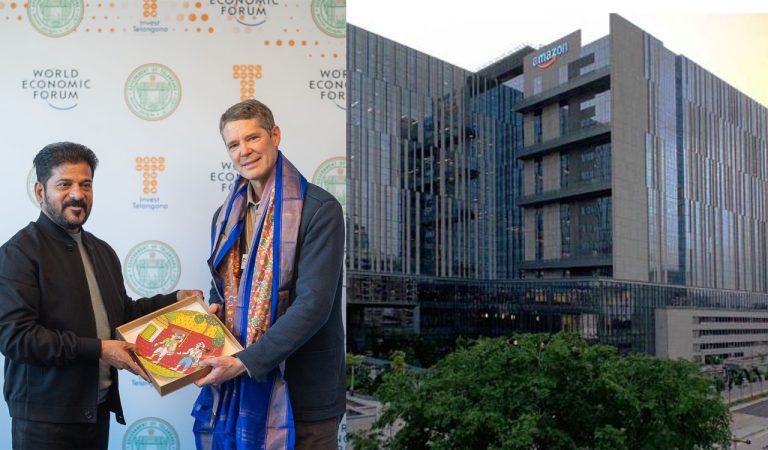
This agreement was secured during a high-level meeting between Telangana’s delegation, led by Chief Minister A Revanth Reddy and IT & Industries Minister D Sridhar Babu, and senior executives from AWS at the World Economic Forum, Davos.

Representing AWS, Michael Punke, Vice President of Global Public Policy, outlined the company’s vision for Telangana as an integral part of its India operations strategy.

The discussion highlighted the state government’s proactive and supportive policies, which have created an ideal ecosystem for data centre development.

The new Rs60,000 crore investment will significantly bolster AWS’s presence in Telangana, with plans to establish additional data centres in Hyderabad.

This expansion will cement Hyderabad’s position as the undisputed hub of data centres in India, according to Minister D. Sridhar Babu.

AWS has been a long-term partner in Telangana’s digital growth journey. The company previously announced a USD 4.4 billion (Rs36,000 crore) investment by 2030 to enhance cloud infrastructure in the state.

AWS has already developed three operational data centre sites in Telangana, representing an investment of $1 billion (approximately Rs8,000 crore).

To facilitate this new phase of expansion, AWS has requested the allocation of additional land, a proposal that the state government has promptly agreed to support.

Hailing the investment, Chief Minister Revanth Reddy stated, “We are delighted with the growth of confidence of global businesses like Amazon to making huge investments as never before in our state now. The efforts of the last one year have truly borne fruit. This is TelanganaRising vision at work.”

Minister Sridhar Babu added, “With this deal, Hyderabad is set to be recognised as the Data Centres hub of India and an undisputed leader in the space.”

AWS’s decision to expand in Telangana underscores its commitment to supporting the state’s digital ambitions. The Hyderabad AWS Region will play a pivotal role in driving the growth of cloud services, artificial intelligence, and advanced computing capabilities in India.


(This news report is published from a syndicated feed. Except for the headline, the content has not been written or edited by OpIndia staff)

Communal tension at Thiruparankundram hill in Madurai: Islamists claim ownership while authorities allow non-veg food near Murugan Temple, ‘miscreants’ paint Jain caves green

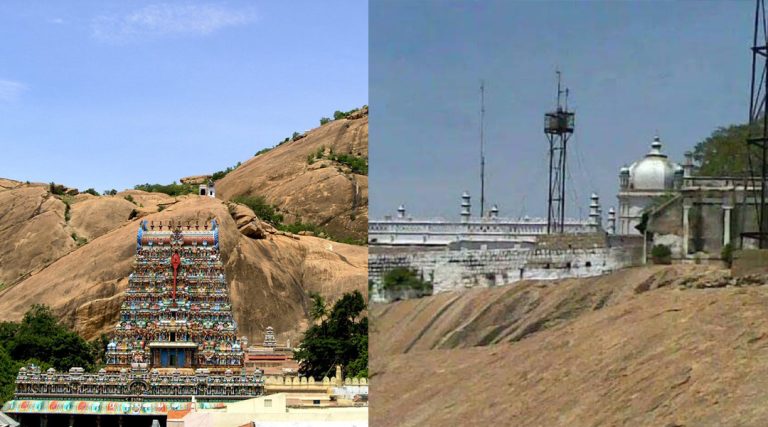
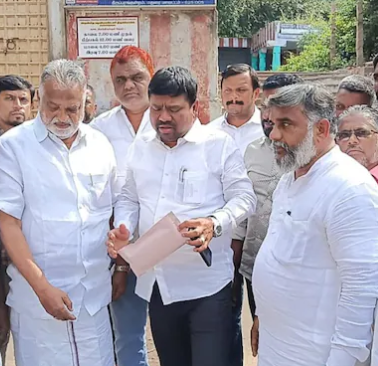
On Wednesday, 22nd January, the Tamil Nadu police in the Madurai district issued orders barring the Muslim community members from transporting livestock for sacrifice to the claimed Sikandar Badusha Dargah located atop the Thiruparankundram hill. The police said that the community was allowed to transport cooked meat and consume and pray on the hill, but the ban was only imposed on the transportation of livestock like chicken, goat, etc for sacrifice.

The said order created religious tension in the district as the hill also houses the old Murugan Temple, close to the Dargah. Indian Union Muslim League MP Nawaz Kani took cognizance of the event and talked to the police. However, the authorities firmly stated that the restriction would remain in place for the transportation of animals for sacrifice atop the hill.

“For several decades, devotees used to take goats and hens atop the hill for sacrifice, cooking, and consumption. This has been in place for several decades. From now on, those who are climbing the hill will be allowed to take meat, but there is a temporary ban on taking live animals. I met the Madurai Police, and we are discussing this matter. The practice that was in place till now should be restored” Kani was quoted as saying as he added that the property on the hill was a Waqf property.

He also highlighted the instance of the Gyanvapi structure and the Kashi Vishwanath temple in Varanasi and said that the duo have been co-existing for years now, similarly, he said the Murugan Temple and the Sikandar Badusha Dargah would co-exist atop the Thiruparankundram hill. He said that the restrictions were temporary and that these would be lifted soon allowing Muslims to pray without any restriction at the Dargah.

Kani’s visit to Dargah (India Today)

Following this, Tamil Nadu BJP chief K Annamalai commented on the issue and stated that Kani was trying to make a difference between the two religious communities. “In the spiritual land of Tamil Nadu, all religions have their own rules of worship at their places of religious worship. Their sanctity must be preserved. But the events taking place at Thiruparankundram Subramanya Swamy Temple (Murugan Temple) are unpleasant,” he said.

He further added that Kani’s action would hurt the religious sentiments of the people worshipping the Murugan temple and would also pose a threat to the sanctity of the temple. “To foment division, the MP consumed non-vegetarian food at Thiruparankundram Subramanya Swamy Hill. This is not only completely wrong but also a religious riot. For all these years, the people of Tamil Nadu have been living in social harmony and respecting the rituals of all religions. A Member of Parliament acting to spoil it is foolish. Totally unacceptable,” he added.

Restrictions imposed on Annadhanam offered at Palani Dhandayuthapani Swamy temple

While Muslims are allowed to bring non-vegetarian food to the Thiruparankundram hill, food safety officials in Dindigul have issued stringent orders requiring prior permission for devotees offering Annadhanam (food-offering) at the Dhandayuthapani Swamy temple in Palani. Thaipoosam festival is starting on 11 February in the temple, for which preparations are underway. Amid this, the Food Safety Department in Dindigul has mandated that anyone wishing to distribute Annadhanam to the devotees on Padayatra must first obtain official permission.

Failure to comply with this order will result in a fine of ₹1,000. The department also ordered that plastic bags should not be used and areas where food is served must be cleaned after meals.

Palani Murugan Temple is considered the third abode of Lord Muruga, and devotees have started to arrive ahead of the Thaipoosam festival. The devotees offer food to other pilgrims, but now the authorities are restricting this practice, requiring prior permission.

Jain caves painted green

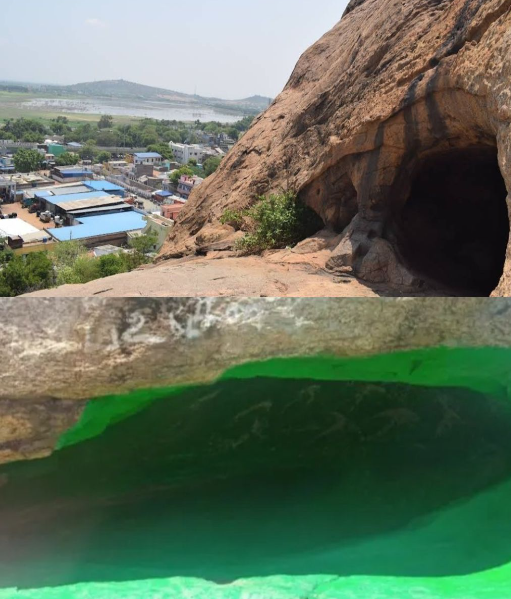
In the midst of this controversy, another issue emerged in which a few ‘unidentified’ miscreants painted ancient ‘Jain caves’ green on the hill causing outrage from the Hindu community. The vandalism was brought to the notice by Shankar, Assistant Conservation Officer of the ASI who filed a complaint under the Ancient Monuments and Archaeological Sites and Remains Act, 1958 (AMASR Act), and the Prevention of Damage to Public Property Act, 1984 (PDPPA).

Jain caves painted green (The commune)

How did the communal issue escalate?

The entire issue is believed to have begun last year on 27th December after a Muslim family led by Syed Abu Dahir, a 53-year-old from Malaiyadipatti attempted to take animals on the hill for sacrifice. The police detained the family which further irked 20 Islamists to protest against the police. Recently on 5th January, a massive protest by Muslims was organized at the bottom of the hills where the protestors demanded free access to pray at Dargah atop the hill. Given this, the police made several detentions after the Muslims engaged in a major scuffle with the authorities. The Muslims claimed that Sultan Sikandar built the Sikandar Badushah Thozhugai Pallivasal approximately 400 years ago.

On 18th January then, the Muslims led by the SDPI organized Sammanboj on the hill in which they had planned to sacrifice goats and chickens for meals. The police were informed about the plans backed by several social media posts that affirmed the Muslim community’s intentions. Hindu Munnani members meanwhile resisted Muslims’ effort to sacrifice animals on the hill, one of Lord Murugan’s six sacred abodes. They said that Muslims were attempting to convert the hill into an Islamic place of worship.

The police then posed barricades on the site informing the Muslims that sacrificing the animals was prohibited atop the hill, however, they could carry the cooked meat and consume it there. Following this, clashes erupted between Jamath members and the police, further intensifying the situation.

On 21st January, DMK Manapparai MLA Abdul Samad conducted and unofficially survey of the hill and claimed control of the premise. Indian Union Muslim League MP Nawaz Kani also claimed that the entire property was Waqf property and every Muslim had the right to pray at Dargah the way he wanted. He reiterated that the sacrifice of animals atop the hill was an old tradition and that it should continue.

It is crucial to note that Thiruparanundram Hill is a religious site and is of crucial significance to Hindus due to the presence of ancient Jain caves and Lord Murugan Temple atop. Several Hindus have worshiped the temple for centuries. The Jain caves on the hill also date back to the 2nd century BCE and these have Tamil Brahmi inscriptions on them, as surveyed by the Archaeological Survey of India (ASI).

However, the Muslims who are creating chaos around the hill have begun claiming the hills as ‘Sikandar Hills’ behind the Sikandar Badusha Dargah.

Muslims claiming ownership of the hills, calling it ‘Sikander Hills’

One may think that these claims by Muslims are recent after the police orders, however, the Muslims have been trying to claim the hills from the 19th and 20th centuries. The hill which is of most significance to Jains and Hindus is being claimed as ‘Sikandar Hills’ by the Muslims, posing a threat to the sanctity of the temple and Jain caves. Notably, in the past also the legal authorities affirmed that the Hills housed the Lord Murugan temple primarily and that Lord Muruga was the primary deity of the region.

In the year 1931, the Islamists made similar claims saying that the hill was a Muslim property and that its name was ‘Sikandar Hills’. The Privy Council on 12 May 1931 took cognizance of the matter and said that Thiruparankundram Temple had proven its historical possession of the unoccupied portions of the hill, treating it as its property for generations.

The council was hearing the matter over the confiscation of endowed villages and the presumption regarding the temple’s ownership of the wasteland around the temple. “the question at hand is whether any presumption should be drawn from the confiscation of the endowed villages concerning the property rights in the wasteland situated within the Ghiri Veedhi, which forms part of the Malaiprakaram. It is admitted that the village of Thiruparankundram, where the temple is located, was part of this endowment,” the Privy Council judgment read.

The Thiruparankundram Temple is one of the most revered temples in the southern part of India dedicated to Subramanya, the son of Lord Shiva. The shrine of the deity has also been carved from within the hill indicating the elongated and original presence of the temple for centuries. Around the hill is the two-mile pilgrim’s path where the devotees offer circumambulation (pradakshina) to the deity. The said path, Ghiri Veedhi is considered as the temple’s property. In 1144, the same was called the Malaiprakaram of the temple.

Historical records show no interference by Mahomedan invaders

During the council judgment in 1931, the Subordinate Judge clarified that ‘prakaram’ is the outer area of the temple and ‘Malai’ means hill. “The Thiruparankundram Temple had proven its historical possession of the unoccupied portions of the hill, treating it as its property for generations,” the subordinate judge said. Notably, historical records also show no interference by Mahomedan invaders on the hills.

Some of the Muslims, reportedly, might have built residences on the hilltop in the past, forcing the Hindus there to accept such development. However, the rights of the temple remained with the Hindus as granted by the East India Company, which recognized the temple’s ownership over the land. The then government also considered the entire hill to be temple property, as affirmed by the Subordinate judge.

“During some interval of Mahomedan domination that mosque and some Mahomedan houses were built, but this was an infliction which Hindu occupants of the hill could have been forced to put up with. Thus, rights which temple could assert against Respondent were rights which East India Company granted to them,” the original documents regarding the case read.

Local Hindus have alleged that under the guise of religious festivals, parts of the hill have been systematically encroached upon over time by the local Muslims. Meanwhile, the Tamil Nadu government’s HR&CE Department has also been accused of Muslim appeasement politics contributing to the further escalation of communal tensions.

Bombay High Court acquits a father convicted of raping his daughter by trial court; father was accused because he was opposing her relationship with a boy

0

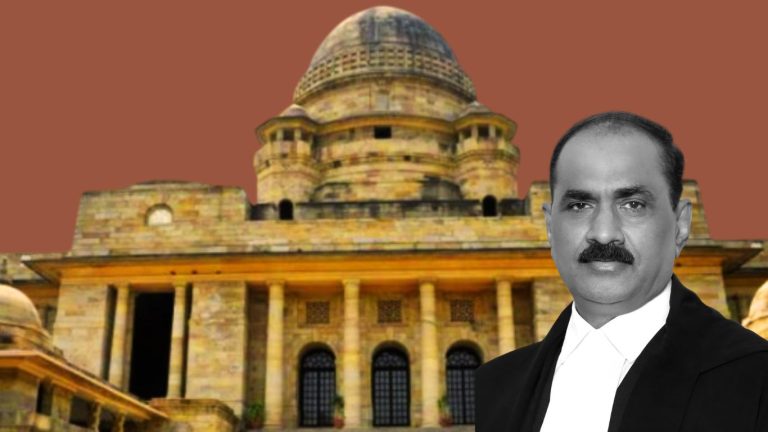
The Nagpur bench of the Bombay High Court recently acquitted a middle-aged man who was convicted of raping his minor daughter by the trial court. In a judgment given on December 5, 2024, a bench of Justice G A Sanap acquitted the father citing lack of evidence.

Justice Sanap noted that in ordinary circumstances, a daughter would not level such an allegation and a father would not sexually assault his daughter. “It is true that in ordinary circumstances, a daughter would not level such an allegation against her own father. Similarly, in ordinary circumstances, the father would not also sexually assault his own daughter. However, considering human psychology and tendency, mistakes can occur, even in the case of the father, who is the ordinary saviour of the children,’ Justice Sanap observed.

The bench was hearing an appeal by the father challenging his conviction, dated February 23, 2021, in the sexual assault case by a special court. He was granted 10 years of imprisonment along with a Rs. 5000 fine by the special court under the provisions of the Indian Penal Code and the Prevention of Children from Sexual Offences Act (POCSO).

The father looked after the alleged victim and her brother

The Judge noted that the complaint was filed 7 years after his wife left the appellant. He further observed that the appellant had not remarried ever since his wife left him and had been taking care of his two children, including the victim. The judge also took notice of the fact that the victim confided in her maternal grandmother about the alleged sexual assault and not in her paternal grandmother with whom she had been residing for years.

“It is not a case of the victim that she was not close to her paternal grandmother. The victim girl did not disclose any incident to her paternal grandmother and her younger brother. The appellant looked after the well-being of the victim and her younger brother. He did not perform the marriage even after desertion by the first wife. As compared to a paternal grandmother who was residing with the victim, the maternal grandmother, was more trusted by the victim girl, ” the judge noted. The victim had testified that her mother had left her, and her father, an alcoholic, started abusing her when she was in Class 3 and that she disclosed this to her maternal grandmother and not to her paternal grandmother with whom she had been residing.

No evidence except the ‘bare words’ of the victim

Citing a lack of evidence, except for the victim’s testimony, Justice Sanap noted that the appellant has been shouldering his family’s responsibility from age 25. “Even if it is assumed that the father was addicted to liquor, it would not weigh in favour of the prosecution. The victim has nowhere stated that the appellant did not look after their well-being and maintain them. He looked after the victim in the absence of her mother, would not have committed such an act with her. When the wife of the appellant left him, he was hardly 25 years of age. On the date of lodging the report, he was 35 years of age. He single-handedly looked after the well-being of the children and his old-aged mother. He was the only earning member of the family and must have toiled hard to earn and sustain the family. This is another vital circumstance, ” the judge noted

Father was opposing the victim’s marriage with a boy of her choice

Examining the evidence on record, Justice Sanap observed that the victim implicated her father in a false case because he was opposing her marriage with the boy of her own choice with whom she had intimacy.

“The appellant, being a caring father, did not accept the proposal of marriage of the boy with his daughter. In my view, it seems to be the cause for the prosecution against the appellant. It shows that the victim and the boy had intimacy. In my view, the strong opposition to the marriage by the appellant seems to be the cause of his misery. It seems that his approach was proper. He was not wrong when he suggested that the boy was not the proper match for the victim. The appellant being guardian of the victim, was the proper person to find a suitable match for his daughter. The victim-daughter had ideas and plans in her mind, “the judge said while acquitting the appellant.

Just as 2 more temples burn to ashes, Bangladesh govt denies persecution of Hindus, lies to US official and blames India for spreading ‘misinformation’

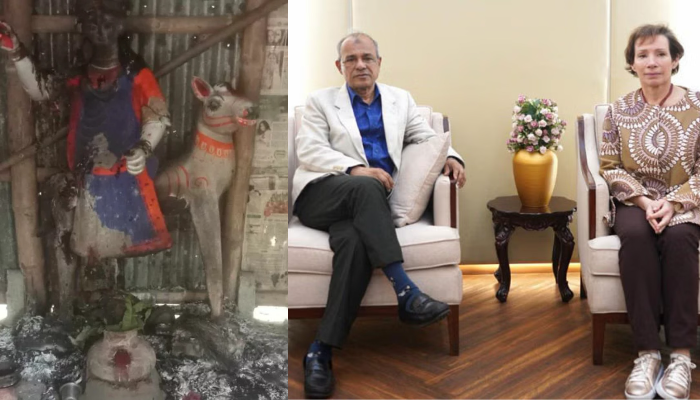
“We do not want to use the word minority. Everyone is a citizen of Bangladesh and everyone has equal rights. The few isolated incidents that have occurred since 5th August are mainly political, not religious, reasons,” Bangladesh Home Affairs Advisor Lieutenant General (retd) Jahangir Alam Chowdhury claimed before the United States (US) Charge d’Affaires in Dhaka Tracey Anne Jacobson on the afternoon of 21st January, according to a report in The Daily Star. He added that the Indian media is spreading lies that minorities are not being oppressed in Bangladesh.

Meanwhile, Islamists attacked two temples on Tuesday in Kashiani of Gopalganj and set them on fire, reported Dhaka Tribune. The incident happened in the wee hours of 21st January in the Kashiani upazila’s Tarail Northpara village of Fulkra union, where a Durga temple and a Shitala temple were attacked. Both temples suffered severe damage from the flames, which destroyed worship materials and idols. However, the perpetrators are yet to be identified. The authorities also arrived at the scene to evaluate the damage after learning of the occurrence. This is the latest attack on minorities and their religious places in Bangladesh that started after the ‘students revolution’ overthrew Sheikh Hasina government.

Promoth Biswas, who worships at the temples every day, spoke of his dismay at witnessing the destruction. “I went to the temple for my usual morning prayer on Tuesday and found the bamboo door open. Inside the Durga temple, I saw that the worship materials had been burned. Additionally, the statue of Shitala Devi in the nearby Shitala temple had been set on fire using straw. I immediately informed others about the situation,” he voiced.

OC Mohammad Shafiuddin Khan of the Kashiani police station verified the instance and promised that an inquiry will be carried out. “I visited the site after receiving the news, and we are taking legal action. However, as of now, no one has filed a formal written complaint,” he alleged.

Notably, the Bangladeshi administration led by chief advisor Muhammad Yunus has consistently propagated the narrative of “no atrocities on minorities,” while simultaneously attributing blame to the Indian state and its media for spreading disinformation. However the horrific developments coming out of the country reveal entirely different ground realities. Jahangir Alam Chowdhury who met with Tracey Ann Jacobson at his office at the Secretariat also advocated for the relocation of further Rohingya Muslims from Myanmar to the United States.

“The United States has been in a leadership role in humanitarian assistance and rehabilitation of the Rohingya from the beginning. They have already rehabilitated a significant number of Rohingya. I urge the United States to rehabilitate more,” he urged. According to Tracey Ann Jacobson , the biggest contributor to the rehabilitation and development of Rohingya refugees is the United States. In order to better the lives of the Rohingya, the US development agency US-Aid is collaborating with regional non-governmental organizations (NGOs) in Bangladesh. About 17,000 Rohingya have previously been resettled by the US and this process is still going on.

The meeting covered a wide range of subjects, including border security, the problems faced by minorities, cooperation in the agricultural sector, counterterrorism, the Rohingya issue, the Police Reform Commission, mutual cooperation in strengthening the capacity of law enforcement agencies and mutual interests. According to the Home Affairs Advisor, the US is one of Bangladesh’s main development partners. Many Bangladeshi students travel to the US each year to pursue higher education and the country remains a partner in the security and counterterrorism sectors.

Furthermore, he added that they have been helping Bangladesh by giving police and other law enforcement authorities cutting-edge training and equipment to improve their skills. He then asked for additional training on human rights problems for the police and on human trafficking concerns for the Coast Guard and Border Guard Bangladesh (BGB). “We will continue to increase the United States’ support for Bangladesh’s development,” the US Charge d’Affaires stated. She admitted that 30 percent more students are now able to study in the US than earlier.

She also assured, “We will provide more training to law enforcement officers. However, we must ensure that the officers return to their respective positions after the training.” Jahangir Alam Chowdhury, on the other hand, declared that the border situation is very normal. Next month, the two nations will meet in Delhi at the level of the director generals of the BGB and BSF (Border Security Force).

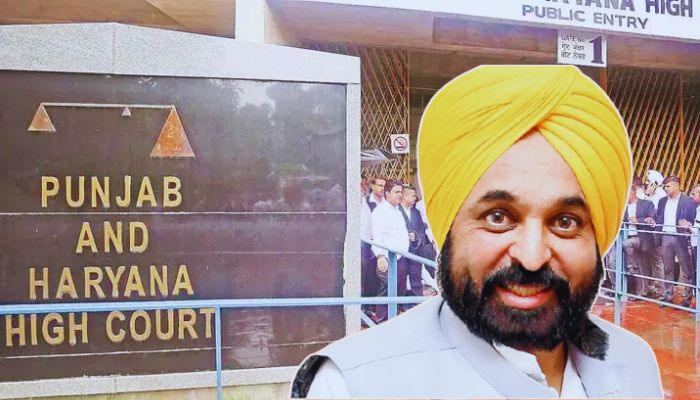
Punjab and Haryana HC slams AAP govt, asks how can they have no money for forensic labs but lavish spending on advertising and cars

In an embarrassing turn of events for the Aam Aadmi Party government in Punjab, the Punjab and Haryana High Court has asked the state government’s Chief Secretary to provide details of the expenses on advertisements promoting the government’s performance and ‘achievements’ in the current fiscal year. The court rebuked the AAP government for taking a position that there was a shortage of funds for allocating the budget for buying modern technology tools for Forensic Science Laboratories while huge amounts are otherwise being spent.

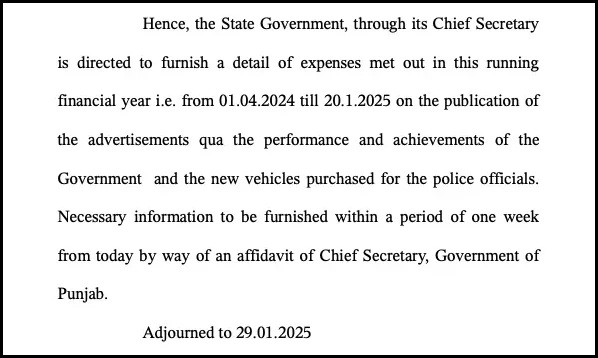
While hearing a regular bail plea by one Vinay Kumar in a Narcotic Drugs and Psychotropic Substances (NDPS) case on 21st January 2025, Justice Sandeep Moudgil said, “The State Government, through its Chief Secretary is directed to furnish a detail of expenses met out in this running financial year i.e. from 01.04.2024 till 20.1.2025 on the publication of the advertisements qua the performance and achievements of the Government and the new vehicles purchased for the police officials. Necessary information to be furnished within a period of one week from today by way of an affidavit of Chief Secretary, Government of Punjab.”

The NDPS case against Vinay Kumar and the AAP government’s admission of Punjab’s FSLs lacking basic facilities

During the earlier hearings in the matter, petitioner-accused Vinay Kumar’s counsel alleged that Vinay Kumar was actually taken into custody on 14th September 2023 from the house of one Mohit Sharma but in the records, he was been shown to be arrested on 16th September. This petitioner’s claim was backed by the CCTV footage and a CD which was placed on record in the court. Subsequently, the High Court directed the state counsel to examine the footage submitted by the petitioner’s counsel and file a status report accordingly.

To court the court’s dismay, the state counsel informed that the footage was sent to the Central Forensic Science Laboratory (CFSL), Chandigarh, for analysis. However, the FSL lacked the basic facilities to analyse the video clips or compact disks.

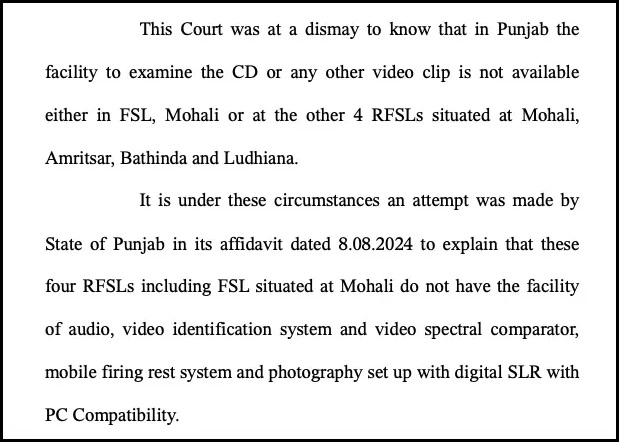
“This Court was at a dismay to know that in Punjab the facility to examine the CD or any other video clip is not available either in FSL, Mohali or at the other 4 RFSLs situated at Mohali, Amritsar, Bathinda and Ludhiana,” the court said.

In the affidavit filed on 8th August 2024, the Aam Aadmi Party government in Punjab attempted to ‘explain’ that four Regional FSLs including the one in Mohali do not have the facility of audio, video identification system and video spectral comparator, mobile firing rest system and photography set up with digital SLR with PC Compatibility.

In two affidavits filed, including one by Dr Rakesh Kumar Gupta, Chemical Examiner, Chemical Laboratory, Punjab Kharar, the court was informed that Rs 99.40 lakhs were allocated for the upgradation of infrastructure of lab in Kharar, in addition to installing computers and other equipment for bar-coding.

While multiple affidavits were filed informing about the allocation of funds and its usage in the upgradation of FSLs and recruitment of analysts etc, the Secretary, Government of Punjab, Department of Home Affairs and Justice also filed an affidavit dated 12.04.2023 in CRM-A-2300-MA-2017 stating that all the four established FSLs/RFSLs are being upgraded, however, the court observed that it nothing but a “farce” as despite the tall claims of fund allocation and expenditure for upgradation of forensic labs in Punjab, when the CD is present petitioner Vinay Kumar’s case was sent to FSL, phase IV -SAS Nagar, Mohali (Punjab) for examination but the same was returned back the CIA, Tarn Taran with the remark/ report dated 22.08.2024 that “facility for examination of video/DVR/CCTV does not exist in the Forensic Science Laboratory, Punjab.”

High Court miffed over lack of basic necessities in FSL labs

Due to this, the state counsel sought a short adjournment to comply with the court’s order dated 9th August 2024. However, On 19th November 2024, the Punjab and Haryana High Court was informed that the necessary equipment are still not through the required process is underway and the State was directed to file an affidavit of the Home Secretary with the comprehensive schedule and action plan for upgradation of FSL, Mohali as well as RFSLs situated at Bathinda, Amritsar and Ludhiana within two weeks. Mohali FSL’s director who assisted the State Counsel said that a tender notice inviting bids would be published within a week and discussions have been held for purchase of forensic hardware and software. The State sought one month time on 11th December 2024 to complete the purchase process.

However, on Tuesday (21st January 2025), an affidavit by Dr Ashwani Kalia, Director of the Punjab FSL, was filed, in which he detailed the progress in procurement of video forensic tools. Dr Kalia informed the court about a meeting held by the Technical Evaluation Committee on January 9, 2025, regarding the supply and installation of the equipment. He assured the court that the process would be completed within four weeks and that by the next hearing in the matter, equipment would be ready to verify the genuineness and veracity of CCTV footage or clips.

To the High Court’s disappointment, Dr Kalia apprised the court that the upgradation process for the other three forensic labs could not be initiated due to lack of funds and budget allocation as of yet.

Calling another plea filed by Dr Kalia “Amazing” wherein he claimed that there is “serious budget restraint to purchase the equipment for the rest of three RFSLs.”

Justice Sandeep Moudgil came down heavily on the Punjab government and said that the “court cannot accept” such a response from the Director, of Forensic Science Laboratory, Punjab. The court noted that “budget requirement and sanctioning of the same could have been expedited within a few hours or in a couple of days had the State Government shown its willingness to armour itself with the modern investigative/scientific techniques, especially, in this digital and artificial intelligence era.”

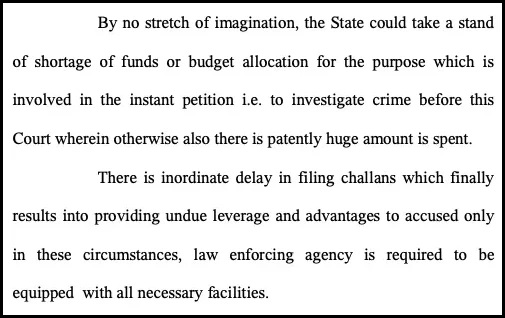
Further reprimanding the Aam Aadmi Party government, the High Court said, “By no stretch of imagination, the State could take a stand of shortage of funds or budget allocation for the purpose which is involved in the instant petition i.e. to investigate crime before this Court wherein otherwise also there is patently huge amount is spent.”

Justice Moudgil also noted that the law enforcing agency should be equipped with all necessary facilities since an inordinate delay in filing challans hands undue leverage to the accused.

HC seeks details of expenditure from AAP govt

The High Court ordered the CM Bhagwant Mann-led state government to furnish details of its expenditure in current financial year on the publication of advertisements hailing its performance and achievements. The court also directed the AAP government to provide details about the purchase of new vehicles for police officials. The court gave the state government one week to provide these details.

Hence, the State Government, through its Chief Secretary is directed to furnish a detail of expenses met out in this running financial year i.e. from 01.04.2024 till 20.1.2025 on the publication of the advertisements qua the performance and achievements of the Government and the new vehicles purchased for the police officials. Necessary information to be furnished within a period of one week from today by way of an affidavit of Chief Secretary, Government of Punjab,” the court said and adjourned the matter to 29th January.

All excerpts taken from relevant court order

Punjab has the highest per-capita debt in the country

Notably, Punjab has been facing financial crises in the recent past. The RBI data indicated that Punjab’s debt-GSDP ratio and per capita debt are the highest in the country compared to other states. Punjab’s debt-to-GDP (%) in FY 2024-25 (budget estimate) has been reported to be 44.1% while the fiscal deficit 3.8%. While the state’s financial condition is worsening, the AAP government has been prioritising “image management” more than economy management. In March 2024, it was reported that the AAP government spent Rs 7 crore in the Ludhiana district alone on promotions.

While the state’s outstanding debt stands at Rs 3,43,626 crores, as of November 2024, and is likely to increase by Rs 4,50,000 crore by the end of the AAP government’s term in 2026-27, the Bhagwant Mann government has been squandering taxpayers’ money on advertisement polishing its own image and distributing freebies at the cost of drying up state exchequer. With such misplaced priorities, it is not surprising that the state’s forensic labs are grappling with a lack of basic facilities leading to the dragging of criminal cases in the courts.

Uttarakhand government notifies Uniform Civil Code, becomes the first state in India to do so

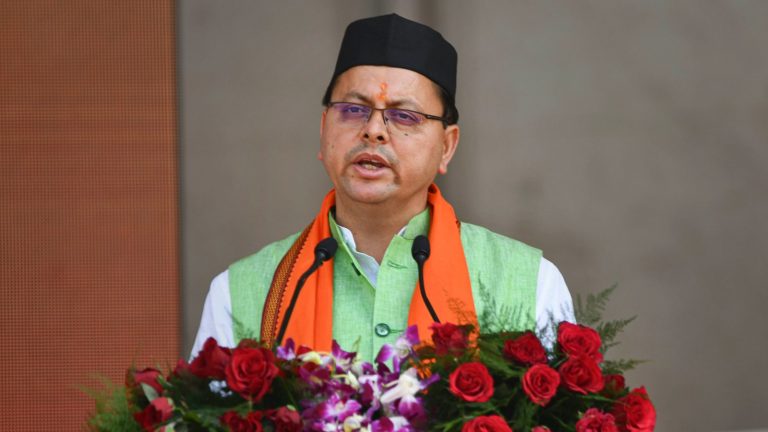
Uttarakhand on Wednesday notified the Uniform Civil Code (UCC) which contains clarity of legal provisions for marital conditions and protection of individual rights and social harmony, an official statement read.

According to the state government, this act applies to the entire area of the state of Uttarakhand and is also effective on the residents of the state living outside Uttarakhand.

Uttarakhand has become the first state in India to implement a Uniform Civil Code (UCC), aiming to simplify and standardize personal laws related to marriage, divorce, succession, and inheritance.

The UCC applies to all residents of Uttarakhand, except Scheduled Tribes and protected authority-empowered persons and communities.

This Act does not apply to the Scheduled Tribes (ST) notified under Article 342 and Article 366 (25) of the Constitution and protected authority-empowered persons and communities under Part XXI have also been excluded from its purview.

To streamline and simplify the legal processes related to marriage, a public welfare system promoting the protection of individual rights and social harmony has been provided in the Uniform Civil Code Act, 2024 of Uttarakhand, the statement added.

Under this, marriage can be solemnised only between those parties, none of whom has a living spouse, both are mentally capable of giving legal permission, the man should have completed at least 21 years of age and the woman 18 years of age and they should not be in the ambit of prohibited relationships.

Marriage rituals can be performed in any form under religious customs or legal provisions, but it is mandatory to register marriages taking place after the implementation of the Act within 60 days.

Whereas marriages taking place from March 26, 2010, to the implementation of the Act will have to be registered within 6 months. Those who have already registered as per the prescribed standards, although they are not required to register again, will still have to acknowledge the registration done earlier.

Marriages solemnised before March 26, 2010, or outside the state of Uttarakhand, where both the parties have been living together since then and fulfil all the legal eligibility criteria, can (although it is not mandatory) get registered within six months of the coming into force of the Act, said an official statement.

Similarly, the work of acceptance and acknowledgement of marriage registration is also required to be completed promptly. After receiving the application, the sub-registrar has to make an appropriate decision within 15 days.

According to the statement, if no decision is taken on the application related to marriage registration within the prescribed period of 15 days, then that application is automatically forwarded to the registrar; whereas, in case of acknowledgement, the application will be considered automatically accepted after the same period.

Along with this, a transparent appeal process is also available if the registration application is rejected. There is a provision of penalty for giving false information for registration under the Act and it has also been clarified that the marriage will not be considered invalid merely due to non-registration. Registration can be done both online and offline.

To implement these provisions, the state government will appoint a registrar general, Registration and sub-registrar, who will ensure the maintenance and monitoring of the relevant records.

This Act also lays down who can marry and how marriages are to be solemnised and also provides clear provisions on how both new and old marriages can be legally recognised, the statement added. 


(This news report is published from a syndicated feed. Except for the headline, the content has not been written or edited by OpIndia staff)