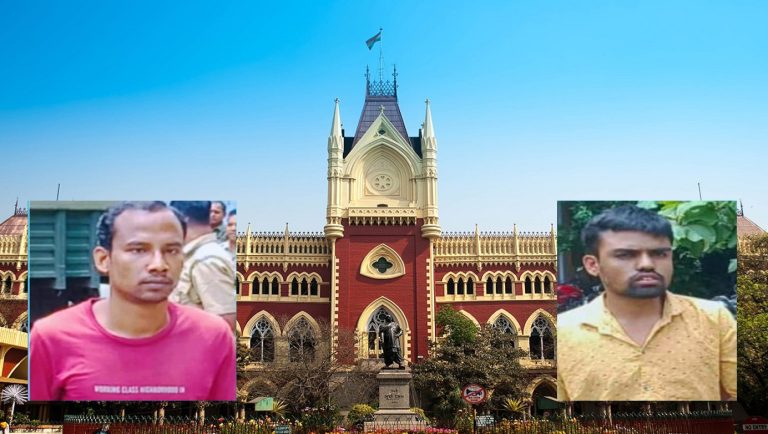
On Wednesday (23rd July), the Calcutta High Court commuted death sentence of two men convicted of raping and murder a 5-year-old girl. A division bench comprising Justices Debangsu Basak and Md Shabbar Rashidi sentenced the convicts to life imprisonment taking note of the state’s submission that there is ‘possibility of their reformation’.
The bench was hearing the plea moved by convicts Fagun Mandi alias Pui and Rabindra Routh alias Bhaku against the 2023 trial court order and death sentence. The trial court had earlier given death sentence to the duo under Sections 376DB(gang rape), 302 (murder), 201 (causing disappearance of evidence), 363 (kidnapping) and 365 (kidnapping with intent to confine them) of the Indian Penal Code (IPC) and Section 6 of the Protection of Children from Sexual Offences Act (POCSO Act).
The prosecution had alleged that Fagun Mandi and Rabindra Routh had abducted the minor victim who was playing outside a Kali puja pandal. The duo raped the victim, strangled her and then hid her body in the year 2021.
On Wednesday, the Calcutta High Court ruled that the convicts will not be eligible for remission or premature release for the next 60 years. The court noted that the convicts first raped the minor girl and then bamboo sticks in her private parts.
While the bench highlighted the depravity of the convicted duo, the state submitted that the possibility of their reformation still exists.
Taking note of this, the court said that there needs to be a balance between the gravity of the offence and the punishment, the court ordered that the convicts will serve life sentence with no remission for a period of 60 years.
“In such circumstances, taking into consideration the respective age of the two appellants their socio economic background and mental health conditions as also the nature of the crime, we deem it appropriate to impose life sentence on both the appellants without the possibility of remission for a period of 60 years from the date of commission of the offence,” the Court ruled.
TMC government sympathised with rape convicts
Notably, the TMC government in West Bengal submitted that the perpetrators were from ‘socially backward’ background and ‘slow learners’ at school with little to no education.
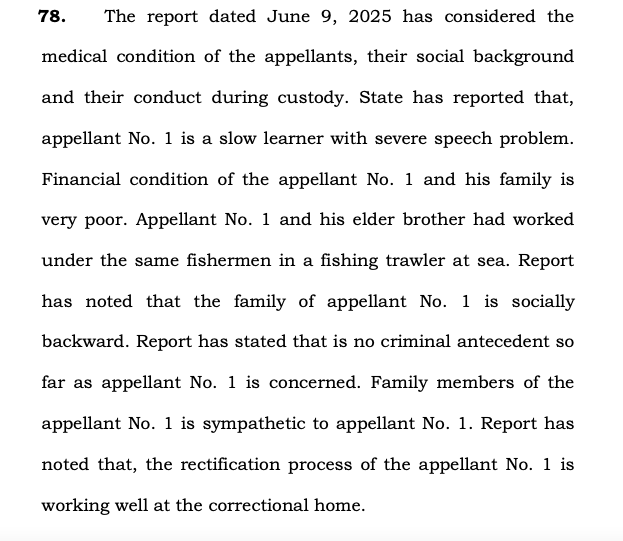
Highlighting the contents of the state government’s report, the court stated, “Appellant No. 1 is a slow learner with severe speech problem. Financial condition of the appellant No. 1 and his family is very poor. Appellant No. 1 and his elder brother had worked under the same fishermen in a fishing trawler at sea. Report has noted that the family of appellant No. 1 is socially backward. Report has stated that is no criminal antecedent so far as appellant No. 1 is concerned. Family members of the appellant No. 1 is sympathetic to appellant No. 1. Report has noted that, the rectification process of the appellant No. 1 is working well at the correctional home.”
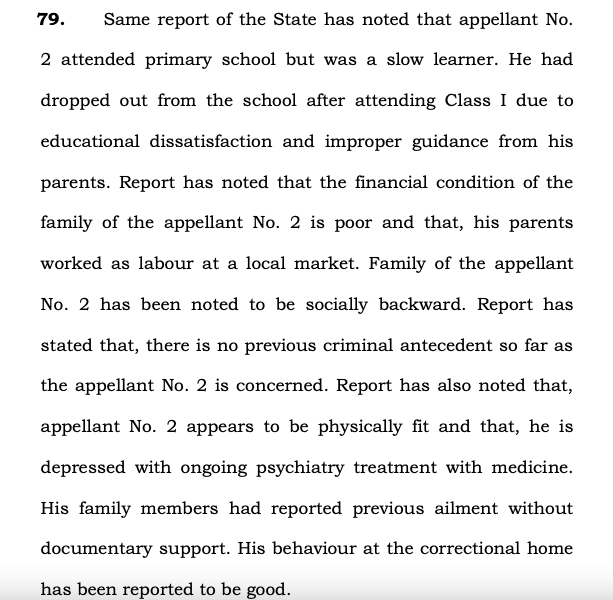
“Same report of the State has noted that appellant No. 2 attended primary school but was a slow learner. He had dropped out from the school after attending Class I due to educational dissatisfaction and improper guidance from his parents. Report has noted that the financial condition of the family of the appellant No. 2 is poor and that, his parents worked as labour at a local market. Family of the appellant No. 2 has been noted to be socially backward,” the court order reads.
Excerpts taken from relevant court order
However, the court said that it is not in a “position to say that release of any of the appellants on remission would not be a menace to the society.”
“Merely commuting the death penalty to one of life imprisonment simplicitor would not subserve the ends of justice in the facts and circumstances of the present case particularly given the nature of the offence committed by the appellants,” the court said.
A food safety scandal has come to light from Gansu province in northwest China. At least 230 kindergarten children fell ill after consuming poisoned food mixed with industrial-grade lead paint at Brownstone Peixin Kindergarten in Tianshui city.
The Guardian reported six staff members, including the principal and kitchen staff, have been arrested while twenty-seven others from the school, hospital, and local government are being probed over the matter. They are being accused of negligence and bribery for tampering with medical records.
The investigation revealed that in an attempt to boost admissions, the principal of the kindergarten had ordered to make the food in school cafeteria more attractive by using poisonous bright colours. The school had earlier used cheaper food safety colouring but later switched to brighter, industrial-grade pigment. The colours were bought online, and despite the packaging clearly warned ‘not for consumption’, however, the school used it. One of the pigments was found to contain lead levels 400,000 times the legal limits.
Aftermath of consuming the meal
The poisonous food had infected the students of the school, with reportedly at least 235 children being hospitalised. The common symptoms found were stomach pain, nausea, and, in some cases, blackened teeth.
The Tianshui Second People’s Hospital, where the children were treated, also came under fire. As per reports, the hospital changed the test results of at least two children to show lower lead levels than present. The Gansu provincial centre for disease control and prevention violated testing protocols, resulting in false readings that led to the exposure. The functioning and the conditions in the hospital have been described as pathetic with poor management, insufficient training, and no quality control systems in place.
Previously, Peixin school had been charged with charging premium fees despite lacking a valid operating licence. Officials from multiple departments are now under investigation for accepting bribes from the kindergarten’s main investor, who helped the school operate without proper oversight.
The food safety scandal, which came to light on Sunday, July 20, sparked immediate public outrage. Angry parents of the students gathered outside the kindergarten in protest. According to Li, a Chinese dissident who monitors domestic unrest, violent confrontations broke out between the police and the parents, with officers resorting to use of batons. The parents blocked police vehicles that were transporting plain-clothed individuals, suspected of being involved in the assault, while shouting, “Hand over those who beat people up!”
The Gansu provincial party committee released a formal apology, saying “We are deeply saddened by the abnormal blood lead problem in the Brownstone Peixin Kindergarten… and express our deep apologies to the children and their parents.”
The authorities have promised free medical care for affected children, legal assistance for families, and temporary state management of the kindergarten. The extended reforms included centralising food procurement for schools, more rigorous testing protocols, and stricter oversight of private kindergartens.
The case in China has reopened the previous wounds of the 2008 melamine-tainted baby formula scandal, in which six babies died and thousands fell ill due to the contamination by melamine.
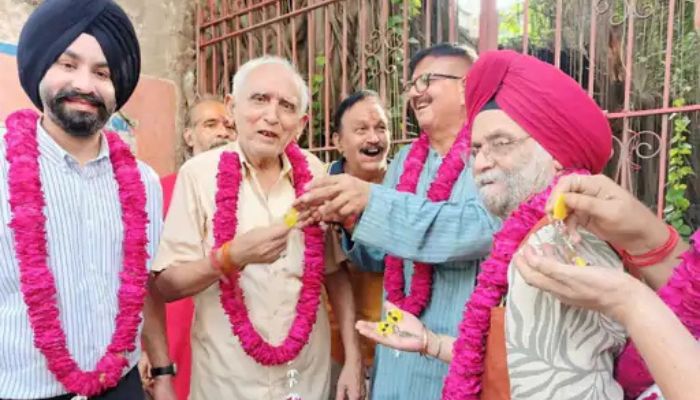
After over four decades of silence and locked gates, peace and harmony returned to a plot of land in Varanasi’s Jagat Ganj area this week. On Monday, 21st July, the rusted locks on a 4,000-square-foot disputed plot were finally broken. Members of both the Shri Bade Hanuman Mandir Management Committee and the Varanasi Gurdwara Management Committee were present.
This site, previously overgrown with weeds and crumbling walls, has a rich history. It was donated by the ancestors of social worker Pradeep Narayan Singh to build a Hindu temple and a Sikh gurudwara.
However, the area was locked up by the district administration on 31st October, 1984, when Prime Minister Indira Gandhi was assassinated by her Sikh bodyguards. Tensions heightened throughout the nation. In anticipation of violence between communities. The plot was shut down for 42 years.
Singh, whose relatives had originally made the land donation, was instrumental in putting an end to the long-standing conflict. For the past two months, he had conducted several negotiations talks with both the temple and gurudwara committees. His efforts finally paid off when both parties agreed to share the land equally and presented a joint settlement letter to the local court.
The gurudwara was a small building at that time, and the temple was temporary, Singh said. “To avoid any communal stress following the assassination of former PM Indira Gandhi, the administration locked the entire place.”
Ever since, the land had been left untouched, a testament to an issue that nobody had ever been able to solve. There were numerous attempts over the years, but none of them succeeded. Temporary walls and buildings would sometimes arise along the contested border, but whenever talks were initiated, they would collapse again.
It wasn’t until recently that both of the committees decided it was time to put the matter once and for all. “There were several meetings and mutual faith, and both sides agreed on splitting the land,” said Singh. “They signed the agreement and left it in the court’s hands.”
Paramjeet Singh Ahluwalia, Vice-President of the Gurdwara Management Committee, referred to the occasion as “historic.” According to him, the gurudwara is very important to the Sikh community since Guru Tegh Bahadur, the ninth Sikh Guru, visited there. “This gurudwara is about 300 years old, and it’s very holy for us. Thousands of Sikhs from Varanasi and other places will now be able to come and pray here,” he further added.
Ahluwalia said there are approximately 25,000 Sikhs residing in Varanasi at present, and this will be the fifth gurudwara of the city. Work on the new gurudwara will start in the near future.
On the temple side, the committee will also begin work on a massive Hanuman temple. “This settlement will be something our generations to come will remember,” said Satya Narayan Pandey, brother of temple representative Shyam Narayan Pandey.
With both groups now due to construct their places of worship on the same site, the 42-year-old strife has at last come to an end; in its place, peace, respect for one another, and a common vision of religious harmony.
The Uttar Pradesh government led by CM Yogi Adityanath is set to grant land ownership rights to Hindu refugees displaced from former East Pakistan (now Bangladesh) due to persecution by Islamists. The UP government is going to grant landownership rights to 2,196 families settled across 25 villages in the Pilibhit district.
The 62-year-long wait is finally going to end after a recent directive by the Uttar Pradesh Chief Minister. The decision came after a high-level meeting regarding the same was chaired by CM Yogi Adityanath. Reports say that only formal procedures remain after the chief minister gave the relevant departments instructions.
On Wednesday (23rd July), Gyanendra Singh, the district magistrate of Pilibhit, said that the administration will start the procedure after receiving the final guidelines.
Notably, even as the government gave these families land in 1960 for housing and farming, they were never given legal ownership. They were also denied access to government social programs since they lacked legal rights. This was the case not only in Pilibhit but also in Bijnor, Rampur, and Lakhimpur Kheri. Despite land allotment, the Hindu refugee families from Bangladesh could not attain formal title of the lands they resided on or cultivated, as there were either legal disputes due to clerical errors, land was under the Forest Department, missing records or a lack of mutation.
However, after CM Yogi Adityanath’s intervention, ownership documents will shortly be provided to verified refugee households.
The officials informed CM Yogi that the process of granting landownership rights to valid refugees could not be expedited due to the legal confusion that arose after repealing the Government Grants Act in 2018. Due to this, there was no legal method to validate old land allotments. However, CM Yogi instructed the officials to find another way, saying that the “law exists to serve the people, not to trap them in misery.”
Official data indicates that 1,466 applicants’ verification reports have already been forwarded to the state government out of the 2,196 affected households living in 25 villages in Pilibhit. The action will benefit refugees in over 25 villages in the tehsils of Kalinagar and Puranpur, in addition to Tatarganj, Bamanpur, Baila, Siddh Nagar, Shastri Nagar, and Nehru Nagar.
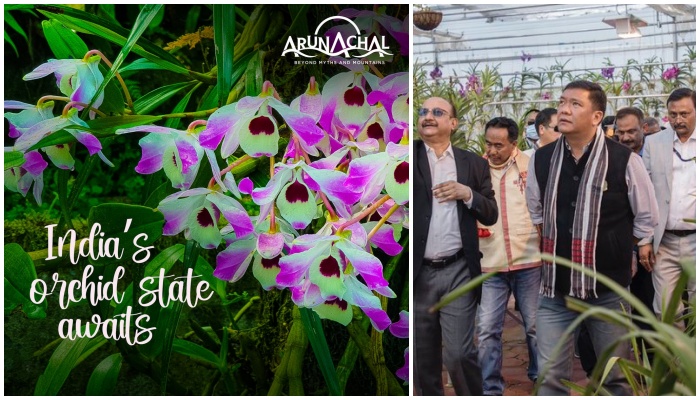
With its rich biodiversity and distinctive natural heritage, the northeastern state of Arunachal Pradesh is on the path to becoming India’s leading eco-cultural tourism hub. The state government, led by CM Pema Khandu, is planning to revive tourism in Arunachal Pradesh through a range of initiatives, which include highlighting the state’s biodiversity and indigenous traditions, reviving traditional handicraft, and rebranding the state as the ‘Orchid Capital of India’.
Held a review meeting with the Planning Department to discuss key initiatives showcasing Arunachal’s unique strengths. Focus areas included promoting kiwi as the state’s USP, developing integrated tourism circuits, and branding Arunachal as the Orchid Capital of India. Also… pic.twitter.com/bFgbf86oUN
— Pema Khandu པདྨ་མཁའ་འགྲོ་། (@PemaKhanduBJP) July 12, 2025
Recently, CM Pema Khandu, chaired a review meeting with the planning department to develop an integrated tourism plan, which amalgamates natural beauty and cultural heritage, to establish Arunachal Pradesh as a tourism hotspot. The approach of the state government is to strike a balance between the conservation of biodiversity and the attraction of nature-based tourism in a sustainable manner.
Arunachal Pradesh is blessed with a complex topography of the Eastern Himalayas, enhanced by pristine landscapes and a bounty of flora, which make it a preferred destination for nature lovers, photographers, botanists and travellers. The state has an unexplored treasure of orchids with over 600 orchid species, out of a total of 850 orchid species found in the entire Northeast region. The state’s orchid reserve accounts for 40% of the country’s orchid diversity. Some of the orchid species found in Arunachal Pradesh are endemic and are only found here.
Cypripedium Tibecticum (Image via X/Jambey Dondu)
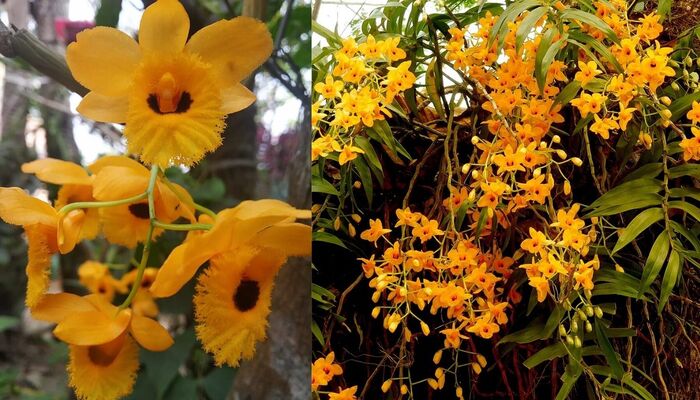
Arunachal’s orchids not only form an indispensable part of the state’s natural heritage but are deeply intertwined with its indigenous culture and traditions. The orchids act as a bridge that connects nature with the lives of the locals. From forming part of religious rituals to being used in local cuisine and herbal medicines, the orchids touch various aspects of the lives of the people of Arunachal Pradesh. Their different usages have been passed down through generations in the form of traditional knowledge. Some orchids occupy a sacred place in the indigenous culture of Arunachal Pradesh. One such orchid species is Dendrobium fimbriatum, which is used in the decoration of Buddhist monasteries (gompas) in the West Kameng district of Arunachal Pradesh.
Dendrobium Fimbriatum (Image via Wikimedia)
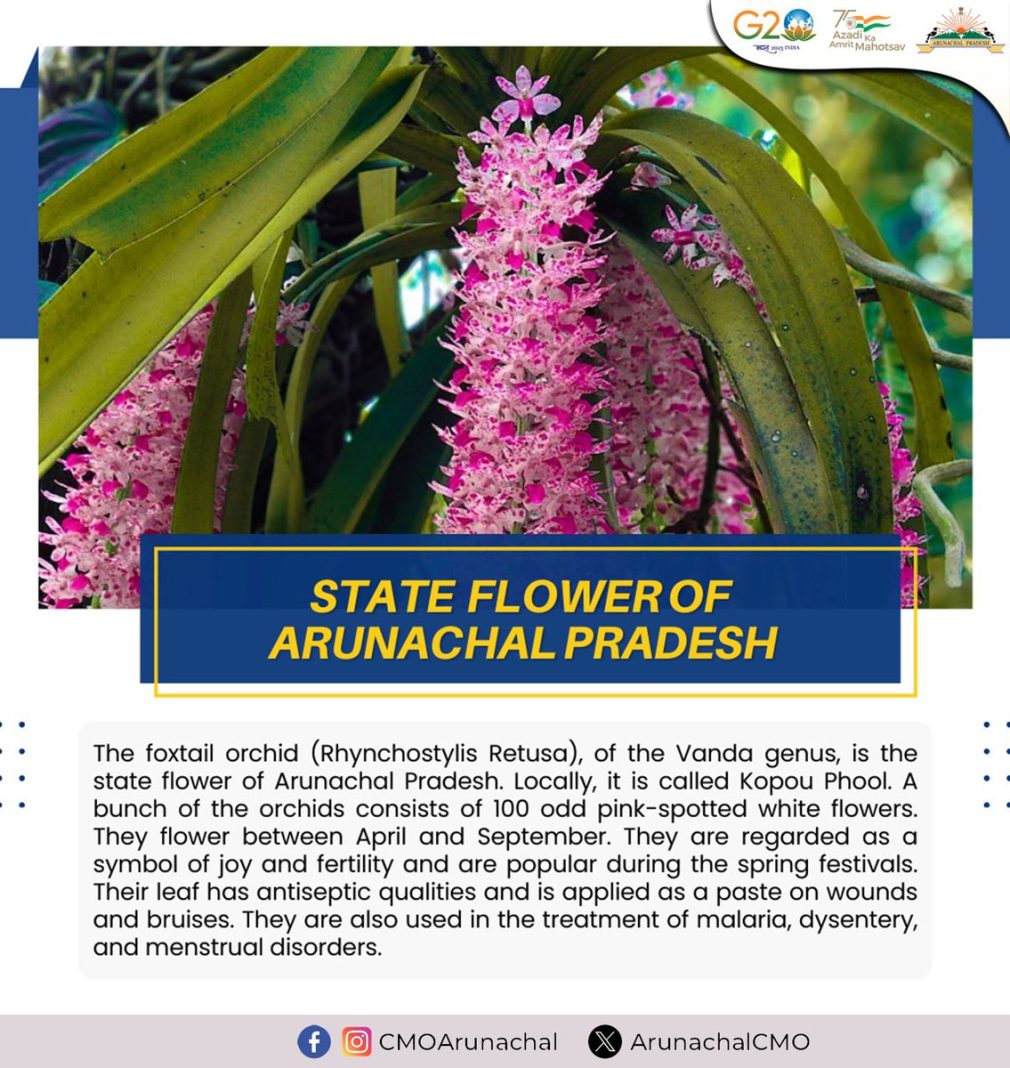
The state flower of Arunachal Pradesh: The foxtail orchid
Orchids are a part of the state’s socio-cultural identity. The foxtail orchid, Rhynchostylis Retusa, is the state flower of Arunachal Pradesh. Locally called Kopou Phool, they are a part of the many spring festivals in tribal communities. Its leaves are used to treat wounds and bruises. The flower is considered a symbol of joy and fertility and adored by the people.
What are orchids?
Orchids are a family of flowering plants popular for their unique shapes, bright colours and pleasant fragrance. With over 30,000 wild species and hybrid varieties created through crossbreeding, orchids are among the largest families of flowering plants. They have a remarkable adaptability and therefore can grow in diverse habitats, including mountains, rainforests and even deserts. Apart from soil, they can also grow on rocks (lithophytic) and even on other plants (epiphytic).
Dendrobium falconeri found in Arunachal Pradesh. (Image via X/Jambey Dondu)
The significance of orchids is not limited to their aesthetic value, their use in bioremediation, which is a process of removing pollutants from the environment, is also being studied. Some orchid species, like Anacamptis morio, have shown capabilities to absorb heavy metals like lead, arsenic and cadmium from contaminated soil. A type of fungi named Mycorrhizal fungi, which are associated with orchids, are also said to enhance plant growth and assist in bioremediation. Because of these properties, the potential of orchids to reduce environment pollution is being explored and studied.
Pleione Hookeriana found in Arunachal Pradesh. (Image via X/Jambey Dondu)
Sessa Orchid Sanctuary: The only orchid sanctuary in India
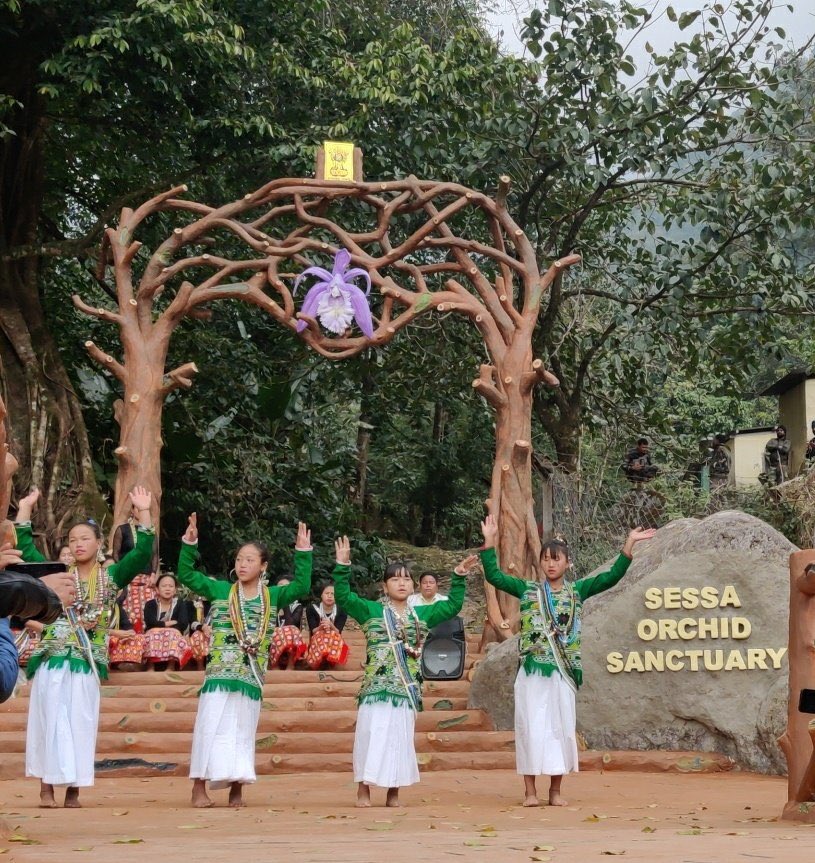
Located in the foothills of the Himalayas in Bhalukpong Forest Division of Kameng district of Arunachal Pradesh, the state has a dedicated area for the conservation of natural orchid habitat, called the Sessa Orchid Sanctuary. Established in 1979, it is India’s first orchid sanctuary, accommodating myriad varieties of orchids, with more than 200 orchid species, including 80 documented and some rare and endangered orchid species.
Sessa Orchid Sanctuary (Image via X/Praveen Kaswan)
It is the only officially designated orchid sanctuary in the country. Even though orchid species are also found in some other areas, like Kaziranga National Orchid and Bio-Diversity Park in Assam, they are not officially recognised as orchid sanctuaries. Spanning across 100 square kilometres, the sanctuary is part of the Kameng Protected Area Complex (KPAC). Since its establishment, several studies have been conducted in the sanctuary on the distribution pattern of various orchid species. It is open for visitors throughout the year, but the best time to visit the sanctuary differs depending on the different blooming seasons of the orchids.
For the convenience of visitors who come to see the natural habitats of the orchids in the sanctuary, the Environment and Forests department has developed trekking routes, which take the visitors through a mesmerising topography, including high peaks, valleys, and deep gorges. The sanctuary also has a nursery, which has representative specimens of a wide variety of orchid species present in the sanctuary for the purpose of demonstration. The nursery provides an ideal environment for the growth and conservation of the orchid species.
Another visitor attraction in the area is the Tipi Orchidarium, officially called the Orchid Research and Development Centre (ORDC), which is located around 23 km away from the Sessa Orchid Sanctuary. The orchidarium is engaged in the preservation, exploration and taxonomic study of orchid species. It houses an orchid nursery and a tissue culture laboratory. Several new species of orchids have been discovered by the orchidarium, such as Biermannia Jainiana, Cleistoma Tricallosum, Dendrobium Kentrophyllum, Epipogium sessanum, Eria jengingensis, Eria lohitensis, Gastrodia Arunachalenisis and Herminium longilonbatum.
In December 2022, CM Pema Khandu inaugurated state-of-the-art Ex-Situ Orchid Conservatory at DBT-APSCS&T Centre of Excellence for Bio-resources and Sustainable Development at Kimin. Its conservatory preserves over 600 varieties of orchids, and works with local communities to promote the cultivation of economically important ones, creating opportunities for locals while conserving the rich orchid diversity.
Through its tourism initiatives, the Arunachal Pradesh government is planning to transform the state’s natural and cultural wealth into a story of progress and economic growth founded on sustainable tourism.
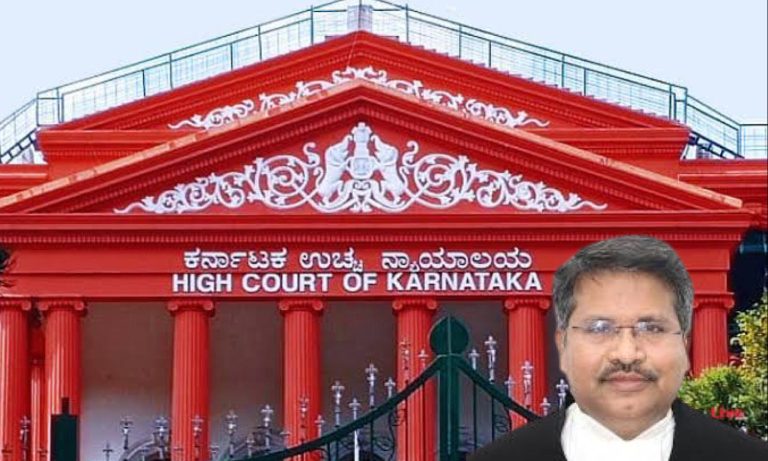
In a controversial judgment, the Karnataka High Court has quashed an FIR filed against three Muslim men accused of distributing Islamic pamphlets and verbally propagating Islamic teachings inside the Ramatheerth Temple in Jamkhandi. The court found no legal offence had been committed under the Bharatiya Nyaya Sanhita (BNS), 2023, or the Karnataka Protection of Right to Freedom of Religion Act (KPRFR), 2022.
The complainant alleged that on May 4, 2025, at around 4:30 p.m., a group of men were seen distributing literature on Islamic teachings within the temple premises and explaining their beliefs to visiting devotees. The situation reportedly escalated when some temple-goers approached the individuals for clarification. According to the complaint, the men responded with derogatory remarks against Hinduism, and allegedly offered incentives, including promises of vehicles and job opportunities in Dubai, which the complainant believed were attempts at religious conversion.
Based on these allegations, the local police registered charges under Sections 299, 351(2), and 3(5) of the BNS, along with Section 5 of the KPRFR Act. However, the accused filed a petition seeking to quash the FIR, claiming they were merely engaging in religious discourse and not attempting to forcibly convert anyone.
However, the High Court observed that no offence had been committed under these provisions, as the FIR did not establish any direct attempt to convert individuals from one religion to another, a requirement under Section 3 of the KPRFR Act.
The bench pointed out a crucial legal technicality: that Section 4 of the KPRFR Act limits the right to lodge complaints to the person who has been converted (or their close relatives), and not third parties or concerned devotees. Since the complainant in this case was a third party, the court held that he lacked locus standi. It further stated that even if the allegations in the FIR were accepted at face value, they failed to demonstrate coercion, misrepresentation, or inducement for conversion, the necessary conditions to constitute an offence under the Act.
While the court may have strictly adhered to the letter of the law, this judgment leaves behind a host of troubling questions. Is the judiciary now turning a blind eye to potential desecration of Hindu temples under the guise of religious preaching? Will the courts allow brazen violation of temple sanctity based on a mere legal technicality? If preaching Islam inside a Hindu temple, a sacred, consecrated space, is not deemed offensive or inflammatory, then where is the line drawn?
Desecration disguised as preaching?
Beyond legal interpretations, the incident cuts deep into the heart of a larger issue: the sanctity of places of worship. A temple is far more than just a structure, it is a living embodiment of a faith’s beliefs, customs, and spiritual ethos. It serves as a sacred space where followers seek connection with the divine in an environment aligned with their own religious tenets. Attempting to propagate another religion within such a space is not merely inappropriate, it is a brazen act of violating sacred beliefs propagated by that faith, spiritual intrusion, and desecration.
To engage in conversion activity, subtle or overt, inside a temple is an unabashed violation of the very essence of that place. It mocks the sanctity of the rituals, the scriptures, and the deity revered within. Just as one would not tolerate chanting Hindu mantras in a mosque or delivering Bible sermons inside a dargah, the act of preaching Islam inside a Hindu temple undermines the foundational respect for religious boundaries. In any multicultural society, the mutual sanctity of each religion’s sacred spaces must be non-negotiable.
Who will be responsible if violence erupts?
In a country where religious fault lines run deep, such incidents can easily trigger a dangerous wave of violence and rioting. And if such unrest unfolds in the future, will the judiciary bear the responsibility of having declared such provocative acts legally permissible?
Temples are not public squares. They are sacrosanct places of worship, deeply tied to the faith, traditions, and emotions of the Hindu community. Any attempt by outsiders to promote another religion within such a sacred space is bound to provoke outrage, and in volatile environments, may even trigger communal flashpoints.
Moreover, there is a fundamental contradiction at play. Hindu religious events, gatherings, and institutions frequently come under attack for “hurting sentiments” for merely affirming their beliefs, while active promotion of Islam within a Hindu temple is deemed harmless unless someone is forcibly converted. This asymmetry is not only harmful, it is extremely dangerous—with the potential of turning Hindu temples into next battlefront for communal confrontations.
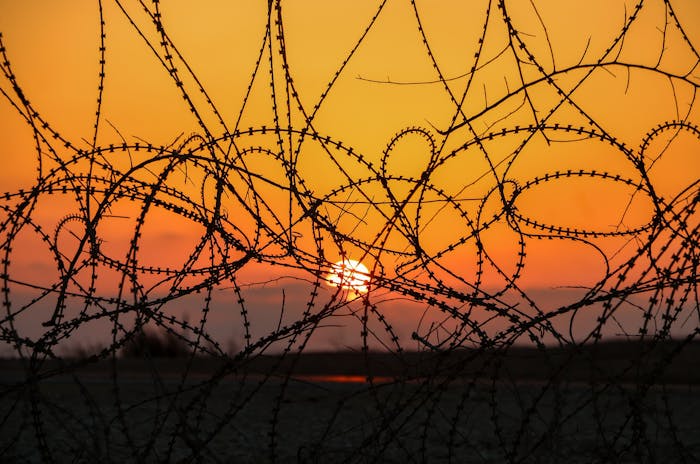
In a significant step towards protecting the border of the nation, India has stepped up to work on fencing the long 1,643 km porous border with Myanmar. The Border Roads Organisation (BRO) will complete this project in phases over the next decade.
Over Rs 20,000 crore will be spent on the fence itself, and an additional Rs 11,000 crore on the construction of over 60 border roads, which will take place in this ambitious project. For the effective management of the India-Myanmar border, as well as ensuring the fencing in the north-east region, over 1,500 km of fencing, which includes 300 km of electric fencing, will be deployed.
Due to the ongoing ethnic violence between the Kuki-Zo and Meitei communities for a long time, and the signs of no normalcy in the specific region of Manipur have led to come up with this action has been taken. The violence has led to the deaths of over 250 people in total in the region.
The security has discovered that over 60,000 people have been displaced internally, and less than half of the around 6,000 weapons looted in the state. The vulnerable condition in the state amid the fighting between the military and armed opposition subsequent to the coup in February 2021, has also led to over 31,000 people fleeing and seeking refuge in India.
“Myanmar’s ongoing instability has further aggravated the situation, with a surge in smuggling, human trafficking, and movement of armed infiltrators. Drugs worth Rs 1,125 crore, for instance, have been seized along the border in the last six-seven months,” a source said.
Communities in other states like Manipur, Mizoram, and Arunachal Pradesh, which shared their boundaries with Myanmar, have opposed the proposal of a fence system. They also have shown opposition to the scrapping of the Free Movement Regime (FMR). The FMR allowed people residing along the border to venture 16 km into each other’s territory without such visas, earlier this year. Apex Kuki bodies, for instance, say the twin steps “threaten to infringe upon the cultural, traditional and historical rights of indigenous communities”.
Some critics argue that the expensive fencing initiative could create difficulties for communities with shared ethnic and cultural ties across the border, potentially disrupting connectivity, trade, and interpersonal relationships.
However, defence and security officials maintain that the fence is not meant to block civilian movement or break cultural and familial bonds between people on either side. “Plans are underway to install a network of gates equipped with biometric systems along the fence to enable cross-border movement while maintaining security,” said another source. These access points will be established in coordination with local communities.
The primary goal of the fence is to control the movement of armed groups and prevent smuggling of weapons, drugs, human trafficking, and illegal immigration, the source added. The successful completion of a 10-km stretch of fencing in Moreh, Manipur, is being cited as evidence of the project’s effectiveness in enhancing both security and trade regulation. “This initiative will also help streamline legal trade activities, bringing economic benefits to local populations while curbing the negative effects of illicit trade,” he said.
Several Naga organisations in Manipur, which include the United Naga Council, All Naga Students Association, Naga Women’s Union, and Naga People’s Movement for Human Rights South, submitted the petition through the Manipur governor through Ajay Kumar Bhalla. In fact, they urged Prime Minister Narendra Modi and Union Home Minister Amit Shah to halt the fencing of the India-Myanmar border and to restore the free movement regime (FMR) within twenty days.
The Naga civil organisation has set several forms of protest, “including picketing of government offices in Naga-inhabited areas have been undertaken along with protest rallies in Naga-inhabited hill districts, in the way to express a strong resentment against the abrogation of the FMR and the ongoing border fencing construction along the Indo-Myanmar border.
Previously, border tension has been witnessed, which has included conflict and clashes between the two communities. Last year, in July 2023, the heavily armed militants started to set buildings on fire. Soon, the uprising was settled by the state police after the people were cleared. Kuki militants arrived and opened fire.
The incident saw extensive looting and arson, and many private dwellings, including that of a journalist, were set on fire. The place was reportedly given to the people of the Meitei community who had escaped the area due to previous violence.
It was assumed that the attack was caused by the neighbouring country, Myanmar, formerly known as Burma. The probe was launched, which held four to five people for interrogation.
More than 700 illegal immigrants have reportedly entered from Myanmar on the Indian side and orders have been given to deport them. “Now, there are illegal migrants from Myanmar. 718 of them that the Assam Rifles have informed the Chandel Police and the Manipur Police. They have said that 718 fresh illegal migrants from Myanmar have come. The Manipur government has asked the Assam Rifles to deport them. This is a separate development,” unveiled Wasbir Hussain, a senior journalist.
He further continued, “On the other side of Moreh is the Burmese town of Tamu that is connected by an India-Myanmar friendship bridge and where Indians and Myanmarese can come and go within a distance of about 10 to 20 kilometres. There are no real documents necessary. Just an entry at the gate. You are allowed to go inside Tamu and come back. This is the situation in the border town.”
“There are a lot of Tamils in Moreh. There are a lot of Kukis. There are a lot of Meiteis of course. The Meities were attacked during the first wave of violence and they fled the town. They are in the relief camps in the Imphal Valley,” he mentioned.
Some north eastern state that share boundaries with Myanmar, like Mizoram, was also seen as an emerging major route for drug trafficking from Myanmar. Reportedly, the state provides a route for smuggling of Yaba tablets (methamphetamine or meth) and other synthetic drugs to not just the northeastern region. It was observed that the drug smuggling is benefiting some terrorist groups in Myanmar.
Following this issue, the NGOs in Mizoram claimed for long border fence that the state shares with Myanmar to be fenced as drugs worth US dollar 136,526 were seized in February-March this year.
In a significant decision, the long-awaited restoration and conservation efforts at the iconic twin forts in Palamau Tiger Reserve of Jharkhand are poised to commence soon. The renovation of the 400-year-old Mughal-era structures, which were constructed by the tribal Chero monarchs of Palamu, has already been the subject of a thorough project report.
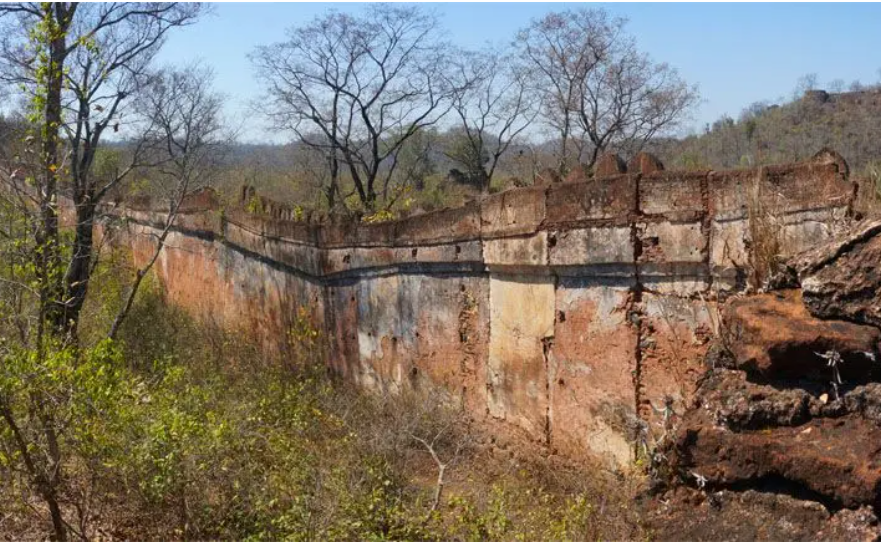
Currently, the forts are in terrible shape with the enormous buildings slowly disintegrating into rubble. The interiors are filthy with parts of the walls in dangerous conditions. The landmark development put an end to a wait of more than two decades that was characterised by problems with forest clearance, bureaucratic hold-ups and Maoist terror.
Palamu ruins (Source: Peepul Tree)
Palamau Tiger Reserve (PTR) Deputy Director, Prajesh Kant Jena informed that a Detailed Project Report (DPR) for the preservation of the forts has been produced. It is pending a final examination by Archaeological Survey of India (ASI) agencies.
The agencies under the ASI will start the process of requesting tenders for the repair and restoration of the forts after the Building Construction Department has verified the report prepared by the Indian Trust for Rural Heritage and Development. State ITRHD head Shree Deo Singh reported that the new fort occupies 11.5 acres while the old fort spans 18 acres.
It was decided to start the tendering process and hand over the contract to a company with previous experience in developing archaeological sites, at a recent high-level meeting.
The meeting was chaired by state Tourism Minister Sudivya Kumar and attended by Finance Minister Radha Krishna Kishore and secretaries of the tourism and forest departments, according to an official release. According to the statement, the project is expected to cost between ₹40 and ₹50 crore.
Jena stated, “It’s a dilapidated building of medieval architecture, built in 1628 and it needs technical intervention. In 2005 and 2011, proposals had come and ASI had visited the place, but somehow, it could not take off.” He affirmed that the project’s foundation has been laid.
“All hurdles have been cleared and all stakeholders have given their go-ahead to the restoration project. Once the tender is finalised, the restoration work will begin,” he pointed out and added, “Now, they have to find out a proper party or agency which can do justice to this cultural heritage.”
Jena and his team started a comics-based campaign to raise awareness of the architectural beauty and historic value of the buldings, in 2024. The project was reportedly approved by the state government in 2005, but it never started because of multiple obstacles, including forest clearance because the sites are under PTR’s purview in the Latehar district.
The Chero rulers
According to the Archaeological Survey of India’s book “The Chero of Palamau,” the Chero governed Palamu, starting in 1613 CE (Common Era). Their original home was the Rohtasgarh fort in Bihar but over the course of several centuries, they moved to Palamu and relocated in the areas of Shahabad, Saran, Champaran, Muzaffarpur and Palamu in Bihar and Jharkhand.
The area was ruled by the Mughals until the early 17th century. However, Chero chief Anant Rai expelled the Mughal imperial troops stationed there and proclaimed independence. He then founded the kingdom that would govern the territory until 1818 CE.
Man Singh, a Raksel Rajput leader and governor of Bihar during the Mughal era clashed with the early Chero kings. The Mughal-Chero conflict persisted for many years under Akbar, Jehangir and Shahjahan. Medini Rai, regarded as the most powerful king to have ever ruled Jharkhand, succeeded Anant Rai who died in 1619. The twin forts were constructed during the reign of these two monarchs.
The historic twin forts of Palamu
The ruins of the forgotten kingdom of Cheros can be found deep within the jungles of Jharkhand’s Palamu Tiger Reserve. The twin forts of Palamu were once inaccessible because of the Naxal threat. They narrate the story of a formidable kingdom that is largely unknown to those beyond Jharkhand, harboring secrets hidden within their ruins that will emerge once they are restored to their former glory.
The forts lie approximately 20 miles southeast of the tourist destination Daltonganj (currently known as Medininagar). It was the stronghold of the Chero tribe which governed the area for two centuries. During the early Mughal era, in 1628, the two forts Purana Quila and Naya Quila were erected on the banks of the Auranga River, deep within the forest.
Cheros defended the forts against the Mughals for several years, however, Daud Khan, the Governor of Bihar, eventually took control of the structures and the conquest is reflected in the Islamic-style architecture.
The old fort
Anant Rai is credited with building the fort on the lower plain, which is commonly referred to as the Old Fort. Later, Raja Medini Rai expanded and strengthened it employing the ruins of Navratangarh at Doisa, the capital of the Nagvanshi kings of Chotanagpur. Some historians, however, contend that the Raksel dynasty constructed the ancient fort and the Chero royals subsequently restored it.
The layout of the Old Fort is rectangular. Its walls are around 25 feet high, 7 feet thick and their dimensions are roughly 250 yards east to west and 150 yards north to south. The upper story of the fort forms a long verandah with small covered enclosures.
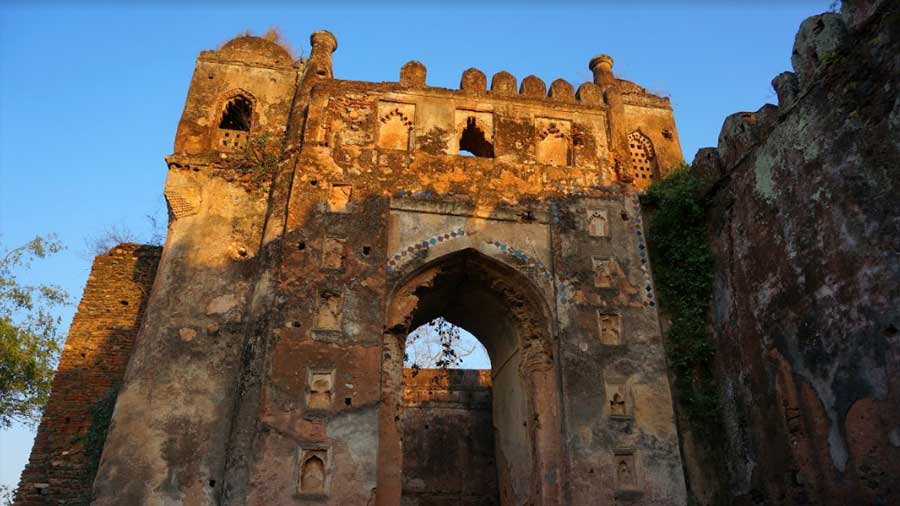
Old fort enterance (Source: Telegraph India)
The western half of the fort towards Betla has an entrance with remnants of stones with Meenakari. There is a broad passageway with tiny, covered alcoves (could have used as sentry posts) on the upper story. It might have served as a Naubat Khana, where musicians played “Naubat” or large war drums, whenever the Chero rulers passed through. The fort had three gates and defences on three sides.
An open courtyard is seen from the upper corridor upon entering through the gate. It has ventilator-equipped staircases on both sides and has multiple high-walled entrances to the fort.
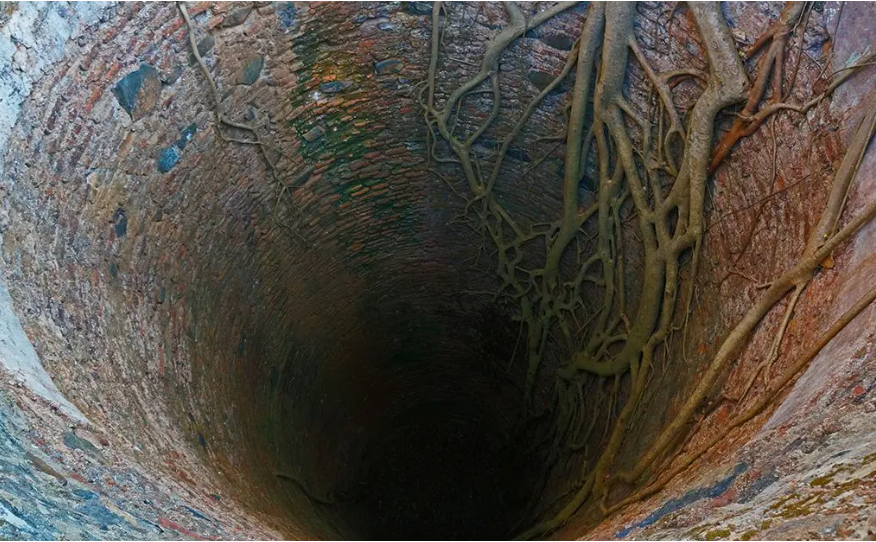
Well in old fort (Source: Peepul Tree)
There is a deep well in the centre of the pathway via the western entrance and a decaying brick mosque with three domes and octagonal towers at the back wall’s corners. The Tarikh-i-Dandia by 16th-century poet Abdullah mentioned that in 1660 AD, Daud Khan installed the mosque in memory of his victory of Palamu. A short distance from the fort’s western entrance lay the remains of another mosque.
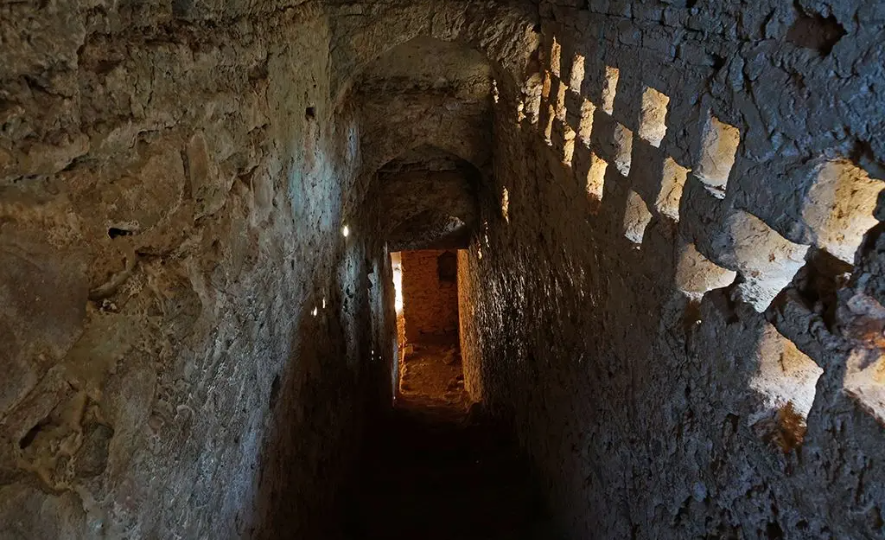
The fort still houses some living quarters, including an impaired palace of a king. Just beside the fort’s entryway, there is a secret tunnel located on the lower side of the wall which might have been employed as an escape route in times of crisis. Moreover, several small staircases are available for visitors to ascend the wall’s ramparts.
The new fort
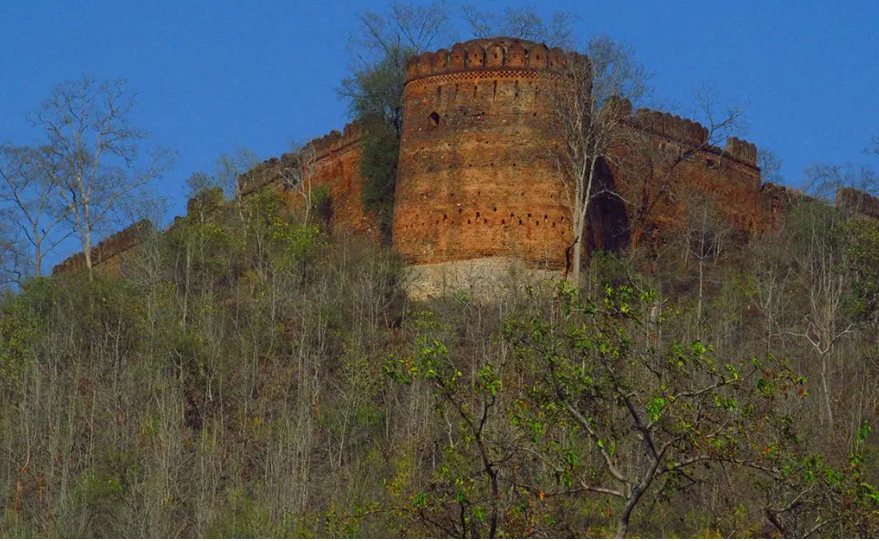
The new fort appears impressive even from a distance as it stands atop a conical hill. It was constructed by Medini Rai, according to some historians, but Pratap Rai, his son and successor is credited by others. The rectangular building is slightly over 90 meters from north to south and 230 meters from east to west. A motorable road has now been built all the way up to the main gate of the fort which made the ascent simpler.
A continuous sequence of domed (vaulted) chambers housed within the structure’s walls which are 17 feet thick and hold garrison. The rampart consists of a 12-foot-wide passage and the standard battlements. On the southern wall, two enormous circular bastions are encased in domes that let in light through four windows. There are large circular bastions with dry pits for ammunition storage.
The new fort (Source: Peepul Tree)
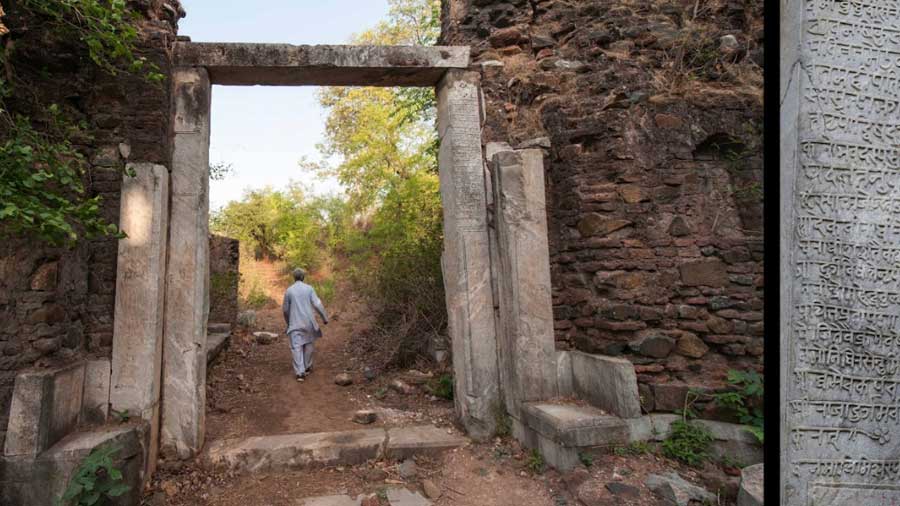
The staggering Nagpuri Gate is the main entrance to the fort which is located around 80 feet past the fort wall. Despite being in terrible condition, the remnants of its fine exterior continue to exist and the inscribed names of the Chero kings are visible in Devangari on one side of the gate. However, the Persian inscriptions have vanished.
A gateway framed by stone blocks marks the entrance to the new fort and Devanagari inscription lists the names of the Chero kings near the main gate. (Source: Telegraph India)
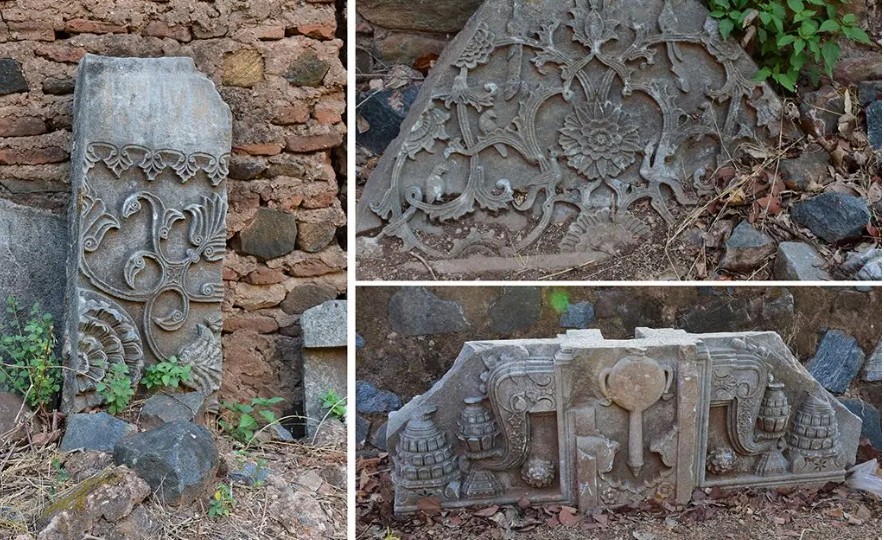
The entryway is littered with several stone artefacts and what are likely fragments of the fort’s architecture. Visitors can see the Auranga River, the surrounding area and the landscape from the bastion which is reached by a pathway.
Staircase with ventilators (Source: Peepul Tree)
Unfortunately, very little of these two forts are left, save from the walls, wells and a few temples. Usually, this would be attributed to the whims of time, but in the middle of the 19th century, the British made the conscious decision to destroy them.
Britishers demolished the forts
Internal strife caused the Chero kingdom to start disintegrating after more than 150 years of peace and stability. The reigning King Ranjit Rai was assassinated amid a rebellion in 1722. He was replaced by Jai Kishan Rai but met the same fate, during his rule. Thus, the Chero kingdom was to plunge into a perpetual civil war.
The British, who had seized power in the nearby Bengal province during the Battle of Plassey in 1757 became interested due the struggle in the kingdom. The British East India Company invaded and seized control of the Chero Kingdom of Palamu under the guise of “restoring peace.”
The kingdom was eventually disbanded and placed under direct British rule in 1817-1818 after which another rebellion erupted in Palamu during the 1857 uprising. The British recaptured the forts in January 1858 after the rebels used them as their headquarters. Furthermore, the Commissioner of Patna ordered the demolition of the majority of the structures and their fortifications to put an end to the movement and make sure that the people could not oppose the colonizers.
Red-terror and other challenges
According to HP Sinha, a former deputy director at the state archaeology department, restoration work had been started in 2007–2008 but was unable to proceed for two reasons: Maoists and the lack of authorisation from the forest department.
He outlined, “The entire area was affected by Maoist activities at that time. This was a major hurdle.” The major success of the Modi government in its commitment to eradicate leftwing extremism from the nation may have facilitated the progress of this crucial project.
He further disclosed, “Besides, a certain number of trees needed to be felled for the restoration work. But, we did not get the permission of the forest department for a long time.”
Artefacts in new fort (Source: Peepul Tree)
A team of ASI specialists and Latehar administrative representatives toured the twin forts in February 2021 to create a conservation plan. According to a former director of tourism, the ASI expressed interest in rehabilitating the forts but the forest department objected because they are located within the only tiger reserve in the state.
Jena highlighted, “When ASI undertakes any work, it requires the transfer of land into its name. Since the forts are in a tiger reserve area, land cannot be transferred.” He conveyed that further research revealed that while there is no legal requirement to carry out renovations, land in the Tiger Reserve area cannot be sold to any party.
“If a DPR for renovation is approved by ASI through its technical specification, the work can be done. So, a DPR has been prepared and it needs vetting,” he added.
Deo Singh informed, “Stone and Lakhori bricks were used in the original structure. Lime and ‘surkhi’, finely powdered burnt clay, were used as mortar. The same materials will be used in the restoration of the structure. The essence of the original architectural style will be maintained.
He explained that the presence of huge trees on campus, with their roots extending over the memorial walls, is a major obstacle and warned, “The structure is about 40-feet high and around three to four metres wide. If the trees and roots were not removed carefully, they may damage the structure after restoration.”
These forts are characterized by their distinctive architectural features. They represent a critical aspect of Jharkhand’s heritage and are among the final remnants of the Chero kings in Palamu. These historic buildings required maintenance and preservation.
Now, efforts are being made to restore this previously lost architectural jewel and to bring to light the valorous dynasty that not only fought against the Mughal invaders but also founded a powerful kingdom for its people. Cheros might have faded into the depths of time and history but their accomplishments should not remain the dark and Palamu’s twin forts are a pivotal part of their legacy and a gateway to their incredible past.
The Enforcement Directorate (ED) has filed a complaint under the Foreign Exchange Management Act (FEMA), 1999, against e-commerce company Myntra alleging violation of FDI norms. The agency claims that Myntra Designs Private Limited and its associated companies and directors violated foreign direct investment (FDI) rules involving a massive sum of ₹1,654.35 crore.
The complaint was filed by the ED’s Bengaluru Zonal Office. According to the ED, they received credible information that Myntra and its group companies were involved in multi-brand retail trading (MBRT), even though they had claimed to operate as a “wholesale cash and carry” business. This goes against the FDI rules that were in place at the time.
As part of the probe, ED found that Myntra had declared itself as a wholesale business to attract foreign investment. It then received over ₹1,654 crore in FDI from overseas investors. However, the ED says that Myntra was mostly selling its goods to a related company named Vector E-Commerce Pvt Ltd. Vector then sold the products directly to individual customers online.
The ED pointed out that both Myntra and Vector are part of the same group, and Vector was essentially used as a middleman to make it look like business-to-business (B2B) sales were happening. In reality, it was a case of business-to-customer (B2C) selling—something that is not allowed under the wholesale FDI policy.
According to Foreign Direct Investment (FDI) policy changes made in April and October of 2010, only up to 25% of sales can be made to group companies if a business claims to be “wholesale cash and carry.” But Myntra, as per ED, was making 100% of its sales to Vector, which violates these rules.
The ED has said that Myntra and its related entities have broken Section 6(3)(b) of FEMA, 1999, and also violated the 2010 FDI policy norms.
Myntra responds
After the ED’s announcement, Myntra, which is owned by Walmart Inc., said they haven’t officially received any copy of the complaint or related documents from the authorities. “We haven’t received any notice yet,” Myntra said in a short statement quoted by Reuters. “But we are fully ready to cooperate whenever needed.”
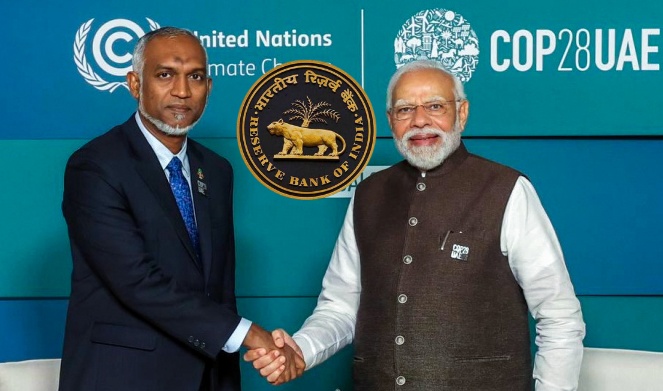
Prime Minister Narendra Modi is visiting the Maldives for the first time since Mohamed Muizzu became the President. Muizzu won the elections in November 2023 and came to power. Prior to that, he had led the “India Out” campaign. There had also been tensions between the two countries over the promotion of Lakshadweep as a tourism hub. Two Maldivian ministers had to resign due to objectionable remarks made against Prime Minister Narendra Modi.
Now, as India and the Maldives celebrate 60 years of diplomatic relations, PM Modi’s historic visit is taking place. When Muizzu visited India last October, India launched RuPay cards in the Maldives. In recent years, the Maldives has often been described as a close ally of China, but even then, if it realizes that it cannot move forward by ignoring India, there are certain reasons behind this.
One such key reason, which we will discuss in this article, not only proved to be a ‘Sanjivini Booti’ for the Maldives but also reflects India’s generosity and the principle of winning hearts through the philosophy of “Vasudhaiva Kutumbakam” (the world is one family).
India’s timely $50 Million support steadies Maldives amid economic turbulence
Small island economies like the Maldives are especially susceptible to economic shocks amid the choppy waters of global finance. A credit downgrade was imminent, and the Maldives’ foreign exchange reserves were severely strained due to its tourism-driven economy and high external debt. Despite India’s State Bank of India subscription of USD50 million on government issued Treasury Bills by Maldives in May 2024 economy remained turbulent. SBI renewed the subscriptionof USD50 million at the Maldivian government’s request, the previous subscription, which was scheduled to mature on September 19, 2024, has now been extended.
The Maldives thanked India for providing a $50 million Government Treasury Bill, which helped the island nation in its efforts to achieve economic stability through fiscal reform. “Timely assistance from India reflects the close friendship between the two countries and will support the government’s ongoing efforts to implement fiscal reforms for economic resilience,” Maldivian Foreign Minister Abdulla Khaleel wrote on X.
I express my sincere gratitude to EAM @DrSJaishankar and the Government of #India for extending crucial financial support to the #Maldives through the rollover of the USD 50 million Treasury Bill.
This timely assistance reflects the close bonds of friendship between #Maldives &…
In terms of India’s “Neighbourhood First” strategy and Vision MAHASAGAR – Mutual and Holistic Advancement for Security and Growth Across Regions, the Maldives is a crucial maritime neighbour and partner. Together with India’s earlier decision this year to extend a special quota for essential commodity exports to the Maldives, the Treasury Bill subscription highlights the two countries’ strong bilateral ties and New Delhi’s ongoing commitment to the welfare of the Maldivians.
RBI’s $757 million currency swap strengthens Maldives’ reserves and credit outlook
In light of this, the Reserve Bank of India (RBI) offered the Maldives a $400 million currency swap through the SAARC Currency Swap Framework and 30 billion Indian Rupees ($357 million) under INR Swap window. In addition to temporarily stabilising the Maldivian economy, this action increased investor confidence and avoided a further credit rating downgrade.
This article examines how the RBI’s intervention boosted the Maldives’ foreign reserves, improved its creditworthiness, and demonstrated India’s strategic financial diplomacy in the Indian Ocean region.
A currency swap is essentially an agreement between two central banks to exchange currencies and provide liquidity support to the recipient country. The pandemic and global economic slowdowns had a significant impact on the Maldives, which relies significantly on tourism (which accounts for more than 70% of its foreign currency inflows). Imports of essentials such as fuel and food further strained reserves. The RBI’s $757 million swap occurred at a time when the Maldives’ import cover was dropping below safe levels, and repayment of foreign debt appeared difficult.
The agreement came on the same day i.e 7th October 2024 when Maldivian President Mohamed Muizzu met with Indian Prime Minister Narendra Modi in New Delhi. The $400 million swap line, which is also available in Euros, will help the Maldives meet its foreign exchange needs, according to the MMA. It further stated that the $357 million rupee line will make it easier to settle trade in local currencies.
Prior to the swap, the Maldives’ foreign exchange reserves were decreasing as a result of falling tourism receipts and growing import costs. The MMA said the Maldives’ total Foreign Exchange reserves stood at $443.9 million at the end of August, down from $694.2 million at the same time last year. The Maldives’ foreign exchange reserves were instantly increased by a currency swap from a large economy like India, guaranteeing that the country could pay for external debt servicing and necessary imports.
India helps Maldives to avoid credit downgrade and stabilize its reserves
Foreign reserves are a crucial metric used by credit rating agencies such as Moody’s, S&P, and Fitch to assess a nation’s capacity to fulfil its external commitments. Downgrades frequently follow a significant reduction in reserves or an increase in external vulnerability, which raises the cost of borrowing for the nation.
In August 2024, Fitch downgraded Maldivian bonds to CC from CCC+, indicating a high risk of default. The rating agency stated that rising public debt would limit the Maldives’ ability to get additional financial help from overseas. On September 11, 2024, Moody’s Ratings (Moody’s) lowered the Government of Maldives’ long-term local and foreign currency issuer ratings from Caa1 to Caa2, and the downgrade was reviewed.
India has expressed pleasure with the recent increase in Maldives’ foreign exchange reserves, citing the smooth implementation of a currency swap agreement between the two countries. In a post on X, the Indian High Commission in the Maldives stated that the increase in the Maldives Monetary Authority’s reserves was primarily due to the $400 million drawdown under the currency swap agreement with the Reserve Bank of India in October 2024.
India notes with satisfaction that the FX reserves increase in Maldives was driven by the $400 million drawdown under a currency swap between MMA & RBI in Oct 24, which alleviated imminent external liquidity strains as noted by Fitch credit rating for Maldives. pic.twitter.com/VQN2FFG2AL
Fitch Ratings noted Gross foreign exchange reserves stood at USD816 million in May 2025, boosted by a USD400 million drawdown under a currency swap agreement signed by the Maldives Monetary Authority with the Reserve Bank of India in October 2024.
The RBI’s currency swap demonstrated to credit rating agencies and global investors that the Maldives had significant financial support from a key regional power. This averted the risk of a credit downgrade, preserving the Maldives’ sovereign rating and preventing an increase in foreign borrowing rates.
Currents of stability: India’s currency swap rescues Maldives
The Maldives is strategically located in the Indian Ocean, and India has consistently positioned itself as the region’s “net security provider”. Extending financial support during a critical period boosted bilateral relations and demonstrated India’s economic leadership. India’s prompt financial involvement through the RBI swap confirmed New Delhi’s position as a reliable partner and quietly resisted Beijing’s expanding influence.
EAM Dr. S Jaishankar speaking at the Indian Ocean Conference 2025: Voyage to New Horizons of Maritime Partnership on February 16, 2025, highlighted New Delhi’s role in stabilising Indian Ocean economies and communities that were under stress. He used the example of India’s $4 billion financial package to Sri Lanka to help stabilise the island nation’s economy, which had fallen into a crisis.
The Maldives was saved from a reserve crisis, its currency was stabilised, and its credit rating was preserved thanks to the RBI’s $400 million currency swap. The importance of regional cooperation and India’s crucial role in maintaining economic stability in its neighbourhood were more significantly reaffirmed. In addition to improving the Maldives’ financial situation, India’s prompt assistance boosted its own strategic location in the Indian Ocean.
Although the swap provides temporary respite, in order to develop long-term resilience, the Maldives must now concentrate on debt management, economic diversification, and fiscal reforms.